Your journey
Eight steps from your first message to your twelve-month follow-up. Here is exactly what happens, in order.
What this page is for
A treatment trip fails at the boring parts: not knowing whether you need to be there a week, whether anything is paid before you arrive, or who answers when you land. So this page is the whole sequence, in order, with the parts most clinics leave out written down.
Read it before you write to us. If any step does not work for you, that is useful to know early.
01 · Online video consultation

You speak with the physician who will perform your treatment — not a sales coordinator.
You describe what concerns you. Most first consultations run about 40 to 60 minutes, because the useful part is the questions in the other direction: what you have had before, what you did not like about it, what you are hoping changes. The physician tells you whether treatment is appropriate for you at all — including when the honest answer is no, or not yet.
The consultation is free and there is nothing to pay to hold it. You will need a stable connection and decent light; if you can send photographs taken in daylight before the call, the conversation gets more specific.
What you get out of it: a recommendation for the clinic, for one of the partner hospital departments, or for neither — plus a first read on how many days you would need in Nanjing.
02 · Visa & travel assistance
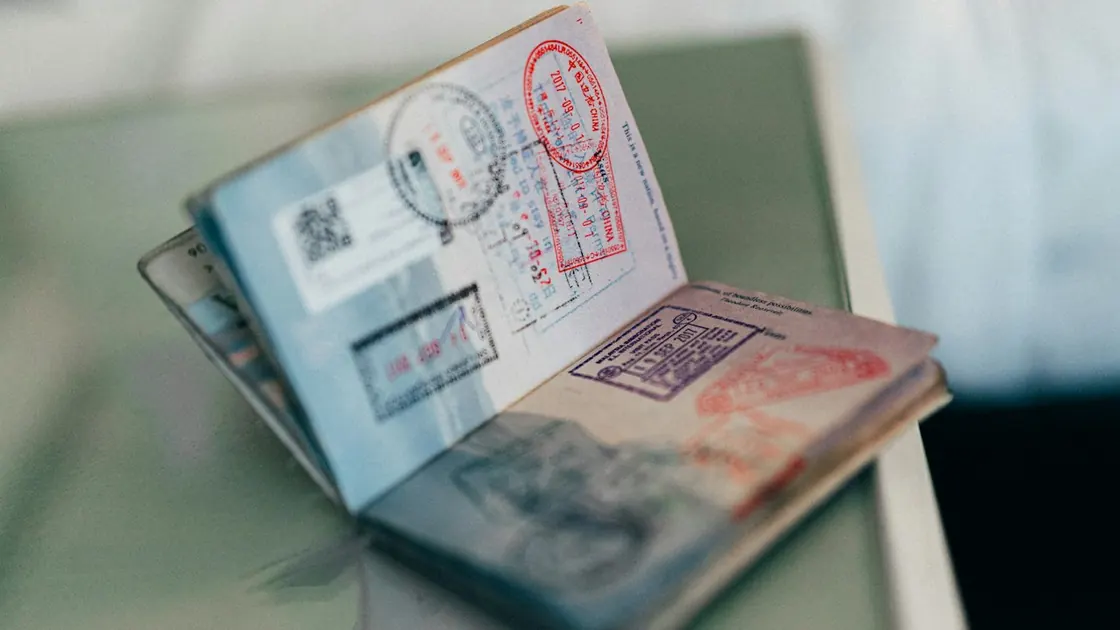
We tell you which visa route applies to your passport and what documents it requires.
China has no separate medical visa category. We work through the M / L / F routes, and we will tell you which one fits your reason for travelling and what the clinic can lawfully issue to support it — an invitation for a business visit, or the documentation for a tourist entry.
What those routes are, what each asks for, and how the visa-free frameworks work is written out on visas and entry for a treatment trip — this page tells you what we do, that one covers the system itself.
Two things we are careful about here, because getting them wrong costs you a trip:
- We do not tell you whether you can enter the country. Entry rules differ by passport and change without published notice. That decision belongs to your embassy and the Chinese immigration authority, and their page always beats ours.
- We do not promise approval. Apply about one month ahead. Processing usually takes four to five working days, but the decision is not ours and an application is never guaranteed.
If you are applying for a visa, tell us before you book flights. The clinic does not issue flight bookings or hotel reservations that some consulates want to see.
03 · Airport pickup
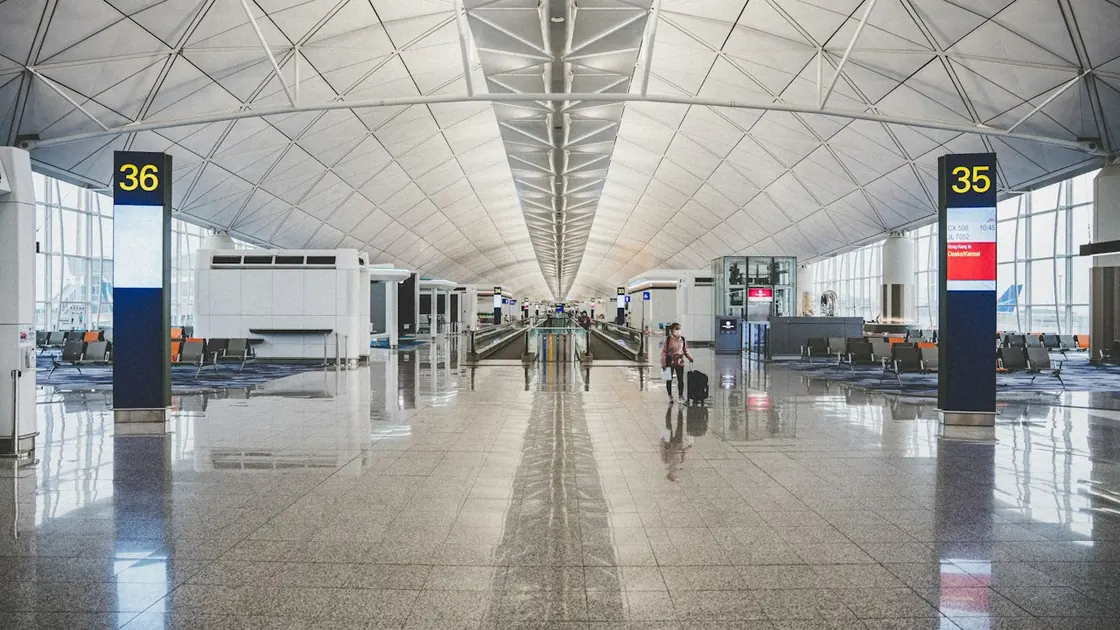
We collect you at Nanjing Lukou Airport or Nanjing South Railway Station, and take you to your hotel or to the clinic.
Nanjing Lukou International Airport has direct flights from six Southeast Asian cities — Singapore, Kuala Lumpur, Bangkok, Jakarta, Ho Chi Minh City and Hanoi — and Nanjing South Railway Station connects to Shanghai in about an hour and a quarter. Whichever you arrive by, someone meets you.
What that means in practice:
- Send us your flight or train number once it is booked. The coordinator watches the arrival time, not the scheduled one.
- Someone is waiting in the arrivals hall with your name, from the moment the aircraft lands. Delays and diversions are normal; we would rather wait than have you stand there wondering.
- The transfer is included. Airport to hotel, hotel to clinic, clinic to airport — no separate charge and no taxi negotiation.
04 · In-person consult & tests

An in-person examination and any tests the physician considers necessary, before anything is decided.
This is where the plan becomes real. The physician examines you, and orders whatever tests the assessment calls for — imaging, blood work, a skin assessment — before recommending anything. Photographs are taken under standardised light and kept in your record, so later sessions can be compared against a baseline rather than against memory.
This step ends with two documents:
- a written treatment plan — what will be done, in what order, over how many sessions
- a written quotation — the price for that plan
Nothing is opened, injected or switched on until you have both, and you are free to take them away and think about it.
05 · Treatment
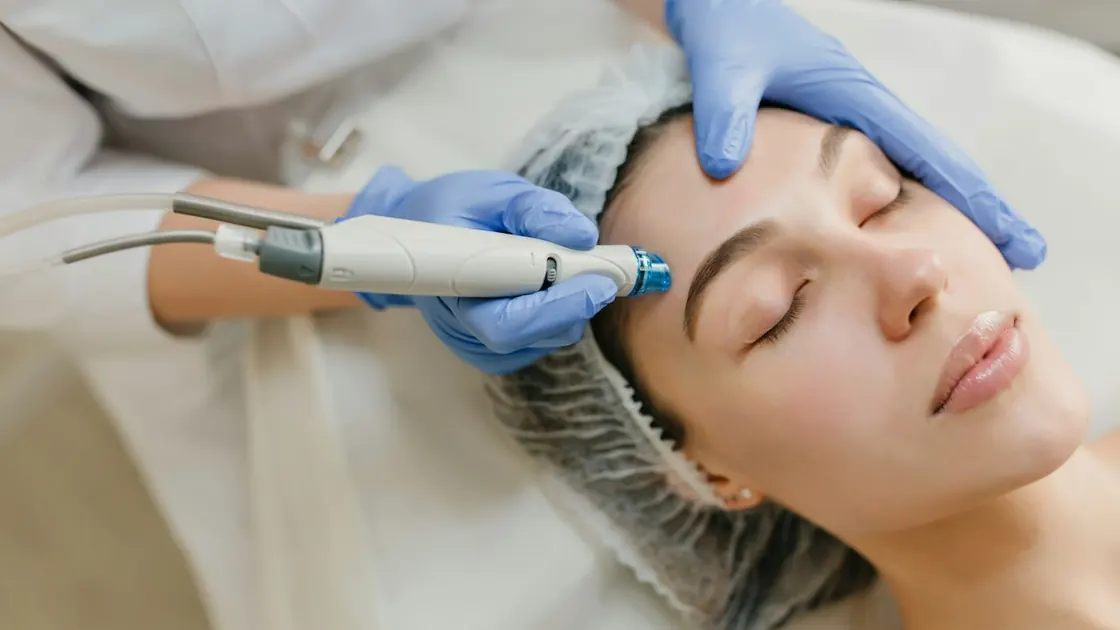
Performed by the same physician who consulted you. Every device and injectable is verified by scan in front of you before it is used.
That last sentence is the one to hold us to. Before treatment begins, you can watch two checks happen:
- the device — the manufacturer’s code on the handpiece, checked against the registration for that device
- the product — the registration on the vial or syringe, with the batch readable on the packaging
You check these, not us. If a code does not resolve, or the packaging does not match what was quoted, say so — treatment stops there and nothing is charged.
The work here is non-surgical: injectables, regenerative treatment, energy-based devices and medical skin care. If your case turns out to need surgery, or turns out to be a skin disease rather than a cosmetic concern, the physician refers you to one of the five partner hospital departments rather than treating it here.
06 · Recovery & follow-up

You are reviewed in person before you fly home, and given written aftercare instructions in a language you can act on.
There is no general anaesthetic and no recovery period that keeps you indoors. These are non-surgical treatments — you are not bed-bound and not waiting for swelling to settle before you can be seen in public. Most people are back at work within days of flying home.
Before you leave, you get:
- an in-person review with the physician, so any early reaction is seen while you are still in Nanjing
- written aftercare instructions — what to do, what to avoid, what is normal and what is not, with a contact who answers
- your clinical record, so a physician at home can read what was actually done
If the physician’s view after treatment is that a second session is needed, you will be told before you fly, not by email a month later.
07 · Departure

Transfer back to the airport or station, with your written records and a direct channel to the clinic.
The coordinator confirms your departure time, arranges the transfer, and hands over everything in one place: the treatment record, the aftercare instructions and the follow-up schedule. You leave with a channel that reaches the clinic directly — not a general enquiry form.
08 · 12-month online aftercare

Twelve months of scheduled online follow-up after you return home. If something concerns you at month eight, you still have somewhere to ask.
Follow-up does not require you to be in the room. A physician who has examined you can review progress from photographs and a video call, and will tell you plainly if something needs to be looked at in person.
The schedule is fixed at the outset rather than left to you to chase:
| When | What happens |
|---|---|
| 2 weeks | First check-in — early response, and any question about the aftercare instructions |
| 1 month | Review of photographs against the baseline taken during your visit |
| 3 months | Progress against the plan; whether the next stage is on schedule |
| 6 months | Longer-term response review |
| 12 months | Final review, and what — if anything — to do next |
Between those points you can write at any time. The point of the twelve months is that the answer does not depend on remembering to ask.
How long you actually need
A common shape for a first visit is three days: arrive and consult, treat and recover, then a final review before departure. Some treatments need less; plans that run across sessions need more than one trip, and that is decided at the consultation rather than on arrival.
The clinic day is a clinic day and the rest of the time is yours. Nanjing is a former capital with a walkable walled old town, museums that justify a day on their own, and Shanghai an hour and a quarter away by high-speed rail if you want to add a day. The city side of the trip — what to see, eat, and how the days around your appointment can go — is on its own page: Nanjing between appointments.
The part you organise yourself — how much buffer to leave around the appointment, what to book in what order, and what to pack — is on planning a treatment trip.
What is not paid, and when
Nothing is paid to reserve anything, and nothing is paid before your in-person consultation. Payment happens at the clinic, after the consultation, before treatment begins — against the written quotation you were given.
If the amount at the clinic differs from the figure you were quoted before you flew, say so: you may walk away without paying anything. That is the arrangement, not a favour. And if your plans change, tell us at least 72 hours ahead and you owe nothing either way.
The travel side, on five pages
The eight steps above are the part we do. The rest of the trip — whether you can come, what to have set up when you land, and how many days to block — is on five pages of its own:
- Medical travel to China — what the category actually covers, and what changed to make coming here ordinary
- Visas and entry — the routes that apply, the documents each asks for, and the order to do things in
- Entering without a visa — the frameworks that let you skip the application, and the conditions people get wrong
- China on the ground — payments, data, transport and language, set up before you fly rather than after
- Planning the trip — how many days to block, what to book in what order, and which hours to leave empty
The city, on four more
Those five are about getting here and being here. What you actually do with the days around your appointment is a separate set:
- Nanjing between appointments — the city overview: what to see, where to stay, and how the days around an appointment go
- One day in Nanjing — two walking routes for a single free day, and how to fit either around a clinic visit
- What to eat in Nanjing — duck three ways, soup dumplings, and finding good food without a guide
- Around Nanjing — Suzhou, Yangzhou, Shanghai and Hangzhou, if your trip has more than one spare day
- When to come to Nanjing — the four seasons honestly, and the two calendar questions worth checking first