SEASONS
When to come to Nanjing
Nanjing has four clearly different seasons and a reputation for two of them being extreme. That reputation is fair, and it is also easy to plan around — the city is comfortable for most of the year, and the two difficult stretches are predictable enough to work with rather than endure.
This page is about what each season is actually like to be in, what it does to a trip, and the two calendar questions worth checking before you fix dates.
Autumn is the reliable one. If you can choose freely, choose October or November. It is the season the city is at its best and the one most visitors would pick again.
Summer is the one to plan around. Hot, humid and long. It is entirely manageable — the city simply moves indoors at midday.
Check the holiday calendar, not just the weather. China's national holidays move enormous numbers of people at once, and they matter more than a few degrees do.
THE FOUR
What each season is actually like
Honest versions, including the parts that are not selling points.
Spring — March to April
The mildest and the most popular. Plum blossom on Purple Mountain is the event that defines the season here, followed by blossom across the city and the first green on the walls. It is also the busiest good weather of the year, and the season when the phrase "book ahead" starts to matter. Expect changeable weather rather than settled warmth.
Early summer — the rainy stretch
Before the real heat there is a wet period, when rain settles in for days rather than passing through. It is not dramatic, just persistent, and it is the argument for having an indoor plan that does not depend on the weather — a museum, a teahouse, the covered walkways of the old town.
Summer — June to August
Hot and humid, and Nanjing is famously counted among China's "furnace" cities. It is genuinely uncomfortable in the middle of the day, and entirely workable if you accept the rhythm: sights early, indoors at midday, out again in the evening. The lake and the mountain are at their greenest, and the evenings are long and pleasant.
Early autumn — September
The heat breaks, but September can still run warm — summer does not leave on schedule. This is the transitional month: fewer crowds than spring, better prices on flights and hotels, and weather that is usually good without being the postcard version.
Autumn — October to November
The comfort peaks. The plane-tree avenues turn gold, the light softens, and the city is at its most walkable. Gingko season in late autumn is the other thing people come for — and by November you are into the stretch where the year's best weather and the year's biggest crowds overlap. If you can choose, choose this.
Winter — December to February
Cold and damp, and colder indoors than the temperature suggests, because buildings here are not heated the way northern China's are. The compensation is that it is quiet — the sights are empty, the teahouses and museums are at their best, and snow on the wall and the temple roofs is genuinely worth seeing if you get lucky. Pack for damp cold rather than dry cold.
THE CALENDAR
Two things to check before you fix dates
Weather is the question visitors ask. These two are the ones that actually disrupt a trip.
National holidays
China's national holidays move enormous numbers of people at once — trains sell out and cities fill. Two are worth planning around: Spring Festival, the lunar new year period, when much of the country travels home, and the early-October national holiday, which is the busiest travel week of the year. Both dates move, because the lunar one moves and the holiday arrangements are published annually. Check the dates for your year before you book, and if a trip has to overlap one, book transport early rather than assuming you will sort it later.
Blossom and colour
The two natural events worth timing a trip around are plum blossom in early spring and the turning of the plane trees and gingkos in autumn. Both are genuine spectacles and both are weather-dependent: a warm spell can bring blossom forward, a wind can strip the trees in a week. Treat the months above as the window and a forecast as the confirmation. If a specific bloom is the reason for your trip, build in a day or two of slack rather than pinning everything on one date.
FOR A TREATMENT TRIP
Which season suits an appointment
The clinical answer is not on this page. If anything about your treatment interacts with heat, sun or cold, that comes from your physician and your written aftercare instructions — and it overrides anything here.
- Autumn is the easiest season for a trip. Comfortable weather makes the days around an appointment pleasant rather than something to manage, and the city is at its most walkable. The cost is that it is also the most popular — book earlier.
- Spring is a close second, with the same advantage and the same crowds, plus the unreliability of spring weather. Blossom season overlaps with the busiest good-weather window of the year.
- Summer is workable and cheaper. The heat is real but the pattern is simple: clinic and indoor things at midday, outdoor things morning and evening. If your free time is flexible, it is the season where a schedule bends around the weather most easily.
- Winter is quiet and undervalued. Empty sights and low prices, at the cost of damp cold. If you would rather have the city to yourself than have it warm, this is the season — and it is the best one for anyone whose trip is mostly indoors anyway.
- Avoid pinning a trip to a national holiday week if you can. It is the one calendar factor that reliably complicates transport, hotels and every sight you might want to see.
- The season does not change what the trip is. These are non-surgical treatments measured in days, with no general anaesthetic and no confinement — so the season affects your comfort and your sightseeing, not the shape of the visit itself.
A practical note on packing: the single most common mistake is under-packing for a Nanjing winter and over-packing for a Nanjing summer. Winter needs a proper layer against damp cold, and summer needs to assume you will change clothes during the day. Both are covered on planning a treatment trip.
THE YEAR IN FOUR
What the seasons look like
One frame per season, in the order they arrive.
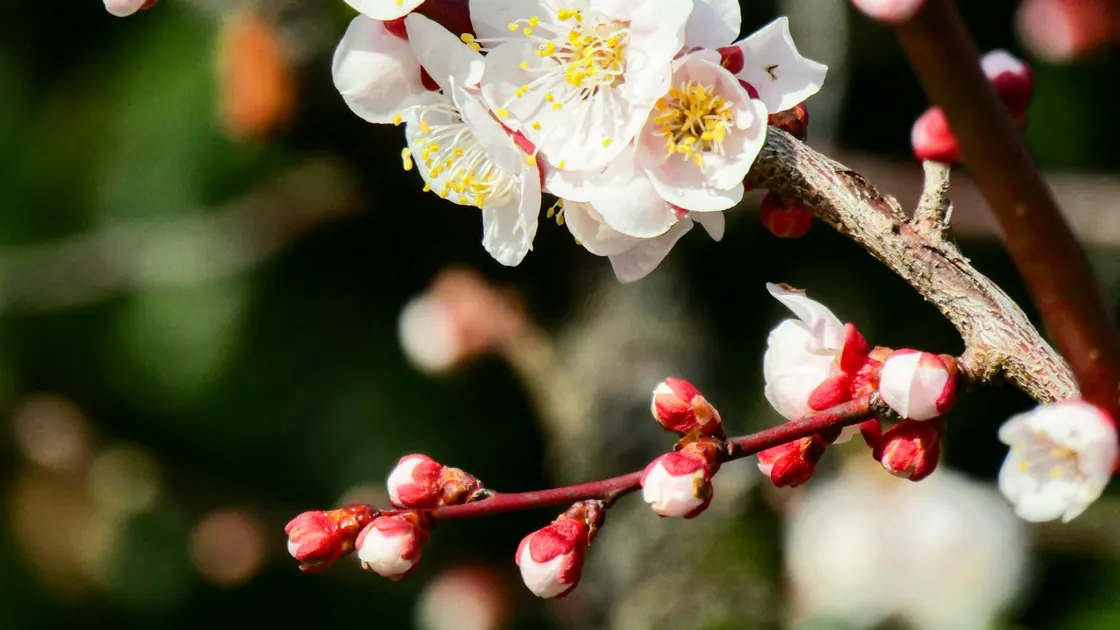
Spring
Plum blossom on Purple Mountain defines the season — and brings the year's biggest good-weather crowds.
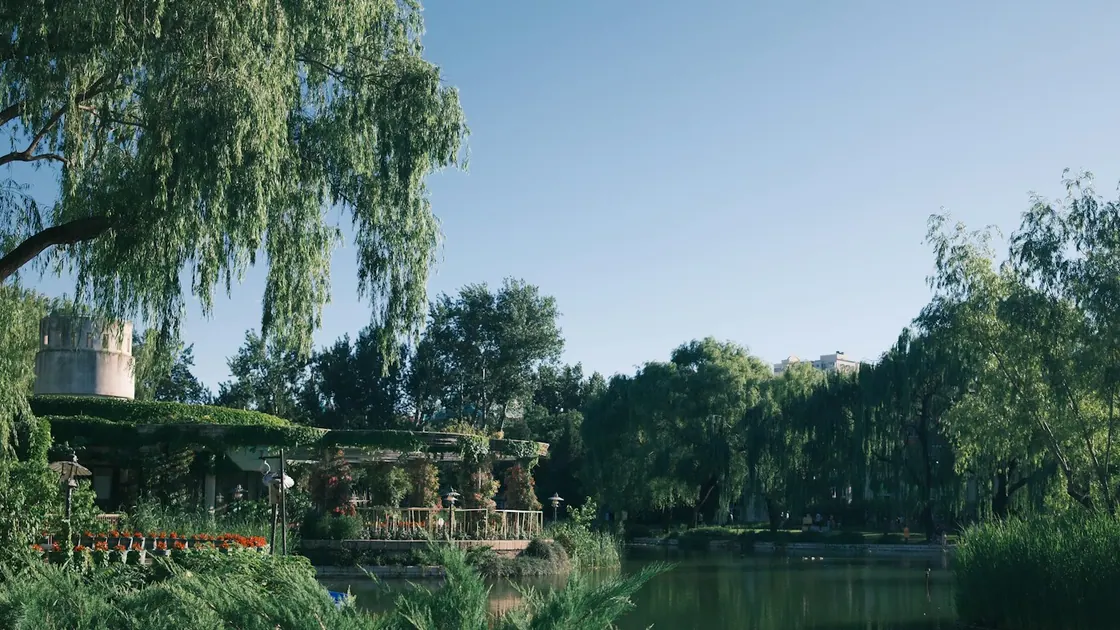
Summer
Deep green and heavy heat. The lake and the mountain are at their leafiest, and the evenings are long.
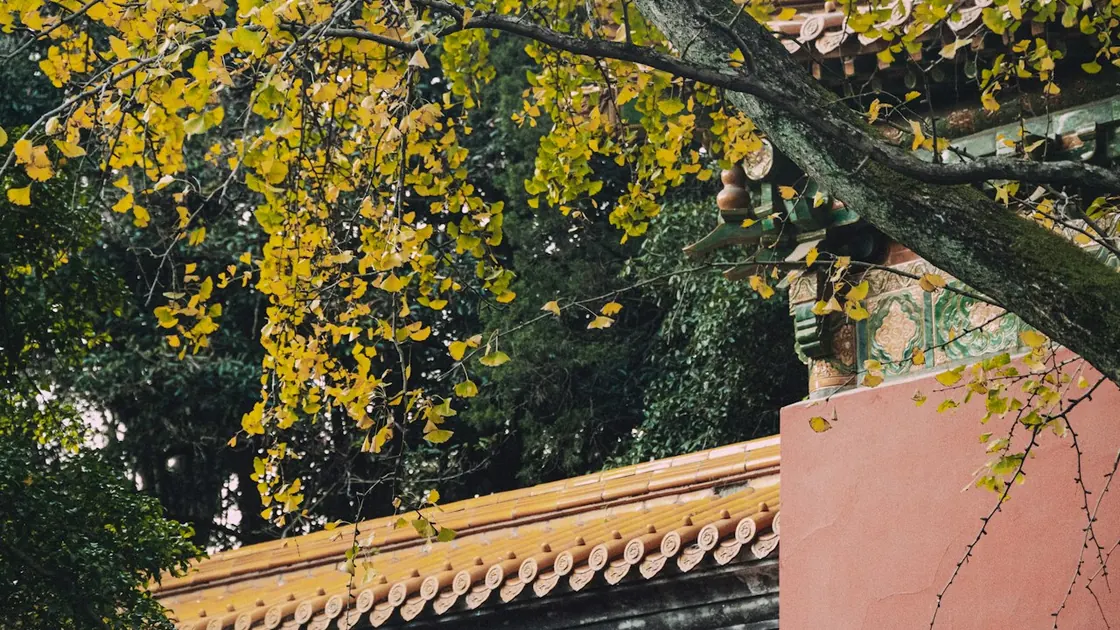
Autumn
Plane trees and gingkos turn, the light softens, and the city is at its most walkable. If you can choose, choose this.
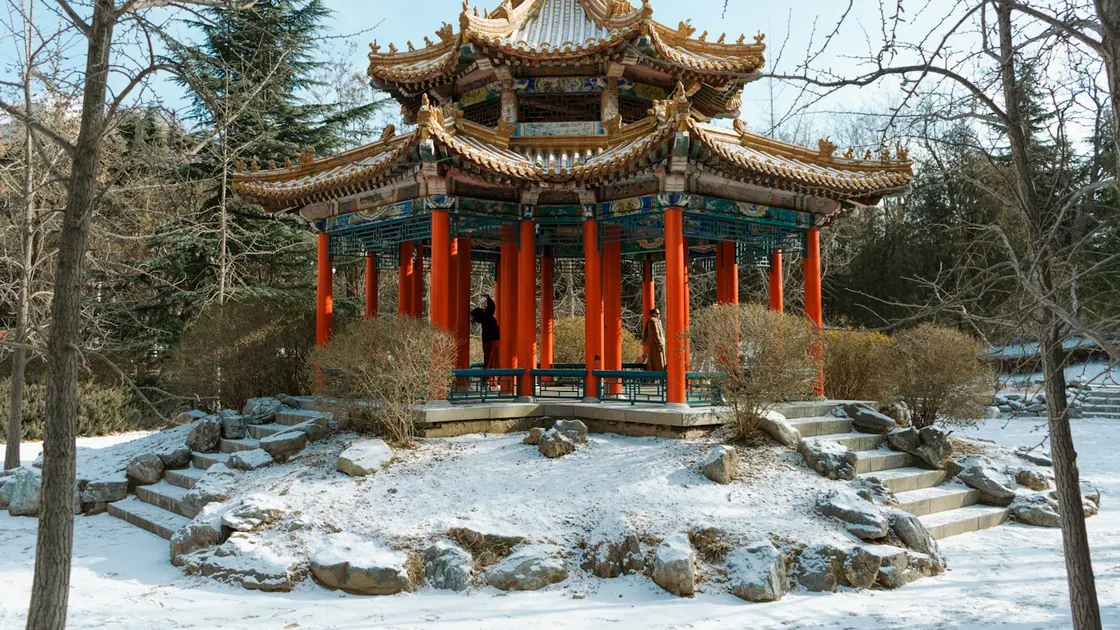
Winter
Cold, damp and quiet. Empty sights, and snow on the temple roofs if you are lucky.
NEXT
The rest of the city
No deposit. No prepayment. You pay at the clinic.
You pay after your in-person consultation, before treatment begins. The price we quote online is the price you pay — in writing.
We do not share the medical details you enter here with advertising platforms.