YOUR SPARE DAYS
Nanjing, between appointments
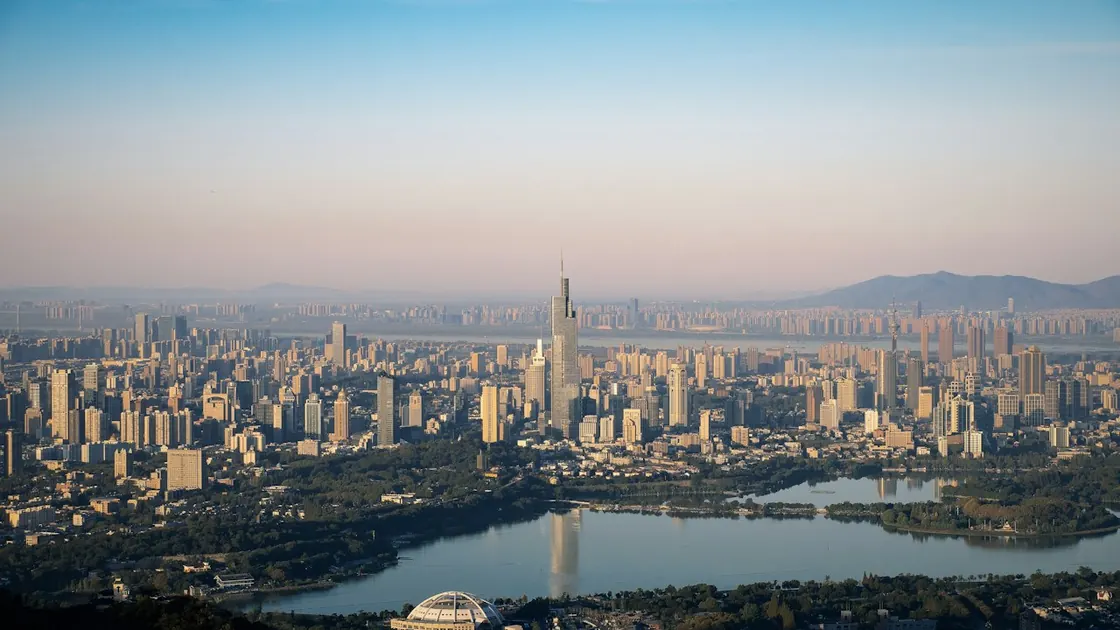
A treatment trip here is three days for most people — and two of those evenings, plus any days you add, belong to the city. Nanjing is a former capital with nearly 2,500 years of it on the ground: a Ming wall you can walk, an imperial tomb in the forest, a river old town that lights up after dark.
This page is about the city. What happens at the clinic is on your journey page — and what you can do right after treatment is in your written aftercare instructions, which always beat this page.
WHY IT WORKS
A city that fits the trip, not fights it
A capital, again and again
Six dynasties made Nanjing their capital, and so did the Ming, before the republic era put the Presidential Palace here. The wall, the tombs and the old temple-and-lake quarter are what that leaves you to walk through.
Clustered and gentle
The main sights sit in two groups — Purple Mountain in the east, the wall and river old town in the south — joined by a cheap metro with English signage. Most of it is flat walking, not hiking.
The pace fits the plan
These are non-surgical treatments — there is no general anaesthetic and no confinement (that is on your journey page too). A slow evening by the river is a realistic plan the same week, and every transfer is included.
ONE POSSIBLE SHAPE
Three days, appointment in the middle
Adjust freely with your coordinator — the order below is the common one, not a schedule.
Day 1
Arrive and settle
You are met at the airport or station and taken to your hotel. If the energy is there, the evening is the Confucius Temple quarter — lanterns, the river, dinner — about as gentle as a first evening gets.
Day 2
The clinic day
Consultation, tests, treatment. The day is deliberately light: nothing is done that leaves you needing a recovery room. Afterwards, a quiet dinner near the hotel beats anything ambitious.
Day 3
The city, then home
A wall walk or a morning on Purple Mountain, the in-person review, and the transfer back. If your plan needs a second day of treatment instead, the city keeps.
WHAT TO SEE
Four things worth the walk
Purple Mountain & the Ming tombs
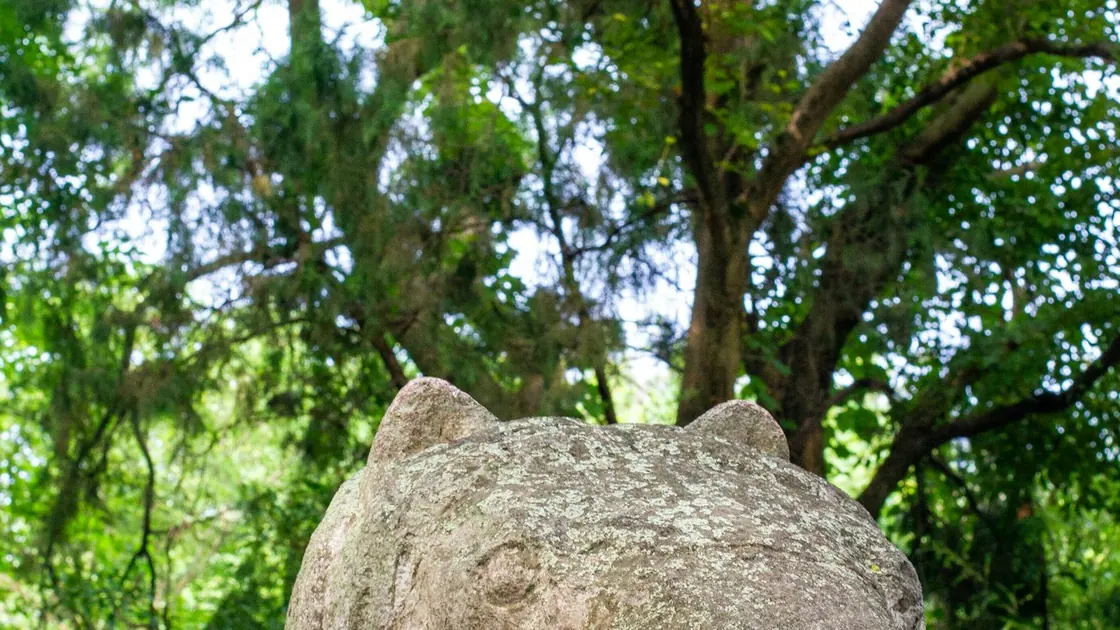
The Ming Xiaoling Mausoleum — the founding emperor's tomb, on UNESCO's world heritage list — sits in forest with the Sacred Way lined by stone animals. The Sun Yat-sen Mausoleum stairway shares the mountain. Half a day, mostly shaded.
The Ming city wall
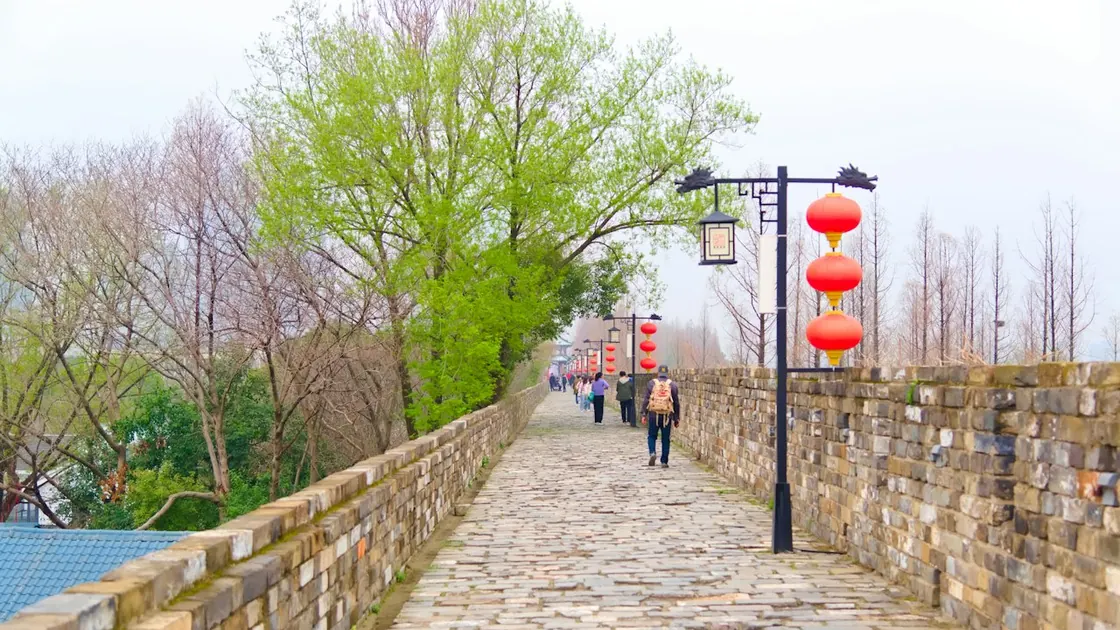
Over six hundred years old and among the longest surviving city walls anywhere. You walk on top of it; the Zhonghua Gate at the south end is the largest of its fortress gates, with the old lanes of Laomendong at its foot.
Jiming Temple & Xuanwu Lake
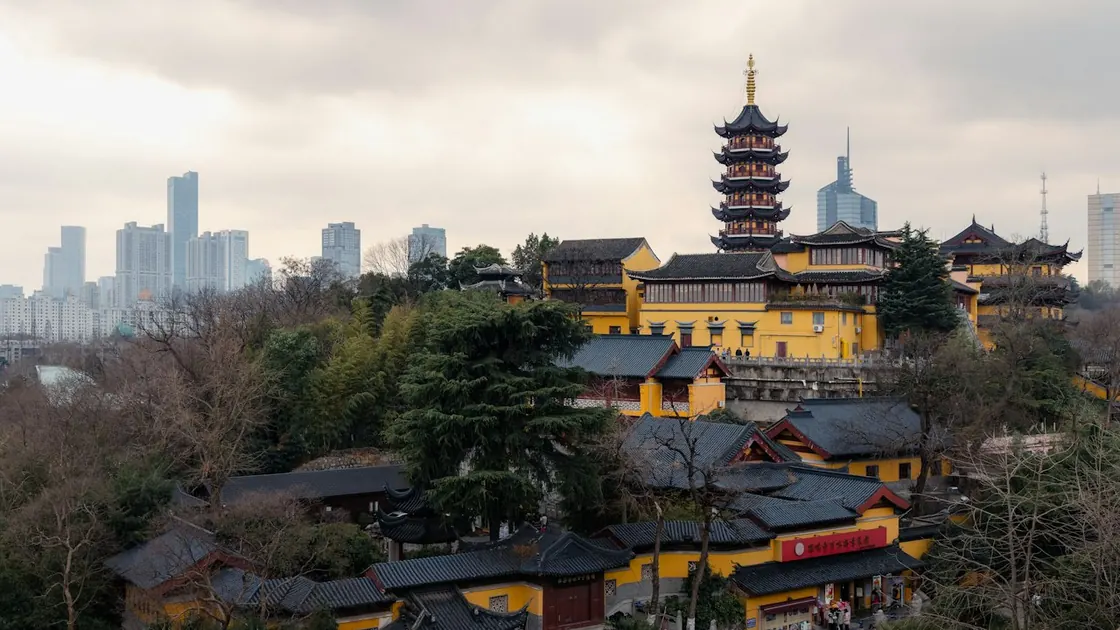
The temple sits on the wall's edge with the skyline behind it — the view in every Nanjing photograph. Below it, Xuanwu Lake is free, flat and big enough for an unhurried hour among the lotus and willows.
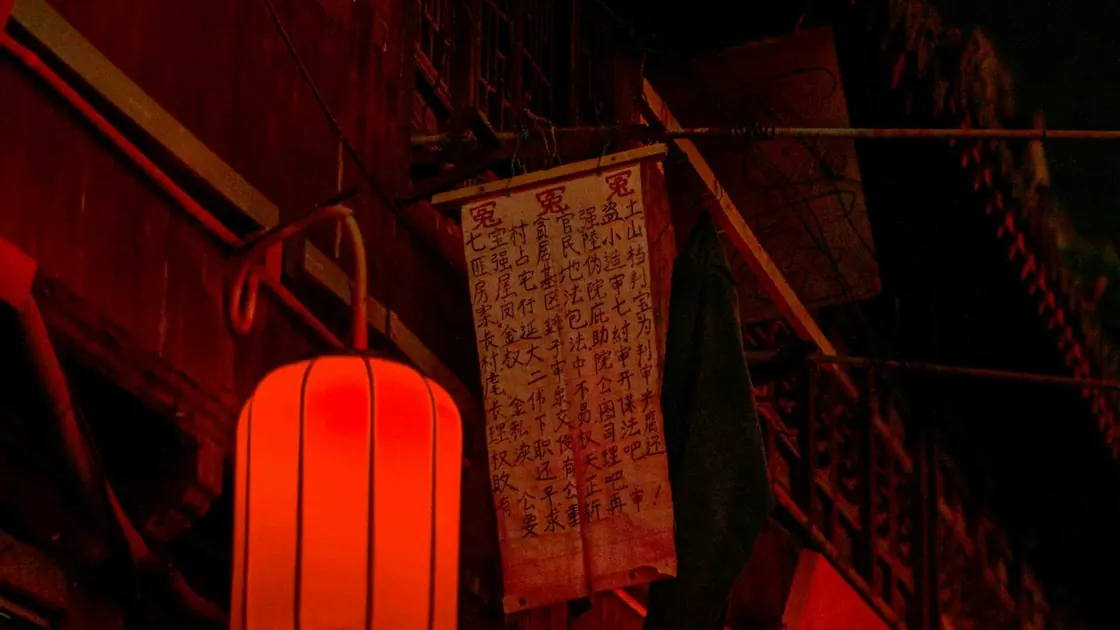
The Qinhuai River after dark
The Confucius Temple quarter is the reason to keep your first evening free: lantern-lit riverfront, painted boats, and the snack streets behind it. Crowded, commercial, and still the best night walk in the city.
If you find a fourth day
- Nanjing Museum — free, and one of the country's largest. Reserve ahead (passport works) and note it closes Mondays.
- The Presidential Palace — where the imperial era ended and the republic began, in one compound.
- Yihe Road — quiet mansion streets from the 1930s; a coffee-and-architecture walk.
- Niushoushan — a striking contemporary Buddhist complex south of the city; allow half a day.
WHAT TO EAT
Nanjing cooks gently
Mild, savoury, built around duck rather than chilli — easy going for most visitors. If your physician gives you any dietary restrictions, they will be in your written aftercare instructions.
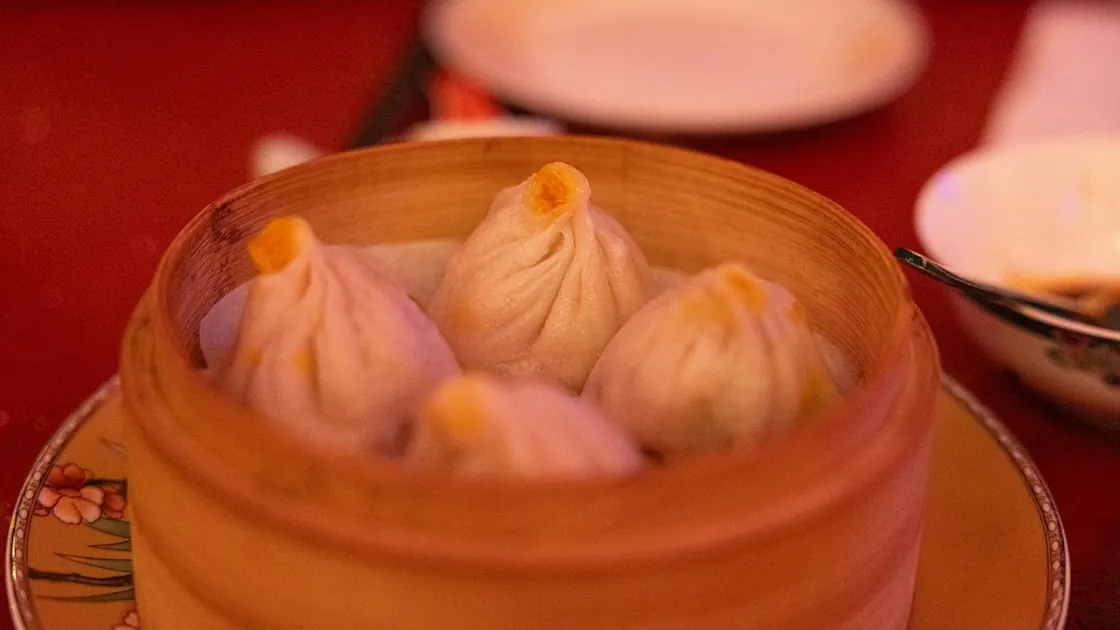
Tangbao
Soup inside the dumpling. Nip the skin, sip, then eat — the local way to not burn yourself.
Salted duck
The city's signature, served cool and quietly salty. Every neighbourhood has its version.
Duck-blood vermicelli soup
The everyday bowl the city actually runs on — found from street stalls to shopping-mall food floors.
The Qinhuai snack streets
Sweet rice cakes, sesame pastes and pan-fried buns around the Confucius Temple — graze rather than sit.
WHEN TO COME
Seasons, honestly
Spring March – April
The plum trees on Purple Mountain bloom, and the city is at its mildest. The busiest good weather of the year.
Summer June – August
Hot and humid — Nanjing is famously one of China's "furnace" cities. Do sights early, malls and museums at midday.
Autumn October – November
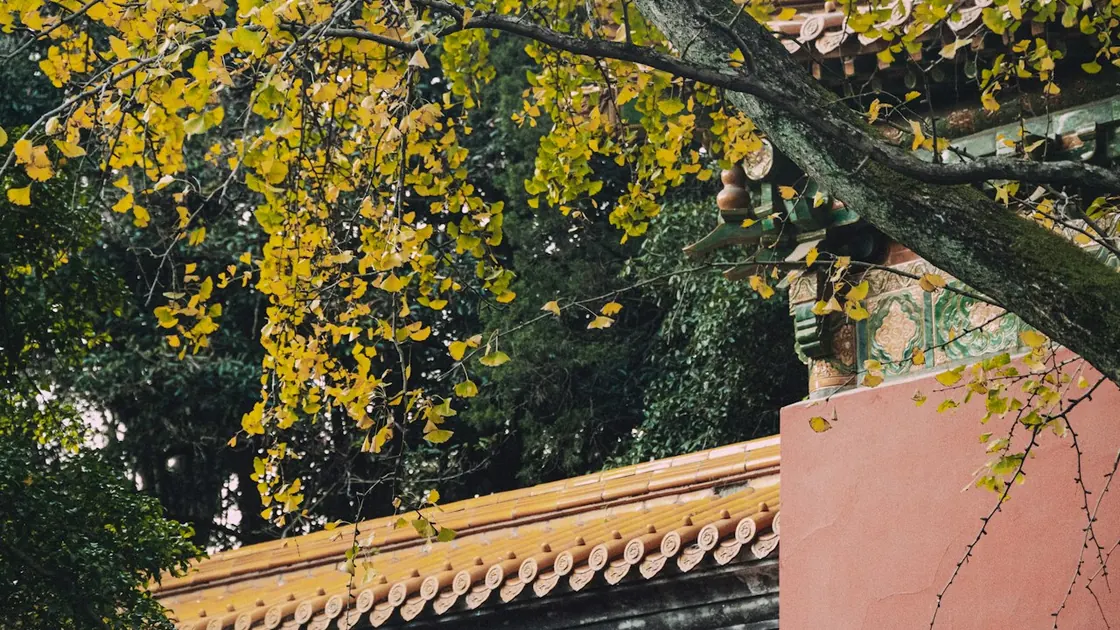
The plane-tree avenues turn gold and the comfort peaks. If you can choose, choose this.
Winter December – February
Cold and damp, but quiet — and the museums and tea houses do not mind the weather at all.
PRACTICAL NOTES
The small print, in your favour
Getting around
The metro is cheap, air-conditioned and signed in English. Ride-hailing apps work with international cards; your driver for clinic days is already arranged.
Paying
Alipay and WeChat Pay both accept foreign cards now. Keep a little cash for the smallest noodle stands.
Where to stay
Central Xinjiekou for convenience and malls; near the Confucius Temple for atmosphere. The coordinator can talk through areas when your appointment is set.
Booking sights
The big museums are free but need a real-name reservation a few days ahead (your passport works), and most close Mondays. Weekends and Chinese holidays are crowded everywhere.
On entry and visas: that is step 02 of your journey, and visas and entry for a treatment trip for the routes themselves. If you may not need to apply at all, entering without a visa covers the frameworks that skip it. Rules differ by passport and change without notice — several Southeast Asian passports currently enter China without a visa for short stays, but your embassy's page always beats ours.
On the rest of the practical side: payments, data, transport and language across China — the set-up that is the same wherever you land — is on China on the ground. What to bring and which hours to leave open is on planning a treatment trip.
And the city in more depth: this page is the overview. If you have one day rather than three, want to know what to eat in more detail, are thinking about adding days elsewhere, or want which season to come in, each has its own page.
No deposit. No prepayment. You pay at the clinic.
You pay after your in-person consultation, before treatment begins. The price we quote online is the price you pay — in writing.
We do not share the medical details you enter here with advertising platforms.