Acne Scars
Acne scars (also known as atrophic scars or post-acne scarring) refer to the residual damage left after acne inflammation extends into the dermis and…
Real Acne Scar Treatment Cases by our physician
The following four cases were personally treated by our physician at our Nanjing clinic and used with signed Media Release authorization. Acne scar subtypes vary widely and skin response differs significantly between individuals; actual outcomes are determined by in-person consultation.
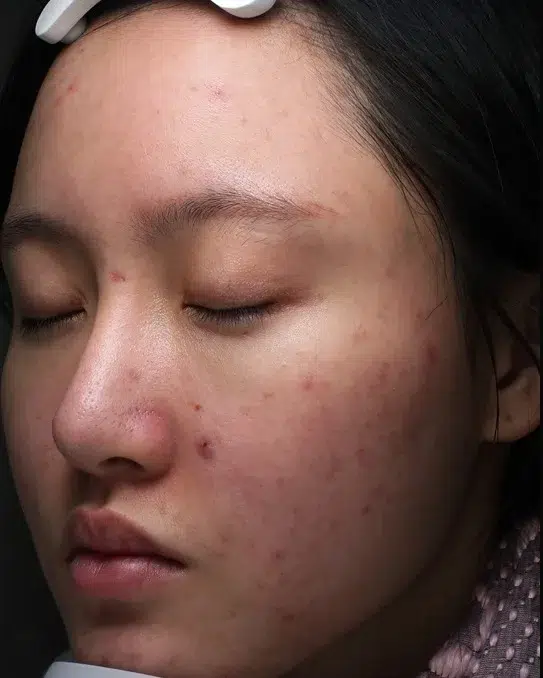
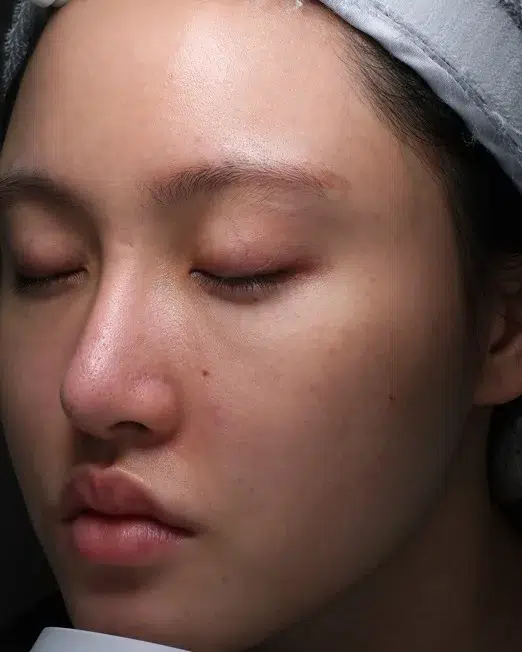
Case 1 · Real Acne Scar Documentation
- Client profile
- Asian female · Fitzpatrick IV
- Concerns
- Acne Scars (Comprehensive Improvement via Multimodal Combination Protocol)
- Treatment protocol
- Laser Capillary Reduction + Genius™ + Infini™ 2nd-Gen RF Microneedling + Lutronic INFINI® Gold RF Microneedling (multiple sessions within 3 months)
- Improvement
- Marked acne scar improvement · natural overall result
- PIH incidence
- No PIH
- Maintenance
- Routine sun protection + monthly home care + quarterly review
Case 01: Acne Scar Before Comparison · Asian female · Fitzpatrick IV · Multi-modal combination protocol led by our physician at Luowei Medical Aesthetics Clinic, Nanjing
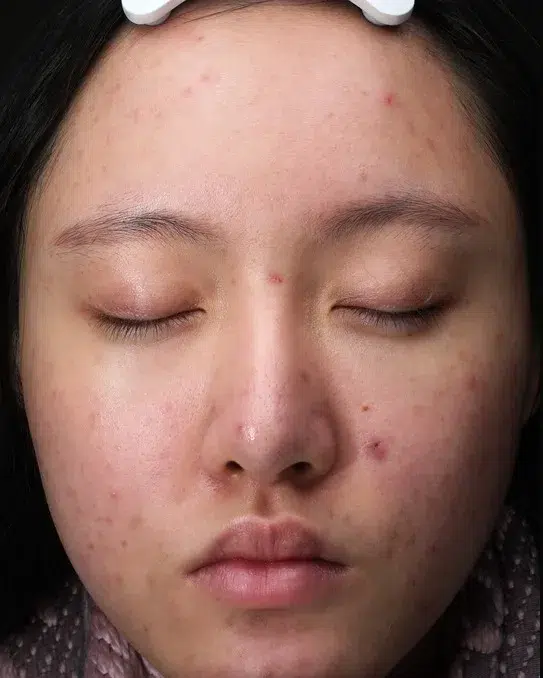
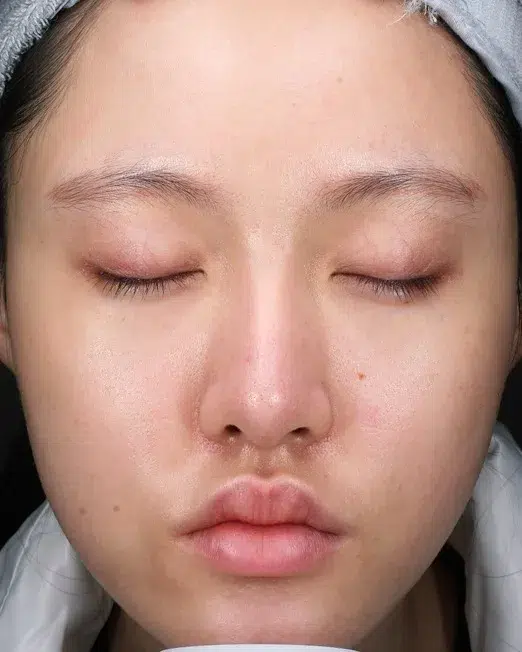
Case 2 · Real Acne Scar Record
- Client profile
- Asian female · Fitzpatrick IV
- Concerns
- Acne Scars (Comprehensive Improvement via Multimodal Combination Protocol)
- Treatment protocol
- Vbeam®Redness Reduction + Vbeam® Sensitive Skin Repair + Genius™ + Infini™ 2nd-Gen RF Microneedling, 7 modalities (multiple sessions within 3 months)
- Improvement
- Marked acne scar improvement · natural overall result
- PIH incidence
- No PIH
- Maintenance
- Routine sun protection + monthly home care + quarterly review
Case 02: Acne Scar Before Treatment · Asian Female · Fitzpatrick IV · Multimodal combination protocol led by our physician at Luowei Medical Aesthetics Clinic Nanjing
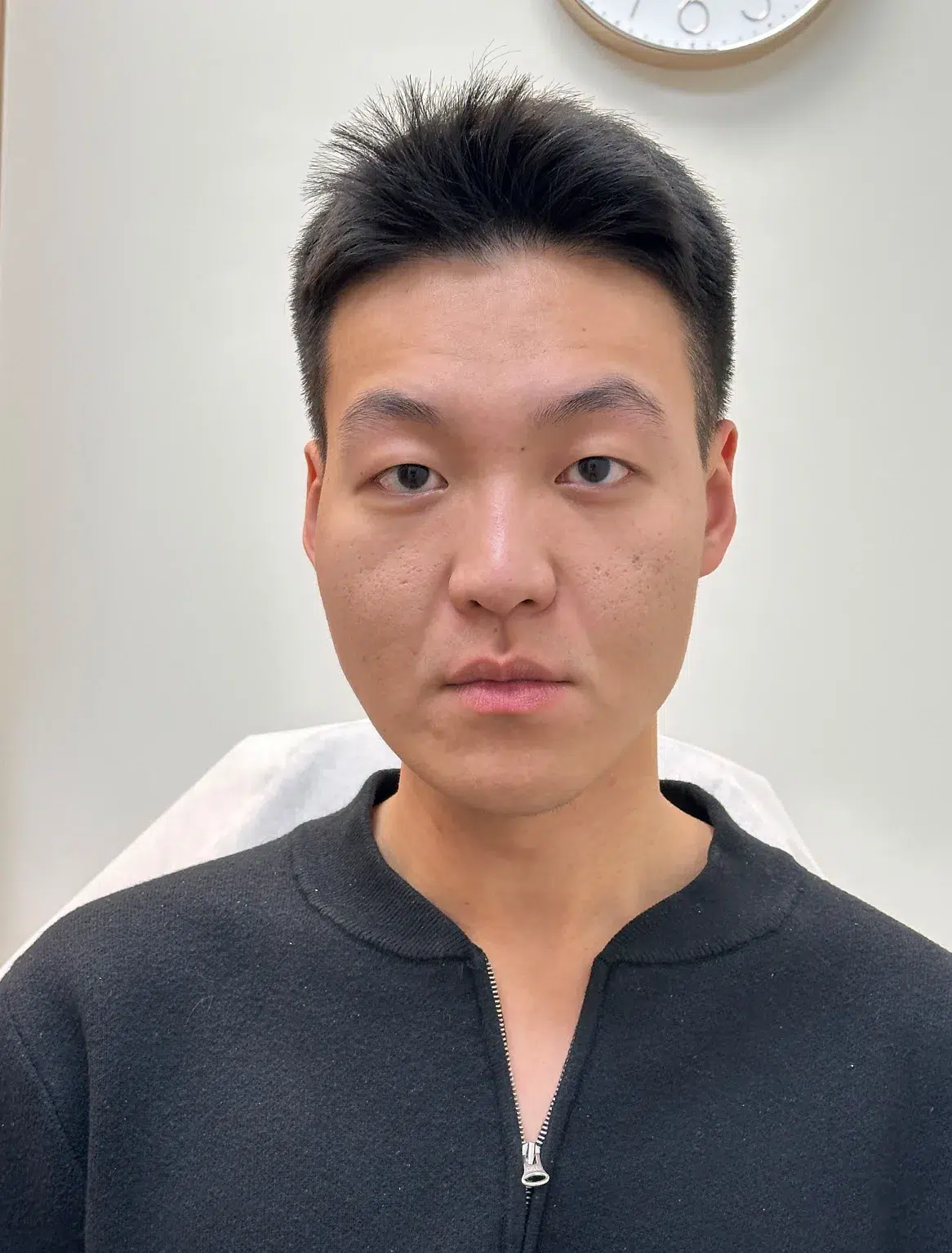
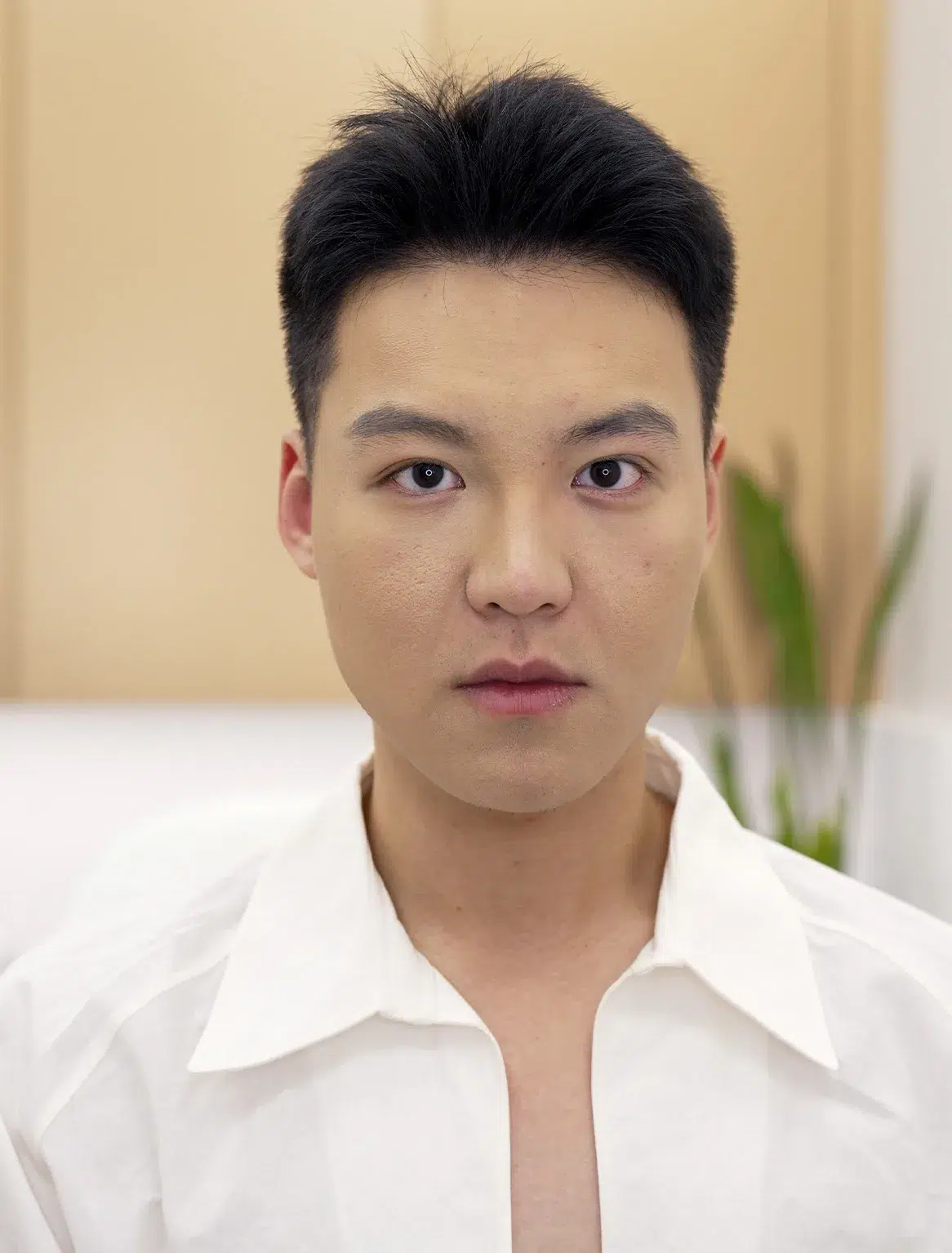
Case 2 · Real Acne Scar Record
- Client profile
- Asian female · Fitzpatrick IV · Duration: 3–5 years
- Concerns
- Acne Scars (Comprehensive Improvement via Multimodal Combination Protocol)
- Treatment protocol
- Fotona® 4D redness laser + laser vascular treatment + Vbeam Perfecta + Vbeam® redness reduction, and 12 other treatments (1 session)
- Improvement
- Marked acne scar improvement · natural overall result
- PIH incidence
- No PIH
- Maintenance
- Sofwave/Ultherapy 18-24 months of maintenance + home care
Case 02: Acne Scar Before Treatment · Asian Female · Fitzpatrick IV · Duration nearly 3–5 years · Multimodal combination protocol led by our physician at Luowei Medical Aesthetics Clinic Nanjing
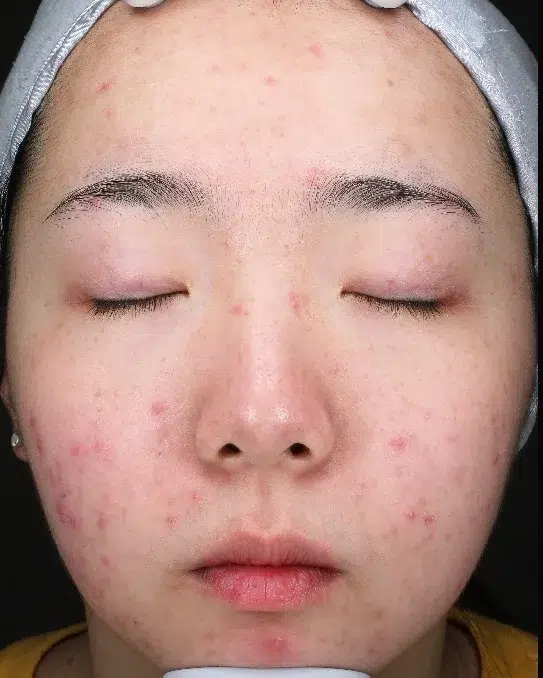
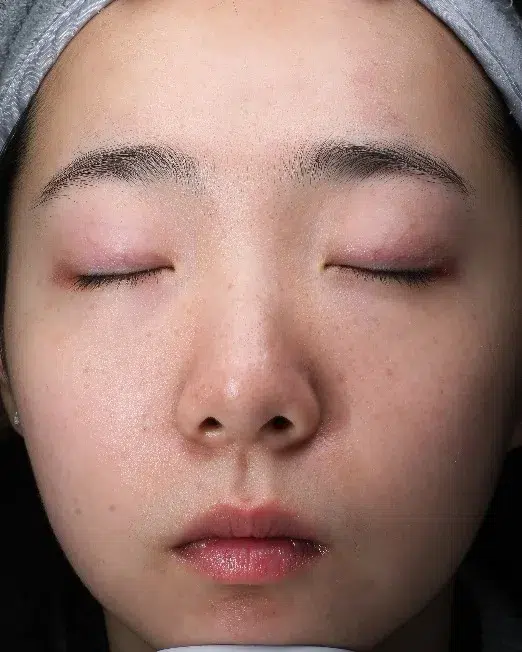
Case 3 · Real Acne Scar Record
- Client profile
- Asian female · Fitzpatrick IV
- Concerns
- Acne Scars (Comprehensive Improvement via Multimodal Combination Protocol)
- Treatment protocol
- Laser Capillary Reduction + Vbeam® Perfecta + Vbeam® Redness Reduction + Vbeam® Sensitive Skin Repair, 8 modalities (multiple sessions within 3 months)
- Improvement
- Marked acne scar improvement · natural overall result
- PIH incidence
- No PIH
- Maintenance
- Routine sun protection + monthly home care + quarterly review
Case 03: Acne Scar Before Comparison · Asian Female · Fitzpatrick IV · Multimodal Combination Protocol led by our physician at Luowei Medical Aesthetics Clinic, Nanjing
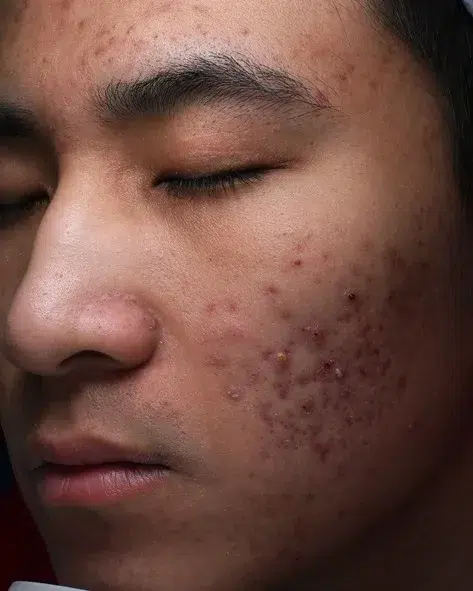
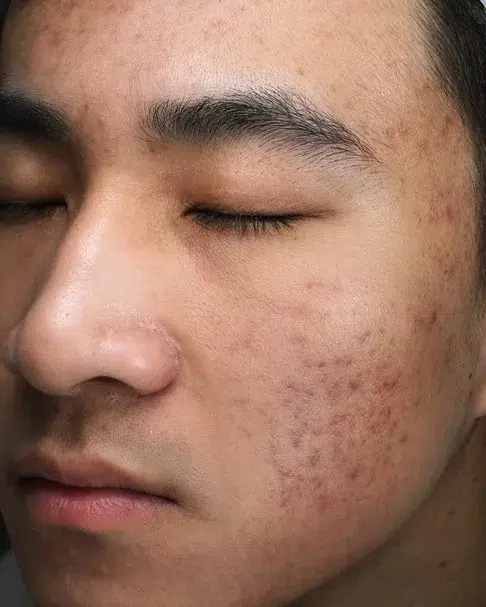
Case 4 · Real Acne Scar Documentation
- Client profile
- Asian female · Fitzpatrick IV
- Concerns
- Acne Scars (Comprehensive Improvement via Multimodal Combination Protocol)
- Treatment protocol
- Laser Capillary Reduction + Vbeam® Perfecta + Vbeam® Redness Reduction + Vbeam® Sensitive Skin Repair, 8 modalities (multiple sessions within 3 months)
- Improvement
- Marked acne scar improvement · natural overall result
- PIH incidence
- No PIH
- Maintenance
- Routine sun protection + monthly home care + quarterly review
Case 04: Acne Scar Before Comparison · Asian female · Fitzpatrick IV · Multi-modal combination protocol led by our physician at Luowei Medical Aesthetics Clinic, Nanjing
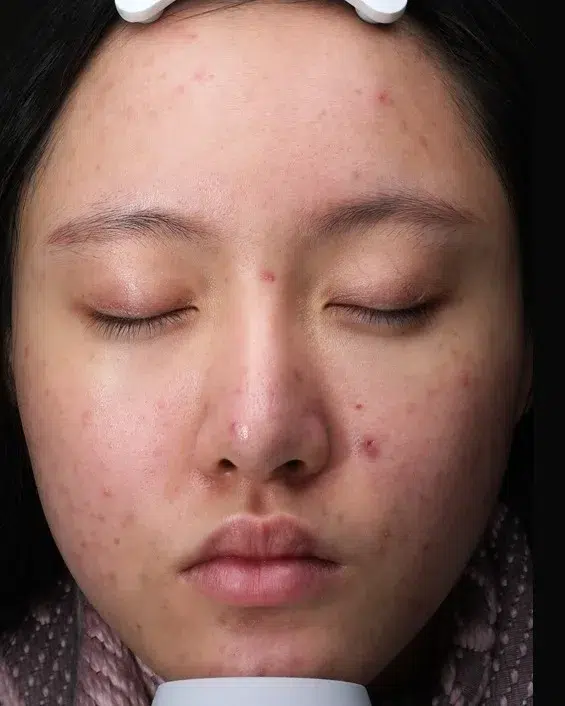
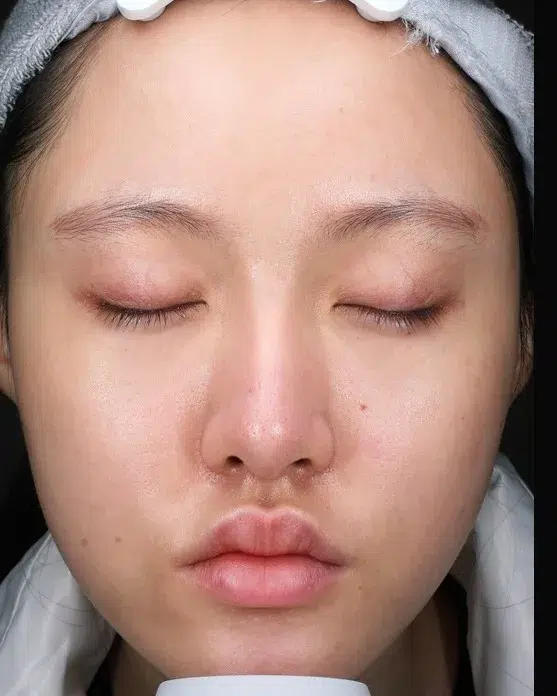
Case 5 · Real Acne Scar Record
- Client profile
- Asian female · Fitzpatrick IV
- Concerns
- Acne Scars (Comprehensive Improvement via Multimodal Combination Protocol)
- Treatment protocol
- Vbeam®Redness Reduction + Vbeam® Sensitive Skin Repair + Vbeam® Pulsed Dye Laser Vascular Treatment + Genius™, and 7 other modalities (multiple sessions within 3 months)
- Improvement
- Marked acne scar improvement · natural overall result
- PIH incidence
- No PIH
- Maintenance
- Routine sun protection + monthly home care + quarterly review
Case 05: Acne Scar Before Treatment · Asian Female · Fitzpatrick IV · Multimodal combination protocol led by our physician at Luowei Medical Aesthetics Clinic Nanjing
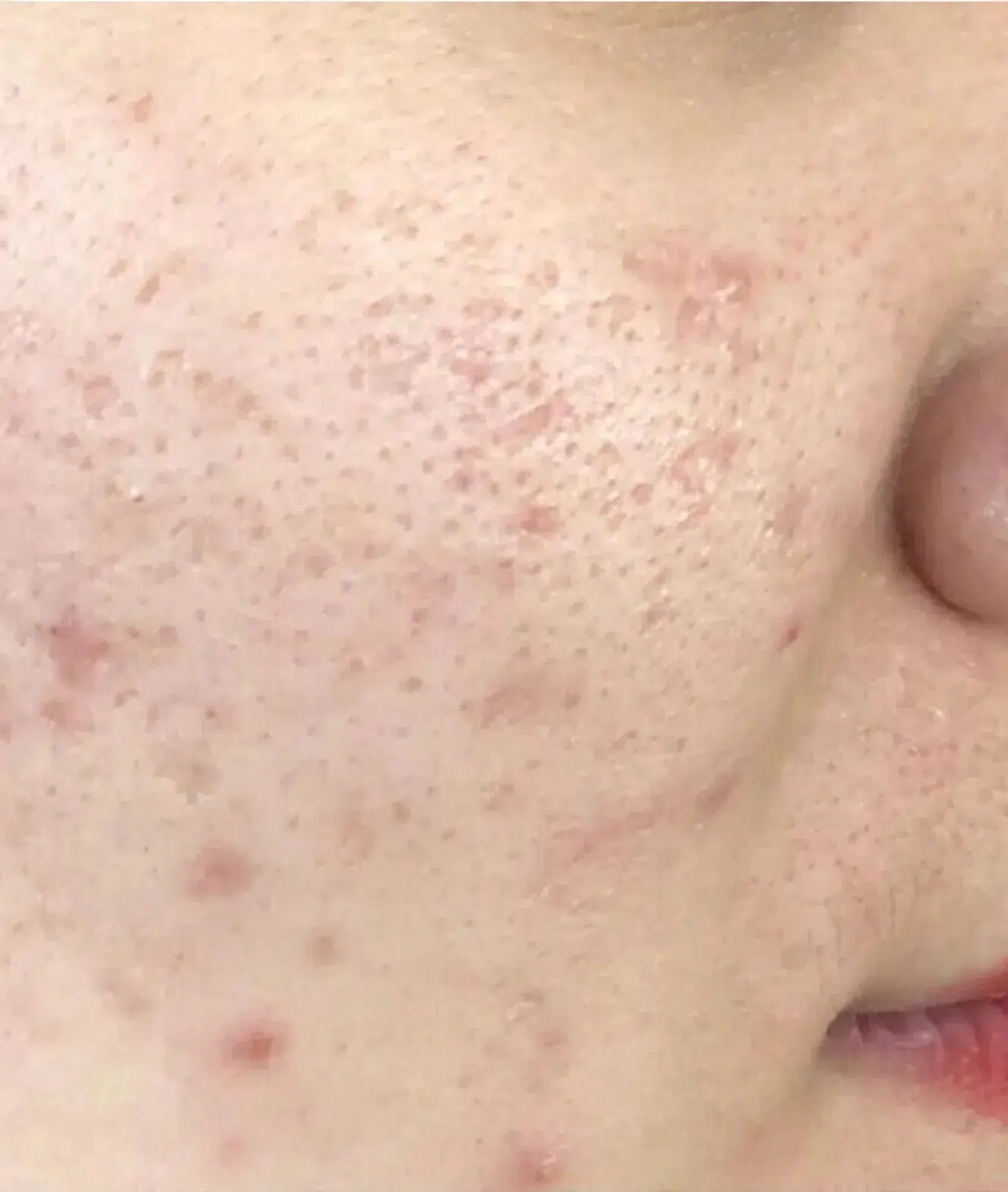
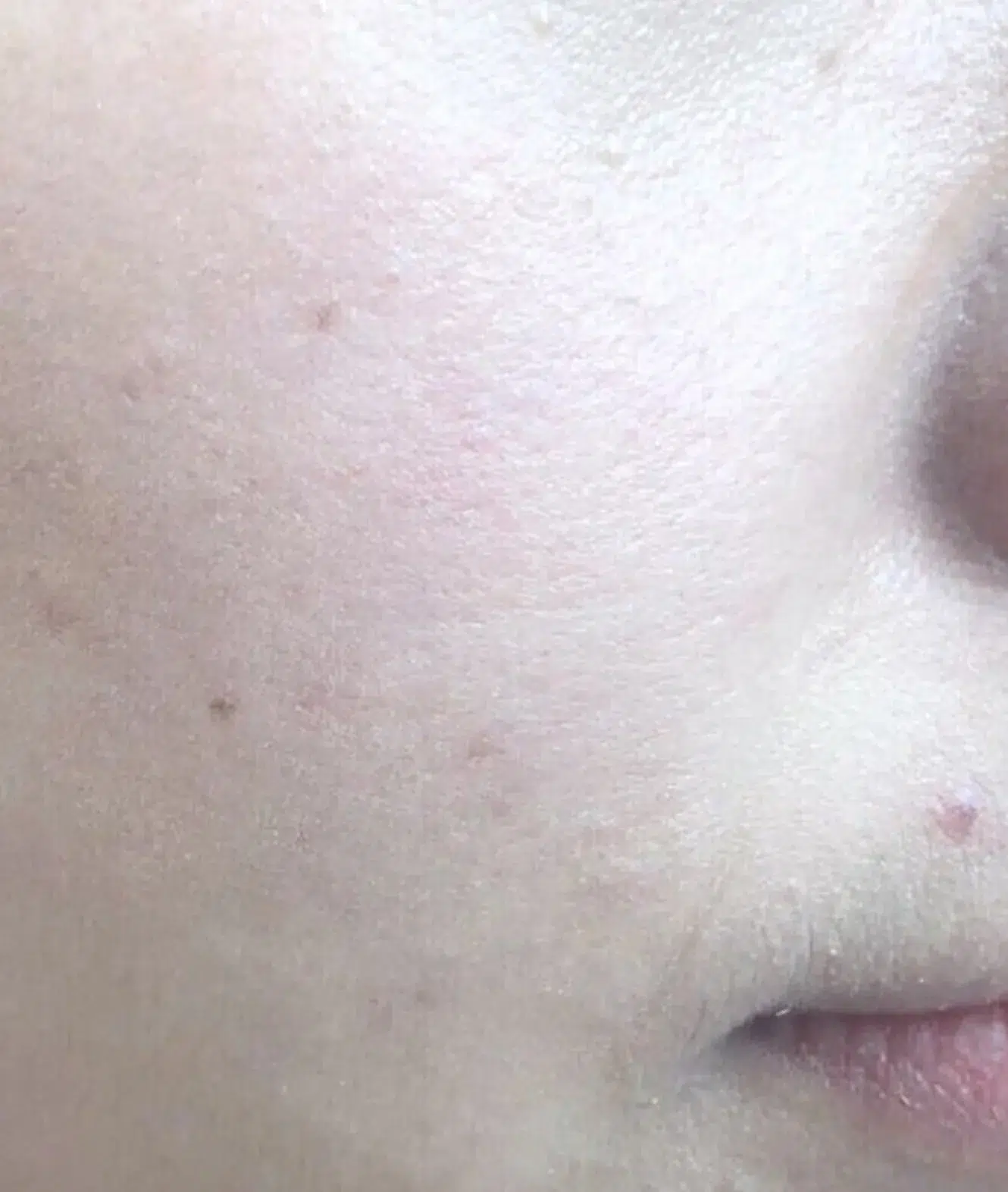
Case 5 · Real Acne Scar Record
- Client profile
- Asian Female · Fitzpatrick I
- Concerns
- Acne Scars (Comprehensive Improvement via Multimodal Combination Protocol)
- Treatment protocol
- Acne Clearance Ai BBL® HEROIC™ + Ai BBL® HEROIC™ Redness Repair + LUMECCA IPL + M22® IPL Photofacial, 19 modalities in total (multiple sessions within 3 months)
- Improvement
- Marked acne scar improvement · natural overall result
- PIH incidence
- No PIH
- Maintenance
- Hydrafacial/Monthly skin booster × 1 + sun protection
Case 05: Acne Scar Before Comparison · Asian Female · Fitzpatrick I · Multimodal Combination Protocol led by our physician at Luowei Medical Aesthetics Clinic, Nanjing
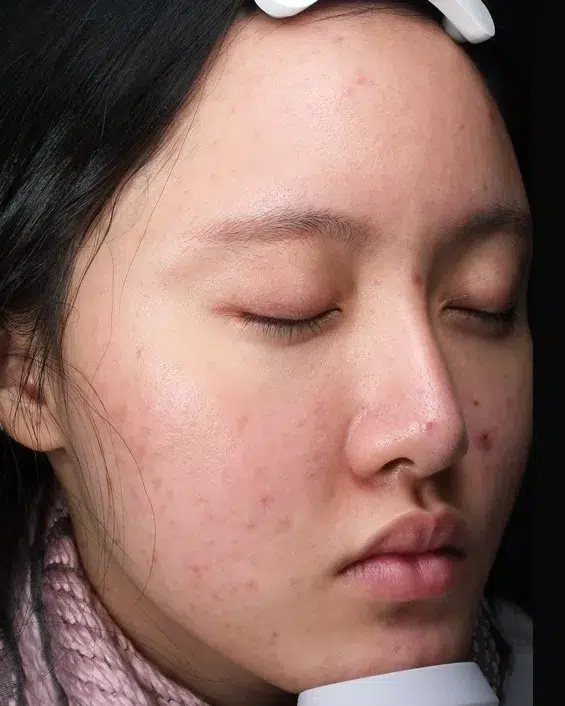
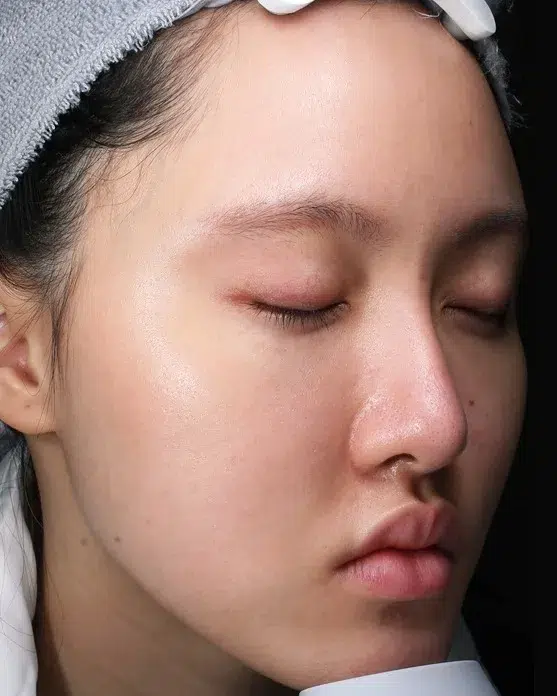
Case 6 · Real Acne Scar Record
- Client profile
- Asian female · Fitzpatrick IV
- Concerns
- Acne Scars (Comprehensive Improvement via Multimodal Combination Protocol)
- Treatment protocol
- Vbeam®Redness Reduction + Vbeam® Sensitive Skin Repair (multiple sessions within 3 months)
- Improvement
- Marked acne scar improvement · natural overall result
- PIH incidence
- No PIH
- Maintenance
- Routine sun protection + monthly home care + quarterly review
Case 06: Acne Scar Before Comparison · Asian Female · Fitzpatrick IV · Multimodal Combination Protocol led by our physician at Luowei Medical Aesthetics Clinic, Nanjing
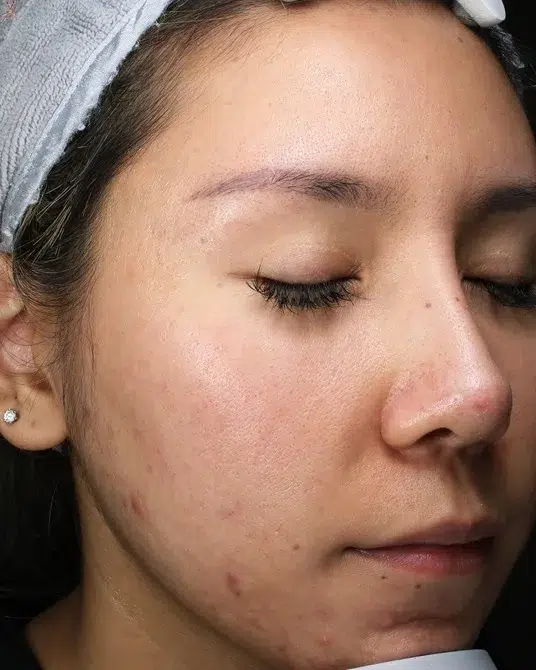
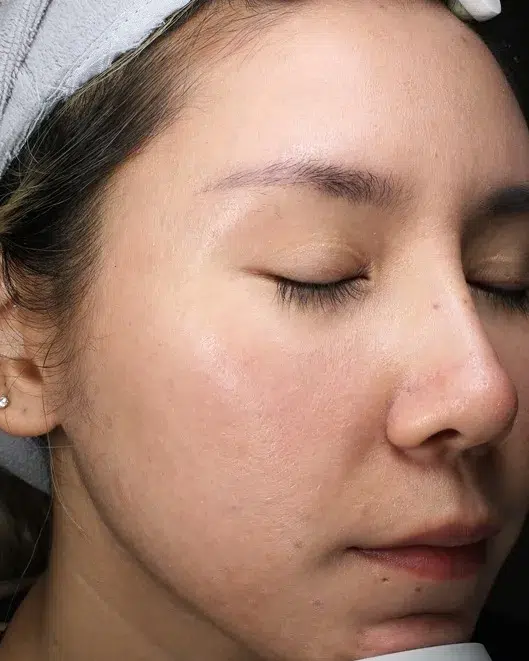
Case 7 · Real Acne Scar Documentation
- Client profile
- Asian female · Fitzpatrick IV
- Concerns
- Acne Scars (Comprehensive Improvement via Multimodal Combination Protocol)
- Treatment protocol
- Acne Clearing Ai BBL® HEROic™ + Laser Redness Removal + Vbeam® Perfecta Pulsed Dye Laser + Vbeam® Redness Reduction, and 8 other modalities (multiple sessions within 3 months)
- Improvement
- Marked acne scar improvement · natural overall result
- PIH incidence
- No PIH
- Maintenance
- Routine sun protection + monthly home care + quarterly review
Case 07: Acne Scar Before Comparison · Asian female · Fitzpatrick IV · Multi-modal combination protocol led by our physician at Luowei Medical Aesthetics Clinic, Nanjing
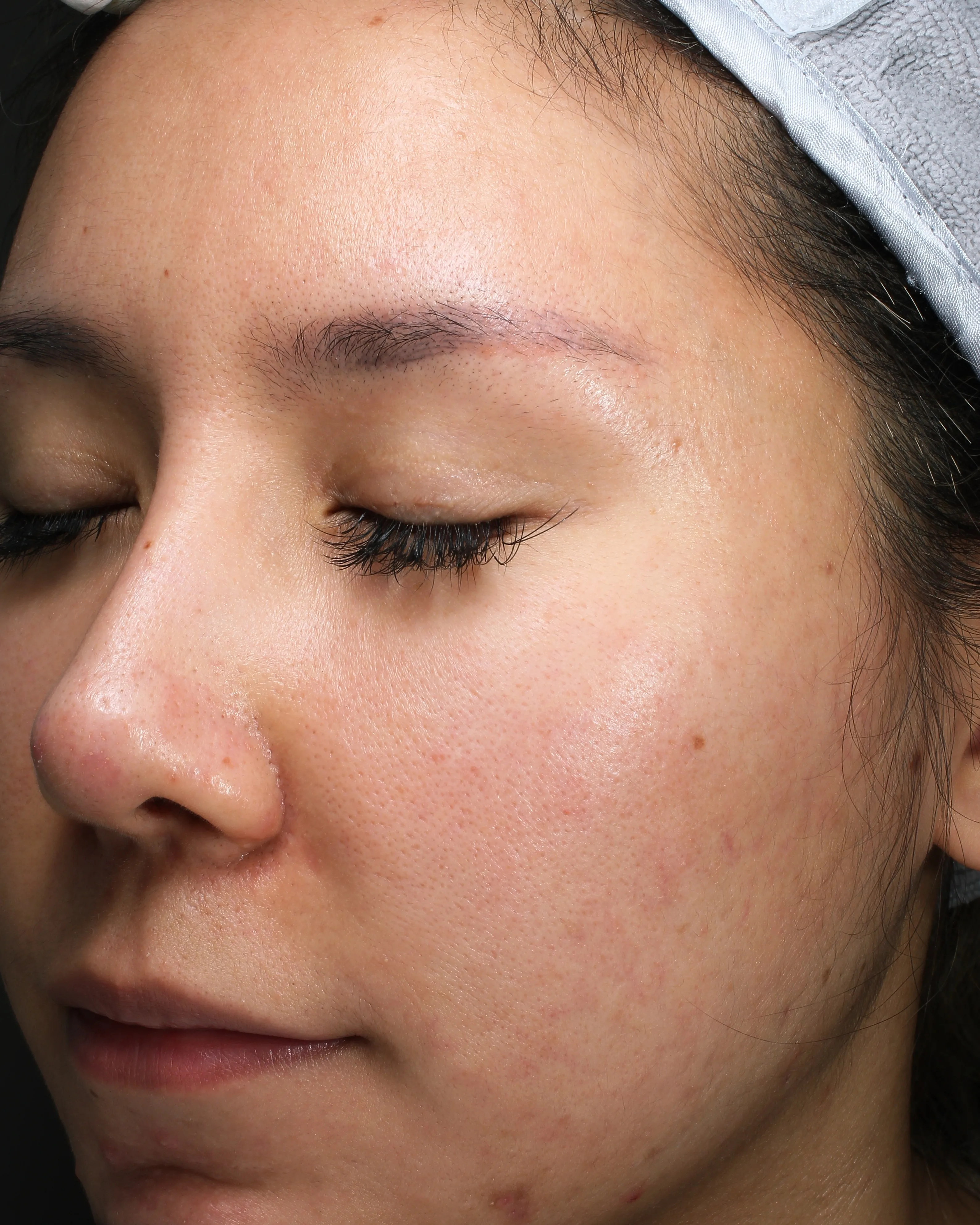
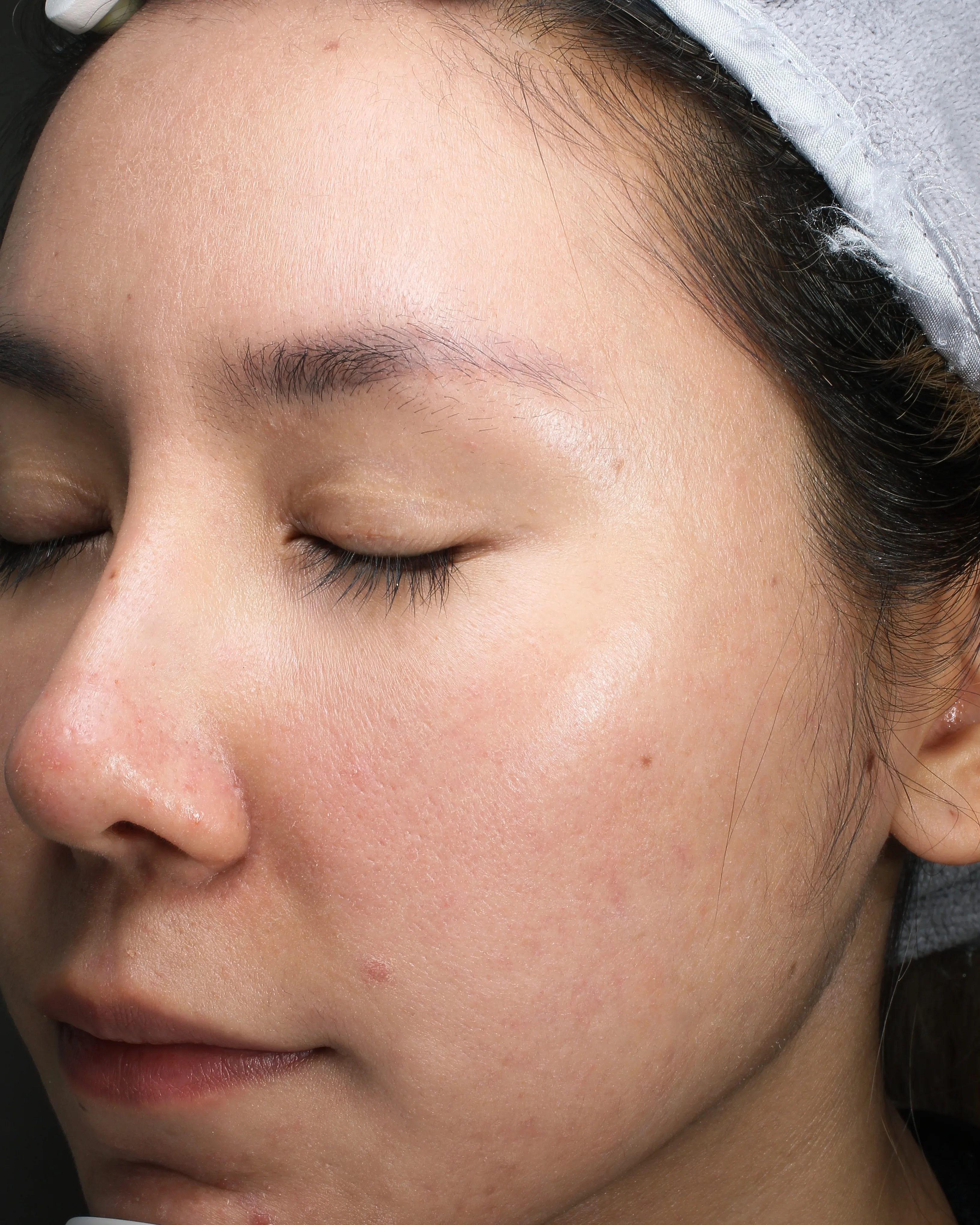
Case 13 · Real Acne Scar Documentation
- Client profile
- Asian female · Fitzpatrick IV
- Concerns
- Acne Scars (Comprehensive Improvement via Multimodal Combination Protocol)
- Treatment protocol
- AI BBL HEROIC™ for acne clearance + laser vascular treatment + Vbeam Perfecta + Vbeam® redness reduction, and 5 other treatments (multiple sessions within 3 months)
- Improvement
- Marked acne scar improvement · natural overall result
- PIH incidence
- No PIH
- Maintenance
- Routine sun protection + monthly home care + quarterly review
Case 13: Acne Scar Before Treatment · Asian Female · Fitzpatrick IV · Multimodal combination protocol led by our physician at Luowei Medical Aesthetics Clinic Nanjing
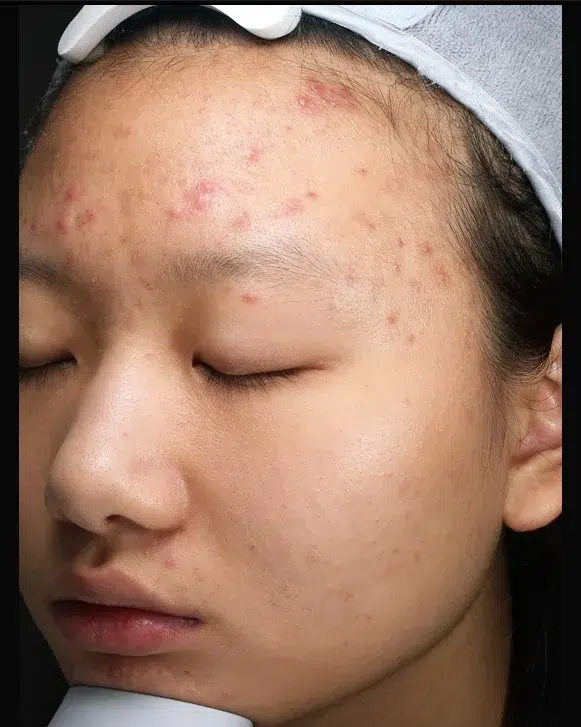
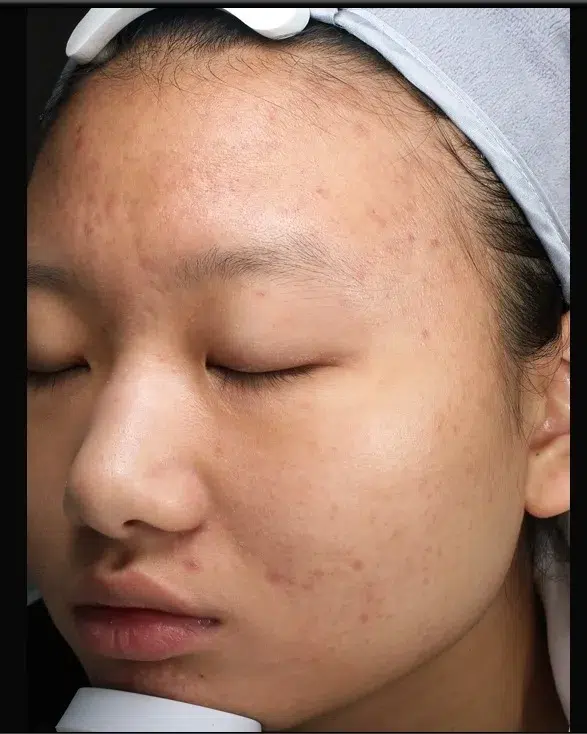
Case 53 · Real Acne Scar Record
- Client profile
- Asian female · Fitzpatrick IV · Recurring for many years
- Concerns
- Acne Scars (Comprehensive Improvement via Multimodal Combination Protocol)
- Treatment protocol
- Acne Clearance Ai BBL® HEROIC™ + Vbeam® Perfecta + Vbeam® Redness Reduction + Genius™, 5 modalities (4–6 sessions)
- Improvement
- Marked acne scar improvement · natural overall result
- PIH incidence
- No PIH
- Maintenance
- Routine sun protection + monthly home care + quarterly review
Case 53: Acne Scar Before Comparison · Asian Female · Fitzpatrick IV · Recurring for Years · Multimodal Combination Protocol led by our physician at Luowei Medical Aesthetics Clinic, Nanjing
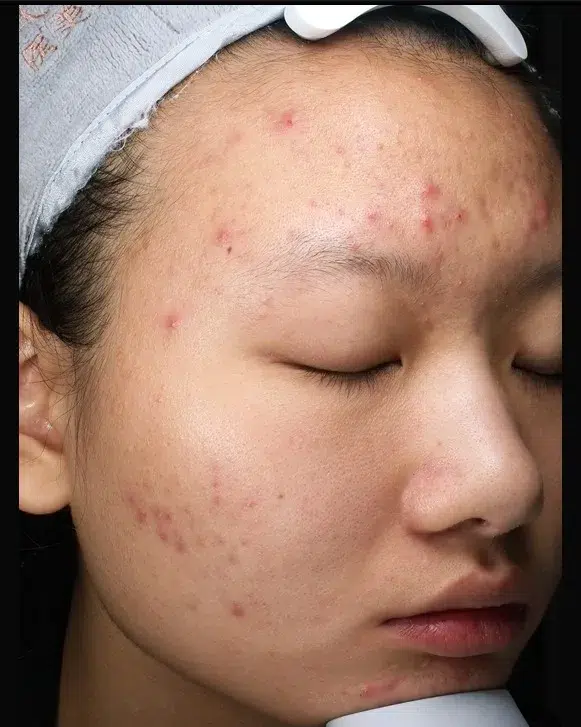
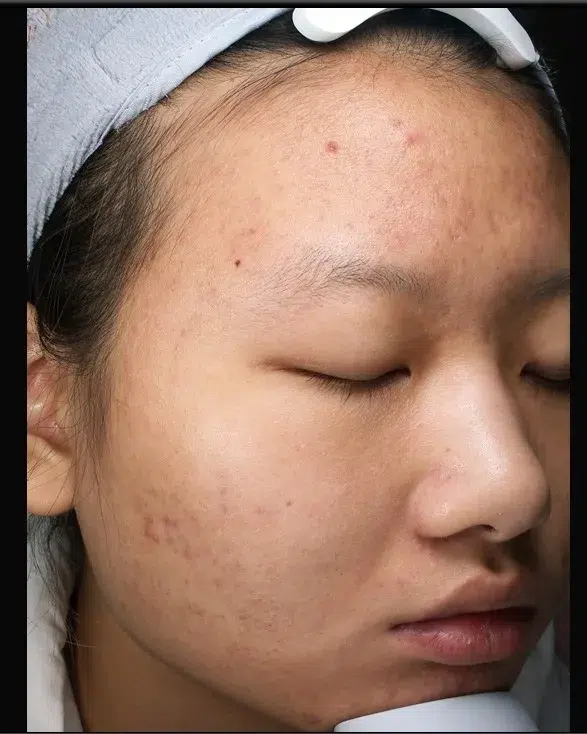
Case 54 · Real Acne Scar Record
- Client profile
- Asian female · Fitzpatrick IV · Recurring for many years
- Concerns
- Acne Scars (Comprehensive Improvement via Multimodal Combination Protocol)
- Treatment protocol
- Acne Clearance Ai BBL® HEROIC™ + Vbeam® Perfecta + Vbeam® Redness Reduction + Genius™, 5 modalities (4–6 sessions)
- Improvement
- Marked acne scar improvement · natural overall result
- PIH incidence
- No PIH
- Maintenance
- Routine sun protection + monthly home care + quarterly review
Case 54: Acne Scar Before Comparison · Asian female · Fitzpatrick IV · Recurring for many years · Multi-modal combination protocol led by our physician at Luowei Medical Aesthetics Clinic, Nanjing
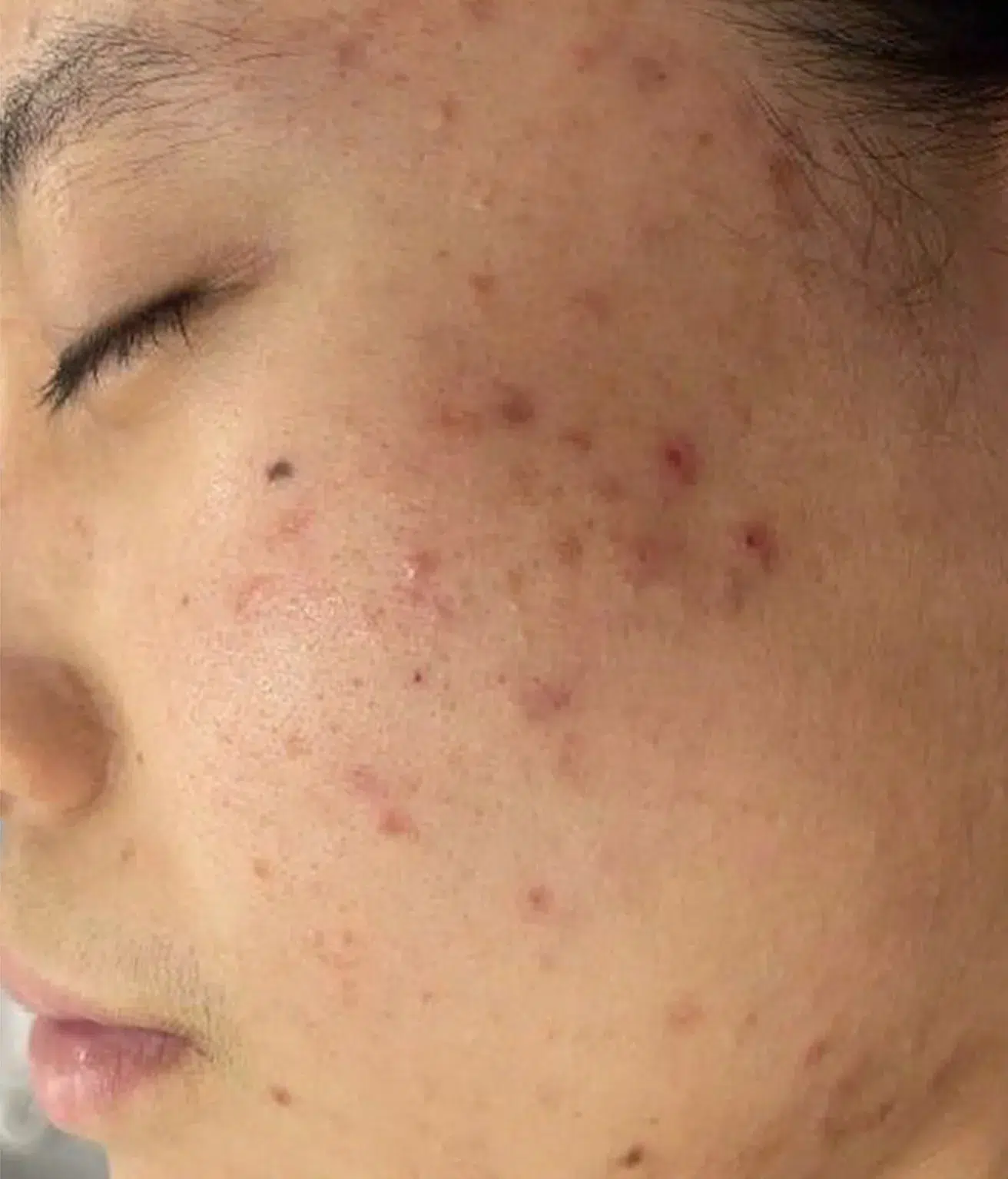
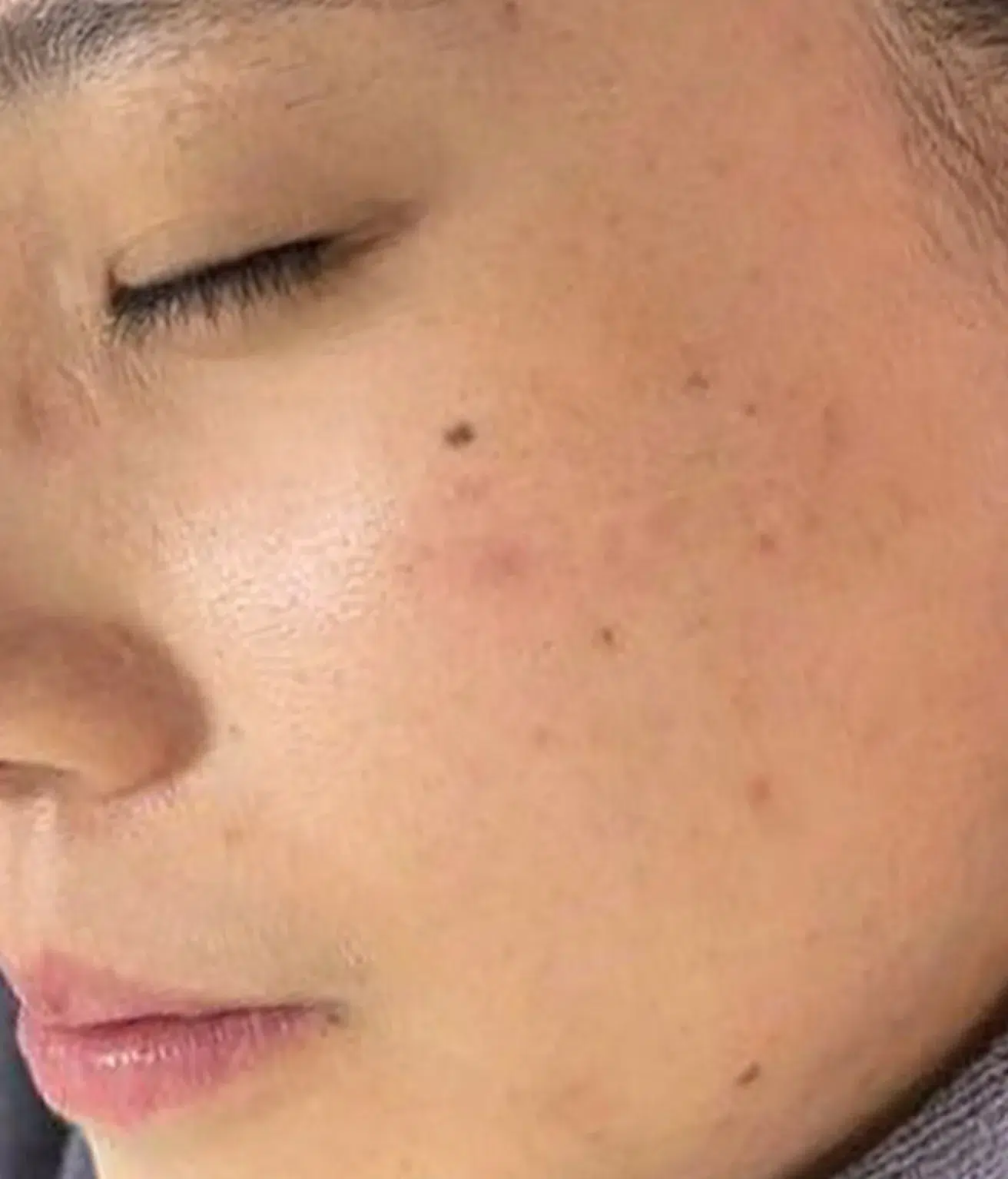
Case 57 · Real Acne Scar Documentation
- Client profile
- Asian Female · Fitzpatrick I · Recurring for Years
- Concerns
- Acne Scars (Comprehensive Improvement via Multimodal Combination Protocol)
- Treatment protocol
- Ai BBL® HEROic™Photofacial + Acne Clearing Ai BBL® HEROic™ + Ai BBL® HEROic™ Smart Photofacial + Ai BBL® HEROic™ Redness Repair, and 23 other modalities (4–6 sessions)
- Improvement
- Marked acne scar improvement · natural overall result
- PIH incidence
- No PIH
- Maintenance
- Hydrafacial/Monthly skin booster × 1 + sun protection
Case 57: Acne Scar Before Treatment · Asian Female · Fitzpatrick I · Recurrent for many years · Multimodal combination protocol led by our physician at Luowei Medical Aesthetics Clinic Nanjing
What are acne scars, and how do they differ from regular post-acne marks?
Acne scars (also known as atrophic scars or post-acne scarring) refer to the residual damage left after acne inflammation extends into the dermis and disrupts collagen and elastic fiber structures,Permanent skin depression or texture change. It is fundamentally different from ‘post-acne marks’ (PIE red marks / PIH brown marks) — post-acne marks are pigment- or vascular-level changes that can fade naturally;Acne pits are structural dermal injuries and will not heal on their own, and can only be improved by stimulating collagen regeneration or remodeling.
Post-Acne Marks vs. Acne Scars — In One Sentence
Under side-lighting Visible texture indicates acne scars(a structural issue); flat under side lighting with only color differences indicates Post-acne marks((pigmentation/vascular issues). The two require completely different treatment logic.
Why do acne scars form?
Inflammatory acne (cysts, nodules) damages dermal collagen. During healing, insufficient collagen repair → atrophic scarring; excessive proliferation → raised (hypertrophic) scarring.Picking, squeezing, and delayed treatment are the three leading causes of scarring in Asian faces.
Why can’t a single “miracle device” solve it?
Acne scars come in Ice pick / rolling / boxcar / hypertrophic Four main subtypes, each responding very differently to different devices. Ice pick scars respond to TCA CROSS, rolling scars require Subcision for fibrous release, and boxcar scars need fractional laser to remodel the edges — no single device treats them all.
Why is subtype classification essential first?
VISIA 3D Topography + side-lighting examination + palpation — a three-step assessment to determine each client’s acne scar subtype distribution. This dictates the choice of primary device (RF / fractional / subcision) and energy parameters. Treating without subtyping is flying blind.
Clinical key points:Many clients have received “one-size-fits-all” full-face fractional laser at other clinics — only to find ice-pick scars unchanged, rolling scars recurring, and post-inflammatory hyperpigmentation (PIH) triggered. Our physician’s protocol The first step is always subtype classification + sequencing post-acne marks vs. atrophic scars, rather than starting straight with high-energy fractional laser.
Five Causes of Acne Scars — More Than Just ‘Popping Pimples’
Acne scars are fundamentally irreversible damage to dermal collagen and elastic fibers. The five factors below determine whether you’ll be left with marks or scars.
1. Depth of acne inflammation
Superficial papules usually don’t scar, but Cystic, nodular, and conglobate acne Inflammation reaching the mid-to-deep dermis damages collagen structure, with a scarring rate of over 70%.
2. Pimple popping / picking behavior
Manual squeezing spreads inflammatory contents deeper into the dermis, worsening tissue damage. The ‘pimple-popping culture’ common among Asian adolescents is the leading cause of ice pick scars.
3. Delayed treatment
Active acne left untreated for more than 6 months increases scarring risk multifold.The earlier inflammation is controlled → the fewer scars left is an iron-clad rule.
4. Genetic predisposition
People with a family history of severe acne scarring tend to have weaker collagen repair capacity and develop deeper, more pronounced scars under the same level of inflammation. Asian and Mediterranean populations are high-risk groups.
5. Incorrect early management
Aggressive high-energy fractional / strong IPL / over-exfoliation during active acne worsens inflammation and damages the skin barrier, leading to PIH + deepening of scars Dual-layer combination.
4 acne scar subtypes — accurate classification determines the treatment plan
Acne scarring is not a single condition but a combination of four structural subtypes. Accurate subtyping is the prerequisite for successful treatment.
Ice Pick Scars
Ice Pick Scars · Narrow, deep, pointed base
| Shape | Diameter < 2mm, Depth > 2mm, V Shape |
|---|---|
| Distribution | Predominantly on the temples and cheeks |
| Tactile feel | Deep and narrow with a sharp base |
| Difficulty | ★★★★★((most difficult) |
| First-line treatment | TCA CROSS + Genius RF Gold microneedling |
Rolling
Rolling Scars · Wide, shallow, wave-like
| Shape | Diameter > 4mm, Shallow depth, undulating texture |
|---|---|
| Distribution | Predominantly along the jawline, cheeks, and lower cheek |
| Tactile feel | Fibrotic tethering at the base |
| Difficulty | ★★★(moderate) |
| First-line treatment | Subcision + Rejuran® (PDRN) |
Boxcar
Boxcar Scars · Square-shaped depressions
| Shape | 2–4 mm diameter with vertically defined edges |
|---|---|
| Distribution | Temples, cheekbones, jawline |
| Tactile feel | Flat base, steep edges |
| Difficulty | ★★★★(more challenging) |
| First-line treatment | Lutronic eCO2 Fractional + Sylfirm X |
Hypertrophic / Keloid
Hypertrophic · Raised scars
| Shape | Raised above the skin surface, red or brown |
|---|---|
| Distribution | Mainly jawline, chest, and back |
| Tactile feel | Firm, raised, may itch or hurt |
| Difficulty | ★★★(use with caution) |
| First-line treatment | Intralesional corticosteroid injection + Vbeam® + Genius RF |
⚠️ Warning:Clinically, 80% of acne scar clients have “mixed type” — multiple subtypes coexisting. Treating all scars as one type is the most common cause of treatment failure. Our physician’s protocols are designed with separate parameters and sequencing for the dominant subtype and secondary subtypes.
Why must acne scar treatment for Asian skin follow a ‘lower energy + longer interval’ approach?
Blind spots in mainstream North American clinics
Mainstream North American acne scar protocols (especially Fraxel / CO₂ fractional) use energy parameters calibrated to Fitzpatrick I–II Caucasian skin. Applying them directly to Asian Fitzpatrick III–V skin carries two major risks:
- ✗ PIH rate as high as 30–50%— High-energy fractional laser activates epidermal melanocytes
- ✗ Prolonged recovery + barrier damage— Asian stratum corneum differs structurally from Caucasian skin; over-ablation slows healing
- ✗ Recurrent perifollicular inflammation— High-density treatment triggers a new round of acne, compounding the scarring
Our physician’s Fitzpatrick III–V Protocol
| Parameters | North American standard | Asian adaptation |
|---|---|---|
| Energy density (fluence) | High / aggressive single session | Low-to-moderate / cumulative over multiple sessions |
| Coverage density | 15–25% | 5–12% |
| Treatment interval | 4 weeks | 6–8 weeks |
| Pre-treatment | None | 4 weeks of barrier + retinoid prep |
| Primary device | CO2 / Fraxel | Genius RF + eCO2 + Subcision |
For Asian faces: “slower + steadier = better long-term outcomes + less PIH.”
6 acne scar treatment options — combined by subtype
There is no ‘miracle device’ for acne scars. We combine the modalities below based on VISIA 3D topography and tactile classification. Where the concern sits in skin texture rather than laxity, the relevant family is RF microneedling— needle-delivered energy, a different procedure from surface tightening.
Lutronic Genius RF Sylfirm X® Microneedling RF
Smart energy-distribution RF microneedling, capable of Precise depth control(0.5–3.5mm)and delivers energy in layered depths — ideal for Ice-pick, boxcar, rolling respond well, with significantly lower PIH risk in Asian skin compared to fractional laser.
Lutronic eCO2 Fractional laser
CO2 Microscopic ablative columns plus surrounding thermal effect, effective for Softening of boxcar scar edges with notable effects on large-area skin resurfacing. Asian protocols must reduce density and extend intervals to avoid PIH.
Sylfirm X RF microneedling
Dual-mode (pulsed + continuous wave) microneedling RF, designed for treating Acne scars + PIH + erythema coexisting offers unique advantages on complex faces. Often alternated with Genius RF.
Rejuran® (PDRN)
Superficial dermal injection of polynucleotides to accelerate collagen and elastic fiber repair, used alternately with energy-based treatments Shorter recovery + improved overall smoothness. Particularly effective for rolling scars.
Subcision release
Severs with a specialized needle Fibrous tethering beneath rolling acne scars, physically lift depressed scars. Often combined with Rejuran® or RF microneedling for immediate visible results.
TCA CROSS Spot resurfacing
High-concentration trichloroacetic acid applied to Within ice-pick scars Spot-applied to stimulate new collagen at the base, lifting the scar floor. A key tool for ice pick scars.
Our physician’s 6-Step Standard Acne Scar Protocol
Consultation + subtype classification (VISIA + side-lighting + palpation)
30 minute free consultation, with VISIA 3D topographic mapping to quantify acne scar depth, density, and distribution, plus side-lighting and tactile palpation to determine the proportion of each subtype.Clarify the subtype before designing the protocol.
Active acne control (if needed)
If there is still active acne, stabilize it for 3–6 months with topical/oral therapy first,No energy-based treatment until inflammation is controlled. otherwise new lesions form during treatment and results stall.
4 weeks of pretreatment (barrier + retinoid + sun protection)
Topical retinoid to thin the stratum corneum + barrier-repair skincare + strict physical SPF 50+. This step significantly reduces subsequent PIH risk and improves energy penetration.
Phased main treatment (4–8 sessions, every 6 weeks)
Treat post-acne marks first (Vbeam® for red marks / PicoSure Pro for brown marks) → then treat atrophic scars (Genius RF + eCO2 + Subcision).Sequential progression, not simultaneous overload.
Assessment phase (12 weeks after the primary course ends)
VISIA 3D Quantify before/after improvement percentages. Decide whether to move into the maintenance phase or add focused treatment for specific subtypes.
Maintenance phase (1 session every 6–12 months, long-term)
low-energy maintenance + home retinoid use + strict sun protection. Collagen remodeling is a long-term project; the most complete results emerge after 12–18 months of consistent care.
Treatment timeline — how long until you see results?
| Subtype | Number of main treatment sessions | Initial visible results | Significant improvement | Maintenance cycle |
|---|---|---|---|---|
| Ice-pick | 5–8 sessions | After session 3 | After session 6 | Every 6–12 months |
| Rolling | 4–6 sessions | After sessions 1–2 | After Session 4 | Every 8–12 months |
| Boxcar | 4–6 sessions | After session 2 | After session 5 | Every 6–12 months |
| Mixed type | 6–10 sessions | After session 3 | After Session 8 | Every 6 months, long-term |
Clinical note:Acne scar improvement is a gradual collagen-remodeling process; after the treatment series ends,Continued improvement through months 3–6. Rushing for results by repeatedly increasing energy is the leading cause of PIH and barrier damage. Among our Nanjing patients who complete the full 12-month protocol, smoothness improvement typically reaches 50–70%.
Are you a candidate for acne scar treatment? 2-minute self-assessment
✅ Ready to begin assessment
- ✓Acne has been essentially stable for 6+ months, with no active inflammation
- ✓Acne scars showing visible texture under side lighting
- ✓25 Above this age, collagen repair requires external intervention
- ✓Previously treated with fractional laser without satisfactory results
- ✓Willing to commit to a 6–12 month structured protocol
- ✓Able to follow strict sun protection and at-home aftercare
❌ Need to postpone or address other
- ✗Currently has active moderate-to-severe acne
- ✗Oral isotretinoin (Accutane) within the past 6 months
- ✗Pregnancy or breastfeeding
- ✗Unevaluated history of severe keloid / scarring tendency
- ✗Recent sun exposure or unhealed sunburn within the past 4 weeks
- ✗Expecting full smoothness after 1–2 sessions (a misconception)
Luowei Medical Acne Scar Protocol vs. Standard MedSpa
- ✗Starting treatment at a glance without subtype classification
- ✗Using one fractional laser to treat all acne scars
- ✗Copying energy parameters from North American Caucasian templates
- ✗Starting energy-based treatment before acne is controlled
- ✗Procedures often performed by RMT / aesthetician
- ✗Treating post-acne marks and pits simultaneously without staging
- ✗No maintenance plan in place
- ✓VISIA 3D + side-lighting + palpation are all mandatory
- ✓Genius RF + eCO2 + Sylfirm X + Subcision Multi-device combination
- ✓Active acne must be controlled before starting
- ✓Personally consulted and treated by our physician
- ✓Sequential protocol: treat marks first, then atrophic scars
- ✓12–18 month long-term maintenance plan
Why is Luowei Medical Aesthetics Clinic’s acne scar content trustworthy?
Experience
Expertise Specialty
Authoritativeness Authority
Trustworthiness Trustworthy
All cases on this page authorized by Media Release Form · Clinical data verifiable
About acne scar treatment pricing
Acne scar pricing varies widely between clinics — but the core of pricing is never just the device. It’s about who evaluates, who determines treatment pacing, and how deeply clinical experience is involved. Acne scars are one of the most complex areas in aesthetic medicine: multiple subtypes, often coexisting, highly sensitive to energy parameters, and frequently involving revision of failed treatments and long-term management. These cases are personally handled by our physician for subtype identification, protocol design, and the first treatment session, and the pricing structure reflects this investment of medical expertise. For stable clients who only need maintenance treatments, our trained medical team can safely execute the protocols our physician has designed, offering more flexible options. Accessibility. The pricing gap in laser treatments fundamentally reflects the clinical experience difference between physician-performed and technician-performed procedures. At our clinic, Subcision, TCA CROSS, and all injectable procedures are performed exclusively by the physician. Which protocol suits you is determined by acne scar subtype and disease course — not by price. Specifics will be discussed during your consultation based on VISIA 3D topography and tactile classification.
- Payment is made at the clinic, after the consultation and before treatment begins
- Nothing is paid in advance, and no deposit is required to hold an appointment
- Cosmetic treatment is a self-pay item and is not covered by public medical insurance in China
- All first-time clients receive a 30-minute Free Consultation assessment
Risks & Contraindications — What we must tell you clearly
What are the main risks?
1. PIH(moderate risk for Asian skin) — significantly reduced through low energy + 4-week pretreatment + strict sun protection; 2. Temporary redness, swelling, and oozing (3–7 days post fractional / RF microneedling); 3. Pricking / burning sensation during treatment (tolerable, manageable with cold compress or topical anesthesia); 4. Rare blisters / crusting (uncommon with proper protocol); 5. Recurrence of active acne (if energy treatment begins before stabilization).
Who is absolutely not a candidate?
Oral isotretinoin (Accutane) within the past 6 months, pregnancy / breastfeeding, unevaluated history of severe keloid / scarring tendency, unrecovered sunburn within the past 4 weeks, active facial eczema / dermatitis, photosensitivity disorders, uncontrolled moderate-to-severe active acne, unrealistic expectations (complete flattening in 1–2 sessions) — in these cases our physician will recommend postponing or addressing other concerns first.
How is PIH and scarring risk minimized during treatment?
Five core principles: (1) stabilize active acne for at least 6 months first; (2) start at the lower end of the energy range and gradually titrate up; (3) maintain intervals of no less than 6 weeks; (4) strict mineral SPF 50+ and barrier-repair skincare for 4 weeks before and after each session; (5) immediate cold compress post-procedure, with prompt follow-up to adjust the protocol if abnormal erythema persists beyond 10 days.
What does the informed consent form cover?
Every client signs an Informed Consent form before their first treatment, covering: treatment mechanism, possible adverse reactions and probabilities, alternative options, stopping criteria, follow-up schedule, and Media Release (voluntary). All content is explained by our physician personally — never delegated to administrative staff.
Where the medical claims on this page come from
Everything above about Acne Scars rests on published evidence rather than on our own word. The sources below are the ones behind those statements: peer-reviewed papers indexed in PubMed, and guidance written for patients by dermatology academies and national health services. Read them before you decide — and bring any of them to your consultation.
- Peer-reviewedEnergy-based devices for the treatment of Acne Scars: 2022 International consensus recommendations
- Peer-reviewedMicroneedling Monotherapy for Acne Scar: Systematic Review and Meta-Analysis of Randomized Controlled Trials
- Peer-reviewedCommon Dermatologic Procedures and the Associated Complications Unique to Skin of Color
- Patient guidanceMicroneedling to fade scars
What these references can and cannot tell you. They describe what is known about the treatment itself — how well it tends to work, how long results last, and what can go wrong. They are not an assessment of this clinic, and no published study can tell you whether it suits your skin type, anatomy, or medical history. That judgement comes from the physician who examines you in person, and it may well be “not this one”.