Stretch marks / Striae Distensae
Striae Gravidarum (pregnancy stretch marks) and Striae Distensae (growth-related stretch marks) are fundamentally Collagen and elastin fibers within the…
Our physician’s Real Before & After Cases: Stretch Marks / Growth Marks
The following four cases were personally assessed and treatment-planned by our physician at our Nanjing clinic, and are shared with written Media Release Form authorization. Striae Rubrae (red/active stretch marks) and Striae Albae (white/mature stretch marks) respond very differently to treatment; subtype and skin type determine the appropriate energy modality and device. Actual outcomes are subject to in-person consultation and assessment.
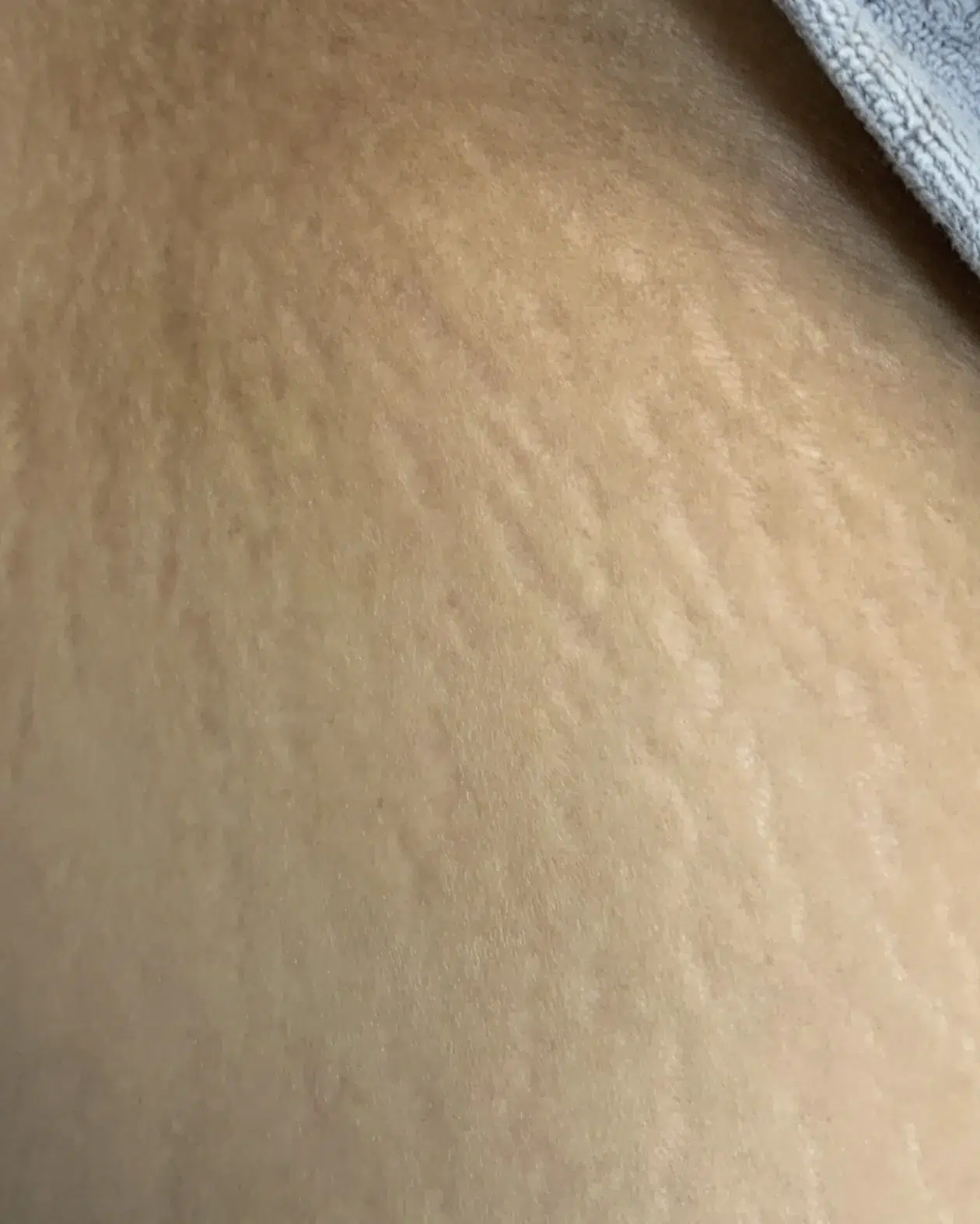
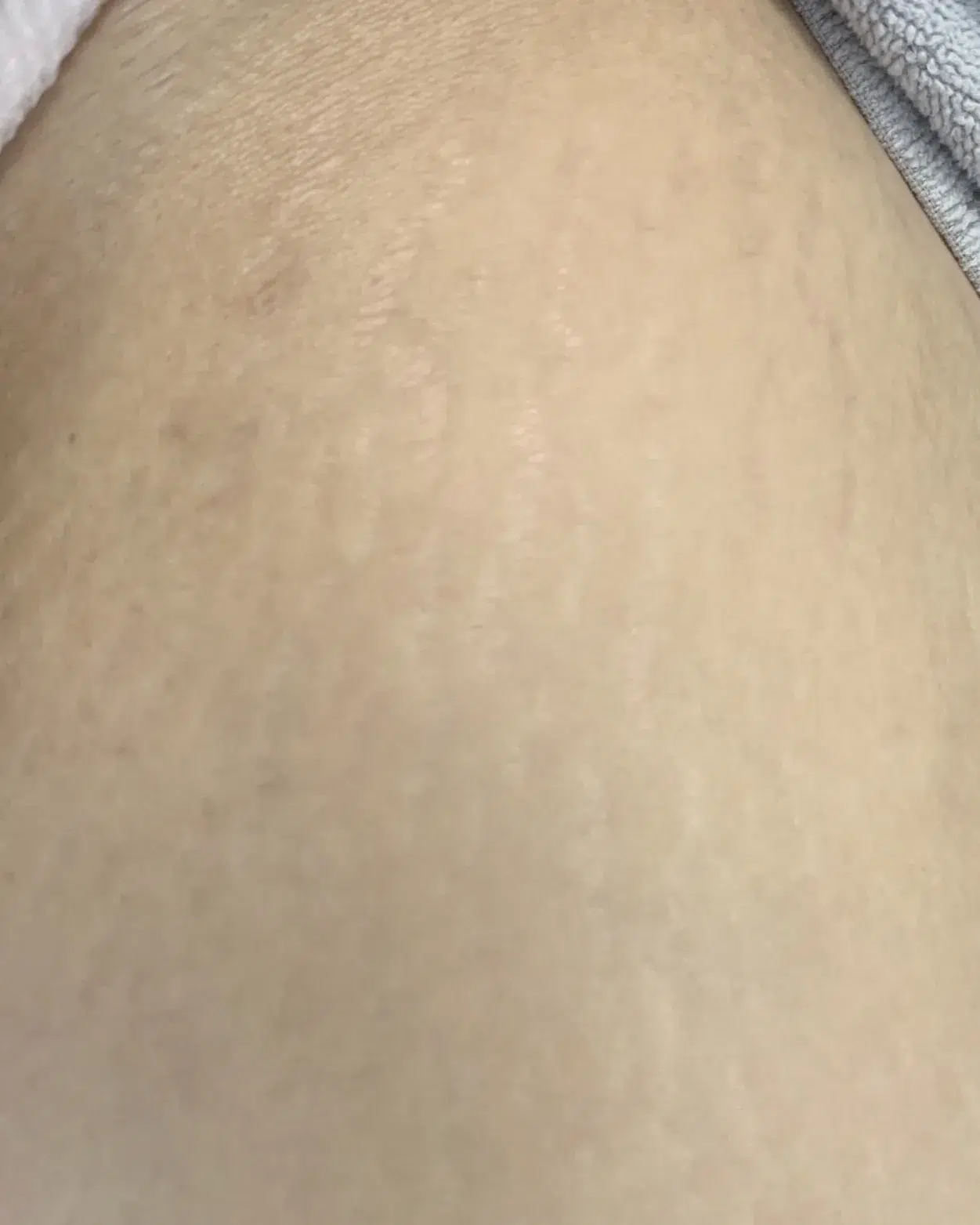
Case 1 · Stretch Marks / Growth Marks — Real Clinical Record
- Ideal Candidate Profile
- Asian female · Fitzpatrick IV
- primary concern
- Stretch Marks / Striae · Dermal Rupture
- Treatment Plan
- Lutronic Genius®Intelligent RF microneedling + Lutronic INFINI® gold RF microneedling + Lutronic RF microneedling + Morpheus8® and 5 other modalities (multiple sessions within 3 months)
- Improvement outcome
- Significant Improvement in Stretch Marks · Natural-Looking Overall Results
- PIH incidence
- No PIH
- Maintenance
- Routine sun protection + monthly at-home care + quarterly clinical assessment
Case 01: Stretch Mark Treatment Before & After · Asian Female · Fitzpatrick IV · Multimodal Combination Protocol · Performed by our physician at Luowei Medical Aesthetics Clinic, Nanjing
What are stretch marks? Why are they different from ordinary scars?
Striae Gravidarum (pregnancy stretch marks) and Striae Distensae (growth-related stretch marks) are fundamentally Collagen and elastin fibers within the dermis rupture under rapid mechanical stretching resulting in linear atrophic scarring. Stretch marks are not pigmentation spots, ordinary scars, or skin laxity — they are a distinct scar subtype involving permanent structural changes within the dermis. The treatment goal is to “rebuild the dermis,” not to “bleach the surface.”
Why Can’t Stretch Marks Be Treated Like Pigmentation?
The core issue with stretch marks is not pigmentation — it is Dermal collapse + fiber rupture. Laser brightening alone only addresses surface color. It cannot fill dermal depressions, and results are not durable.
Why do Striae Rubrae and Striae Albae require separate treatment approaches?
During the red stretch mark stage (0–12 months), the dermis still contains active blood vessels and fibroblasts, making this Optimal treatment window; White striae phase (>1 years) collagen fibers have collapsed and pigmentation has faded, requiring RF microneedling + fractional laser to rebuild collagen.
Why Can Stretch Marks Only Be Faded — Not Fully Eliminated?
Once the dermis has ruptured, full restoration of its original structure is not possible. The realistic clinical goal is Reduced depth + improved color blending + smoother texture, not “complete elimination.” Any clinic that promises to fully remove stretch marks is contradicting established medical evidence.
Why Does Asian Skin Require Extra Caution?
Fitzpatrick III–V following high-energy fractional laser treatment PIH Significantly higher PIH risk compared to non-Asian skin. A specialist protocol for Asian skin must use low-energy, multi-session approaches, with priority given to RF-based devices such as Sylfirm X® and Genius RF.
Clinical key points:Many patients assume stretch marks are a pigmentation problem and seek laser brightening treatments, only to find the color unchanged and the depressions still present. Our physician’s protocol begins by Determining whether stretch marks are in the Striae Rubrae or Striae Albae stage, before selecting the energy modality — this is the root cause of the difference in outcomes.
The Five Root Causes of Stretch Marks — It’s Not Just Weight Gain
Stretch marks and growth striae do not arise from a single cause — they result from mechanical stretching + hormonal changes + genetic predisposition the convergence of three core contributing factors.
1. rapid mechanical stretching
Pregnancy, rapid growth spurts during puberty, aggressive muscle gain from training, and significant short-term weight fluctuations — all place the dermis under stretch that exceeds its elastic threshold, causing collagen and elastin fibers to rupture and form striae.
2. hormonal fluctuations
elevated cortisol levels during pregnancy suppresses fibroblast activity, a decline in the dermis’s capacity for self-repair. This also explains why not all pregnant women develop stretch marks, while those who experience rapid weight gain during pregnancy are at significantly higher risk.
3. genetic predisposition
Individuals with a positive family history (mother or sisters with stretch marks) have a 2–3 times higher incidence compared to the general population. Collagen genotype determines the skin’s inherent dermal elasticity reserve.
4. Long-term topical corticosteroid use
Long-term systemic or large-area topical use of potent corticosteroids (for eczema or autoimmune conditions) can cause dermal thinning and suppressed collagen synthesis, leading to iatrogenic stretch marks that typically appear in the underarm and groin areas.
5. endocrine disorders
Connective tissue and endocrine conditions such as Cushing’s syndrome and Marfan syndrome can also present with extensive stretch marks. Underlying systemic disease should be ruled out before proceeding with any aesthetic treatment.
4 skin conditions commonly confused with stretch marks — key points for differential diagnosis
Misclassification leads to mistreatment. The table below outlines the 4 most common differential conditions our physician encounters in clinical practice.
Red stretch marks (Striae Rubrae)
Active Stage · Red-purple active phase
| appearance | Red-purple / pink parallel streaks |
|---|---|
| texture | Flat or mildly indented |
| Distribution | Abdomen / hips / thighs / breasts |
| Duration | 0–12 months |
| First-line treatment | Sylfirm X Pulsed RF + skin booster repair |
White-Stage Stretch Marks (Striae Albae)
Mature Stage · silver-white stable phase
| appearance | Silver-white depressed streaks |
|---|---|
| texture | Visible depression / skin thinning |
| Distribution | Same as above; stable and no longer spreading |
| Duration | >12 months |
| First-line treatment | Genius RF + eCO2 fractional |
Atrophic striae / iatrogenic stretch marks
Steroid-Induced Striae
| appearance | broad band-like pale white striae |
|---|---|
| texture | Significant dermal thinning |
| Distribution | Underarms / groin / inner thighs |
| Duration | History of topical corticosteroid use ≥ 3 months |
| First-line treatment | Discontinue hormonal triggers first → commence Sylfirm X at low energy settings |
Cellulite
Cellulite · structural fat irregularities
| appearance | Dimpled, non-linear depressions (cellulite pattern) |
|---|---|
| texture | Becomes more pronounced when compressed |
| Distribution | Posterior thighs / buttocks |
| Duration | associated with weight changes or hormonal fluctuations |
| First-line treatment | RF Skin tightening / Sofwave / body contouring |
⚠️ Caution:Clinically, approximately 20% of clients who present for stretch mark treatment are actually dealing with Cellulite or iatrogenic atrophic striae. Inaccurate diagnosis → wrong device selected → treatment failure — this is the most common pitfall in managing postpartum skin concerns in Asian women.
Why Do Stretch Marks on Asian Skin Require a Fitzpatrick III–V Specialist Protocol?
Blind spots in mainstream North American clinic protocols
Most stretch mark treatment protocols used at clinics across North America are based on clinical data from Fitzpatrick I–II skin types. Applying these parameters directly to Asian skin (Fitzpatrick III–V) creates a core set of problems:
- ✗ CO2 Fractional energy overload— Higher epidermal melanin content significantly increases the risk of post-inflammatory hyperpigmentation (PIH).
- ✗ Extended recovery period— Extensive redness lasting several months, making it difficult for clients to return to work
- ✗ Caucasian-based protocols overlook RF microneedling— Sylfirm X / Genius RF Because it uses electrical current rather than light energy, it is unaffected by melanin — making it better suited for Asian skin types.
Our physician’s Fitzpatrick III–V Specialist Adjustments
| parameters | North American standard | Asian skin adjustment |
|---|---|---|
| Preferred device | CO2 / Erbium | Sylfirm X / Genius RF |
| Energy density | 40–60 mJ | 15–30 mJ |
| Density | 10–15% | 5–8% |
| Interval | 3–4 weeks | 5–6 weeks |
| pre-treatment | None | 4 weeks of barrier repair + brightening preparation |
Key differentiating factors:Our physician has spent 8 years in Nanjing specializing in Asian skin, with over 90% of the clientele presenting with Fitzpatrick III–V skin types.
6 Treatment Options for Stretch Marks — Chosen by Red or White Stage
There is no single “miracle device” for stretch marks. We assess each case by red vs. white striae staging and tactile depth evaluation, then build a combination protocol using the devices and therapies below. Where the concern sits in skin texture rather than laxity, the relevant family is RF microneedling— needle-delivered energy, a different procedure from surface tightening.
Genius RF Gold RF microneedling
Insulated-needle RF microneedling with adjustable depth from 0.5–3.5 mm, precisely targeting the mid-to-deep dermis.Gold standard for collagen rebuilding during the white striae phase, Fitzpatrick III–V Safety profile superior to fractional laser.
Sylfirm X Pulsed RF microneedling
The only pulsed RF microneedling device indicated for use during the red striae phase,Simultaneously targets blood vessels + remodels the dermis. represents the optimal device during the golden treatment window for early postpartum stretch marks.
ECO2 CO₂ Laser
CO2 Fractional ablation with deep thermal stimulation to remodel the dermis.Resistant Striae Albae Used in alternation with Genius RF for a cumulative effect. Asian skin requires low-density, low-energy, multi-session protocols.
Rejuran® (PDRN)
Targeted intradermal injection of polynucleotides (PDRN) activates fibroblasts and accelerates dermal repair. Applied 7–14 days after RF microneedling, it significantly enhances overall treatment outcomes.
Skin Booster Injection (hyaluronic acid + growth factors)
Superficial dermal hydration and nourishment to improve skin texture and tactile quality in the treated area. Used between laser sessions to support and accelerate recovery.
Fractional laser (non-ablative)
1540nm / 1550nm Non-ablative fractional treatment with a short recovery period — ideal for those who cannot take time off work. Results are more gradual than eCO2, but the safety profile is excellent, making it suitable for sensitive areas such as the chest and thighs.
Our physician’s 6-Step Standard Protocol for Stretch Mark Treatment
Consultation + Striae Rubrae / Albae staging assessment
30 minute free consultation — VISIA erythema mode + Wood’s lamp + manual palpation assessment of dermal thickness.No staging assessment, no treatment.
4 weeks of pre-treatment preparation (barrier repair + nutritional priming)
Topical retinoid night care + barrier-repair body moisturizer + strict physical SPF 50+. This step significantly reduces the risk of post-inflammatory hyperpigmentation (PIH) and improves dermal responsiveness in the affected areas.
Test spot(test spot)
Perform a small test treatment on the inner thigh or another discreet area, then observe the skin’s response over 7–10 days.This is a non-negotiable step for Asian skin types, Skipping test spots before large-area body laser treatments is the leading cause of post-inflammatory hyperpigmentation (PIH) disasters.
Active Treatment Phase (4–8 sessions, once every 5–6 weeks)
Sylfirm X / Genius RF Primary treatment + adjunct Rejuran®. Immediately following each session: cold compress + barrier repair to prevent cumulative inflammation.
Assessment period (8–12 weeks after the final treatment session)
VISIA Quantitative comparison and tactile assessment of dermal thickness. This informs the decision to transition to a maintenance phase or to add further treatments. Collagen remodeling requires 3–6 months before final results are visible.
Maintenance Phase (once every 6 months, long-term)
Low-frequency maintenance treatments combined with at-home care (derma roller + retinoids) and strict sun protection. Stretch marks cannot be “cured” permanently, but with a consistent maintenance approach, long-term stability is achievable and further progression can be prevented.
Treatment Timeline — How Long Before You See Results?
| Staging | Active treatment cycle | Initial results visible | significant improvement | Maintenance cycle |
|---|---|---|---|---|
| Striae Rubrae (<6 months) | 3–4 sessions | after the 2nd session | After session 3–4 | Every 6 months |
| Red stretch mark stage (6–12 months) | 4–5 sessions | after the 2nd session | After session 4 | Every 6 months |
| Striae Albae (mature) | 6–8 sessions | After the 3rd session | After session 6 (final results assessed at 6 months post-treatment) | every 6–12 months |
| Resistant / previously failed cases | 8–12 sessions | After session 4 | after the 8th session | every 4–6 months, long-term |
Clinical note:Collagen remodeling in stretch marks is a gradual process — final results typically become visible 3–6 months after the last treatment session. Expecting significant results after a single session is the most common reason for disappointment. We recommend Clients with red striae should begin treatment as early as possible(as early as 3 months postpartum) — this represents the optimal window for treatment efficacy relative to cost.
Are You a Candidate for Stretch Mark Treatment? A 2-Minute Self-Assessment
✅ Appropriate to begin assessment
- ✓At least 3 months postpartum + fully finished breastfeeding
- ✓Linear striations on the abdomen, hips, thighs, or breasts
- ✓Striae Rubrae (pink / purple-red / appearing <12 months)
- ✓Striae Albae (silver-white, depressed) with a goal of improving skin texture
- ✓Stretch Marks from Puberty, Exercise, or Weight Changes
- ✓Committed to a structured 6–12 month treatment protocol
❌ requires deferral or resolution of other concerns first
- ✗Currently pregnant or breastfeeding (treatment recommended no sooner than 3 months postpartum and after weaning)
- ✗Active rash, infection, or eczema in the treatment area
- ✗Oral isotretinoin use within the past 6 months
- ✗Significant keloid or hypertrophic scarring tendency not yet assessed
- ✗Expecting complete elimination in 1–2 sessions (unrealistic expectation)
- ✗Weight still fluctuating significantly (recommended to stabilize first)
Luowei Medical Aesthetic Stretch Mark Protocol vs. Standard MedSpa
- ✗Treatment started without differentiating between Striae Rubrae and Striae Albae
- ✗Using a single CO₂ Laser to treat all types of stretch marks
- ✗Energy parameters derived from North American Caucasian templates
- ✗No test spot performed — full abdomen treated on the first session
- ✗Treatments often performed by RMTs or aestheticians, with no physician consultation
- ✗Told to “do another session to cover it” after developing PIH
- ✗No maintenance plan — treatment ends and the patient is sent home with no follow-up structure.
- ✓Mandatory: VISIA imaging + Wood’s lamp assessment + tactile dermal thickness evaluation
- ✓4 Core device combination + red/white striae staging protocol
- ✓Mandatory test spot + 4-week pre-treatment protocol
- ✓Our physician — personally conducts every consultation and develops every treatment plan
- ✓PIH Risk monitoring + proactive treatment pause and recovery protocol
- ✓6 Phased protocol including a long-term maintenance plan
Why is Luowei Medical Aesthetics Clinic’s approach to stretch mark treatment trustworthy?
Experience
Expertise Specialization
Authoritativeness Authority
Trustworthiness Credible
All cases on this page are shared with written Media Release Form authorization · Clinical records available
About the Cost of Stretch Mark / Growth Mark Treatment
Pricing for stretch mark treatments varies widely across clinics — but the real cost driver is not the device itself. It comes down to who performs the assessment, who stages the red vs. white striae, and how deeply clinical expertise needs to be involved. Stretch mark cases are complex: staging is nuanced, treatment areas vary significantly, and many patients come to us after failed attempts elsewhere requiring long-term management. For these cases, our physician is personally involved in designing the treatment plan, and pricing reflects that level of physician-led care. For patients whose condition has stabilized and who simply need maintenance, our trained clinical team can safely carry out treatments under our physician’s protocol — a more accessible option. The price difference between laser and RF microneedling treatments, The core difference comes down to clinical experience — physician-performed versus technician-performed treatments. All injectable procedures at our clinic are performed by the physician directly. The right treatment plan for you is determined by your clinical presentation, not your budget. The specific approach will be discussed at your consultation based on staging assessment and tactile examination.
- Payment is made at the clinic, after the consultation and before treatment begins
- Nothing is paid in advance, and no deposit is required to hold an appointment
- Cosmetic treatment is a self-pay item and is not covered by public medical insurance in China
- All first-time clients receive a complimentary 30-minute complimentary Consultation & Assessment
Risks & Contraindications — What You Need to Know
What are the main risks?
1. PIH post-inflammatory hyperpigmentation (PIH)(Moderate risk for Asian skin types) — significantly reduced with low-energy settings, a test spot, and 4 weeks of pre-treatment preparation; 2. Temporary redness, weeping, or crusting (common; resolves within 3–7 days); 3. Pin-prick sensation during treatment (well tolerated; managed with cold compresses or topical numbing cream); 4. Rare small blisters (uncommon when a proper protocol is followed); 5. Recurrence or worsening of stretch marks (triggered by subsequent pregnancy or rapid weight gain) — cannot be prevented; management begins once the condition has stabilized.
Who is absolutely not a candidate?
Pregnancy, breastfeeding, oral isotretinoin use within the past 6 months, active rash or infection in the treatment area, severe keloidal scarring that has not been assessed, implanted metal pacemaker (for RF-based treatments), autoimmune disease in an active flare, or unrealistic expectations (believing 1–2 sessions will eliminate stretch marks) — in any of these situations, our physician will recommend deferring treatment or addressing the underlying concern first.
How Is PIH Risk Minimized During Treatment?
Five key safety measures: (1) A test spot is mandatory; (2) Start at the lower end of the energy range and titrate up gradually; (3) Allow a minimum of 5 weeks between sessions; (4) Apply physical SPF 50+ sunscreen and wear protective clothing for 4 weeks before and after each treatment; (5) Apply cold compresses and use repair-focused skincare immediately after treatment — if redness persists beyond 10 days, book a follow-up right away.
What does the informed consent form include?
All clients are required to sign an informed consent form prior to their first treatment. The form covers: the mechanism of treatment, potential adverse reactions and their likelihood, alternative options, criteria for discontinuing treatment, follow-up scheduling, and an optional media release. Every item is explained by our physician personally — not delegated to administrative staff.
Where the medical claims on this page come from
Everything above about Stretch marks / Striae Distensae rests on published evidence rather than on our own word. The sources below are the ones behind those statements: peer-reviewed papers indexed in PubMed, and guidance written for patients by dermatology academies and national health services. Read them before you decide — and bring any of them to your consultation.
- Peer-reviewedComparative Analysis of Cellulite Treatment Modalities: A Systematic Review
- Peer-reviewedCryolipolysis for fat reduction and body contouring: safety and efficacy of current treatment paradigms
- Patient guidanceCellulite treatments: What really works
- Patient guidanceScars and stretch marks
What these references can and cannot tell you. They describe what is known about the treatment itself — how well it tends to work, how long results last, and what can go wrong. They are not an assessment of this clinic, and no published study can tell you whether it suits your skin type, anatomy, or medical history. That judgement comes from the physician who examines you in person, and it may well be “not this one”.