Obesity and Overweight
What Is Medical Weight Management — and Why Is It Fundamentally Different from “Dieting”?
Our physician’s Authentic Medical Weight Management Cases
The following are authentic clinical records from our physician’s Obesity & Overweight Medical Management program at Luowei Medical Aesthetics Clinic (Nanjing). All clients have signed a written Media Release Form authorizing public use. All data are unaltered clinical records; individual results vary based on baseline BMI, metabolic profile, and adherence. Medical weight management is A true medical program, Assessed, supervised, and followed up by a family medicine specialist physician.
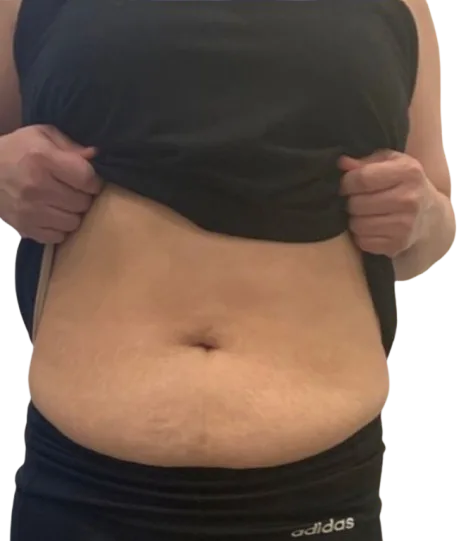

Case 1 · Authentic Obesity/Overweight Record
- Client Profile
- Asian Female · Fitzpatrick IV
- Areas of Concern
- Obesity/Overweight (comprehensive improvement through a multimodal combination program)
- treatment plan
- BTL Vanquish us™ + Emsculpt NEO + InMode BodyFX + Belkyra® (multiple sessions within 3 months)
- Improvement outcomes
- Obesity/Overweight Significantly Improved · Natural Overall Results
- post-inflammatory hyperpigmentation (PIH)
- No PIH
- maintenance
- Consistent sun protection + monthly home care routine + quarterly assessment
Case 01: Obesity/Overweight Before & After · Asian Female · Fitzpatrick IV · Multimodal combination protocol led by our physician at Luowei Medical Aesthetics Clinic, Nanjing
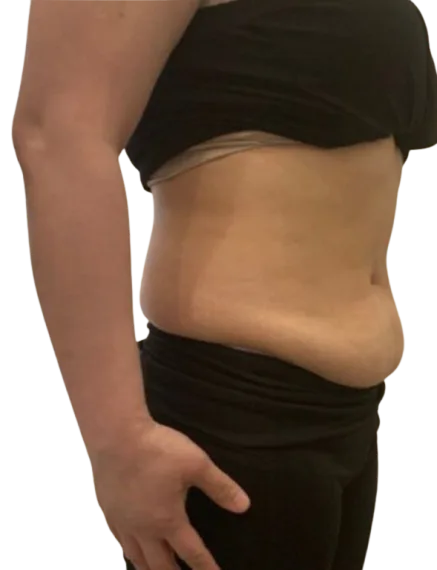
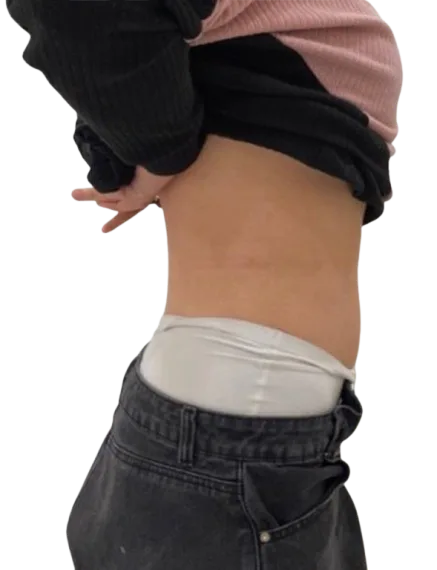
Case 2 · Obesity/Overweight — Real Clinical Record
- Client Profile
- Asian Female · Fitzpatrick IV
- Areas of Concern
- Obesity/Overweight (comprehensive improvement through a multimodal combination program)
- treatment plan
- BTL Vanquish us™ + Emsculpt NEO + Belkyra® + weight loss injections (multiple sessions within 3 months)
- Improvement outcomes
- Obesity/Overweight Significantly Improved · Natural Overall Results
- post-inflammatory hyperpigmentation (PIH)
- No PIH
- maintenance
- Consistent sun protection + monthly home care routine + quarterly assessment
Case 02: Obesity/Overweight Before & After · Asian Female · Fitzpatrick IV · Multimodal combination protocol led by our physician at Luowei Medical Aesthetics Clinic, Nanjing
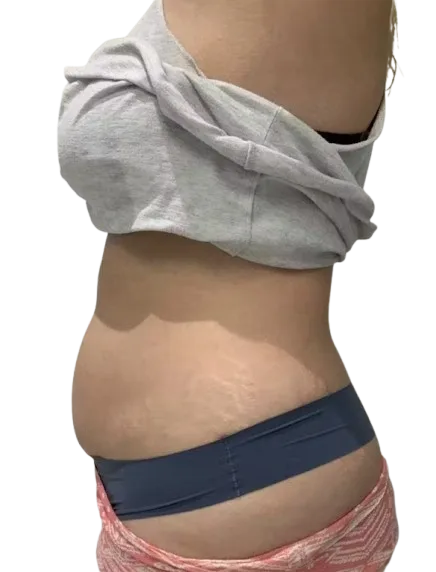
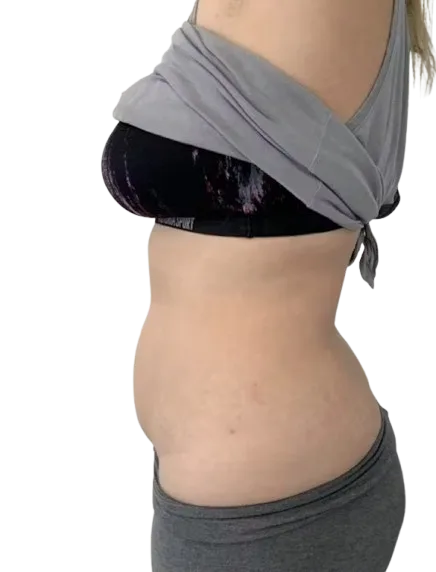
Case 3 · Obesity/Overweight — Documented Results
- Client Profile
- Asian Female · Fitzpatrick IV
- Areas of Concern
- Obesity/Overweight (comprehensive improvement through a multimodal combination program)
- treatment plan
- BTL Vanquish us™ + Emsculpt NEO + Belkyra® + medical weight management program — 5 items (multiple sessions within 3 months)
- Improvement outcomes
- Obesity/Overweight Significantly Improved · Natural Overall Results
- post-inflammatory hyperpigmentation (PIH)
- No PIH
- maintenance
- Consistent sun protection + monthly home care routine + quarterly assessment
Case 03: Obesity/Overweight Before & After · Asian Female · Fitzpatrick IV · Multimodal combination program led by our physician at Luowei Medical Aesthetics Clinic, Nanjing
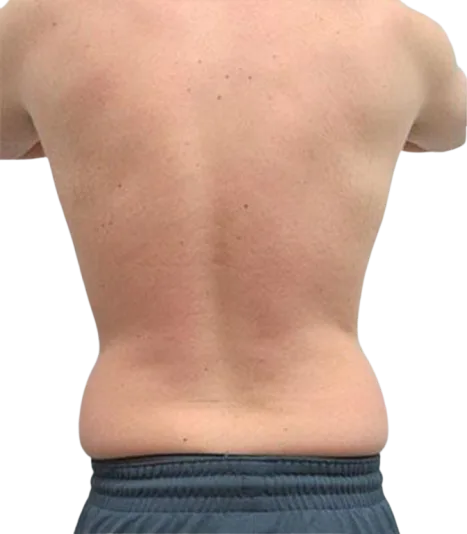
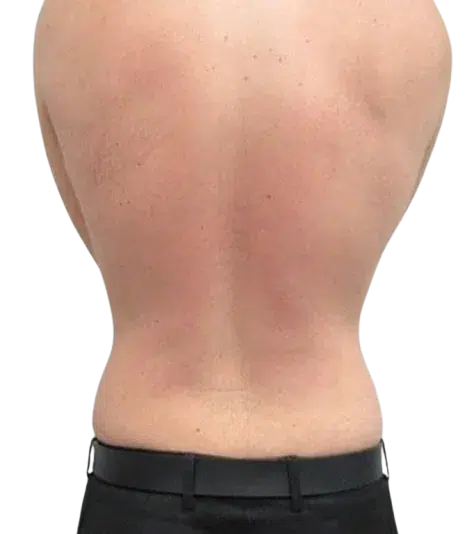
Case 5 · Obesity/Overweight Clinical Record
- Client Profile
- Asian Male · Fitzpatrick IV
- Areas of Concern
- Obesity/Overweight (comprehensive improvement through a multimodal combination program)
- treatment plan
- BTL Vanquish us™ + Emsculpt NEO + Belkyra® + medical weight management program — 5 items (multiple sessions within 3 months)
- Improvement outcomes
- Obesity/Overweight Significantly Improved · Natural Overall Results
- post-inflammatory hyperpigmentation (PIH)
- No PIH
- maintenance
- Consistent sun protection + monthly home care routine + quarterly assessment
Case 05: Obesity/Overweight — Before & After · Asian Male · Fitzpatrick IV · Multimodal combination program led by our physician at Luowei Medical Aesthetics Clinic, Nanjing
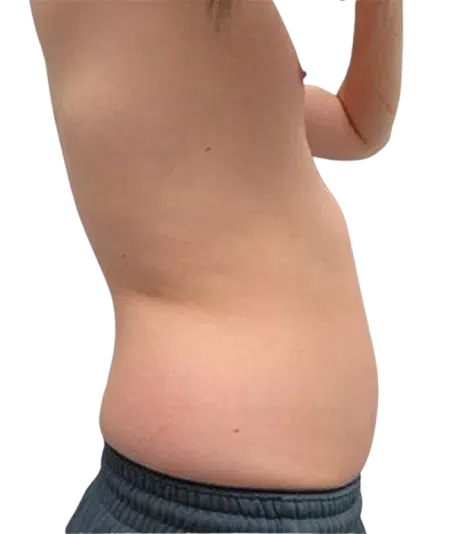
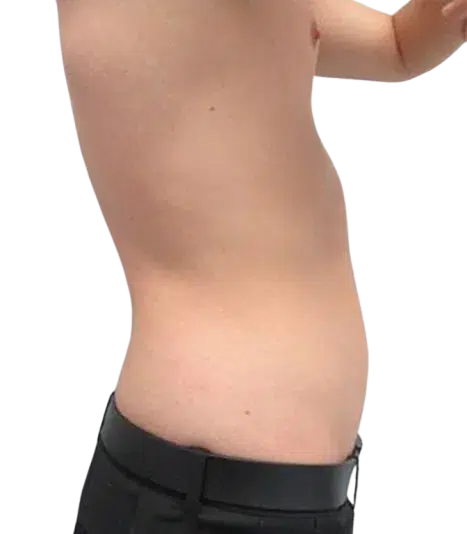
Case 6 · Authentic Obesity/Overweight Record
- Client Profile
- Asian Male · Fitzpatrick IV
- Areas of Concern
- Obesity/Overweight (comprehensive improvement through a multimodal combination program)
- treatment plan
- BTL Vanquish us™ + Emsculpt NEO + Belkyra® + medical weight management program — 5 items (multiple sessions within 3 months)
- Improvement outcomes
- Obesity/Overweight Significantly Improved · Natural Overall Results
- post-inflammatory hyperpigmentation (PIH)
- No PIH
- maintenance
- Consistent sun protection + monthly home care routine + quarterly assessment
Case 06: Obesity/Overweight Before & After · Asian Male · Fitzpatrick IV · Multimodal combination protocol led by our physician at Luowei Medical Aesthetics Clinic, Nanjing
What Is Medical Weight Management — and Why Is It Fundamentally Different from “Dieting”?
Medical Weight Management (Medical Weight Management) is led by Family Medicine Specialist / Endocrinologist led by, tailored for Overweight (BMI ≥ 25) or Obese (BMI ≥ 30) clients through medical evaluation, personalized intervention, and long-term follow-up A formal medical program. It is not about “losing weight,” not about “dropping numbers on a scale,” not about “improving appearance” — it is about Medical management of chronic metabolic disease.
5 Fundamental Differences Between Medical Weight Management and “Going on a Diet”
Medical evaluation — not “step on the scale and start”
Conventional weight loss relies on diet restriction + exercise alone.Medical weight management must begin with a comprehensive medical evaluation: BMI / Waist circumference / body composition / lipid panel / blood glucose / insulin / liver function / thyroid / PCOS, and more.
Chronic disease management — not “short-term weight loss”
Conventional weight loss pursues short-term results.Medical weight management follows a chronic disease management model— Long-term follow-up, dose adjustment, a structured discontinuation strategy, and relapse prevention — measured in years, not months.
Medication is an option — but not for unsupervised online self-use
GLP-1 medications (such as semaglutide and tirzepatide) play a meaningful role in medical weight management, but A physician must assess contraindications, determine the starting dose, manage titration, and monitor for adverse reactions. Self-administering medications purchased online carries extremely high risk — abrupt discontinuation leads to 80%+ weight rebound.
Multidisciplinary collaboration — not a single-modality intervention
Effective medical weight management combines:Medical evaluation + nutritional guidance + exercise prescription + behavioral modification + medication when indicated. No single approach, used in isolation, will produce lasting results.
Lifelong management — not a one-time “cure”
Obesity and overweight are chronic disease (WHO / Chinese Adult Obesity Clinical Practice Guidelines), Not “cured,” but “Ongoing management + long-term stability”. Like hypertension and diabetes, it requires a lifelong perspective.
The 3 Pillars of Medical Weight Management
- Assessment & Diagnosis: Comprehensive evaluation of metabolism, hormones, nutrition, and body composition
- Personalized intervention: Nutrition, exercise, behavioral support, and medical intervention when indicated
- long-term follow-up: Monthly follow-ups, dynamic adjustments, exit strategy, and rebound prevention
3 common clinical subtypes
Central obesity (most common)
Elevated waist circumference + excess visceral fat. High risk of metabolic syndrome — particularly common in Asian patients.
Metabolically healthy overweight
BMI slightly elevated but metabolic markers are within normal range. Preventive management is appropriate; aggressive intervention is not yet necessary.
Hormone-related obesity
PCOS · Secondary obesity caused by hypothyroidism, Cushing’s syndrome, or similar conditions. The underlying condition must be treated first.
4 Step: preliminary self-assessment
- BMI Whether ≥ 25 (overweight) or ≥ 30 (obesity)?
- Waist circumference (female) ≥ 80cm/ Male ≥ 90cm (Asian criteria)?
- whether after repeated dieting Rebound to an even higher weight?
- whether comorbidities are present Hypertension / Pre-diabetes / PCOS / Fatty Liver?
⚠️ If any 2 criteria apply to you, a medical weight management evaluation is recommended. BMI and waist circumference are initial screening tools — an accurate diagnosis requires a complete medical assessment.
Common Causes of Obesity and Overweight (5 Key Factors)
Obesity is not a matter of “lacking willpower” — it is Genetics + hormones + behavior + environment + psychology a multifactorial chronic metabolic condition. Understanding its underlying causes is what determines the treatment approach and long-term management strategy.
Genetic and metabolic profile
40–70% Weight differences are partly rooted in genetics — basal metabolic rate, fat storage patterns, and appetite-regulating genes are all heritable traits. Asian individuals carry distinct genetic predispositions affecting insulin sensitivity and visceral fat accumulation.
Hormonal and metabolic abnormalities
Insulin resistance, PCOS, hypothyroidism, elevated cortisol, and leptin resistance are all common physiological drivers of obesity. In these cases, diet and exercise alone have limited effectiveness.
Dietary patterns and gut microbiome
High-GI diets, ultra-processed foods, and excess sugar disrupt the gut microbiome and worsen insulin resistance. Traditional Asian refined-rice diets, combined with today’s sedentary lifestyles, can become a significant metabolic burden.
Repeated dieting and metabolic adaptation
Every cycle of extreme dieting lowers basal metabolic rate, accelerates muscle loss, and disrupts hormonal balance,Post-rebound weight frequently exceeds pre-treatment baseline. This is the well-known yo-yo effect.
Sleep + stress + psychological factors
Poor sleep raises Ghrelin (the hunger hormone) and lowers Leptin (the satiety hormone); chronic stress elevates cortisol and drives visceral fat accumulation; emotional eating is a common underlying psychological factor.
Medical Weight Management vs. Influencer Diets / Unsupervised GLP-1 / Body Contouring / Caloric Restriction
Many people use the term “weight loss” to describe any method of reducing body weight — but from a medical perspective, these approaches differ fundamentally in their Safety profiles, sustainability, and complication risks are entirely different.
Vs influencer weight loss methods
| approach | Extreme caloric restriction / mono-food diets |
| Supervision | Without medical evaluation |
| risks | Malnutrition, muscle loss, and hormonal disruption |
| Rebound rate | 90%+ within six months |
| difference | Pursuing rapid short-term weight loss is not the same as pursuing health |
Vs Unsupervised, self-purchased GLP-1
| approach | Self-injection of medications purchased online |
| Supervision | No medical evaluation for contraindications |
| risks | Pancreatitis, gallbladder issues, severe weight rebound |
| withdrawal | No strategy → 80%+ weight regain after discontinuing medication |
| difference | Core risks: no medical supervision + no behavioral foundation |
Vs Body contouring and fat reduction (CoolSculpting, etc.)
| Goal | Localized fat / body contouring |
| Applicable | Normal body weight with localized concerns |
| not suitable | BMI ≥ 30 Not an indication for body contouring |
| relationship | Body contouring is considered only after weight management is established |
| difference | Appearance-focused procedures, not weight management |
Vs Standard dieting and exercise
| approach | self-management |
| Applicable | BMI Slightly elevated + no metabolic abnormalities |
| limitations | BMI ≥ 30 or with concurrent metabolic conditions requiring medical management |
| success rate | 5–10% long-term maintenance |
| difference | No medical-level assessment or supervision |
Why is weight management for Asian patients fundamentally different from Western approaches?
Asian patients differ from Western populations in metabolic characteristics, fat distribution patterns, and insulin sensitivity — this is the core expertise behind Luowei Medical Aesthetics Clinic’s medical weight management program.
1. Lower BMI thresholds apply for Asian patients
By Western standards, a BMI ≥ 25 is classified as overweight, and ≥ 30 as obese.Stricter standards apply for Asian patients: BMI ≥ 23 indicates overweight; ≥ 27.5 indicates obesity (WHO Asian expert consensus). At the same BMI, Asian individuals carry a higher metabolic risk.
2. Visceral fat accumulation + insulin resistance
Asian adiposity patterns stored as visceral fat rather than subcutaneous,Visceral fat levels 30–50% higher than Western counterparts at equivalent BMI. This means that even at a seemingly normal BMI, the risks of metabolic syndrome, type 2 diabetes, and fatty liver disease are significantly elevated.
- Waist circumference is a more important indicator than BMI
- Insulin resistance is a common underlying factor
- “skinny fat” phenomenon (normal weight obesity)
- requiring earlier intervention and stricter clinical targets
This is why Asian women BMI 26 medical evaluation is already warranted, whereas a BMI of 26 in Western populations may be considered only a body composition concern.
3. “gradual and steady” principle
Asian individuals tend to have a relatively lower basal metabolic rate and a lower baseline muscle mass.Extreme dieting causes greater metabolic harm. In Asian clients, medical weight management must emphasize:Gradual weight loss (2–4% of body weight per month) + muscle preservation + a long-term perspective.
Asian Metabolic Subtyping × our physician’s Protocol
| Client profile | BMI | Metabolic status | Our physician’s Protocol |
|---|---|---|---|
| preventive | 23–25 | Normal | Nutritional guidance + strength training + monitoring |
| early-stage overweight | 25–27.5 | boundaries | Medical evaluation + behavioral intervention as the primary approach |
| Asian obesity | 27.5–32.5 | commonly accompanied by abnormalities | Multidisciplinary approach + GLP-1 therapy when indicated |
| Severe obesity | ≥ 32.5 | high risk | Medical management + GLP-1 therapy + surgical evaluation when indicated |
Medical weight management program (evaluation + intervention + follow-up)
There is no “best single solution” — only the medical strategy best suited to you. Based on your metabolic assessment, comorbidities, and lifestyle, our physician designs a personalized protocol from the components below.
Comprehensive Medical Evaluation Required
of medical weight management Step One. All treatment plans are built on a comprehensive assessment:
- BMI / Waist circumference / body composition (muscle / fat / visceral fat)
- Lipid panel / fasting glucose / HbA1c / insulin / HOMA-IR
- Thyroid function / sex hormones when indicated / cortisol
- Liver and kidney function / Vitamin D / B12
- Comorbidity screening (PCOS / fatty liver / hypertension)
Personalized nutritional intervention Foundation
It is not about “eating less” — it is about “eating smarter.” Food composition is adjusted in keeping with Asian dietary culture:
- Low-GI staples + high-fiber vegetables + quality protein
- Moderate caloric deficit (avoiding extremes)
- Regular meal timing + intermittent fasting strategy when appropriate
- Reduction of sugar and ultra-processed food intake
Exercise prescription (emphasis: strength training)Key
Balanced aerobic and strength training, but Resistance training is often the weakest link in weight management for Asian patients. Building muscle mass is central to protecting your basal metabolic rate and preventing weight regain:
- 2–3 resistance training sessions per week
- 150 minutes of moderate-intensity aerobic activity per week
- NEAT (Non-exercise activity thermogenesis (NEAT) increase)
GLP-1 receptor agonists (under medical supervision)
For appropriate indications for patients (BMI ≥ 30, or ≥ 27 with metabolic comorbidities), GLP-1 medications can provide significant support.Must be used under physician-supervised assessment, titration, monitoring, and exit planning— Self-administering online-purchased medications carries very high risks.
Co-management of comorbidities (PCOS / fatty liver / insulin resistance)
For many Asian women, weight concerns are related to PCOS · Fatty liver, insulin resistance related. Without addressing the underlying condition, weight loss alone has limited and short-lived results. As a certified family medicine specialist, our physician is equipped to manage these issues in an integrated manner.
Behavioral change and psychological support
Emotional eating, night eating syndrome, and chronic stress all require Behavioral therapy. Referral to a psychotherapist when indicated. Improving sleep quality is a frequently overlooked but critical factor.
Long-term follow-up + exit strategy not to be skipped
Weight management failures typically do not occur during treatment — they occur when treatment stops. A properly structured medical weight management program must include:
- Monthly follow-up (progress assessment, dose adjustment, and Q& A)
- Dynamic body composition monitoring (not just the number on the scale)
- Medication discontinuation strategy (gradual dose tapering phase, to avoid rebound from abrupt discontinuation)
- Long-term management during the maintenance phase (Quarterly follow-up + low-dose maintenance when appropriate)
Protocol Examples (by Patient Profile)
| Client profile | Recommended protocol |
|---|---|
| Prevention-Focused · BMI 23–25 | Assessment + nutrition + strength training + quarterly follow-up |
| Early-stage overweight · no metabolic abnormalities | Nutrition + exercise + behavioral intervention + monthly follow-up |
| Asian obesity patterns + metabolic abnormalities | Multidisciplinary approach + GLP-1 medication when indicated + monthly follow-up |
| PCOS + weight plateau | PCOS Treatment + integrated weight management |
| Private GLP-1 Rebound Recovery | Metabolic reset + behavioral foundation + structured restart and discontinuation |
How Does our physician Design a Medical Weight Management Plan? (6-Step Process)
Medical weight management is chronic disease management — it requires thorough medical evaluation, a personalized treatment plan, and long-term supervision. It is fundamentally different from simply “losing weight.”
Comprehensive Medical Evaluation
- Physical examination— BMI / Waist circumference / body composition / blood pressure
- Laboratory evaluation— Lipids / blood glucose / insulin / thyroid / sex hormones
- Comorbidity screening— PCOS / Fatty liver / hypertension / prediabetes
- medical history assessment— Previous weight loss history, psychological status, and family history
- File creation— Baseline photos + comprehensive data documentation
Identifying the primary cause and classification
Every client has a unique metabolic “fingerprint.” Our physician distinguishes between:
- Predominantly insulin resistance → low-GI nutrition plan + medication when indicated
- Predominantly PCOS-related → PCOS treatment + weight management
- Predominantly behavioral / psychological factors → behavioral therapy + nutritional restructuring
- Multiple overlapping factors → multidisciplinary combined protocol
Evaluate medication indications and contraindications
GLP-1 these medications are only used Clear indications + no contraindications + client understands the long-term strategy under these circumstances. Contraindications include: personal history of pancreatitis, personal or family history of medullary thyroid carcinoma, severe gastrointestinal disease, pregnancy, and others.Not suitable for everyone.
Designing a phased treatment timeline
Medical weight management is measured in years:
[Week 0–4]Nutrition + exercise program initiation + behavioral foundation
[Week 4]Assess initial response + initiate medication titration when appropriate
[Months 1–6]Monthly follow-up + body composition monitoring + plan adjustment
[Month 6–12]Steady weight reduction phase + muscle mass preservation
[Month 12]Comprehensive evaluation + transition to maintenance phase
[Maintenance period]Planned medication tapering + quarterly follow-ups + long-term lifestyle integration
Monthly follow-up with fine-tuning
- Body composition monitoring (Not just weight — tracking changes in muscle and fat composition)
- Laboratory follow-up testing (blood glucose / liver function / insulin when indicated)
- dose adjustment (medication tolerance, side effects, and treatment response)
- Adjusting nutrition / exercise (Plateau-breaking strategies)
- psychological support (emotional well-being, behavioral support, and motivation maintenance)
Exit and Maintenance Phase Management
Discontinuing treatment is often the most challenging part of weight management. Maintenance phase protocol:
- Planned, gradual medication tapering (medication must not be stopped abruptly)
- quarterly follow-up (monitoring for rebound tendency + fine-tuning)
- Long-term resistance / strength training (protecting basal metabolic rate)
- Low-dose medication when clinically indicated (preventing weight regain)
- lifelong perspective (Obesity is a chronic condition, not an acute one)
How soon will we see results with medical weight management? How long does it take? Will the weight come back?
Medical weight management is a marathon, not a sprint. The three tables below address the three most frequently asked questions.
When can we expect to see results?
| Phase | Timeline | visible changes |
|---|---|---|
| After the program is initiated | 4–6 weeks | 2–4% reduction in body weight, improved energy levels, appetite regulation |
| 3 months | 3 months | 6–10% reduction in body weight, meaningful decrease in waist circumference, improvement in metabolic markers |
| 6 months | 6 months | 10–15% weight reduction with significant improvement in comorbidities |
| 12 months + maintenance period | 12 months+ | Stable condition with long-term normalization of metabolic markers |
How long does treatment take?
| Client profile | Active treatment phase | Maintenance period |
|---|---|---|
| early-stage overweight | 3–6 months | Quarterly follow-up, long-term |
| Typical Asian obesity pattern | 9–12 months | Medication tapering + long-term management |
| Concurrent PCOS / metabolic abnormalities | 12–18 months | Multidisciplinary long-term co-management |
| Severe obesity | 18–24 months | Surgical evaluation when appropriate + lifelong management |
Will weight rebound? Rebound rates (statistical reference)
| Discontinuation approach | 1 Annual weight regain rate |
|---|---|
| Structured medical management + behavioral foundation + planned discontinuation | 15–25% (mild and manageable) |
| Medication only + no behavioral foundation | 60–80% (After discontinuation) |
| Online GLP-1 purchase + abrupt discontinuation | 80%+ or even above baseline |
Am I a candidate for medical weight management?
If the following applies Majority answer “yes”, You may benefit from a medical weight management assessment.
5 quick self-assessment
- BMI Whether ≥ 25 (overweight by Asian standards) or ≥ 27.5 (Asian obesity)?
- Waist circumference (female) ≥ 80cm/ Male ≥ 90cm?
- whether after repeated dieting Rebound to an even higher weight?
- whether comorbidities are present Pre-diabetes / PCOS / hypertension / fatty liver?
- Have you ever purchased GLP-1 medication online without medical supervision, but post-medication rebound?
You are a suitable candidate for medical weight management if you:
- BMI ≥ 25 (Asian criteria) or concurrent metabolic abnormalities
- 18 years of age or older, generally healthy
- Not currently pregnant or breastfeeding
- Committed to long-term management (measured in years, not weeks)
- Open to a comprehensive approach combining nutrition, exercise, and medication when indicated
- Realistic expectations (health management, not simply chasing a lower number on the scale)
- Willing to attend regular follow-ups and comply with monitoring
- No absolute contraindications to GLP-1 medications
Not suitable, or requires careful evaluation, if you:
- Pregnancy or breastfeeding (GLP-1 contraindications)
- History of pancreatitis
- Personal or family history of medullary thyroid carcinoma or MEN 2 syndrome
- Active, untreated eating disorder
- Active severe gastrointestinal disease
- Focused solely on short-term scale numbers
- Unable to commit to a long-term management philosophy
- Unrealistic expectations (hoping for “fast and permanent” results)
Why Online GLP-1 Purchases and MedSpa Weight Loss Programs Fall Short — Real Cases
Client A — Asian female, age 40 · BMI 31 · Purchased GLP-1 online, lost 20 kg over 6 months, then regained 25 kg within 1 year of stopping
Self-purchased online Unsupervised · short-term numbers only
- No comprehensive medical evaluation, no contraindication screening
- Dose escalated too quickly, without accompanying nutrition and exercise support
- Significant muscle loss (up to 30% of weight lost may come from muscle)
- No monthly follow-up, no side effect management
- Abrupt discontinuation, no structured exit strategy
- 1 Rebound exceeding 5 kg above baseline within a year, with worsened metabolic markers
- Gallbladder complications requiring surgery
- Regret → Come to Luowei Medical Aesthetics Clinic for a structured reset
Visit Luowei Medical management · lifelong perspective
- Comprehensive assessment + lab work + body composition baseline
- Establish a foundation of nutrition and strength training first
- Properly titrated GLP-1 therapy + side effect monitoring
- Monthly follow-up + body composition monitoring + muscle preservation
- Gradual, steady weight loss + planned medication step-down
- 18 months: stable 12% weight reduction + restored muscle mass + no rebound
- Normalization of comorbidities (fatty liver, HOMA-IR)
Why Trust Luowei Medical Aesthetics Clinic for Medical Weight Management?
Google's E-E-A-T framework carries the greatest weight for YMYL (Your Money or Your Life) content. Because weight management involves metabolic health and medication safety, rigorous credentials and clinical protocols are especially essential.
Real-world clinical experience
- Years of experience in chronic disease management as a family medicine specialist
- Extensive experience managing rebound cases following unsupervised GLP-1 use
- Complete data and imaging records for every client
- Chronic disease management + comprehensive metabolic assessment
- GLP-1 Medication titration and oversight
- Multidisciplinary co-management (PCOS / fatty liver / metabolic syndrome)
- Every medical claim on this page is anchored to a named, clickable source — see Evidence & references below
Transparent and verifiable
- A written informed consent form is signed before each treatment session
- All treatment plans include a clearly defined exit strategy
Weight management is medicine, not marketing
In the midst of the GLP-1 wave, the market is flooded with unsupervised online purchases, rapid weight loss without proper assessment, and rebound weight gain with no exit strategy.True medical weight management Managed by a specialist physician using a chronic disease model — the goal is not “fastest weight loss” but “long-term stability.” Our physician’s dual qualifications in family medicine and medical aesthetics bring weight management back to its true clinical foundation.
About the Cost of Medical Weight Management
Pricing for medical weight management can vary considerably between clinics, which is often confusing. In reality, the price reflects far more than just the medication itself — it depends on Who performs the evaluation, who makes the clinical decisions, how rigorous the monitoring is, and how clearly the discontinuation strategy is defined. Even when the same GLP-1 medications are involved, a program built on comprehensive medical evaluation, monthly monitoring, and comorbidity management produces fundamentally different long-term outcomes than simply prescribing medication on a monthly basis. This is why a program that carries the same name can have very different price structures — and very different success rates — depending on where it is delivered.
Medical weight management is physician-led at every critical step — assessment, titration, adjustment, and exit strategy all require clinical judgment. Routine nutrition guidance and exercise education may be delivered by trained members of the care team; however, prescription management, comorbidity assessment, and complication handling involve direct physician oversight. Complex cases — including rebound after unsupervised GLP-1 use, co-management of PCOS, and metabolic syndrome — require full physician involvement throughout. Early-stage preventive overweight cases may follow a more streamlined pathway.Treatment decisions should be driven by clinical need, not by price. Following your Free 30-Minute Consultation, our physician will recommend the most appropriate program and corresponding pricing structure based on your assessment findings.
- Payment is made at the clinic, after the consultation and before treatment begins
- Nothing is paid in advance, and no deposit is required to hold an appointment
- Cosmetic treatment is a self-pay item and is not covered by public medical insurance in China
- All new clients receive a 30-minute free Consultation assessment
Common Risks · Contraindications · Side Effect Prevention
Transparency in medical weight management is central to our practice. We openly disclose all potential side effects, serious risks, and absolute contraindications.
Common Side Effects (GLP-1 Medications)
- Nausea / decreased appetite (most common, typically occurring during dose escalation; manageable through titration adjustment)
- Constipation or diarrhea (Can be improved with dietary adjustments)
- Headache, fatigue (short-term adjustment period)
- Mild reaction at the injection site (resolves within 1–2 days)
- Mild transient increase in heart rate (monitored)
Serious Risks (rare but require disclosure)
- Acute pancreatitis— Requires immediate discontinuation and medical evaluation
- Gallbladder issues (cholelithiasis / cholecystitis)— associated with rapid weight loss
- Hypoglycemia (when used alongside diabetes medications)
- Serious allergic reaction (rare)
- Significant muscle loss (in the absence of resistance training)
- Rebound weight gain upon discontinuation (when no exit strategy is in place)
Relative Contraindications (require careful assessment)
- Active severe gastrointestinal disease
- History of gallbladder problems
- Diabetic retinopathy (may worsen)
- Currently using other appetite-affecting medications
- Tendency toward disordered eating
Absolute contraindications (medication will not be prescribed)
- Pregnancy or trying to conceive / breastfeeding
- History of pancreatitis
- Personal or family history of medullary thyroid carcinoma or MEN 2 syndrome
- Severe allergy to GLP-1 medications
- Untreated active eating disorders
- Unrealistic expectations (expecting rapid, permanent elimination of excess weight)
Safety Protocol Enforced by our physician
- Every client completes a comprehensive medical evaluation + laboratory workup prior to treatment
- All medications initiated at the lowest dose with structured titration
- Side effects and body composition assessed at every follow-up visit
- All treatment plans include a clearly defined exit strategy
- All treatments are personally led by our physician
- Consistent follow-up with no dropout
- Serious adverse reactions are assessed immediately and referred as needed
Where the medical claims on this page come from
Everything above about Obesity and Overweight rests on published evidence rather than on our own word. The sources below are the ones behind those statements: peer-reviewed papers indexed in PubMed, and guidance written for patients by dermatology academies and national health services. Read them before you decide — and bring any of them to your consultation.
- Peer-reviewedComparative Analysis of Cellulite Treatment Modalities: A Systematic Review
- Peer-reviewedCryolipolysis for fat reduction and body contouring: safety and efficacy of current treatment paradigms
- Patient guidanceCellulite treatments: What really works
- Patient guidanceScars and stretch marks
What these references can and cannot tell you. They describe what is known about the treatment itself — how well it tends to work, how long results last, and what can go wrong. They are not an assessment of this clinic, and no published study can tell you whether it suits your skin type, anatomy, or medical history. That judgement comes from the physician who examines you in person, and it may well be “not this one”.