Upper eyelid ptosis
Upper eyelid ptosis (Blepharoptosis · Commonly referred to as ptosis (ICD-10 H02.4), this describes a condition in which the upper eyelid margin sits…
Real Cases: Upper Eyelid Ptosis Improvement by our physician
The following before-and-after images are from actual patients treated by our physician at Luowei Medical Aesthetics Clinic (Nanjing). All patients have signed a written Media Release Form authorizing public use. Upper eyelid ptosis (Blepharoptosis · ICD-10 H02.4) requires rigorous differential diagnosis.True Ptosis vs. Skin Laxity vs. Compensatory Brow Ptosis, The treatment approach differs entirely. All photographs are unretouched clinical records; individual outcomes vary based on diagnosis subtype and anatomical differences.
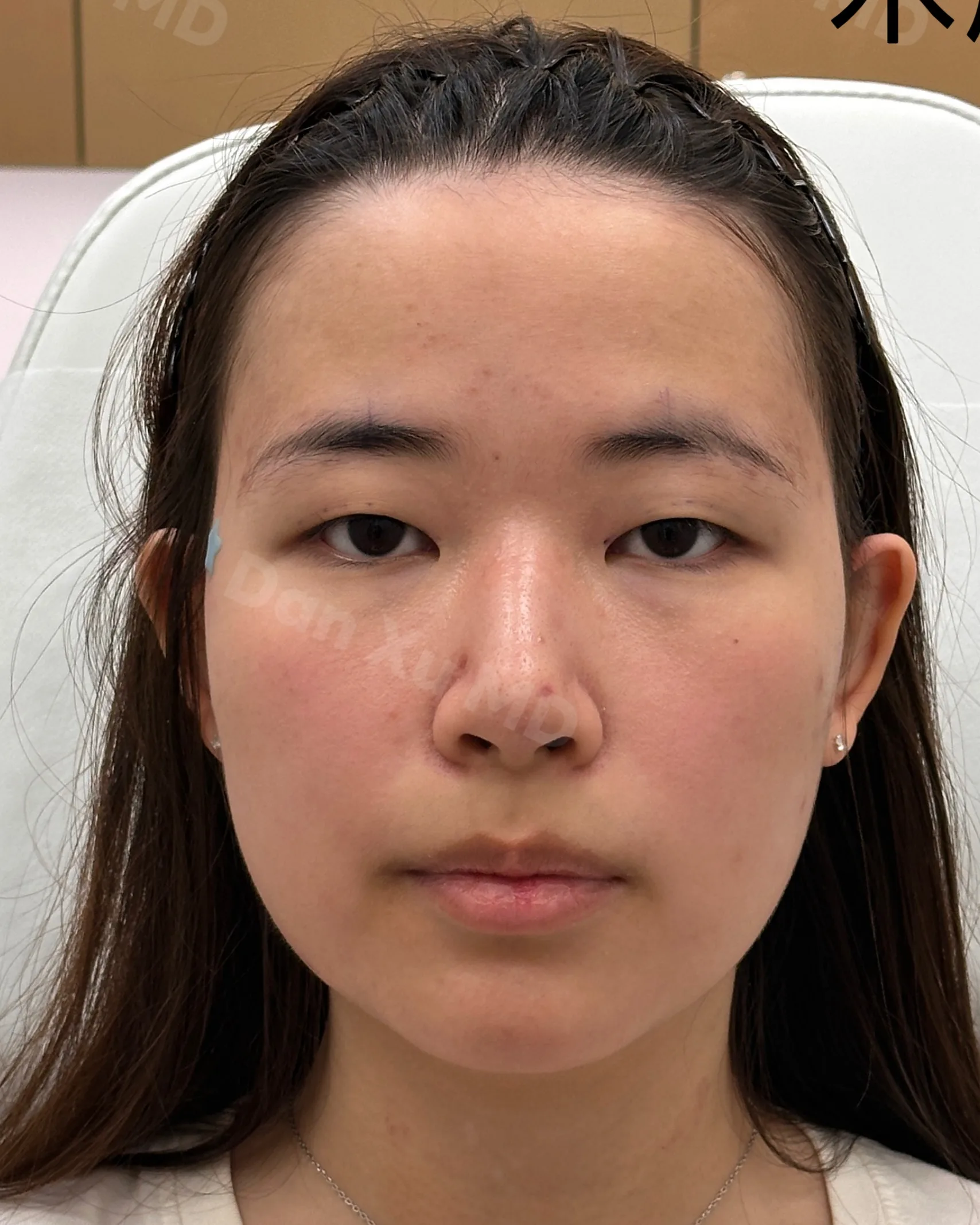
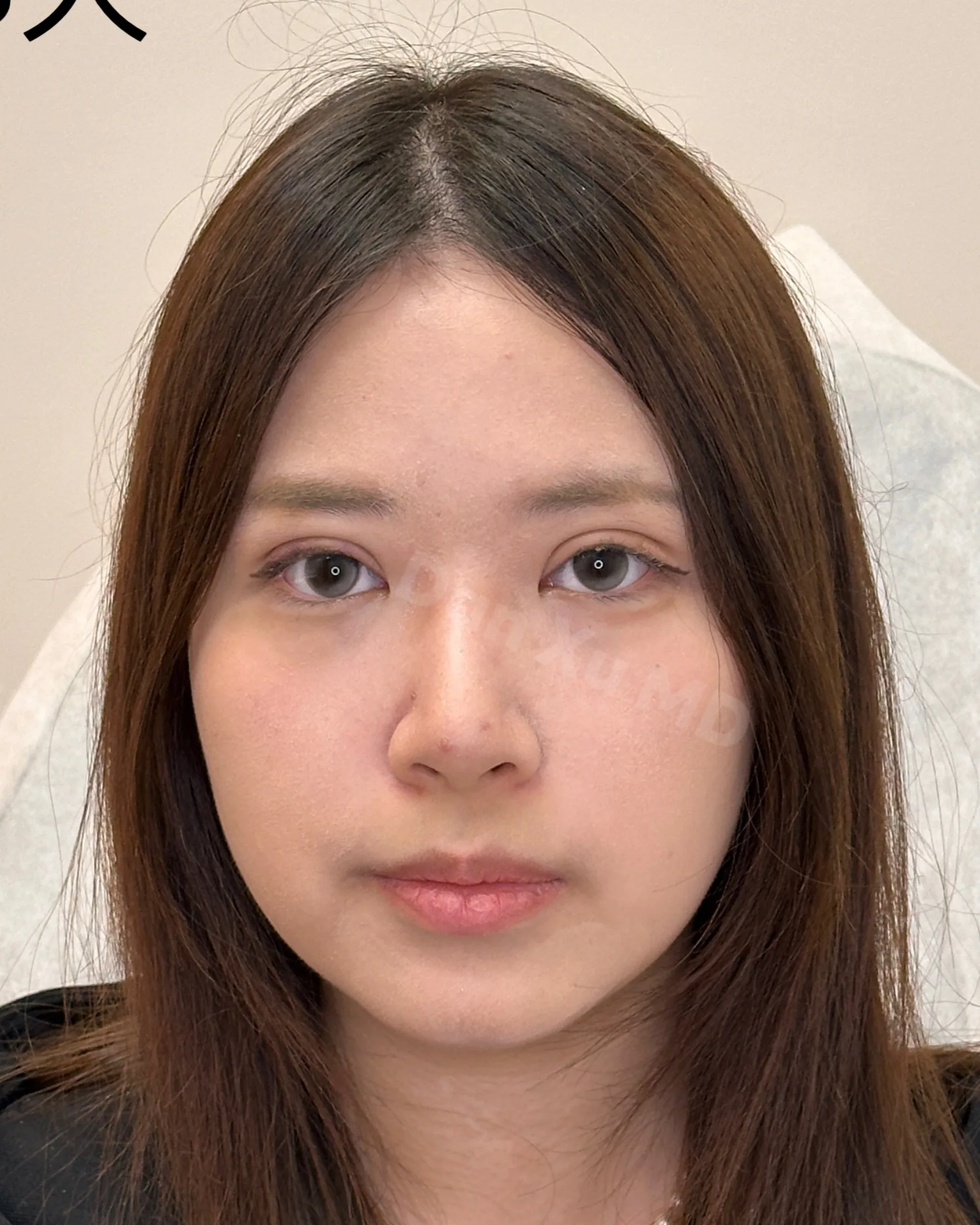
Case 6 · Upper Eyelid Ptosis — Clinical Record
- client profile
- Asian Female · Fitzpatrick IV
- key concerns
- Upper eyelid ptosis (comprehensive improvement through multimodal combination approach)
- treatment plan
- Suture double eyelid (multiple sessions within 3 months)
- treatment outcomes
- Significant improvement in upper eyelid ptosis · Natural overall result
- post-treatment darkening
- No PIH
- maintenance
- Daily sun protection + monthly home care + quarterly clinical assessment
Case 06: Ptosis (Upper Eyelid Droop) Before & After · Asian Female · Fitzpatrick IV · Multimodal combination treatment led by our physician at Luowei Medical Aesthetics Clinic, Nanjing
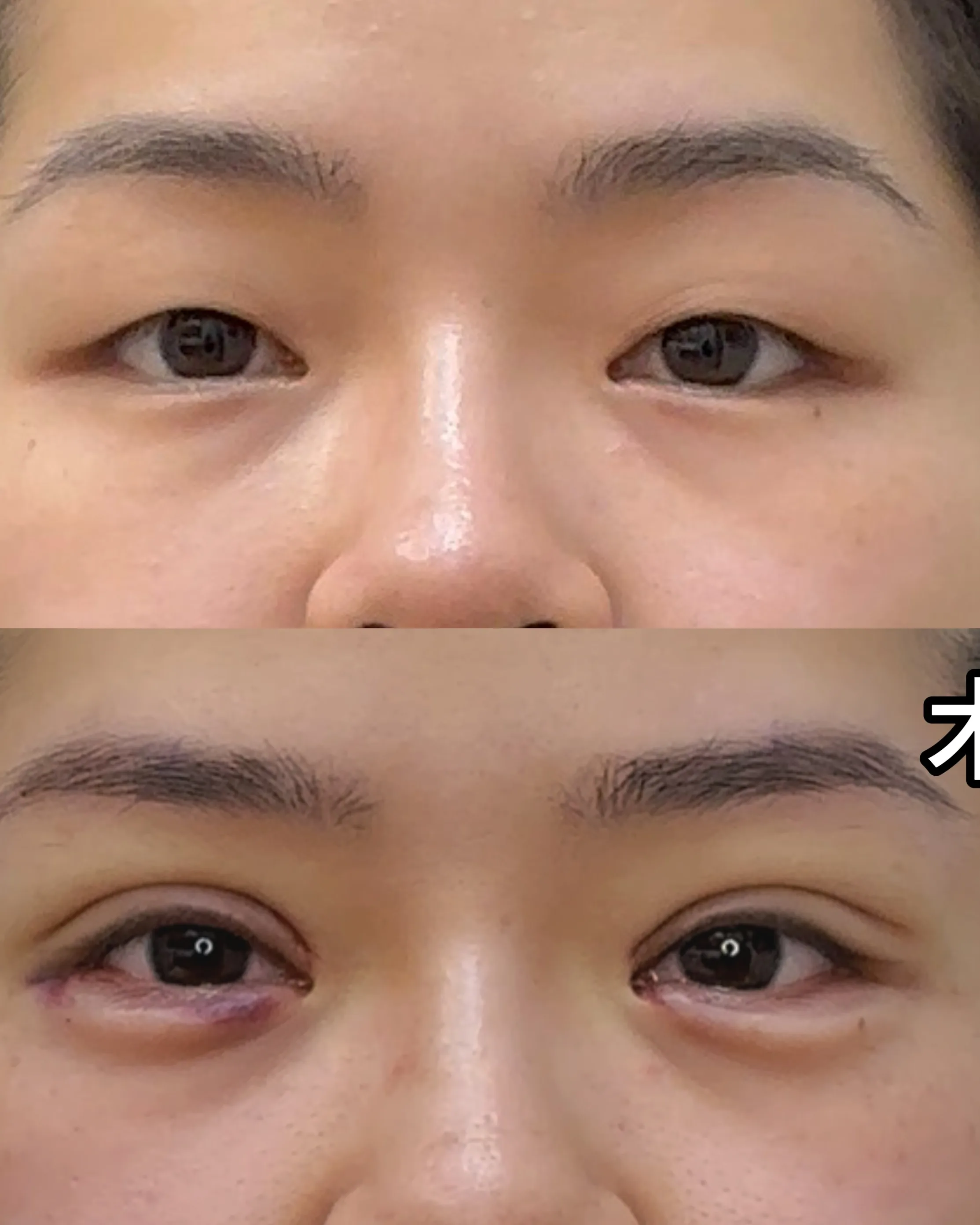
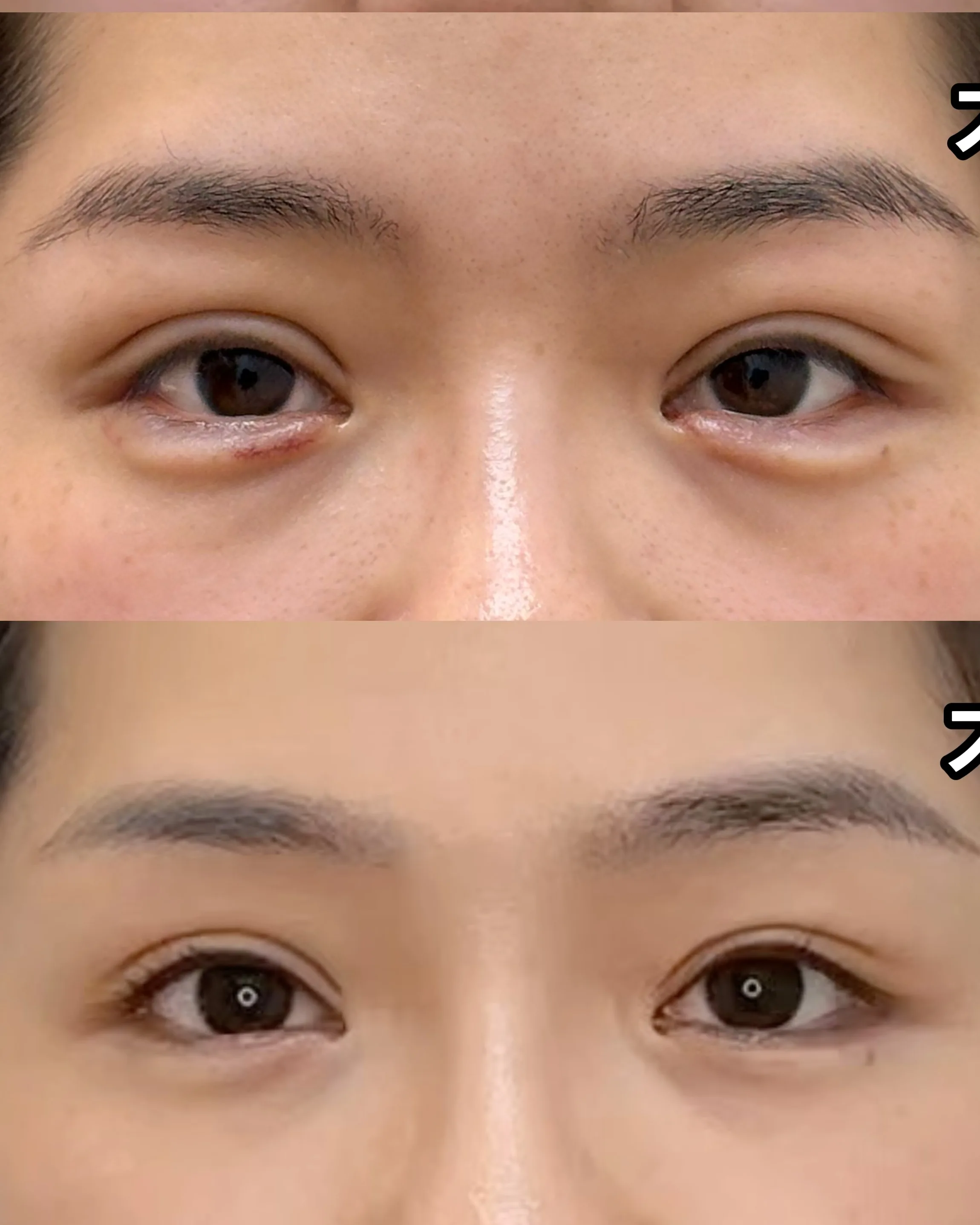
Case 8 · Upper Eyelid Ptosis — Real Patient Record
- client profile
- Asian Female · Fitzpatrick IV
- key concerns
- Upper eyelid ptosis (comprehensive improvement through multimodal combination approach)
- treatment plan
- PDOPDO thread lift + Botox® + HArmonyCa™ + collagen stimulators and 6 other treatments (multiple sessions within 3 months)
- treatment outcomes
- Significant improvement in upper eyelid ptosis · Natural overall result
- post-treatment darkening
- No PIH
- maintenance
- Daily sun protection + monthly home care + quarterly clinical assessment
Case 08: Before & After — Upper Eyelid Ptosis · Asian Female · Fitzpatrick IV · Multimodal combination treatment led by our physician at Luowei Medical Aesthetics Clinic, Nanjing
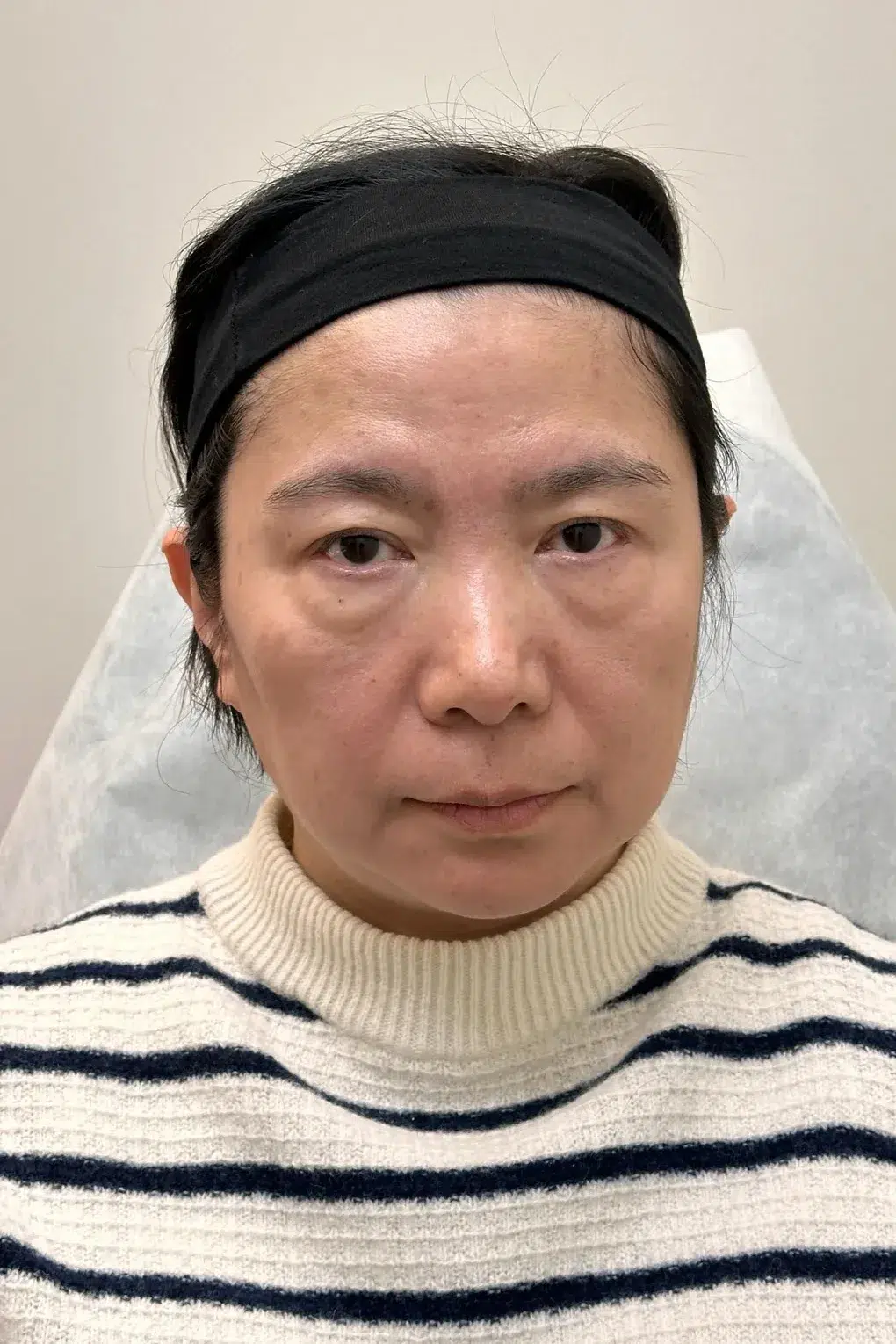
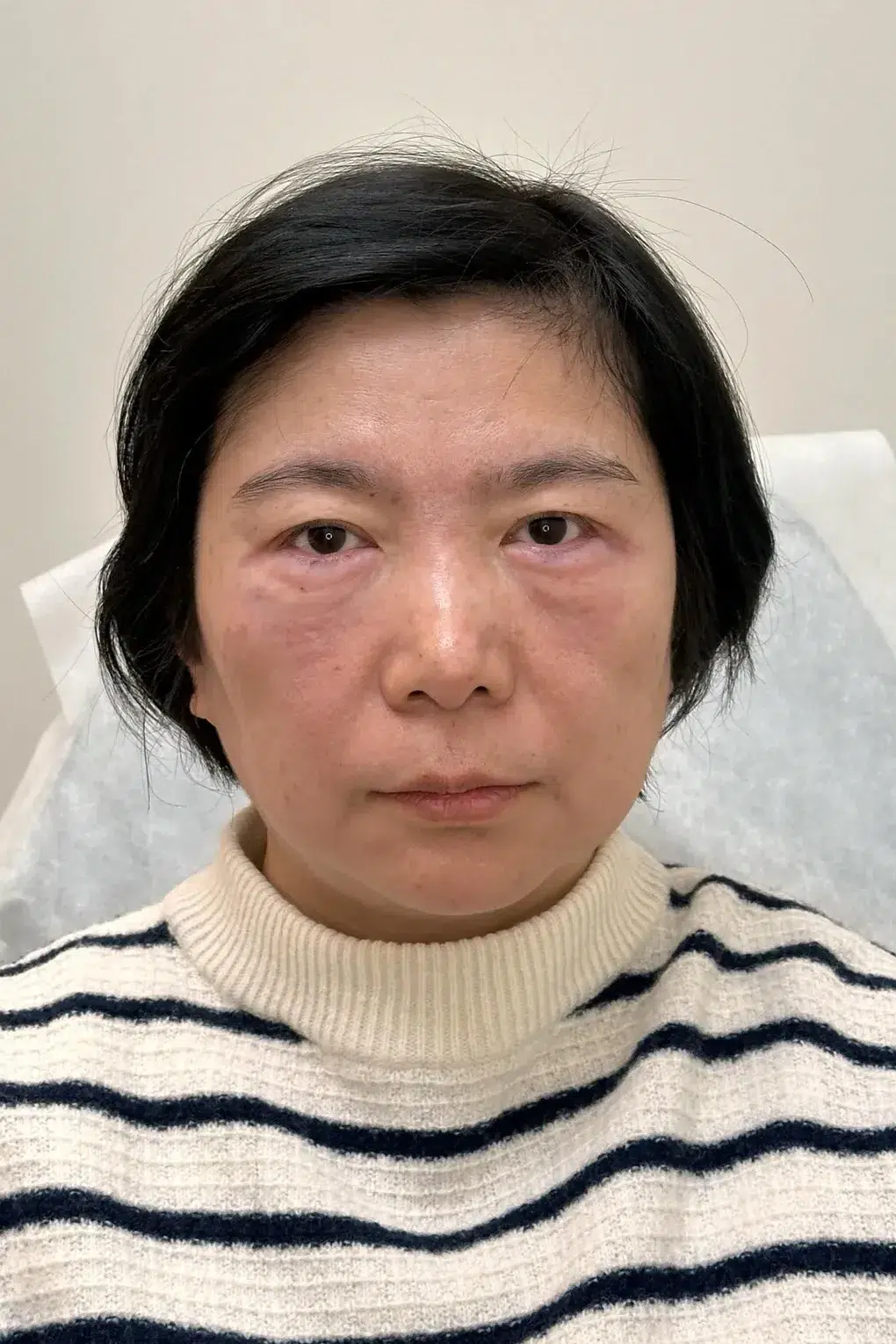
Case 1 · Upper Eyelid Ptosis — Clinical Record
- client profile
- Asian Female · Fitzpatrick I · Present for ~2–3 Years
- key concerns
- Upper eyelid ptosis (comprehensive improvement through multimodal combination approach)
- treatment plan
- Dermal filler + periorbital rejuvenation / eye brightening injections (multiple sessions within 3 months)
- treatment outcomes
- Significant improvement in upper eyelid ptosis · Natural overall result
- post-treatment darkening
- No PIH
- maintenance
- 6–12 month follow-up · touch-up as needed + home eye cream maintenance
Case 01: Before & After — Upper Eyelid Ptosis · Asian Female · Fitzpatrick I · Duration approx. 2–3 years · Multimodal combination treatment led by our physician at Luowei Medical Aesthetics Clinic, Nanjing
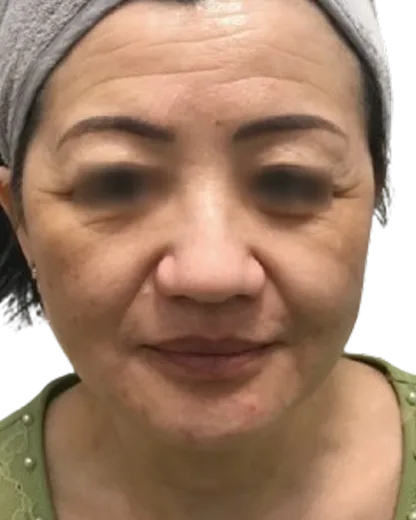
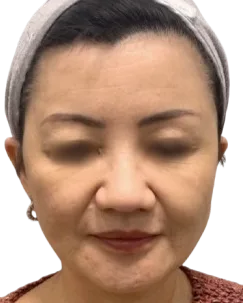
Case 1 · Upper Eyelid Ptosis — Clinical Record
- client profile
- Asian Female · Fitzpatrick IV
- key concerns
- Upper eyelid ptosis (comprehensive improvement through multimodal combination approach)
- treatment plan
- PicoSure® + PicoSure Pro® + PicoWay® + Ultherapy® and 13 additional treatments (multiple sessions within 3 months)
- treatment outcomes
- Significant improvement in upper eyelid ptosis · Natural overall result
- post-treatment darkening
- No PIH
- maintenance
- 9-12 months later for repeat filler treatment
Case 01: Before & After — Upper Eyelid Ptosis · Asian Female · Fitzpatrick IV · Multimodal combination treatment led by our physician at Luowei Medical Aesthetics Clinic, Nanjing
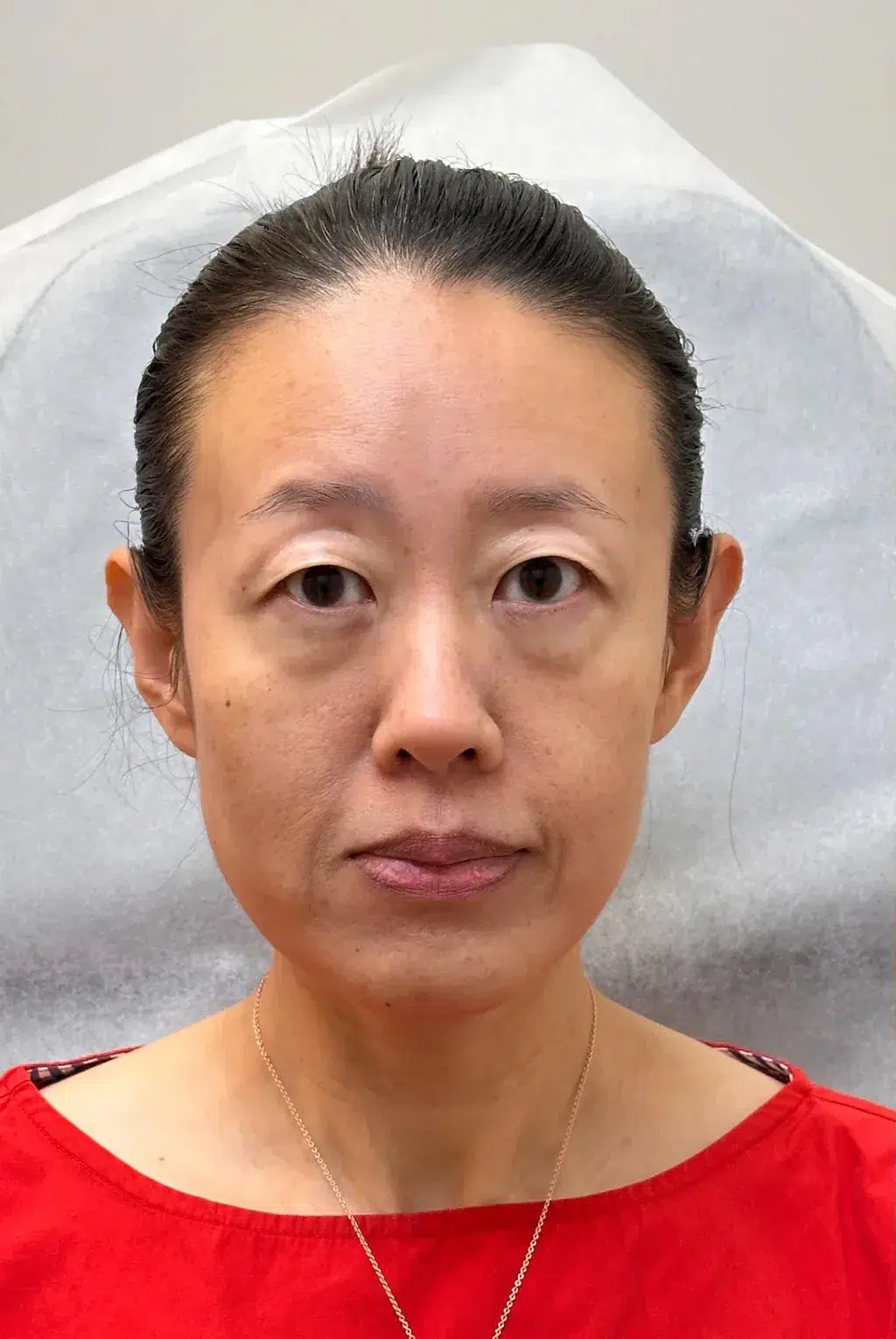

Case 2 · Upper Eyelid Ptosis Real Patient Documentation
- client profile
- Asian Female · Fitzpatrick IV
- key concerns
- Upper eyelid ptosis (comprehensive improvement through multimodal combination approach)
- treatment plan
- Thread double eyelid + Botox® + wrinkle relaxers + dermal fillers and 14 other treatments (multiple sessions within 3 months)
- treatment outcomes
- Significant improvement in upper eyelid ptosis · Natural overall result
- post-treatment darkening
- No PIH
- maintenance
- Botox Micro-dose maintenance at 4 months + lip border definition with filler
Case 02: Upper Eyelid Ptosis — Before & After · Asian Female · Fitzpatrick IV · Multimodal combination protocol led by our physician at Luowei Medical Aesthetics Clinic, Nanjing
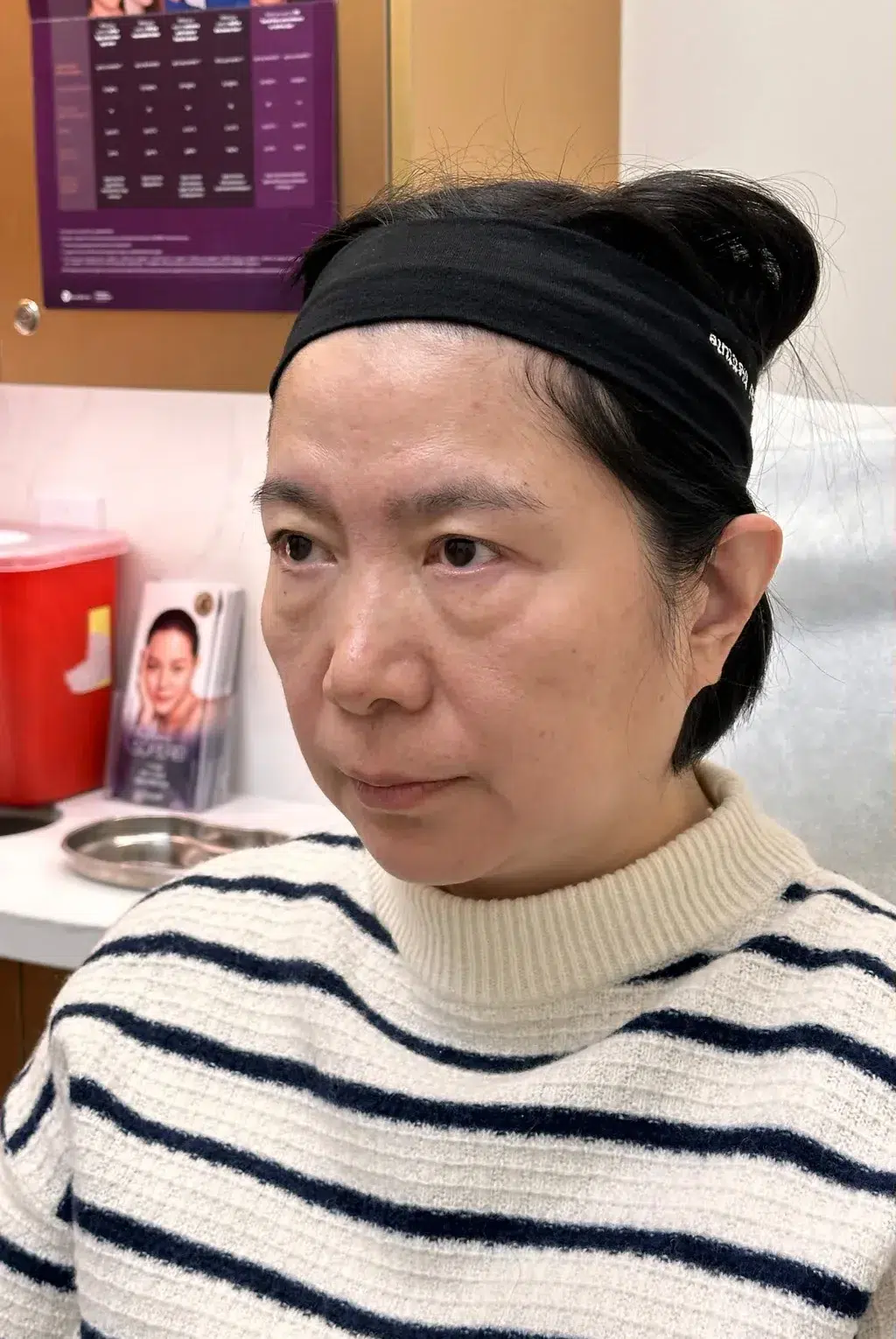
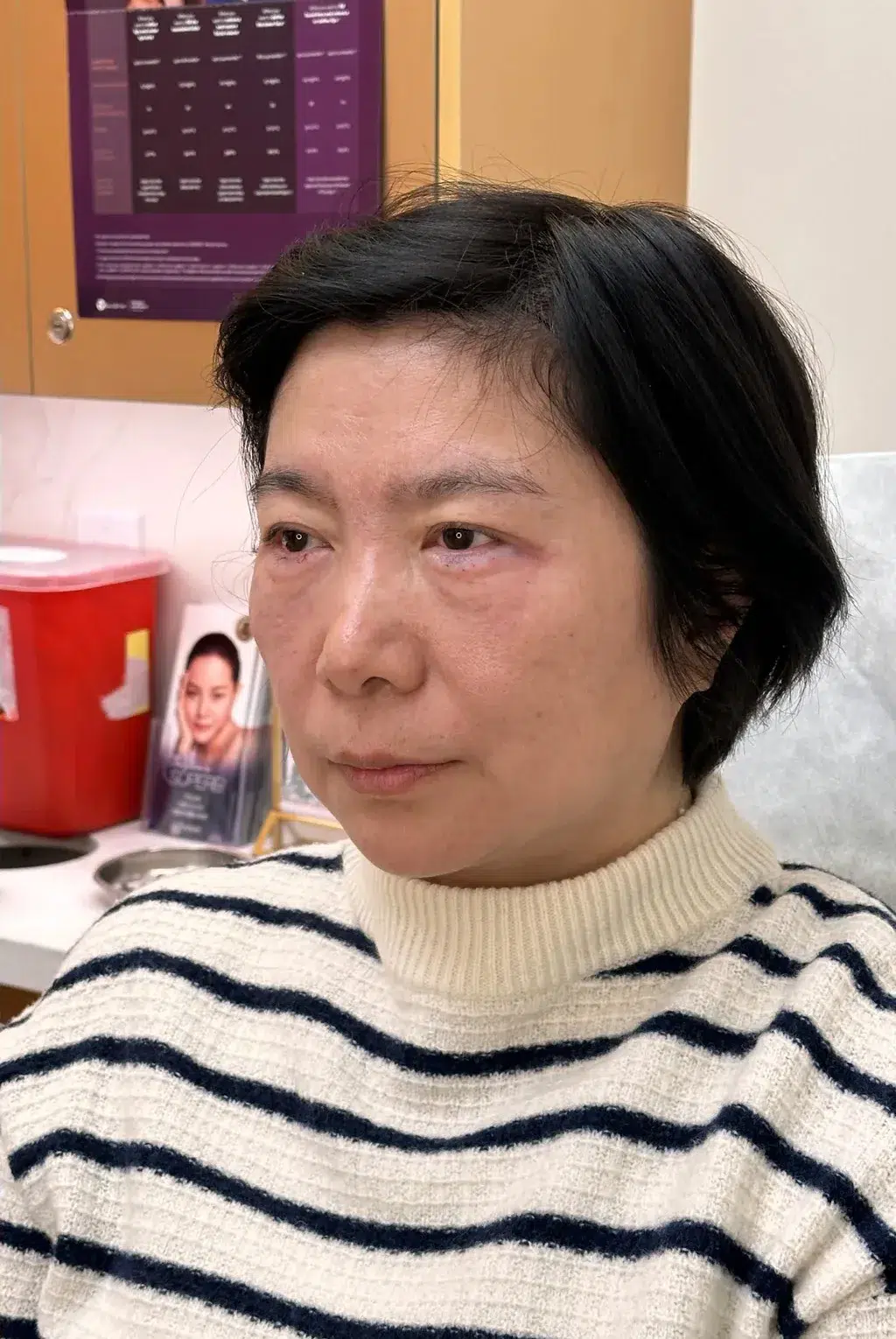
Case 2 · Upper Eyelid Ptosis Real Patient Documentation
- client profile
- Asian Female · Fitzpatrick I · Present for ~2–3 Years
- key concerns
- Upper eyelid ptosis (comprehensive improvement through multimodal combination approach)
- treatment plan
- Dermal filler + periorbital rejuvenation / eye brightening injections (multiple sessions within 3 months)
- treatment outcomes
- Significant improvement in upper eyelid ptosis · Natural overall result
- post-treatment darkening
- No PIH
- maintenance
- 6–12 month follow-up · touch-up as needed + home eye cream maintenance
Case 02: Upper Eyelid Ptosis — Before & After · Asian Female · Fitzpatrick I · Duration approx. 2–3 years · Multimodal combination protocol led by our physician at Luowei Medical Aesthetics Clinic, Nanjing
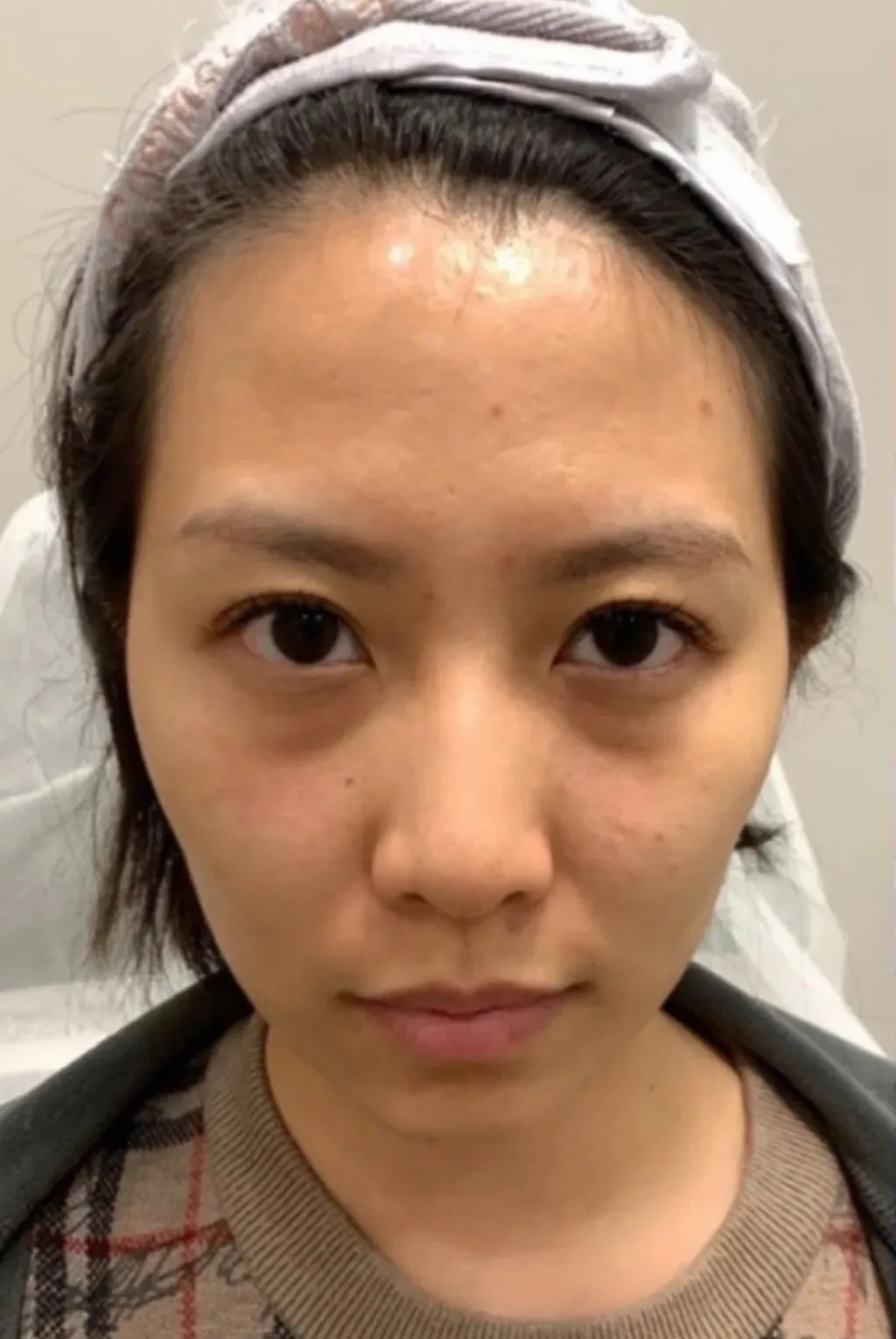
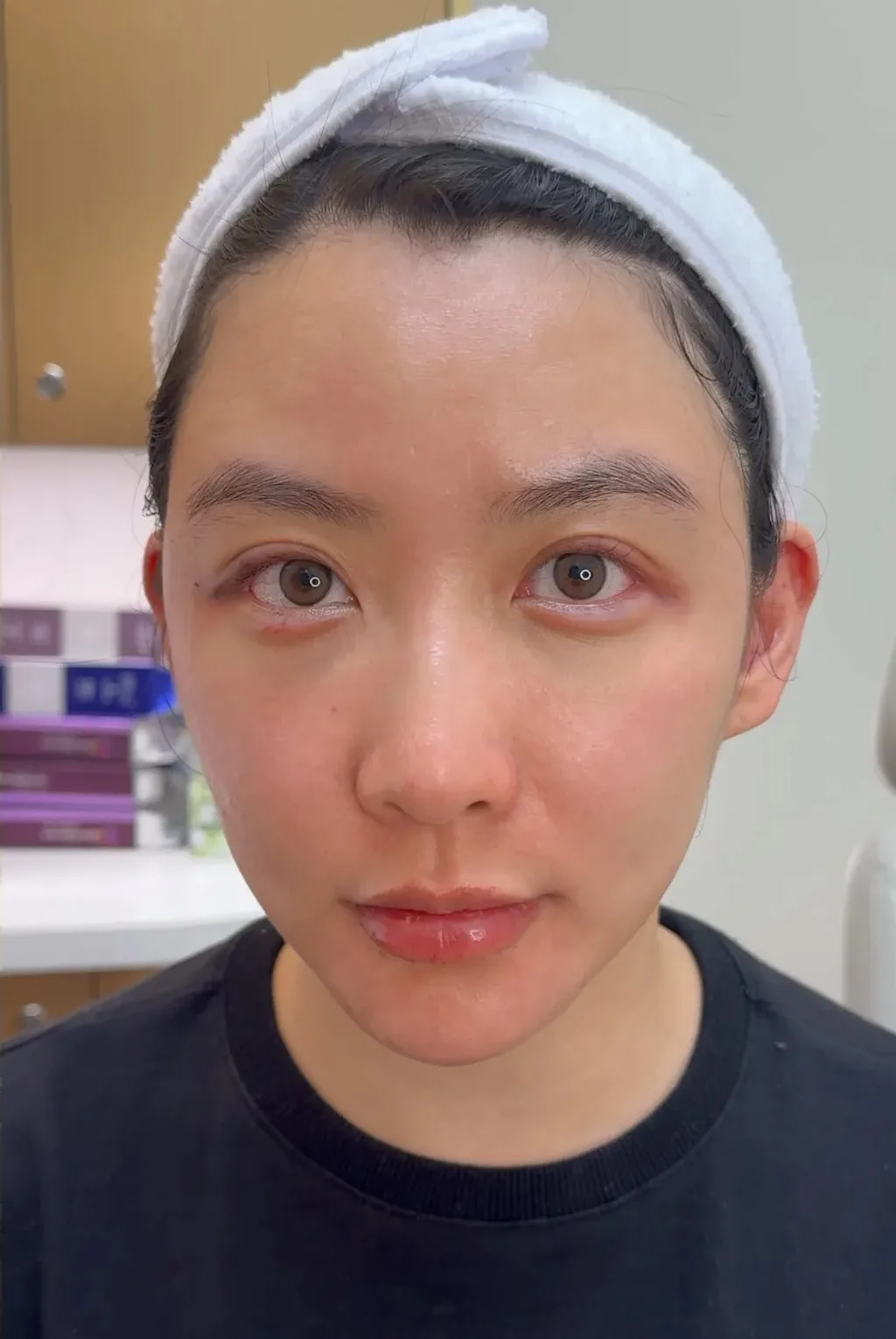
Case 4 · Upper Eyelid Ptosis — Real Patient Record
- client profile
- Asian Female · Fitzpatrick I · Present for ~2–3 Years
- key concerns
- Upper eyelid ptosis (comprehensive improvement through multimodal combination approach)
- treatment plan
- Dermal filler + periorbital rejuvenation / eye brightening injections (multiple sessions within 3 months)
- treatment outcomes
- Significant improvement in upper eyelid ptosis · Natural overall result
- post-treatment darkening
- No PIH
- maintenance
- 6–12 month follow-up · touch-up as needed + home eye cream maintenance
Case 04: Ptosis (Upper Eyelid Droop) Before & After · Asian Female · Fitzpatrick I · Present for ~2–3 Years · Multimodal combination treatment led by our physician at Luowei Medical Aesthetics Clinic, Nanjing
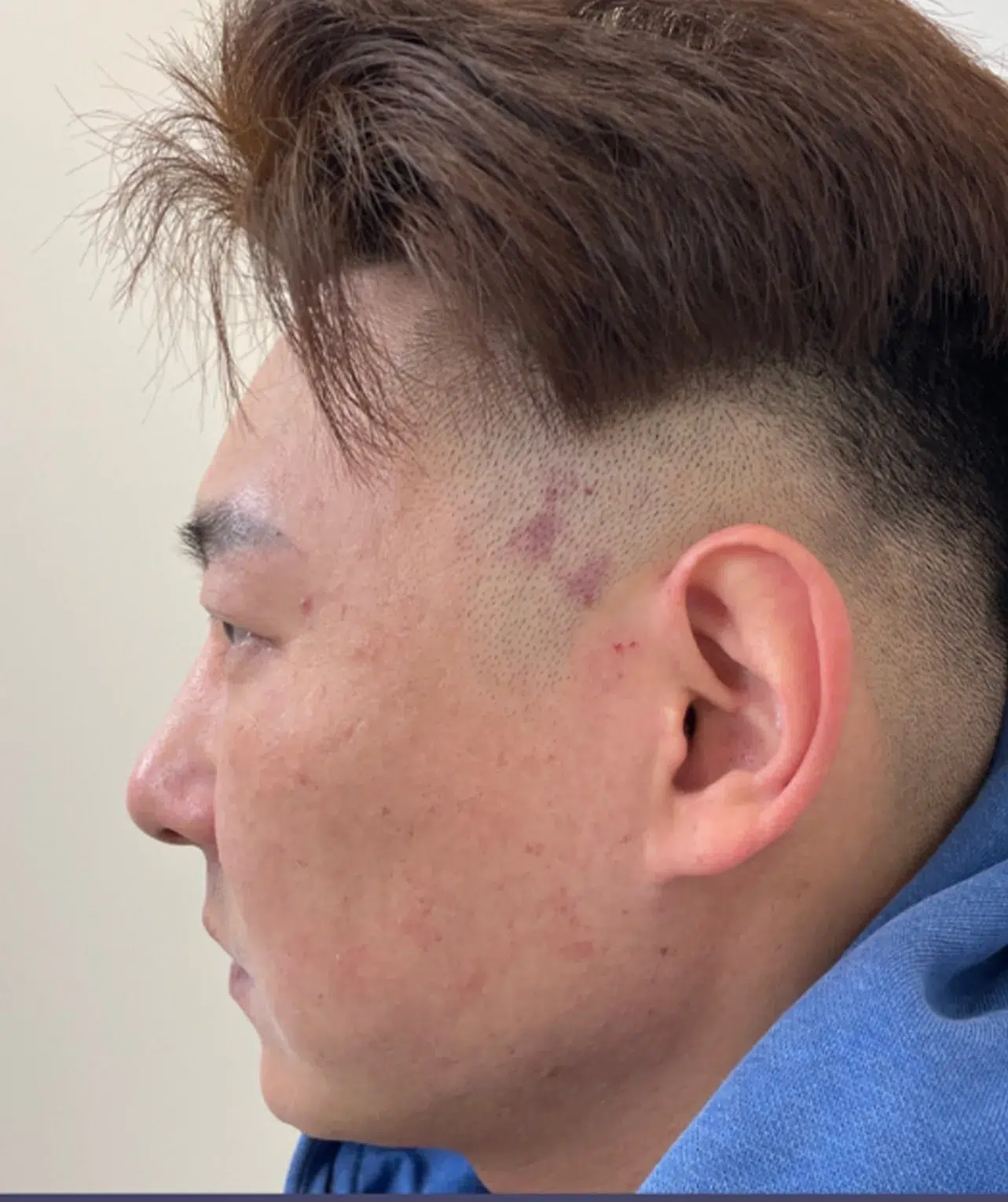
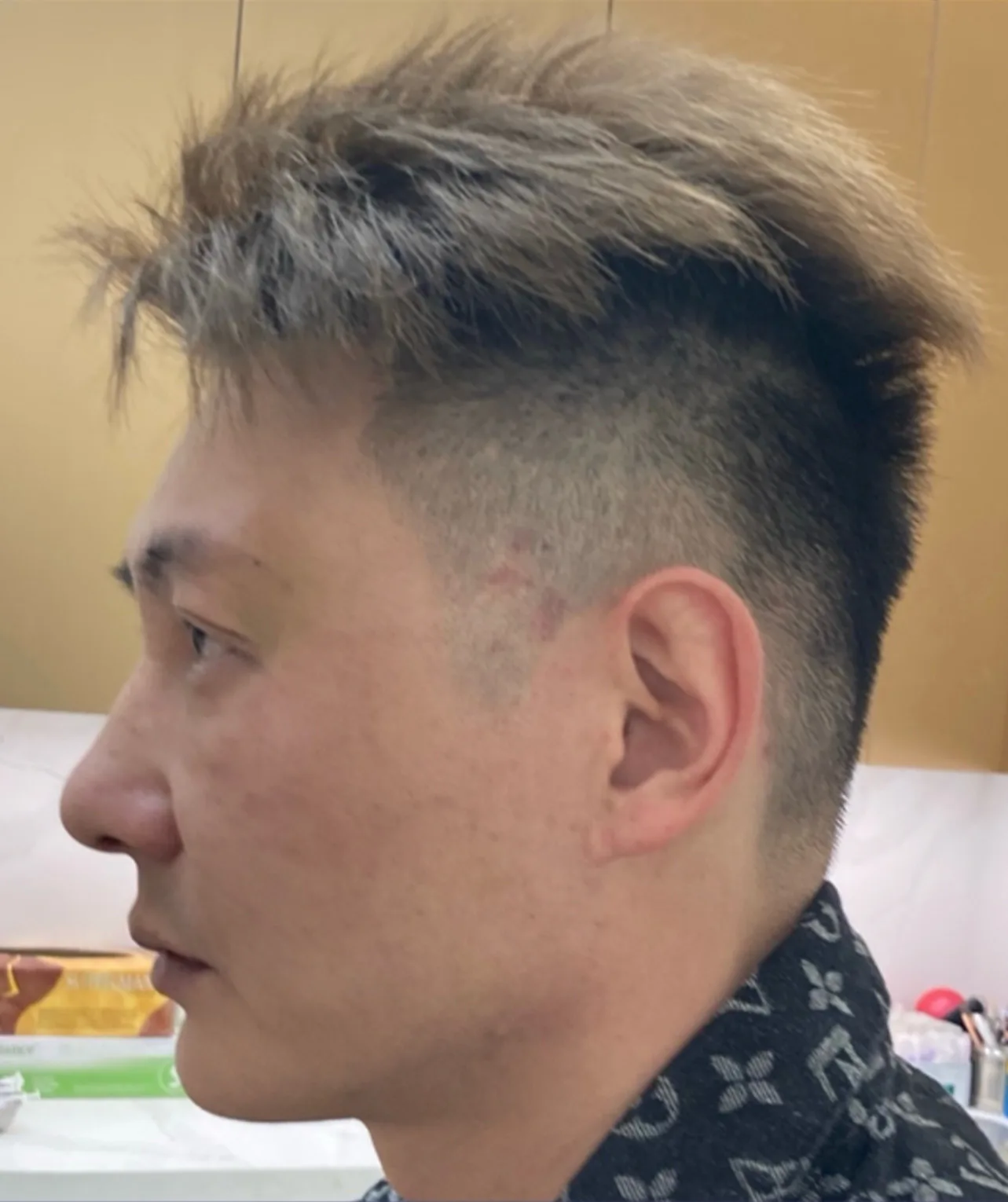
Case 4 · Upper Eyelid Ptosis — Real Patient Record
- client profile
- Asian Male · Fitzpatrick I
- key concerns
- Upper eyelid ptosis (comprehensive improvement through multimodal combination approach)
- treatment plan
- Thread double eyelid procedure + filler chin augmentation + Filler Chin Augmentation + dermal filler and 7 additional treatments (multiple sessions within 3 months)
- treatment outcomes
- Significant improvement in upper eyelid ptosis · Natural overall result
- post-treatment darkening
- No PIH
- maintenance
- Daily sun protection + monthly home care + quarterly clinical assessment
Case 04: Upper Eyelid Ptosis — Before & After · Asian Male · Fitzpatrick I · Multimodal combination protocol led by our physician at Luowei Medical Aesthetics Clinic, Nanjing
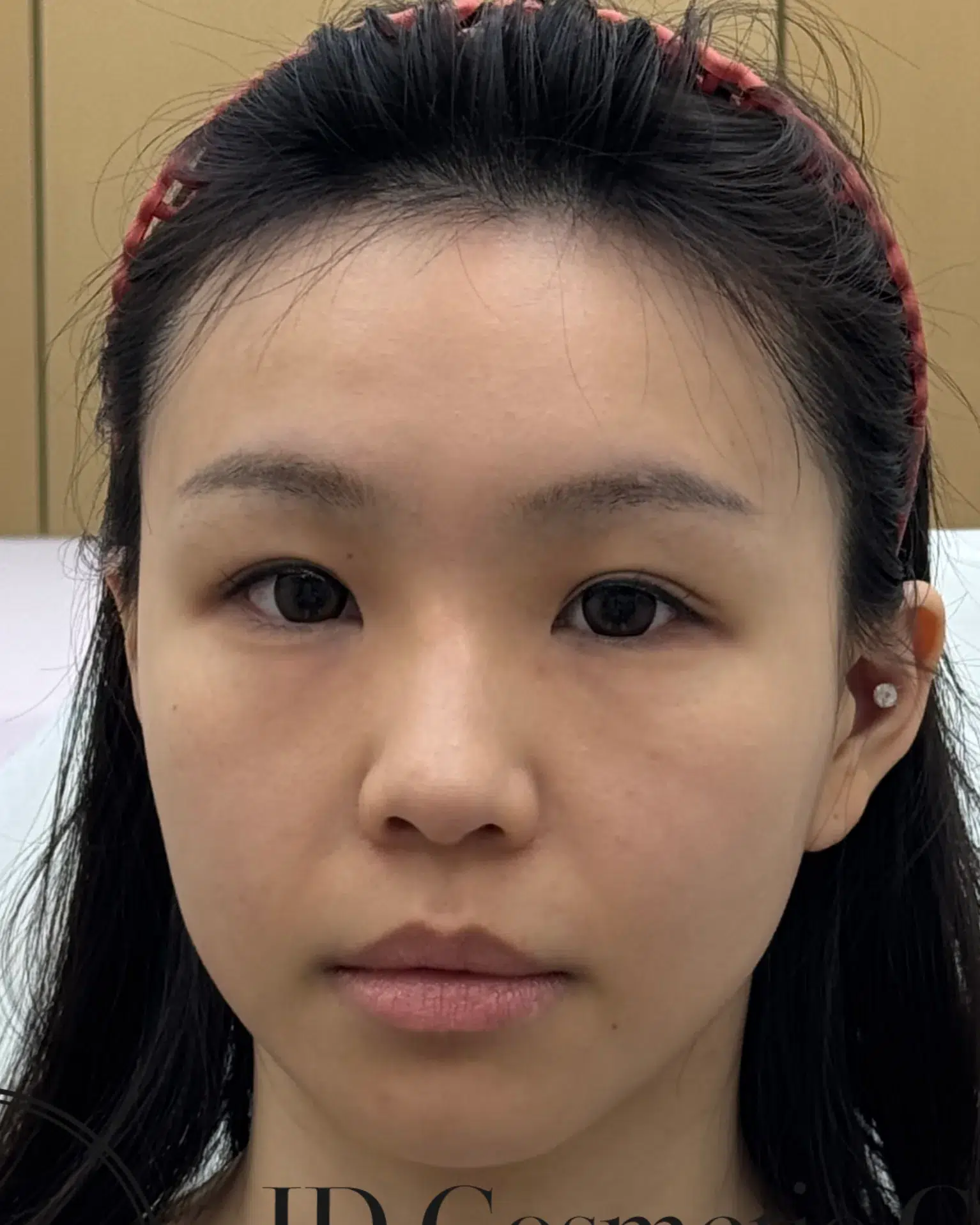
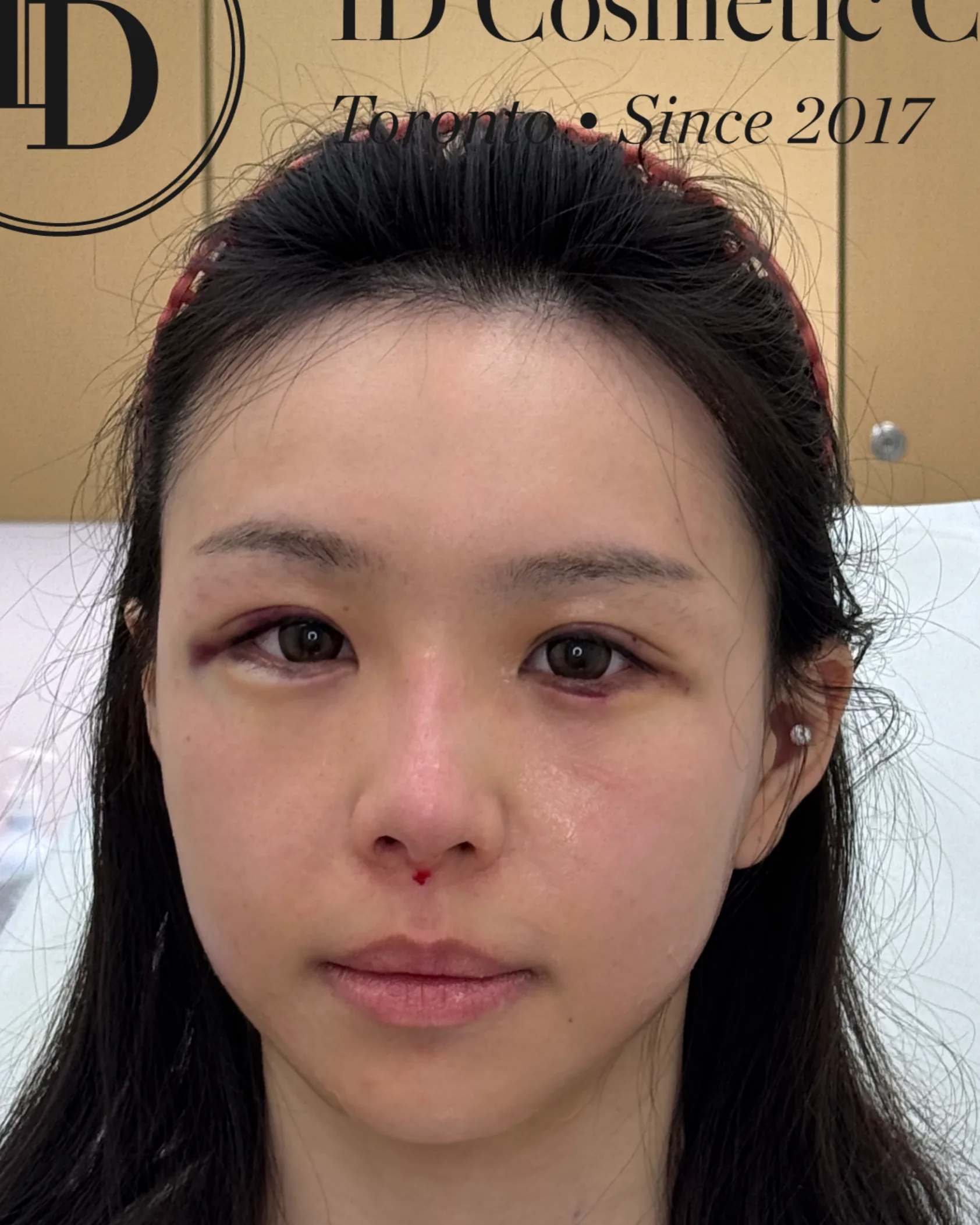
Case 5 · Upper Eyelid Ptosis — Real Patient Record
- client profile
- Asian Female · Fitzpatrick I
- key concerns
- Upper eyelid ptosis (comprehensive improvement through multimodal combination approach)
- treatment plan
- Hyaluronic acid nose augmentation (multiple sessions within 3 months)
- treatment outcomes
- Significant improvement in upper eyelid ptosis · Natural overall result
- post-treatment darkening
- No PIH
- maintenance
- 12-18 months later for repeat filler treatment
Case 05: Ptosis (Upper Eyelid Droop) Before & After · Asian Female · Fitzpatrick I · Multimodal combination treatment led by our physician at Luowei Medical Aesthetics Clinic, Nanjing
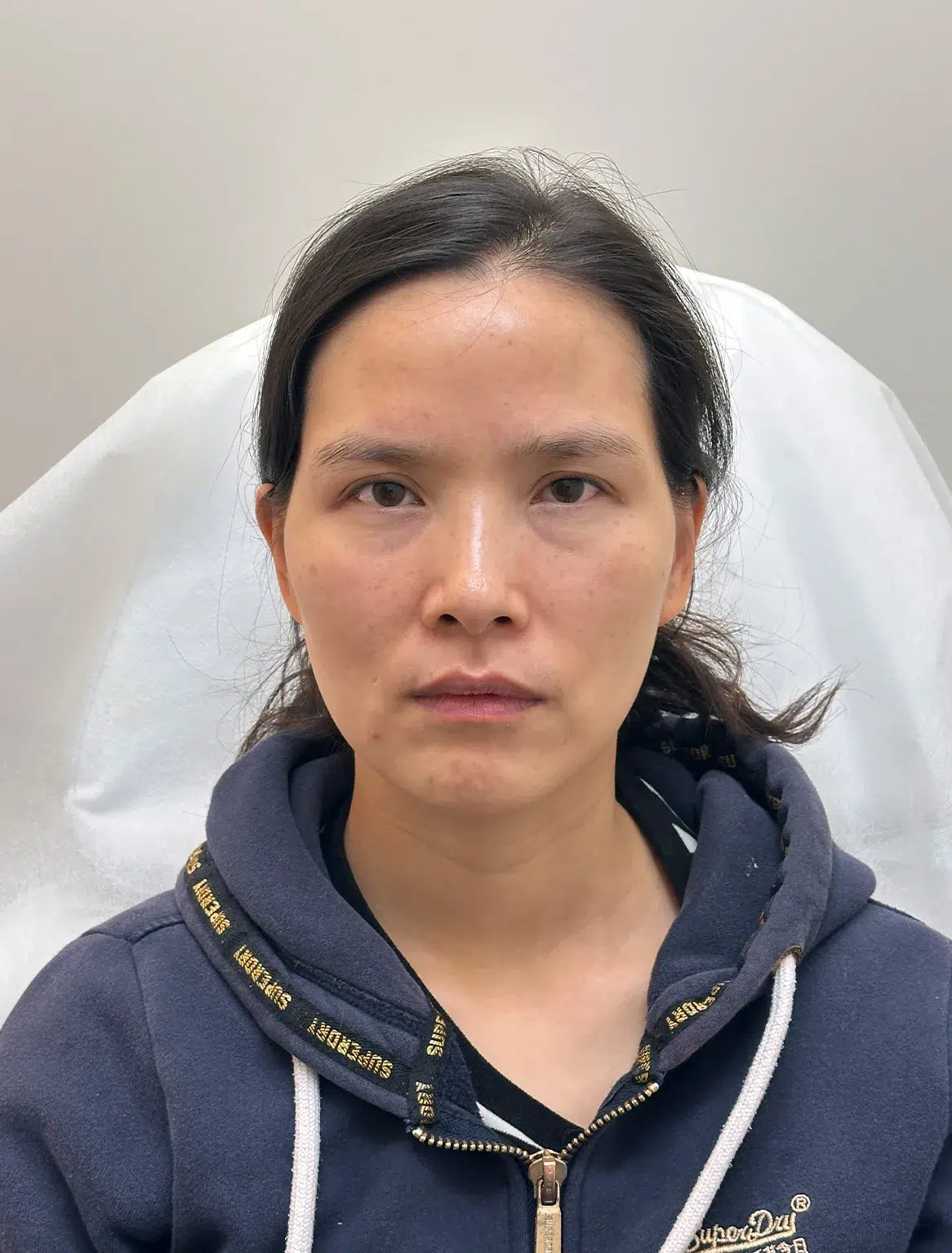
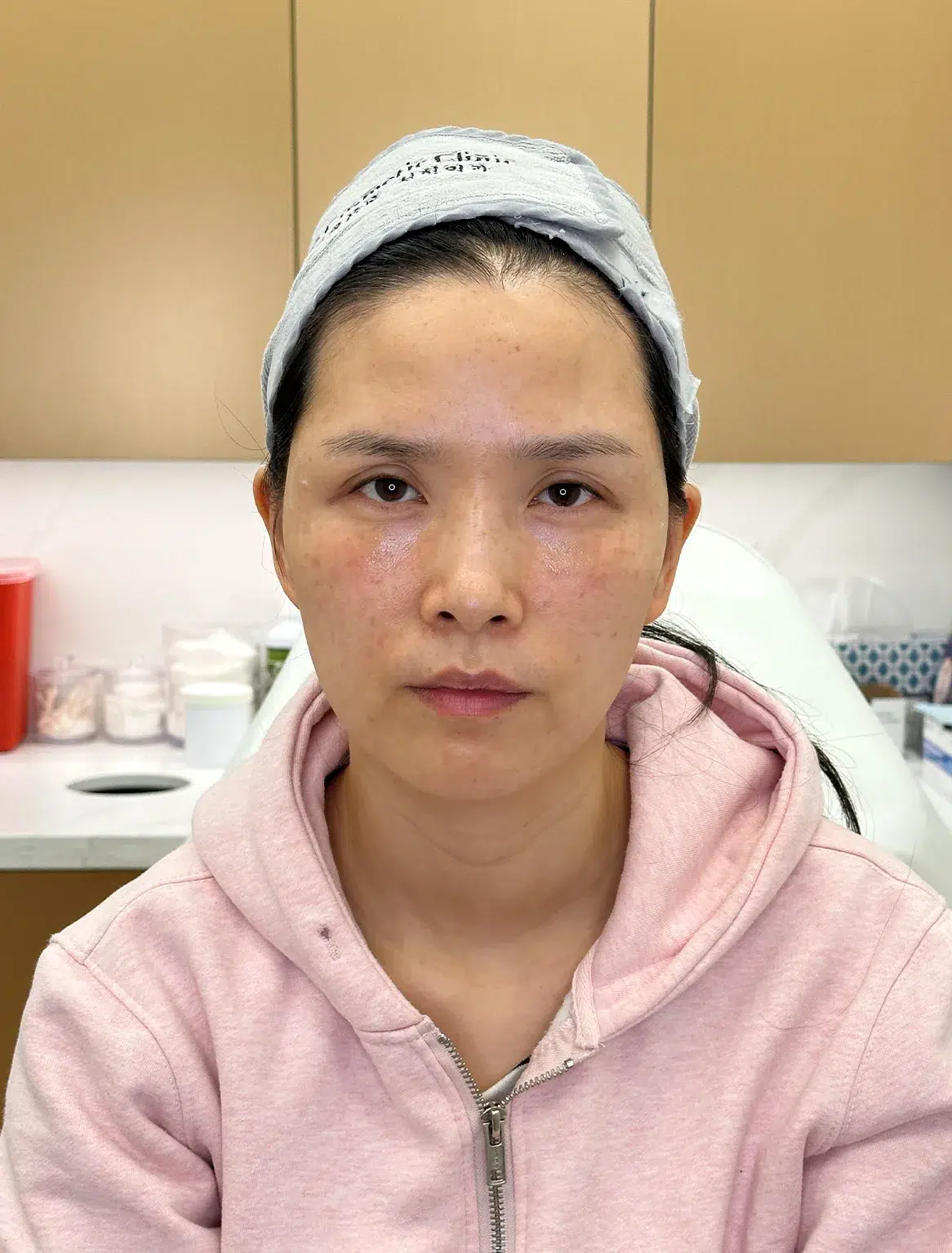
Case 7 · Upper Eyelid Ptosis Real Patient Documentation
- client profile
- Asian Female · Fitzpatrick I · Present for ~2–3 Years
- key concerns
- Upper eyelid ptosis (comprehensive improvement through multimodal combination approach)
- treatment plan
- Dermal filler + periorbital rejuvenation / eye brightening injections (multiple sessions within 3 months)
- treatment outcomes
- Significant improvement in upper eyelid ptosis · Natural overall result
- post-treatment darkening
- No PIH
- maintenance
- 6–12 month follow-up · touch-up as needed + home eye cream maintenance
Case 07: Upper Eyelid Ptosis Before & After · Asian Female · Fitzpatrick I · Duration approx. 2–3 years · Multimodal combination approach led by our physician at Luowei Medical Aesthetics Clinic, Nanjing
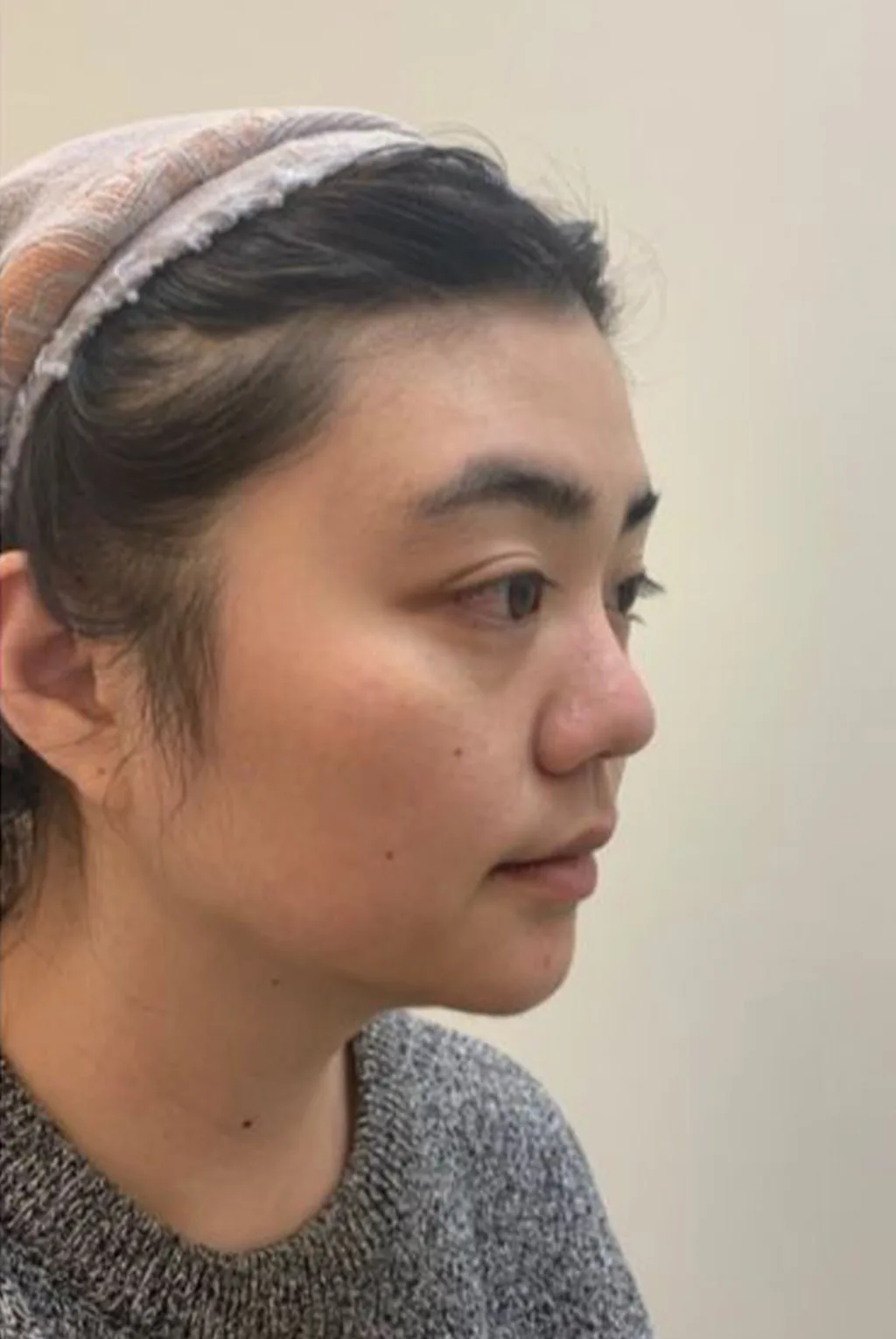
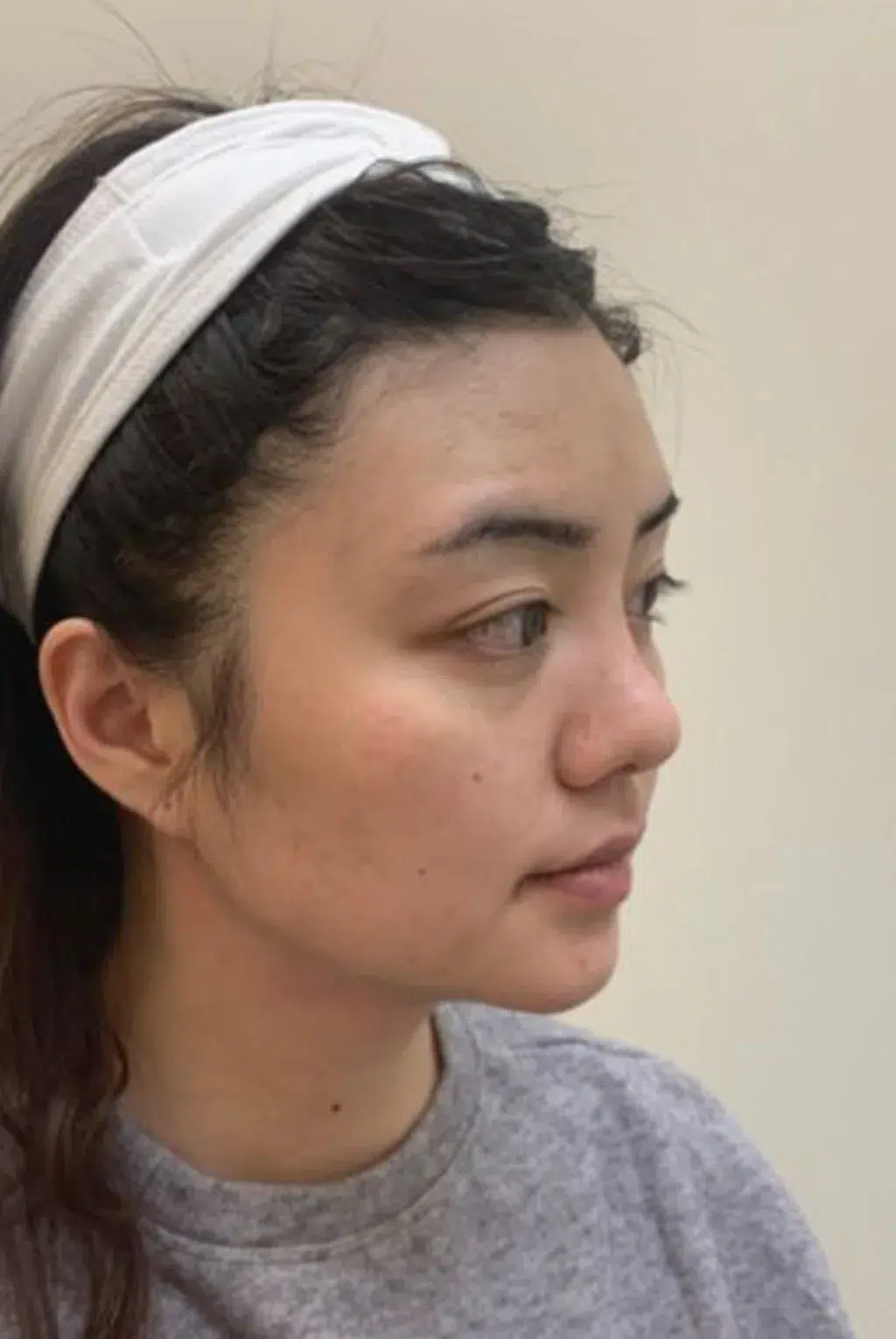
Case 7 · Upper Eyelid Ptosis Real Patient Documentation
- client profile
- Asian Female · Fitzpatrick I
- key concerns
- Upper eyelid ptosis (comprehensive improvement through multimodal combination approach)
- treatment plan
- Chin filler + dermal fillers + Juvéderm® + non-surgical rhinoplasty and 10 other treatments (multiple sessions within 3 months)
- treatment outcomes
- Significant improvement in upper eyelid ptosis · Natural overall result
- post-treatment darkening
- No PIH
- maintenance
- Daily sun protection + monthly home care + quarterly clinical assessment
Case 07: Upper Eyelid Ptosis Before & After · Asian Female · Fitzpatrick I · Multimodal combination approach led by our physician at Luowei Medical Aesthetics Clinic, Nanjing
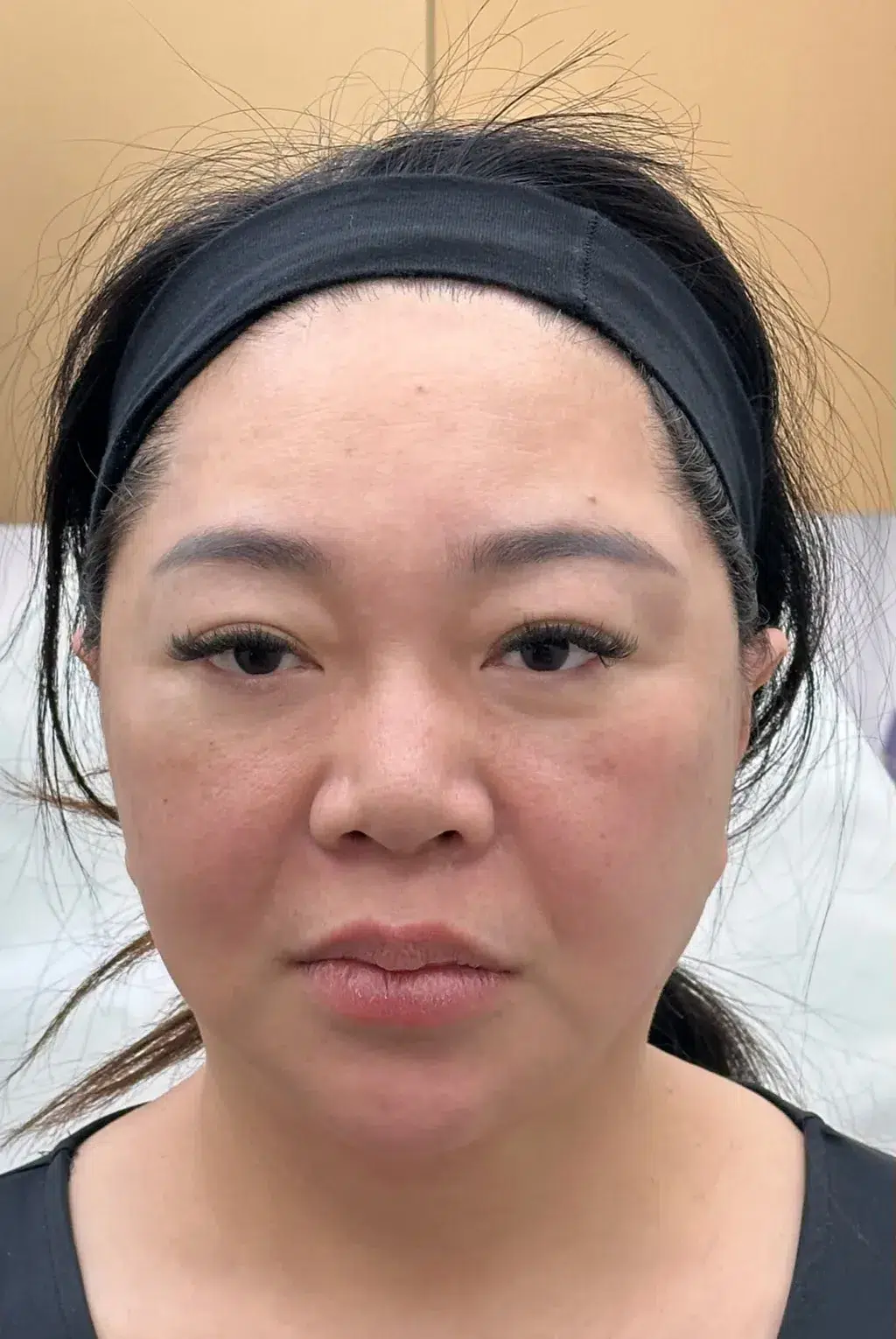
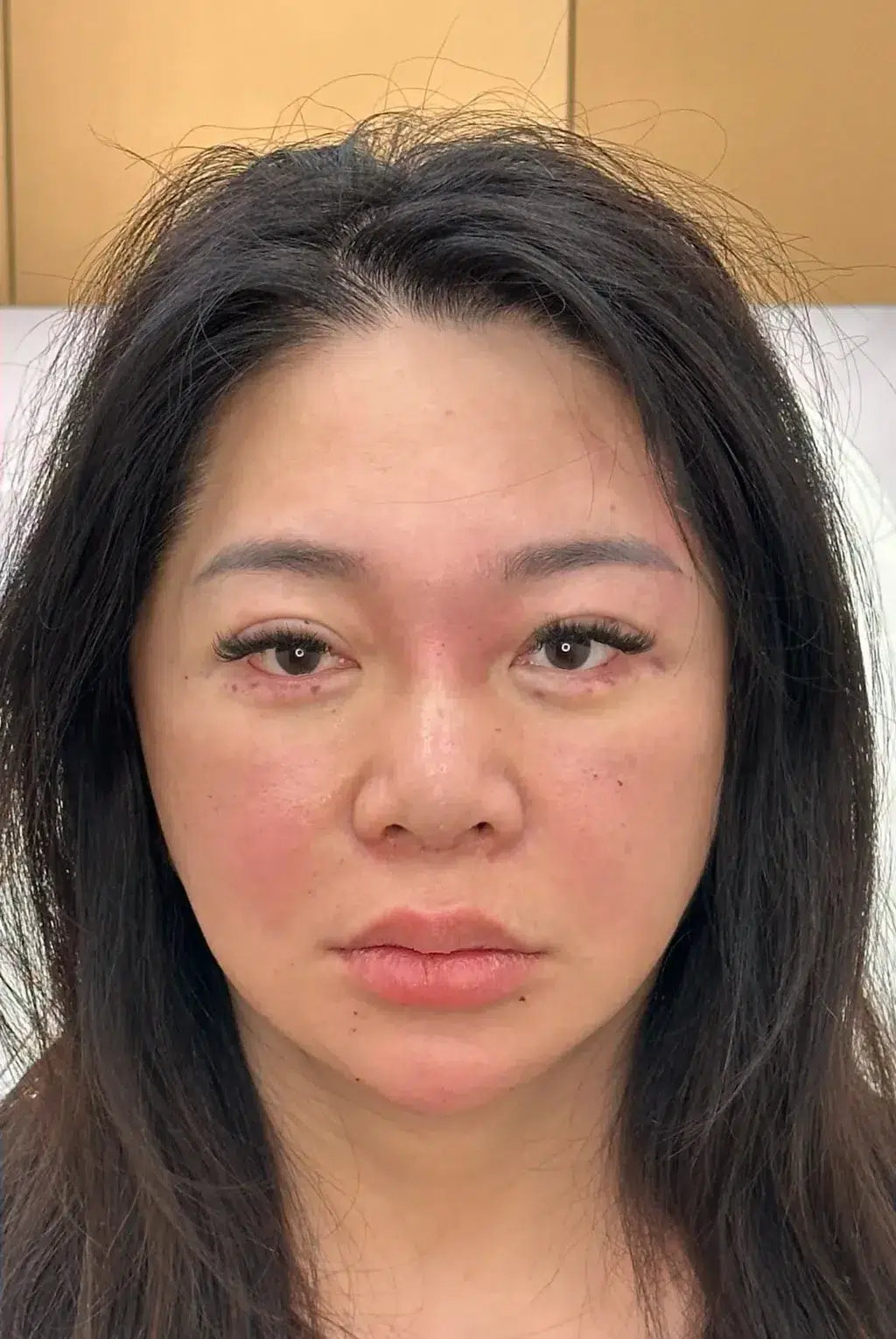
Case 8 · Upper Eyelid Ptosis — Real Patient Record
- client profile
- Asian Female · Fitzpatrick I · Present for ~2–3 Years
- key concerns
- Upper eyelid ptosis (comprehensive improvement through multimodal combination approach)
- treatment plan
- Dermal filler + periorbital rejuvenation / eye brightening injections (multiple sessions within 3 months)
- treatment outcomes
- Significant improvement in upper eyelid ptosis · Natural overall result
- post-treatment darkening
- No PIH
- maintenance
- 6–12 month follow-up · touch-up as needed + home eye cream maintenance
Case 08: Before & After — Upper Eyelid Ptosis · Asian Female · Fitzpatrick I · Duration approx. 2–3 years · Multimodal combination treatment led by our physician at Luowei Medical Aesthetics Clinic, Nanjing
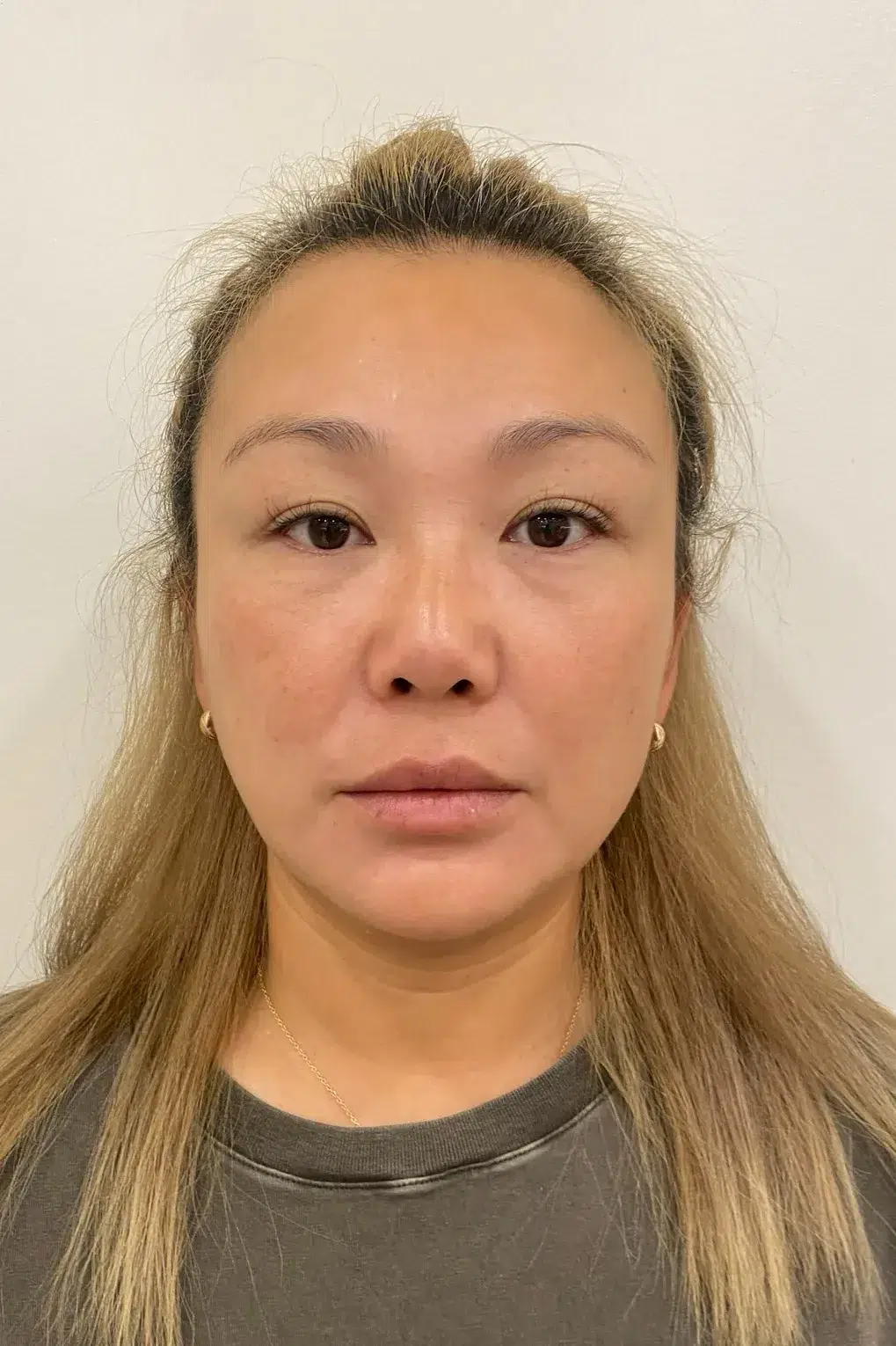
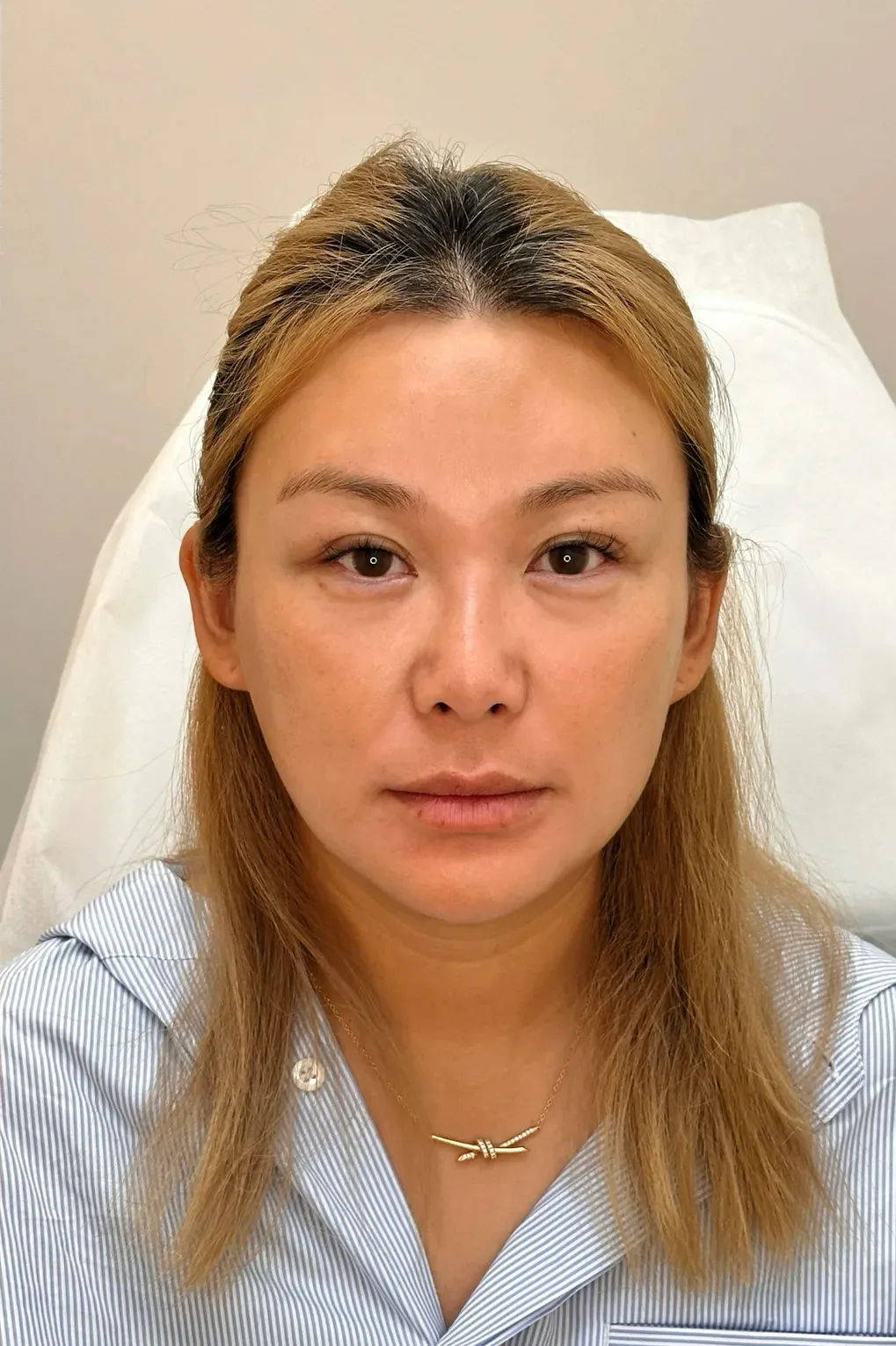
Case 8 · Upper Eyelid Ptosis — Real Patient Record
- client profile
- Asian Female · Fitzpatrick I · Present for ~2–3 Years
- key concerns
- Upper eyelid ptosis (comprehensive improvement through multimodal combination approach)
- treatment plan
- Dermal filler + periorbital rejuvenation / eye brightening injections (multiple sessions within 3 months)
- treatment outcomes
- Significant improvement in upper eyelid ptosis · Natural overall result
- post-treatment darkening
- No PIH
- maintenance
- 6–12 month follow-up · touch-up as needed + home eye cream maintenance
Case 08: Before & After — Upper Eyelid Ptosis · Asian Female · Fitzpatrick I · Duration approx. 2–3 years · Multimodal combination treatment led by our physician at Luowei Medical Aesthetics Clinic, Nanjing
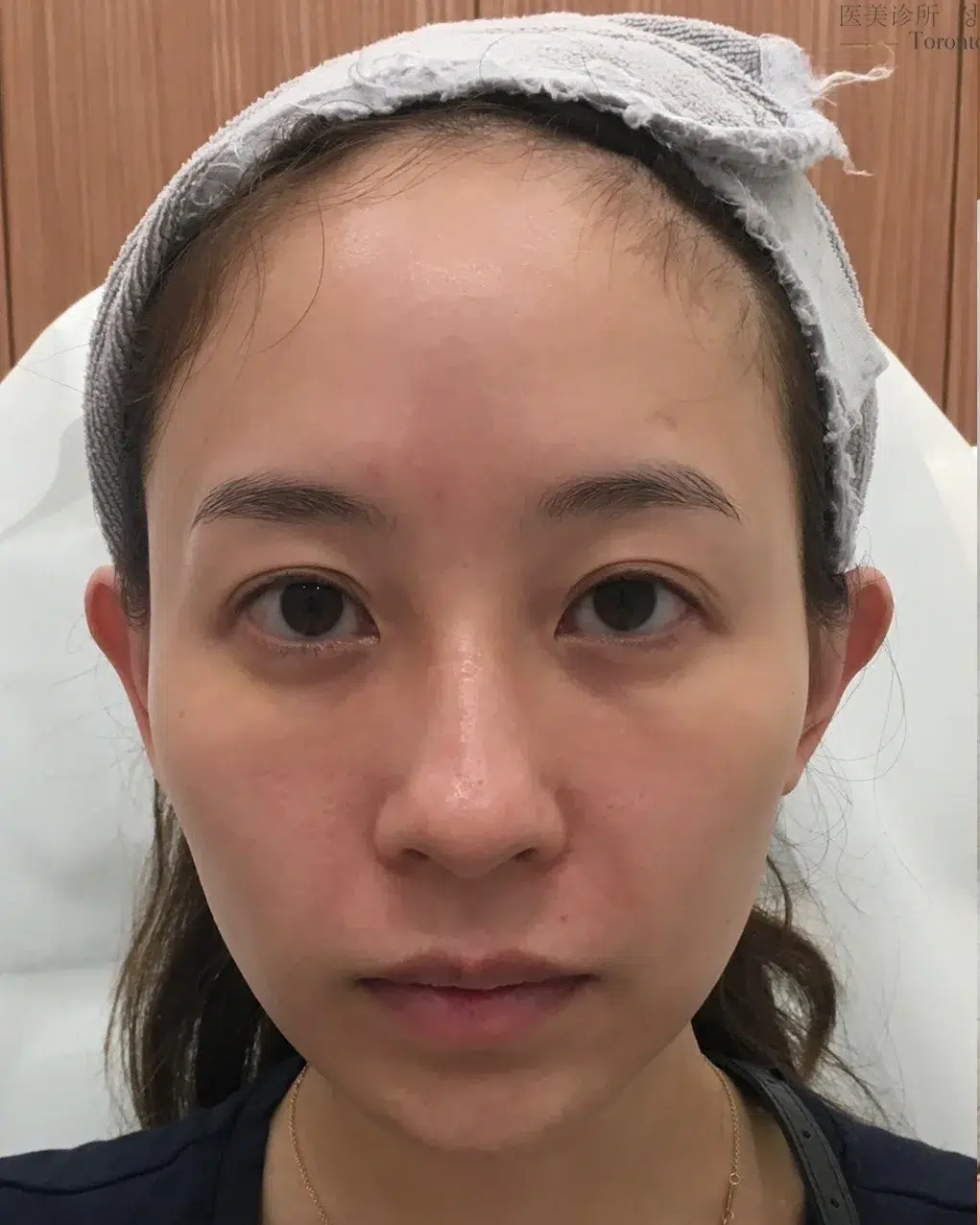
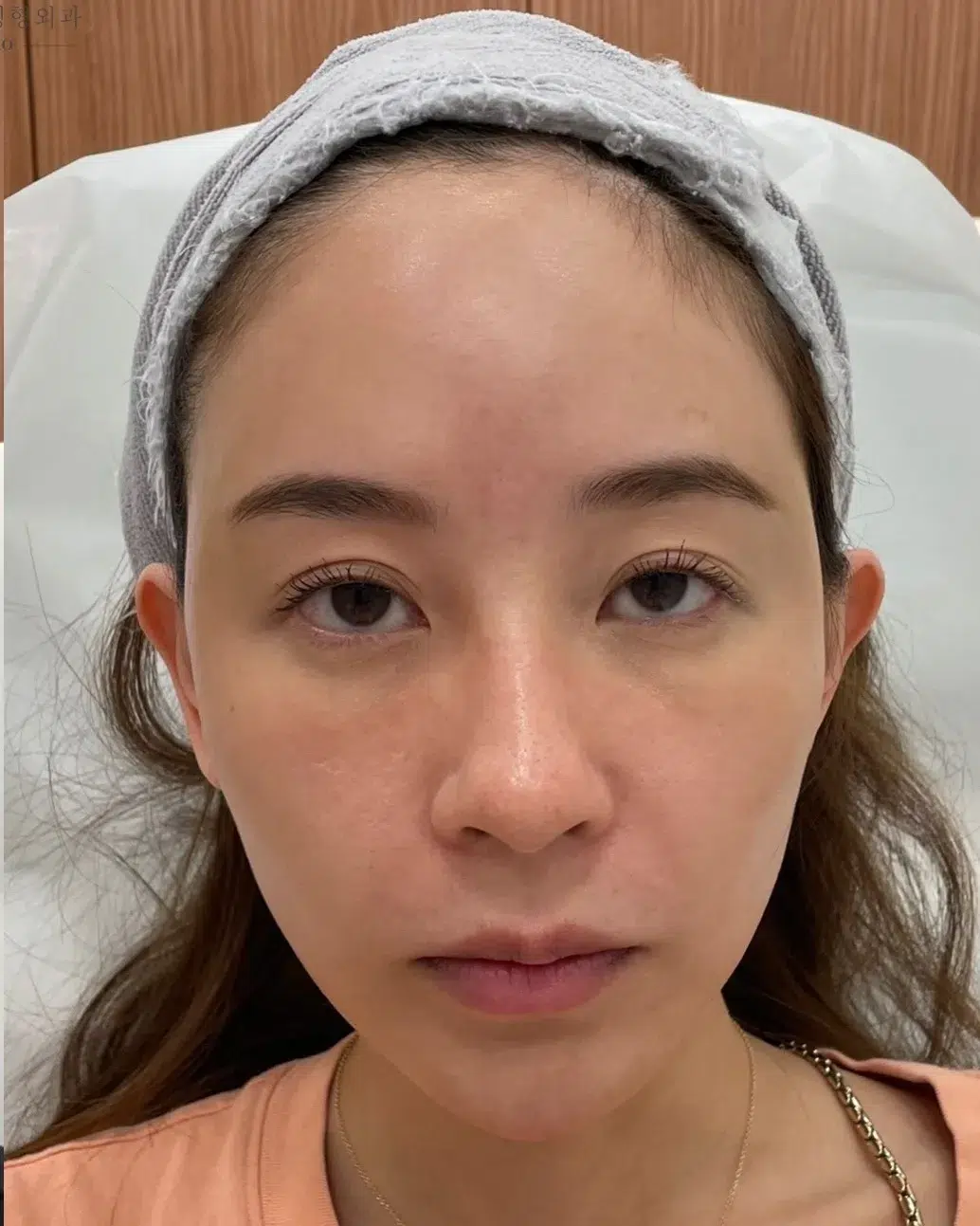
Case 8 · Upper Eyelid Ptosis — Real Patient Record
- client profile
- Asian Female · Fitzpatrick IV
- key concerns
- Upper eyelid ptosis (comprehensive improvement through multimodal combination approach)
- treatment plan
- Filler Chin Augmentation + Filler Temple Augmentation + Juvéderm® + Teosyal® and 5 other filler treatments (multiple sessions within 3 months)
- treatment outcomes
- Significant improvement in upper eyelid ptosis · Natural overall result
- post-treatment darkening
- No PIH
- maintenance
- Daily sun protection + monthly home care + quarterly clinical assessment
Case 08: Before & After — Upper Eyelid Ptosis · Asian Female · Fitzpatrick IV · Multimodal combination treatment led by our physician at Luowei Medical Aesthetics Clinic, Nanjing
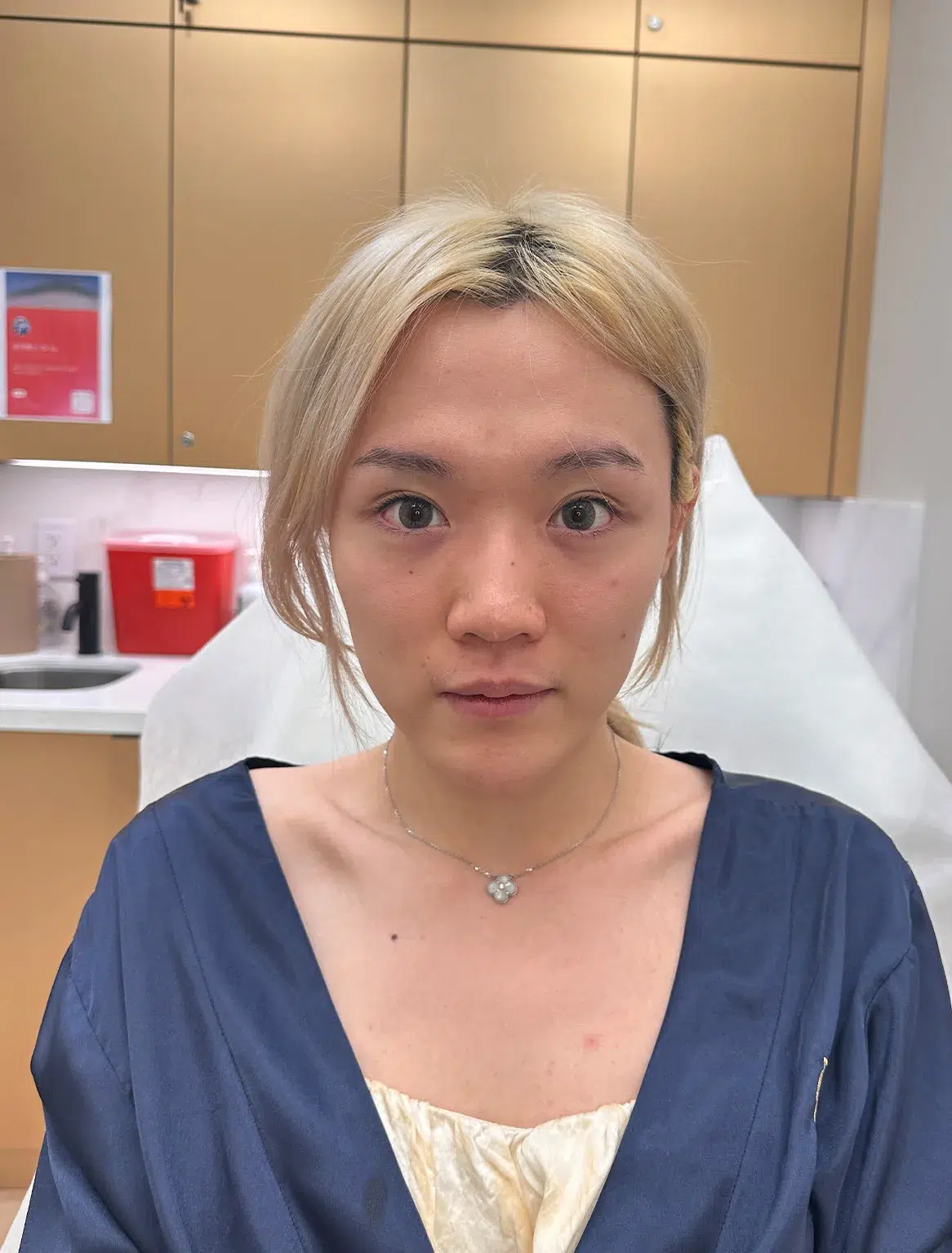
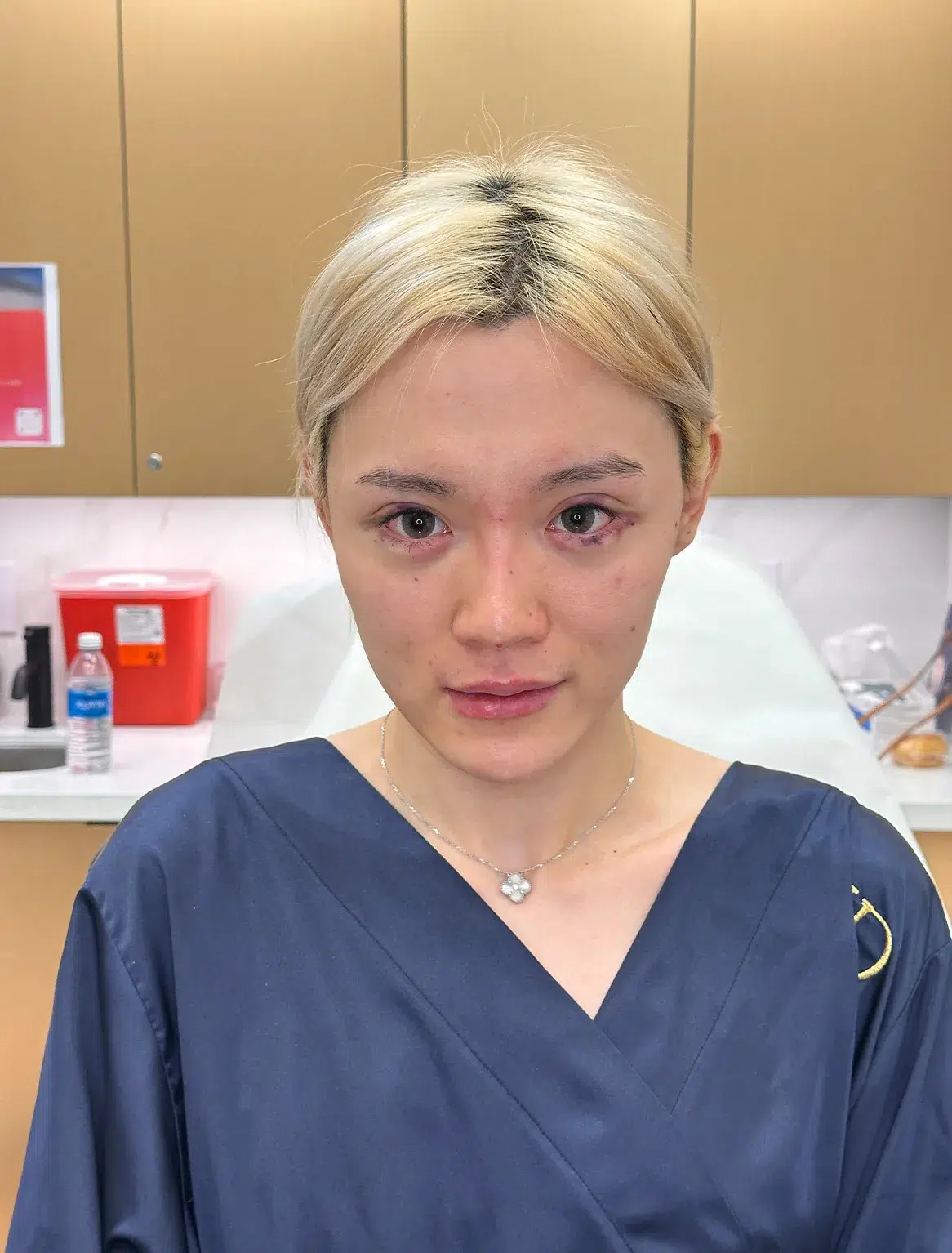
Case 9 · Upper Eyelid Ptosis — Real Patient Record
- client profile
- Asian Male · Fitzpatrick I · Duration approx. 2–3 years
- key concerns
- Upper eyelid ptosis (comprehensive improvement through multimodal combination approach)
- treatment plan
- Dermal filler + periorbital rejuvenation / eye brightening injections (multiple sessions within 3 months)
- treatment outcomes
- Significant improvement in upper eyelid ptosis · Natural overall result
- post-treatment darkening
- No PIH
- maintenance
- 6–12 month follow-up · touch-up as needed + home eye cream maintenance
Case 09: Upper Eyelid Ptosis — Before & After · Asian Male · Fitzpatrick I · Duration approx. 2–3 years · Multimodal combination protocol led by our physician at Luowei Medical Aesthetics Clinic, Nanjing
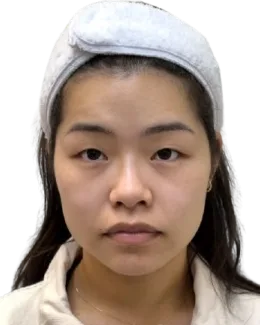
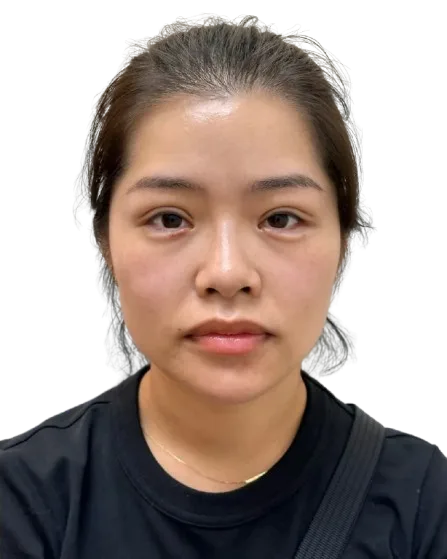
Case 13 · Upper Eyelid Ptosis — Clinical Record
- client profile
- Asian Female · Fitzpatrick IV
- key concerns
- Upper eyelid ptosis (comprehensive improvement through multimodal combination approach)
- treatment plan
- Thread double eyelid procedure + dermal filler + Teosyal® + collagen stimulator (multiple sessions within 3 months)
- treatment outcomes
- Significant improvement in upper eyelid ptosis · Natural overall result
- post-treatment darkening
- No PIH
- maintenance
- Daily sun protection + monthly home care + quarterly clinical assessment
Case 13: Upper Eyelid Ptosis — Before & After · Asian Female · Fitzpatrick IV · Multimodal combination protocol led by our physician at Luowei Medical Aesthetics Clinic, Nanjing
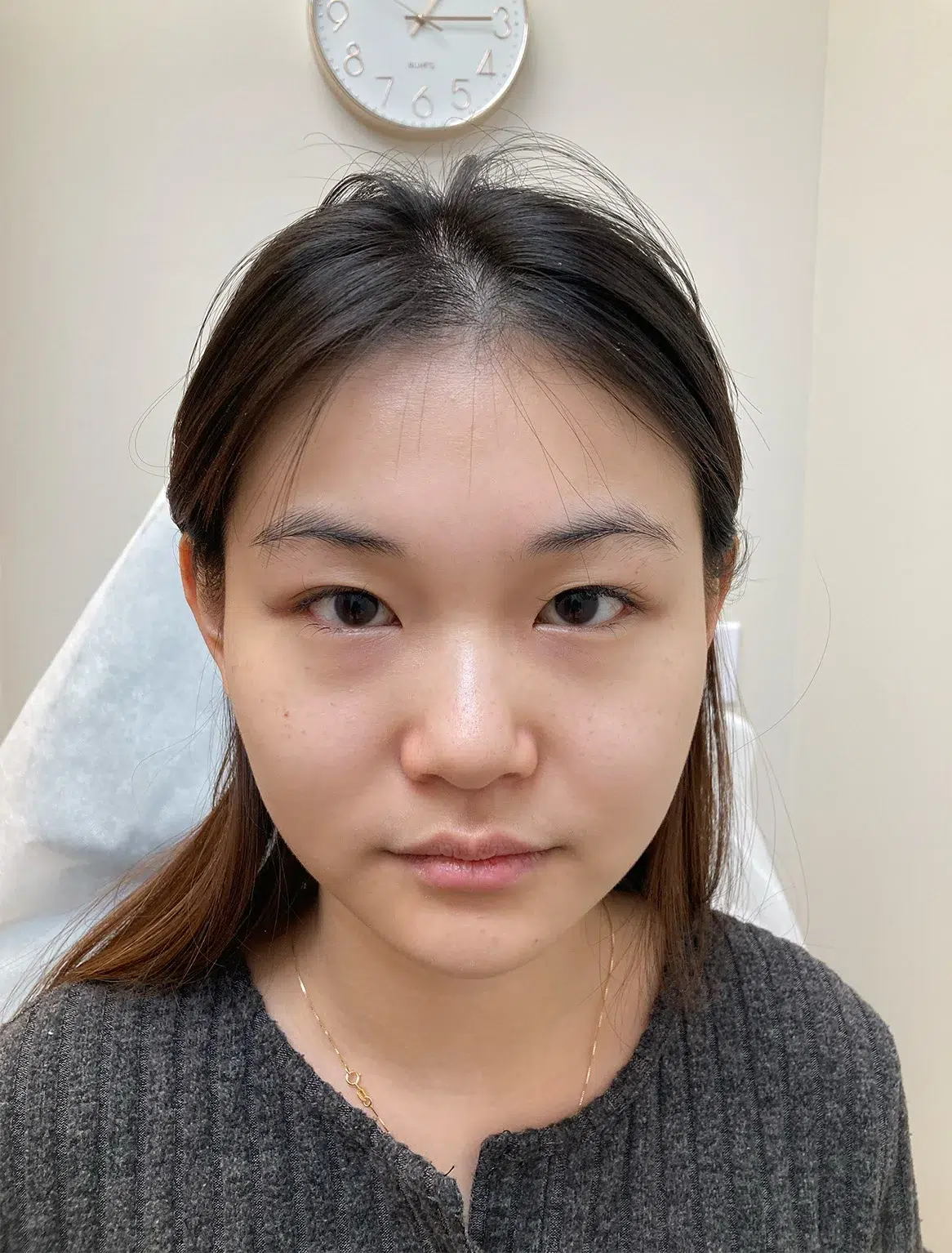
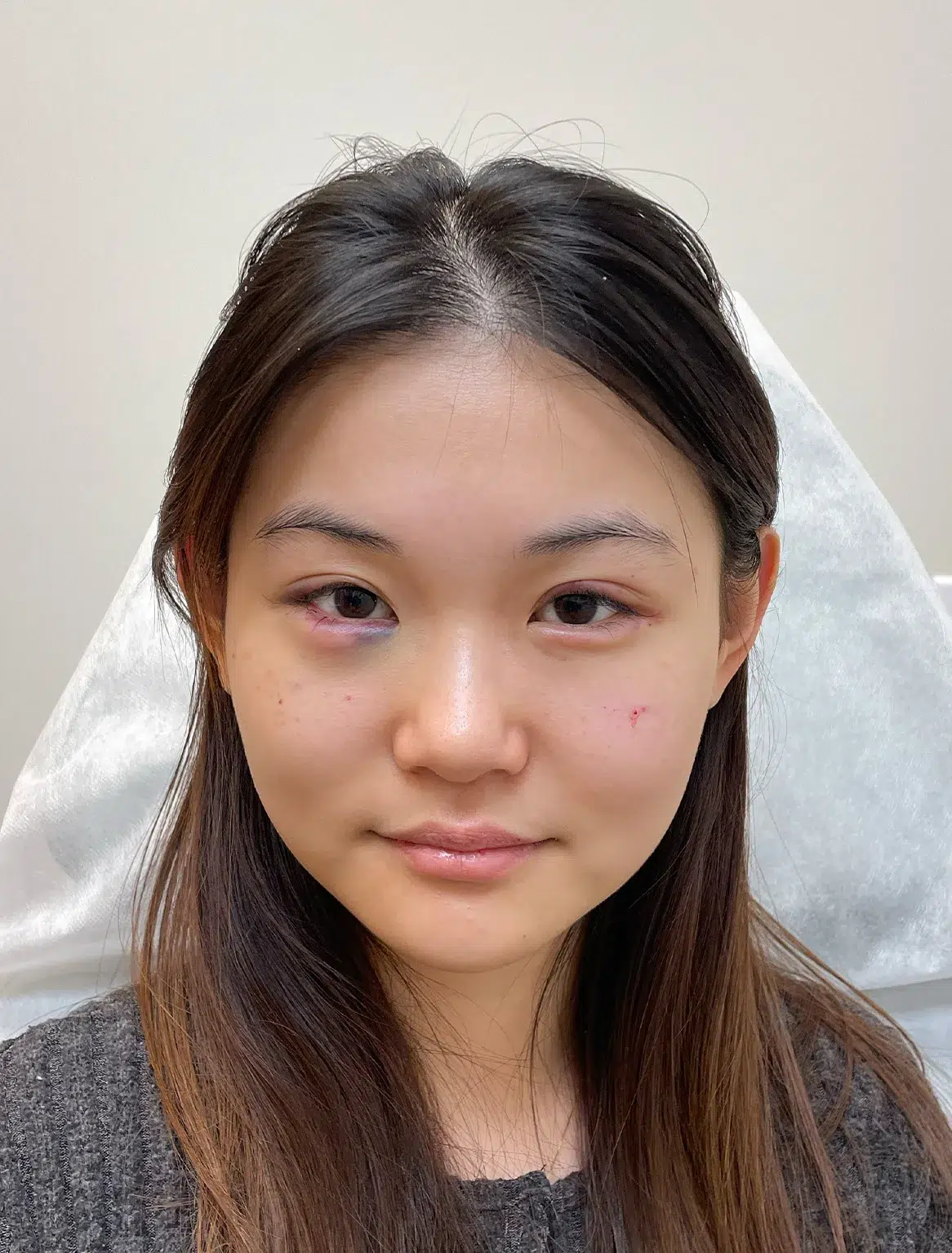
Case 13 · Upper Eyelid Ptosis — Clinical Record
- client profile
- Asian Female · Fitzpatrick I · Present for ~2–3 Years
- key concerns
- Upper eyelid ptosis (comprehensive improvement through multimodal combination approach)
- treatment plan
- Dermal filler + periorbital rejuvenation / eye brightening injections (multiple sessions within 3 months)
- treatment outcomes
- Significant improvement in upper eyelid ptosis · Natural overall result
- post-treatment darkening
- No PIH
- maintenance
- 6–12 month follow-up · touch-up as needed + home eye cream maintenance
Case 13: Ptosis (Upper Eyelid Droop) Before & After · Asian Female · Fitzpatrick I · Present for ~2–3 Years · Multimodal combination treatment led by our physician at Luowei Medical Aesthetics Clinic, Nanjing
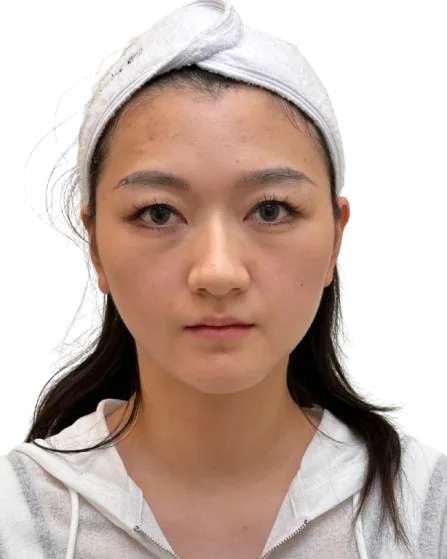
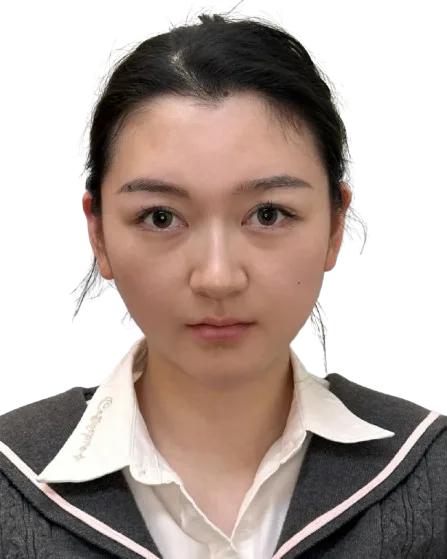
Case 14 · Upper Eyelid Ptosis Real Patient Documentation
- client profile
- Asian Female · Fitzpatrick IV
- key concerns
- Upper eyelid ptosis (comprehensive improvement through multimodal combination approach)
- treatment plan
- Suture double-eyelid procedure + dermal fillers + Juvéderm® + Stylage®, and 5 additional modalities (multiple sessions within 3 months)
- treatment outcomes
- Significant improvement in upper eyelid ptosis · Natural overall result
- post-treatment darkening
- No PIH
- maintenance
- Daily sun protection + monthly home care + quarterly clinical assessment
Case 14: Ptosis (Upper Eyelid Droop) Before & After · Asian Female · Fitzpatrick IV · Multimodal combination treatment led by our physician at Luowei Medical Aesthetics Clinic, Nanjing
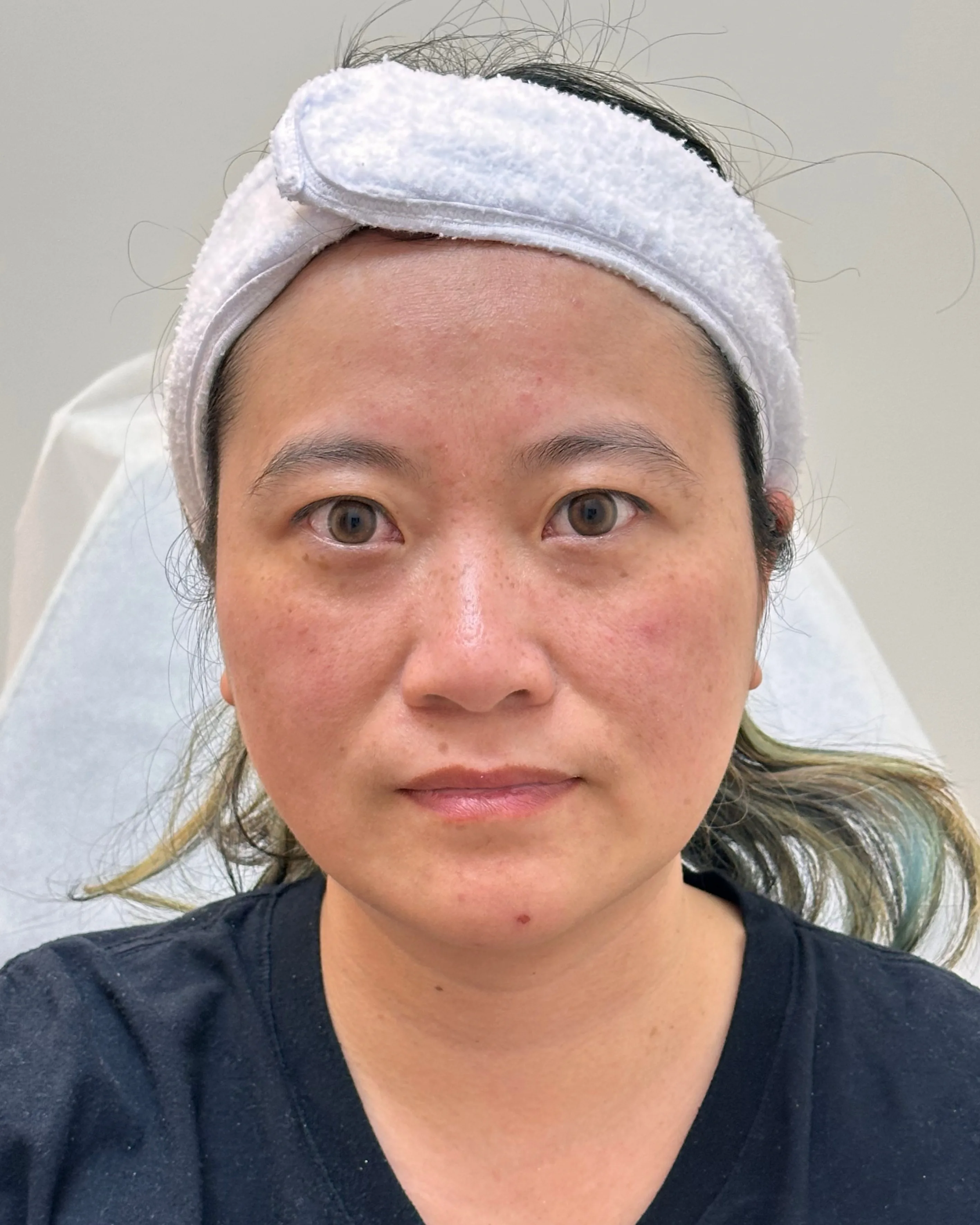
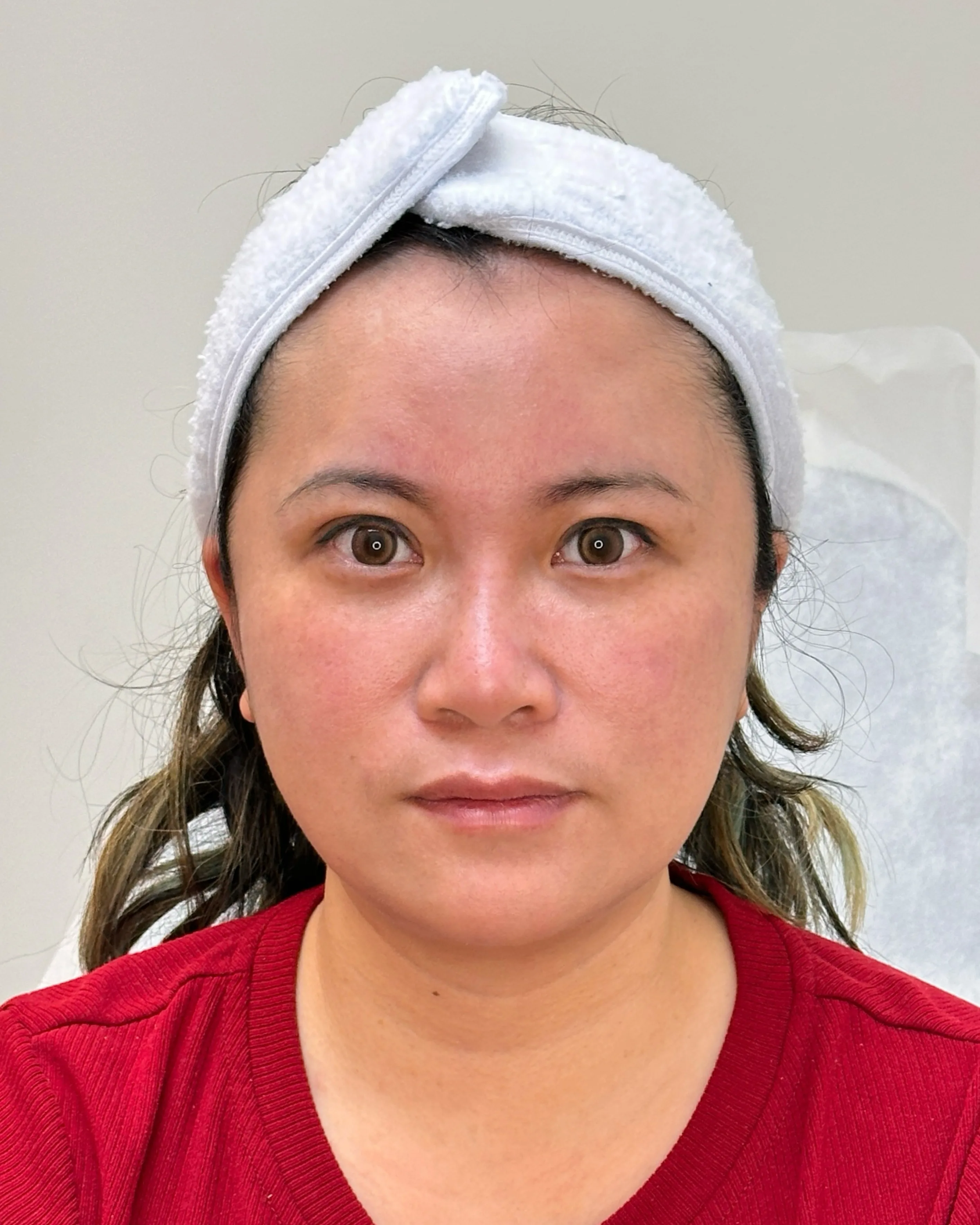
Case 14 · Upper Eyelid Ptosis Real Patient Documentation
- client profile
- Asian Female · Fitzpatrick IV
- key concerns
- Upper eyelid ptosis (comprehensive improvement through multimodal combination approach)
- treatment plan
- PicoSure® + PicoSure Pro® + PicoWay® + suture double-eyelid procedure, and 13 additional modalities (multiple sessions within 3 months)
- treatment outcomes
- Significant improvement in upper eyelid ptosis · Natural overall result
- post-treatment darkening
- No PIH
- maintenance
- Botox Micro-dose maintenance at 4 months + lip border definition with filler
Case 14: Ptosis (Upper Eyelid Droop) Before & After · Asian Female · Fitzpatrick IV · Multimodal combination treatment led by our physician at Luowei Medical Aesthetics Clinic, Nanjing
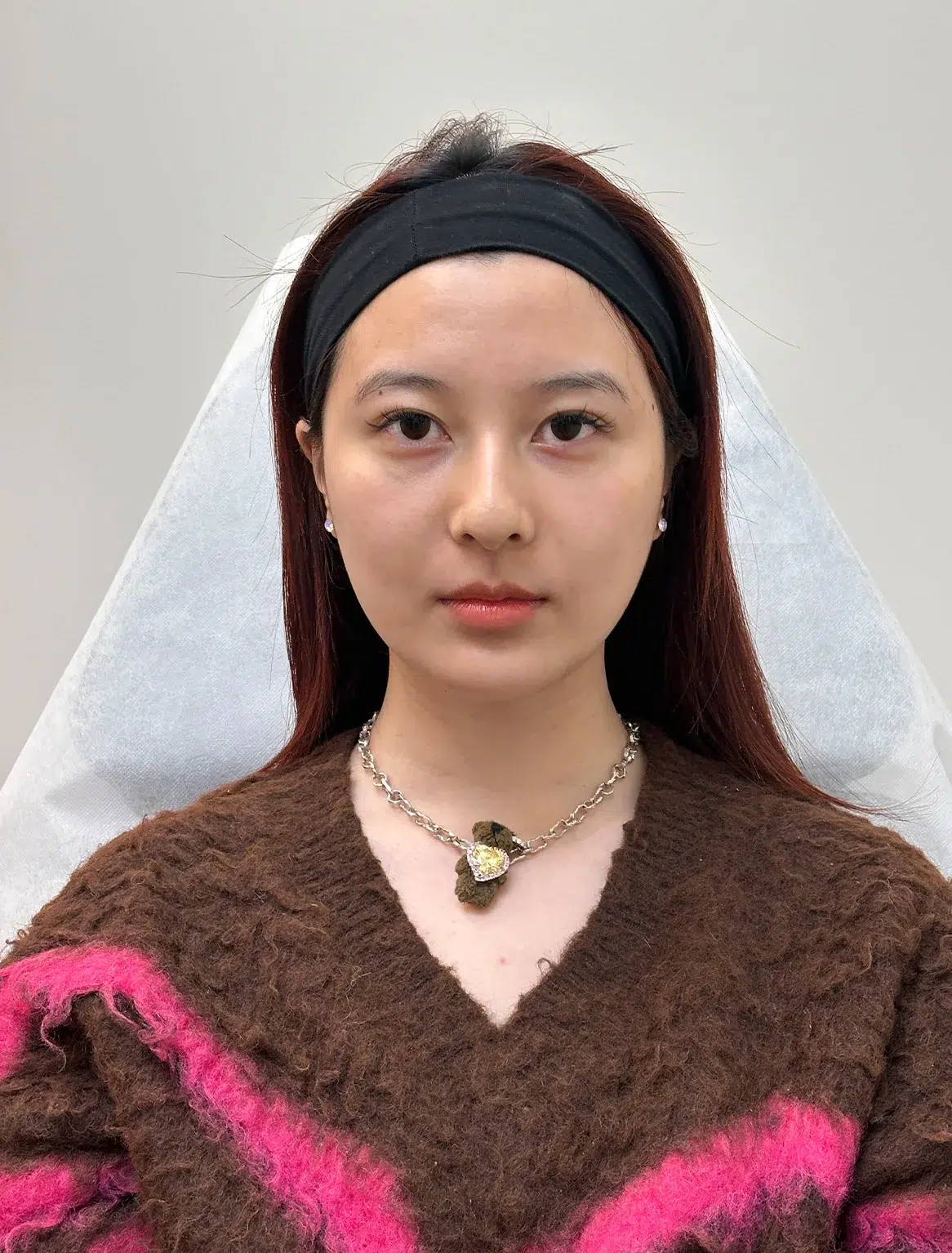

Case 14 · Upper Eyelid Ptosis Real Patient Documentation
- client profile
- Asian Female · Fitzpatrick I · Present for ~2–3 Years
- key concerns
- Upper eyelid ptosis (comprehensive improvement through multimodal combination approach)
- treatment plan
- Dermal filler + periorbital rejuvenation / eye brightening injections (multiple sessions within 3 months)
- treatment outcomes
- Significant improvement in upper eyelid ptosis · Natural overall result
- post-treatment darkening
- No PIH
- maintenance
- 6–12 month follow-up · touch-up as needed + home eye cream maintenance
Case 14: Upper Eyelid Ptosis Before & After · Asian Female · Fitzpatrick I · Duration approx. 2–3 years · Multimodal combination approach led by our physician at Luowei Medical Aesthetics Clinic, Nanjing
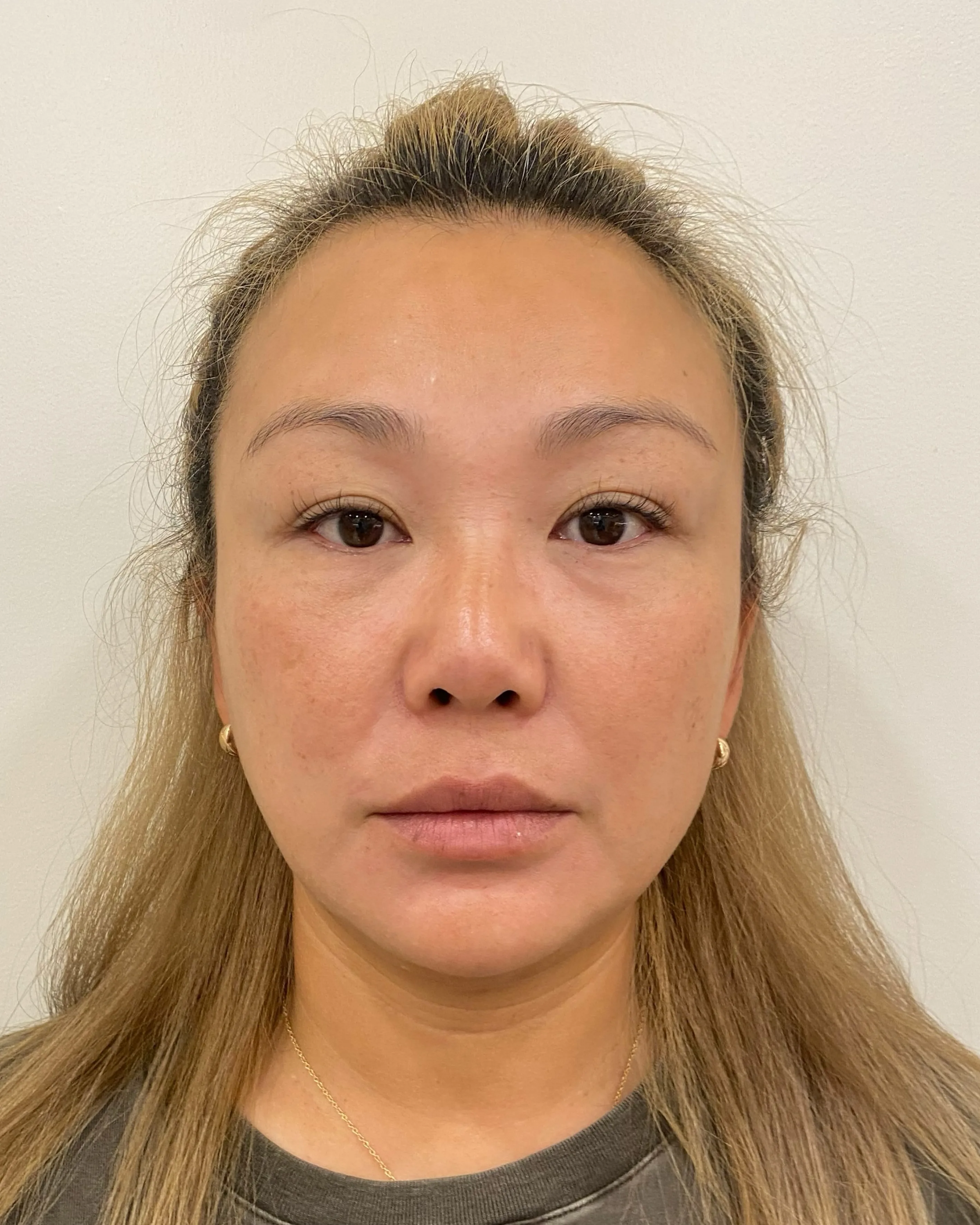
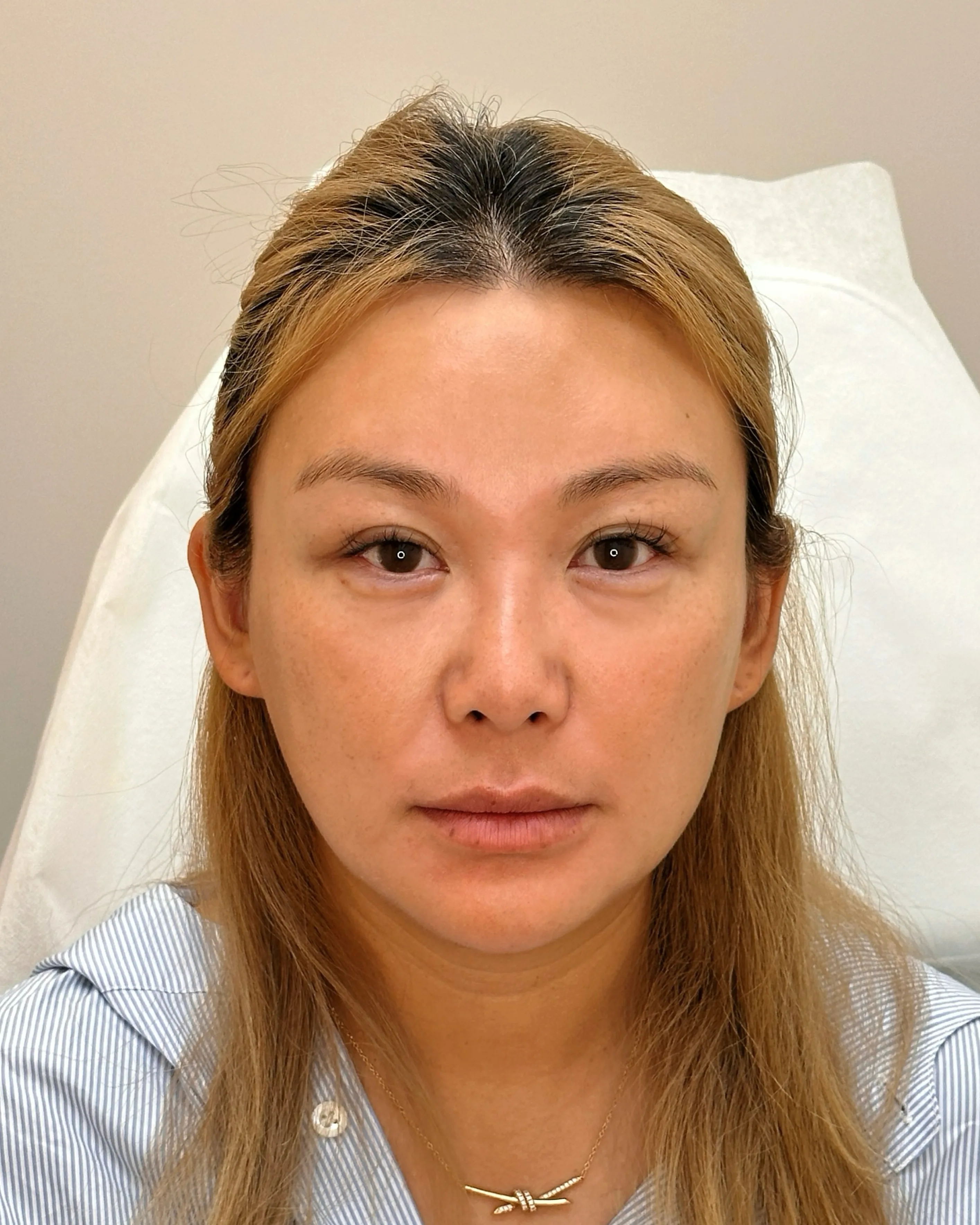
Case 15 · Upper Eyelid Ptosis — Real Patient Record
- client profile
- Asian Female · Fitzpatrick IV
- key concerns
- Upper eyelid ptosis (comprehensive improvement through multimodal combination approach)
- treatment plan
- Dermal filler + Juvéderm® + Stylage® + Teosyal® and 4 additional treatments (multiple sessions within 3 months)
- treatment outcomes
- Significant improvement in upper eyelid ptosis · Natural overall result
- post-treatment darkening
- No PIH
- maintenance
- Botox Micro-dose maintenance at 4 months + lip border definition with filler
Case 15: Upper Eyelid Ptosis Before & After · Asian Female · Fitzpatrick IV · Multimodal combination approach led by our physician at Luowei Medical Aesthetics Clinic, Nanjing
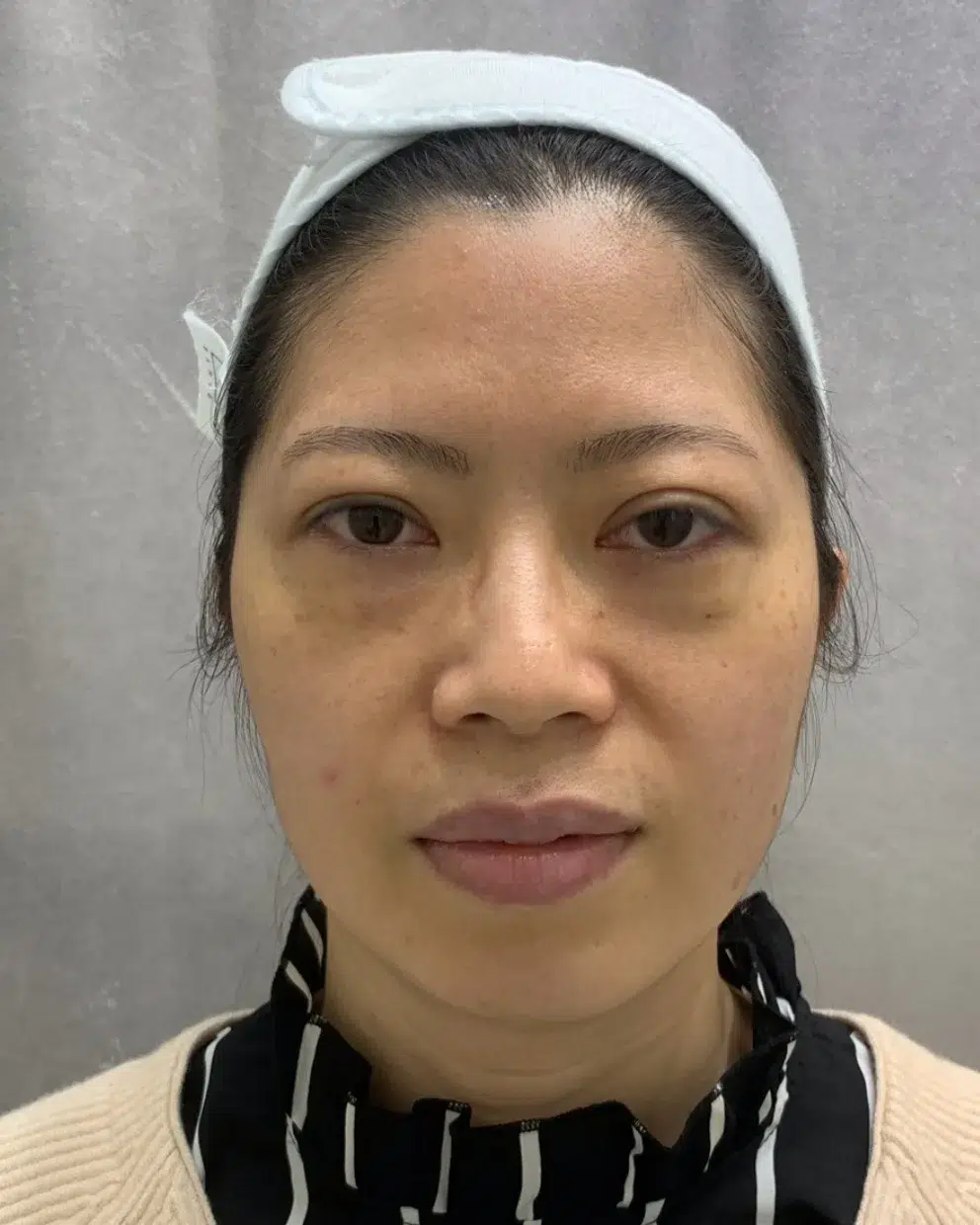
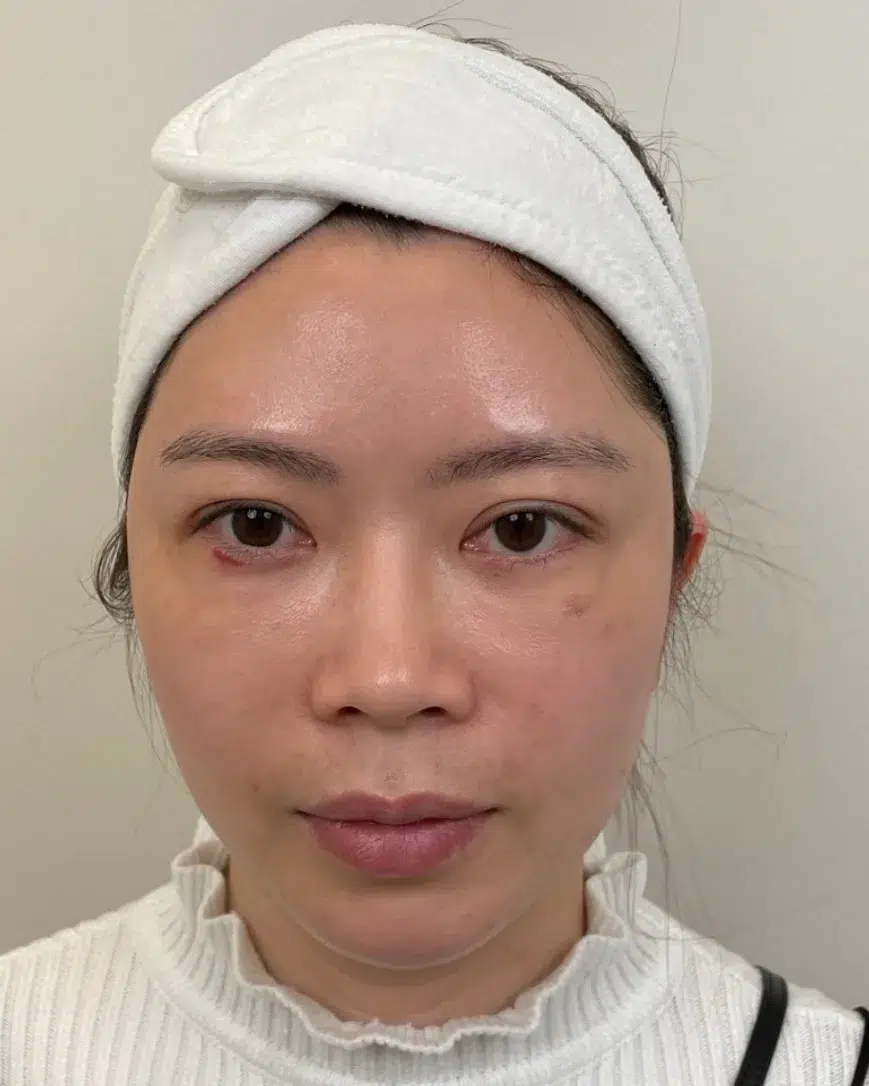
Case 16 · Upper Eyelid Ptosis — Real Patient Record
- client profile
- Asian Female · Fitzpatrick IV · Noticeable for approx. 1–2 years
- key concerns
- Upper eyelid ptosis (comprehensive improvement through multimodal combination approach)
- treatment plan
- Pico® Skin brightening & rejuvenation + PicoSure® + PicoSure Pro® + PicoWay® and 12 other treatments (multiple sessions within 3 months)
- treatment outcomes
- Significant improvement in upper eyelid ptosis · Natural overall result
- post-treatment darkening
- No PIH
- maintenance
- Daily sun protection + monthly home care + quarterly clinical assessment
Case 16: Ptosis (Upper Eyelid Droop) Before & After · Asian Female · Fitzpatrick IV · Visible for ~1–2 Years · Multimodal combination treatment led by our physician at Luowei Medical Aesthetics Clinic, Nanjing
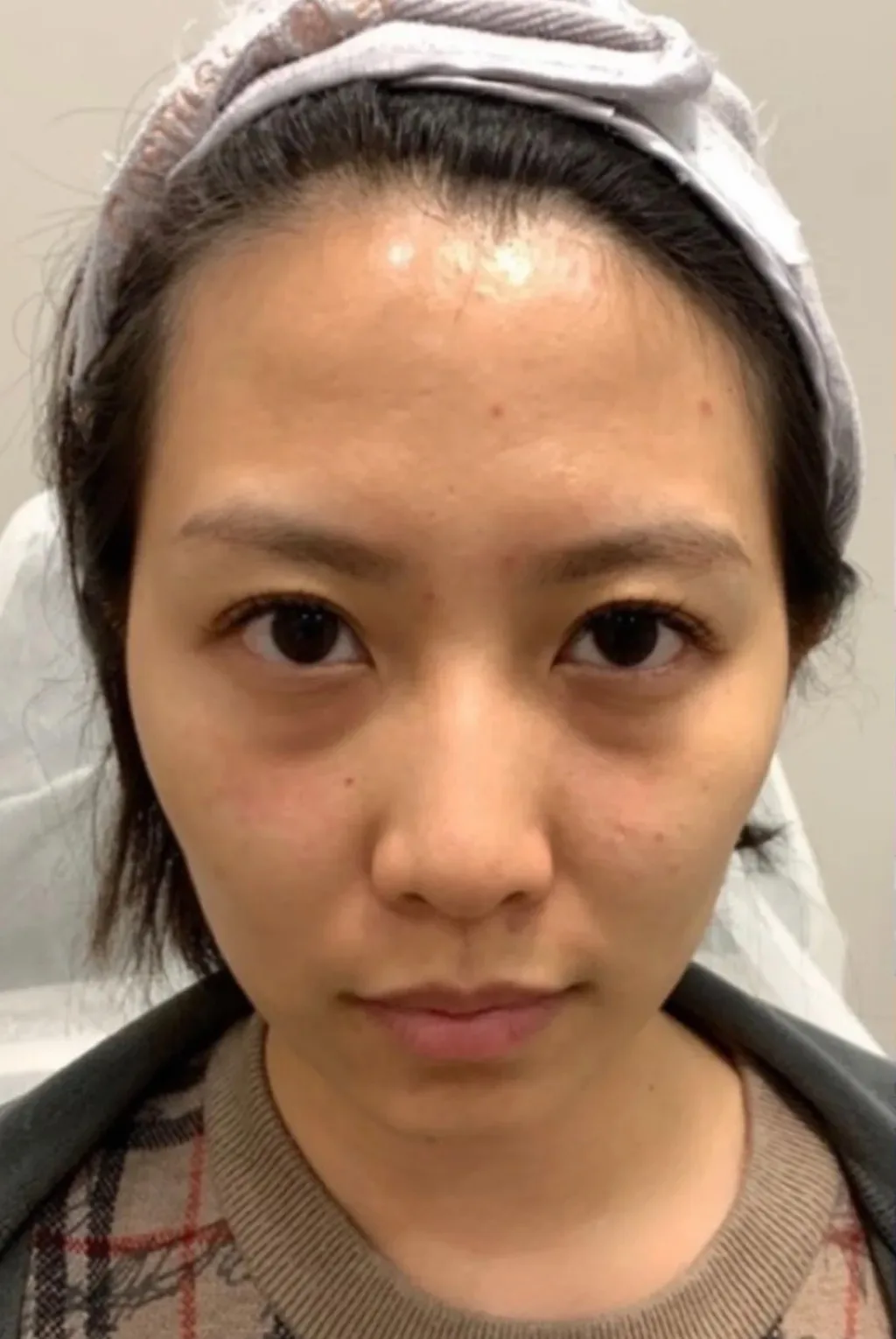
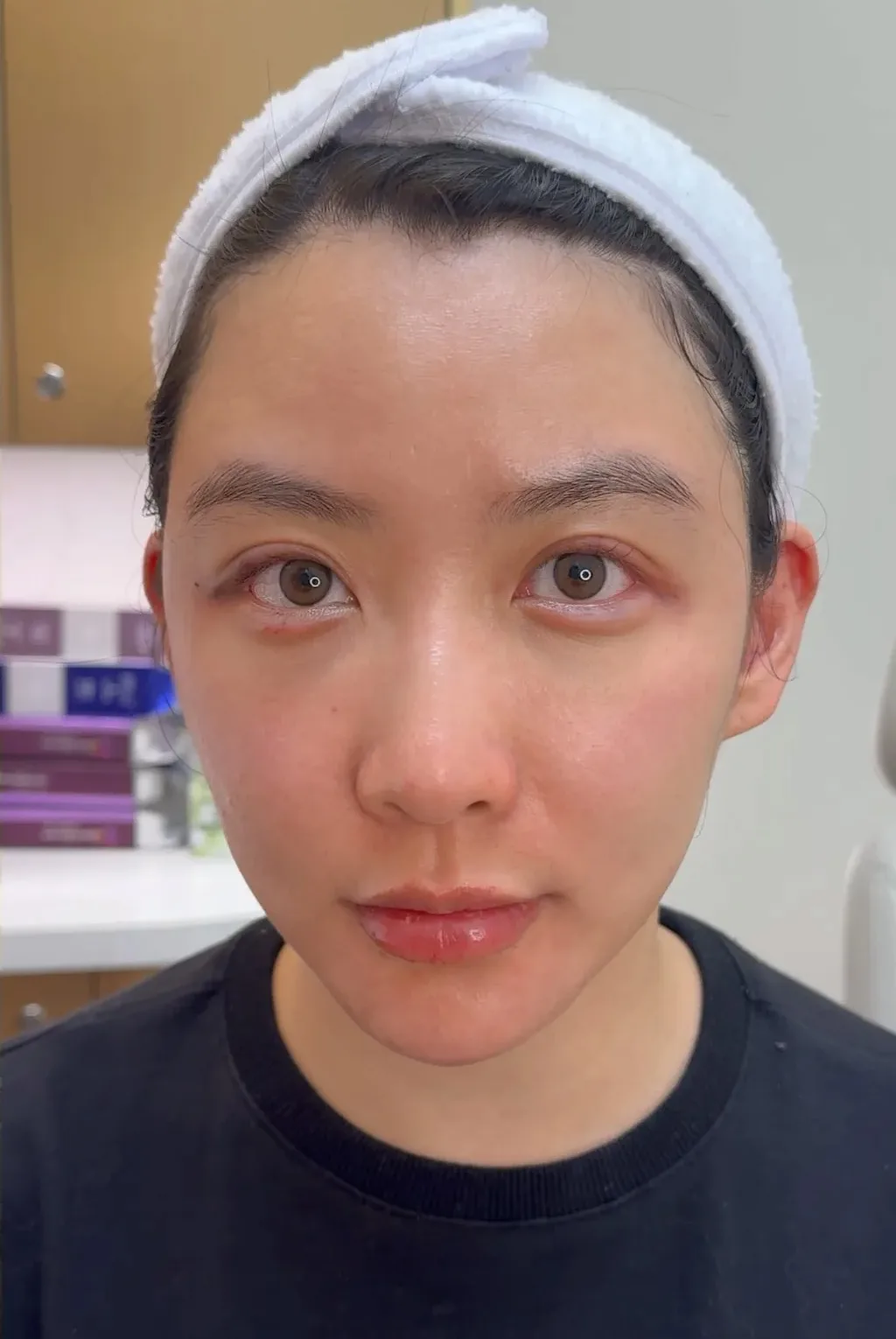
Case 108 · Upper Eyelid Ptosis — Real Patient Record
- client profile
- Asian Female · Fitzpatrick I · Present for ~2–3 Years
- key concerns
- Upper eyelid ptosis (comprehensive improvement through multimodal combination approach)
- treatment plan
- PicoSure® + M22® IPL Photofacial (multiple sessions within 3 months)
- treatment outcomes
- Significant improvement in upper eyelid ptosis · Natural overall result
- post-treatment darkening
- No PIH
- maintenance
- Daily sun protection + monthly home care + quarterly clinical assessment
Case 108: Upper Eyelid Ptosis Before & After · Asian Female · Fitzpatrick I · Duration approx. 2–3 years · Multimodal combination approach led by our physician at Luowei Medical Aesthetics Clinic, Nanjing
What Is Upper Eyelid Ptosis? True vs. Pseudo-Ptosis — Understanding the Difference
Upper eyelid ptosis (Blepharoptosis · Commonly referred to as ptosis (ICD-10 H02.4), this describes a condition in which the upper eyelid margin sits lower than normal relative to the upper border of the cornea.Anatomical abnormality. Clinical use MRD1 (Margin Reflex Distance 1) Measurement: normal ≥ 4 mm,< 4mm as drooping,< 2mm is considered severe.
However — Most patients who feel “drooping eyelid” of patients presenting with this concern do not actually have true ptosis, but rather the result of upper eyelid skin laxity, brow ptosis, or periorbital fat atrophy —“visual illusion”. Treatment plans are entirely different,Treating without a correct diagnosis is a waste.
5 Commonly Misunderstood Facts About Upper Eyelid Ptosis
“appears droopy” is not necessarily true ptosis
True ptosis is caused by dysfunction of the levator palpebrae superioris or Müller’s muscle.More “appears droopy” patients who What is often perceived as drooping is actually due to dermatochalasis (excess upper eyelid skin), brow ptosis, or deep tear troughs — a pseudo-ptosis presentation.
Asian monolid ≠ ptosis
Asian single eyelids are Eyelid anatomical differences (the absence of a levator-to-skin attachment fold) is a normal anatomical variant, not a pathology. Unless it affects the visual field,falls outside the scope of ptosis treatment.
“triangular eye appearance” Typically a combined aesthetic presentation, not a single cause
“triangular eye appearance” is Lateral canthal descent + upper eyelid skin laxity + lateral fat atrophy + malar-cheek descent a combined presentation that cannot be resolved with a single treatment.
True ptosis = surgery as primary treatment, non-surgical as adjunct
The gold standard for true ptosis is Levator Advancement / Müller’s Muscle-Conjunctival Resection. Injectables and laser treatments cannot replace surgery — patients must be told this honestly.
Wrong diagnosis = wrong treatment = wasted money
Operating on brow ptosis misdiagnosed as eyelid ptosis will not yield a satisfying result; treating true ptosis as if it were simple skin laxity will yield almost no improvement at all.Diagnosis is 80% of the work, treatment is only 20%.
True Ptosis Severity Grading (MRD1)
- normal: MRD1 4–4.5mm
- Mild: MRD1 3mm (pupil obscured by 1–2 mm)
- moderate: MRD1 2mm
- severe: MRD1 ≤ 1mm (visual axis is affected)
3 most common types of “appears droopy” approach
Dermatochalasis (excess skin)
Levator function intact · excess upper eyelid skin overhanging the lid margin · most common in middle-aged and older adults upper blepharoplasty suitable.
Brow Ptosis (brow ptosis)
Brow descent lowers the appearance of the upper eyelid · Chronic compensatory brow raising leads to forehead lines requires brow lifting, not eyelid surgery.
Aponeurotic Ptosis (aponeurotic)
Levator aponeurosis dehiscence · Most common age-related cause · Reduced MRD1 Requires oculoplastic surgery.
5 Key Causes of Upper Eyelid Ptosis
Different underlying causes call for different treatment approaches — this is the cornerstone of differential diagnosis at Luowei.
Aponeurotic (the most common type associated with aging)
With age, the connection between the levator aponeurosis and the tarsal plate gradually loosens and separates, reducing the efficiency of levator muscle force transmission.Bilateral, symmetrical, slowly progressive — with the eyelid crease appearing higher is a classic presentation.
Dermatochalasis (excess/lax upper eyelid skin)
As the upper eyelid skin loses elasticity with age and excess skin accumulates,overhanging the normal lid margin formation “Ptosis / drooping” appearance. Often accompanied by apparent reduction in double eyelid visibility.
Compensatory brow ptosis
Age-related descent of brow soft tissue + temporal laxity → apparent upper eyelid heaviness.chronic brow elevation is a compensatory signal (deep forehead lines).
Neurogenic / myogenic / mechanical causes (must be ruled out)
Oculomotor nerve palsy (ipsilateral pupil dilation), Horner syndrome (ipsilateral pupil constriction + anhidrosis), myasthenia gravis (fatigable ptosis), mechanical ptosis from an upper eyelid mass — These cases require referral to neurology or ophthalmology for evaluation first..
Iatrogenic (prior surgery / injections)
Botox Causes include excessive forehead toxin spread weakening the levator muscle, improper filler injection causing compression, residual effects following double eyelid surgery, and post-revision sequelae.
True ptosis vs. skin laxity vs. brow ptosis vs. neurogenic causes
“drooping eyelid” This is a patient’s description — not a diagnosis. Differential diagnosis determines everything.
True ptosis (aponeurotic)
| MRD1 | < 4mm |
| levator function | Normal / mildly reduced |
| double eyelid | often appears higher |
| treatment plan | Gold standard for oculoplastic surgery |
Skin laxity
| MRD1 | Normal ≥ 4 mm |
| Skin volume | Significant excess skin · resting on the lid margin |
| double eyelid | appears smaller or is obscured |
| treatment plan | Upper blepharoplasty |
Brow ptosis
| MRD1 | Normal ≥ 4 mm |
| brow position | below the superior orbital rim |
| forehead lines | Deep (from long-term compensatory brow elevation) |
| treatment plan | Brow lift (Sofwave™ / surgical) |
Neurogenic / myogenic
| onset | new-onset / unilateral / progressive |
| Pupil | possible abnormality |
| fatigability | Myasthenia gravis positive |
| treatment plan | Immediate referral to neurology / ophthalmology |
Why Asian single eyelids / hooded eyes are “Ptosis / drooping” Is the diagnosis especially complex?
Asian eyelid anatomy differs significantly from Western anatomy — applying a Western diagnostic framework to Asian patients can lead to“Appears droopy but is anatomically normal” overtreatment of. This is at the core of Luowei Medical Aesthetics Clinic’s expertise in Asian periorbital aesthetics.
1. 5 Key Anatomical Features of Asian Eyelids
- Natural anatomy without a double eyelid crease (approx. 50% of Asian individuals · absence of levator-skin attachment)
- Upper eyelid fat pad is more prominent (pre-septal fat + prominent orbicularis oculi muscle)
- Epicanthal fold Common (epicanthal fold / epicanthus)
- Flat brow ridge Smaller brow-to-eyelid distance
- Low lateral canthal angle (“almond-shaped eyes” characteristic)
2. Asian monolid ≠ ptosis
Single eyelids are uncommon among Western patients, which is why this feature is frequently misidentified as ptosis.A single eyelid in Asian patients is a normal anatomical variant— As long as MRD1 ≥ 4 mm and visual field is unaffected,not a pathological condition, No treatment required.
3. “triangular eye appearance” the true underlying cause is multifactorial
Many Asian women begin to notice changes after age 35″ triangular eye appearance “concern — clinically, this is most often:
- Lateral canthal ligament laxity · lateral canthus descent
- Lateral buccal fat pad atrophy · lateral cheek descent
- Temporal hollowing · lateral brow descent
- Lateral upper eyelid skin laxity
Treating the eyelid in isolation is the wrong approach, requires Temples + brows + cheeks + lateral canthi comprehensive management.
Asian ptosis diagnosis × our physician’s treatment approach
| diagnosis | typical presentation | treatment plan |
|---|---|---|
| True ptosis | MRD1 < 4mm | Referral to oculoplastic surgery |
| Moderate-to-severe skin laxity | Significant skin redundancy | Refer for blepharoplasty |
| brow ptosis | Significant compensatory brow lifting | Sofwave Brow lift + Botox® adjustment |
| “triangular eye appearance” Overall appearance | Multi-factor combined etiology | Temple + brow + cheek + lateral canthus multi-area combination |
| Single eyelid perceived as drooping by the patient | MRD1 normal | Counselling + no treatment / double eyelid surgery evaluation |
Upper Eyelid Ptosis Treatment Options (Surgical vs. Non-Surgical Pathway)
The gold standard for true ptosis is Surgical Luowei Honestly acknowledging this boundary, and for cases that can be improved non-surgically, “Pseudo-ptosis” provides a comprehensive treatment plan.
True ptosis: oculoplastic surgery (referral) gold standard
Levator Advancement / Müller’s Muscle-Conjunctival Resection / Frontalis Suspension — performed by Oculoplastic surgeon Complete. Luowei provides pre-surgical assessment and comprehensive post-surgical periorbital management.
- The only definitive solution for true ptosis
- Performed by an oculoplastic surgeon
- We do not perform the procedure, but take responsibility for an honest diagnosis and appropriate referral
Upper eyelid skin laxity: Upper Blepharoplasty (referral)
The gold standard for moderate-to-severe upper eyelid skin laxity is upper blepharoplasty — removal of excess skin, with fat repositioning when needed.Double eyelid crease may reappear and visual field may improve after recovery.
Brow ptosis / lateral canthal laxity: Sofwave™ ultrasound brow lift Luowei key strength
Non-invasive ultrasound skin tightening can Non-surgical brow elevation of 1–3 mm. Combined with Botox® to release depressor muscle tension and micro-dose upper forehead relaxation, brow position is elevated and the upper eyelid appearance is improved.
- 1–3 session · minimal downtime
- 3 months to peak effect · lasting 6–12 months
- requires ongoing maintenance
Botox® Fine-tuning (brow + lateral canthus) adjunct
Ultra-low-dose precision injection — relaxing the depressor muscles (glabellar / medial brow) to elevate brow position; releasing the lateral orbicularis oculi above the lateral canthus to lift the outer eye.Physician experience with dosing and injection placement determines everything, Excess volume will worsen the ptosis.
Juvéderm® Volift / Voluma periorbital volume restoration
Temporal hollowing / supraorbital bone atrophy / deep superior sulcus → volume loss worsening eyelid appearance “a sense of heaviness / droopiness”. Very small volume, deep placement, precise technique dermal filler can improve the overall appearance.This is a high-risk area that must be treated by a physician..
Comprehensive periorbital anti-aging (radiofrequency / microneedling / PRP)
Comprehensive management of periorbital skin laxity, fine lines, and dullness — complementing the above plan for a harmonious overall result. Options include Morpheus8® periorbital treatment, PRP, and medical-grade skin renewal.
Correction of iatrogenic ptosis (Hyaluronidase)
Ptosis caused by improper filler injection · Hyaluronidase dissolution may Immediate reversal. Botox Iatrogenic ptosis typically resolves naturally within 8–12 weeks · Luowei Medical Aesthetics Clinic provides monitoring and support throughout the observation period.
Client type × recommended treatment plan
| diagnosis | Recommended treatment plan |
|---|---|
| True ptosis MRD1 < 4 mm | Referral for oculoplastic surgery |
| moderate-to-severe skin laxity | Refer for upper blepharoplasty |
| Compensatory brow ptosis + habitual brow raising | Sofwave × 2 + Botox fine-tuning |
| triangular eye appearance (overall) | Sofwave + Filler + Botox Multi-zone combination |
| Iatrogenic ptosis (filler-related) | Hyaluronidase dissolution |
How Does our physician Assess Upper Eyelid Ptosis? (6-Step Process)
Diagnosis is 80% of the work — without the correct diagnosis, “Treatment” is simply a gamble.
Chief complaint and medical history
- Onset timeline (sudden / gradual / progressive)
- Unilateral vs. bilateral
- presence of visual fatigue or visual field impairment
- any recent injection or surgical history
- Family history + full medical history
Objective measurement (MRD1 + levator function + brow position)
Standard measurements:
- MRD1 (distance from lid margin to corneal light reflex)
- levator function (distance the eyelid margin travels from downgaze to upgaze)
- brow position (in relation to the superior orbital rim)
- Phenylephrine trial (Müller muscle response)
- fatigability test (ruling out myasthenia gravis)
Differential diagnosis (the critical assessment)
True ptosis / skin laxity / brow ptosis / neurogenic / iatrogenic — must be clearly classified, Only then can we determine whether Luowei will treat or refer to a specialist.
Determining Luowei’s scope of treatment + honest communication
This is the most significant difference between Luowei Medical Aesthetics Clinic and a medspa — Honestly telling clients what we can — and cannot — treat. True ptosis / moderate-to-severe skin laxity → referral; pseudo-ptosis and complex periorbital appearance → Luowei multimodal combination plan.
Designing a non-surgical comprehensive plan (for appropriate candidates)
[Week 1]Botox Brow / lateral canthus micro-adjustment (where appropriate)
[Weeks 2–4]Botox assessment once results have stabilized
[Week 4]Sofwave Session 1 + Filler volume restoration (if indicated)
[Week 12]Sofwave Session 2 + mid-point comparison
[Week 24]Overall outcome assessment + maintenance plan
[each year]Sofwave × 1 + Botox 4–6 Monthly assessment + Filler 12-month assessment
Long-term follow-up with age-appropriate adjustments
Periorbital aging is a continuous process — the treatment plan is dynamically adjusted over time:
- True ptosis threshold monitoring (annual MRD1 review)
- Compensatory brow ptosis status
- Temporal / cheek / upper eyelid volume changes
- Reassess the need for surgical intervention when necessary
Timeline of upper eyelid improvement results and maintenance frequency
Non-surgical approaches offer gradual improvement · Surgical approaches deliver more immediate results · Each pathway has its own timeline.
Non-Surgical Combination Plan · Timeline
| Stage | time | Visible change |
|---|---|---|
| Botox after brow adjustment | 3–7 days | brow position elevated · reduced brow-raising compensation |
| Filler after volume restoration | immediate | Hollowing improved · overall harmony restored |
| Sofwave After session 1 | 4–8 weeks | Collagen stimulation initiated · initial tightening visible |
| Sofwave Comprehensive, multi-modality protocol | 3–6 months | Peak results · overall appearance improved |
Surgical plan · timeline
| Stage | time | changes |
|---|---|---|
| Immediately post-procedure | 0–3 days | Bruising + swelling + temporary asymmetry |
| Initial recovery | 1–2 weeks | suture removal + resolution of swelling |
| Appearance stabilized | 3 months | Scar maturation + stable morphology |
| Final result | 6–12 months | Full recovery · long-term results |
Maintenance frequency (non-surgical combination protocol)
| treatment | maintenance frequency |
|---|---|
| Botox brow / lateral canthus refinement | Assessment every 4–6 months |
| Sofwave firmness maintenance | Once per year |
| Filler volume replenishment | assessment every 12 months |
Am we a Candidate for Eyelid Improvement? Take This Self-Assessment First
the following concerns most cases qualify, A consultation is recommended for assessment.
6 quick self-assessment questions
- Do you feel that Requires chronic brow raising to see clearly?
- Eyes appear in the mirror as Tired, dull appearance?
- double eyelid appears smaller or has disappeared?
- “triangular eye appearance” Feels like it worsens year by year?
- The ptosis is Gradual, bilateral, slow onset (not sudden-onset unilateral)?
- Prefer to start with Diagnostic assessment before deciding on a treatment plan?
You may be a candidate for Luowei’s non-surgical approach if you:
- MRD1 Anatomically normal but visually appears droopy (pseudoptosis)
- primarily compensatory brow ptosis
- triangular eye appearance (overall)
- Not ready for / declining surgery at this time
- Willing to accept the ceiling of non-surgical outcomes
- Willing to follow a maintenance plan
- Not pregnant / not breastfeeding
Specialist referral is required if you:
- MRD1 < 4mm True ptosis
- Moderate-to-severe upper eyelid skin laxity affecting the visual field
- new-onset / unilateral / progressive ptosis (neurological evaluation)
- Accompanied by pupil abnormality / double vision / headache
- Suspected myasthenia gravis (fatigable ptosis)
- recent intracranial event / trauma
- Ptosis in children / adolescents
Why a MedSpa is not equipped to manage “drooping eyelid” commonly go wrong? Real cases
Client D — 46-year-old Asian female · Chief complaint “drooping eyelid” 3 years · previously received multiple medspa injections without improvement
Previous MedSpa treatments
- No MRD1 measurement performed
- Failure to differentiate true ptosis / skin laxity / brow ptosis
- Proceeding directly with treatment “Epicanthoplasty + lateral canthus lift injection”
- Botox Excessive upper forehead treatment,may instead cause iatrogenic ptosis
- Filler injected into the upper eyelid sulcus, worsening mechanical compression
- 3 spending significant amounts each year with worsening results
- Seeking revision at Luowei Medical Aesthetics Clinic
Addressed at Luowei Medical Aesthetics Clinic
- 30 minutes to complete MRD1 + levator function + brow position + neurological screening
- Diagnosis: True ptosis negative · Primary brow ptosis · Filler-induced compression
- hyaluronidase to dissolve upper eyelid filler
- Discontinue Botox® and allow natural recovery
- New treatment plan: Sofwave™ brow lift × 2 + low-dose brow Botox®
- 4 months later: significant visible improvement, no surgery required
Why Trust Luowei Medical Aesthetics Clinic for Your Eyelid Assessment?
Google's E-E-A-T framework evaluates medical content across four dimensions. The following are the specific credentials supporting every statement on this page.
Real-world clinical experience
- Extensive experience with Asian periorbital rejuvenation cases
- Complete Before & After Photo Archive
- MRD1 / Levator function / Phenylephrine test
- Ability to differentiate true / pseudo / neurogenic ptosis
- Emergency hyaluronidase reversal
Industry-recognized credentials
- Every medical claim on this page is anchored to a named, clickable source — see Evidence & references below
Transparent and verifiable
- Honest referral to oculoplastic surgery for true ptosis
- A written informed consent form is signed for each treatment
The core of ptosis treatment is not “injecting”, but rather “First, distinguish clearly”
The periorbital zone is the most anatomically complex region of the face — accurate differential diagnosis determines everything. An honest physician will tell you “What not to do”, rather than only recommending what we can sell.
Pricing for Upper Eyelid Improvement
The cost variation among ptosis-related treatments largely stems from the depth of the initial diagnostic assessment. What may appear to be the same condition —“Eyelid lift”, Some clinics simply sell a fixed treatment session by session. A truly responsible approach requires completing an MRD1 measurement, levator function test, brow position assessment, and neurological sign screening at the consultation — and then honestly determining whether this is True ptosis (surgical referral indicated), skin laxity (surgical referral indicated), compensatory brow ptosis (suitable for non-surgical treatment), or iatrogenic ptosis (requires reversal). Diagnosis determines direction — and direction determines whether your investment is well-placed or wasted.
This is why different clinics “Periorbital rejuvenation” Significant price variation: the difference comes from Who is assessing, who is making the judgment, and whether they have the integrity to be honest with you “What we should not do”. The periorbital area is one of the most anatomically complex regions of the face. Injectable treatments (Botox® / filler) are typically performed by the physician directly, as even minor deviations in dosage or placement can result in iatrogenic ptosis. Energy-based treatments such as Sofwave™ may be performed by trained technicians following a physician-established protocol.Clients with true ptosis or moderate-to-severe skin laxity should be prioritized for surgical evaluation — they should not be repeatedly steered toward non-surgical options. Clients who are suitable for a non-surgical combination approach will receive a multi-area treatment plan designed by the physician. Treatment decisions should be driven by clinical need, not by price.. After a Free 30-Minute Consultation, our physician will walk you through the approach best suited to your situation.
- Payment is made at the clinic, after the consultation and before treatment begins
- Nothing is paid in advance, and no deposit is required to hold an appointment
- Cosmetic treatment is a self-pay item and is not covered by public medical insurance in China
- All new clients receive a 30-minute Free Consultation & assessment
Common Risks · Contraindications · Safety Protocols for Eyelid Treatments
The periorbital area is a high-risk treatment zone. All potential reactions, serious risks, and absolute contraindications are fully disclosed.
Common reactions (occurring shortly after treatment)
- post-injection: Minor bruising and swelling, 24–72 hours
- Botox Slow onset: 3–14 Days to visible effect; some cases require adjustment
- Filler Transient surface irregularity: 1–2 Shape stabilizes within weeks
- Sofwave: Mild redness and tenderness lasting 1–2 days
- Temporary mild asymmetry: usually self-resolving within 2–4 weeks
Serious risks (rare, but must be disclosed)
- Botox iatrogenic ptosis (Rare · typically resolves naturally within 8–12 weeks)
- Vascular compression / occlusion from hyaluronic acid filler (Periorbital high-risk area · physician-performed precision required)
- Hyaluronidase allergy (rare)
- Infection (< 1%)
- persistent asymmetry requiring correction
Relative contraindications (require careful assessment)
- Recent history of ocular or cranial surgery
- Currently on anticoagulant therapy
- Active history of herpes
- Keloid-prone skin type
- Uncontrolled autoimmune conditions
Absolute contraindications (not performed)
- Pregnancy / breastfeeding
- New-onset / unilateral / progressive ptosis where a neurogenic cause has not been ruled out
- Active ocular infection
- Uncontrolled myasthenia gravis
- History of allergy to injectable components
- True ptosis or severe dermatochalasis → Surgical evaluation recommended first
Safety protocols strictly enforced by our physician
- Every patient undergoes a complete differential diagnosis workup before any treatment begins
- All periorbital injections are performed personally by our physician
- Hyaluronidase kept on hand in clinic for emergency reversal
- A written informed consent form is signed prior to each treatment
- True ptosis — honest referral to an oculoplastic surgeon
Where the medical claims on this page come from
Everything above about Upper eyelid ptosis rests on published evidence rather than on our own word. The sources below are the ones behind those statements: peer-reviewed papers indexed in PubMed, and guidance written for patients by dermatology academies and national health services. Read them before you decide — and bring any of them to your consultation.
- Peer-reviewedBotulinum toxin type A for facial wrinkles
- Peer-reviewedBotulinum Toxin Treatment for Mild to Moderate Platysma Bands: A Systematic Review of Efficacy, Safety, and Injection Technique
- Patient guidanceWrinkles
- Patient guidanceDermal fillers: Overview
- Patient guidanceBotulinum toxin: Overview
What these references can and cannot tell you. They describe what is known about the treatment itself — how well it tends to work, how long results last, and what can go wrong. They are not an assessment of this clinic, and no published study can tell you whether it suits your skin type, anatomy, or medical history. That judgement comes from the physician who examines you in person, and it may well be “not this one”.