Forehead Lines
What are forehead lines, and why are they not quite the same as ordinary wrinkles?
Our physician — Real Forehead Line Treatment Cases
The following four cases were personally assessed and treated by our physician at Luowei Medical Aesthetics Clinic in Nanjing. Each has been shared with written Media Release Form authorization. Forehead lines vary significantly in cause and subtype — differences in frontalis muscle dynamics, brow compensation, and skin texture all influence treatment strategy and dosage. Actual outcomes depend on individual consultation and assessment.
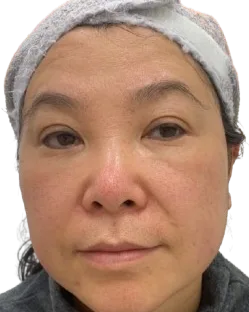
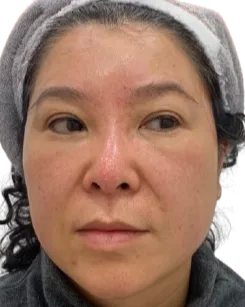
Case 3 · Forehead Lines — Real Clinical Record
- Client Profile
- Asian Female · Fitzpatrick IV
- Primary concern
- Dynamic Forehead Lines · Frontalis Overactivity
- Treatment plan
- Botox® + neurotoxin wrinkle treatment + Dysport® + Xeomin® — 7 items (multiple sessions within 3 months)
- Treatment outcome
- Forehead lines significantly improved · Overall result looks natural
- Post-inflammatory hyperpigmentation (PIH)
- No PIH
- Maintenance
- Botox 4 Month maintenance
Case 03: Forehead Lines — Before & After · Asian Female · Fitzpatrick IV · Multimodal Combination Protocol led by our physician at Luowei Medical Aesthetics Clinic, Nanjing
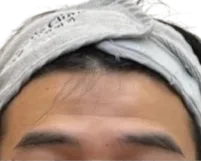
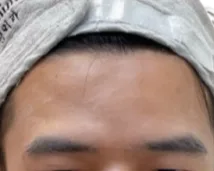
Case 4 · Forehead Lines — Real Clinical Documentation
- Client Profile
- Asian Male · Fitzpatrick IV
- Primary concern
- Dynamic Forehead Lines · Frontalis Overactivity
- Treatment plan
- Suture double eyelid + Botox® + Dysport® + Xeomin® and 5 other procedures (multiple sessions within 3 months)
- Treatment outcome
- Forehead lines significantly improved · Overall result looks natural
- Post-inflammatory hyperpigmentation (PIH)
- No PIH
- Maintenance
- Botox 4 Month maintenance
Case 04: Forehead Lines — Before & After · Asian Male · Fitzpatrick IV · Multimodal combination approach led by our physician at Luowei Medical Aesthetics Clinic, Nanjing
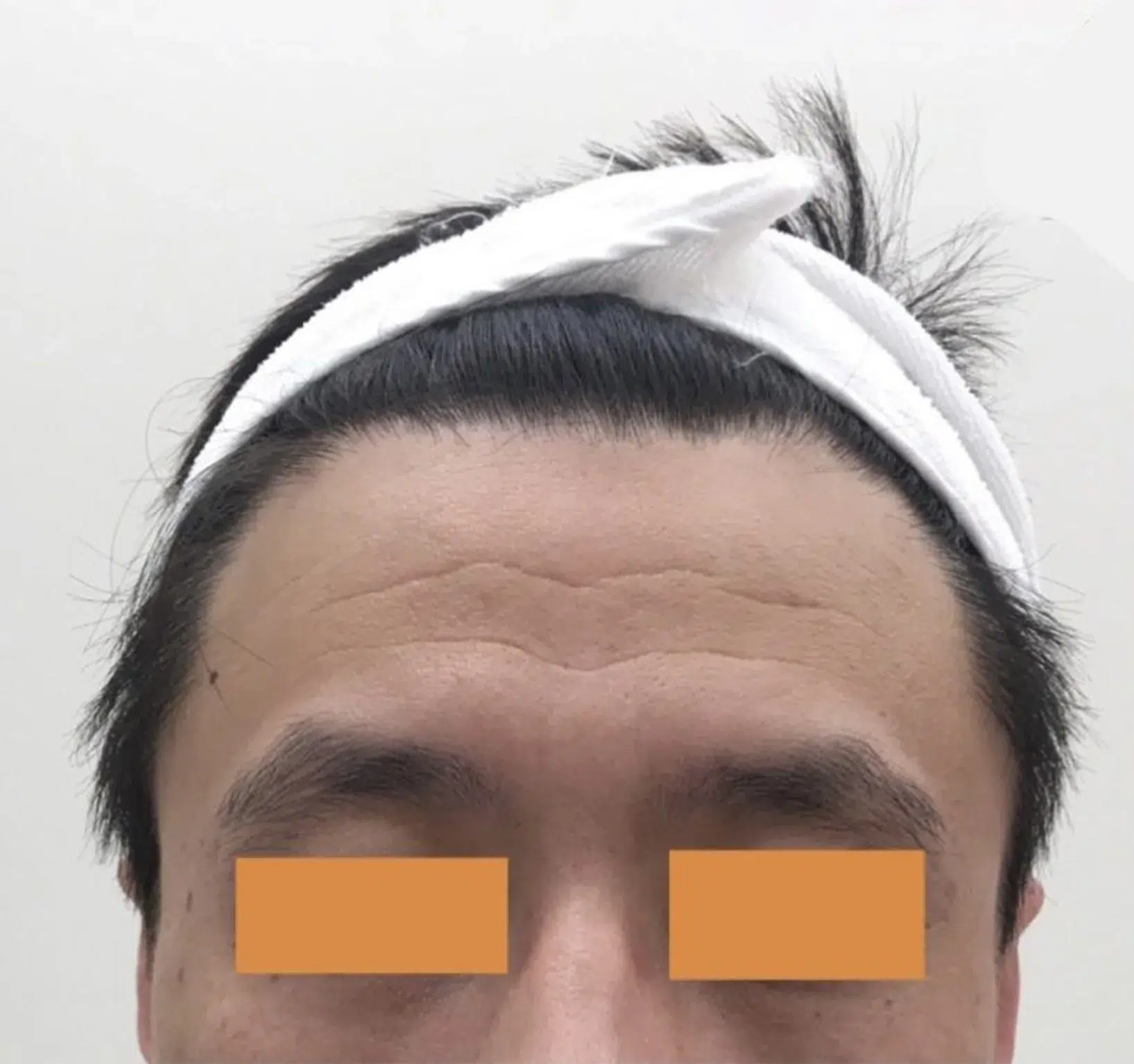
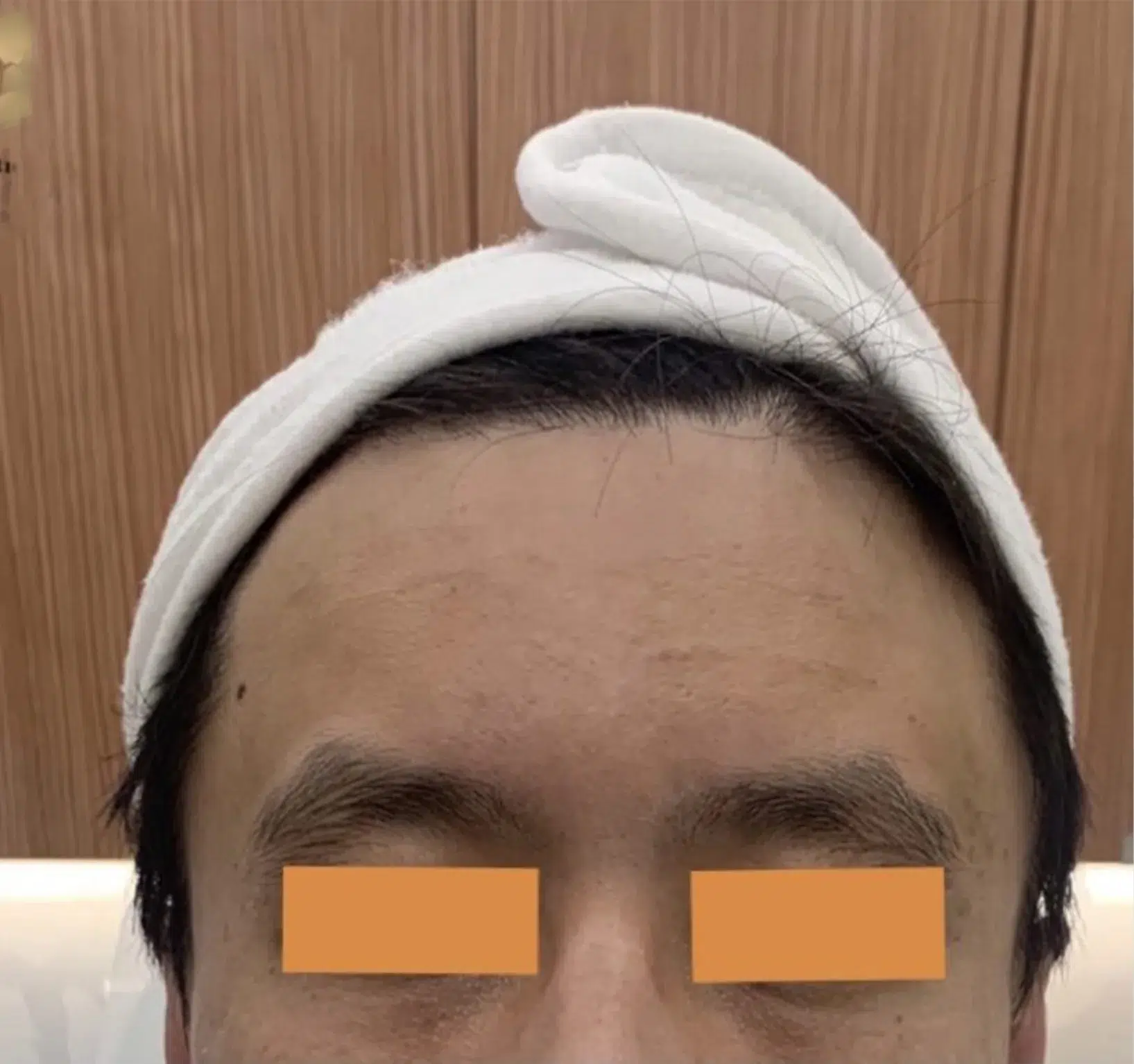
Case 5 · Forehead Lines — Real Patient Record
- Client Profile
- Asian Female · Fitzpatrick IV
- Primary concern
- Dynamic Forehead Lines · Frontalis Overactivity
- Treatment plan
- HArmonyCa™ hyaluronic acid collagen stimulator + collagen treatment (multiple sessions within 3 months)
- Treatment outcome
- Forehead lines significantly improved · Overall result looks natural
- Post-inflammatory hyperpigmentation (PIH)
- No PIH
- Maintenance
- Daily sun protection + monthly at-home skincare routine + quarterly clinical review
Case 05: Forehead Lines — Before & After · Asian Female · Fitzpatrick IV · Multimodal combination treatment led by our physician at Luowei Medical Aesthetics Clinic, Nanjing
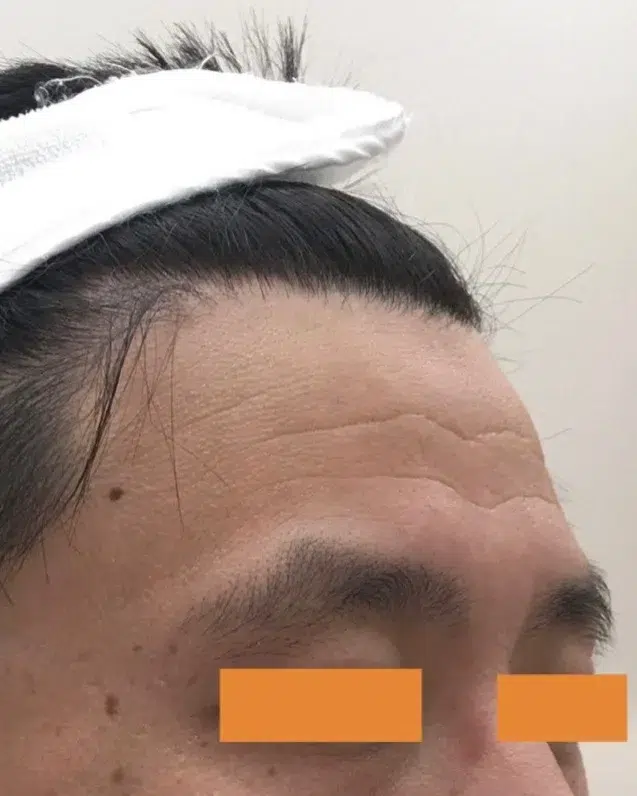
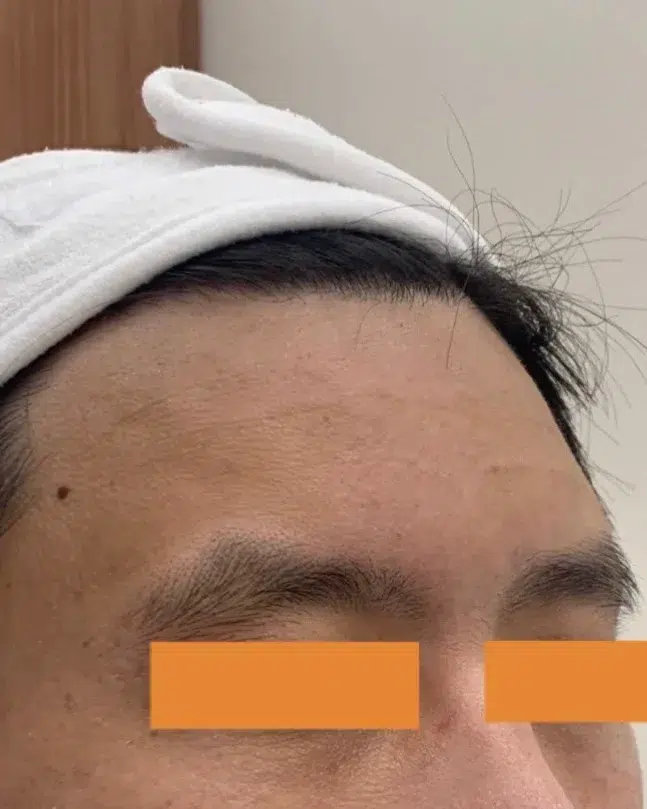
Case 6 · Forehead Lines — Real Clinical Record
- Client Profile
- Asian Female · Fitzpatrick IV
- Primary concern
- Dynamic Forehead Lines · Frontalis Overactivity
- Treatment plan
- HArmonyCa™ hyaluronic acid collagen stimulator + collagen treatment (multiple sessions within 3 months)
- Treatment outcome
- Forehead lines significantly improved · Overall result looks natural
- Post-inflammatory hyperpigmentation (PIH)
- No PIH
- Maintenance
- Daily sun protection + monthly at-home skincare routine + quarterly clinical review
Case 06: Forehead Lines — Before & After · Asian Female · Fitzpatrick IV · Multimodal Combination Protocol led by our physician at Luowei Medical Aesthetics Clinic, Nanjing
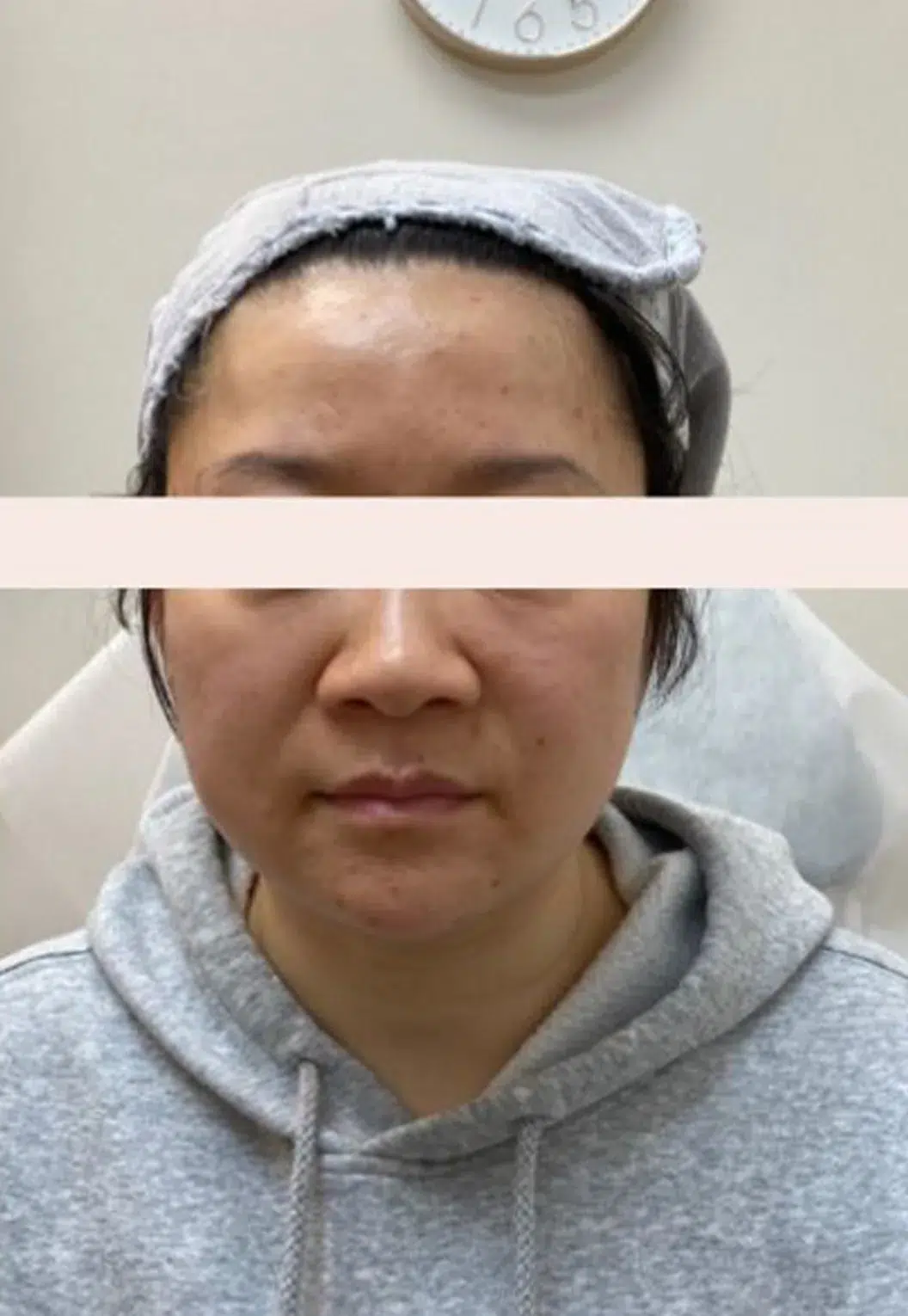
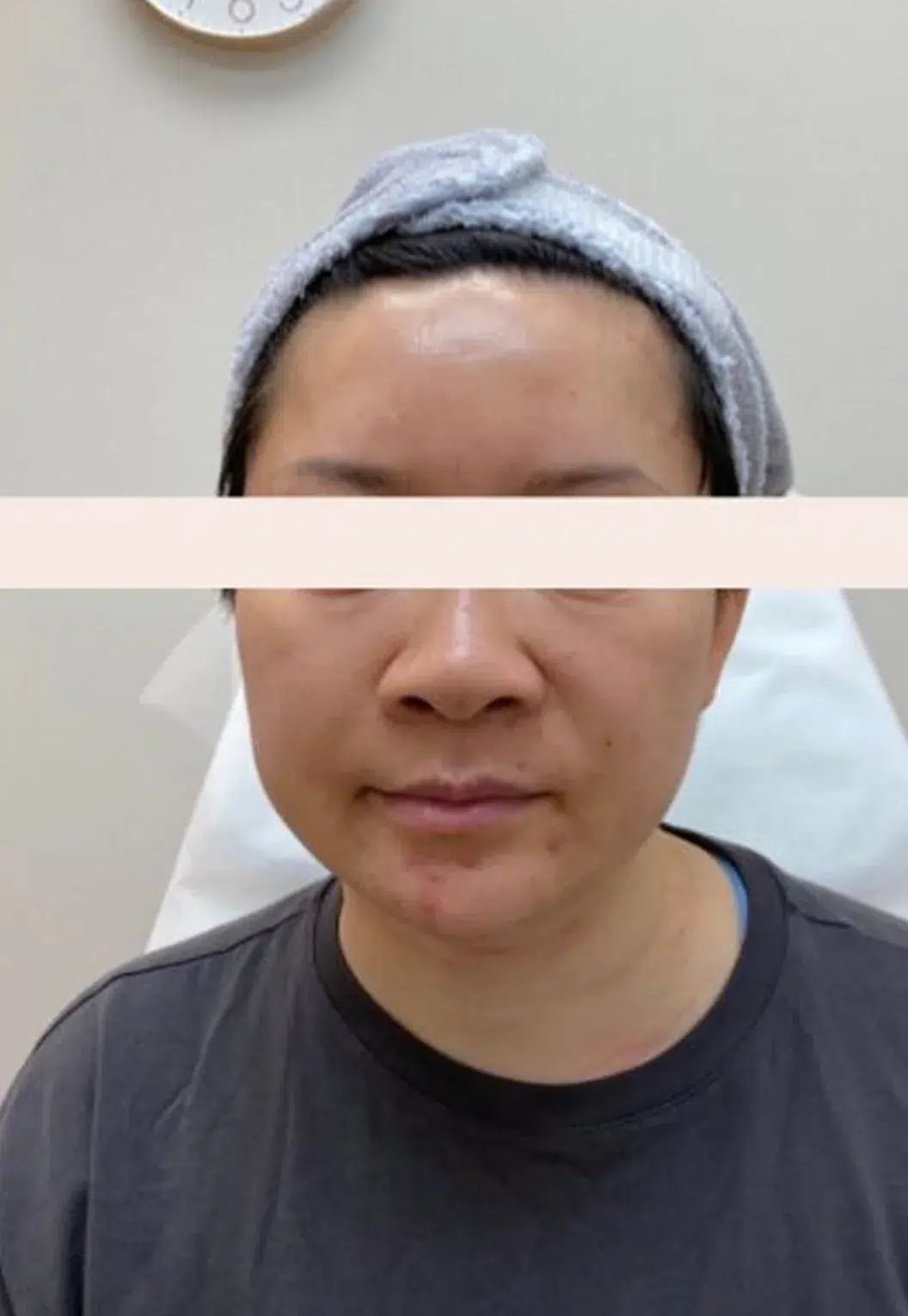
Case 1 · Forehead Lines — Real Patient Record
- Client Profile
- Asian Female · Fitzpatrick IV
- Primary concern
- Forehead Lines (Comprehensive Improvement with a Multimodal Combination Approach)
- Treatment plan
- Botox® + neurotoxin wrinkle treatment + forehead volume enhancement + Juvéderm® and 1 additional treatment (multiple sessions within 3 months)
- Treatment outcome
- Forehead lines significantly improved · Overall result looks natural
- Post-inflammatory hyperpigmentation (PIH)
- No PIH
- Maintenance
- Once-yearly energy device maintenance + at-home retinoids
Case 01: Forehead Lines — Before & After · Asian Female · Fitzpatrick IV · Multimodal combination treatment led by our physician at Luowei Medical Aesthetics Clinic, Nanjing
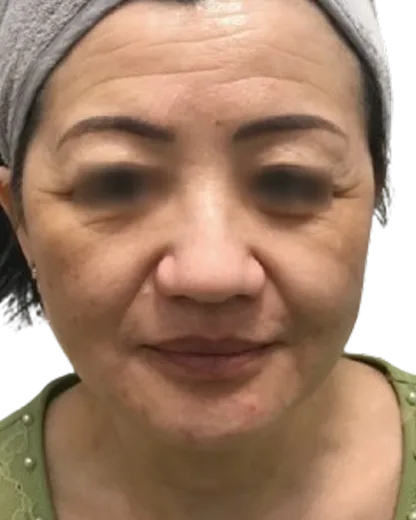
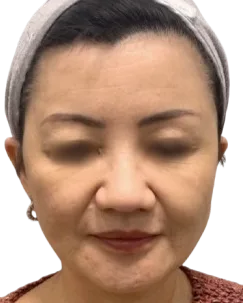
Case 1 · Forehead Lines — Real Patient Record
- Client Profile
- Asian Female · Fitzpatrick IV
- Primary concern
- Forehead Lines (Comprehensive Improvement with a Multimodal Combination Approach)
- Treatment plan
- PicoSure® + PicoSure Pro® + PicoWay® + Ultherapy® and 13 additional treatments (multiple sessions within 3 months)
- Treatment outcome
- Forehead lines significantly improved · Overall result looks natural
- Post-inflammatory hyperpigmentation (PIH)
- No PIH
- Maintenance
- 9-12 months later for a dermal filler touch-up
Case 01: Forehead Lines — Before & After · Asian Female · Fitzpatrick IV · Multimodal combination treatment led by our physician at Luowei Medical Aesthetics Clinic, Nanjing
What are forehead lines, and why are they not quite the same as ordinary wrinkles?
Forehead lines (medical term: horizontal forehead rhytides) are the horizontal creases that appear across the forehead Horizontal lines, Forehead lines arise from three converging factors: repeated frontalis muscle contraction, loss of dermal collagen, and epidermal aging. They are not simply “wrinkles” — they represent the combined effect of muscle dynamics, structural skin aging, and compensatory brow elevation.
Why is it not enough to simply assess line depth?
Forehead lines of identical depth can stem from entirely different causes — overactive frontalis muscle activity, static collagen breakdown, or compensatory brow lifting due to brow ptosis.The treatment logic is entirely different, Injecting based solely on wrinkle depth is the wrong approach.
Why are Asian faces more sensitive to standard dosing?
Asian individuals typically have a flatter brow bone, thicker upper eyelid skin, and a greater tendency toward a heavy-lidded appearance. Many habitually elevate their brows to “open up” the eyes — for these clients Neuromodulator should not be administered without proper assessment, Otherwise, brow position drops further and the upper eyelids appear heavier.
Why isn’t Botox® a complete solution on its own?
Neurotoxin can only address dynamic wrinkles.Static etched lines(etched-in lines)Neurotoxin alone cannot smooth deep static lines. A combination approach incorporating Skinbooster, hyaluronic acid filler, or collagen stimulation is needed for meaningful improvement.
Why is a brow position assessment essential before treatment?
Assessment is essential before injection Resting brow position + dynamic brow elevation range + upper eyelid laxity, Determining whether forehead lines are the primary concern or a compensatory response is essential. Skipping this step leads directly to a frozen result, heavy brows, and eyes that appear smaller.
Clinical note:The most common forehead line treatment failures seen in the Nanjing area almost always stem from: (1) failing to distinguish dynamic from static lines; (2) not assessing compensatory brow position; (3) applying a generic North American dosage without individualization. The first step in our physician’s protocol is always Dynamic muscle assessment, rather than injecting immediately.
The five root causes of forehead lines — it’s not just aging
Attributing forehead lines purely to age is an oversimplification. In clinical practice, they are almost always the result of multiple overlapping factors.
1. Overactive frontalis muscle
Highly expressive individuals, habitual brow raisers, those who spend long hours in front of screens, or anyone with chronic eye strain tend to overwork the frontalis muscle — leading to earlier onset of dynamic forehead lines.
2. Upper eyelid laxity / compensatory brow elevation
As upper eyelid skin loosens with age, clients unconsciously raise their brows to keep their eyes open, resulting in Compensatory deep horizontal lines. Administering neuromodulator without proper assessment in this situation will worsen the condition.
3. Loss of dermal collagen and elastic fibers
30 After a certain age, collagen is lost at a rate of approximately 1% per year. Once skin texture is repeatedly creased, the lines gradually become “imprinted” as static wrinkles — present even when the muscles are at rest.
4. UV exposure / photoaging
UVA UV radiation penetrates the dermis and directly damages collagen and elastin fibers. The intense UV exposure and active outdoor lifestyle common in North America represent an additional cumulative burden for Asian immigrant clients.
5. Sleep position / habitual facial expressions
Chronic one-sided sleeping, habitual brow raising, or repeated frowning can produce Asymmetric lines, In cases like this, injection dosage must be differentiated between the left and right sides.
4 Types of forehead concerns commonly mistaken for forehead lines — key differential diagnosis points
Misclassification leads to mistreatment. The table below summarizes the 4 most common distinctions our physician makes in clinical practice.
Dynamic Forehead Lines
Dynamic Frontal Rhytides
| Presentation | Prominent when the brows are raised; nearly absent at rest |
|---|---|
| cause | Active frontalis muscle, collagen still intact |
| Client age | More common in the 35+ age group |
| First-line treatment | Botox / Dysport Micro-dose |
| Risk of poor outcome | Excessive dosage → brow heaviness, frozen expression |
Static Etched Lines
Static Forehead Rhytides
| Presentation | Deep creases visible at rest — present even without facial movement |
|---|---|
| cause | Dermal collagen breakdown combined with long-term repetitive creasing |
| Client age | 40+ Most commonly |
| First-line treatment | Neurotoxin + Skinbooster / Volite combination |
| Risk of poor outcome | Neurotoxin alone fails to deliver results — client disappointment |
Compensatory Lift Subtype
Brow Ptosis Compensation
| Presentation | Brow position is lower at rest, with heavier-looking upper eyelids |
|---|---|
| cause | Upper eyelid laxity causing habitual brow raising to maintain an open field of vision |
| Client age | 45+ commonly seen |
| First-line treatment | Brow lifting and tightening first (e.g., Sofwave™), followed by micro-dose neurotoxin |
| Risk of poor outcome | Injecting neurotoxin directly → brows press further down, eyes appear even smaller |
Horizontal shadowing caused by frontal bone structure or head shape
Frontal Bone Contour Shadow
| Presentation | Lines visible under side lighting, disappear under direct frontal light |
|---|---|
| cause | Frontal bone curvature and soft tissue distribution |
| Client age | Any age |
| First-line treatment | Neuromodulator not required; dermal filler contouring of the forehead may be considered |
| Risk of poor outcome | Mistakenly treated as wrinkles with neurotoxin injection → no effect |
⚠️ Caution:Clinically, approximately 25% of clients who present with “deep forehead lines” are re-diagnosed during consultation as having brow ptosis compensation or frontal bone shadowing. An inaccurate diagnosis leads to the wrong treatment direction, which leads to repeated correction procedures — this is the most common pitfall in forehead line treatment for Asian faces.
Why do forehead lines in Asian faces require a Fitzpatrick III–V specialist protocol?
A common blind spot in mainstream North American clinics
Most injectors in North America base their dosing references on clinical data derived from Caucasian faces. Applying these figures directly to Asian faces creates three core problems:
- ✗ Excessive dosage causing brow ptosis— Asian brow bones are typically flatter, placing greater functional demand on the frontalis muscle for brow elevation
- ✗ Frozen expression — “flat forehead” appearance— Completely blocking the frontalis results in an unnatural appearance on Asian faces
- ✗ Failure to assess for compensatory brow lifting due to brow ptosis— Higher prevalence of monolid and inner double eyelid among Asian clients makes compensatory forehead lines more common
Our physician’s Fitzpatrick III–V Specialty Adjustments
| parameters | North American standard | Asian-specific adjustment |
|---|---|---|
| Injection dosage | Higher risk (complete frontalis suppression) | Micro-dose (preserving 30% of muscle movement) |
| Injection placement | Lower and fewer | Higher placement · multi-point distribution |
| Lateral one-third treatment | commonly treated with | Preserve more movement · maintain natural expression |
| Brow position assessment | Optional | Essential |
| Initial starting dose | Standard dose | Start at the lower dosage limit · reassess and touch up at 14 days |
Key differentiators:Our physician has focused exclusively on Asian faces at our Nanjing clinic for 8 years, with over 90% of clients presenting with Fitzpatrick III–V skin types.
6 Treatment Options for Forehead Lines — Selected by Subtype
There is no single “miracle injection” for forehead lines. We combine the treatments and devices below based on each client’s dynamic-to-static line ratio, brow position, and skin condition.
Botox(Botox®)
Allergan manufactured for forehead line treatment in Asian faces The classic gold standard. Our physician. Our micro-dose protocols are specifically optimized for the brow anatomy and positioning characteristics of Asian faces.
Dysport(Dysport®)
Galderma — with a slightly wider diffusion radius and faster onset, suitable for Strong frontalis muscle — dynamic forehead lines clients.
Xeomin(Xeomin®)
Merz — with no complexing proteins, suitable for Resistance to other neurotoxin products or clients who prefer a protein-free formulation.
Juvéderm Volite / Skinbooster
Superficial multi-point micro-injections into the dermis for hydration and skin texture improvement — a Static etched lines an essential combination approach.
Sculptra®
Poly-L-lactic acid stimulates your body’s own collagen production, suitable for Deep static lines + overall forehead collagen loss middle-aged clients, providing long-term structural support.
Thermage® FLX / Sofwave™ skin tightening
For Compensatory forehead lines due to brow ptosis For these clients, brow lifting and tightening must come first — administering neuromodulator without addressing the brow position will worsen the appearance.
Our physician’s 6-Step Forehead Line Protocol
Consultation + dynamic muscle assessment
30 Free consultation: dynamic brow-lift test + static texture assessment + brow position / upper eyelid laxity evaluation + VISIA imaging.No injection without assessment.
Determining subtype (dynamic / static / compensatory)
Based on the assessment findings, our physician will explain in person which subtype applies to you, why, what your treatment plan should include, and what is not needed.
First session (lower dosage limit)
For Asian faces, first-session dosing starts at the lower end of the range, preserving lateral one-third movement.“Treat conservatively first, top up at two weeks”always preferable to over-injecting and waiting six months for it to wear off.
14 Day follow-up assessment
A follow-up assessment is scheduled at day 14. If residual movement or texture remains, our physician performs a micro-touch-up on the spot — this step is what makes the difference between a natural result and a frozen one for Asian clients.
Combination therapy (where indicated)
Clients with static etched lines: Skinbooster / Volite intradermal microinjections. Clients with compensatory lines: Sofwave™ or Thermage® FLX for brow lifting. All combination therapies are scheduled as follow-up stages after the primary treatment.
Maintenance Period (every 4–5 months)
Once results are stable, clients enter the maintenance phase — a session every 4–5 months — with dosage changes and muscle response documented to build Personalized injection profile.
Treatment Timeline — How Soon Will You See Results?
| Subtype | Onset time | Peak results | Duration of effect | Recommended treatment cadence |
|---|---|---|---|---|
| Dynamic type | 3–5 days | Day 14 | 4–5 months | Every 4–5 months |
| Static subtype | Neurotoxin component: 14 days / Hydration component: 4 weeks | Week 4–6 | Neurotoxin every 4 months + hydration treatment every 6–9 months | Layered maintenance |
| Compensatory subtype | Allow 6–8 weeks for tightening results to manifest before proceeding with injection | Month 2–3 | Brow lifting 12–18 months | Lift the brows first, then address lines with neurotoxin |
| Over-correction recovery type | Allow the existing dose to metabolize over 2–3 months | 14 days after the next injection | 4 months | Dose reduction and protocol reset |
Clinical note:Rushing for maximum results is the single biggest mistake in forehead line treatment. A conservative “treat a little, review at two weeks” approach consistently delivers better long-term naturality and higher client satisfaction. Among our returning clients in Nanjing, over 90% have continued their maintenance treatments with our physician year after year.
Are You a Candidate for Forehead Line Treatment? A 2-Minute Self-Assessment
✅ Suitable to begin assessment
- ✓Visible horizontal lines appear when raising the brows, affecting overall facial vitality
- ✓Texture is etched into the skin at rest — visible even when the face is completely still
- ✓Wanting to preserve natural expression and avoid a frozen, flat-forehead appearance
- ✓Previously treated elsewhere with a frozen result or Spock brow, seeking correction
- ✓Highly expressive facial habits / eye strain / habitual brow raising
- ✓14-day follow-up touch-up included (rather than chasing a single-session result)
❌ treatment should be deferred or other concerns addressed first
- ✗Pregnancy or breastfeeding
- ✗Neuromuscular disorders (myasthenia gravis, ALS, etc.)
- ✗Allergy to neurotoxin or its excipients
- ✗Significant upper eyelid laxity present without first assessing brow-lifting options
- ✗Active infection / dermatitis at the injection site
- ✗Expecting “instant, permanent, line-free results in one session” (unrealistic expectation)
Luowei Medical Aesthetic Forehead Line Protocol vs. Standard MedSpa
- ✗Injecting based on wrinkle depth alone, without assessing brow position or compensatory patterns
- ✗Applying standard North American dosing leads to a frozen result or brow heaviness
- ✗Injection points placed too low or clustered together, causing a Spock brow
- ✗Applying neuromodulator to all lines without distinguishing dynamic from static
- ✗Procedures are often performed by RNs or technicians, with no physician consultation
- ✗No 14-day follow-up scheduled — client dissatisfaction cannot be addressed
- ✗No personal dosing record on file — starting from scratch every visit
- ✓Mandatory three-part assessment: muscle dynamics + brow position + upper eyelid laxity
- ✓High placement, multi-point injection + preserving lateral one-third movement
- ✓Dynamic / static / compensatory classification — individualized treatment combinations
- ✓Personally consulted and injected by our physician
- ✓14 Day-14 follow-up included — micro-touch-up at that visit is not charged as a separate item
- ✓Personal dosage profile + long-term maintenance records
Why Should You Trust Luowei Medical Aesthetics Clinic’s Expertise on Forehead Lines?
Experience experience
Expertise Areas of Expertise
Authoritativeness Authority
North America Trainer · Published Author
Trustworthiness Trustworthy
All cases on this page are shared with client authorization via Media Release Form · Clinical records available
About the Cost of Forehead Line Treatment
Pricing for forehead line treatment varies widely between clinics — but the real differentiator is not the product itself; it is who performs the assessment, who determines the dosage, and who understands the biomechanics of Asian faces. Forehead lines involve multiple layers of complexity: frontalis muscle dynamics, brow compensation patterns, and upper eyelid laxity. A misjudgment at any one of these levels can result in a frozen appearance, brow ptosis, or a Spock brow. For treatments that require this level of nuanced dynamic assessment and long-term follow-up adjustment, we maintain that our physician performs the procedure personally — and our pricing reflects that level of medical expertise. For clients who have been on a stable protocol for years, with a well-documented dosage history and straightforward maintenance needs, our medicalcare team can safely carry out certain procedures under a physician-directed protocol, making access more flexible. For all injectable treatments, we maintain that the physician performs the injection personally — this is a non-negotiable standard at our clinic. The right plan for you is determined by your clinical needs, not by price — the details will be discussed during your consultation.
- Payment is made at the clinic, after the consultation and before treatment begins
- Nothing is paid in advance, and no deposit is required to hold an appointment
- Cosmetic treatment is a self-pay item and is not covered by public medical insurance in China
- All first-visit clients receive a 30-minute Complimentary Consultation & Assessment
Risks & Contraindications — what you need to know
What are the main risks?
1. Brow ptosis / heavy upper eyelid appearance(caused by excessive dosage or injection points placed too low) — a micro-dose, high-placement, multi-point protocol significantly reduces this risk; 2. Spock brow(lateral compensatory brow elevation) — correctable with a micro-touch-up at the 14-day follow-up; 3. Mild bruising or pinpoint redness at injection sites (resolves within 1–7 days); 4. Headache or a sensation of tightness (reported by a small number of first-time clients, typically resolving within 24–48 hours); 5. Extremely rare allergic reactions (< 0.1%).
Who is absolutely not a candidate?
Pregnancy, breastfeeding, neuromuscular disorders (myasthenia gravis, Lambert-Eaton syndrome, ALS, etc.), allergy to botulinum toxin or its excipients, active infection at the injection site, severe coagulation disorder, or unrealistic expectations (believing a single session will permanently eliminate all lines) — in any of these situations, our physician will recommend postponing treatment or addressing the underlying concern first.
How is the risk of brow ptosis minimized during treatment?
Five key principles: (1) Always assess brow position and upper eyelid laxity before injecting; (2) Start at the lower end of the dose range and re-evaluate at the 14-day follow-up; (3) Place injection points at least two finger-widths above the brow, avoiding the brow depressor zone; (4) Preserve movement in the lateral one-third of the frontalis; (5) Avoid pressing the area, lying flat, or vigorous exercise for at least 4 hours post-treatment.
What does the informed consent form include?
Every client is required to sign an informed consent form before their first injection. This covers: product name and lot number, dosage and injection points, possible adverse reactions and their likelihood, alternative options, the 14-day follow-up arrangement, and a media release (optional). Our physician personally walks you through every item — it is never delegated to administrative staff.
Where the medical claims on this page come from
Everything above about Forehead Lines rests on published evidence rather than on our own word. The sources below are the ones behind those statements: peer-reviewed papers indexed in PubMed, and guidance written for patients by dermatology academies and national health services. Read them before you decide — and bring any of them to your consultation.
- Peer-reviewedBotulinum toxin type A for facial wrinkles
- Peer-reviewedBotulinum Toxin Treatment for Mild to Moderate Platysma Bands: A Systematic Review of Efficacy, Safety, and Injection Technique
- Patient guidanceWrinkles
- Patient guidanceDermal fillers: Overview
- Patient guidanceBotulinum toxin: Overview
What these references can and cannot tell you. They describe what is known about the treatment itself — how well it tends to work, how long results last, and what can go wrong. They are not an assessment of this clinic, and no published study can tell you whether it suits your skin type, anatomy, or medical history. That judgement comes from the physician who examines you in person, and it may well be “not this one”.