Scars
What Is Scar Revision? Why Do Different Scars Require Completely Different Approaches?
Our physician’s Real Scar Cases
The following are real cases personally assessed and planned by our physician at our Nanjing clinic, shared with client authorization via Media Release Form. Individual results vary; actual outcomes are determined through in-person consultation.
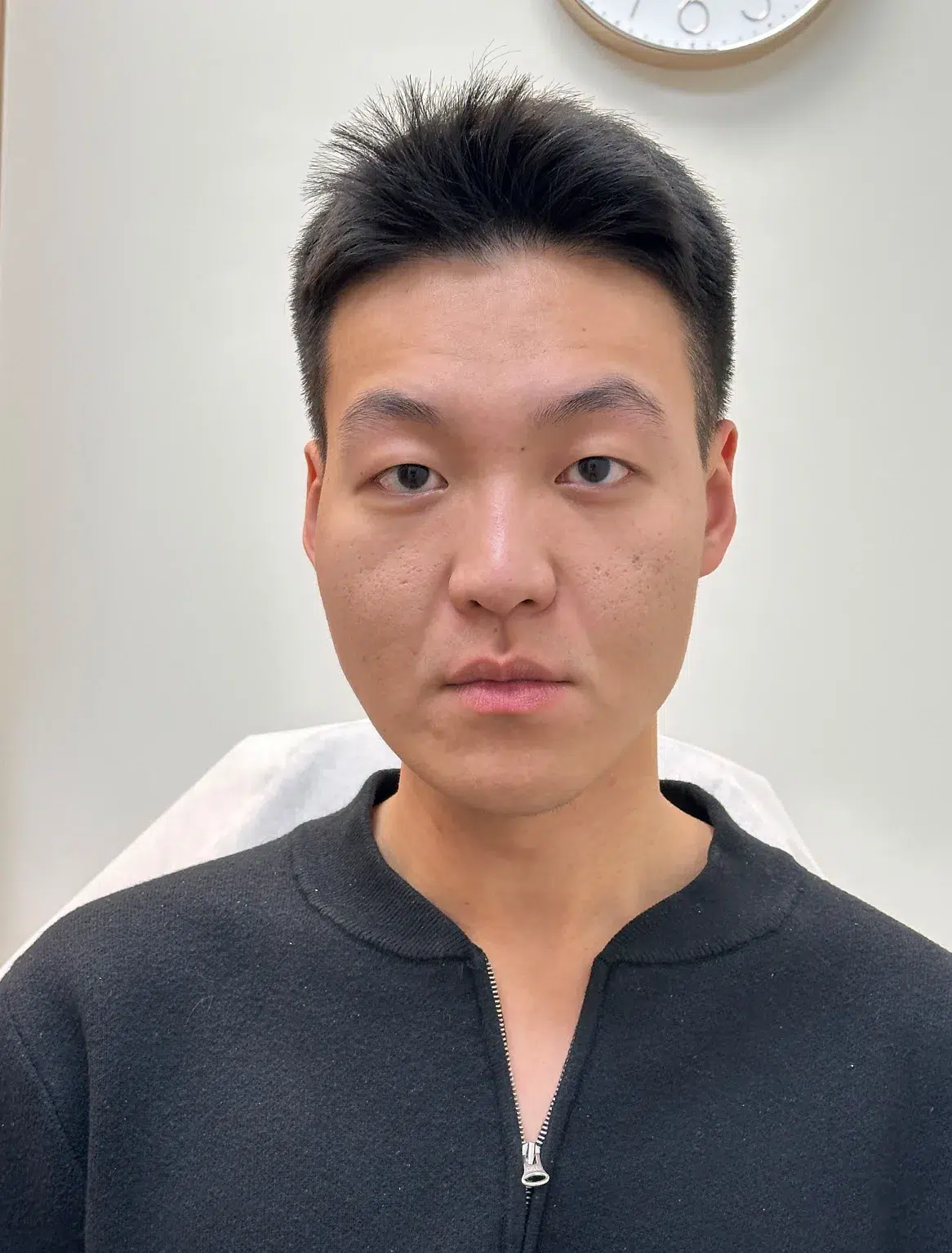
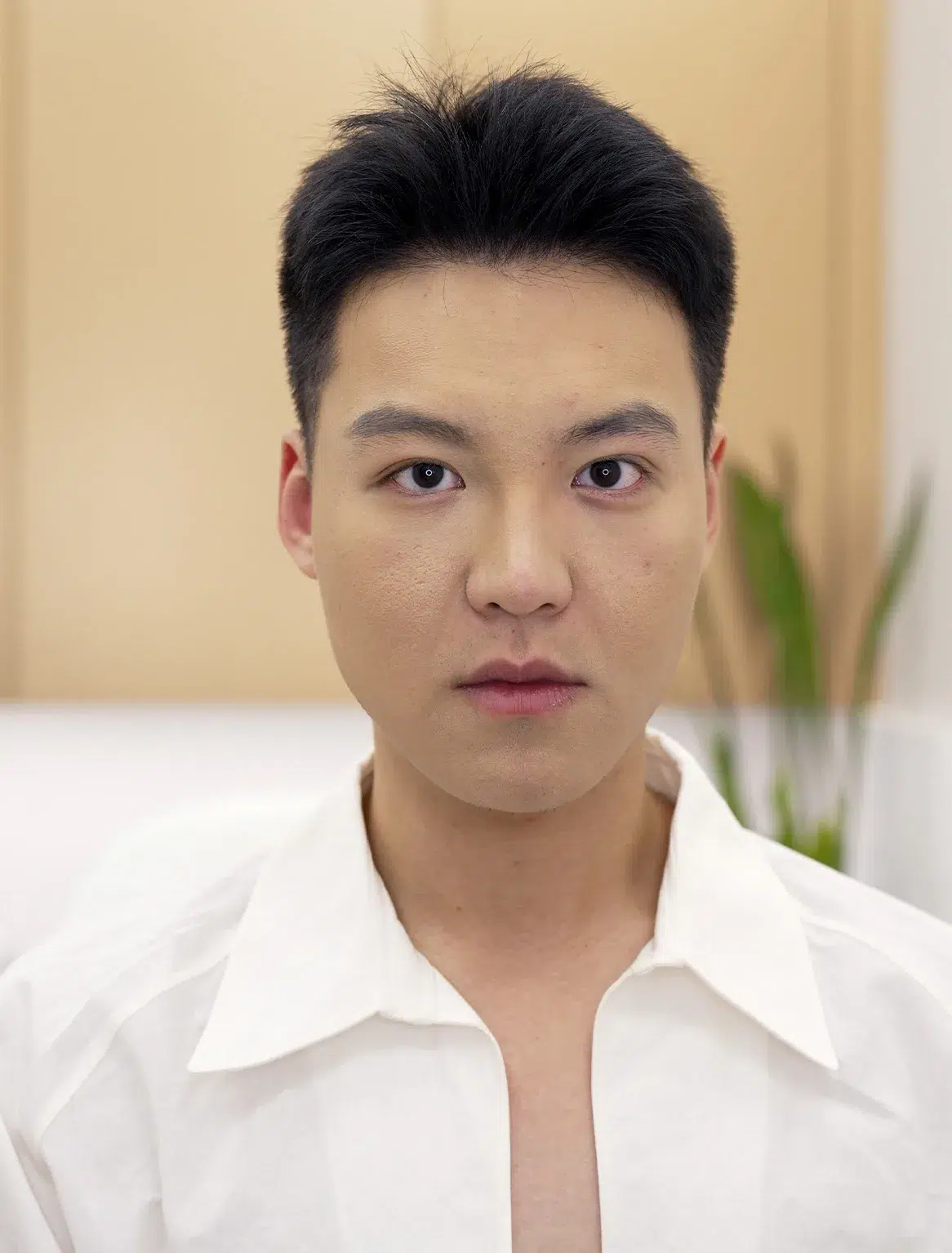
Case 2 · Authentic Scar Documentation
- Client profile
- Asian female · Fitzpatrick IV · Present for approximately 3–5 years
- Key concerns
- Scars (comprehensive improvement through multimodal combination protocols)
- Treatment plan
- Fotona® redness-reduction laser + laser vascular clearance + Vbeam Perfecta IPL + Vbeam® diffuse redness treatment, and 12 additional modalities (single session)
- Treatment improvement
- Significant scar improvement · naturally balanced overall result
- Post-treatment darkening
- No PIH
- maintenance
- Sofwave/Ultherapy 18-24 Monthly maintenance + at-home skincare
Case 02: Scar Treatment Before & After · Asian Female · Fitzpatrick IV · Duration ~3–5 Years · Multimodal Combination Protocol Led by our physician at Luowei Medical Aesthetics Clinic, Nanjing
What Is Scar Revision? Why Do Different Scars Require Completely Different Approaches?
Scar revision It is not a matter of “one device fixes everything” — it is built on scar type, age, anatomical location, skin type, and patient goals a multimodal medical protocol. Incorrect treatment can worsen scarring — making it thicker, redder, and itchier — and may even trigger keloid formation.
5 Key Facts About Scar Revision
Scar Cannot be completely eliminated— Can only improve, not eliminate
Any physician who promises “100% removal” is not being honest with you.The true goal is comprehensive improvement in texture, color, contour, and function, Most cases achieve 50–80% improvement. Realistic expectations are key to satisfaction.
Scar type determines the treatment plan — it is never a one-size-fits-all laser approach
Treatment of Atrophic (Depressed) and Hypertrophic (Raised) Scars completely opposite. Atrophic scars require stimulation of collagen regeneration; hypertrophic scars require suppression of excessive tissue overgrowth.Choosing the wrong protocol can make scarring worse..
Timing determines outcomes — early vs. late intervention
New scars (< 12 months) are in the remodeling phase — this is the optimal window for intervention.Older scars (> 2 years) respond more slowly, More sessions and a longer treatment timeline are required.Acne scar specifics— Scar treatment is not performed while active acne remains uncontrolled.
Asian skin PIH higher risk— Energy settings must not be too aggressive
Fitzpatrick IV–V Post-treatment PIH (post-inflammatory hyperpigmentation) This is the #1 side effect. Excessive energy, inappropriate protocols, and inadequate sun protection can all trigger it. A dedicated Asian skin protocol is essential.
Combination therapy is what works — a single modality is rarely sufficient
When multiple acne scar subtypes coexist, a combination approach is required: Morpheus8® (rolling / boxcar scars) + TCA CROSS (ice-pick scars) + PRP (overall repair) + epidermal resurfacing.No single technique provides complete coverage, This is the fundamental reason why medspa treatments yield limited results.
Main Types of Scars
- Atrophic scars (atrophic) — Depressed · acne / chickenpox / trauma
- Hypertrophic scars (hypertrophic) — Raised · confined within the original wound boundary
- Keloid (keloid) — Raised extending beyond the original wound boundary Continued growth
- Contracture scars (contracture) — Burn / trauma · skin contracture
- Pigmented scars (PIH / erythema) — flat surface but abnormal discoloration
3 Common Subtypes of Acne Scars
Ice pick (most difficult to treat)
Narrow, deep (> 2 mm) pinhole-like depressions. Morpheus8 has limited effect · TCA CROSS chemical ablation is required.
Rolling (most common)
Broad, shallow, wave-like depressions caused by fibrous tethering. Morpheus8 + Subcision release delivers strong results.
Boxcar
Well-defined, square-edged depressions. Treated with a combination of Morpheus8 and targeted TCA Cross.
4 step preliminary self-assessment
- Your scar is Depressed or raised?
- scar How long has it been (New vs. old)?
- Whether / Is there Still reddening, itching, or growing?
- Whether there is / Do you have Family history of keloids?
⚠️ Scars that are still evolving require different treatment timing. Accurate subtype classification requires Clinical palpation + dermoscopy when indicated. Consultation with our physician completed.
5 Main Causes of Scar Formation
Understanding the mechanisms of scar formation is the foundation of both prevention and treatment — high-risk factors require specialized protective protocols.
Acne inflammation (most common cause)
In nodular and cystic acne, inflammation penetrates deep into the dermis,Disrupts collagen bands and subcutaneous fibrous septae, leading to permanent depressions. Mild acne tends to leave PIH (pigmented marks), while severe acne causes deeper atrophic scars.
Surgical incisions / traumatic lacerations
Caesarean section, appendectomy, traumatic wound closure, and similar procedures.High incision tension, location (chest / shoulder / joints), suture quality, infection all affect scar quality.
Scalding / burn injury
Burn depth (second-degree or deeper) determines scar severity. Thermal, chemical, and electrical burns commonly result in extensive hypertrophy + contracture, Requires multi-modality, phased treatment.
Genetic predisposition + keloid-prone constitution
A strong family history of keloids is a known risk factor, with higher incidence in Asian and African-heritage individuals. Any skin injury can trigger keloid formation,Earlobes, chest, shoulders, and jawline These are high-risk anatomical zones.
Improper wound care (picking / incorrect products / early UV exposure)
Picking or squeezing acne worsens PIH and deepens depressions; using irritating products during the wound-healing phase impairs recovery; exposing new scars to UV radiation causes Permanent pigmentation.
Atrophic vs. hypertrophic vs. keloid vs. PIH
Treatment strategies for these four scar types completely opposite— Accurate subtype classification is the foundation of successful treatment.
Atrophic scars
| Appearance | Depressed · below the skin surface |
| Commonly seen in | Acne / chickenpox / trauma |
| Mechanism | Collagen degradation · dermal atrophy |
| Treatment core | stimulating collagen regeneration |
| Treatment plan | Morpheus8 · CROSS · Subcision · PRP |
Hypertrophic scars
| Appearance | Raised · red · confined |
| Commonly seen in | Burns / surgical incisions / traumatic wounds |
| Mechanism | excessive collagen deposition |
| Treatment core | suppressing hypertrophy + softening |
| Treatment plan | Corticosteroid + 5-FU · PDL · Silicone |
Keloid
| Appearance | Raised extending beyond the original wound boundary |
| Commonly seen in | Genetic predisposition · chest / earlobes |
| Mechanism | Abnormal inflammation + continued growth |
| Treatment core | Sustained suppression · avoiding surgery |
| Treatment plan | Multiple rounds of corticosteroid + 5-FU · laser with caution |
PIH Pigmented scars
| Appearance | Flat · brown / red / tan discoloration |
| Commonly seen in | Post-acne · Common in Asian skin |
| Mechanism | Pigmentation · not true scar tissue |
| Treatment core | Fade pigmentation |
| Treatment plan | PicoSure Pro · Cyspera · Sun protection |
Why does scar treatment on Asian skin require extra care?
Scar treatment on Asian skin (Fitzpatrick III–V) carries a higher risk of post-inflammatory hyperpigmentation (PIH), a greater tendency toward keloid formation, and increased sensitivity to laser energy. This is a core area of expertise at Luowei Medical Aesthetics Clinic.
1. PIH Is the #1 side effect
Post-procedure care for Asian skin PIH (post-inflammatory hyperpigmentation (PIH)) occurs in approximately 30–60% of cases, Significantly higher than in Caucasian patients at 5–10%. Incorrect laser energy, inappropriate resurfacing depth, and inadequate sun protection can all trigger it. Our physician’s core safety principles:“Less is More”— Low energy, extended treatment intervals, intensive pre-procedure conditioning, and thorough post-procedure repair.
2. High-risk zones for keloid formation
Asian patients Earlobes, chest, shoulders, and jawline These are high-risk zones for keloid formation. Any skin treatment in these areas requires careful judgment. For patients with a family history, our physician Non-essential aesthetic procedures are not recommended in high-risk anatomical zones..
3. Acne scar characteristics: mixed subtypes + overlapping PIH
Asian clients with acne scars commonly Multiple scar subtypes present simultaneously (Icepick + rolling + boxcar + PIH — no single technique can address all of these. Our physician’s protocol typically combines:Morpheus8 Fractional resurfacing for rolling/boxcar scars + TCA Cross for icepick scars + PicoSure Pro for PIH + PRP for overall tissue repair.
Fitzpatrick × Scar Treatment Strategy
| Fitzpatrick | PIH Risk | Keloid risk | Energy strategy |
|---|---|---|---|
| II–III | Low | Low | Standard energy settings |
| III lighter Asian skin tone | Medium | Medium | Moderate energy + skin conditioning |
| IV Typical Asian | High | Moderate–high | Low energy + extended treatment intervals |
| V Deeper Asian skin tones | Very high | High | Ultra-low energy + test spot |
Combined Treatment Protocol for Scar Revision
There is no “best single treatment” — only the combination protocol best suited to your specific scar type.
Morpheus8 Radiofrequency microneedling First-line treatment for atrophic scars
Fractional radiofrequency microneedling penetrates up to 4 mm below the skin surface,Simultaneously stimulates dermal collagen regeneration and fibrous septae remodeling. Delivers significant results for rolling and boxcar acne scars as well as mild atrophic traumatic scars. Offers a safer profile on Asian skin compared to traditional fractional CO₂ laser.
- 3–4 sessions, spaced 4–6 weeks apart
- 3–5 days of mild redness
- Collagen regeneration continues for 6–12 months
TCA CROSS Chemical ablation (TCA CROSS) Specifically for ice pick scars
High-concentration TCA precisely applied to the base of ice pick scars,Induces localized collagen remodeling to elevate depressed areas. This is an ice pick scar The only effective non-surgical approach.
- 2–4 sessions, spaced 6–8 weeks apart
- 7–10 Days of crusting
- Strict sun protection is required.
Subcision Adjunct treatment for rolling scars
mechanical subcutaneous release using a specialized blunt cannula fibrous bands tethering rolling scars, to elevate depressed scar tissue. Commonly combined with Morpheus8.
Combined corticosteroid + 5-FU injection First-line choice for hypertrophic scars and keloids
Triamcinolone (Kenalog) + 5-Fluorouracil (5-FU)Suppress excessive fibroblast proliferation, softening hypertrophic scars and keloids. More effective than corticosteroid alone Reduces the risk of hypopigmentation.
- Every 4 weeks × 3–6 sessions
- Same-day recovery after injection
Pulse Dye Laser (PDL) Red scars
595nm Pulsed dye laser selectively targets oxyhemoglobin,Reducing redness in hypertrophic scars + suppressing neovascularization, accelerating remodeling. Monthly protocol of 3–5 sessions.
PRP Microneedling / injectables Overall repair
Autologous platelet-rich plasma (PRP)Stimulates tissue regeneration + reduces PIH + accelerates healing. Commonly used as an overall regenerative complement across all scar treatment protocols.
PicoSure Pro 755nm (PIH Treatment)Pigmented scars
for PIH surrounding or associated with PIH Pigmented scars, PicoSure Pro A safe option for Asian skin. Fitzpatrick IV–V skin types require low-energy protocols.
Silicone sheets / silicone gel Prevention + maintenance
Medical-grade silicone Sustained occlusion + improved hydration environment, This is the gold standard for scar prevention and maintenance. A minimum of 6 months is recommended for new scars, and at least 12 months for hypertrophic scars.
Sample combination protocol
| Scar type | Recommended protocol |
|---|---|
| Acne scars · rolling + boxcar types predominate | Morpheus8 × 4 + Subcision + PRP × 3 |
| Acne scars · predominantly icepick type | TCA CROSS × 3 + Morpheus8 × 2 + PRP |
| Hypertrophic scars | Corticosteroid + 5-FU × 4 + PDL × 3 + silicone |
| C-section scar adhesion | Microneedling PRP × 3 + local injections + silicone |
| Keloid | Ongoing corticosteroid + 5-FU therapy + cautious use of laser |
| large-area burn scars | Staged approach: injections + Fraxel + long-term silicone |
How Does our physician Design a Scar Revision Protocol? (6-Step Process)
The greatest risk in scar treatment is applying the same device to every scar type without differentiation — and this is the fundamental difference between our physician’s approach and that of a typical medspa.
Detailed subtype classification assessment
- Scar type (atrophic / hypertrophic / keloid / PIH)
- Acne scar subtypes (Ice-pick / rolling / boxcar)
- Goodman-Baron Grading (I–IV grade)
- Vancouver Scar Scale (color / thickness / pliability / height)
- Scar age (< 6 months / 6–12 months / > 12 months)
Risk assessment
Performed by our physician:
- Fitzpatrick classification (PIH risk)
- Family history of keloids
- Previous responses to scar treatments
- whether acne is still in an active phase
- Anatomical risk zones (earlobes / chest / joints)
Timing assessment
This is a frequently overlooked yet critically important step:
- Acne scars: Acne must be controlled for at least 6 months before treatment begins
- Newly formed hypertrophic scar: Begin silicone therapy 2–8 weeks post-procedure / post-injury
- Old / established scars: Can begin at any time
- Red-phase scar: PDL Initial phase · wait for stabilization before addressing atrophy
Designing a 6-month / 12-month protocol
Not a “one-time solution” — it is Complete phase:
[Week 1]1st primary treatment session (type-specific)
[Week 5]2nd treatment session + mid-course assessment
[Week 9]3rd treatment session + adjunct therapies added as needed
[Week 13]4th treatment session + photographic comparison
[Month 6]Full-cycle assessment + second cycle if indicated
[maintenance]Assessment every 6 months + ongoing silicone therapy + sun protection
Incremental adjustments at each follow-up
- Photo comparison (standardized lighting + consistent angle)
- Assess response from previous session (PIH signaling? Overreaction?)
- Fine-tune energy / concentration (Response too strong → reduce)
- Adjust adjunct treatment plan (PRP added when indicated)
- reinforced sun protection review
Prevention + maintenance
End of scar treatment ≠ end of the journey:
- Long-term silicone use (hypertrophic scars 12 months or older)
- Strict SPF 50+ (Scars older than 12 months)
- Ongoing acne control (To prevent new scarring)
- Retinol skincare (atrophic scar maintenance)
- Assessment every 6 months
How Soon Will Scar Treatment Show Results? How Many Sessions Are Needed? How Much Can It Improve?
Scar treatment is a 6–12 month commitment. The three tables below address the most frequently asked questions.
How soon can results be seen?
| Phase | timeline | Changes |
|---|---|---|
| After the 1st Morpheus8® session | 4–6 weeks | Initial collagen activation · improved texture on touch |
| After sessions 2–3 | 3 months | Visible texture improvement · shallower depressions |
| Full course of 4 sessions + 6 months | 6 months | Collagen regeneration peaks · significant overall improvement |
| Full protocol + 12-month maintenance | 12 months | Stabilized final outcome |
How many sessions are needed?
| Scar type | Recommended sessions | Total treatment cycle |
|---|---|---|
| Acne scars · Mild | Morpheus8 × 3 + PRP × 2 | 3 months |
| Acne Scars · Moderate to Severe | Morpheus8 × 4 + CROSS × 3 + PRP × 4 | 6–9 months |
| Hypertrophic scars | injections × 4–6 + PDL × 3 | 6 months |
| Keloid | Injections continued over 6–12 months | Long-term maintenance |
How much improvement is possible?
| Scar type | Typical degree of improvement |
|---|---|
| Rolling acne scars | 60–80% |
| Boxcar acne scars | 50–70% |
| Ice pick acne scars | 40–60% (most challenging) |
| Hypertrophic scars | 70–90% Improvement in raised texture |
| Keloid | 50–70% · However, long-term management is required. |
| PIH Pigmented scars | 70–90% |
Am I a Candidate for Scar Revision?
If you answered “yes” to most of these questions, you may be a suitable candidate. A consultation is recommended to confirm.
5 question quick self-assessment
- Your scar Noticeably affecting appearance or psychological well-being?
- The scar has already Stable (No longer becoming red, itchy, or growing)?
- If acne scars are present, acne has Controlled for ≥ 6 months?
- You understand Scars can be significantly improved but not completely eliminated?
- You are willing to commit 6–12 Monthly protocol + long-term sun protection?
You may be a candidate for scar revision if you:
- Scar is stable (no active inflammation)
- Active acne controlled for ≥ 6 months (for acne scar treatment)
- Willing to commit to a 6–12 month treatment protocol
- Realistic expectations (50–80% improvement)
- Committed to strict sun protection + long-term silicone therapy
- No recent Accutane use (within 6 months)
- No active herpes outbreak or infection
- Not pregnant or breastfeeding (for certain techniques)
You may not be a suitable candidate, or a careful assessment is required, if you:
- Scar is still evolving (< 6 months old)
- Acne is still active
- Accutane use within the past 6 months
- Family history of keloids (specialized protocol required)
- Active facial or regional infection
- Intentional tanning or sunburn within the past 2 weeks
- Pregnancy / breastfeeding (for certain techniques)
- Expecting “100% elimination”
- inability to commit to a long-term protocol
Why Can’t a MedSpa Treat Scars Effectively? Real Cases
Client E — 27-year-old Asian female · Fitzpatrick IV · Acne scars (mixed ice-pick + rolling) + PIH
Going to a MedSpa One-size-fits-all approach
- No subtype analysis, no Goodman-Baron grading
- “Fraxel 6 session package” high-energy protocol
- No PIH risk assessment performed
- No 4-week pre-procedure conditioning
- No CROSS technique for ice pick scars
- After session 3: mild improvement in rolling scars, significant worsening of PIH across a large area
- Untreated ice pick scars remain visibly prominent.
- 1 Came to Luowei for PIH revision years later
Visit Luowei Medical Aesthetics Clinic Subtype classification · combination protocol
- Subtype breakdown: ice pick 30% + rolling 50% + boxcar 20% + PIH
- Fitzpatrick IV → Opt for low-energy Morpheus8 over Fraxel
- 4 Weeks of Cyspera conditioning to prevent PIH
- Morpheus8 × 4 + TCA CROSS × 3 (ice pick) + PicoSure Pro (PIH) + PRP × 3
- Monthly reassessment + sun protection review
- Ongoing silicone + retinol maintenance
- 9 Months later: overall scar improvement 70% · PIH improvement 80% · no new pigmentation
Why Trust Luowei Medical Aesthetics Clinic for Scar Revision?
Scar revision is a YMYL medical topic — E-E-A-T standards apply with particular rigor.
Real-world scar revision experience
- Extensive before & after cases: Asian acne scars, surgical scars, and burn scars
- Revision of failed treatments and PIH worsening from other clinics
- Standardized grading + ongoing tracking records for every patient
- Goodman-Baron + Vancouver Scar Scale Standardized
- Morpheus8 / CROSS / Full toolkit: injectables / PDL and more
- Fitzpatrick III–V Safety protocol
Industry-recognized credentials
- McMaster University Clinical Preceptor
Transparent and verifiable
- Written informed consent form signed before each treatment session
- Achievable degree of improvement clearly communicated at consultation
- All Before & After photos are unretouched
Scar revision is not about “running a machine” — it’s about designing a multimodal treatment protocol.
The same scar treated with the wrong protocol can worsen PIH. Genuine improvement requires the right combination of devices and skin-type-calibrated energy settings. As a specialist in Asian skin, our physician brings clinical expertise in defining the safe boundaries of scar treatment.
About the Cost of Scar Revision
Scar revision is one of the widest-ranging and hardest-to-standardize areas in medical aesthetics. The most common question we hear is: “Why can quotes vary so much?” The answer lies in Who analyzes your scar subtypes, determines which devices to combine, assesses your PIH risk, and designs your 6–12 month treatment protocol. Two treatments may share the same name — “acne scar treatment” — yet the protocol complexity of Morpheus8 alone versus Morpheus8 + CROSS + PRP + PicoSure Pro is worlds apart. This isn’t about upselling; it’s because ice pick, rolling, boxcar, and PIH subtypes each require a different tool. Leave one out, and that subtype goes unaddressed.
Straightforward stable pigmented scars and mild rolling scars undergoing initial treatment may be managed by a trained aesthetic technician using standard protocols under our physician’s supervision; however,Mixed scar subtypes, Fitzpatrick IV–V high-risk skin, revision of failed treatments from other clinics, family history of keloids, extensive burn scars— these cases require deep physician involvement throughout every stage, from assessment and treatment design to each follow-up review. Injectable treatments (corticosteroid + 5-FU / PRP) are typically performed by the physician directly. We No one-size-fits-all price list, Because the same scar type requires a completely different protocol depending on skin type — Our physician will create a personalized plan after a Free 30-Minute Consultation.
- Payment is made at the clinic, after the consultation and before treatment begins
- Nothing is paid in advance, and no deposit is required to hold an appointment
- Cosmetic treatment is a self-pay item and is not covered by public medical insurance in China
- All first-time patients receive a complimentary 30-minute Free Consultation and assessment
Common Risks · PIH Prevention · Keloid Precautions
Transparency in scar treatment is itself a mark of expertise and trustworthiness. We openly disclose all possible reactions and risks.
Common reactions (short-term, post-procedure)
- Morpheus8 (after)redness, swelling + grid-pattern marks (3–7 Days to resolve)
- TCA CROSS (after)Crusting / scabbing (7–10 Days for natural shedding)
- PDL (after)Purpuric reaction (5–14 days)
- Localized redness or a temporary sunken sensation following corticosteroid injection (resolves within a few days)
- Dryness + tightness after microneedling (3–5 days)
Serious risks (rare, but important to disclose)
- PIH (post-inflammatory hyperpigmentation)— Fitzpatrick IV–V #1 Risk
- New scar formation (incorrect energy / improper healing)
- Localized hypopigmentation from corticosteroid injection (associated with excessive dosage)
- Keloid induction or worsening (risk in patients with a family history)
- Infection (rare · prevented by strict aseptic technique)
- Expected results not achieved
Relative contraindications (require careful evaluation)
- Intentional tanning or sunburn within the past 2 weeks
- Currently using photosensitizing medications
- Active herpes simplex (cold sores)
- Anticoagulant medications (caution with PRP and injections)
- Active acne phase
- Family history of keloids (specialized protocol required)
Absolute contraindications (treatment not performed)
- Pregnancy or breastfeeding (applicable to select treatments)
- Active localized infection or open wound
- Accutane use within the past 6 months
- Uncontrolled active acne (treat acne first)
- New scar still evolving (observation period first)
- Expecting “100% elimination”
Safety protocols enforced by our physician
- Every client receives a full scar subtype classification + Fitzpatrick assessment + risk evaluation at consultation
- Fitzpatrick IV–V Mandatory low energy settings + test spot
- All treatments are deferred during active acne
- Dedicated protocol for patients with a family history of keloids
- Written informed consent form signed before each treatment session
- All treatments are performed by our physician personally or by licensed aesthetic technicians under direct medical supervision
- Standardized photography after every session · Objective assessment of improvement
Where the medical claims on this page come from
Everything above about Scars rests on published evidence rather than on our own word. The sources below are the ones behind those statements: peer-reviewed papers indexed in PubMed, and guidance written for patients by dermatology academies and national health services. Read them before you decide — and bring any of them to your consultation.
- Peer-reviewedGuidelines of care for the management of acne vulgaris
- Peer-reviewedPostinflammatory hyperpigmentation: A comprehensive overview: Epidemiology, pathogenesis, clinical presentation, and noninvasive assessment technique
- Peer-reviewedMelasma Treatment: An Evidence-Based Review
- Peer-reviewedChemical peels for darker skin types
- Patient guidanceAcne: Tips for managing
- Patient guidanceMelasma: Treatment
What these references can and cannot tell you. They describe what is known about the treatment itself — how well it tends to work, how long results last, and what can go wrong. They are not an assessment of this clinic, and no published study can tell you whether it suits your skin type, anatomy, or medical history. That judgement comes from the physician who examines you in person, and it may well be “not this one”.