Hollow Cheeks & Midface Volume Loss
What are hollow cheeks and midface volume loss? All four structural layers are changing
Our physician’s Real Patient Cases — Cheek Volume Loss & Midface Hollowing Restoration
The following before-and-after images are from actual patients treated by our physician at Luowei Medical Aesthetics Clinic (Nanjing). All patients have signed a written Media Release Form authorizing public use. Midface Volume Loss requires Multi-layer assessment: bone structure + retaining ligaments + fat compartments + skin, Single-layer volume replacement commonly leads to “Mask-like appearance”. All photographs are unretouched clinical documentation.
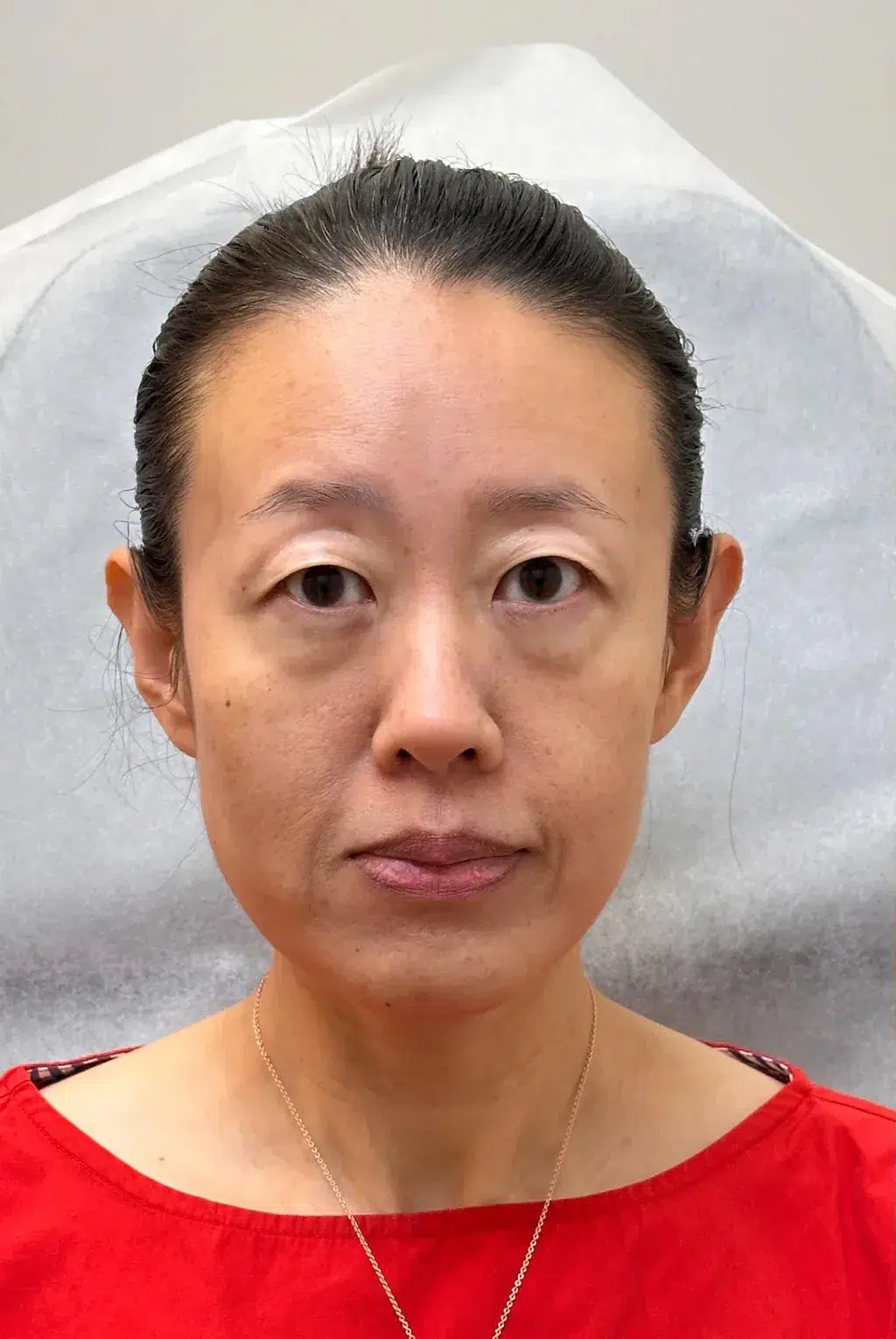
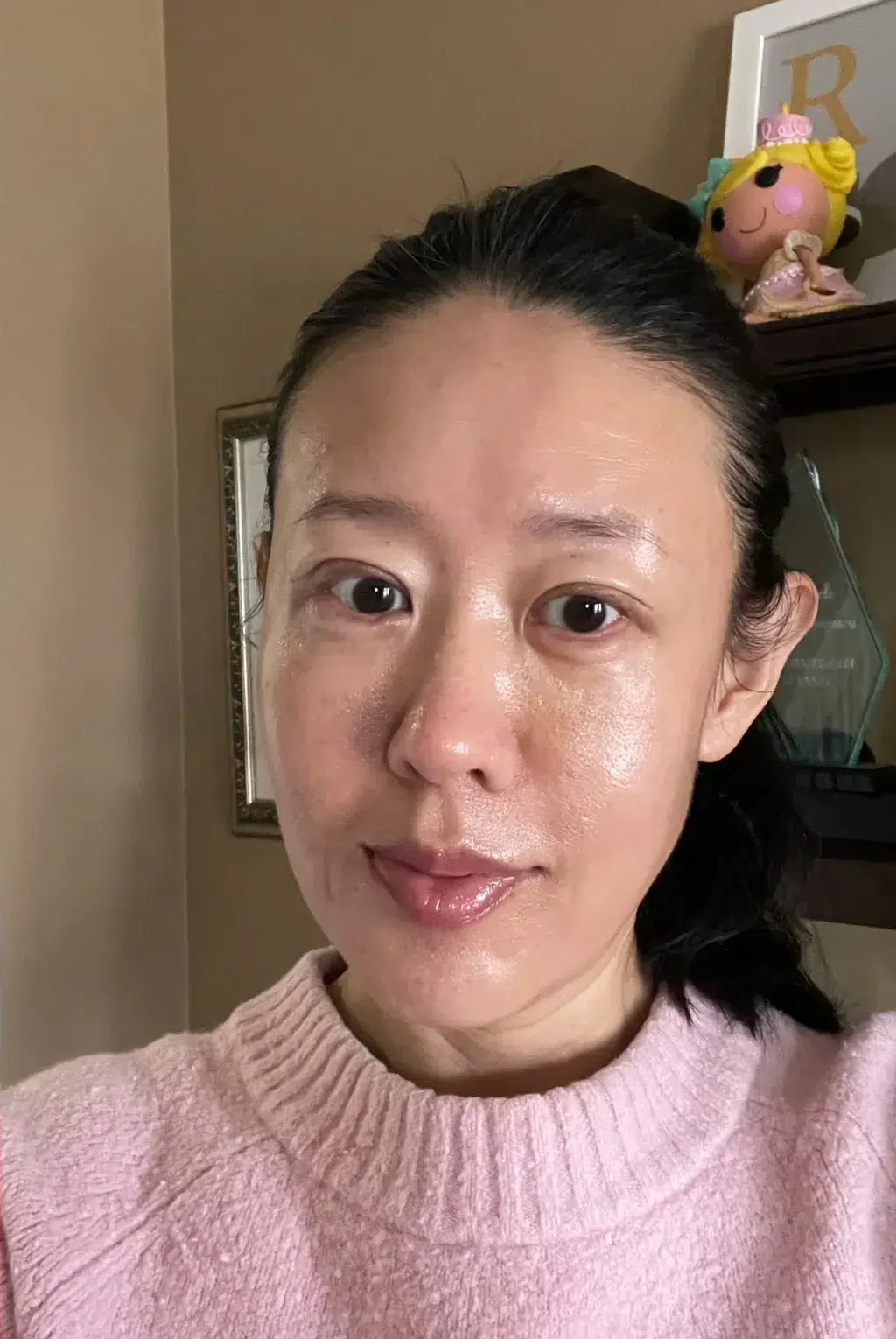
Case 2 · Midface Volume Loss & Flat Apple Cheeks — Clinical Documentation
- Patient profile
- Asian Female · Fitzpatrick IV
- Key concerns
- Hollow Cheeks & Midface Volume Loss (Comprehensive Improvement with a Multimodal Combination Protocol)
- Treatment plan
- Thread double eyelid + Botox® + neuromodulator wrinkle treatment + hyaluronic acid fillers, and 14 other procedures (multiple sessions within 3 months)
- Treatment outcomes
- Midface volume loss and flat apple cheeks visibly improved · overall result appears natural
- Post-inflammatory hyperpigmentation (PIH)
- No PIH
- Maintenance
- Botox Micro-touch-up at 4 months + HA lip border refinement
Case 02: Hollow Cheeks & Midface Volume Loss — Before & After · Asian Female · Fitzpatrick IV · Multimodal Combination Protocol Led by our physician at Luowei Medical Aesthetics Clinic, Nanjing
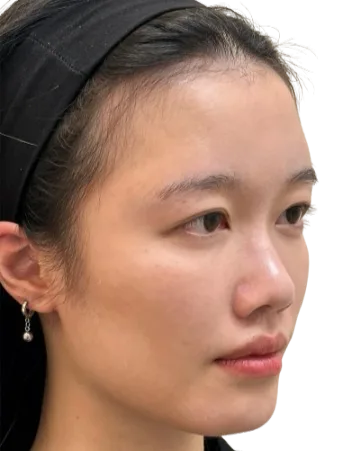

Case 5 · Hollow Cheeks & Midface Volume Loss — Real Patient Documentation
- Patient profile
- Asian Female · Fitzpatrick IV
- Key concerns
- Hollow Cheeks & Midface Volume Loss (Comprehensive Improvement with a Multimodal Combination Protocol)
- Treatment plan
- Sculptra® (multiple sessions within 3 months)
- Treatment outcomes
- Midface volume loss and flat apple cheeks visibly improved · overall result appears natural
- Post-inflammatory hyperpigmentation (PIH)
- No PIH
- Maintenance
- Sculptra 12-18 months of maintenance + Radiesse® supplementation
Case 05: Cheek Volume Loss & Midface Hollowing — Before & After · Asian Female · Fitzpatrick IV · Multimodal combination treatment led by our physician at Luowei Medical Aesthetics Clinic, Nanjing
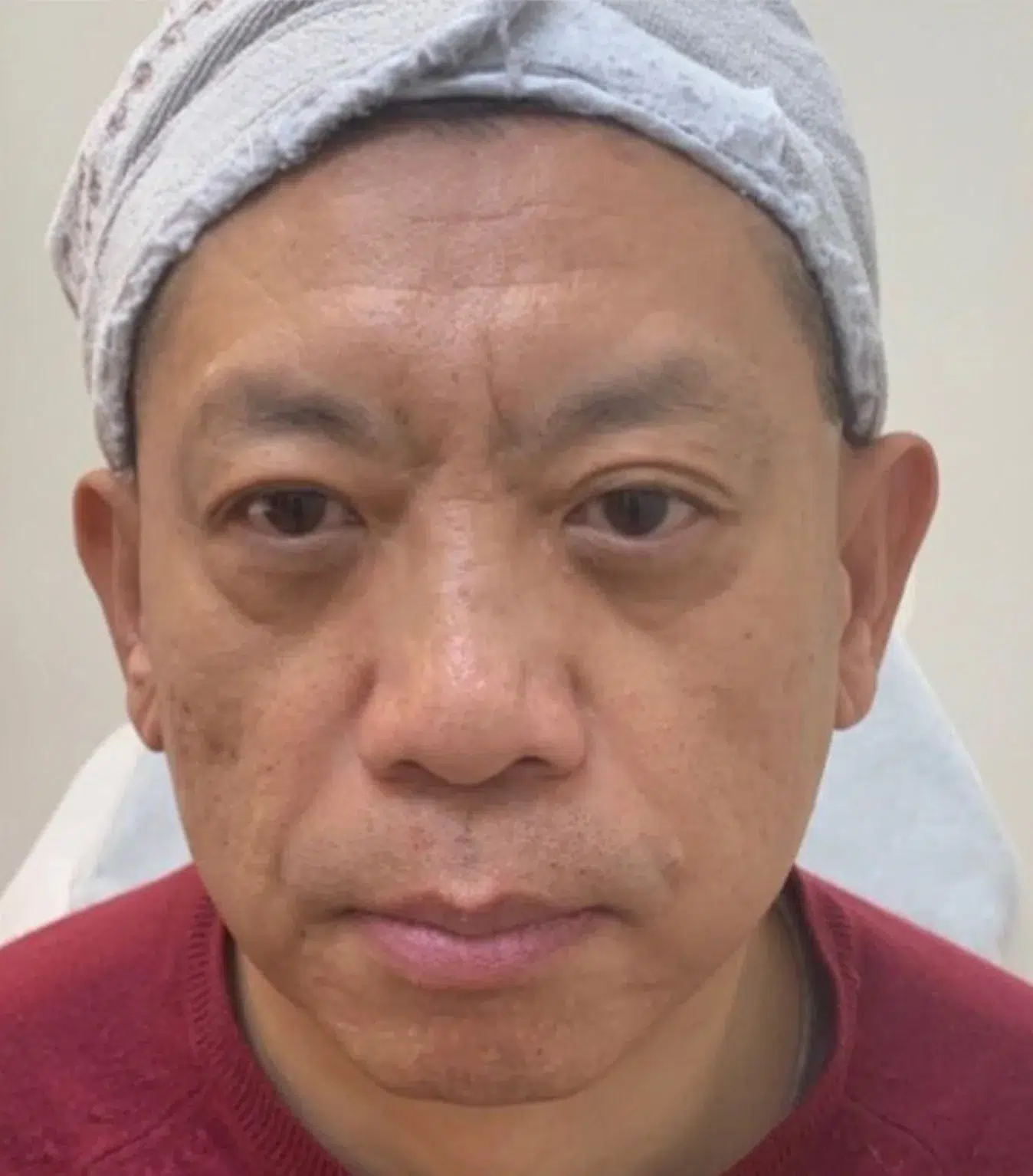
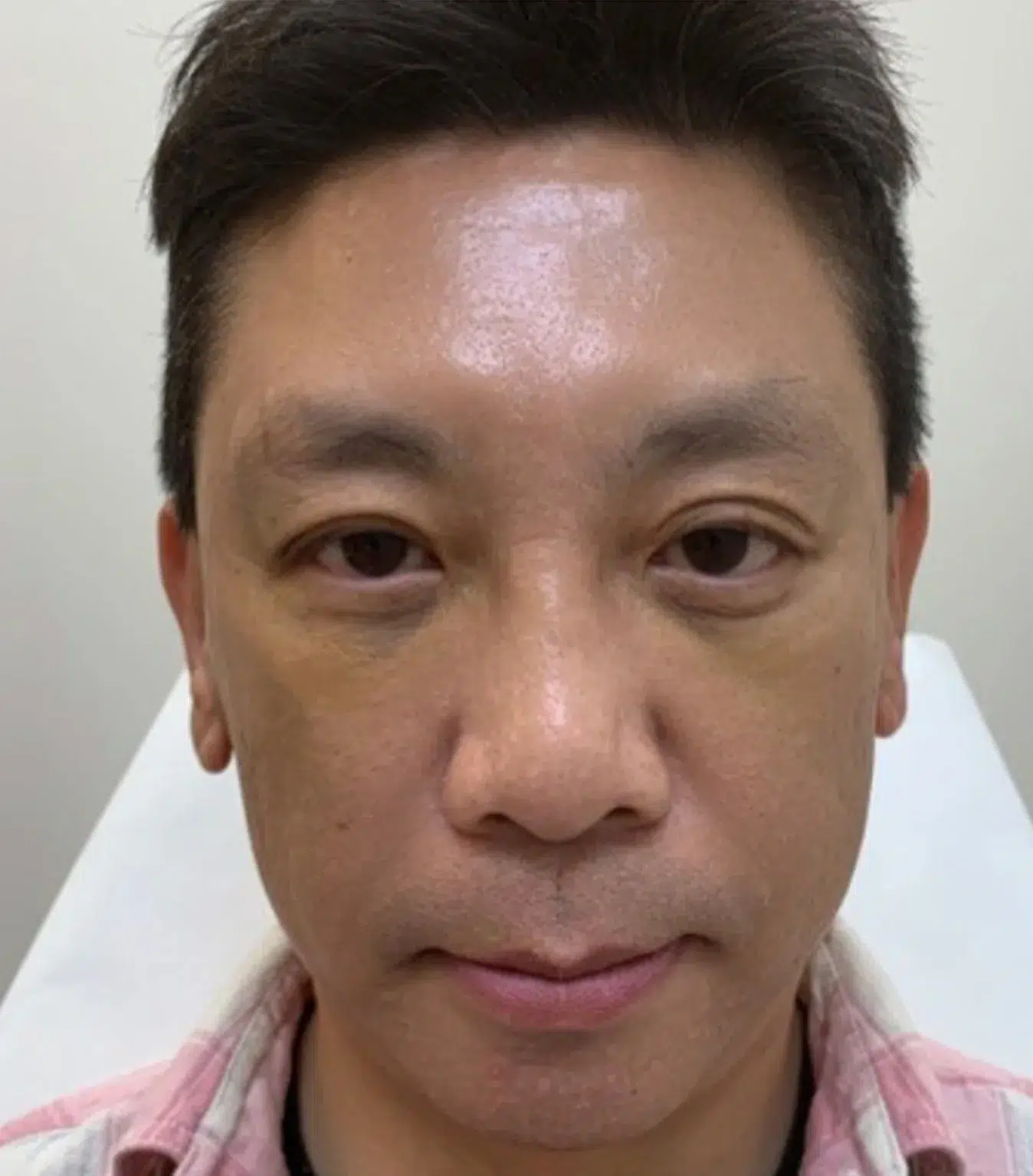
Case 6 · Hollow Cheeks & Midface Volume Loss — Real Patient Documentation
- Patient profile
- Asian Female · Fitzpatrick IV
- Key concerns
- Hollow Cheeks & Midface Volume Loss (Comprehensive Improvement with a Multimodal Combination Protocol)
- Treatment plan
- BTL Exilis Ultra™ + BTL Exilis Ultra 360 + Fotona® 4D lifting, and 15 additional treatments (multiple sessions within 3 months)
- Treatment outcomes
- Midface volume loss and flat apple cheeks visibly improved · overall result appears natural
- Post-inflammatory hyperpigmentation (PIH)
- No PIH
- Maintenance
- Daily sun protection + monthly home skincare + quarterly in-clinic review
Case 06: Midface Volume Loss & Flat Apple Cheeks — Before & After · Asian Female · Fitzpatrick IV · Multimodal combination approach led by our physician at Luowei Medical Aesthetics Clinic, Nanjing
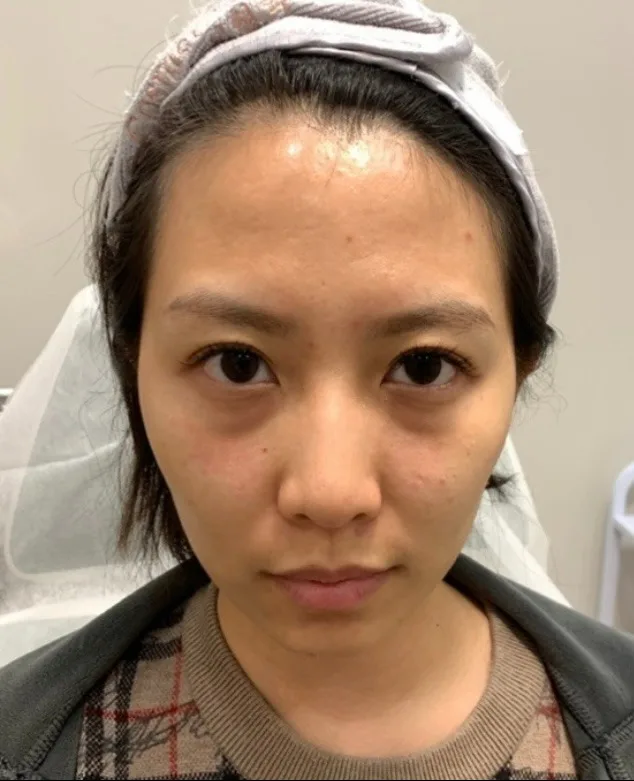
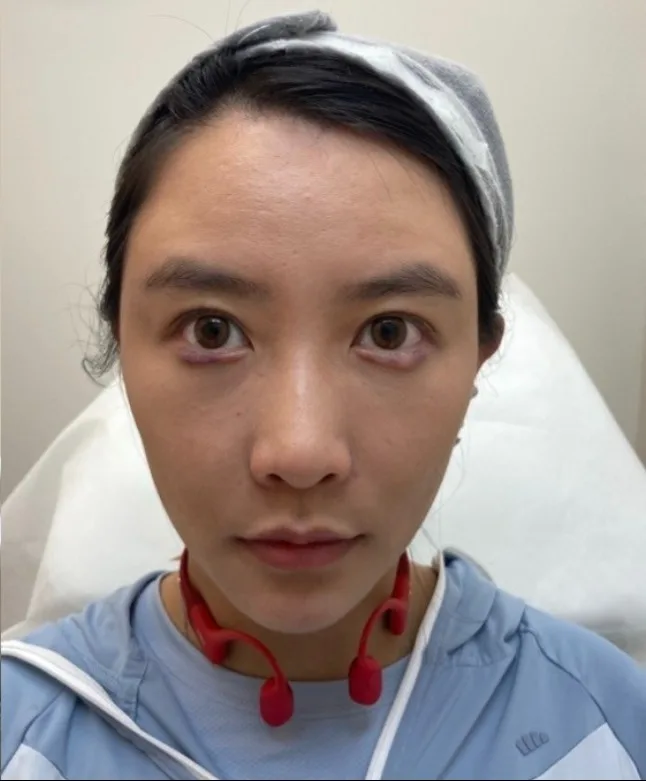
Case 17 · Hollow Cheeks & Midface Volume Loss — Real Patient Documentation
- Patient profile
- Asian Female · Fitzpatrick IV
- Key concerns
- Hollow Cheeks & Midface Volume Loss (Comprehensive Improvement with a Multimodal Combination Protocol)
- Treatment plan
- HA Chin Augmentation + Filler Chin Augmentation + Filler Lip Augmentation + Filler Temple Augmentation and 10 additional procedures (multiple sessions within 3 months)
- Treatment outcomes
- Midface volume loss and flat apple cheeks visibly improved · overall result appears natural
- Post-inflammatory hyperpigmentation (PIH)
- No PIH
- Maintenance
- Daily sun protection + monthly home skincare + quarterly in-clinic review
Case 17: Hollow Cheeks & Midface Volume Loss — Before & After · Asian Female · Fitzpatrick IV · Multimodal combination protocol led by our physician at Luowei Medical Aesthetics Clinic, Nanjing
What are hollow cheeks and midface volume loss? All four structural layers are changing
Midface volume loss (Midface Volume Loss) not simply “The face has become slimmer”, is Bone resorption + retaining ligament laxity + fat pad atrophy and descent + loss of skin elasticity A composite aging process occurring simultaneously across four tissue layers. Understanding all four layers is the foundation of evidence-based restoration.
5 Misconceptions About Midface Volume Loss
Not simply “slimmer” — Even the bones are changing
30 After a certain age, the facial skeleton — particularly the maxilla, zygomatic bone, and infraorbital rim — undergoes continuous remodeling resorption,Reduced skeletal support is one of the root causes of midface volume loss.
Fat loss is not uniform — superficial and deep compartments deplete at different rates.
Deep fat compartments (DMFC / SOOF)Atrophy + descent, Meanwhile, the superficial fat pads may remain unchanged or even increase in volume. This explains why some patients notice a fuller face overall, yet hollower cheeks.
Filling superficially at the cheek = an unnatural, mask-like appearance
Many medspas inject large volumes of filler directly at the surface of the midface, resulting in“stuck-on appearance” the ball-like look, stiff smile, and unnatural movement. The correct approach is to establish deep skeletal support first.
Higher midface projection does not always mean a more youthful appearance
The apple cheek should be positioned at Slightly inferomedial to the zygomatic apex. Injecting blindly above the cheekbone can create “alien-like appearance” appearance, which works against the principles of Asian facial aesthetics.
Filler alone is not the complete answer — it should be combined with skin tightening and collagen stimulation.
Addressing volume alone without treating skin laxity The result is a face that looks more deflated with each additional treatment.. The ideal protocol combines Sofwave / RF tightening + Sculptra collagen stimulation + precise HA support for a A three-in-one approach.
The 4-Layer Midface Structure (Deep to Superficial)
- Skeletal layer: Maxilla + zygomatic bone + infraorbital rim (progressive resorption after age 30)
- Deep fat compartment: DMFC (deep cheek fat) + SOOF (suborbicularis oculi fat)
- retaining ligaments: Zygomatic cutaneous ligaments, orbiculozygomatic ligaments (fat descends upon laxity)
- Superficial fat + skin: Loses elasticity and descends with age
3 common patterns of volume loss
Zygomatic arch bone loss
Absent cheekbone projection · Flat midface · Most common in slender patients. Requires deep supraperiosteal support (high-lift products such as Voluma).
Apple cheek descent (ligament laxity)
The apple cheek descends from the cheekbone toward the nasolabial folds, deepening both nasolabial folds and marionette lines. What is needed is ligament-point support and repositioning — not simply adding volume directly to the apple cheek area.
Global fat pad atrophy
Overall reduction of the buccal fat pad · facial “collapse” appearance. Sculptra collagen stimulation combined with multi-zone HA is recommended.
The 5 Main Causes of Midface Volume Loss
The underlying cause determines the treatment approach — skeletal deficits cannot be corrected by adding soft tissue volume, and ligament laxity cannot be resolved by skin tightening alone.
Skeletal Remodeling Resorption (Bone Remodeling)
30 After a certain age, the maxilla, zygomatic bone, and infraorbital rim undergo gradual resorption each year — by age 50, this cumulative loss becomes clinically significant — Facial “Bone structure” has actually reduced in size.
Deep fat pad atrophy (DMFC / SOOF)
The deep medial cheek fat compartment and the suborbicularis oculi fat (SOOF) begin to atrophy after age 30, and are Midface / cheek volume “deflated” the anatomical reason.
Retaining ligament laxity and fat descent
Once the zygomatic cutaneous ligaments and orbiculozygomatic ligaments relax, the superficial fat compartments descend as a whole, resulting in nasolabial folds, marionette lines, and loss of jawline definition a triple impact.
Rapid weight loss / prolonged caloric restriction
“Looking 10 years older after weight loss” — Weight loss directly reduces the volume of facial fat compartments,Volume loss in lean patients is often more pronounced than in peers of the same age.
Genetics + UV exposure + lifestyle
A naturally smaller skeletal frame, cumulative UV exposure accelerating collagen loss, smoking, chronic dehydration, and insufficient sleep all contribute to accelerated volume loss.
“Hollow cheeks” It is a symptom, not a diagnosis — layer-by-layer differentiation is essential
equally “Visibly hollow cheeks”, The underlying mechanisms are entirely different, and so are the treatment approaches.
Skeletal hollowing
| Texture | Loss of zygomatic highlight |
| background | Genetics + age-related bone resorption |
| approach | Deep supraperiosteal support |
| Product | Voluma / Radiesse |
Deep fat atrophy
| Texture | “deflated” rather than “sunken” |
| background | Aging / weight loss |
| approach | Sculptra Collagen stimulation |
| Product | Sculptra + HA Deep layer |
Fat descent
| appearance | Midface → nasolabial folds |
| background | Ligament laxity |
| approach | Retaining ligament support + tightening |
| Product | Volift + Sofwave |
HIV / Medication-related lipoatrophy
| background | HIV treatment / specific medications |
| extent | Depth, symmetry, and meaningful improvement |
| approach | Sculptra First-line indication |
| Note | Requires medical history assessment |
Why Asian midface restoration must avoid “Western-style cheek fullness” the rationale?
Western aesthetic ideals for zygomatic / cheekbone definition “Height, width, and three-dimensional projection”. The zygomatic aesthetic of Asian faces is fundamentally different — emphasizing soft fullness + refined, non-expanding contour. Applying Western aesthetic protocols to Asian patients is the single most common reason midface restoration fails.
1. 4 Key Characteristics of the Asian Midface
- Broad lateral zygomatic width but with less anterior projection · does not require “widening”
- The maxillary base is often flatter Deep structural support often needs to be established
- Superficial fat compartments relatively full Does not require large volumes of superficial filler
- The aesthetic goal is “Oval face” rather than “high cheekbones”
2. Asian apple cheek placement should “inward” should not “outward”
Western apple cheek positioning is Zygomatic highlight (emphasizing three-dimensional projection), the Asian midface highlight should be positioned at Inferomedial to the zygomatic apex (emphasizing soft fullness). Filler placed too laterally will widen the face, working against “Slim V-shaped face” goals.
3. “Less is More” and the principle of “Deep, Not Shallow”
Asian faces are extremely sensitive to filler volume — a 1 cc difference that goes unnoticed in Caucasian patients can be clearly visible on Asian patients“Mask-like appearance”. Our physician’s guiding principles:Use as little as necessary; go as deep as the anatomy demands; aim for balance rather than forcing perfect symmetry..
Asian Midface Restoration × our physician’s Protocol
| Patient profile | The core concern | treatment plan |
|---|---|---|
| Slender bone structure, 30+ | Skeletal resorption + early soft-tissue descent | Voluma Deep layer + micro-dose Volift |
| Postpartum volume deflation 30–40 | Weight fluctuation + early ligament | Voluma + Ligament-point support |
| 40+ Combined descent | Multi-layer combined volume loss | Sculptra + Voluma + Sofwave Triple combination |
| 50+ Overall aging | All layers are involved | Multimodal staged treatment + tightening + refinement |
| Overfill correction | Superficial filler accumulation / mask-like appearance | Staged hyaluronidase dissolution + deep-layer reconstruction |
Combination Midface Volume Restoration (Skeletal Support + Volume + Skin Tightening)
without “A single injection fix”. Our physician maps your volume loss layer by layer and designs a multimodal protocol from the options below.
Juvéderm® Voluma Deep periosteal support First choice for skeletal reconstruction
Vycross High-cohesivity, high-support HA, specifically designed for Deep supraperiosteal injection design. Rebuilding the zygomatic structure and restoring midface definition is the gold standard for skeletal reconstruction in Asian faces.
- Results last 18–24 months
- Deep supraperiosteal cannula injection — safe technique
- Must be performed with precision by a physician
Juvéderm® Volift Ligament-point support Ligament repositioning
Medium-support HA · used for Retaining ligament anchor points (CK6 / Y point / Ck5) to support the descended fat pad. Precise micro-dosing delivers significantly better repositioning results than superficial volume stacking.
Sculptra® Poly-L-lactic acid collagen stimulation Long-lasting regeneration
Stimulates the body’s own collagen production after injection · Gradually rebuilds volume over 3–6 months.Lasting 24+ months Ideal for patients with generalized volume loss, those who prefer gradual change, or anyone seeking a naturally progressive result.
- 2–3 sessions · every 4–6 weeks
- Gradual and natural · never looks overdone
- Requires extensive massage to prevent nodule formation
Radiesse® Calcium hydroxylapatite Ultra-high lift
Calcium-based filler · Provides immediate volume plus long-lasting collagen stimulation. Suitable for patients who need High-strength skeletal support in middle-aged and older patients. Requires a highly experienced physician.
Sofwave® Midface tightening Skin care management
Non-invasive ultrasound skin tightening · Addresses concerns that filler alone cannot resolve —Skin laxity concern. Used alongside filler to prevent “The more you fill, the more it sags”.
Morpheus8® Microneedling radiofrequency
Microneedling + radiofrequency for deep collagen remodeling · improves midface skin texture and firmness · combined with filler to create “Internal + external” a complete restoration cycle.
Hyaluronidase (emergency dissolution)
Overfilling / incorrect placement / vascular events · hyaluronidase available Immediate reversal HA filler reversal. Emergency hyaluronidase is kept on hand at all times at Luowei Medical Aesthetics Clinic.
Patient Profile × Recommended Protocol
| type | Recommended protocol |
|---|---|
| 30+ Early stage · Slender skeletal frame | Voluma Deep layer 1–2 cc · ligament assessment |
| 40+ Moderate descent | Voluma + Volift Retaining ligament point + Sofwave × 1 |
| 40+ Generalized atrophy | Sculptra × 2 + Voluma + Sofwave × 2 |
| 50+ Combined aging changes | Multimodal staged treatment + tightening + micro Botox® |
| Overfill correction | Hyaluronidase in staged sessions → reconstruction |
How Does our physician Plan a Midface Restoration? (6-Step Process)
is not “Where and how much to inject”, but rather “First identify which layer has lost the most volume”.
Four-layer stratified assessment
- skeletal: Palpation of the zygomatic arch, maxilla, and infraorbital rim
- Deep fat: DMFC / SOOF Degree of atrophy
- retaining ligaments: Midface / apple cheek position + nasolabial fold assessment
- Superficial layer + skin: Laxity · Elasticity · Lines
- Dynamic assessment: At rest + changes when smiling
Aesthetic goal alignment (Asian vs. Western aesthetic ideals)
Clarifying the patient’s aesthetic goals — whether it is “Soft fullness + natural appearance” or “Defined and prominent contour”. Asian faces default to the former, Detailed discussion is essential to avoid deviating from the intended treatment plan.
Ruling out contraindications and reviewing medical history
Recent filler history, autoimmune conditions, keloid-prone skin, history of vascular events, and pregnancy or breastfeeding must all be ruled out prior to treatment.Patients with overfilling require a dissolution assessment first.
Design a multimodal protocol · execute in staged sessions
[Week 1]Session 1: Deep periosteal Voluma (if indicated)
[Week 4]Assess initial response · adjust treatment plan accordingly
[Week 4]Ligament-point Volift + Sculptra Session 1 (where indicated)
[Week 8]Sculptra Session 2 + Sofwave Session 1
[Week 16]Sofwave Session 2 + overall reassessment
[Week 24]3 Month outcome comparison · refinement
[Every 12–18 months]HA top-up + Sofwave maintenance
“Less is more” This principle guides every step of care
- Only the necessary amount is treated each session
- Dynamic assessment of smile naturalness
- Not aiming for “completed in a single session”
- Allow an observation period before deciding on additional volume
Long-term maintenance + ongoing aging assessment
Volume loss is an ongoing process — maintenance strategy:
- Assessment and top-up every 12–18 months
- Sofwave × 1 session per year
- Lifestyle management (weight stability / SPF / nutrition)
- Regular photographic comparisons to avoid perception drift
How Soon Will I See Results from Midface Restoration? How Long Do They Last?
Fillers deliver immediate results · collagen stimulators require approximately 3 months · skin-tightening treatments reach peak effect at 3–6 months.
When will we see results?
| treatment | Initial results visible | Peak results |
|---|---|---|
| Voluma / Volift HA | immediate | 2 weeks (swelling resolves, results stabilize) |
| Sculptra | 2–4 weeks | 3–6 months |
| Sofwave | 4–8 weeks | 3 months |
| Comprehensive treatment plan | 2 weeks | 3–6 months |
Duration of results
| Product | Typically lasts |
|---|---|
| Voluma (deep layer) | 18–24 months |
| Volift (retaining ligaments / mid-layer) | 12–18 months |
| Sculptra | 24+ months |
| Radiesse | 12–18 months |
| Sofwave | 6–12 months (maintained annually) |
How many sessions are needed?
| Patient profile | Initial series sessions |
|---|---|
| 30+ Mild · HA-based approach | 1–2 sessions |
| 40+ Moderate · Combined | 3–4 sessions (including Sculptra®) |
| 50+ Combined · Multimodal | 4–6 sessions delivered in stages |
Am I a Candidate for Midface Volume Restoration?
the following questions Most answers are “yes”, A consultation and clinical assessment is recommended.
6 Quick self-assessment questions
- The midface position compared to 5 years ago Noticeable descent?
- Nasolabial folds and marionette lines Progressively deepening?
- Overall facial balance and appearance “deflated” or “collapse”?
- Is your weight stable (fluctuation < 5% over the past 6 months)?
- Willing to accept Staged treatments + long-term maintenance?
- No other facial filler placed within the past 3 months that has not yet stabilized?
You are likely a candidate for volume restoration if you:
- 30+ Early-onset volume loss present
- Weight stable for 6 months or more
- Willing to proceed in stages + commit to maintenance
- accept “Less is more” Principle
- Aesthetic goal: soft and natural (aligned with Asian beauty standards)
- Not pregnant / not breastfeeding
- No active autoimmune disease
You may not be a candidate, or caution is advised, if you:
- Other facial filler placed within the past 3 months that has not yet stabilized
- aesthetic ideal “Single session + immediately visible change”
- expectations “creating a Western facial appearance”
- Recent significant weight loss that has not yet stabilized
- Keloid-prone skin type
- Known allergy to filler components
- Pregnancy / breastfeeding
- Active autoimmune disease
Why a MedSpa “Midface Volume Package” often leads to “Mask-like appearance”? Real patient cases
Client E — 39-year-old Asian female · Early midface descent · Unsatisfied after 4 cheek filler sessions at a medspa
Prior MedSpa treatments
- Without a four-layer assessment
- Directly at the cheek mound Stacking 3 cc of HA superficially
- without accounting for skeletal support or retaining ligaments
- Disregarding Asian facial aesthetics
- No emergency dissolution protocol in place
- Result: an unnatural ball-like appearance, stiff smile, and wider-looking face
- Seeking revision at Luowei Medical Aesthetics Clinic
Treated at Luowei Medical Aesthetics Clinic
- Four-layer assessment: superficial overfill + deep volume deficit
- Session 1: Hyaluronidase to dissolve superficial filler accumulation
- Session 2: Voluma deep skeletal support
- Session 3: Micro-dose Volift for ligament-point repositioning
- Sofwave × 1 Midface tightening
- Small volumes each session · allow an observation period · no rushing for results
- 4 months later: apple cheeks naturally repositioned · smile more animated
Why Trust Luowei Medical Aesthetics Clinic for Midface Restoration?
Google's E-E-A-T framework evaluates medical content across four dimensions. Below are the specific credentials behind every claim on this page.
Real clinical experience
- Extensive midface volume reconstruction protocols
- Complete Before & After Image Archive
- Comprehensive anatomical training
- Four-layer stratified assessment methodology
- Vycross Proficient across the full Juvéderm® series, Sculptra®, and Radiesse®
- Emergency hyaluronidase capability
Industry-recognized credentials
- Sculptra training physician
Transparent and verifiable
- Written informed consent form signed at each treatment session
- All Before & After images are unretouched
Midface restoration is “Four-layer stratified assessment”, is not “Fill where it’s hollow”
Incorrect anatomical layer placement is “Mask-like appearance” at the root of the issue. A physician’s layer-by-layer assessment and precise, conservative technique matter far more than the total volume injected.
About the Cost of Midface Volume Restoration
The difference in pricing for midface restoration ultimately comes down to the physician’s depth of anatomical assessment and their ability to combine multiple products effectively. What may appear to be the same treatment —“midface filler injection”, Some clinics simply sell filler by the syringe under a one-size-fits-all menu item. A plan that actually delivers results requires a four-layer assessment at consultation — bone structure, deep fat, retaining ligaments, and superficial skin — followed by an honest clinical judgment: should we use Voluma for deep skeletal support, Volift for ligament-point repositioning, Sculptra for collagen stimulation, or Sofwave to firm the skin before addressing volume at all? The diagnosis sets the direction, and the direction determines whether every product you invest in truly solves the problem.
This is why different clinics “Hyaluronic acid filler injection” Significant price variation: differences stem from Who is assessing, who is making the clinical judgment, whether the product combination addresses the correct anatomical layers, and whether the physician is confident enough to use less volume in the first session and allow an observation period. Midface injections carry vascular risks involving the infraorbital and facial arteries. All injectable treatments are performed by the physician personally. Non-injectable treatments (e.g., Sofwave™ for skin tightening maintenance) may be carried out by trained technicians under a physician-established protocol.Complex cases — including multilayer volume loss, overfill correction, and atypical anatomy — benefit from direct physician involvement. Maintenance clients may follow a pre-established protocol, offering better value. Treatment decisions should be driven by clinical need, not price.. After your Free 30-Minute Consultation, our physician will recommend the combination best suited to your needs.
- Payment is made at the clinic, after the consultation and before treatment begins
- Nothing is paid in advance, and no deposit is required to hold an appointment
- Cosmetic treatment is a self-pay item and is not covered by public medical insurance in China
- All new patients enjoy a 30-minute Free Consultation assessment
Common Risks, Contraindications & Safety Protocols for Midface Restoration
Facial injections involve proximity to blood vessels and nerves. All potential reactions, serious risks, and absolute contraindications are disclosed in full.
Common reactions (in the short term after treatment)
- HA Post-injection: Bruising at injection sites and mild swelling lasting 3–7 days
- Sculptra: Palpable small nodules, typically resolving with massage
- Temporary asymmetry: Most cases naturally settle into balance once swelling subsides (within 2 weeks).
- Texture “slightly firm”: 2 Tissue integration within weeks
- Mild soreness or pressure at the injection site
Serious Risks (rare, but require disclosure)
- Vascular occlusion (infraorbital artery / facial artery · rare but serious · requires immediate reversal)
- Vision impairment (Extremely rare · Careful attention to midface anatomy significantly reduces this risk.
- Infection (< 1% · strict aseptic technique observed)
- Allergic reaction (rare)
- Sculptra Nodules / granulomas (risk reduced with proper dissolution technique when applicable)
Relative Contraindications (require careful assessment)
- Currently taking anticoagulant medications (higher risk of bruising)
- Other facial filler placed within the past 3 months and not yet stable
- History of active herpes
- Keloid-prone skin type (extra caution required with Sculptra)
- Uncontrolled autoimmune conditions
Absolute Contraindications (procedure will not be performed)
- Pregnancy / breastfeeding
- Active infection at the injection site
- Known allergy to filler components
- Serious uncontrolled medical conditions
- Unrealistic expectations (“Achieving a Western facial look in one session”)
Our physician’s Mandatory Safety Protocols
- All facial injections are personally performed by our physician
- Deep supraperiosteal injections are performed with a cannula as the preferred technique to minimize vascular risk.
- Hyaluronidase is kept on hand at all times for emergency reversal.
- Written informed consent form signed before each treatment session
- Photographs are taken and archived after each session to facilitate comparison and fine-tuning
Additional Comparison & Reference Data
| Core concern | Deep fat loss + bone volume loss |
|---|---|
| Appearance | Shadow beneath the zygoma + deepening nasolabial folds |
| Tactile feel / texture on palpation | Soft and unsupported on palpation |
| Contributing factors | Age, weight loss, and the natural aging process |
| Preferred treatment | Voluma / Sculptra / Radiesse deep-layer filler placement |
| Core concern | Tear trough–zygomatic junction hollowing |
|---|---|
| Appearance | under-eye shadows and a tired appearance |
| Tactile feel / texture on palpation | Palpable bony rim |
| Contributing factors | Genetics + age-related SOOF (sub-orbicularis oculi fat) atrophy |
| Preferred treatment | Restylane Eyelight / Volbella Precise injection technique |
Where the medical claims on this page come from
Everything above about Hollow Cheeks & Midface Volume Loss rests on published evidence rather than on our own word. The sources below are the ones behind those statements: peer-reviewed papers indexed in PubMed, and guidance written for patients by dermatology academies and national health services. Read them before you decide — and bring any of them to your consultation.
- Peer-reviewedBotulinum toxin type A for facial wrinkles
- Peer-reviewedBotulinum Toxin Treatment for Mild to Moderate Platysma Bands: A Systematic Review of Efficacy, Safety, and Injection Technique
- Patient guidanceWrinkles
- Patient guidanceDermal fillers: Overview
- Patient guidanceBotulinum toxin: Overview
What these references can and cannot tell you. They describe what is known about the treatment itself — how well it tends to work, how long results last, and what can go wrong. They are not an assessment of this clinic, and no published study can tell you whether it suits your skin type, anatomy, or medical history. That judgement comes from the physician who examines you in person, and it may well be “not this one”.