Rosacea
Rosacea (commonly known as Rosacea )is a A chronic, relapsing condition involving central facial vasculature and inflammation skin condition.
Our physician’s Real Rosacea Treatment Cases
The following four cases were personally treated by our physician at our Nanjing clinic and are shared with signed Media Release authorization. Rosacea subtypes vary significantly and individual responses differ — actual outcomes are determined at consultation.
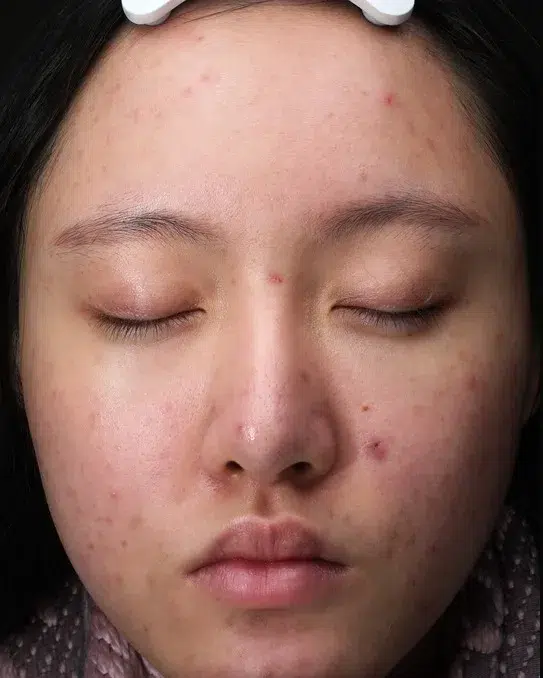
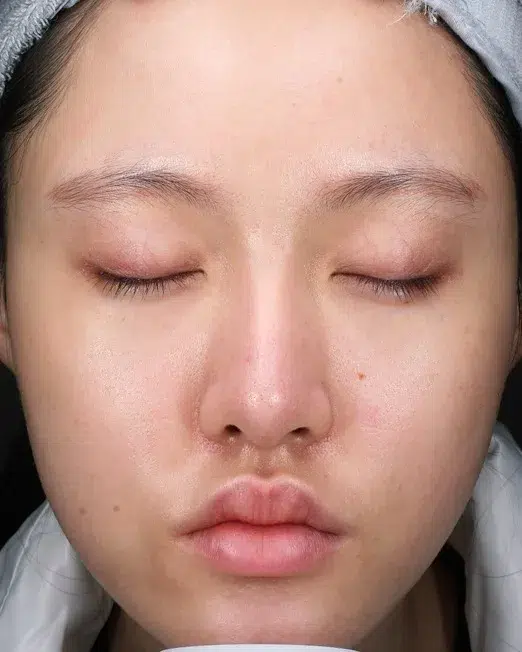
Case 2 · Real rosacea documentation
- Client profile
- Asian Female · Fitzpatrick IV
- Concerns
- Rosacea (Comprehensive Improvement via Multimodal Combination Protocol)
- Treatment plan
- Vbeam®Redness clearance + Vbeam® sensitive-skin repair + Genius™ + Infini™ 2nd-generation RF microneedling, totaling 7 modalities (multiple sessions within 3 months)
- Improvement
- Marked improvement in rosacea · natural overall result
- PIH Risk
- No PIH
- Maintenance
- Daily sun protection + monthly home care + quarterly assessment
Case 02: Rosacea Before Comparison · Asian Female · Fitzpatrick IV · Multimodal combination protocol led by our physician at Luowei Medical Aesthetics Clinic, Nanjing
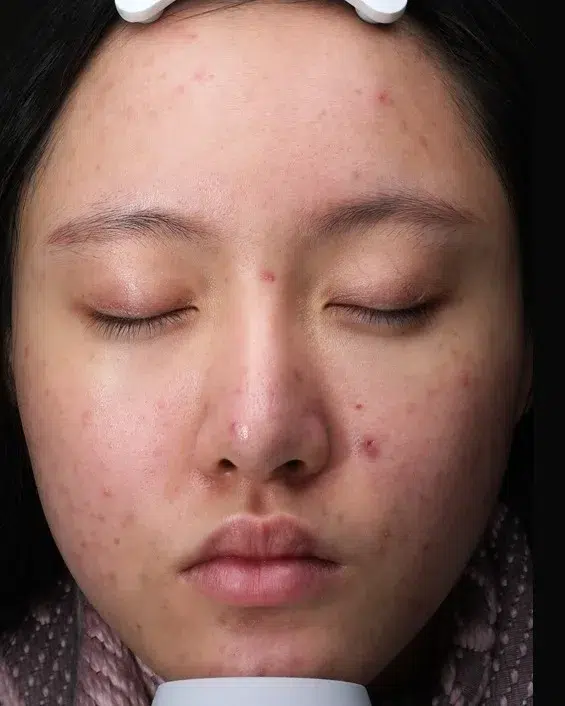
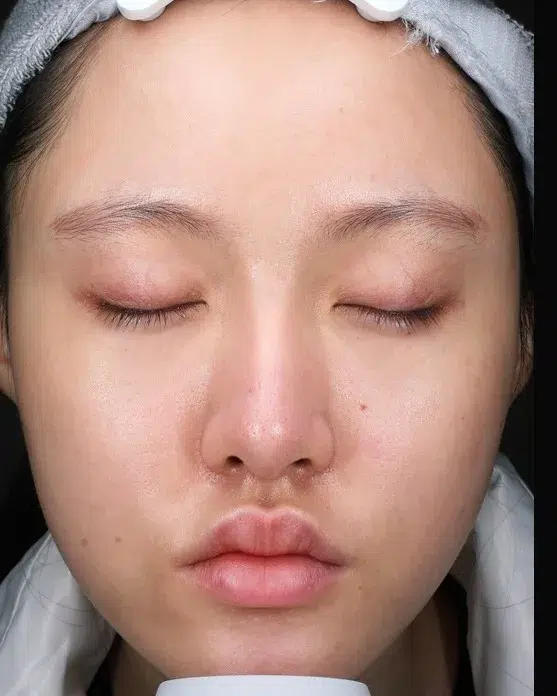
Case 5 · Real Rosacea Record
- Client profile
- Asian Female · Fitzpatrick IV
- Concerns
- Rosacea (Comprehensive Improvement via Multimodal Combination Protocol)
- Treatment plan
- Vbeam®Redness elimination + Vbeam® sensitive-skin repair + pulsed dye laser, Vbeam® vascular treatment + Genius™ and 7 other services (multiple sessions within 3 months)
- Improvement
- Marked improvement in rosacea · natural overall result
- PIH Risk
- No PIH
- Maintenance
- Daily sun protection + monthly home care + quarterly assessment
Case 05: Rosacea before & after · Asian female · Fitzpatrick IV · Multimodal combination protocol led by our physician at Luowei Medical Aesthetics Clinic, Nanjing
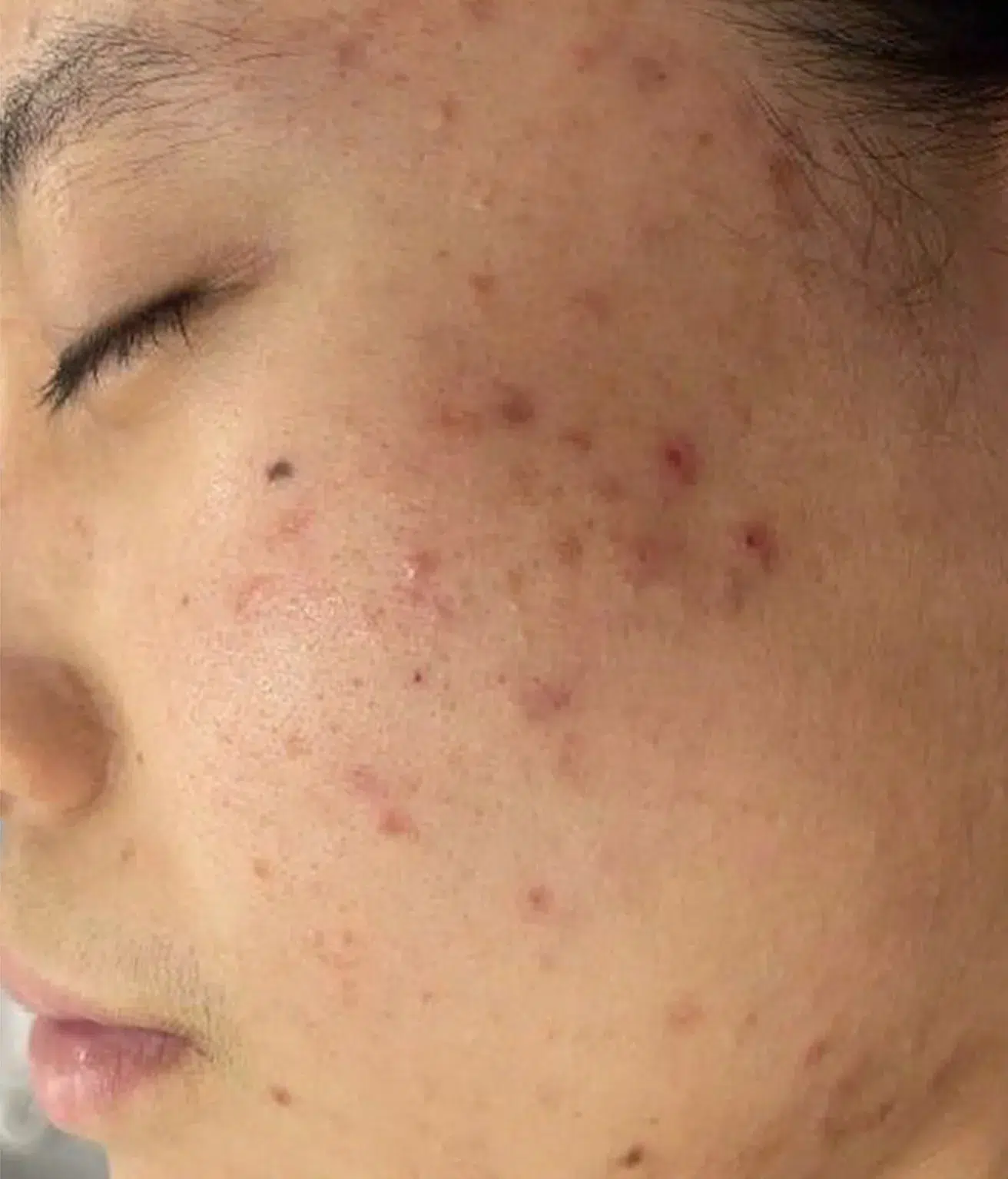
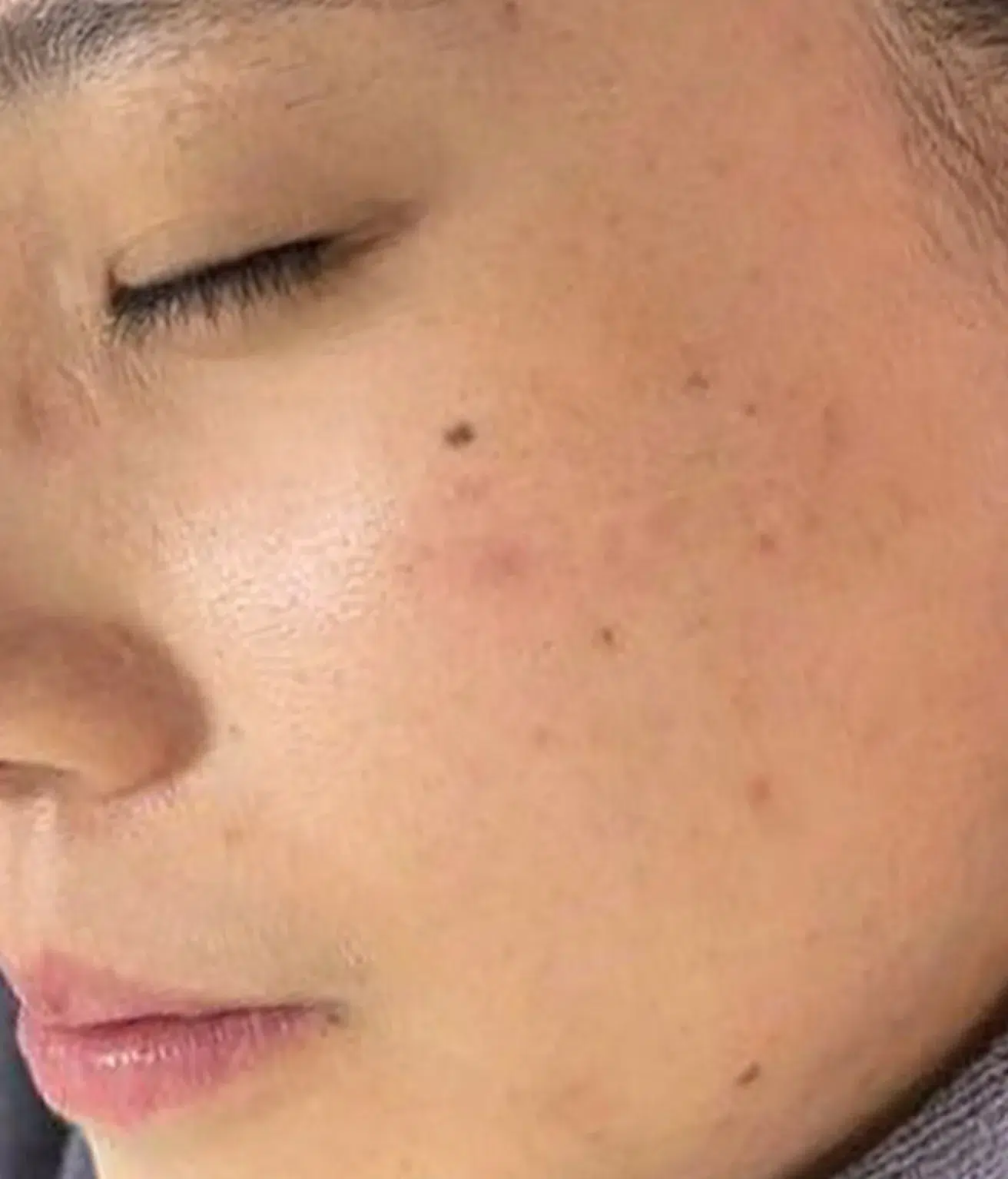
Case 57 · Real Rosacea Documentation
- Client profile
- Asian female · Fitzpatrick I · recurrent flares over multiple years
- Concerns
- Rosacea (Comprehensive Improvement via Multimodal Combination Protocol)
- Treatment plan
- Ai BBL® HEROic™Photofacial + acne clearing — AI BBL HEROIC™ + AI BBL HEROIC™ intelligent photofacial + AI BBL HEROIC™ redness recovery and 23 other services (4–6 sessions)
- Improvement
- Marked improvement in rosacea · natural overall result
- PIH Risk
- No PIH
- Maintenance
- Hydrafacial/Monthly hydrating injection × 1 + sun protection
Case 57: Rosacea Before Comparison · Asian Female · Fitzpatrick I · Persistent, recurrent for years · Multimodal combination protocol led by our physician at Luowei Medical Aesthetics Clinic, Nanjing
What is rosacea, and how is it different from adult acne or allergies?
Rosacea (commonly known as Rosacea)is a A chronic, relapsing condition involving central facial vasculature and inflammation skin condition. It presents as symmetric persistent erythema on the central face, telangiectasia, and intermittent flushing, with some patients also developing papules and pustules, sebaceous gland hyperplasia, or even ocular involvement. It is not an “allergy,” not “adult acne,” and not “skin that is too thin” — it is a chronic inflammatory skin disease with well-defined international subtyping and treatment consensus that requires long-term management.
Why can’t it be treated as acne?
The core of acne is Pilosebaceous keratinization + Cutibacterium acnes, Treatment focuses on anti-keratinization (retinoids / salicylic acid). However, retinoids / salicylic acid applied to rosacea will Worsens barrier disruption + triggers flushing. The two mechanisms are entirely different.
Why It’s Not “Allergy”
Allergy has an identifiable contact trigger, responds to antihistamines, and resolves when exposure stops. Rosacea flushing and vessel dilation are Neurovascular dysregulation + LL-37 antimicrobial peptide over-activation in origin, unrelated to IgE-mediated allergy, and antihistamines are largely ineffective.
Why is it common in Asian women?
Fitzpatrick III–IV Asian skin Relatively thin epidermal barrier+ China's extreme winter–summer temperature swings + indoor heating + prolonged mask friction + improper acid exfoliation — clinic visits among Chinese women in Nanjing have risen year over year for the past 5 years.
Why can rosacea only be managed, not cured?
Rosacea-related Genetic predisposition + neurovascular reactivity threshold cannot be permanently reset by any device. Our goal is Significant redness reduction + fewer flushing episodes + long-term barrier stability, rather than “curing” it.
Clinical key points:Many Nanjing clients have been repeatedly mismanaged as “adult acne” or “sensitive-skin allergy” — with acid exfoliation, antihistamines, and AHAs only making the redness worse. Our physician’s protocol The first step is always NRS subtyping + barrier assessment, rather than simply turning on the device.
The 5 Causes of Rosacea — It’s Not Just “Sensitive Skin”
Rosacea is Multifactorial chronic inflammation. Understanding the underlying mechanism helps prevent recurrent flares.
1. Neurovascular dysregulation
Facial vessels overreact in dilation to temperature, emotion, alcohol, and spicy food, and constrict slowly — presenting as recurrent flushing, which over time develops into persistent erythema and telangiectasia.
2. LL-37 Overexpression of antimicrobial peptides
In rosacea patients, the antimicrobial peptide LL-37 is elevated more than 10-fold compared to normal skin, activating inflammatory pathways and promoting angiogenesis — the shared molecular mechanism of the papulopustular and ETR subtypes.
3. Demodex mite overgrowth
Rosacea patients show significantly higher facial Demodex mite density, which activates the TLR2 + Th17 immune pathway. This is a key driver of papulopustular rosacea — and why topical ivermectin is effective.
4. Impaired skin barrier function
Increased transepidermal water loss and elevated stratum corneum pH dramatically heighten skin reactivity to external stimuli. Common contributing factors include improper acid exfoliation, over-cleansing, and prolonged topical steroid use.
5. Triggers
UV exposure, temperature changes, hot drinks, alcohol (especially red wine), spicy food, stress, menstrual cycle, vigorous exercise — every patient’s trigger combination is different, requiring personalized screening before treatment.
4 skin conditions commonly mistaken for rosacea — key differential diagnoses
Misclassification leads to mistreatment. The table below summarizes the 4 most common differential diagnoses our physician encounters clinically.
Adult Acne (Acne Vulgaris)
Acne · Acne vulgaris
| Distribution | Cheeks, jawline, chest and back |
|---|---|
| Morphology | Comedones (open / closed) + papules and pustules |
| Key Features | Comedones present (absent in rosacea) |
| Triggers | Hormones, sebum, follicular hyperkeratinization |
| First-line treatment | Retinoids / BPO / anti-keratinization |
Seborrheic Dermatitis
SD · Seborrheic dermatitis
| Distribution | Alar grooves, glabella, scalp |
|---|---|
| Morphology | Erythema + Greasy scales |
| Key Features | Has scaling (rare in rosacea) |
| Triggers | Malassezia, sebum |
| First-line treatment | Ketoconazole / zinc pyrithione |
Perioral Dermatitis
POD · Commonly steroid-induced
| Distribution | Perioral + nasolabial folds, with a ring of normal skin around the lips |
|---|---|
| Morphology | Clusters of small papules and pustules |
| Key Features | A 2–3 mm clear margin around the lip border |
| Triggers | Topical steroids, fluoride toothpaste |
| First-line treatment | Stop steroids + erythromycin / metronidazole |
Lupus Erythematosus
SLE / DLE · Autoimmune
| Distribution | Cheeks + nasal bridge in butterfly distribution, crossing the nose |
|---|---|
| Morphology | Persistent erythema + atrophy / scarring |
| Key Features | Crosses the nasal bridge + systemic symptoms (joint pain, photosensitivity) |
| Triggers | Autoimmune, requires serum antibody testing for diagnosis |
| First-line treatment | Referral to rheumatology / immunology, strict sun protection |
⚠️ Warning:Clinically, a significant proportion of “untreatable rosacea” cases are eventually found to be seborrheic dermatitis, perioral dermatitis, or even lupus-like eruption. Misdiagnosis → treatment failure → repeated visits — this is the biggest pain point for Asian sensitive-skin clients. Our physician performs a complete differential checklist at consultation.
Why does rosacea on Asian skin require a dedicated Fitzpatrick III–V protocol?
Blind spot of mainstream North American clinics
Standard North American Vbeam / IPL energy parameters for rosacea are derived from Fitzpatrick I–II (Caucasian skin) clinical data. Applying them directly to Asian Fitzpatrick III–V skin can result in:
- ✗ Purpuric-endpoint energy set too high— Asian epidermal melanin absorbs heat, increasing PIH risk
- ✗ The misconception that “more purpura = better results”— True sub-purpuric threshold + cumulative results across multiple sessions
- ✗ Ignores barrier status— Asian rosacea is often accompanied by severe barrier impairment; direct laser causes rebound and worsening
Our physician’s Fitzpatrick III–V Specialty Adjustments
| Parameters | North American standard | Asian-specific adjustments |
|---|---|---|
| Vbeam Energy | 9–11 J/cm²(purpura) | 6–8 J/cm²(sub-purpuric) |
| Pulse width | 1.5–3 ms | 6–10 ms(gentler) |
| DCD Cooling | 30/20 | 40/20(stronger cooling) |
| Interval | 3–4 weeks | 4–6 weeks |
| Pretreatment | None | 4 weeks of barrier repair |
6 Treatment Options for Rosacea — Selected by Subtype
There is no single “miracle device” for rosacea. We combine the devices and medications below based on NRS subtype (ETR / PPR / Phymatous / Ocular) and barrier status.
Vbeam Perfecta 595nm Pulsed Dye Laser
NMPA-registered gold standard for rosacea vascular lesions. The 595 nm wavelength is specifically absorbed by oxyhemoglobin, selectively destroying dilated capillaries without damaging the epidermis. Sub-purpuric threshold protocol Minimal downtime, You can resume normal activities the day of treatment.
Fotona ClearV Redness-Clearance Laser
1064nm Long-pulsed Nd: YAG, treats deep vessels and nasal thickening. After Vbeam addresses superficial reticular erythema, deeper large-caliber vessels and alar hyperplasia can be finished with ClearV.
IPL (vascular mode)
Uses 560 / 590nm filters in vascular mode, suitable for diffuse erythema with mixed telangiectasia. Asian skin requires Energy reduced by half + test spot.
Red LED Phototherapy (630 nm)
Low-intensity red light for anti-inflammation and collagen repair, excellent for ETR-subtype patients with barrier damage. Can be used between laser sessions, 1–2 times per week.
Repair hydrating injections / Rejuran®
Superficial dermal injection containing Hyaluronic acid + PDRN (salmon DNA)repair serum to rebuild the barrier from within + anti-inflammatory action. Used between laser sessions to accelerate barrier recovery.
Learn about Rejuran® →
Topical / oral medication therapy
PPR type often requires combination therapy Topical metronidazole / ivermectin / azelaic acid + low-dose oral doxycycline 40 mg(anti-inflammatory rather than antibacterial dose). Our physician, can prescribe directly, avoiding referral delays.
Our physician’s 6-step rosacea treatment protocol
Consultation + NRS subtyping + barrier assessment
30 minute free consultation including dermoscopy to map capillary patterns, Demodex screening, VISIA red-zone quantification, and a trigger-factor questionnaire.No subtyping, no device.
4 weeks of barrier-repair pre-treatment
Discontinue all irritating skincare (AHAs / retinoids / physical scrubs) + simplified routine + barrier-repair ceramides + mineral SPF 50+ (with iron oxides). No device is turned on until the barrier is restored.
Test spot + Medication Pre-Treatment
Pre-auricular test spot with Vbeam to assess energy response, observed for 7 days. PPR subtype begins concurrent Topical metronidazole / oral doxycycline 40 mg 4 weeks of pre-treatment.
Active treatment phase (4–6 sessions, every 4–6 weeks)
Vbeam Sub-purpuric protocol as the mainstay, with Fotona ClearV addressing deeper vessels. Apply cold compress for 30 minutes immediately after each session + barrier-repair skincare; strictly avoid heat compresses and hot beverages for 24 hours.
Assessment period (8 weeks after primary treatment ends)
VISIA Quantitative red-zone comparison + dermoscopy recheck of capillaries. Determine whether to enter maintenance or add further treatment.
Maintenance phase (every 6 months, long-term)
Low-frequency, low-energy maintenance sessions + long-term topical metronidazole + strict trigger management. Rosacea cannot be “cured once and for all,” but structured maintenance keeps it stable long-term.
Treatment timeline — how long until you see results?
| Subtyping | Primary Treatment Course | Initial results visible | Significant improvement | Maintenance cycle |
|---|---|---|---|---|
| ETR Erythematotelangiectatic type | 3–4 sessions | After Session 1 | After the 3rd session | Every 6 months |
| PPR Papulopustular type | 4–6 sessions + medications | Week 4: medications take effect | After the 4th session | Every 4–6 months + long-term topical therapy |
| Phymatous Type | 6–10 sessions | After the 3rd session | After Session 6 | Every 3–4 months |
| Steroid-Dependent / Refractory Type | Withdrawal + 8–12 sessions | 4 weeks after steroid withdrawal | After the 8th session | Long-term low-energy maintenance |
Clinical note:Rushing for fast results is the number-one pitfall in rosacea treatment. Steroid-dependent cases typically flare worse for 2–4 weeks during the initial withdrawal phase — this is a normal withdrawal reaction, not a treatment failure. Among our Nanjing clients, those who maintain a structured 1–2 year protocol have a recurrence rate under 20%.
Are you a candidate for rosacea treatment? 2-minute self-assessment
✅ Suitable to begin assessment
- ✓Symmetric central facial erythema that does not resolve after more than 3 months
- ✓Recurrent flushing (triggered by hot drinks / alcohol / emotional excitement)
- ✓Visible telangiectasia (“facial redness”) on the cheeks and nose
- ✓Recurrent papules and pustules, but No comedones(not acne)
- ✓Previously diagnosed as “allergy / acne” but standard treatment was ineffective
- ✓Willing to commit to a 4–6 month structured protocol + long-term maintenance
❌ Need to postpone or first address other
- ✗Currently pregnant (certain medications are contraindicated, laser is a relative contraindication)
- ✗Sun exposure / sunburn within the past 4 weeks not yet healed
- ✗Currently using topical steroids without completed withdrawal
- ✗Currently taking photosensitizing medications (isotretinoin within the past 6 months — except for the isotretinoin protocol used in Phymatous rosacea)
- ✗Butterfly rash across the nasal bridge + joint pain (lupus must be ruled out first)
- ✗Expecting a complete cure in 1–2 sessions (unrealistic expectation)
Luowei Medical Rosacea Protocol vs Typical MedSpa
- ✗Treats every case as “sensitive skin” without NRS subtyping
- ✗Going directly to chemical / AHA peels → worsens barrier damage
- ✗Treating papulopustular type as adult acne by mistake
- ✗Cannot prescribe medication (no physician on site)
- ✗Vbeam Energy set per North American Caucasian templates → purpura + PIH
- ✗No barrier pre-treatment → rebound during therapy
- ✗Fails to recognize steroid-dependent rosacea-like dermatitis
- ✓NRS Subtyping + dermascope + Demodex screening — the three-part workup
- ✓4 weeks of barrier repair pretreatment is a required step
- ✓Differentiating acne / seborrheic dermatitis / lupus, etc.
- ✓Our physician — can prescribe + perform laser
- ✓Fitzpatrick III–V Sub-Purpuric Threshold Protocol
- ✓Steroid-dependent type: 12-week withdrawal + repair protocol
- ✓6 Staged protocol including long-term maintenance + trigger management
Why You Can Trust Luowei Medical Aesthetics Clinic’s Rosacea Content
Experience
Expertise Specialty
Dual-track treatment (prescription + laser) · Vbeam / Fotona advanced certification
Authoritativeness Authoritative
Trustworthiness Trustworthy
All cases on this page are authorized via Media Release Form · Clinical data verifiable
About the cost of rosacea treatment
Rosacea pricing varies significantly between clinics — but the real driver isn’t the device itself. It’s who performs the assessment, who calibrates treatment pacing, and how deeply clinical experience is involved. Rosacea subtyping is complex, barrier conditions vary widely, and cases often involve concurrent prescription therapy or failed prior treatments. These cases are personally managed by our physician, and the pricing structure reflects that level of medical involvement, because Licensed to both prescribe medications and operate lasers, At most MedSpas, these services are siloed. For stable patients who only require vascular maintenance, a trained medical team can safely execute care under the physician’s protocol, making access more flexible. Price differences in laser treatment fundamentally reflect the clinical experience gap between physician-performed and technician-performed procedures; for injectables and prescription-based treatments, we insist that our physician performs them personally. Which plan suits you is determined by your condition, not by price — specific arrangements will be discussed during your consultation based on NRS subtype and barrier status.
- Payment is made at the clinic, after the consultation and before treatment begins
- Nothing is paid in advance, and no deposit is required to hold an appointment
- Cosmetic treatment is a self-pay item and is not covered by public medical insurance in China
- All first-visit clients receive a 30-minute Free Consultation & Assessment
Risks & Contraindications — We Must Be Clear
What are the main risks?
1. Purpura(Vbeam Common with high-energy protocols, resolving in 1–2 weeks; rare with sub-purpuric protocols); 2. Transient erythema / burning sensation (common, hours to 1–2 days); 3. PIH (rebound hyperpigmentation)(moderate risk in Asian skin, significantly reduced with lower energy + test spot); 4. Rare blistering / crusting (uncommon with appropriate protocol); 5. Rosacea recurrence (cannot be prevented — only managed through long-term trigger avoidance).
Who is an absolute contraindication?
Pregnancy (some medications contraindicated; laser is a relative contraindication), unhealed sunburn within the last 4 weeks, active facial herpes simplex outbreak, severe keloid tendency not yet assessed, photosensitive disorders, malar butterfly rash crossing the nasal bridge with systemic symptoms where lupus has not been ruled out — in these cases, our physician will recommend deferring or referring out.
How do you minimize purpura and rebound risk during treatment?
Five core principles: (1) always perform a test spot; (2) start at the lower energy limit, sub-purpuric threshold is sufficient; (3) intervals of no less than 4 weeks; (4) 24 hours before and after treatment Strictly avoid alcohol, spicy food, sauna, vigorous exercise, and warm compresses;(5) Apply cold compress and reparative skincare immediately after treatment. If persistent burning lasts more than 48 hours, return for follow-up immediately.
What does the informed consent form cover?
Every client signs an Informed Consent form before the first treatment, covering: treatment mechanism, potential adverse reactions and probabilities, alternative options (including prescription therapy), discontinuation criteria, follow-up schedule, and Media Release (voluntary). All content is explained personally by our physician — not by administrative staff.
Where the medical claims on this page come from
Everything above about Rosacea rests on published evidence rather than on our own word. The sources below are the ones behind those statements: peer-reviewed papers indexed in PubMed, and guidance written for patients by dermatology academies and national health services. Read them before you decide — and bring any of them to your consultation.
- Peer-reviewedRosacea management: A comprehensive review
- Patient guidanceRosacea: Things to know
What these references can and cannot tell you. They describe what is known about the treatment itself — how well it tends to work, how long results last, and what can go wrong. They are not an assessment of this clinic, and no published study can tell you whether it suits your skin type, anatomy, or medical history. That judgement comes from the physician who examines you in person, and it may well be “not this one”.