Flat nose / low nasal bridge
What Is “Low Radix & Nasal Base Depression”? Three Distinct Structures to Understand
Our physician’s Real Patient Cases: Flat Nose / Low Nasal Bridge
The following are real cases personally assessed and planned by our physician at our Nanjing clinic. All images are used with signed Media Release Form authorization. Individual results vary significantly; actual outcomes depend on your in-person consultation assessment.
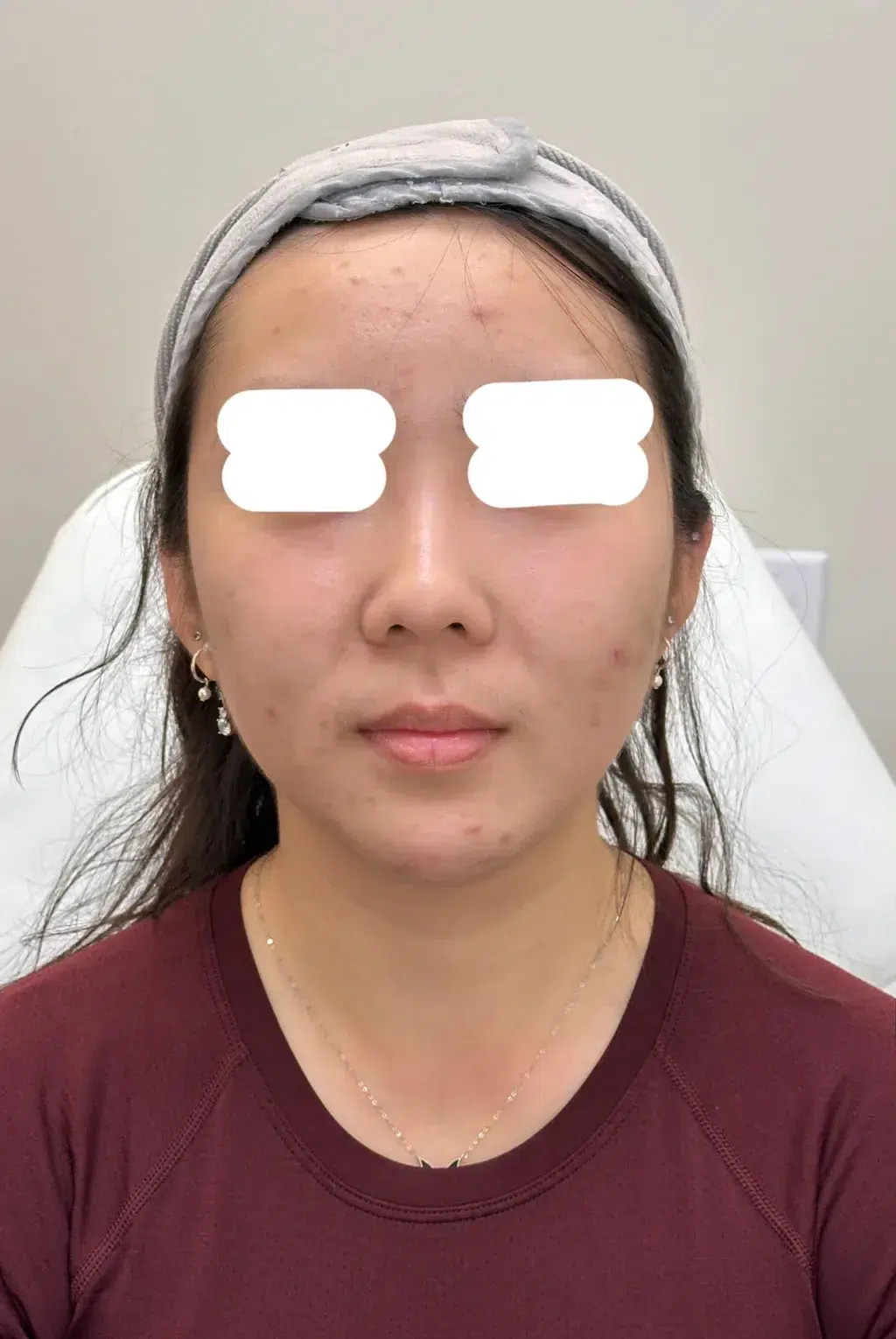
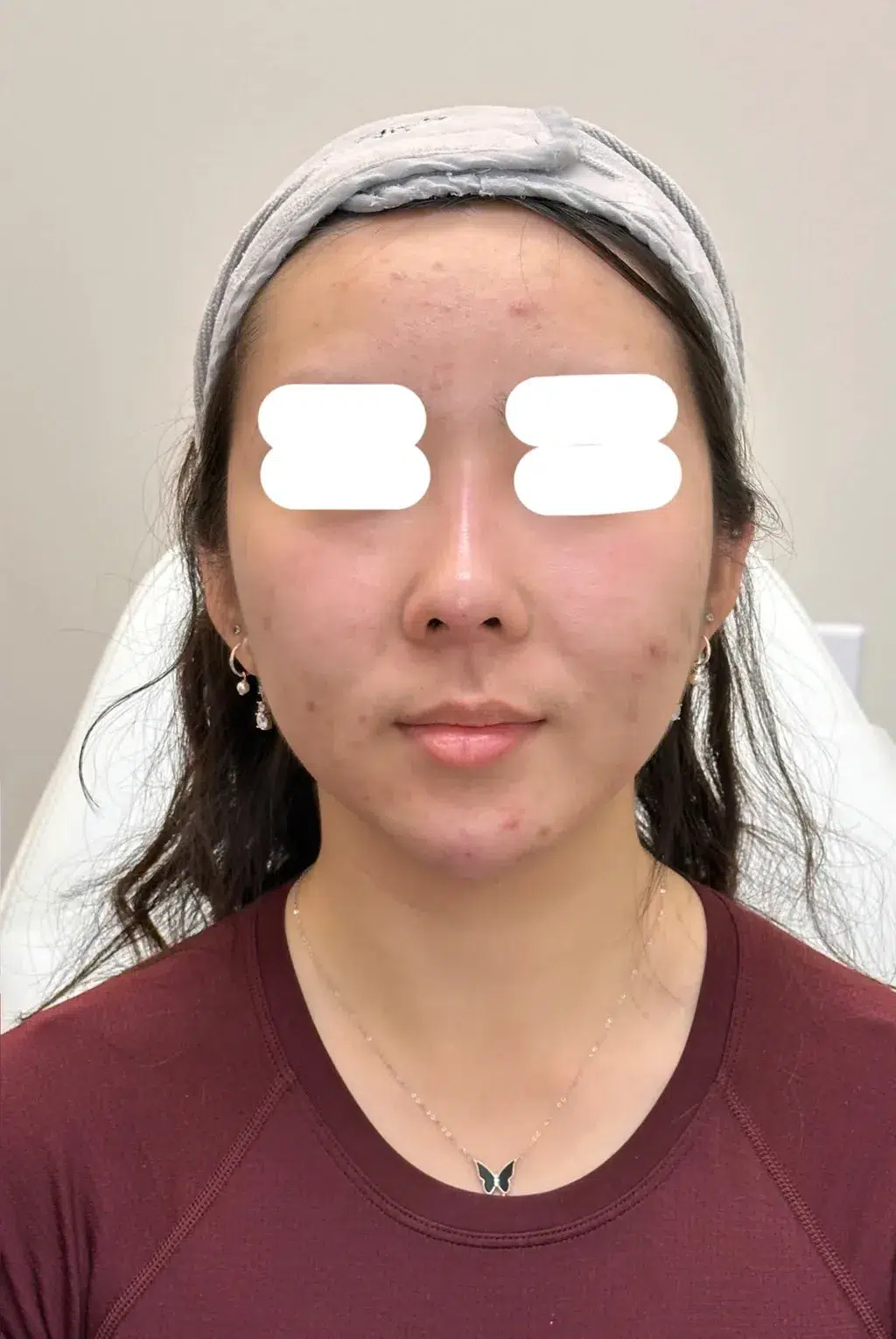
Case 1 · Flat Nose / Low Nasal Bridge — Real Patient Record
- Ideal candidate profile
- Asian Female · Fitzpatrick I
- Area of concern
- Flat Nose / Low Nasal Bridge (Comprehensive Improvement via Multimodal Combination Approach)
- Treatment plan
- Filler nose reshaping (multiple sessions within 3 months)
- Improvement outcomes
- Flat nose / low nasal bridge visibly improved · overall result looks natural
- post-inflammatory hyperpigmentation (PIH)
- No PIH
- Maintenance
- 12-18 months later for filler top-up
Case 01: Flat Nose / Low Nasal Bridge — Before & After · Asian Female · Fitzpatrick I · Multi-modal combination approach led by our physician at Luowei Medical Aesthetics Clinic, Nanjing
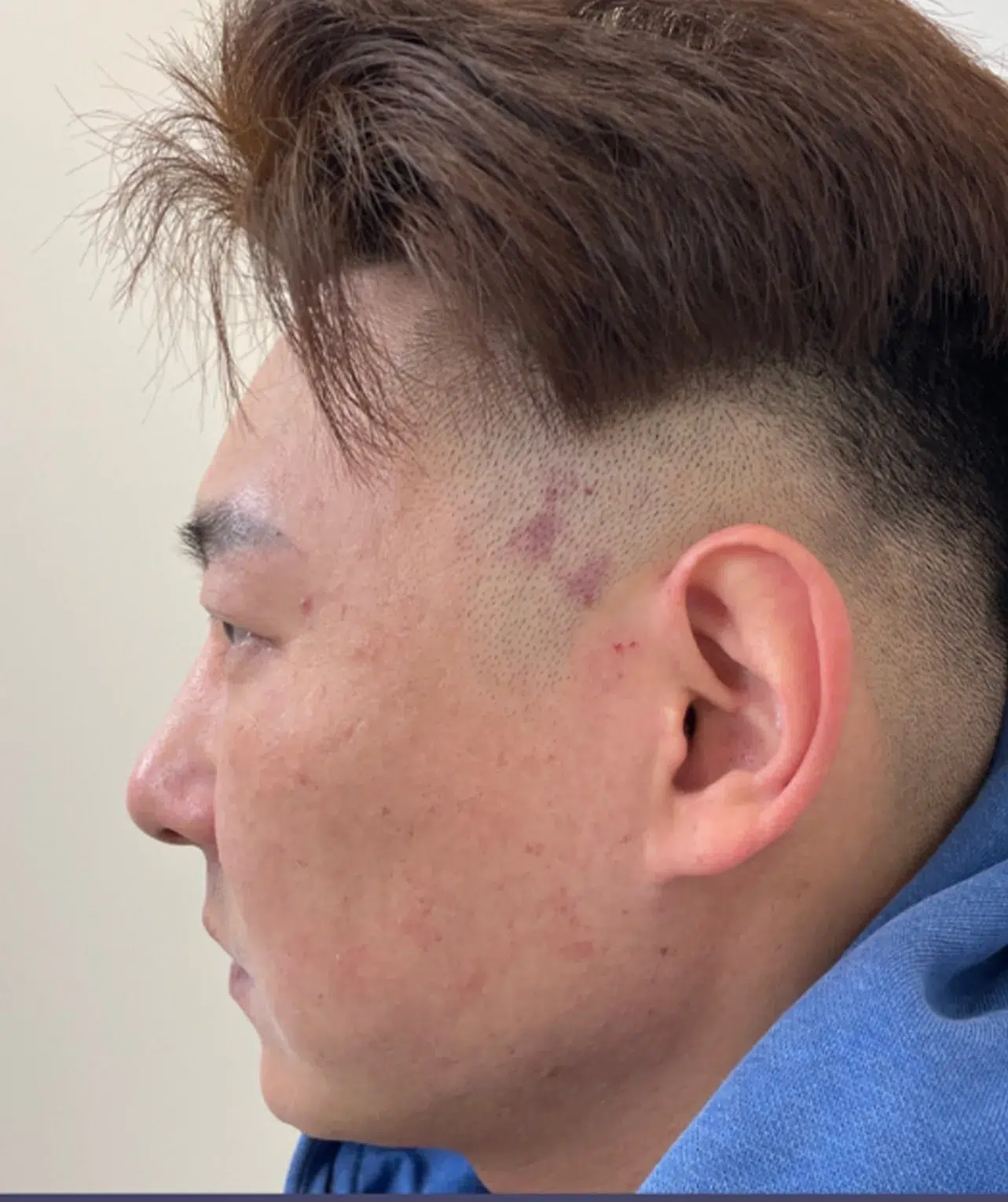
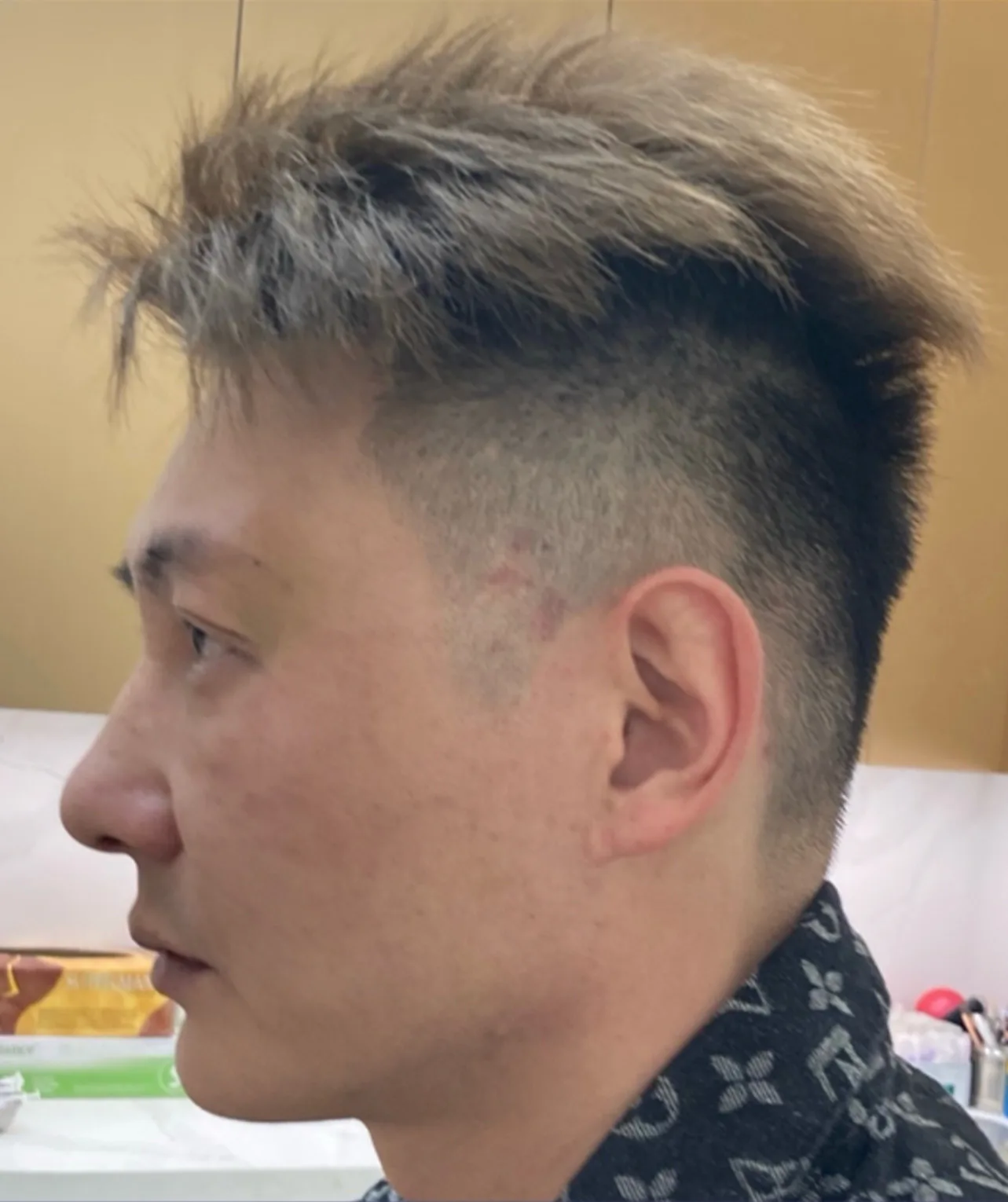
Case 4 · Flat Nose / Low Nasal Bridge — Real Clinical Record
- Ideal candidate profile
- Asian Male · Fitzpatrick I
- Area of concern
- Flat Nose / Low Nasal Bridge (Comprehensive Improvement via Multimodal Combination Approach)
- Treatment plan
- Thread double eyelid lift + chin filler augmentation + Filler Chin Augmentation + dermal fillers — 11 procedures in total (multiple sessions within 3 months)
- Improvement outcomes
- Flat nose / low nasal bridge visibly improved · overall result looks natural
- post-inflammatory hyperpigmentation (PIH)
- No PIH
- Maintenance
- Routine sun protection + monthly at-home skincare + quarterly clinical review
Case 04: Flat Nose / Low Nasal Bridge — Before & After · Asian Male · Fitzpatrick I · Multimodal combination treatment led by our physician at Luowei Medical Aesthetics Clinic, Nanjing
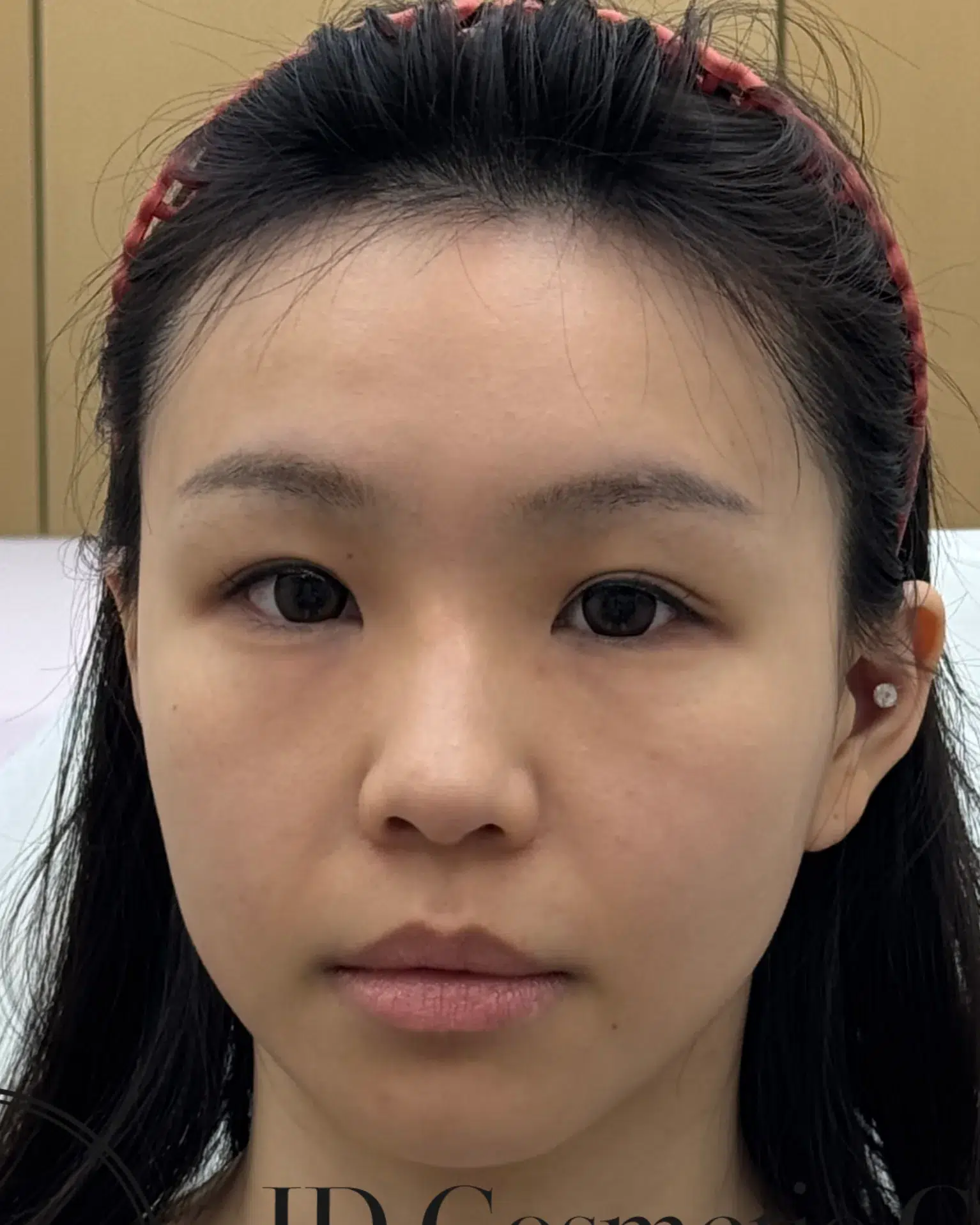
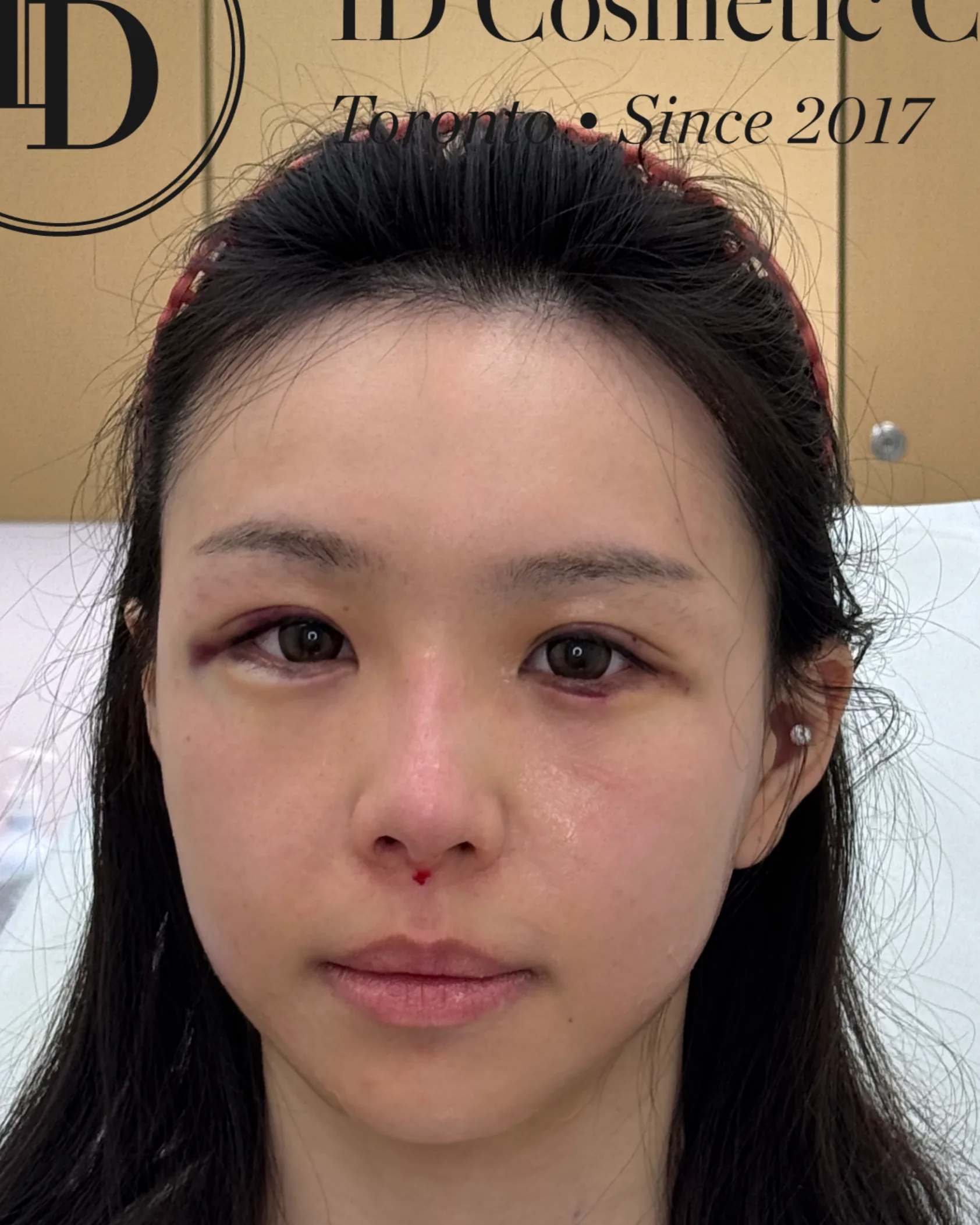
Case 5 · Flat Nose / Low Nasal Bridge — Clinical Documentation
- Ideal candidate profile
- Asian Female · Fitzpatrick I
- Area of concern
- Flat Nose / Low Nasal Bridge (Comprehensive Improvement via Multimodal Combination Approach)
- Treatment plan
- Filler nose reshaping (multiple sessions within 3 months)
- Improvement outcomes
- Flat nose / low nasal bridge visibly improved · overall result looks natural
- post-inflammatory hyperpigmentation (PIH)
- No PIH
- Maintenance
- 12-18 months later for filler top-up
Case 05: Flat Nose / Low Nasal Bridge — Before & After · Asian Female · Fitzpatrick I · Multimodal combination approach performed by our physician at Luowei Medical Aesthetics Clinic, Nanjing
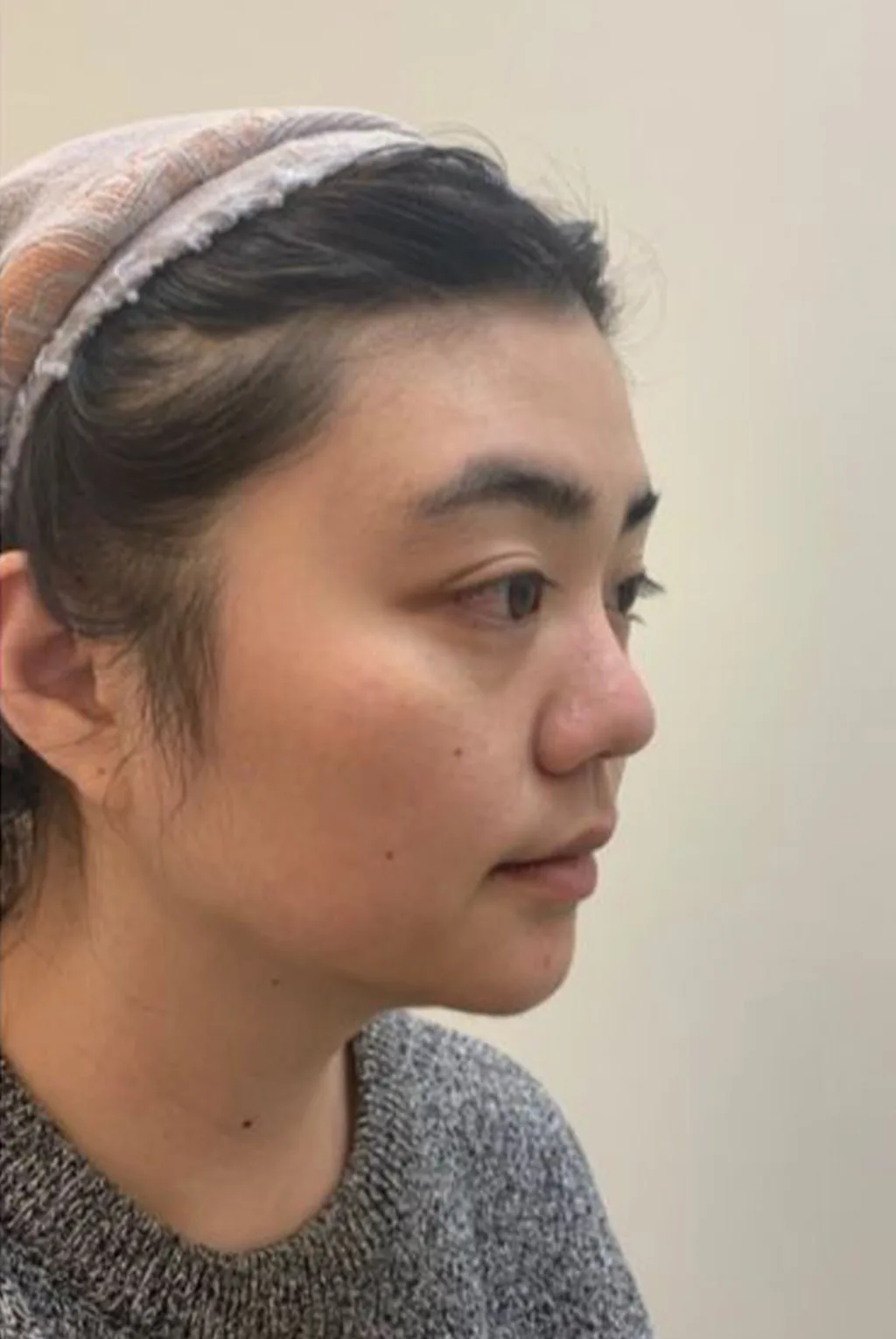
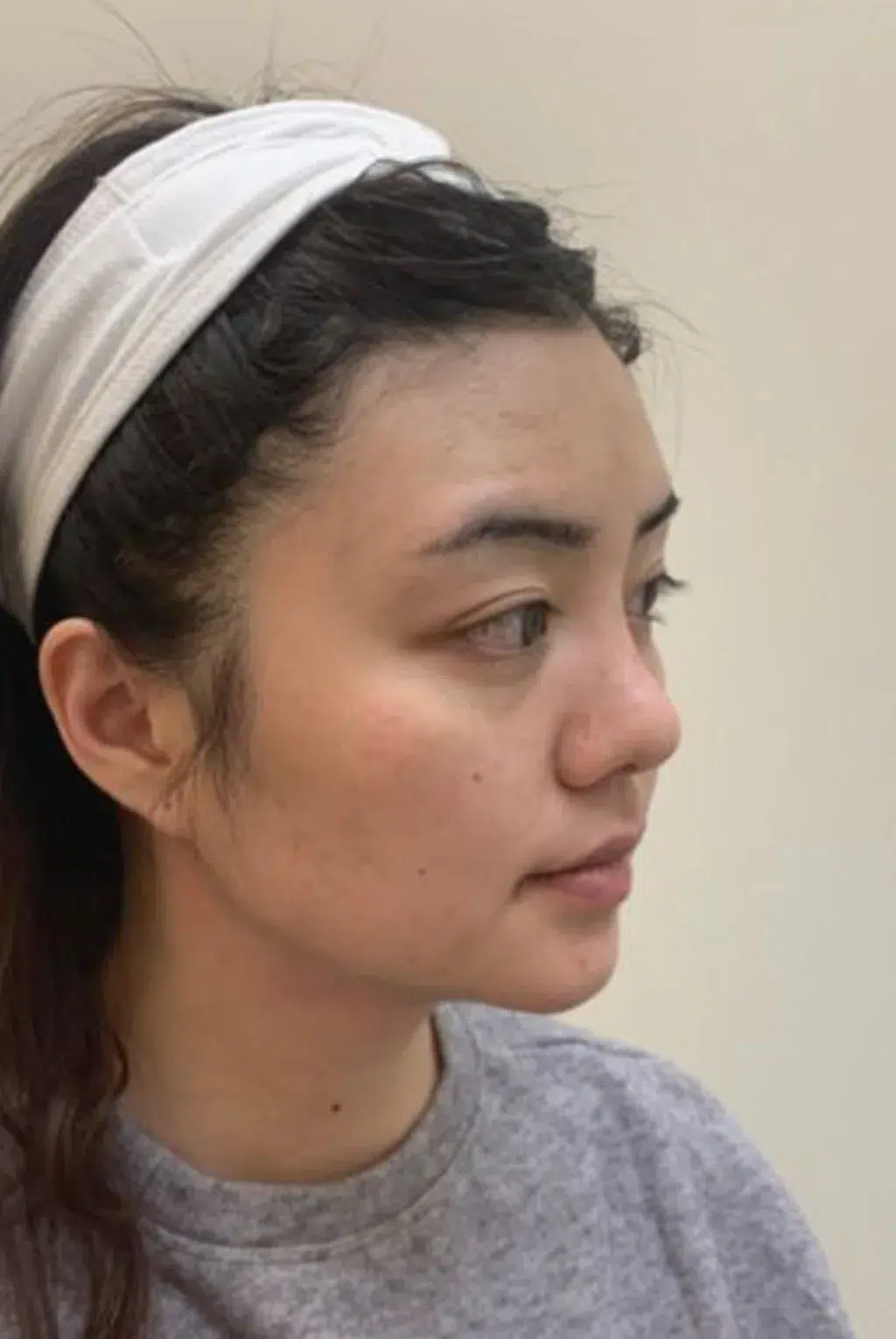
Case 7 · Flat Nose / Low Nasal Bridge — Real Patient Documentation
- Ideal candidate profile
- Asian Female · Fitzpatrick I
- Area of concern
- Flat Nose / Low Nasal Bridge (Comprehensive Improvement via Multimodal Combination Approach)
- Treatment plan
- Chin augmentation with dermal filler + dermal fillers + Juvéderm® + non-surgical rhinoplasty with filler — 10 procedures in total (multiple sessions within 3 months)
- Improvement outcomes
- Flat nose / low nasal bridge visibly improved · overall result looks natural
- post-inflammatory hyperpigmentation (PIH)
- No PIH
- Maintenance
- Routine sun protection + monthly at-home skincare + quarterly clinical review
Case 07: Flat Nose / Low Nasal Bridge — Before & After · Asian Female · Fitzpatrick I · Multimodal combination approach led by our physician at Luowei Medical Aesthetics Clinic, Nanjing
What Is “Low Radix & Nasal Base Depression”? Three Distinct Structures to Understand
“lack of nasal definition” This is the patient’s description — clinically, a distinction must be made three distinct structural zones: Radix (nasofrontal junction), dorsum (nasal bridge), and nasal base (pyriform aperture region). The diagnosis and treatment approach for each of these three conditions is entirely different — misidentification can lead to “Results don’t look natural”.
5 Misconceptions About Non-Surgical Nose Reshaping
Non-surgical rhinoplasty is “Reshaping”, is not “Rhinoplasty”
Dermal filler cannot replicate what an implant can achieve “widening + heightening + tip reshaping”. It can only achieve harmonious refinement within your existing structural foundation. expectations “creating a high Western-style nasal bridge” is incorrect.
The nose is the highest-risk zone for injectable treatments
The dorsal nasal artery, ophthalmic artery, and supratrochlear artery form a dense vascular network — incorrect injection can cause Vision loss, skin necrosis. must be performed by an experienced physician strictly adhering to safe anatomical tissue planes.
“radix” does not equal “The entire nasal dorsum”
Many clients say “Low radix”, often a visual illusion caused by nasal base depression or upper lip protrusion.A true radix concern must be assessed from the lateral profile, not from the front “Imagined height”.
“More filler ≠ better definition” · can actually make the nose appear wider
Filler placement in the nose spreading laterally Too much volume can actually the nose “spreads wider”. The essence of Asian nose reshaping is “Small volume, precise placement, midline approach”.
Complex nasal anatomy requires surgery · hyaluronic acid fillers have their limits
Wide nasal tip, flared alae, severe skeletal deficiency → non-surgical options offer limited improvement An honest physician will tell you when a referral to a plastic surgeon is the right choice.. Repeated filler injections without a proper plan waste both money and time.
3 Nasal Structures and Their Corresponding Concerns
- Radix Nasofrontal junction · if low, the lateral profile appears flat · amenable to midline deep micro-bolus filler
- Nasal dorsum (Dorsum) Nasal bones and upper lateral cartilages · straightness / saddle nose / dorsal hump · limited improvement with filler
- Pyriform base Bony depression at the pyriform aperture · creates the illusion of deeper nasolabial folds · well-suited for bilateral supraperiosteal filler placement
3 most common nasal concerns in Asian patients
Low radix (typical Asian presentation)
Obtuse nasofrontal angle on lateral view · Ill-defined glabella-to-tip line · Suitable candidate for midline radix micro-filling with 0.3–0.5 cc.
Depressed pyriform base (piriform aperture)
Bony depression at the maxillary piriform aperture — worsening “Deep nasolabial folds” illusion · well-suited for bilateral deep supraperiosteal filler placement.
Compound flatness (skeletal deficiency)
Multiple deficiencies across the radix, dorsum, and nasal base, plus a wide nasal tip · Non-surgical results are limited · Surgical evaluation is recommended.
Asian nasal anatomy and “Low radix” The 5 Root Causes of
This is not a matter of aesthetic preference — it is Anatomical structure objective differences.
Nasal bone length and height (genetic)
Average Asian nasal bone shorter and lower (approximately 6–9 mm in height, compared to a Western average of 10–13 mm) · a more obtuse nasofrontal angle. This is Hereditary skeletal characteristics.
Maxillary pyriform aperture development (basal concavity)
The maxillary piriform aperture region in Asian patients often presents as bony concavity, leads to insufficient nasal base support · and accentuates the visual depth of the nasolabial folds.
Cartilaginous structure (wide nasal tip)
Development of the lower lateral cartilages influences nasal tip shape. Commonly seen in Asian patients A rounder nasal tip and wider nostrils This is a cartilage concern,beyond what filler can address.
Soft-tissue thickness (thick skin)
Asian nasal skin is typically thicker — the soft-tissue buffer means Fine structural definition is difficult to achieve also makes filler contouring results “Discounted”.
Overall facial harmony — the nose should never be evaluated in isolation
Nasal aesthetics and Midface / mandible / chin / brow ridge harmony-related · standalone “Nasal filler injection” often fall short of expected results.
“lack of nasal definition” · 4 distinct underlying causes · 4 different treatment approaches
No single package can address every “nasal reshaping” concerns.
True radix depression
| lateral profile | Obtuse nasofrontal angle > 140° |
| structure | Relatively low nasal bone |
| treatment plan | Radix micro-filling: 0.3–0.5cc |
Nasal base concavity
| visual | Deep nasolabial folds + upper lip protrusion |
| structure | Pyriform aperture bony concavity |
| treatment plan | Bilateral supraperiosteal placement: 0.3–0.5cc |
Wide nasal tip / flared nostrils
| causes | cartilage + skin |
| Filler | Limited efficacy / not recommended |
| treatment plan | Surgical rhinoplasty (tip surgery) |
Visual illusion (upper lip projection / chin retrusion)
| in practice | The nose may be anatomically normal |
| causes | Chin / maxillary positioning |
| treatment plan | Chin / nasal base combination |
Why Asian Nose Reshaping Must Reject “A Western high nasal bridge” a template?
Western rhinoplasty pursues height, narrowness, straightness, and an upturned tip. Asian nasal aesthetics are entirely different — emphasizing Soft elongation, harmonious proportion, and preservation of ethnic identity. Applying Western aesthetic templates is the most common reason non-surgical rhinoplasty fails for Asian patients.
1. 4 Core Principles of Asian Nasal Aesthetics
- gentle elongation rather than “augmenting” (avoiding a Western-style straight, prominent nose)
- Midline precision Avoid lateral spread that widens the nose
- lateral profile priority (frontal “Height” is a common misconception)
- Overall harmony (viewing the nose in context, not in isolation)
2. “Less is More” · volume is the enemy
Asian noses are extremely sensitive to filler volume — 0.3cc and 0.8 cc are worlds apart. The former creates natural elongation; the latter has already become “the face after treatment”. Our physician’s Principle:Use as little volume as possible; inject as deep as safely indicated; avoid pushing for bilateral symmetry in a single session.
3. Nasal Vascular Anatomy: The Highest-Risk Injection Zone
The dorsal nasal artery, lateral nasal artery, and supratrochlear artery are densely distributed throughout the nasal region.Incorrect injection technique may lead to:
- Blindness (ophthalmic artery embolism)
- Alar / nasal tip skin necrosis
- Skin ischemia of the forehead / upper lip
This is why nasal injections must be performed by an experienced physician strictly adhering to safe anatomical tissue planes, and use of a cannula (blunt-tip needle) to reduce vascular risk.
Asian Nasal Profiles × our physician’s Approach
| Client profile | Core concern | treatment plan |
|---|---|---|
| Low radix · acceptable dorsal height | radix extension only | Voluma 0.3–0.5cc Midline |
| nasal base concavity | Visual nasolabial fold | Supraperiosteal bilateral 0.5cc |
| Radix + nasal base combination approach | Lateral profile disharmony | Multi-zone micro-precision |
| Visual illusion (chin retrusion / upper lip projection) | A non-nasal concern | Chin + nasal base combination |
| Composite structural concerns | cartilage + skeletal framework | Referral for plastic surgery assessment |
Non-surgical nose reshaping approach (minimal volume, precise placement + overall facial harmony)
No / None “Nose reshaping package” · our physician designs a personalized plan based on your nasal anatomy, overall facial harmony, and aesthetic goals.
Juvéderm® Voluma Radix / nasal base first-line choice
Vycross High-support HA filler · high cohesivity, minimal lateral spread Specifically designed for deep supraperiosteal injection. Even small volumes can achieve stable, well-defined contouring results.
- Lasting 18–24 months
- Blunt cannula injection reduces vascular risk
- Must be performed by the physician personally
- Reversible with hyaluronidase
Juvéderm® Volift Subtle nasal tip refinement supporting
Medium-support HA filler · used in minimal amounts for Subtle nasal tip elevation or subtle refinement. The nasal tip carries the highest vascular risk — volume must be strictly controlled.
Chin / midface combination (visual harmonization)
“Lack of nasal definition” The visual illusion is often caused by chin retrusion or midface volume loss.Chin micro-filling with Volux often addresses the concern more effectively than treating the nose directly.
Plastic surgery (referral)
For Wide nasal tip, flared alae, severe skeletal deficiency, complex revision cases clients, our physician will honestly advise when a referral to a plastic surgeon is appropriate:
- Silicone / expanded polytetrafluoroethylene (Gore-Tex) implant rhinoplasty
- Rib cartilage / ear cartilage nasal tip refinement
- Alar reduction surgery
- osteotomy
Hyaluronidase (for emergency reversal / correction)
Signs of improper injection or impending vascular event → immediate reversal with hyaluronidase · Emergency reversal kit is always on hand at Luowei Medical Aesthetics Clinic.This is a critical safety measure in non-surgical nose reshaping.
Topical / skincare support (nasal skin management)
The nasal skin tends to be sebum-rich, making it prone to enlarged pores, acne, and visible redness. A combination of topical retinoids, SPF, and vascular laser (when indicated) can help improve overall skin quality.
Client Profile × Recommended Treatment Plan
| Type | Recommended plan |
|---|---|
| Radix only | Voluma 0.3–0.5cc · Deep midline cannula technique |
| Predominantly nasal base concavity | Voluma Bilateral supraperiosteal placement: 0.3–0.5cc |
| Radix + nasal base combination approach | Multi-zone micro-dosing in staged sessions with observation intervals |
| Visual illusion (chin retrusion) | Chin Volux + pyriform base filler if indicated |
| Composite structural concerns | Referral for plastic surgery assessment |
How Does our physician Assess Non-Surgical Nasal Reshaping? (6-Step Process)
In this area, 80% is clinical judgment and 20% is technique.
Three-dimensional assessment (lateral + oblique + upward-tilt views)
- lateral profile: Nasofrontal angle / nasolabial angle / nasal-facial ratio
- 45° oblique view: Relationship between the nasal tip and upper lip
- chin-up position: Alar symmetry + nostril shape
- dynamic assessment: Nasal movement during animation (smiling)
- palpation: bony / cartilaginous / soft tissue
“Nasal reshaping vs. overall facial harmony” Clinical judgment
We must ask: what is the patient’s true underlying concern —nose or Overall facial harmony?many “lack of nasal definition” is a visual illusion created by chin recession, mid-face volume loss, or maxillary positioning.
Define the scope of treatment at Luowei Medical Aesthetics Clinic + provide honest guidance
A wide nasal tip, flared nostrils, complex structural concerns, or significant skeletal deficiency → referral to a plastic surgeon.To be honest “We should not perform” matters more than selling a treatment that should not be performed.
Designing precise micro-volume plans with staged
[Week 1]Session 1: Start conservatively (e.g., 0.3cc at the radix) — never fill to maximum
[Week 4]Swelling subsides · assess results · determine whether additional volume is needed
[Week 4–6]Session 2 (if needed) · micro-volume touch-up
[Week 8]Overall outcome assessment + photographic comparison
[Every 12–18 months]Maintenance top-up + reassessment
Rigorous Safety Protocols (The Lifeline of Nasal Injections)
- Supraperiosteal injection / strictly within safe anatomical planes
- cannula (Cannula preferred — reduces the risk of vascular injury
- Aspiration to confirm placement · slow, controlled injection
- Small volume per injection point (≤ 0.1cc)
- Hyaluronidase on hand in-clinic for emergency reversal
- Monitor closely for skin colour changes, pain, or visual disturbances
Long-term management + age-appropriate adjustments over time
Nasal reshaping results require reassessment and adjustment as facial aging and soft tissue changes occur:
- Reassess and top up every 12–18 months
- Avoid repeated volume stacking (recommended “Assess first, then decide”)
- Overall facial rejuvenation and maintenance of nasal reshaping harmony
- Regular photo documentation to track changes and prevent perception drift
How soon can results from non-surgical rhinoplasty be seen? How long do they last?
Dermal filler produces immediate visible results · final outcome stabilizes within 2 weeks as swelling subsides.
How soon will we see results?
| stage | Duration | Results |
|---|---|---|
| Immediately post-injection | Same day | Immediate visible reshaping · with mild swelling |
| Early post-procedure swelling phase | 3–7 days | Bruising resolves · contour gradually stabilizes |
| Final stabilization | 2 weeks | Final result presentation |
| Assessing the top-up window | 4–6 weeks | If needed · micro-volume touch-up |
How long do results last?
| product / placement | Typically lasts |
|---|---|
| Voluma · radix | 18–24 months |
| Voluma · Nasal base (supraperiosteal) | 18–24 months |
| Volift · Subtle nasal tip refinement | 12–18 months |
How Many Sessions Are Needed?
| Client profile | First session | Maintenance |
|---|---|---|
| Simple radix concern | 1 session (with up to 2 refinement sessions if needed) | every 18 months |
| nasal base concavity | 1 sessions | Every 18–24 months |
| Multi-zone combination | 2–3 Sessions in stages | Reassessment every 18 months |
Am I a Candidate for Non-Surgical Nose Reshaping?
The following questions Most answers are “Yes”, A consultation is recommended for assessment.
6 Quick self-assessment
- Lateral-view radix appearance Low / obtuse nasofrontal angle?
- Nasal base sensation depression or deeper nasolabial folds?
- Accept“Harmonious refinement, not a complete transformation”?
- Willing to accept Performed in staged sessions (without pushing to complete everything in one session)?
- No unstabilized nasal filler within the past 3 months?
- Is the history of non-surgical rhinoplasty or nasal implant clearly established?
You may be a candidate for non-surgical nose reshaping if you:
- Low radix / primarily nasal base depression
- Embrace harmonious enhancement rather than complete transformation.
- Willing to complete treatment in stages and commit to maintenance
- No recent unstabilized facial filler
- No active nasal infection
- Not pregnant / not breastfeeding
- No prior history of vascular events or visual disturbances
Not a suitable candidate, or surgical evaluation is recommended, if you:
- Wide nasal tip / flared alae → refer to plastic surgery
- Significant skeletal deficiency → plastic surgery
- expected “creating a Western-style high-bridged nose”
- Morphological distortion following repeated filler treatments
- Prior vascular events / visual disturbances
- Active infection at the injection site
- Nasal filler placed within the past 3 months and not yet stabilized
- Pregnancy / breastfeeding
Why a MedSpa “Non-surgical rhinoplasty with dermal filler” carry particularly high risks — real patient cases
Client G — 29-year-old Asian female · Low radix · Warning signs observed following 2 prior injections at a medspa
Prior medspa treatment
- Non-physician performed · 1.5 cc filled across radix and nasal tip in a single session
- No cannula used — sharp needle with rapid bolus injection
- No in-clinic hyaluronidase available for emergency reversal
- Occurring 5 minutes after the second injection Severe nasal tip pain + pallor
- Failure to recognize warning signs of a vascular event — simply stating “Apply ice as needed”
- 3 nasal tip appearing hours after Dark purple discoloration + blistering
- Seek emergency care immediately · may result in superficial scarring
- seeking a revision assessment at Luowei Medical Aesthetics Clinic
Treated at Luowei Medical Aesthetics Clinic
- Assessment of prior vascular events + current tissue condition
- Recommend a 3-month observation period · allow tissues to fully recover
- 3 Re-evaluation with micro-bolus radix filler 0.3cc via cannula at follow-up
- deep supraperiosteal plane · slow injection with negative-pressure aspiration
- Hyaluronidase available throughout the procedure in the clinic
- Full informed consent from the client
- 4 weeks post-treatment: natural contour achieved · no complications
Why Trust Luowei Medical Aesthetics Clinic for Non-Surgical Rhinoplasty?
Google ‘s E-E-A-T framework evaluates medical content across four dimensions. Below are the specific credentials behind every statement on this page.
Real-world clinical experience
- an extensive portfolio of Asian nasal reshaping and mid-face harmony cases
- Complete Before & After Image Gallery
- proficiency in nasal vascular anatomy and safe injection planes
- Cannula Blunt cannula injection technique
- Emergency hyaluronidase reversal capability
Industry-recognized credentials
- Sculptra trained physician
Transparent and verifiable
- Complex structural cases are honestly referred to plastic surgery
- Written informed consent form signed at every treatment session
Non-surgical nose reshaping is “Physician-level clinical judgment + safety protocols”, is not “quick treatment”
The nose is the highest-risk area for injectable treatments. Honest assessment, rigorous safety protocols, and emergency preparedness matter more than a single “How much to inject” far more important.
Pricing for Non-Surgical Nasal Reshaping
The price differences in non-surgical nose reshaping ultimately reflect the physician’s anatomical judgment, adherence to safety protocols, and emergency management capability. What may appear to be the same procedure called “Radix filler injection”, Some clinics simply sell a standardized treatment by the syringe. A truly responsible plan requires a three-dimensional consultation assessment — lateral, oblique, and upward views — to distinguish between a low radix, a depressed pyriform base, visual illusions (chin retrusion / upper lip projection), and composite structural issues, then honestly advise whether you should non-surgical refinement or referral for surgical evaluation. Diagnosis determines direction, and direction determines whether every product you invest in actually addresses your concern.
This is why different areas “Non-surgical nose reshaping” Pricing varies significantly — the difference comes from Who is assessing and making clinical decisions; whether the practitioner will stop immediately at the first sign of a vascular warning; and whether the clinic keeps hyaluronidase emergency kits on hand at all times. The nose carries the highest risk of vision loss and skin necrosis among all injectable treatment zones — All nasal injections are performed exclusively by the physician — there is no “performed by a technician” a reasonable option. Complex cases — including patients with prior vascular events, multiple filler revisions, or complicated nasal anatomy — require direct physician involvement throughout. Straightforward radix maintenance cases may proceed with maintenance treatments performed by the physician once a plan has been established.Treatment decisions should be driven by clinical need, not price. Safety always comes first.. After your free 30-minute consultation, our physician will advise whether treatment is appropriate for you, what approach is best, or whether a surgical referral is more suitable.
- Payment is made at the clinic, after the consultation and before treatment begins
- Nothing is paid in advance, and no deposit is required to hold an appointment
- Cosmetic treatment is a self-pay item and is not covered by public medical insurance in China
- All first-time clients receive a complimentary 30-minute Free Consultation assessment
Common Risks, Contraindications & Safety Protocols for Non-Surgical Nose Reshaping
The nose is the highest-risk injection zone on the face in terms of vascular complications. All possible reactions, serious risks, and absolute contraindications are fully disclosed.
Common Reactions (Short-Term Post-Procedure)
- Post-injection: Minor bruising and mild swelling lasting 3–7 days
- Texture “slightly firm”: 2 Tissue integration within weeks
- Mild temporary asymmetry: naturally self-corrects as swelling resolves
- Mild soreness and pressure at injection sites lasting 24–48 hours
Serious risks (rare but must be disclosed)
- Vascular occlusion (dorsal nasal artery / ophthalmic artery · rare but serious)
- Blindness (extremely rare but possible · due to ophthalmic artery occlusion)
- Alar / nasal tip skin necrosis (vascular ischemia)
- Infection (< 1%)
- Asymmetry requiring adjustment / dissolution
- filler migration / localized irregularity
Relative contraindications (require careful assessment)
- Other facial filler placed within the past 3 months and not yet stabilized
- Currently on anticoagulant medication (increased bruising risk)
- History of active herpes
- Prior warning signs of vascular events / visual disturbances
- Keloid-prone skin
- Complex revision cases (requiring an extended assessment period)
Absolute contraindications (not performed)
- Pregnancy / breastfeeding
- Active infection at the injection site
- Known allergy to filler components
- History of serious vascular events without thorough prior assessment
- Wide nasal tip / flared nostrils / significant skeletal deficiency → plastic surgery
- Unrealistic expectations (“creating a Western-style high-bridged nose”)
Safety protocols strictly enforced by our physician
- All nasal injections are personally performed by our physician
- cannula (cannula preferred · strict adherence to safe anatomical planes
- Slow injection + aspiration to confirm needle placement
- Hyaluronidase emergency kit always on hand in the clinic
- Monitor closely for skin colour changes, pain, or visual disturbances
- Written informed consent form signed before every treatment session
- Complex structural cases are honestly referred to a plastic surgeon.
Where the medical claims on this page come from
Everything above about Flat nose / low nasal bridge rests on published evidence rather than on our own word. The sources below are the ones behind those statements: peer-reviewed papers indexed in PubMed, and guidance written for patients by dermatology academies and national health services. Read them before you decide — and bring any of them to your consultation.
- Peer-reviewedBotulinum toxin type A for facial wrinkles
- Peer-reviewedBotulinum Toxin Treatment for Mild to Moderate Platysma Bands: A Systematic Review of Efficacy, Safety, and Injection Technique
- Patient guidanceWrinkles
- Patient guidanceDermal fillers: Overview
- Patient guidanceBotulinum toxin: Overview
What these references can and cannot tell you. They describe what is known about the treatment itself — how well it tends to work, how long results last, and what can go wrong. They are not an assessment of this clinic, and no published study can tell you whether it suits your skin type, anatomy, or medical history. That judgement comes from the physician who examines you in person, and it may well be “not this one”.