Comprehensive Neck Line Treatment
What Are Neck Lines? Why Does the Neck Show Age Faster Than the Face?
Our physician’s Real Neck Rejuvenation Cases
The following are real cases personally assessed and treated by our physician at our Nanjing clinic, shared with written consent via Media Release Form. Individual results vary significantly; actual outcomes are determined through consultation.
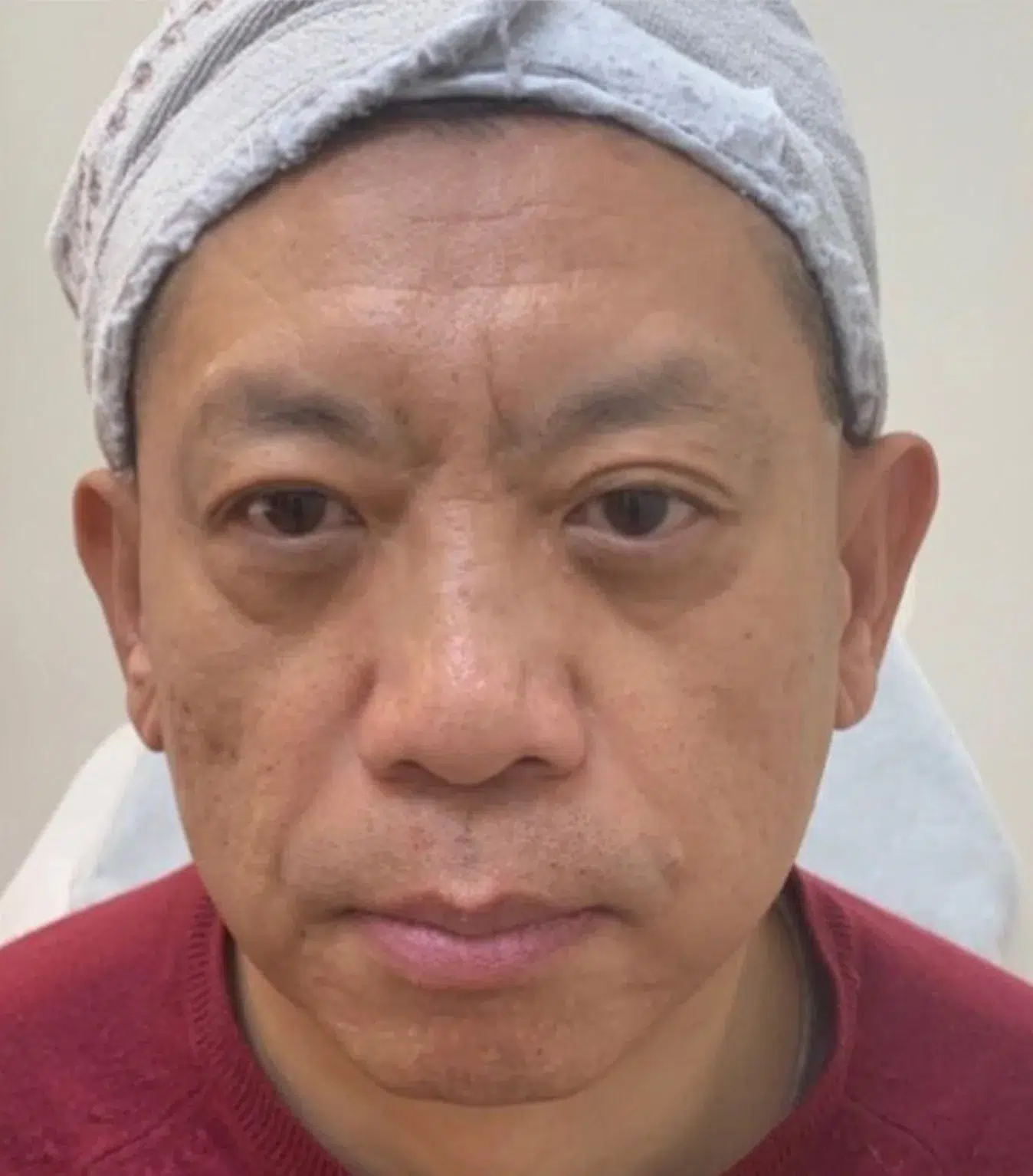
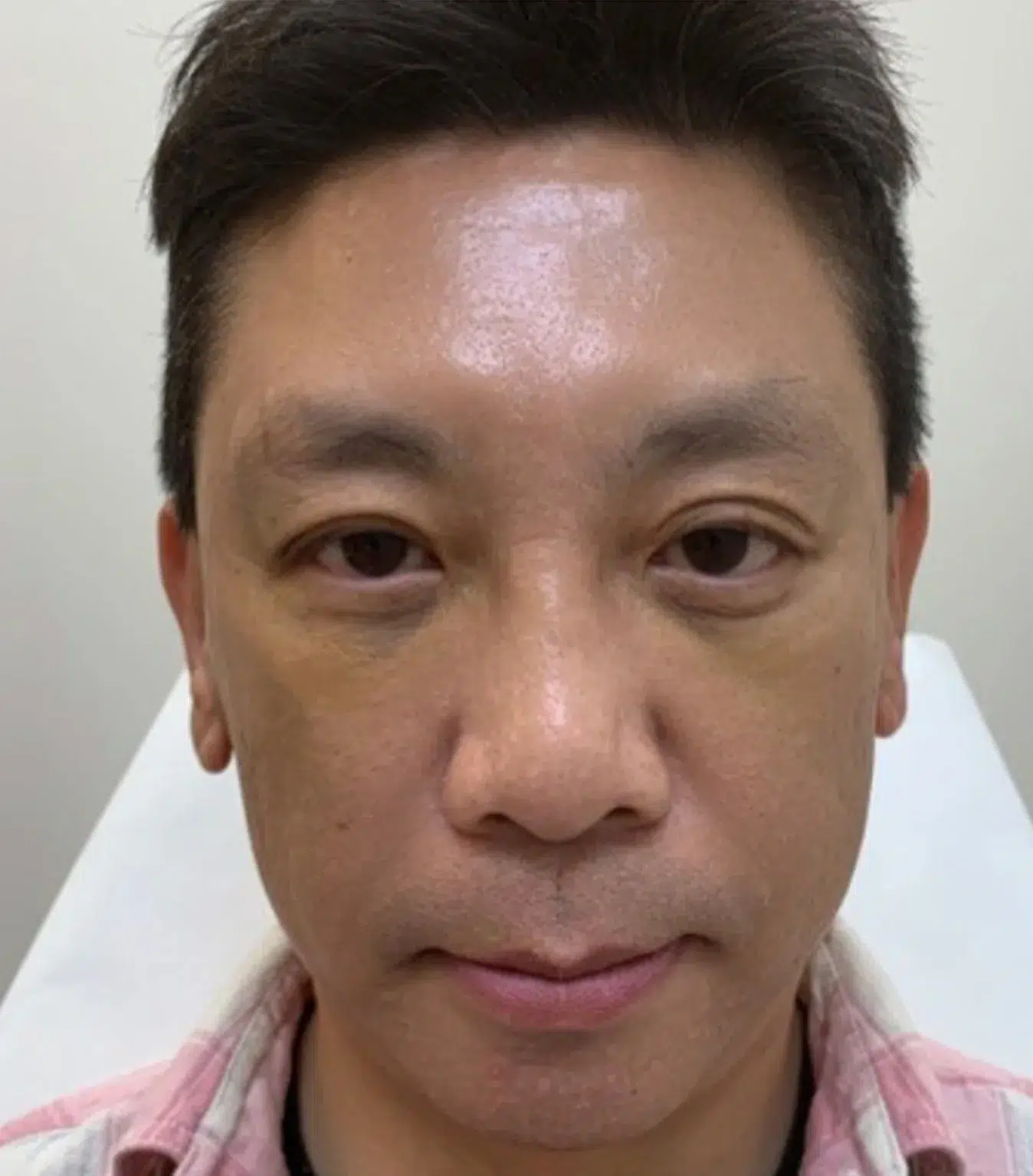
Case 6 · Neck Lines — Documented Results
- Client profile
- Asian Female · Fitzpatrick IV
- Areas of Concern
- Comprehensive Neck Line Treatment (multi-modality combination approach)
- Treatment Plan
- BTL Exilis Ultra™ + BTL Exilis Ultra 360 + Fotona™ 4D® lifting, and 15 additional treatments (multiple sessions within 3 months)
- Improvement outcomes
- Significant improvement in neck lines · Natural-looking overall result
- Post-inflammatory hyperpigmentation (PIH)
- No PIH
- Maintenance
- Routine sun protection + monthly home care + quarterly assessments
Case 06: Neck Line Rejuvenation — Before & After · Asian Female · Fitzpatrick IV · Multi-Modal Combination Protocol, led by our physician at Luowei Medical Aesthetics Clinic, Nanjing
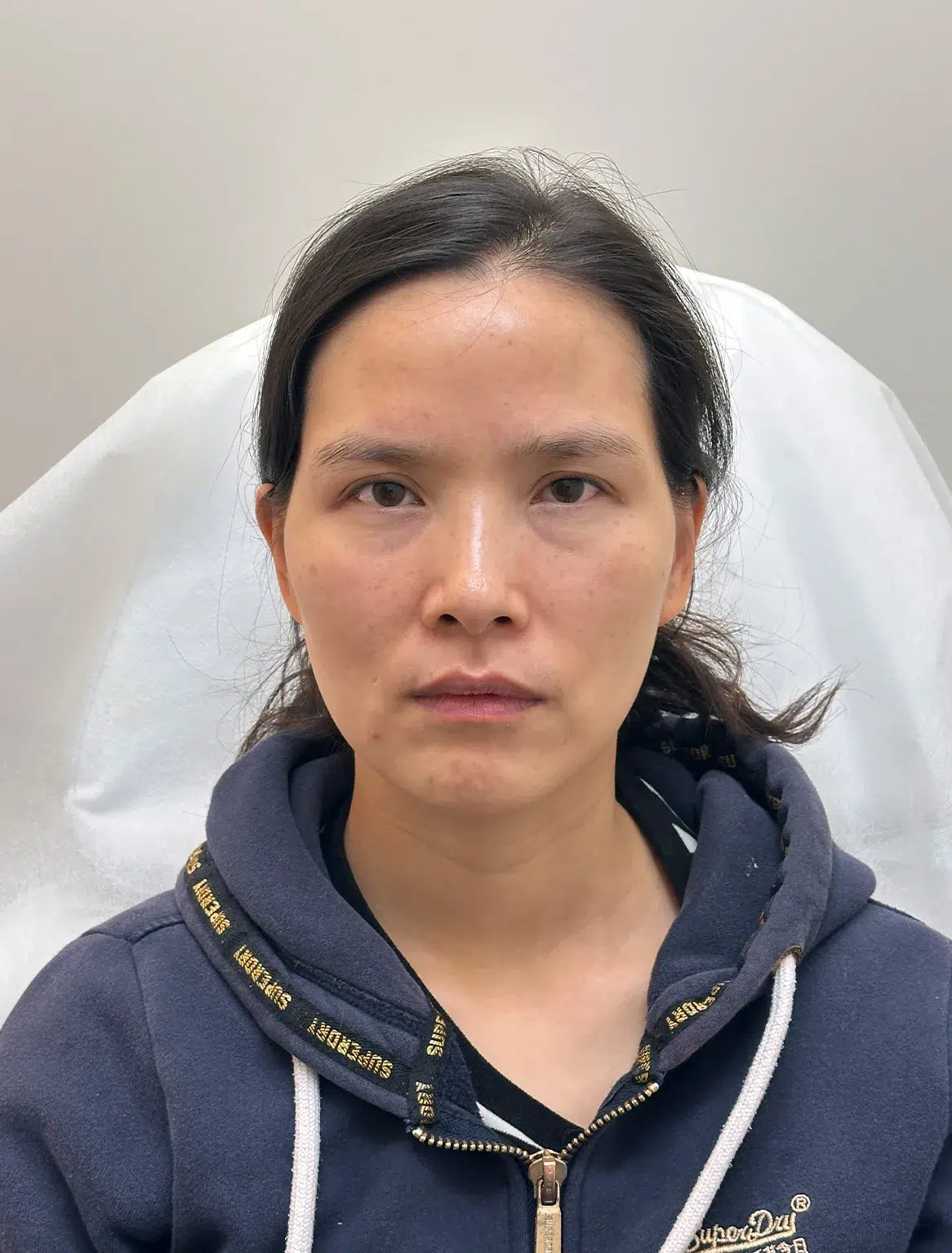
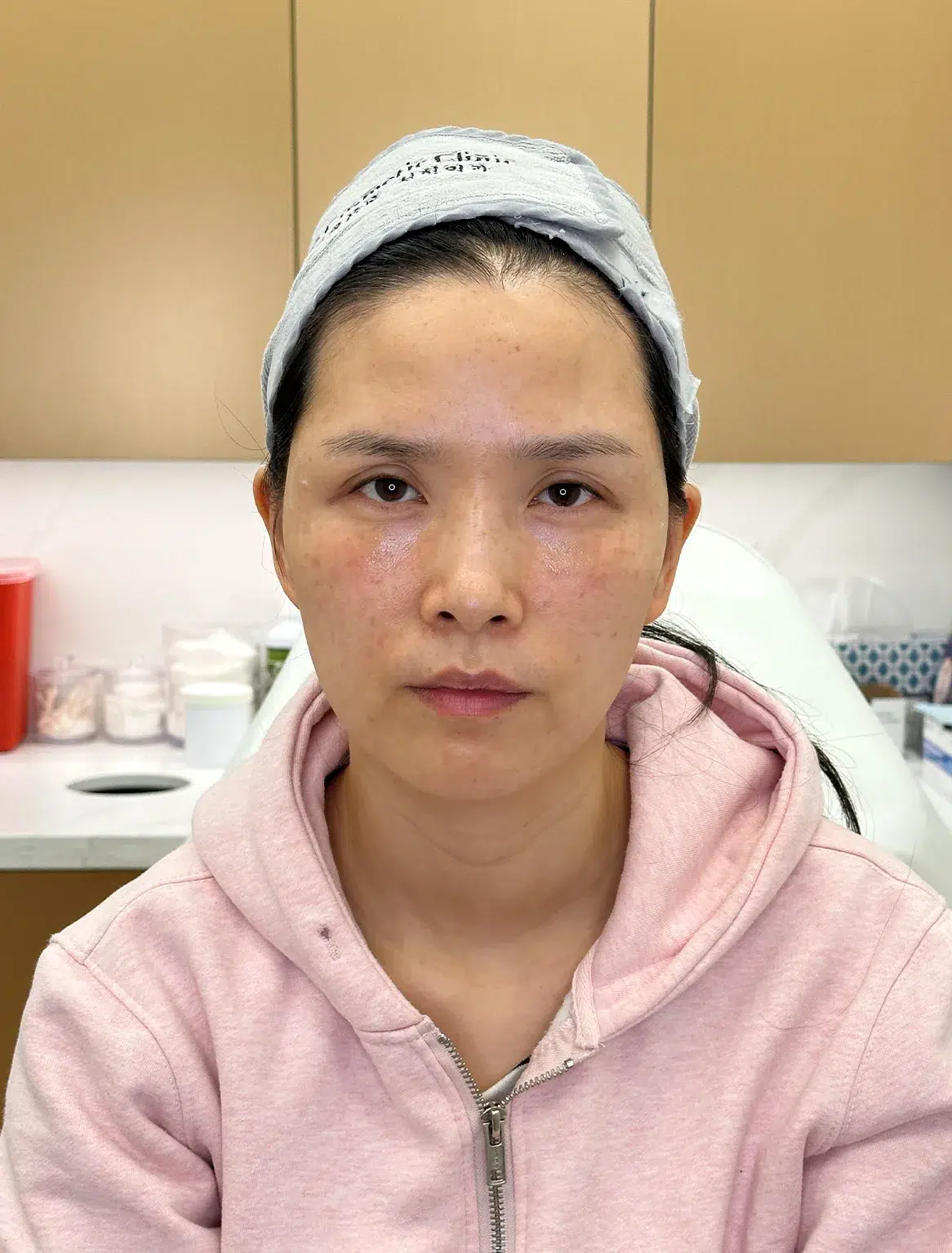
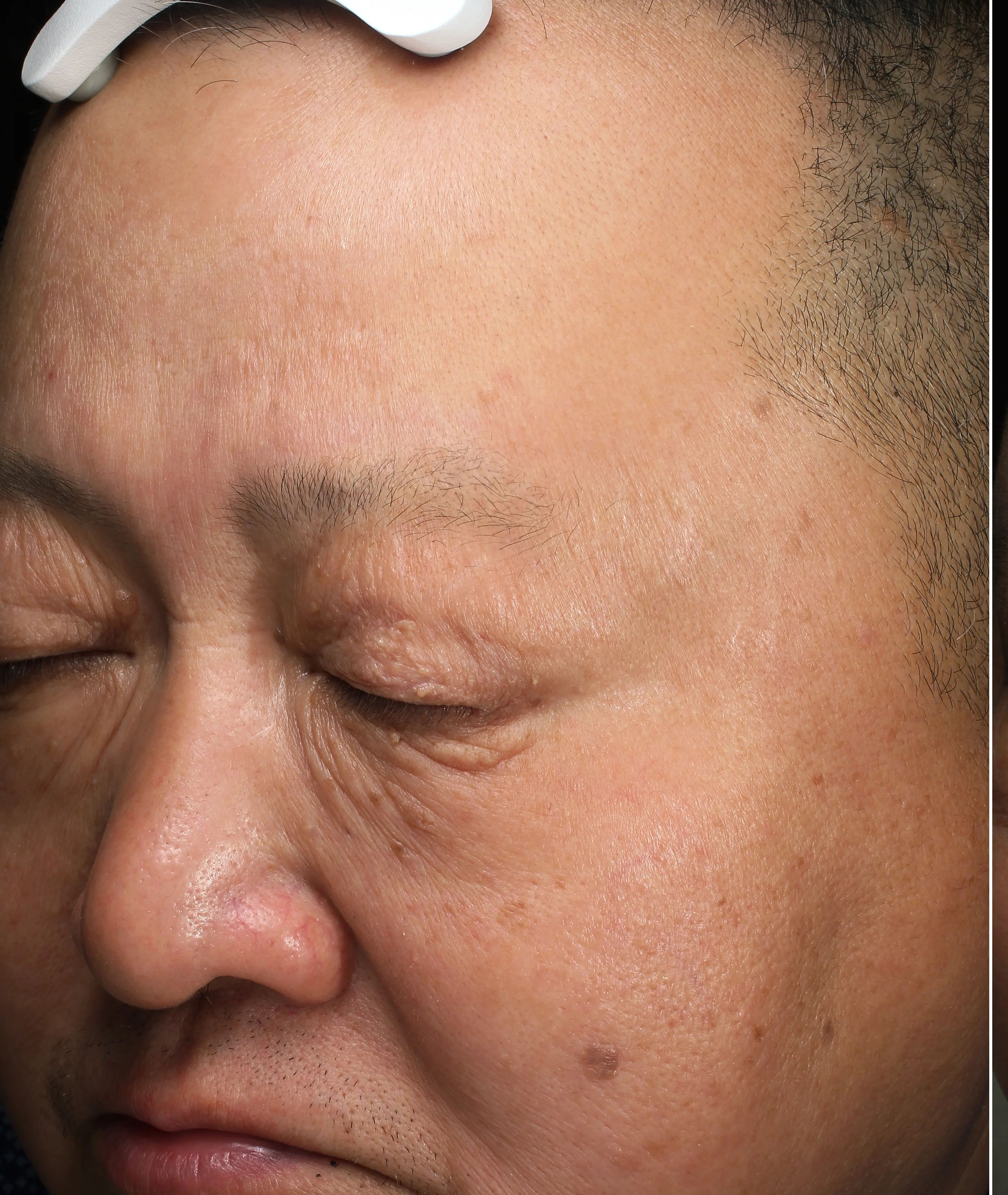
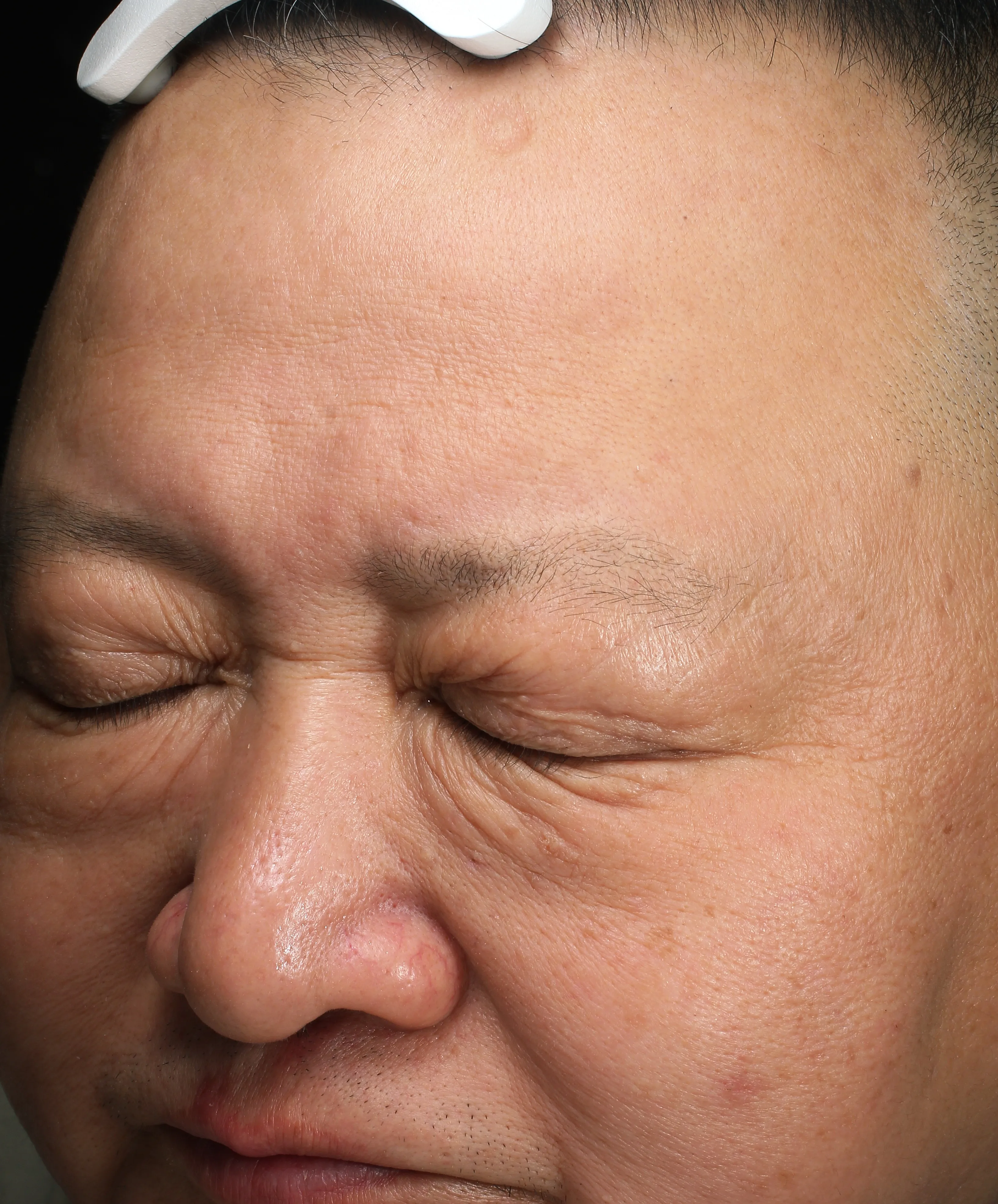
Case 7 · Neck Line Treatment — Real Clinical Record
- Client profile
- Asian female · Fitzpatrick I · Sustained results for nearly 2–3 years
- Areas of Concern
- Comprehensive Neck Line Treatment (multi-modality combination approach)
- Treatment Plan
- Hyaluronic acid filler + under-eye rejuvenation / brightening injections (multiple sessions within 3 months)
- Improvement outcomes
- Significant improvement in neck lines · Natural-looking overall result
- Post-inflammatory hyperpigmentation (PIH)
- No PIH
- Maintenance
- 6–12 month review · top-up injections as needed + at-home neck cream maintenance
Case 07: Neck Lines — Before & After · Asian Female · Fitzpatrick I · Results Sustained ~2–3 Years · Multimodal combination protocol led by our physician at Luowei Medical Aesthetics Clinic, Nanjing
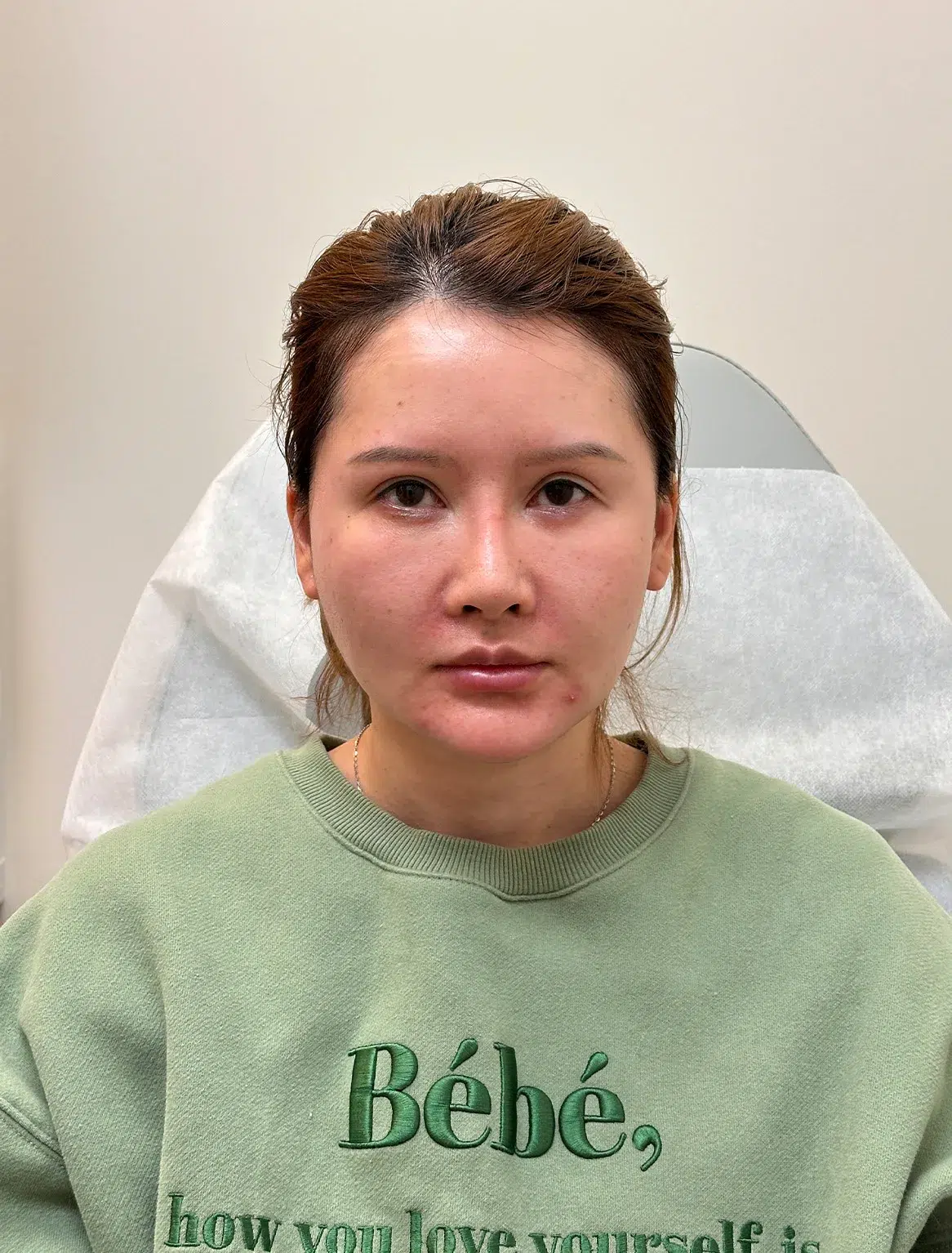
Case 8 · Neck Line Rejuvenation — Real Patient Documentation
- Client profile
- Asian Female · Fitzpatrick IV
- Areas of Concern
- Comprehensive Neck Line Treatment (multi-modality combination approach)
- Treatment Plan
- Dual picosecond combination therapy + Pico® brightening & skin rejuvenation + PicoSure® + PicoSure Pro® — 5 treatments total (multiple sessions within 3 months)
- Improvement outcomes
- Significant improvement in neck lines · Natural-looking overall result
- Post-inflammatory hyperpigmentation (PIH)
- No PIH
- Maintenance
- PRP Quarterly maintenance × 1 + Ultherapy® at 18-month intervals + strict sun protection
Case 08: Neck Lines — Before & After · Asian Female · Fitzpatrick IV · Multimodal combination protocol led by our physician at Luowei Medical Aesthetics Clinic, Nanjing
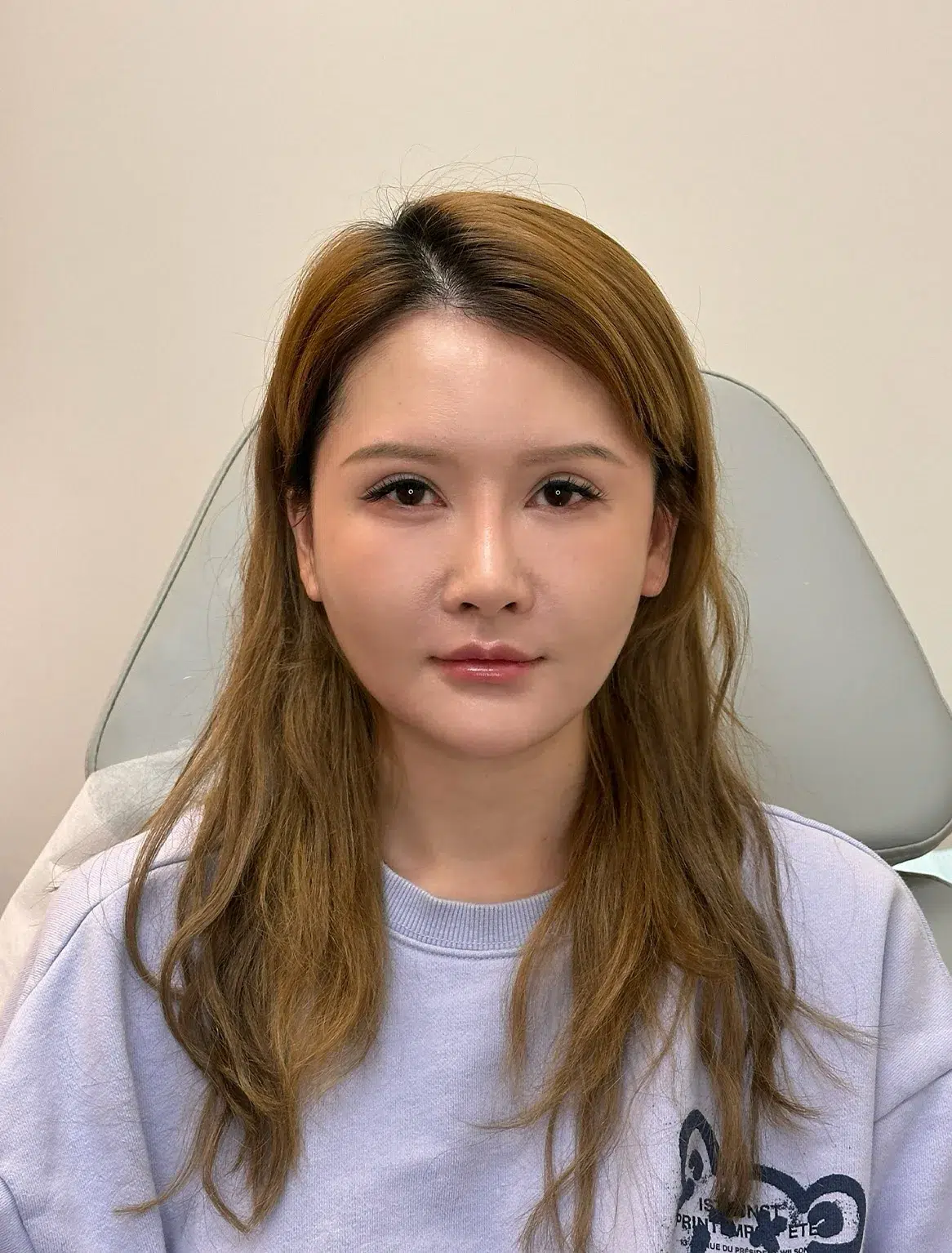
Case 11 · Neck Lines — Documented Results
- Client profile
- Asian female · Fitzpatrick I · Sustained results for nearly 2–3 years
- Areas of Concern
- Comprehensive Neck Line Treatment (multi-modality combination approach)
- Treatment Plan
- Hyaluronic acid filler + under-eye rejuvenation / brightening injections (multiple sessions within 3 months)
- Improvement outcomes
- Significant improvement in neck lines · Natural-looking overall result
- Post-inflammatory hyperpigmentation (PIH)
- No PIH
- Maintenance
- 6–12 month review · top-up injections as needed + at-home neck cream maintenance
Case 11: Neck Lines — Before & After · Asian Female · Fitzpatrick I · Results Sustained ~2–3 Years · Multimodal Combination Protocol Led by our physician at Luowei Medical Aesthetics Clinic, Nanjing
What Are Neck Lines? Why Does the Neck Show Age Faster Than the Face?
Comprehensive Neck Line Treatment (Neck Aging Complex) encompassing three core categories:Horizontal creases (necklace lines), Platysmal Bands, Neck laxity and loss of jawline definition. Neck skin is approximately one-third the thickness of facial skin and contains almost no sebaceous glands. Long neglected and underestimated,The neck often appears 5–10 years older than the face.
5 Key Differences Between Neck and Facial Anti-Aging
The skin is extremely thin — treatment energy must be reduced accordingly.
Neck skin is only one-third the thickness of facial skin, and its neurovascular structures lie close to the surface.Applying facial energy settings directly to the neck = risk of burns. All devices must be operated using a dedicated neck-specific parameter protocol.
Virtually no sebaceous glands — prone to dryness and laxity
The neck has very few sebaceous glands and is chronically prone to dryness.No built-in protective barrier, Collagen degrades approximately 30–50% faster in the neck than in the face.
Frequent movement causes horizontal lines to set in early
Speaking, looking down, and turning the head — repeated thousands of times daily.“Tech neck” and “computer neck” can cause static horizontal lines to appear as early as age 25–30., often well before facial wrinkles become apparent.
These three concerns have distinct underlying mechanisms — each must be addressed individually
Horizontal lines are a dermis and skin-fold issue; vertical bands result from platysmal hyperactivity; laxity stems from SMAS weakening and volume loss.One treatment plan cannot address three different concerns.— Classification and layered targeting are essential.
Chronically overlooked — neglected in sun protection, skincare, and aesthetic treatments alike
Most people apply facial SPF every day but forget the neck entirely. They schedule monthly facial treatments yet never address the neck.Successful neck line treatment = clinical treatment + behavioral change, Otherwise, you will never be able to keep pace with everyday aging.
3 Classic Presentations of Neck Lines
- Horizontal neck lines (necklace lines): 1–4 horizontal neck creases, caused primarily by habitual downward head posture and dermal thinning
- Platysmal bands: Two visible vertical cords protruding along the front of the neck, more prominent when speaking or under tension
- Neck laxity / “turkey neck”: Drooping jawline, excess skin and tissue in the neck, and a poorly defined jawline contour
3 Classic classification types
Horizontal lines type (most common · ages 25–45)
1–4 visible horizontal fold lines. Most common among frequent smartphone and computer users; relatively high reversibility.
Vertical band type (ages 35–55)
An overactive platysma creates two prominent vertical bands along the front of the neck. Botox® micro-droplet injections are highly effective for this concern.
Combined laxity type (45+)
Horizontal lines, vertical bands, and jawline laxity present simultaneously. A multi-device combination protocol is required.
4 Step-by-step self-assessment
- Whether neck lines appear when looking down Multiple horizontal neck creases?
- Whether crease lines are visible when the neck is relaxed and upright Still clearly visible?
- Whether the front of the neck shows banding when speaking Two prominent vertical protruding bands?
- Whether the jawline is Loss of definition or a double-chin appearance?
⚠️ If any 2 criteria apply, a consultation is recommended. Neck line treatment must be properly classified — protocols vary significantly from person to person.
Common Causes of Neck Lines (5 Key Triggers)
Neck lines are Structural aging compounded by lifestyle habits outcomes. Understanding the underlying cause determines the treatment protocol and long-term maintenance strategy.
Habitual downward head posture (“Tech Neck” tech neck)
Every hour spent looking down at your phone means thousands of repetitive neck-crease movements. “Tech neck” starting as early as age 25 can cause horizontal lines to appear a decade earlier than expected. Low screen positioning, prolonged reading, and desk work all accelerate this process.
UV exposure + prolonged neglect of sun protection
Cumulative UV exposure on the neck far exceeds that of the face — due to chronic sun exposure and a consistent lack of SPF protection. UV radiation directly degrades dermal collagen and elastic fibers,Photoaging of the neck is the single strongest accelerator of horizontal line formation.
Loss of dermal collagen and elasticity
The neck dermis is exceptionally thin, and collagen depletes at approximately 1–2% per year — a faster rate than the face. Progressive thinning, loss of elasticity, and the gradual setting of skin folds combine to form permanent horizontal lines.
Platysma hyperactivity
The platysma is a thin, broad muscle that covers the front of the neck. Chronic tension, excessive talking, and high stress levels can cause it to become overactive, leading to prominent vertical neck bands.Two prominent vertical cords visible at rest a classic presentation of platysmal hypertrophy.
Significant weight fluctuation + sleep position + neck care habits
Rapid weight loss accelerates volume depletion and worsens neck laxity. Sleeping on your side or stomach can cause asymmetric neck lines. Friction from turtleneck collars or necklaces is also a potential aggravating factor.
Neck lines vs. double chin / neck pigmentation / keratosis pilaris on the neck
Many patients refer to all neck concerns broadly as “neck lines” — however, clinically, several distinct types of neck conditions require very different approaches.Treatment plans are entirely different..
Vs Double chin / submental fat
| Position | Submental fat accumulation |
| Primary cause | Genetics / body weight / aging |
| presentation | Loss of jawline contour definition |
| Treatment plan | Lipolytic injections / CoolSculpting / Sofwave™ |
| Difference | a fat-related concern, not a wrinkle |
Vs Neck pigmentation
| Position | Diffuse or patchy pigmentation on the neck |
| Primary cause | UV Cumulative / contact dermatitis |
| presentation | Uneven, dull neck skin tone |
| Treatment plan | PicoSure Pro + Topical brightening |
| Difference | a pigmentation concern, not a wrinkle |
Vs Neck laxity / “turkey neck”
| Position | Excess skin and tissue beneath the jawline |
| Primary cause | SMAS Laxity + volume loss |
| presentation | Loss of jawline definition with skin sagging |
| Treatment plan | Sofwave / Thermage / Surgery |
| Difference | Structural concern, not a crease |
Vs Keratosis pilaris / neck rash
| presentation | Grainy texture, roughness, mild raised bumps |
| Primary cause | Abnormal keratinization / friction / allergy |
| sensation | Rough texture to the touch, possibly with mild itching |
| Treatment plan | Keratin regulation + barrier repair |
| Difference | This is a dermatological condition, not an aging concern. |
Why Neck Line Treatment for Asian Patients Differs Fundamentally from Western Approaches
Asian neck anatomy differs from that of Western patients — skin is thinner, pigmentation is more easily triggered, and energy settings require greater care. This understanding is at the core of Luowei Medical Aesthetics Clinic’s neck treatment approach.
1. Neck skin is thinner and more prone to pigmentation
Asian skin (Fitzpatrick III–V): thinner epidermis combined with more active dermal melanocytes.High-energy ablative laser / aggressive resurfacing — contraindicated on the neck— This can easily trigger post-inflammatory hyperpigmentation (PIH), turning what was simply a neck line concern into a combined problem of pigmentation and lines.
2. Relatively prominent platysma
Due to tonal speech patterns and a tendency toward forward head posture, Asian individuals generally have more developed platysma muscles compared to Western populations.Botox Platysmal micro-droplet injections yield more pronounced results in Asian patients compared to Western populations., However, dosage and injection points must be meticulously planned.
- Western dosing is frequently excessive for Asian necks
- Excessive dosage may affect swallowing or neck support
- Micro-droplet technique + multiple injection points + superficial depth — all essential
- The same vial of Botox® can yield entirely different results depending on how it is used
Improper Botox® injection in the neck can cause Neck weakness, discomfort when swallowing, or facial stiffness (Recovery takes 3–4 months).
3. “Less is More” principle
Western neck rejuvenation often relies on high-energy IPL or aggressive resurfacing. Asian necks require Multiple low-intensity— Skinbooster multiple low-dose sessions, Sofwave neck-specific mode, and Botox micro-droplets.Slow is fast, Rushing results is where complications begin.
Asian Neck Classification × our physician’s Protocol
| Neck concerns | Primary cause | risks | Our physician’s protocol |
|---|---|---|---|
| Horizontal lines only · superficial | Dermal thinning / head-down posture | Low | Skinbooster × 3 + Behavioral intervention |
| Horizontal lines + mild laxity | Dermis + early SMAS involvement | Moderate | Skinbooster + Sofwave × 1 |
| Prominent vertical bands (platysma) | Platysma hyperactivity | Precise dosing required | Botox Nefertiti Micro-droplet + maintenance |
| Combined laxity type (45+) | Multi-structural aging | Multiple devices required | Phased combination treatment + long-term maintenance |
Combination Neck Rejuvenation Protocol (Injectables + Tightening + Skin Quality)
Neck line concerns cannot be addressed with a single treatment — each of the three core categories (horizontal lines / vertical bands / laxity) requires its own targeted approach. Our physician designs a personalized protocol based on your specific neck line type.
Skinbooster (NCTF / Profhilo) First-line choice for horizontal lines
Multi-point micro-injection of non-cross-linked hyaluronic acid with biostimulatory ingredients,Restores dermal thickness and hydration in the neck. This is the core approach for horizontal line treatment — not volumizing, but true dermal remodeling.
- 3 sessions to start · 4 weeks apart
- Downtime: minor red dots lasting 1–2 days
- Visible texture improvement begins from the 2nd session
- Suitable for a broad range of patients aged 25–55
Botox Platysmal micro-droplets (Nefertiti Lift)First-line choice for vertical bands
The most differentiated approach to comprehensive neck line treatment. Micro-droplet injections placed at multiple points along the platysma muscle to relax overactive fibers,while simultaneously defining the jawline. For Asian clients, micro-droplet delivery, superficial placement, and strict dose control are essential.
- Results visible at 2 weeks · lasting 3–4 months
- Requires precise dosing and injection placement
- Simultaneously improves vertical bands and jawline definition
Sofwave SUPERB™ Neck tightening First-line option for laxity
FDA A certified mid-frequency focused ultrasound device with a dedicated neck mode, targeting both the dermis and the superficial SMAS layer.Minimal downtime, no risk of pigmentation changes, A safe skin-tightening option for Asian neck skin.
Superficial Volbella injection for refined softening of horizontal lines
For deeply set, prominent horizontal lines,Ultra-low dose, superficial placement Hyaluronic acid softens groove lines. This is a fine-tuning step following Skinbooster — not a standalone primary treatment.
Thermage® FLX Neck radiofrequency
Monopolar radiofrequency delivers deep thermal energy to stimulate collagen. Suitable for Noticeable laxity but reluctant to undergo ultrasound treatment clients, as the tightening component of a combination treatment plan.
PicoSure Pro Neck pigmentation management
For clients with concurrent neck pigmentation. Low-fluence picosecond technology with neck-specific parameters,Simultaneously improves pigmentation and brightens the overall neck appearance. High-energy IPL is contraindicated on Asian neck skin.
Daily skincare + sun protection Essential
The essential “foundation treatment” during the neck maintenance period:
- SPF 50+ Daily neck sun protection (reapply every 2 hours)
- Low-concentration retinol / peptide neck cream (nightly)
- Antioxidant serum (Vitamin C / niacinamide)
- Screen height adjustment + cervical spine care (to prevent worsening from dynamic movement)
Sample combination protocol (by neck line type)
| Patient type | Recommended Protocol |
|---|---|
| 25–35 years old · early-stage horizontal lines | Skinbooster × 3 + Neck cream + behavioral modification |
| 35–45 years old · horizontal lines + platysmal bands | Skinbooster × 3 + Botox Platysma + Sofwave × 1 |
| 45 · Complex laxity type | Sofwave + Botox + Skinbooster + Superficial softening |
| Combined with neck pigmentation | PicoSure Pro Neck care + Skinbooster + sun protection |
| MedSpa Correction of improperly administered Botox® | Allow natural metabolization, then re-plan with a micro-droplet approach |
How Does our physician Design a Neck Line Treatment Plan? (6-Step Process)
Neck rejuvenation is one of the most technically demanding areas in aesthetic medicine. An incorrect treatment plan is not only ineffective — it can also cause functional complications, including difficulty swallowing, altered facial expression, and reduced neck support.
Accurate classification (first determine the type of neck line)
- Static and dynamic photography— Front view + side view + open-mouth speaking
- Palpation Assessment— Platysma tone, SMAS elasticity, and dermal thickness
- Cervical posture assessment— Whether related to “tech neck”
- Neck pigmentation assessment— Whether photoaging-related pigmentation is also present
- Photographic documentation— Multi-angle quantitative baseline documentation
Identify the primary concern and contributing factors
Most clients 45+ present with a mixed profile. Our physician identifies the primary cause to determine treatment sequencing:
- Predominantly horizontal lines → Skinbooster as primary treatment
- Predominantly vertical bands → Botox® micro-droplets as primary treatment
- Predominantly laxity → Sofwave™ / Thermage® FLX as primary treatment
- Pigmentation present → address pigmentation first with PicoSure Pro
Assessing safe Botox® dosage for the neck
Three-dimensional assessment: platysma prominence + body weight + prior Botox® response.All Asian clients: Always start at ultra-low doses + micro-droplet technique + multiple follow-up adjustments.
Designing a phased treatment schedule
Neck line treatment is not a “one-time fix” — it is Multi-phase combination:
[Weeks 0–4]Establishing a skincare routine + SPF habit
[Week 2]Phase 1: Skinbooster × 1 session / Botox® micro-droplets
[Week 6]2nd Skinbooster session + assessment of prior response
[Week 10]3rd Skinbooster session + comparative photos taken
[Week 12]Sofwave / tightening device (if indicated)
[Month 6]Comprehensive outcome assessment + maintenance planning
[Months 6–12]Maintenance: Botox® every 4 months / Skinbooster every 6 months
Fine-tuning at every follow-up visit
- Photo comparison (standardized lighting + multiple angles)
- Assessment of prior treatment response (platysmal tone, Skinbooster absorption)
- Adjusting dosage and injection points (targeted reinforcement or dose reduction in specific areas)
- Functional assessment (swallowing and neck support feel normal)
- Skincare routine and behavioral habit review (SPF, screen height)
Maintenance Management (the most important phase after treatment)
Neck lines are Aging signals that accumulate every day. Maintenance protocol:
- Botox Maintenance every 4 months (Platysmal vertical bands)
- Skinbooster Maintenance every 6 months (dermal thickness)
- Sofwave Every 12–18 months (tightening maintenance)
- Daily neck SPF 50+ (Photoaging is an accelerator of horizontal neck lines)
- Screen height adjustment + cervical spine alignment (behavioral modification)
When will we see results from neck line treatment? How many sessions are needed? How long do results last?
The three tables below address the most frequently asked questions.
When Will Results Be Visible?
| Phase | Time | Visible changes |
|---|---|---|
| Botox After platysma injection | 2 wk. | Vertical bands visibly reduced · Jawline definition improved |
| Skinbooster After the 2nd session | 4–6 wk. | Noticeably improved neck texture and radiance |
| Skinbooster After session 3 | 3 months | Significant reduction of horizontal lines with restored dermal thickness |
| Sofwave + Full Protocol | 3–6 mo. | Overall neck appearance looks 5–10 years younger |
How many sessions are needed?
| Neck line type | Recommended number of sessions | Interval |
|---|---|---|
| Horizontal line type · superficial | Skinbooster × 3 | 4 wk. |
| Platysmal band type · isolated | Botox Micro-droplet session × 1 | 4 Monthly maintenance |
| Horizontal lines + vertical bands | Skinbooster × 3 + Botox | Phased approach |
| Complex laxity type | Multi-device phased approach | Personalized |
How long do results last?
| Maintenance Status | Duration of stability |
|---|---|
| Full protocol + sun protection + regular maintenance | Long-term, manageable results (with ongoing maintenance) |
| Single session only / no maintenance plan | 4–6 months (return to baseline) |
| No sun protection + no change to head-down posture habits | 3–4 months (rapid recurrence) |
Am I a Candidate for Neck Line Treatment?
If any of the following apply most answers are “yes”, You may be a candidate for a neck rejuvenation protocol. A consultation and assessment is recommended.
5 Quick self-assessment
- Does your neck have Horizontal lines visible at rest (visible even without tilting your head down)?
- Whether platysmal banding appears at the front of the neck when speaking or tense Two prominent vertical protruding bands?
- Whether the jawline is Loss of definition or a double-chin appearance?
- Do you look at your phone or computer screen every day more than 4 hours?
- Do you feel your neck looks older than your face appear older?
You may be a candidate for neck line treatment if you:
- Have a clearly defined concern: neck lines, platysmal bands, or laxity
- 18 years of age or older, in general good health
- Not currently pregnant or breastfeeding
- No active neck skin condition or infection
- Willing to commit to a phased treatment approach and long-term maintenance
- Willing to modify habits such as head-down posture and sun protection practices
- Realistic expectations (ongoing maintenance, not a one-time cure)
- No neuromuscular disorders (which would affect Botox® use)
You may not be a suitable candidate, or a careful assessment is required, if you:
- During pregnancy or breastfeeding (Injection contraindications)
- Active neck infection or open wound
- Prior intolerance to hyaluronic acid or Botox®
- Myasthenia gravis or other neuromuscular disorders
- Recent neck surgery — not yet fully healed
- Use of anticoagulant medications (increased bruising risk)
- During rapid weight loss or periods of significant weight fluctuation
- Unrealistic expectations
Why Medspa Treatments Often Fall Short for Neck Lines — Real Cases
Client A — 45-year-old Asian female · Platysmal bands + horizontal lines + early laxity
Going to a MedSpa One-size-fits-all approach · Western dosing
- No neck classification assessment performed
- Applying Western dosing directly to platysma Botox in Asian patients
- Overdosing may cause neck weakness and a sensation of difficulty swallowing
- Failing to address horizontal lines and laxity simultaneously
- No maintenance protocol, no follow-up
- 2 weeks post-treatment: vertical bands improved, but reduced neck support sensation noted
- A sense of neck fatigue may take up to 3 months to fully resolve.
- Unsatisfied with previous results → Come to Luowei for a comprehensive replanning
Visit Luowei Classification-based combination approach · optimized for Asian patients
- Neck classification assessment confirmed combined type: horizontal lines + vertical bands + laxity
- Botox Asian micro-droplet protocol (half dosage + multiple injection points)
- Phase 1: Skinbooster × 3 + Botox micro-droplets
- Phase 2: Sofwave™ tightening
- Comprehensive follow-up + photography + maintenance planning
- 3 Months later: softened vertical bands + improved horizontal lines + enhanced firmness With no functional side effects
Why Trust Luowei Medical Aesthetics Clinic for Neck Line Treatment?
Google's E-E-A-T framework evaluates medical content across four dimensions. Below are the specific credentials behind every claim on this page.
Real clinical experience
- Complete Before & After photo records for every patient
- Neck classification diagnosis + functional assessment
- Specialized Asian platysma micro-droplet Botox® protocol
- Multi-device combination protocol (Skinbooster / Sofwave™ / Botox®)
Industry-recognized credentials
- IMCAS Guest Speaker at International Conferences
Transparent and verifiable
- Written informed consent form signed before every treatment
- All Before & After photos are unretouched
Neck line treatment is not simply “a few injections” — it is a classified, combination approach.
The neck is the area where age shows most clearly on Asian women — and yet it is the most commonly mismanaged.
About the Cost of Neck Line Treatment
Neck rejuvenation is not a single treatment — it typically involves a staged, multi-modality approach, and pricing cannot be represented by a single figure.The real difference in pricing between clinics is not the product — it’s the clinical judgment behind it.: Is neck type accurately classified? Is platysma Botox dose adjusted for Asian anatomy? Is the tightening device set to a neck-specific mode? Each of these decisions directly determines the safety and durability of your results.
Injectable treatments (Botox® platysmal micro-droplets, Skinbooster) are typically performed directly by the physician — the neck’s anatomy is narrow, neurovascular structures are superficial, and the margin for dosage error is extremely small. Energy-based tightening devices can be administered by trained clinical staff under a standard maintenance protocol. Complex cases involving combined platysmal banding with laxity, or correction of prior Botox® complications, benefit most from direct physician involvement; routine Skinbooster maintenance sessions are available at a more accessible price point.Treatment should be driven by your needs, not by price.. Following a Free 30-Minute Consultation, our physician will recommend the most appropriate treatment plan and corresponding pricing structure based on your neck line classification.
- Payment is made at the clinic, after the consultation and before treatment begins
- Nothing is paid in advance, and no deposit is required to hold an appointment
- Cosmetic treatment is a self-pay item and is not covered by public medical insurance in China
- All new patients receive a complimentary 30-minute Free Consultation assessment
Common Risks · Contraindications · Complication Prevention
Transparency in neck line treatment is itself a mark of expertise. We openly disclose all possible reactions, serious risks, contraindications, and absolute exclusion criteria.
Common reactions (in the short period following treatment)
- Skinbooster Injection points Minor redness / micro-erythema (1–2 days to resolve)
- Localized bruising (3–10 days to absorb; cool compress may be applied)
- Botox Temporary local tenderness post-procedure (1–3 days)
- Temporary skin dryness on the neck (easily managed with moisturizer)
- In rare cases, slight initial asymmetry may be observed (re-assessed after 2 weeks once results have stabilized)
Serious risks (rare, but require informed disclosure)
- Platysmal Botox® overdose— Neck weakness or difficulty swallowing (avoidable with precise dose control)
- Hyaluronic acid vascular occlusion— Rigorous aspiration technique combined with thorough anatomical knowledge significantly reduces risk
- Worsened neck pigmentation (from incorrect energy settings or inappropriate laser use)
- Allergic reaction (extremely rare)
- Infection (rare under strict sterile technique)
Relative Contraindications (require careful assessment)
- Active skin inflammation or acne on the neck
- Use of anticoagulant medications (increases bruising risk)
- Recent neck surgery with incomplete recovery
- Periods of uncontrolled significant weight fluctuation
- Prior intolerance to hyaluronic acid or Botox®
Absolute contraindications (treatment not performed)
- Pregnancy / breastfeeding
- Active infection or open wound
- Neuromuscular disorders such as myasthenia gravis (contraindication for Botox®)
- Known severe allergy to hyaluronic acid or Botox®
- Unrealistic expectations (anticipating permanent results after a single session)
Safety protocols strictly enforced by our physician
- Every patient undergoes neck classification, palpation assessment, and functional evaluation prior to treatment.
- Botox Treatment must begin at ultra-low doses, using micro-droplet technique with multiple incremental adjustments
- Strict aspiration before injection + slow, controlled filler delivery
- Written informed consent form signed before every treatment
- All injections are performed personally by our physician
- Hyaluronidase (reversal agent) always on hand
- Post-treatment photography is documented after every session to track progress and guide fine-tuning
Additional Comparison & Reference Data
| Distribution | Vertical bands on either side of the midline of the front neck |
|---|---|
| Morphology | Protrudes during speech or muscle resistance |
| Trigger | Platysma hyperactivity + skin thinning |
| At rest | Mild / not prominent |
| First-line treatment | Platysma Neurotoxin (Nefertiti Lift) |
| Distribution | 2–4 horizontal creases across the front of the neck |
|---|---|
| Morphology | Fixed at rest, varying in depth |
| Trigger | Dermal atrophy + repeated forward flexion |
| At rest | Clearly present |
| First-line treatment | Skinvive / Skin Booster + Thermage® |
Where the medical claims on this page come from
Everything above about Comprehensive Neck Line Treatment rests on published evidence rather than on our own word. The sources below are the ones behind those statements: peer-reviewed papers indexed in PubMed, and guidance written for patients by dermatology academies and national health services. Read them before you decide — and bring any of them to your consultation.
- Peer-reviewedBotulinum toxin type A for facial wrinkles
- Peer-reviewedBotulinum Toxin Treatment for Mild to Moderate Platysma Bands: A Systematic Review of Efficacy, Safety, and Injection Technique
- Patient guidanceWrinkles
- Patient guidanceDermal fillers: Overview
- Patient guidanceBotulinum toxin: Overview
What these references can and cannot tell you. They describe what is known about the treatment itself — how well it tends to work, how long results last, and what can go wrong. They are not an assessment of this clinic, and no published study can tell you whether it suits your skin type, anatomy, or medical history. That judgement comes from the physician who examines you in person, and it may well be “not this one”.