Skin tags
Skin tag (medical name Acrochordon / Soft Fibroma (Fibroepithelial Polyp))is a lesion composed of epidermis plus loose fibrovascular tissue Benign skin growth.
Real skin tag cases by our physician
The following four cases were personally treated by our physician at our Nanjing clinic and are shared with signed Media Release Form authorization. Skin tags (acrochordon) vary in location, size, and stalk thickness, so treatment methods and recovery responses also differ. Actual results are determined by in-person consultation.
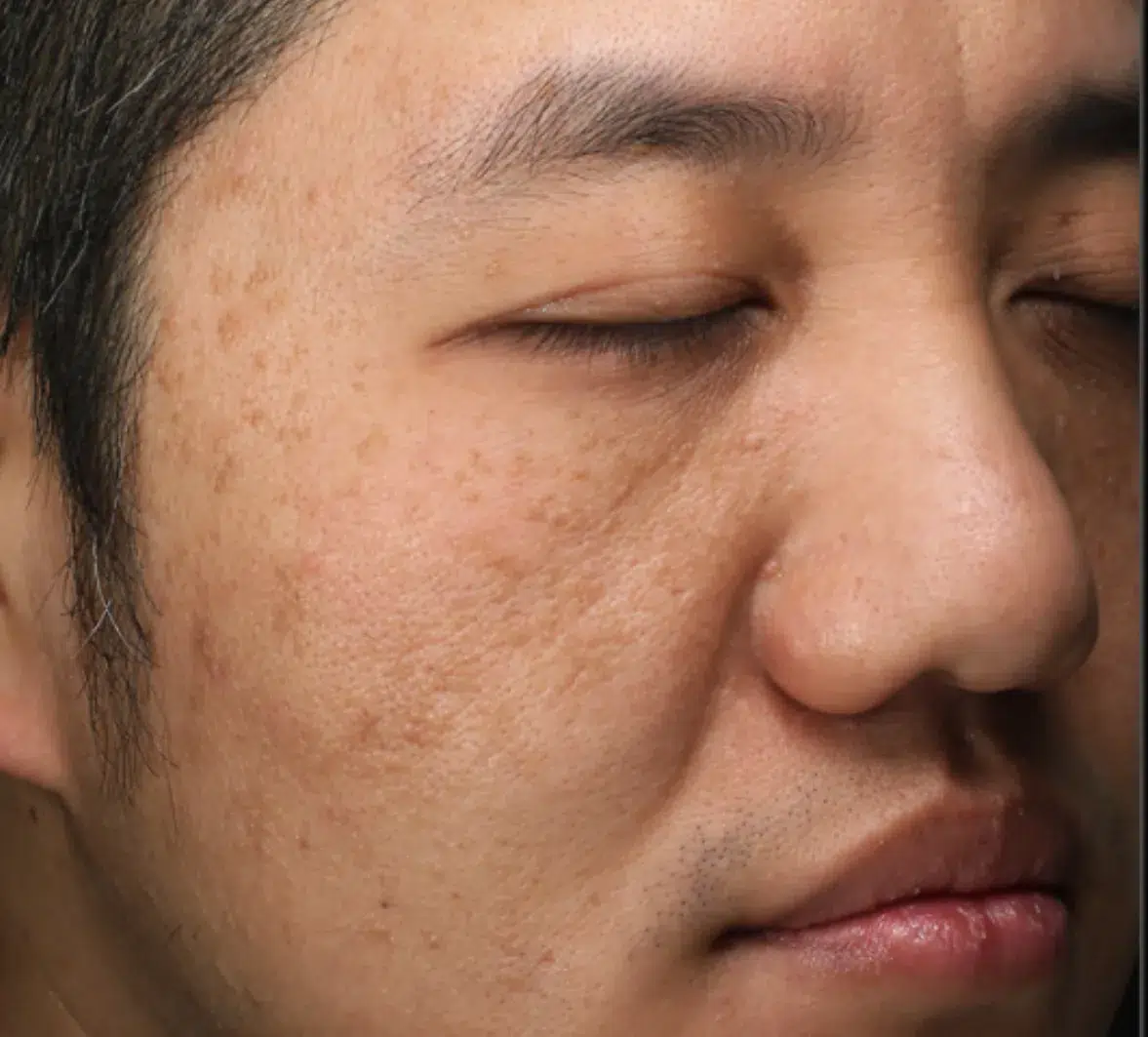
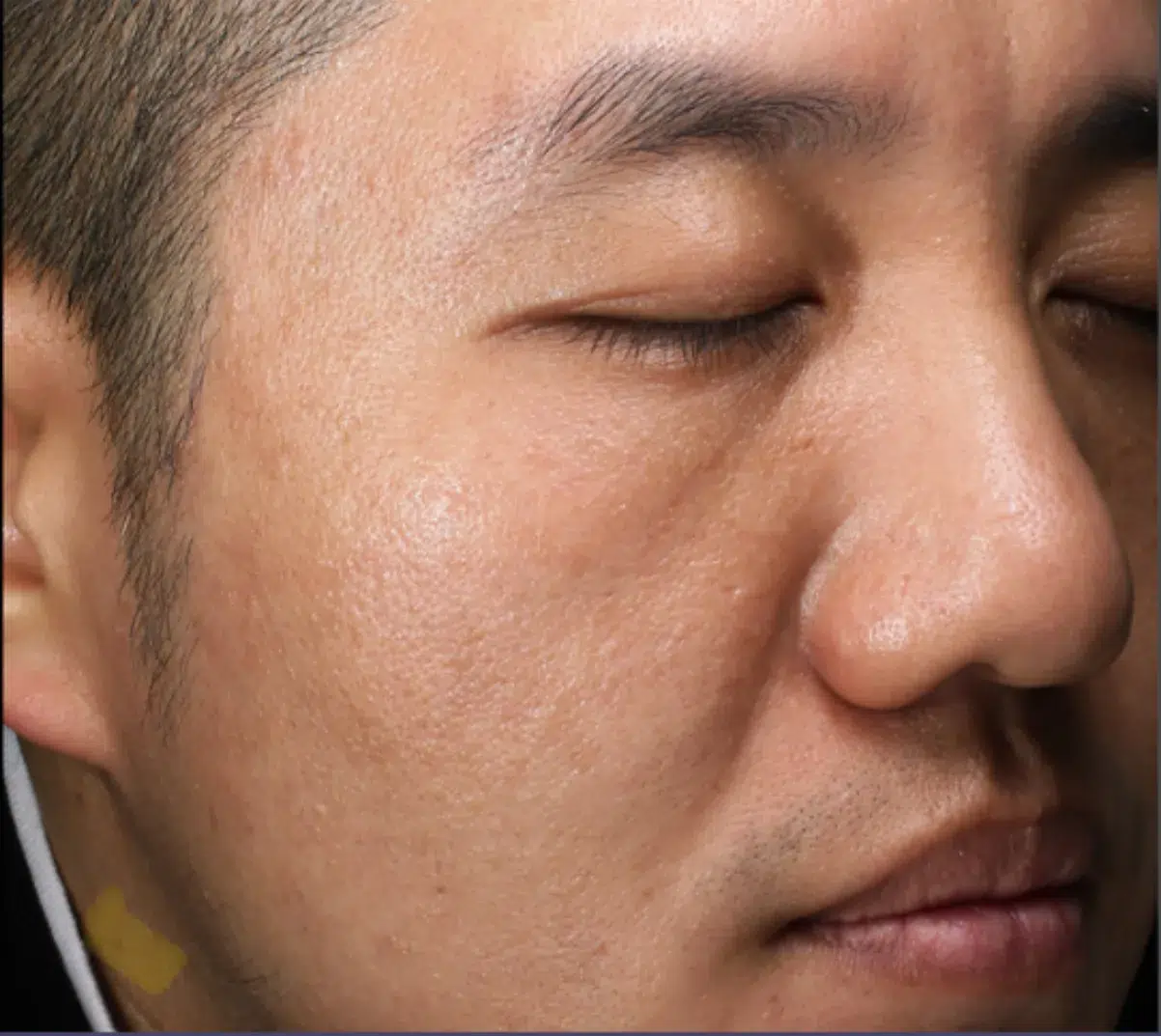
Case 1 · Real Skin Tag Record
- Client profile
- Asian female · Fitzpatrick IV
- Focus area
- Skin tag · Friction/aging type
- Treatment plan
- Dual Pico combination therapy + Pico® brightening & rejuvenation + PicoSure® + PicoSure Pro® and 5 other treatments (multiple sessions within 3 months)
- Improvement outcome
- Marked improvement in skin tags · Natural overall result
- rebound hyperpigmentation
- No PIH
- Maintenance
- Routine sun protection + monthly home care + quarterly assessment
Case 01: Skin Tag Before & After · Asian Female · Fitzpatrick IV · Multimodal Combination Protocol led by our physician at Luowei Medical Aesthetics Clinic, Nanjing
What Is a Skin Tag? Why Is It Different from Moles or Warts?
Skin tag (medical name Acrochordon / Soft Fibroma (Fibroepithelial Polyp))is a lesion composed of epidermis plus loose fibrovascular tissue Benign skin growth. They typically protrude from the skin as stalked or dome-shaped lesions, commonly on the neck, underarms, periorbital area, groin, and under the breasts Friction or skin-fold areas. Skin tags are benign but prone to repeated friction, bleeding, and aesthetic interference with makeup, and are linked to metabolic status — treatment itself is simple, but How to treat without scarring, recurrence or pigmentation, is the real test.
Why can’t they be excised like moles?
Moles contain pigment cells and require excision down to the dermis with pathology; skin tags Involves only superficial fibrovascular tissue, Cutting too deep instead leaves scars. The treatment depth and instruments used differ entirely between the two.
How is this different from HPV warts?
Common warts / filiform warts are caused by HPV, are contagious, and self-inoculate easily; skin tags Not a virus, not contagious. Misdiagnosis can lead to incorrect treatment and continued spread.
Why does Asian skin require a special protocol?
Fitzpatrick III–V exists after any form of energy-based injury PIH Pigmentation risk. The “just burn it off” approach used at typical clinics often leaves dark marks on Asian skin for months, even up to a year.
Why do they keep coming back?
Once properly treated, the original site usually does not recur, but New ones will appear in the same friction zone. This is linked to weight, insulin resistance, hormone levels, and clothing friction — it’s constitutional, not treatment failure.
Clinical key points:“Skin tags are often self-treated with thread ligation, scissors, or chemical drops — the core problem with these methods is not whether the tag falls off, but rather whether it scars, whether pigmentation develops, whether the wound gets infected. Exposed areas like around the eyes, face and neck — once scarred, it’s nearly irreversible. The first step in our physician’s protocol is always Diagnosis and location assessment, then selecting the device that delivers the least possible energy damage.
Five Main Causes of Skin Tags — Not Just “Aging”
Clinically, labeling all skin tags as “age-related” is inaccurate. Multiple lesions can also appear in patients in their 20s. The key lies in the combination of the following five factors.
1. Mechanical friction (primary cause)
Shirt collars, necklaces, bra straps, underarms, groin folds — prolonged friction causes epidermal hyperplasia that forms stalked protrusions. This is a skin tag The most significant trigger.
2. Metabolic syndrome / insulin resistance
Multiple studies show that multiple skin tags (>10 lesions) and 2 type 2 diabetes, insulin resistance, obesity, dyslipidemia-related. Clinically, when we see clusters of skin tags in the underarms, we recommend concurrent metabolic assessment.
3. Hormonal fluctuations
Skin tags increase during pregnancy, perimenopause, and hormone replacement therapy (HRT). Dozens can appear within 6–9 months of pregnancy; some shrink spontaneously postpartum.
4. Genetic predisposition
Those with a positive family history (especially parents with multiple underarm / neck skin tags) have a significantly higher incidence than the general population. This is a benign genetic tendency.
5. Age and skin laxity
40 After this age, dermal collagen declines and skin tension drops, making the epidermis more prone to forming pedunculated growths under friction. It is common in both sexes, slightly more frequent in women.
4 skin growths commonly mistaken for skin tags — key differential diagnosis points
Similar in appearance but fundamentally different. Wrong classification → wrong device → scarring / recurrence / missed malignancy.
Filiform wart
Verruca Filiformis · HPV Infection
| Distribution | Face, perioral area, eyelids — can spread through autoinoculation |
|---|---|
| Morphology | Rough, keratotic, finger-like projection at the tip |
| Texture | Firm and tough, with a keratotic feel |
| Nature | HPV Viral infection, contagious |
| First-line treatment | Antivirals + cryotherapy / laser, requiring deeper ablation |
Soft Fibroma / True Skin Tag (Acrochordon)
Skin Tag · Fibroepithelial Polyp
| Distribution | Friction zones — neck, underarms, groin, around the eyes |
|---|---|
| Morphology | Pedunculated or hemispherical, smooth surface, skin-colored |
| Texture | Soft and compressible, no keratinization |
| Nature | Benign growth, non-contagious |
| First-line treatment | eCO2 / Er: YAG Ultra-low-energy ablation |
Seborrheic Keratosis (SK)
SK · Seborrheic keratosis
| Distribution | Face, neck, chest, and back — common after age 40 |
|---|---|
| Morphology | Waxy, stuck-on brown plaque with well-defined borders |
| Texture | Granular surface, resembling stuck-on wax flakes |
| Nature | Benign keratotic growth, coexisting with pigmentation |
| First-line treatment | eCO2 Superficial vaporization + PIH-prevention protocol |
Pigmented Nevus / Melanoma (Melanocytic Lesion)
Mole · Melanoma Caution
| Distribution | Anywhere on the body, congenital or acquired |
|---|---|
| Morphology | Pigmented · ABCDE warning signs require biopsy |
| Texture | Flat or slightly raised, some with hair |
| Nature | Contains pigment cells; some carry malignant potential |
| First-line treatment | Surgical excision with pathology when indicated;Laser contraindicated |
⚠️ Warning:Occasionally we see patients who come in thinking they have a skin tag, but dermoscopy reveals Atypical mole or early malignant lesion. Under our physician’s protocol, any lesion with uneven color, irregular borders, or recent rapid change is always recommended for Biopsy first / refer to dermatology, rather than ablating directly — a pathology-based diagnosis matters more than convenience.
Why does skin tag removal on Asian skin require a “low-energy, low-injury” protocol?
Blind spots in common practices at general clinics
Many walk-in clinics and beauty salons routinely use Electrocautery / high-energy RF / chemical removal solutions Treating skin tags — these methods occasionally cause pigmentation on Caucasian skin, but on Fitzpatrick III–V Asian skin, the following problems are nearly inevitable:
- ✗ PIH Pigmentation— Heat diffusion damages surrounding healthy epidermis, leaving brown marks for months
- ✗ Atrophic scarring— Uncontrolled depth, leaving a depressed surface after healing
- ✗ Residual stump recurrence— Surface charring mistaken for complete removal — regrowth at the same site within weeks
- ✗ Infection risk— Non-sterile environment + no aftercare guidance for wound exudate
Our physician’s Fitzpatrick III–V Specialty Adjustments
| Parameters | Standard electrocautery | Luowei Protocol |
|---|---|---|
| Primary device | Electrocautery / electrosurgery | eCO2 / Er: YAG Laser |
| Ablation depth | Uncontrollable | Layer-by-layer µm-level control |
| Thermal spread | Broader | extremely narrow (< 30 µm) |
| Anesthesia | mostly without | Topical anesthesia for 30 minutes |
| Post-procedure care | Verbal | Repair-grade dressings + follow-up |
Key differences:Treating a skin tag itself isn’t complex — the key lies in Precise energy delivery and pigmentation risk management for Asian skin. Our physician has focused on Asian faces at our Nanjing clinic for 8 years. Over 90% of the clients are Fitzpatrick III–V, and every skin tag protocol defaults to a low-PIH-risk setting.
5 Treatment Options for Skin Tags — Chosen by Location and Size
No single device is suitable for all skin tags. We choose based on Location (eyes / neck / underarms / groin), size (1mm to 5mm+), stalk thickness combine with the options below.
ECO2 Fractional CO₂ Laser
Wavelength 10,600 nm,High water absorption · Precise vaporization. Spot size adjustable down to 0.12mm ultra-fine mode — suitable for Fine skin tags on the periorbital area, face, and neck. Depth control at the micron level with minimal surrounding thermal damage — extremely low PIH risk on Asian skin.
Fotona ClearGlow Er: YAG Mode
2940nm Er: YAG laser,10× higher water absorption coefficient than CO₂, virtually no thermal spread. Suitable for Larger tags or multiple lesions to be treated in one session pedunculated skin tags on the neck or underarms. Faster healing and extremely low PIH risk.
PicoSure Pro Treatment of post-procedure PIH
For Residual pigmentation from prior treatment,755nm A low-energy picosecond protocol safely fades PIH. Frequently paired with eCO₂ for reparative cases.
Fine Surgical Excision (Snip Excision)
For Thick stalk (>4mm)For broad-based skin tags, the physician uses fine scissors plus electrocoagulation for hemostasis in a sterile environment. Superior to removal at a beauty salon — strict sterility plus sutures or tissue adhesive.
Post-procedure repair & aftercare protocol
All treatment sites receive Reparative dressings + topical Cyspera for PIH prevention + SPF 50+ mineral sunscreen combination aftercare. For Asian skin, sun protection during wound recovery is the single most important step in preventing PIH.
Our physician’s 6-Step Standard Skin Tag Protocol
Consultation + dermoscopic diagnosis
30 minute free consultation, lesion-by-lesion using Dermoscopy to confirm whether it is truly a skin tag, Rule out warts, moles, SK, and atypical lesions. All suspicious lesions are referred for pathology evaluation first.
Assess location + quantity, then select the device
Precision zones around the eyes / lips → eCO2 ultra-fine mode; multiple lesions on the neck / underarms → Er: YAG rapid ablation; thick stalks > 4mm → Fine surgical excision.Different locations may use combination approaches.
Topical anesthesia for 30 minutes
Using Lidocaine + prilocaine compound topical anesthetic(EMLA), Local infiltration anesthesia can be added for sensitive areas. Most patients report no significant pain throughout.
Precise lesion-by-lesion ablation / excision
Personally performed by our physician.Lesion by lesion, layer by layer, at the micron level Ablation down to a flush base, without charring surrounding healthy skin. Dozens of lesions can be handled in a single in-office session.
Immediate post-procedure repair + home care guidance
Cold compress + reparative dressing + antimicrobial ointment + Cyspera brightening prep.Written post-care guide + WeChat follow-up,7 scabs fall off naturally — do not pick at them during this time.
4 week follow-up + PIH intervention if needed
4 Reassessment at week — if any Mild pigmentation, initiate Cyspera + low-energy PicoSure Pro; for new skin tags in the same friction zones, discuss lifestyle factors and metabolic assessment.
Treatment Timeline — How Long Until You See Results?
| Classification | Number of treatments performed | Scab phase | Redness fades | Final assessment |
|---|---|---|---|---|
| Small skin tags on the periorbital area / face (<2mm) | Single session | 3–5 days | 2–4 weeks | 2–3 months |
| Multiple fine filiform lesions on the neck | Single session | 5–7 days | 3–4 weeks | 3 months |
| Underarms / groin in clusters (>20 lesions) | 1–2 sessions | 7–10 days | 4–8 weeks | 3–6 months |
| Thick stalk > 4mm or prior scarring | 1–3 sessions | 7–14 days | 6–12 weeks | 6 months |
Clinical note:Most clients complete treatment in a single visit; post-procedure No noticeable downtime— Neck and underarm areas (covered by clothing) can resume normal activities the same day. The periorbital area may have mild swelling for 1–2 days. Correctly treated sites essentially do not recur; new tags appearing in the same friction zone are a constitutional issue, unrelated to treatment.
Are You a Candidate for Skin Tag Treatment? 2-Minute Self-Assessment
✅ Ready to begin assessment
- ✓Soft pedunculated or dome-shaped growths on the neck, underarms, around the eyes, or groin
- ✓Lesion morphology stable ≥ 3 months, uniform color
- ✓Recurring pain / bleeding from friction, or interference with makeup and clothing
- ✓Pigmentation or residual stumps left by prior treatment elsewhere, requiring revision
- ✓Willing to follow 4 weeks of post-procedure care and sun protection as directed
- ✓Accept that new skin tags may form in the same friction zones
❌ should be deferred first or other issues addressed first
- ✗Lesion recently growing rapidly / uneven color / persistent bleeding (biopsy first)
- ✗Pregnancy or breastfeeding (can be deferred — many tags shrink on their own postpartum)
- ✗Uncontrolled active infection, dermatitis, or eczema at the site
- ✗Severe keloid tendency (history of keloids) not yet assessed
- ✗Taking photosensitizing medications (isotretinoin within past 6 months)
- ✗Expecting “clear them once, never grow back” (misaligned expectations)
Luowei Medical Skin Tag Protocol vs. Standard MedSpa / Beauty Salon
- ✗No dermoscopy — “burn it off” after a quick look
- ✗Electrocautery / chemical solutions / scissors — depth is uncontrollable
- ✗Without ABCDE warning sign evaluation, atypical lesions may be missed
- ✗No topical anesthesia — poor, painful client experience
- ✗Operators are typically aestheticians, with no physician consultation
- ✗Leaves pigmentation / pitted scarring, then tells patients “it will fade in time”
- ✗No post-procedure recovery guidance, no follow-up
- ✓Mandatory dermoscopic diagnosis of each lesion; suspicious cases sent for pathology
- ✓eCO2 / Er: YAG µm level precision ablation
- ✓ABCDE Warning-sign assessment to maintain safety boundaries
- ✓30 minutes of topical anesthesia, virtually painless
- ✓Personally consulted and performed by our physician
- ✓Asian-skin PIH prevention protocol + Cyspera regimen
- ✓4 week follow-up + WeChat tracking + repair if needed
Why can you trust Luowei Medical Aesthetics Clinic’s information on skin tags?
Experience
Expertise Specialty
eCO2 + Er: YAG Precision ablation · Routine dermoscopic diagnosis
Authoritativeness Authority
Trustworthiness Trusted
All cases on this page have signed Media Release Form authorization · clinical data on file
About skin tag treatment fees
Skin tag pricing varies widely between clinics, but the real driver of cost is never the device itself — it’s Who assesses, who decides, and the depth of clinical experience during the procedure. Skin tags may seem like a minor issue, but the real challenges are: Is the location safe? Is it truly a skin tag? How do we prevent pigmentation and scarring on Asian skin? Has it been unsuccessfully treated before? — These judgments determine the energy, depth, and device selection. Periorbital, facial, neck, and revision cases involve our physician’s direct, hands-on participation, and the pricing structure reflects that investment of physician time and clinical judgment. For larger-volume, structurally stable cases on the neck, underarms, and groin, treatment can be safely performed by our trained medical team after our physician develops the plan, making it more accessible. The price gap in laser treatment fundamentally comes down to physician-performed versus technician-performed care (physician vs technician)the depth of clinical experience matters. Which approach suits you is determined by lesion location and risk — not by price. The specific plan is finalized after your consultation and dermoscopic assessment.
- Payment is made at the clinic, after the consultation and before treatment begins
- Nothing is paid in advance, and no deposit is required to hold an appointment
- Cosmetic treatment is a self-pay item and is not covered by public medical insurance in China
- All first-visit patients receive a 30-minute Free Consultation & assessment
Risks & Contraindications — What We Must Be Clear About
What are the main risks?
1. PIH Pigmentation(Mild-to-moderate risk on Asian skin — significantly reduced with 4 weeks of sun protection + Cyspera); 2. Temporary red marks (common, fading over 2–8 weeks); 3. Rare depressed or hypertrophic scarring (a risk when deep-tissue energy is uncontrolled, which we avoid with µm-level ablation); 4. Wound infection (rare with proper aftercare); 5. New skin tags in the same friction zones (constitutional, not treatment failure).
Who absolutely cannot be treated?
Pregnancy, breastfeeding, oral isotretinoin within the past 6 months, uncontrolled local active infection or eczema, unevaluated history of severe keloids, bleeding disorders or ongoing anticoagulant therapy, lesions suspicious for malignancy without biopsy — in these situations our physician will recommend postponing treatment or addressing the underlying issues first.
How do you minimize pigmentation and scarring risk during treatment?
Five core strategies: (1) mandatory dermoscopic diagnosis to rule out atypical lesions; (2) laser instead of electrocautery, with µm-level depth control; (3) moist wound healing — no picking at scabs; (4) initiate Cyspera + SPF 50+ physical sunscreen immediately after scab shedding for at least 4 weeks; (5) 4-week follow-up, with low-energy PicoSure Pro intervention at the first sign of early pigmentation.
What does the Informed Consent form include?
Every client signs an Informed Consent before their first treatment, covering: nature of the skin tag, possible adverse reactions and their probability, alternative options (observation / surgical excision / laser), likelihood of recurrence, follow-up schedule, and Media Release (voluntary). All content is explained by our physician herself — not signed off by administrative staff.
Additional Comparison & Reference Data
| Appearance | Waxy raised growth with well-defined borders |
|---|---|
| Colour | Brown to black |
| Risk of malignant transformation | Extremely low |
| Palpation | Rough surface texture |
| First-line treatment | CO2 Laser / Electrosurgical Excision |
| Appearance | ABCDE Abnormality (see above) |
|---|---|
| Colour | Mixed pigmentation (light/dark, red/black) |
| Risk of malignant transformation | Already malignant |
| Palpation | Possible bleeding / ulceration |
| First-line treatment | Immediate dermatological surgery + pathology |
Where the medical claims on this page come from
Everything above about Skin tags rests on published evidence rather than on our own word. The sources below are the ones behind those statements: peer-reviewed papers indexed in PubMed, and guidance written for patients by dermatology academies and national health services. Read them before you decide — and bring any of them to your consultation.
- Peer-reviewedGuidelines of care for the management of acne vulgaris
- Peer-reviewedPostinflammatory hyperpigmentation: A comprehensive overview: Epidemiology, pathogenesis, clinical presentation, and noninvasive assessment technique
- Peer-reviewedMelasma Treatment: An Evidence-Based Review
- Peer-reviewedChemical peels for darker skin types
- Patient guidanceAcne: Tips for managing
- Patient guidanceMelasma: Treatment
What these references can and cannot tell you. They describe what is known about the treatment itself — how well it tends to work, how long results last, and what can go wrong. They are not an assessment of this clinic, and no published study can tell you whether it suits your skin type, anatomy, or medical history. That judgement comes from the physician who examines you in person, and it may well be “not this one”.