Hair Restoration Care
Hair restoration is a Comprehensive Treatment Category — Through PRF/PRP Regenerative injections, Healite II LED red light, FoLix laser.
Real Hair Restoration Cases from Our Nanjing Clinic
The following are hair restoration treatment records (PRF/PRP + LED red light + laser) completed by our physician’s team at our Nanjing clinic. All Before & After photos are unretouched clinical images. All clients have signed a written Media Release Form. Results depend on hair loss type, stage, and treatment adherence; individual outcomes vary.
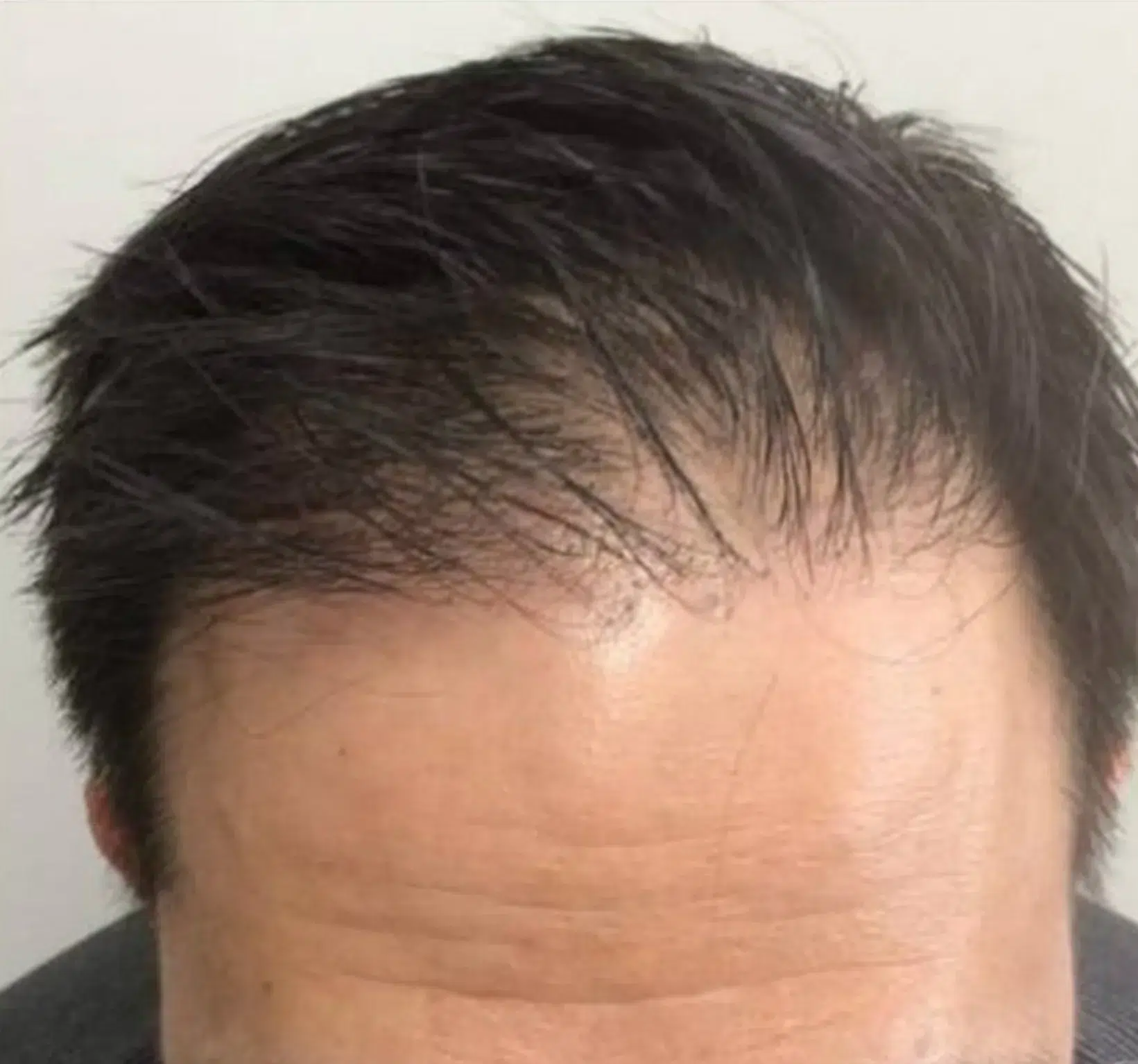
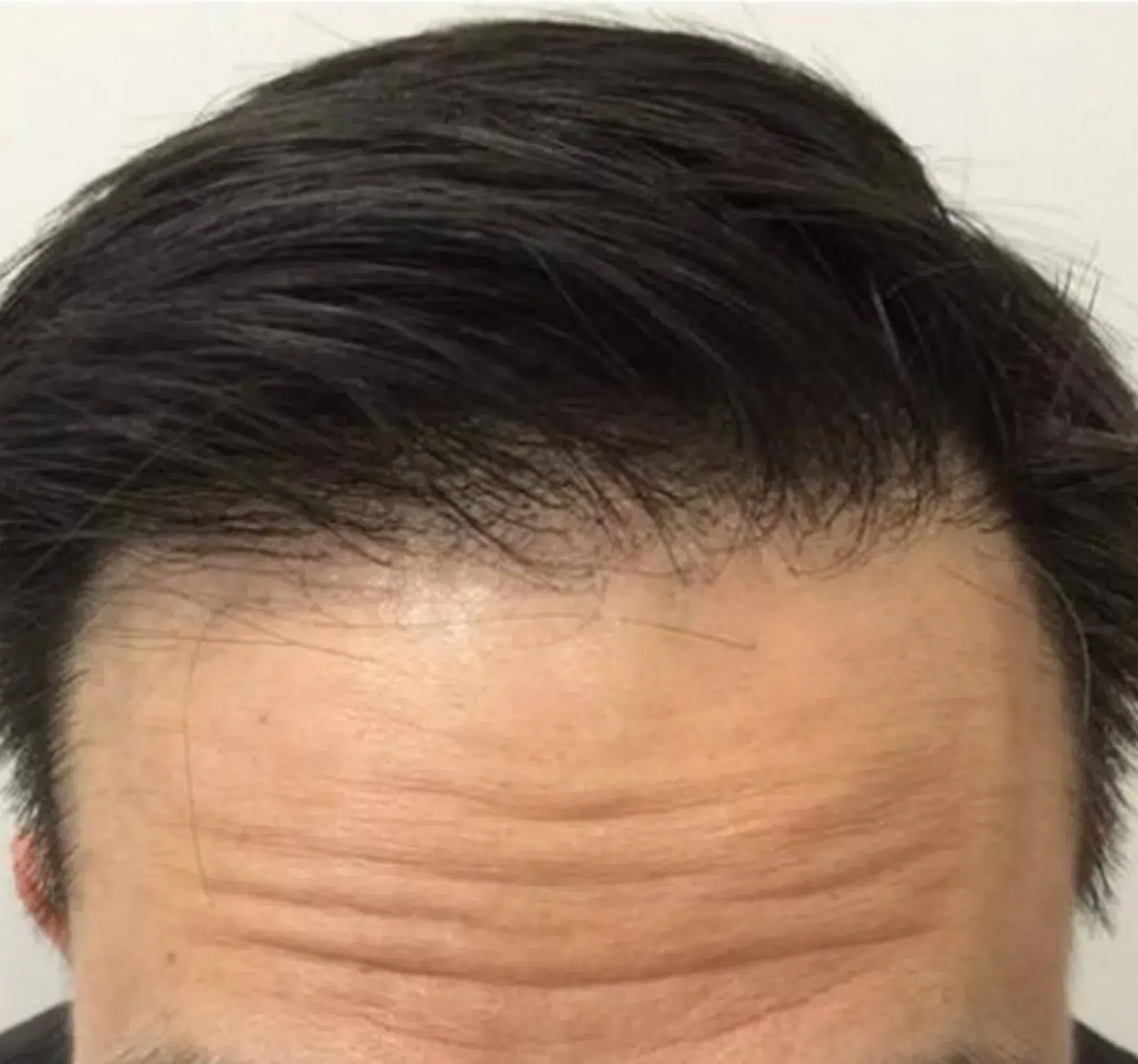
Case 1 · Crown Hair Loss · Comprehensive Hair Restoration
- Client profile
- Asian male · Crown thinning (early to mid-stage)
- Concerns addressed
- Hair loss, reduced hair volume
- Treatment plan
- PRF/PRP Injections + LED red light + at-home program (per treatment course)
- Treatment outcomes
- Increased hair volume and thicker hair strands
- Maintenance
- Maintenance session every 4–6 months + ongoing at-home care
Case 01: Combination therapy outperforms single-modality approaches, with stronger results in early-to-mid stage hair loss · Luowei Medical Aesthetics Clinic Nanjing
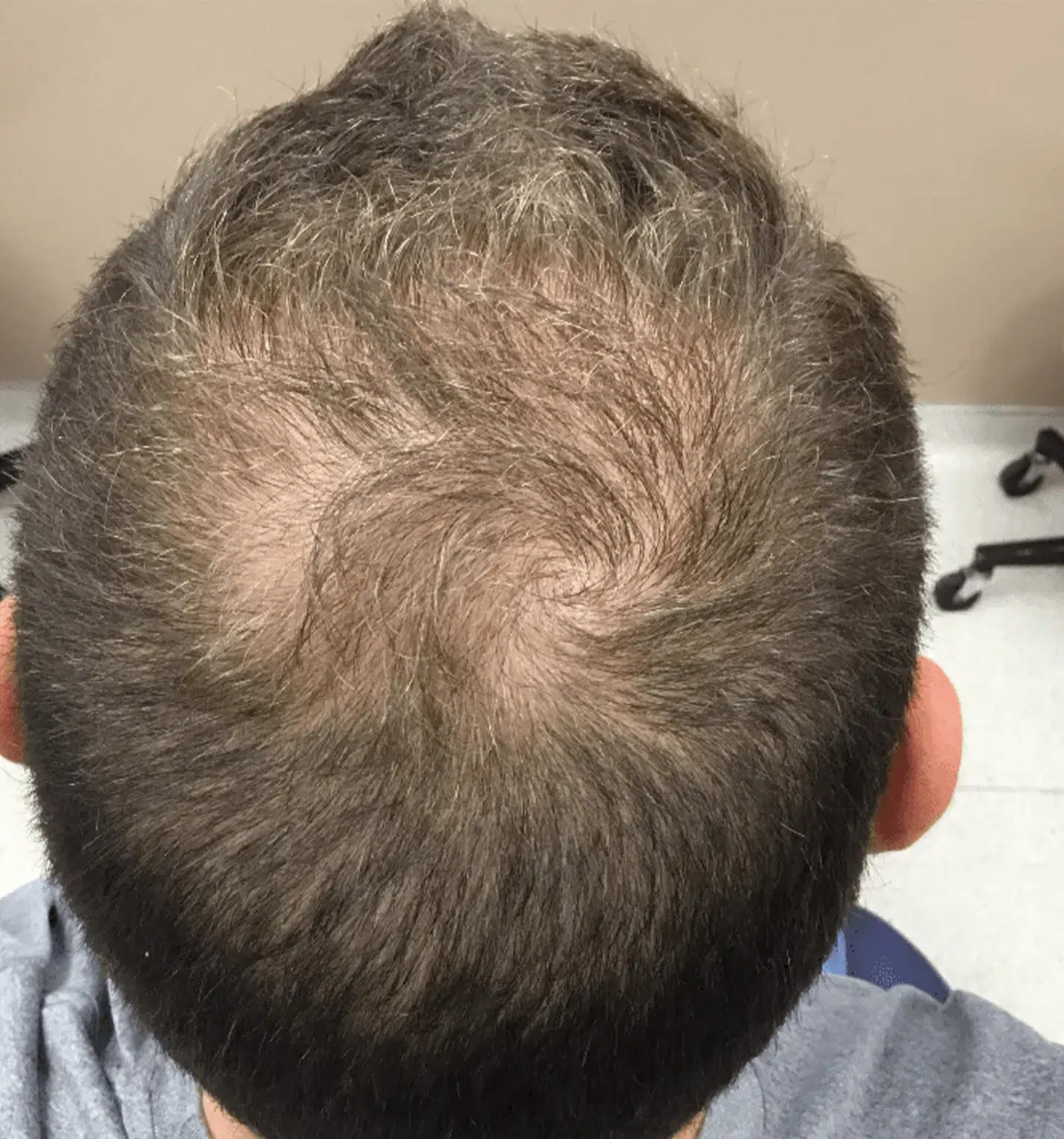
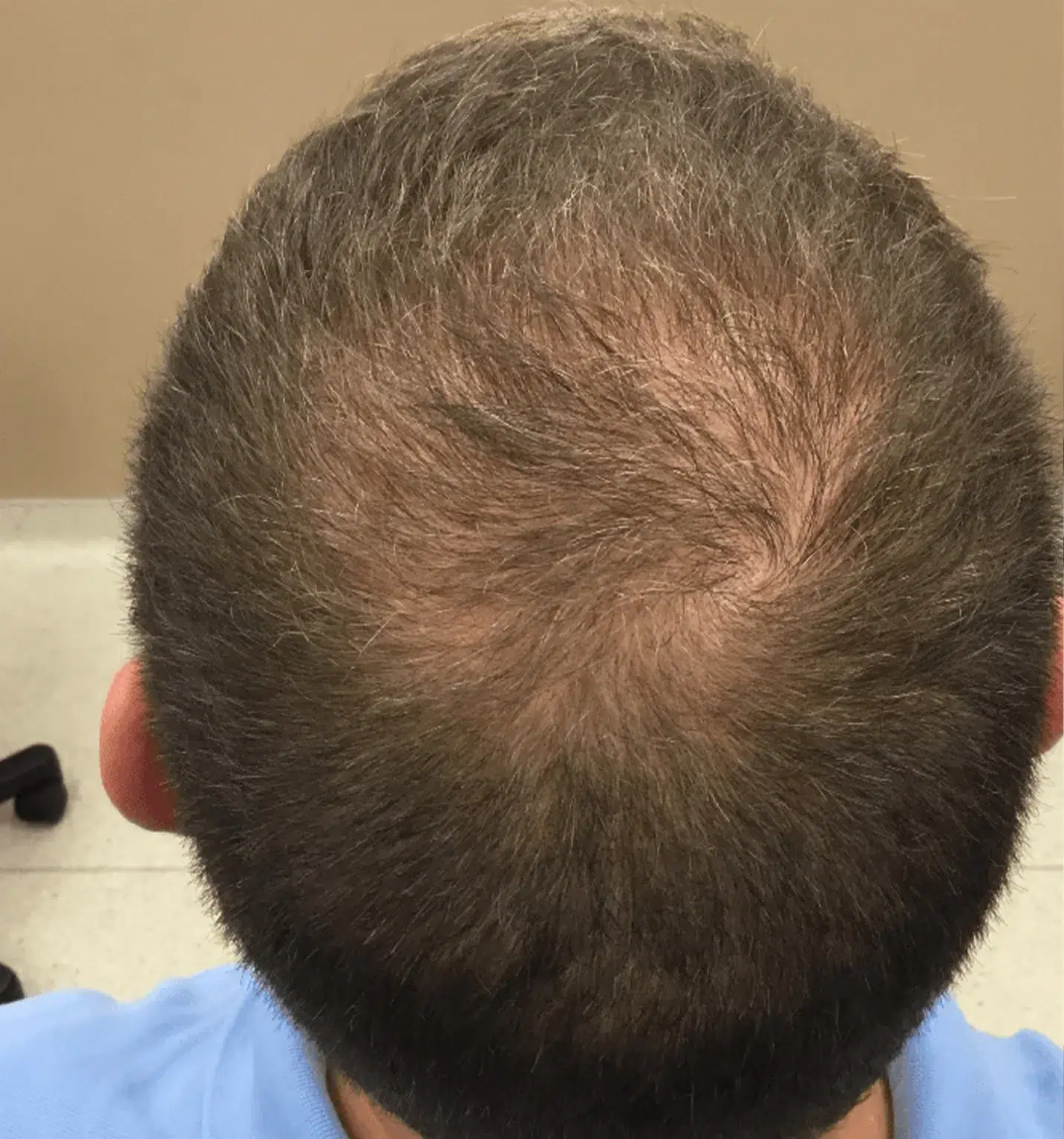
Case 2 · Thinning Hair · Scalp Regeneration
- Client profile
- Asian women · widening hair part
- Concerns addressed
- Thinning hair, fine and soft strands
- Treatment plan
- PRF Scalp injections + FoLix laser + nutritional support
- Treatment outcomes
- Improved hair part appearance and increased hair density
- Maintenance
- Treatment + maintenance
Case 02: Diffuse thinning in women requires a comprehensive approach · Luowei Medical Aesthetics Clinic Nanjing
Why Choose Luowei Medical Aesthetics Clinic for Hair Restoration in Nanjing
Hair loss has many types and stages, and a single treatment is rarely sufficient. Our approach centers on accurate type diagnosis, a combination of modalities, and early intervention.
Hair loss type diagnosis
Androgenetic, telogen effluvium, alopecia areata, and cicatricial hair loss each have distinct underlying mechanisms. Our physician classifies your condition first, then builds a targeted plan — not a one-size-fits-all approach.
Multi-modality combination
PRF/PRP Regenerative injections, Healite II LED, FoLix laser, exosomes, and at-home maintenance programs — all available under one roof for a synergistic, comprehensive result.
Early intervention
Results are best when follicles are still present (early-to-mid stage). Our physician emphasizes early intervention to preserve existing follicles.
Medical background
With a family medicine background, our physician is uniquely positioned to evaluate systemic contributors to hair loss, including hormonal imbalances, nutritional deficiencies, and medication effects.
Realistic expectations
Honest guidance: in advanced or scarring alopecia where follicles are no longer present, regenerative treatments cannot restore hair growth. Hair transplantation may be the appropriate path forward.
- Hair loss type diagnosis + systemic factor assessment
- Multiple modalities— PRF/PRP / LED red light / FoLix laser / exosomes / at-home care
- Early intervention to preserve existing follicles
What Is Hair Restoration?
Hair restoration is a Comprehensive Treatment Category— Through PRF/PRP Regenerative injections, Healite II LED red light, FoLix laser, exosomes and at-home protocols to activate follicles, improve the scalp microenvironment, slow hair loss, and promote regrowth. The key is Start by identifying the hair loss type and stage, then select a combination of treatment modalities accordingly.
Most non-scarring hair loss conditions (such as androgenetic alopecia and telogen effluvium) can show improvement when Follicles still present‘s early to mid stages respond well to regenerative treatments. The rationale behind a combination approach is:Injectable / laser therapies to activate follicles + LED red light to improve scalp microcirculation + at-home medications / nutritional support for maintenance, A multi-pronged approach.
It is Not a hair transplant surgery, but rather non-surgical follicle activation and maintenance. For those with late-stage follicle loss, hair transplant surgery may still be required.
Primary modalities
- PRF / PRP Autologous growth factors to activate hair follicles
- Healite II LED red light Improving scalp microcirculation
- FoLix Laser Laser therapy to promote follicle activation
- Exosomes Regenerative signaling
- At-home program Minoxidil / nutritional supplements (as directed by physician)
- Suitable Early to mid-stage non-scarring alopecia
Hair Loss Type × Treatment Direction
| Type | Direction |
|---|---|
| Androgenetic (AGA) | Regenerative treatment + pharmacological maintenance |
| Telogen effluvium | Address the underlying cause + regenerative treatment |
| Alopecia areata | Medical assessment + treatment |
| Scarring / late-stage | Follicles no longer viable — hair transplant may be considered |
Hair loss type determines the treatment approach and realistic expectations.
Hair Loss Treatment Process
We begin with a precise diagnosis of your hair loss type, then build a personalized program combining regenerative injections, LED red light therapy, laser treatments, and at-home care to activate hair follicles, improve the scalp microenvironment, and deliver results that accumulate and last over time.
Consultation & Hair Loss Type Assessment
Assess hair loss type, stage, and systemic factors (hormones, nutrition, medications) to develop a comprehensive treatment plan.
Regenerative injections
PRF/PRP or exosome multi-point scalp injections, using autologous growth factors to activate hair follicles.
LED red light / laser
Healite II LED red light therapy improves scalp microcirculation, while FoLix laser stimulates follicle activation.
At-home program
Use minoxidil and/or nutritional supplements as directed by your physician to sustain treatment results.
Treatment + long-term maintenance
3–4 Results build progressively over multiple sessions, with long-term maintenance required (hair loss is a chronic condition).
The first step in hair restoration is understanding “Why hair falls out”
Different types of hair loss require different treatment approaches:Androgenetic, telogen effluvium, alopecia areata, scarring alopecia Each type requires a different approach. Accurate classification and a thorough assessment of systemic factors must come before any treatment.
Type diagnosis
Differentiate hair loss type and stage
Systemic factors
Assessment of hormones, nutrition, and medications
Combination therapy + maintenance
Multi-modality approach + long-term maintenance
Am I a Candidate for Hair Restoration?
Best suited for early- to mid-stage non-scarring hair loss where follicles are still present. In late-stage or scarring alopecia where follicles are no longer viable, hair transplant surgery may be necessary.
You may be a candidate if…
- Early-to-mid stage androgenetic alopecia
- Telogen effluvium (postpartum / stress-related / post-diet)
- Thinning hair density and a widening hair part
- Fine, soft hair texture or early-stage hairline recession
- Looking to preserve existing follicles and slow hair loss progression
- Willing to commit to in-clinic treatment and at-home maintenance
The following conditions are contraindications or require physician evaluation before proceeding…
- Late-stage or scarring alopecia (follicles no longer present)
- Active scalp infection or skin condition
- Blood or coagulation disorders (require evaluation before PRP/PRF)
- Uncontrolled systemic conditions (underlying causes must be addressed first)
- Pregnancy (certain medications and treatments are contraindicated)
- Expectations “Full regrowth in a single session”
Hair Loss Type × Combination Program
| Hair loss type | Program | Details |
|---|---|---|
| Androgenetic alopecia (early to mid-stage) | PRF/PRP + Laser + medication | Combination therapy + long-term maintenance |
| Telogen phase | Remove triggers + regenerative therapy + nutritional support | recovery is possible in most cases |
| Diffuse thinning in women | PRF + LED red light + nutritional support | Comprehensive improvement |
| Late-stage / scarring | Consider hair transplantation | Regenerative treatment is not effective |
Treatment Planning
Every treatment plan is designed by our physician and the clinical team — encompassing hair loss type diagnosis, a combination of treatment modalities, active treatment, and long-term maintenance.
Consultation & Hair Loss Classification
Diagnose and stage the hair loss type; evaluate systemic contributing factors.
Comprehensive treatment planning
combining regenerative injections / LED red light / laser / at-home care.
Treated on a session-by-session basis
3–4 Starting from the first session, spaced 4 weeks apart, with at-home maintenance in between.
Long-term maintenance
Maintenance every 4–6 months — hair loss is a chronic condition requiring ongoing management.
Treatment & Results Timeline
| Timeline | Condition |
|---|---|
| Week 0 | Type diagnosis, treatment planning, and first session |
| 1–3 months | Reduced hair shedding and improved scalp microenvironment |
| 3–6 months | Gradual improvement in hair density and part-line width |
| Long-term | In-clinic maintenance + at-home care to sustain results |
Who Is Hair Restoration Right For
Focused on the activation, slowing, and long-term maintenance of early- to mid-stage non-scarring hair loss.
Androgenetic alopecia
Early-to-mid stage regenerative treatment combined with medication for maintenance.
Active treatment + maintenance
Widening hair part
Comprehensive improvement of diffuse thinning in women.
Treatment
Telogen effluvium
Removing the trigger combined with regenerative treatment leads to recovery in most cases.
Treatment
Receding hairline (early stage)
Early intervention slows further recession.
Treatment
Scalp microenvironment
LED red light therapy improves scalp microcirculation and overall scalp health.
Treatment
Post-procedure / post-transplant maintenance
Preserve existing hair and sustain hair transplant results.
Maintenance
Comprehensive treatment plan
Injections, laser, and at-home care working synergistically.
Comprehensive
Goals × Modalities × Details
| Concern | Modality | Details |
|---|---|---|
| Follicle activation | PRF/PRP / Exosome injections | Autologous growth factors |
| Scalp microcirculation | Healite II LED red light | Improve the microenvironment |
| Follicle activation | FoLix Laser | Laser-stimulated hair growth |
| Long-term maintenance | At-home minoxidil / nutritional supplementation | Follow physician instructions |
Pre & Post Care
Hair restoration is a long-term commitment. In-clinic treatment, at-home maintenance, and regular follow-up appointments all work together — none can be skipped.
Pre-procedure preparation
- Disclose your hair loss history, current medications, and any systemic health conditions
- Stay well hydrated before injection-based treatments (PRF/PRP)
- No active scalp infection or skin condition
- Learn more “Long-term management” realistic expectations
During the treatment course
- Topical anesthetic applied prior to multi-point scalp injections
- LED red light / laser — non-invasive and comfortable
- Modalities combined according to your personalized plan
- Approximately 30–60 minutes per session
Post-procedure care
- Avoid washing hair or using styling products on the day of injection
- Follow the at-home protocol as directed (minoxidil / nutritional support)
- Complete treatment sessions consistently — do not interrupt the course
- Regular follow-up assessments with dynamic plan adjustments
- Long-term maintenance to sustain results
Results timeline
| Timeline | Condition |
|---|---|
| 1–2 months | Reduced hair shedding (stabilization first) |
| 3–4 months | New hair growth and improved hair quality |
| 6 months+ | Noticeable improvement in hair density and part-line appearance |
| Long-term | In-clinic maintenance + at-home care to sustain results |
Advantages of Hair Restoration Treatment
Non-surgical, multi-modality, and autologous in nature — but early intervention, cumulative treatment sessions, and long-term maintenance are all essential for optimal results.
Non-surgical
No surgical hair transplant required.
Synergistic combination
Injections + laser + at-home care — a true multi-pronged approach.
Autologous safety
PRF/PRP Autologous; low allergy risk.
Type-specific treatment
Treatment plan is tailored to your specific hair loss type.
Highly effective at early stages
Best results are achieved while follicles are still present.
Minimal downtime
Injections and light therapy with minimal downtime.
Can support and maintain hair transplant results
Maintaining existing hair and preserving hair transplant results.
Medical assessment
Taking systemic factors into account.
Comparison of Hair Restoration Modalities
| Modality | Mechanism | Positioning |
|---|---|---|
| PRF/PRP Injection | Autologous growth factors | Follicle activation |
| FoLix Laser | Laser-stimulated follicle activation | Non-invasive hair restoration |
| Healite II LED red light | Improve scalp microcirculation | Scalp care |
| Minoxidil / medication | Slowing hair loss | At-home maintenance |
Why Trust Luowei Medical Aesthetics Clinic for Hair Loss Treatment?
Google ‘s E-E-A-T framework evaluates medical content across four dimensions. Below are the specific credentials behind every claim on this page.
Real-world clinical experience
- Experience with comprehensive hair restoration programs
- PRF/PRP + LED red light + laser
- Hair Loss Classification & Systemic Evaluation
- Full Before & After Gallery
Professional medical training
- Assessment of hair loss causes and systemic contributing factors
- Expertise in regenerative and energy-based treatment modalities
Industry-recognized credentials
- McMaster University Clinical instructor
Transparent and verifiable
- Autologous components · Sterile technique
- Honest guidance on staging and realistic expectations
The success of hair restoration depends on “Accurate classification + early intervention + consistency”
Treating without proper diagnosis, seeking help only at a late stage, or stopping and starting treatment inconsistently — all of these undermine results.Diagnose the hair loss type first, intervene early, and commit to a combination approach with long-term maintenance, is the right path to effective hair restoration.
With a background in family medicine, our physician evaluates whole-body contributing factors and gives you an honest assessment of follicle viability and the most appropriate treatment options — without overpromising.“Hair growth solution”.
Pricing & Payment
Pricing depends on the combination of modalities selected (injections, laser, at-home care) and the treatment program.Our physician provides a customized treatment plan and quote following a complimentary or assessment consultation.
Priced by modality and number of sessions · per session
Combination program + at-home maintenance pricing
- Payment is made at the clinic, after the consultation and before treatment begins
- Nothing is paid in advance, and no deposit is required to hold an appointment
- Hair restoration requires treatment plus long-term maintenance
- Cosmetic treatment is a self-pay item and is not covered by public medical insurance in China
- All new clients receive a complimentary 30-minute Complimentary Consultation & Assessment
Common Reactions · Serious Risks · Contraindications
Transparency in medical aesthetic care is itself a mark of expertise and trust. We openly share all potential reactions, serious risks, and contraindications so you are fully informed before any treatment.
Common Reactions (may occur in the short term)
- Pinpoint marks on the scalp / mild redness / soreness or a dull ache (typically subsides the same day after injection)
- Mild swelling (a minority of cases)
- Early stage “Shedding phase” (select programs, followed by new hair growth)
- Local irritation from at-home topical medications (minoxidil, etc.)
Serious risks (rare, but important to disclose)
- Infection— Rare; minimized with sterile technique
- Results may not be apparent— Advanced or scarring alopecia, unsuitable hair loss type, or lack of treatment adherence
- Systemic medication reactions— Use at-home medications as prescribed
- Vascular or nerve injury— Extremely rare; minimized with proper technique
Absolute contraindications / requires evaluation (treatment not performed)
- Active scalp infection or skin condition
- Thrombocytopenia or coagulation disorders (for PRP/PRF)
- Advanced or cicatricial (scarring) hair loss (regenerative treatments are not effective; hair transplant may be considered)
- Pregnancy or breastfeeding (for select treatment programs)
- Uncontrolled systemic conditions (underlying causes must be addressed first)
Where the medical claims on this page come from
Everything above about Hair Restoration Care rests on published evidence rather than on our own word. The sources below are the ones behind those statements: peer-reviewed papers indexed in PubMed, and guidance written for patients by dermatology academies and national health services. Read them before you decide — and bring any of them to your consultation.
- Peer-reviewedTreatment options for androgenetic alopecia: Efficacy, side effects, compliance, financial considerations, and ethics
What these references can and cannot tell you. They describe what is known about the treatment itself — how well it tends to work, how long results last, and what can go wrong. They are not an assessment of this clinic, and no published study can tell you whether it suits your skin type, anatomy, or medical history. That judgement comes from the physician who examines you in person, and it may well be “not this one”.