Leg slimming
Medical aesthetic leg slimming (Leg Slimming / Leg Contouring) is not about weight loss.
Our physician’s Real Leg Contouring Cases
The following four cases were personally assessed and led by our physician at our Nanjing clinic, and are used with signed Media Release Form authorization. Lower-limb presentations among Asian women vary considerably — including prominent calf muscles, lateral thigh fat deposits, and laxity above the knee. Individual responses differ; actual results are subject to in-person consultation and assessment.
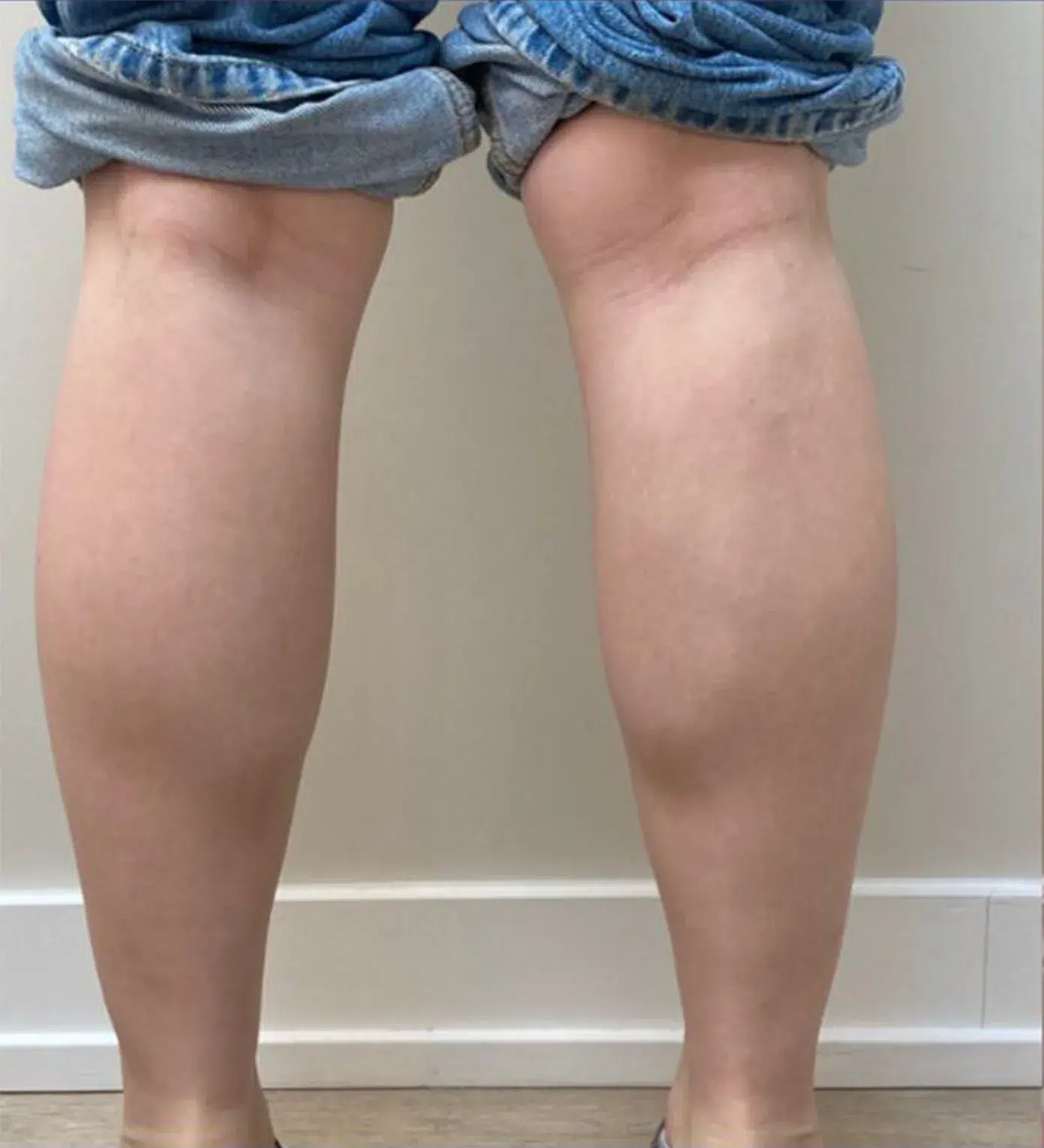
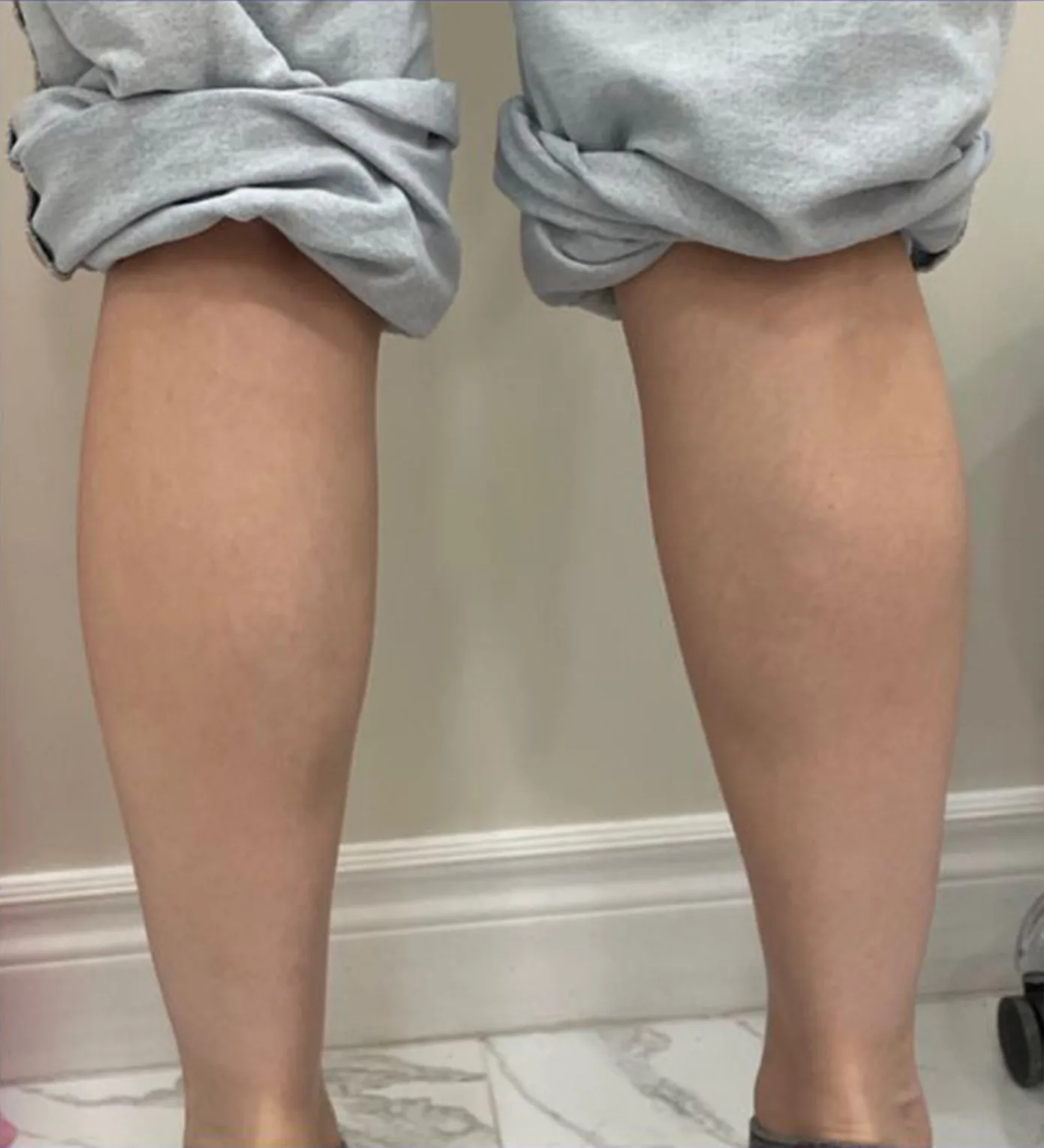
Case 1 · Real Leg Slimming Results
- Client profile
- Asian Female · Fitzpatrick IV
- Key concern
- Leg Slimming (Comprehensive Multi-Modal Combination Protocol)
- Treatment plan
- Botox® + leg-slimming injections + Dysport® + neurotoxin and 5 related treatments (multiple sessions within 3 months)
- Treatment outcomes
- Noticeably slimmer legs · Natural overall result
- PIH risk
- No PIH
- Maintenance
- Routine sun protection + monthly home care + quarterly clinical assessment
Case 01: Leg Slimming — Before & After · Asian Female · Fitzpatrick IV · Multimodal combination protocol led by our physician at Luowei Medical Aesthetics Clinic, Nanjing
What is medical aesthetic leg slimming? How is it different from weight loss and exercise?
Medical aesthetic leg slimming (Leg Slimming / Leg Contouring) is not about weight loss — it is targeted treatment for lower-body Muscle hypertrophy, localized fat accumulation, skin laxity, and disproportionate contour precise body contouring. Exercise and diet can reduce overall fat and weight, but Cannot selectively reduce the gastrocnemius muscle, nor can it selectively eliminate stubborn fat pockets on the outer thighs — which is precisely where leg-slimming injections, CoolSculpting, and Emsculpt® are clinically indicated.
Why can’t exercise slim down our calves?
Running, calf raises, and stair climbing repeatedly stimulate Gastrocnemius, causing them to become more prominent. In Asian women, outward calf prominence is most often muscle-dominant — the more you exercise, the larger the calves become.
Why Is the Outer Thigh So Difficult to Slim?
The outer thigh (saddlebag area) and inner thigh are both classified as Stubborn fat areas, Due to unique hormonal receptor activity in these areas, they are among the last to reduce even with dietary restriction.
Why do our legs still look uneven even after slimming?
Lower-limb contour is simultaneously influenced by Skeletal alignment, muscle distribution, fat, and skin tension Influenced by these four factors, weight loss alone cannot alter structural proportions.
Why is body type classification an essential first step?
Are your calves muscle-dominant or fat-dominant? Are your thighs characterized by fat accumulation or laxity?The treatment approach is completely opposite— Misclassification leads to wasted treatment.
Clinical notes:Many clients come to us after being given a one-size-fits-all recommendation elsewhere — either “just do lipolytic injections” or “just do leg-slimming injections.” But lipolytic injections have no effect on muscular calves, and leg-slimming injections are entirely ineffective for fatty thighs. Our physician’s protocol The first step is always palpation, pinch testing, and biomechanical assessment Classify first, then determine the appropriate treatment pathway.
5 key reasons Asian women struggle to achieve their ideal lower-limb contour
“Thick legs” rarely have a single cause. A thorough clinical assessment to identify the primary contributing factor must precede any treatment plan.
1. Prominent gastrocnemius muscle (muscle-dominant calves)
Asian women tend to have genetically fuller lower-leg musculature. Combined with years of wearing high heels, climbing stairs, and running, this causes Hypertrophy of the medial and lateral heads of the gastrocnemius, The posterior calf presents with a rounded, outward-projecting bulge.
2. Stubborn fat deposits
The inner and outer thighs, above-knee area, and saddlebag zone are estrogen-sensitive fat deposits — they tend to persist even in overall lean individuals,Localized prominence, Diet and exercise offer limited improvement.
3. Prolonged sitting / poor circulation
Prolonged sitting impairs lower-limb lymphatic circulation,Chronic edema + superficial fascial thickening, making the circumference appear larger than it actually is.
4. Postpartum or age-related skin laxity
Postpartum weight has returned to baseline, but Collagen breakdown and loss of skin elasticity, Laxity and fine crepey texture appear above the knee and along the inner thighs.
5. Skeletal alignment / postural factors
Knee hyperextension, toe-out gait, and anterior pelvic tilt can cause Uneven load distribution across lower-limb muscles, Compensatory hypertrophy in certain muscle groups — this component requires postural retraining to achieve lasting improvement.
4 Common types of lower-limb fullness — key differentiating features
Wrong classification = wrong treatment. The table below outlines the 4 most common lower-body contour concerns seen in our physician’s clinical practice.
Muscular Calf
Calf Hypertrophy
| Distribution | Posterolateral gastrocnemius region of the calf |
|---|---|
| Manual palpation | Firm, prominent bulge when standing on tiptoe |
| Pinch fat assessment | Thin fat layer, difficult to pinch |
| Triggering factors | Genetics + high heels + running and stair climbing |
| Preferred treatment | Leg-Slimming Injection (multi-point botulinum toxin injection) |
Fat-Type Thighs (Thigh Adiposity)
Localized Adipose
| Distribution | Inner and outer thighs, saddlebag area, and above-knee zone |
|---|---|
| Manual palpation | Soft and movable |
| Pinch fat assessment | Thickness > 2 cm Easy to pinch |
| Triggering factors | Estrogen influence + prolonged sitting + postpartum changes |
| Preferred treatment | CoolSculpting / Fat-dissolving injection |
Edematous type (Edematous Leg)
Lymphatic / Fluid Retention
| Distribution | Lower calves and ankles, worsening in the evening |
|---|---|
| Manual palpation | Slow rebound when pressed |
| Pinch fat assessment | Soft, fluid-heavy feel |
| Triggering factors | Prolonged sitting / prolonged standing / poor circulation |
| Preferred treatment | Postural correction + compression therapy + medical workup when indicated |
Laxity type (Skin Laxity)
Post-weight-loss Laxity
| Distribution | Inner thighs, above the knee, posterior thighs |
|---|---|
| Manual palpation | Skin that lifts easily and rebounds slowly |
| Pinch fat assessment | Thin but lax |
| Triggering factors | Post-partum / post-weight-loss / age-related |
| Preferred treatment | BodyFX / Emsculpt / Skin-tightening radiofrequency |
⚠️ Warning:Clinically, approximately 25% of clients seeking slimmer calves are actually presenting with edema or fat accumulation — not true muscle hypertrophy. Administering leg-slimming injections in these cases is not only ineffective, but muscle reduction can make the surrounding fat contour appear even more prominent. Misclassification leads to treatment failure and costly corrective follow-ups — far more expensive than a single consultation.
Why must leg-slimming treatments for Asian women follow an Asian body-type specialist protocol?
Blind spots in mainstream North American clinic practice
Most North American slimming clinic protocols are designed around Western female body types — primarily characterized by thigh fat accumulation with a relatively low proportion of muscular calves. Applying these protocols directly to Asian women typically leads to three predictable problems:
- ✗ Underestimating the proportion of muscular-type calves— Leg-slimming injections are uncommon in mainstream North American practice, resulting in limited clinical experience
- ✗ CoolSculpting Treatment zones selected based on Western proportions— Overlooking the localized fullness above the knee and along the inner thigh in Asian women
Our physician’s Asian lower-body specialist protocol adjustments
| Parameters | Standard template | Asian-specific adjustment |
|---|---|---|
| Leg-slimming injection points | 2-3 points | 4-6 Multi-point distributed injection |
| Single-session dosage | Achieved in a single session | Distributed low-dose injection + stepwise adjustment |
| CoolSculpting Treatment zone selection | Primarily outer thigh | Multi-zone coordination: inner, outer thigh, and above-knee area |
| Assessment method | Visual assessment | Palpation + pinch test + three-point circumference measurement |
| Maintenance frequency | Fixed 3-month interval | 4-6 months, individualized based on response |
Key differentiating factors:Our physician has focused exclusively on Asian faces and body types at our Nanjing clinic for 8 years, with over 90% of clients being Asian women.
6 leg-slimming treatment options — selected by body type classification
There is no universal leg-slimming solution. We classify each client through palpation, pinch testing, and circumference measurements, then combine the appropriate devices and therapies below.
Leg-slimming injections (Calf Botox®)
Injected at distributed points into the medial and lateral heads of the gastrocnemius, causing Localized relaxation and reduction of overactive muscles, Indicated for muscular calves. Our physician performs every injection personally — injection placement and dosing are the two most critical factors for both efficacy and safety.
CoolSculpting Elite CoolSculpting
NMPA-registered non-invasive cryolipolysis technology — precisely targeting Inner thighs / outer thighs / saddlebags / above the knee stubborn fat deposits. No recovery period — you can commute as normal on the day of treatment.
Learn more about CoolSculpting →
Emsculpt Neo High-intensity electromagnetic body sculpting
HIFEM + Radiofrequency synergy — a single session equivalent to 20,000 supramaximal muscle contractions, Simultaneously reduces fat and builds muscle — ideal for above-knee laxity and lack of definition along the posterior thigh.
Lipolytic injections (small, localized fat areas)
Injectable solution to dissolve small, localized areas of stubborn fat — suitable for Above the knee / anteromedial thighs and other small areas that standard CoolSculpting applicators have difficulty reaching. Skin resilience must be assessed beforehand.
BodyFX Radiofrequency tightening
Radiofrequency + vacuum suction to improve the inner thigh and above-knee area Laxity and fine crepey texture, Suitable for those experiencing skin laxity following childbirth or significant weight loss.
Meso-therapy / Lymphatic Drainage
For edema-type lower limbs, this approach promotes lymphatic drainage and improves local circulation. It is commonly used as a preparatory step before formal contouring treatment.“pre-treatment / maintenance phase”combination approach — fat and muscle cannot be reduced in isolation.
Our physician’s 6-Step Standard Leg Contouring Protocol
Consultation + lower-limb classification assessment
30 minute complimentary consultation — including manual palpation of the gastrocnemius, pinch fat assessment, three-point circumference measurement, and postural force-line observation.No classification, no treatment.
Personalized treatment plan and pathway selection
Your body type classification determines which pathway is right for you: the “muscle pathway” (leg-slimming injections), the “fat pathway” (CoolSculpting / lipolytic injections), the “toning pathway” (Emsculpt / BodyFX), or a combination approach.
Pre-treatment (when indicated)
For clients with significant edema or fluctuating body weight, a 2–4 week course of lymphatic drainage and weight stabilization is recommended first to improve the predictability and longevity of subsequent treatments.
Active treatment phase (8–16 weeks, depending on the protocol)
Leg-slimming injections show visible results 4–8 weeks after a single session; CoolSculpting treatments can be stacked at 6–8 week intervals; Emsculpt is completed over 4–6 sessions within 2–3 weeks. All injectable procedures are performed personally by our physician.
Assessment phase (8–12 weeks after completing primary treatment)
Circumference comparison, repeat palpation assessment, and photographic documentation. At this stage we determine whether a touch-up injection, additional CoolSculpting zones, or transition to the maintenance phase is needed.
Maintenance phase (long-term)
Leg-slimming injections are maintained every 4–6 months; CoolSculpting results can be sustained long term when body weight remains stable; Emsculpt is reinforced with 1–2 sessions every 3–4 months.
Treatment Timeline — How Long Before You See Results?
| Body type classification | Primary treatment protocol | Initial results | Significant improvement | Maintenance cycle |
|---|---|---|---|---|
| Muscle-dominant calves | Leg-slimming injections | 4 weeks after | 8-12 weeks | Every 4–6 months |
| Fat-dominant thighs | CoolSculpting × 1-2 zones | 4-6 weeks | 12 weeks | Weight maintenance + annual reassessment |
| Mixed type | Leg-slimming injections + CoolSculpting | 6-8 weeks | 16 weeks | Leg-slimming injections every 5–6 months + CoolSculpting as needed |
| Laxity type | Emsculpt Neo + BodyFX | 2-4 weeks | 8 weeks | Every 3–4 months |
Clinical note:Leg slimming is not a “one injection, instant results” treatment. The ideal treatment cadence is Phased approach with adjustments based on treatment response. Among our leg-slimming clients in Nanjing, those who completed a full 1-year treatment plan reported a satisfaction rate exceeding 85%.
Are You a Candidate for Leg Contouring? 2-Minute Self-Assessment
✅ Ready to begin assessment
- ✓A firm bulge is clearly visible on the posterior calf when standing on tiptoe, and remains prominent at rest
- ✓Stubborn fat on the outer thighs, inner thighs, or above the knee that does not respond to diet or exercise
- ✓Persistent localized concerns after postpartum recovery or weight stabilization
- ✓Not expecting “instant results with no regression after a single session”
- ✓Willing to follow the maintenance schedule (leg-slimming injections every 4–6 months)
- ✓BMI within a healthy range, with localized contouring as the goal
❌ Treatment should be deferred or other concerns addressed first
- ✗Pregnancy / breastfeeding
- ✗Neuromuscular disorders (myasthenia gravis / ALS, etc.) — contraindication for leg-slimming injections
- ✗Severe lower-limb varicose veins or a history of deep vein thrombosis (DVT) — requires prior assessment
- ✗Unassessed history of severe edema (cardiac, renal, or hepatic origin)
- ✗Expecting “chopstick legs in one week” (unrealistic expectation)
- ✗Periods of significant weight fluctuation — body not in a stable state
Luowei Medical Aesthetic Leg Contouring Protocol vs. Standard MedSpa
- ✗Prescribing a treatment plan based solely on a visual circumference assessment, without hands-on classification
- ✗Administering leg-slimming injections or CoolSculpting uniformly to everyone without individual assessment
- ✗Fixed 2–3 point injection template
- ✗Injections performed by a technician or Registered Nurse
- ✗No circumference records or photographic documentation for comparison
- ✗Reports of leg weakness when walking — only resolvable by waiting for the effect to wear off
- ✗Selling treatment packages without assessment or follow-up
- ✓Palpation, pinch testing, and three-point circumference measurement are mandatory for classification
- ✓Three-pathway matching: leg-slimming injections / CoolSculpting / Emsculpt
- ✓Leg-slimming injection: 4–6 distributed low-dose points + stepwise dose adjustment
- ✓Our physician — personal consultation and hands-on injection
- ✓Three-dimensional documentation: circumference measurement + photography + palpation
- ✓Proactive follow-up to address walking weakness, asymmetry, or other concerns
- ✓6 Phased protocol inclusive of long-term maintenance planning
Why is Luowei Medical Aesthetics Clinic’s leg-slimming expertise worth trusting?
Experience
Expertise Specialty
Authoritativeness Authority
All injectable procedures are performed personally by our physician
Trustworthiness Credible
All cases on this page are authorized by signed Media Release Form · Circumference measurements available on record
About the cost of leg-slimming treatment
Pricing for leg-slimming treatments varies widely across clinics — but the real cost driver is not the device itself. It comes down to who performs the assessment, who determines the treatment cadence, and how deeply clinical expertise needs to be involved. Lower-limb classification (muscle, fat, edema, or laxity) directly determines which treatment pathway is appropriate; a single misdiagnosis costs far more than one thorough consultation. Because injectable leg-slimming injections involve neuromuscular anatomy and precise injection mapping, we require that our physician perform every injection personally. For energy-based treatments such as CoolSculpting and Emsculpt, once our physician has designed the protocol and selected the treatment zones, our trained medical team can safely carry out the sessions underthe physician’s protocol, which makes this portion of pricing more accessible. The price difference between laser and energy-based treatments ultimately reflects the gap in clinical experience between physician-performed and technician-performed procedures. Which approach is right for you is determined by your body type classification and goals — not by price. The specifics will be discussed at your consultation based on physical palpation and circumference measurements.
- Payment is made at the clinic, after the consultation and before treatment begins
- Nothing is paid in advance, and no deposit is required to hold an appointment
- Cosmetic treatment is a self-pay item and is not covered by public medical insurance in China
- All first-time clients receive a complimentary 30-minute Complimentary Consultation and assessment
Risks & Contraindications — We believe in full transparency
What are the main risks of leg-slimming injections?
1. Temporary walking weakness / difficulty climbing stairs— Related to dosage and injection points — rare under a distributed low-dose protocol and typically resolves within 2–4 weeks; 2. Bruising and mild discomfort at the injection site (common, resolves within 1 week); 3. Bilateral asymmetry (rare, adjustable at a 4-week follow-up touch-up); 4. Allergic or systemic reactions in extremely rare cases; 5. Regression — without maintenance injections, the muscle will gradually return to its original size.
CoolSculpting / What are the risks of lipolytic injections?
CoolSculpting Temporary numbness, redness, and mild bruising are common after treatment and typically resolve within 1–3 weeks. Paradoxical adipose hyperplasia (PAH) is extremely rare but requires assessment if it occurs. Fat-dissolving injections may cause localized swelling, bruising, and a sore, heavy sensation that subsides within 1–2 weeks. Fat-dissolving injections alone are not recommended for large treatment areas.
Who is absolutely not a candidate for leg-slimming treatment?
Pregnancy, breastfeeding, neuromuscular disorders (myasthenia gravis, ALS, Eaton-Lambert syndrome, etc.), active lower-limb inflammation or infection, unassessed history of deep vein thrombosis, uninvestigated severe edema, allergy to botulinum toxin or fat-dissolving injection components, or unrealistic expectations (believing a single session will completely reshape the legs) — in these situations, our physician will recommend deferring treatment or addressing the underlying concern first.
What does the informed consent form include?
Every client is required to sign an informed consent form before their first treatment. It covers: the treatment mechanism, potential adverse reactions and their likelihood, alternative options, criteria for discontinuing treatment, follow-up arrangements, and an optional Media Release. All content is explained in person by our physician — not delegated to administrative staff.
Where the medical claims on this page come from
Everything above about Leg slimming rests on published evidence rather than on our own word. The sources below are the ones behind those statements: peer-reviewed papers indexed in PubMed, and guidance written for patients by dermatology academies and national health services. Read them before you decide — and bring any of them to your consultation.
- Peer-reviewedComparative Analysis of Cellulite Treatment Modalities: A Systematic Review
- Peer-reviewedCryolipolysis for fat reduction and body contouring: safety and efficacy of current treatment paradigms
- Patient guidanceCellulite treatments: What really works
- Patient guidanceScars and stretch marks
What these references can and cannot tell you. They describe what is known about the treatment itself — how well it tends to work, how long results last, and what can go wrong. They are not an assessment of this clinic, and no published study can tell you whether it suits your skin type, anatomy, or medical history. That judgement comes from the physician who examines you in person, and it may well be “not this one”.