Melasma
What Is Melasma — and Why Is It Different from Ordinary Pigmentation?
Our physician’s Real Melasma Treatment Cases
The following before-and-after images are from actual patients treated by our physician at Luowei Medical Aesthetics Clinic (Nanjing). All patients have signed a written Media Release Form authorizing public use. All photos are unretouched clinical records. Individual results vary based on skin type, Fitzpatrick classification, and treatment adherence.
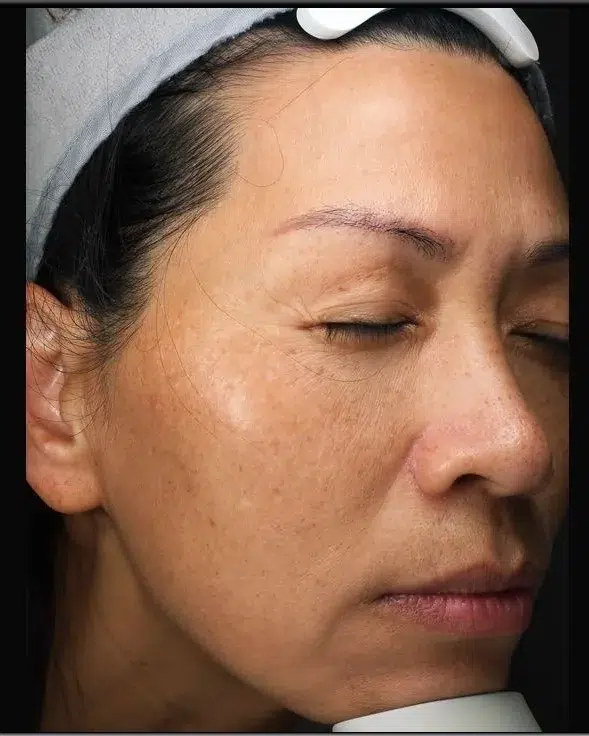
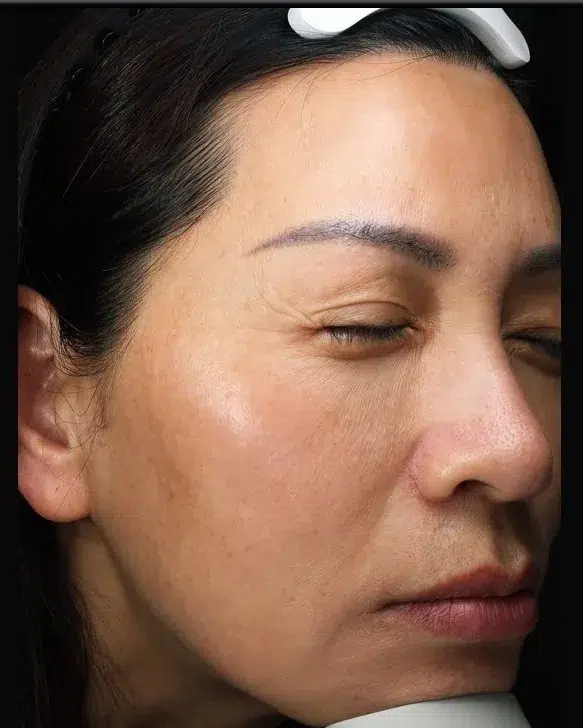
Case 9 · Melasma Clinical Record
- Ideal candidate profile
- Asian Female · Fitzpatrick IV · Duration 5 Years
- areas of concern
- Melasma (comprehensive improvement with multimodal combination protocol)
- treatment plan
- Dual picosecond combination therapy — PicoSure® + PicoSure Pro® + PicoWay® + 2 additional treatments — 5 items total (4 sessions)
- Treatment outcomes
- Significant melasma improvement · Overall results look natural
- PIH / post-treatment darkening
- No PIH
- maintenance
- Routine sun protection + monthly at-home skincare + quarterly clinical assessments
Case 09: Melasma Before & After · Asian Female · Fitzpatrick IV · Duration 5 Years · Multimodal combination protocol led by our physician at Luowei Medical Aesthetics Clinic, Nanjing
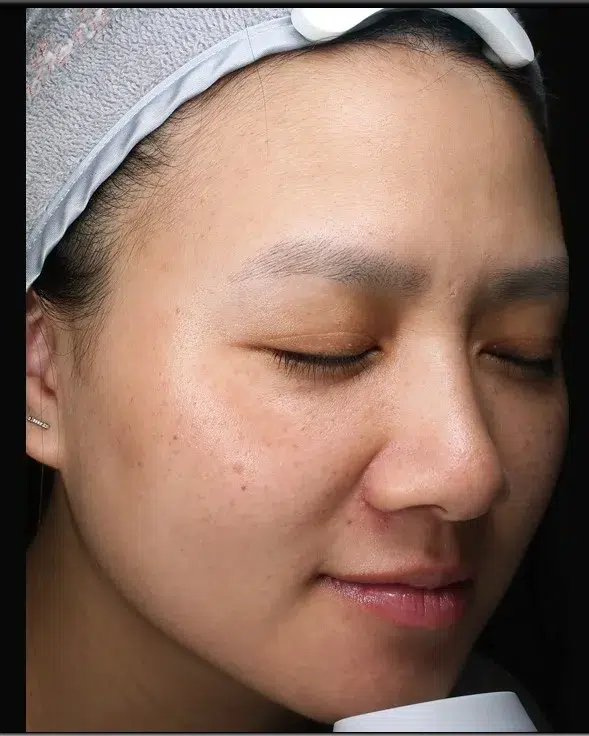
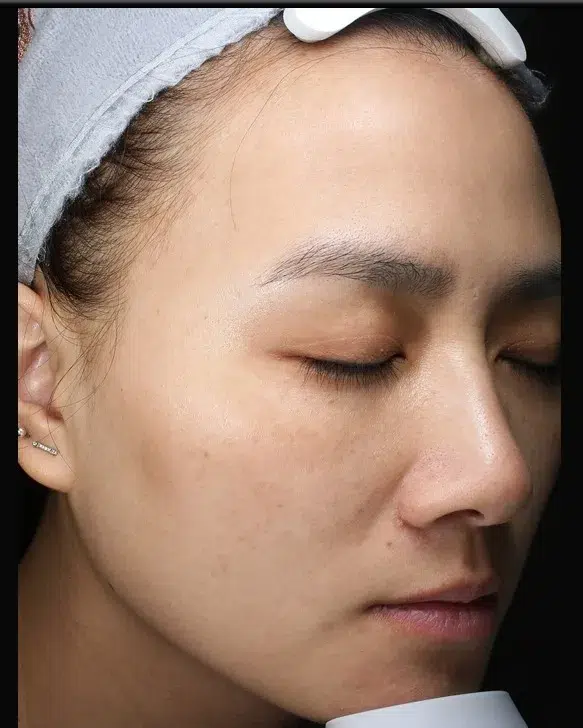
Case 13 · Melasma — Real Patient Documentation
- Ideal candidate profile
- Asian Female · Fitzpatrick IV · Duration 5 Years
- areas of concern
- Melasma (comprehensive improvement with multimodal combination protocol)
- treatment plan
- Dual picosecond combination therapy + PicoSure® + PicoSure Pro® + PicoWay® (4 sessions)
- Treatment outcomes
- Significant melasma improvement · Overall results look natural
- PIH / post-treatment darkening
- No PIH
- maintenance
- Routine sun protection + monthly at-home skincare + quarterly clinical assessments
Case 13: Melasma Before & After · Asian Female · Fitzpatrick IV · Duration 5 years · Multimodal combination protocol led by our physician at Luowei Medical Aesthetics Clinic, Nanjing
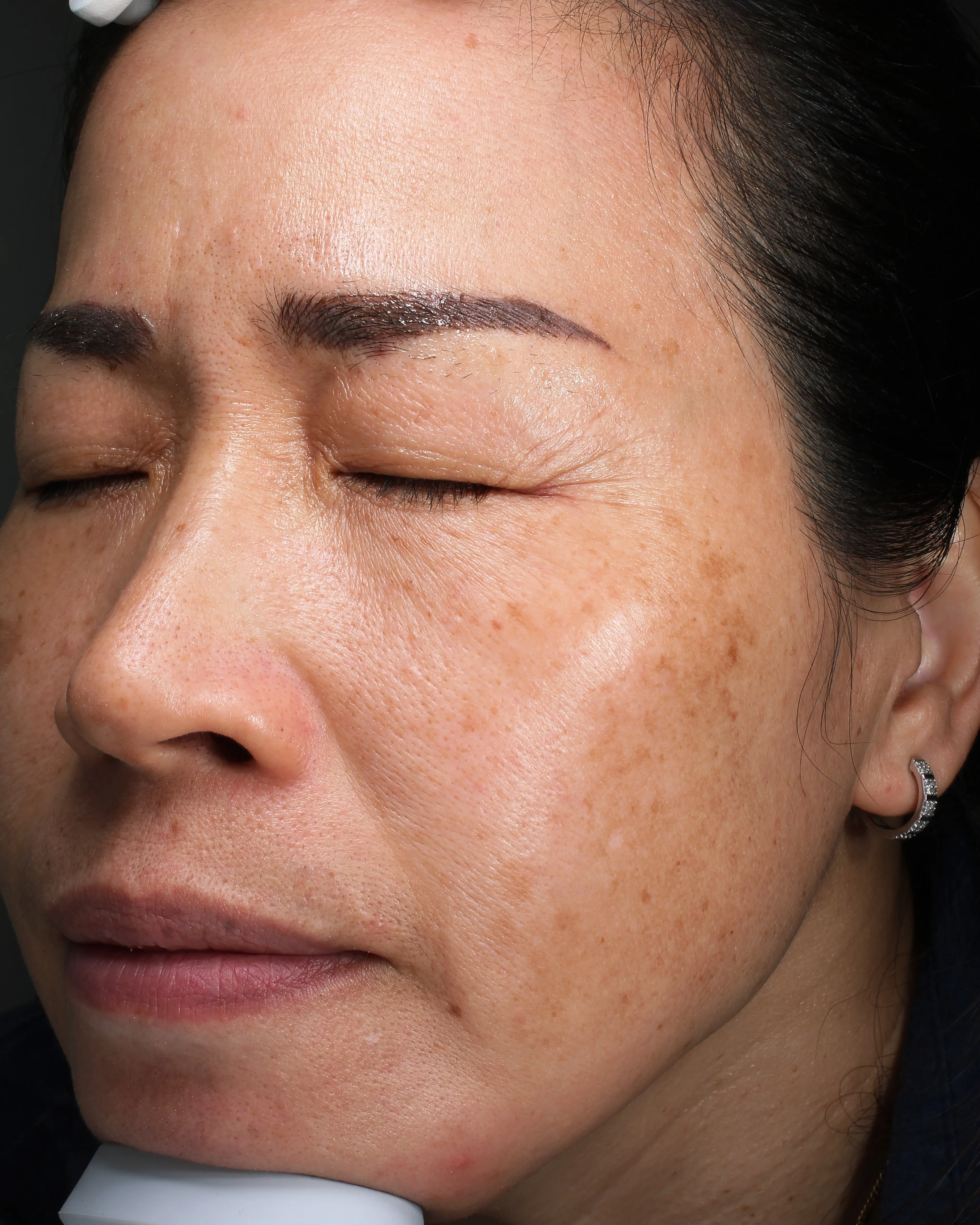
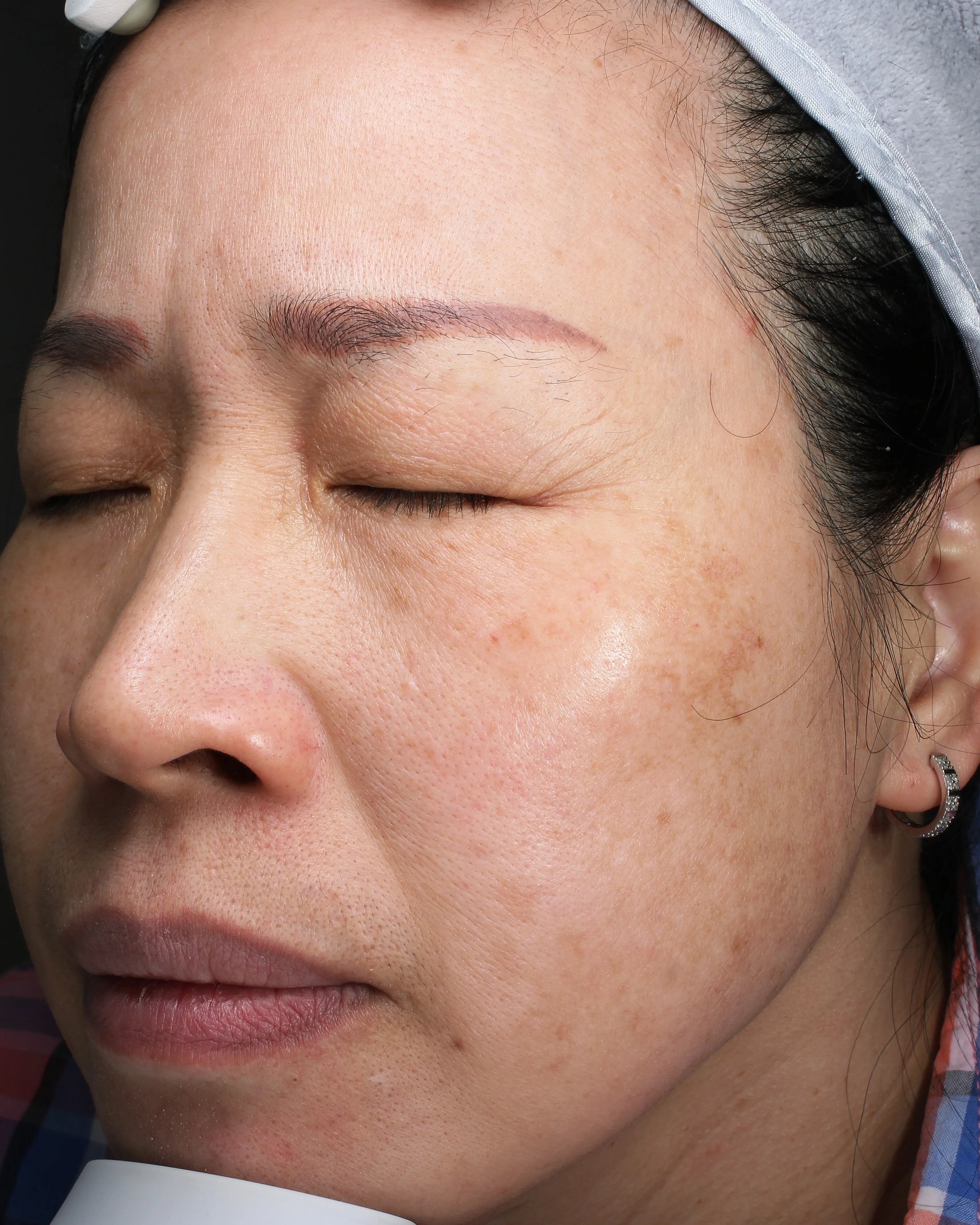
Case 17 · Melasma Clinical Record
- Ideal candidate profile
- Asian Female · Fitzpatrick IV · Duration 5 Years
- areas of concern
- Melasma (comprehensive improvement with multimodal combination protocol)
- treatment plan
- Dual picosecond combination therapy + PicoSure® + PicoSure Pro® + PicoWay® (4 sessions)
- Treatment outcomes
- Significant melasma improvement · Overall results look natural
- PIH / post-treatment darkening
- No PIH
- maintenance
- Routine sun protection + monthly at-home skincare + quarterly clinical assessments
Case 17: Melasma Before & After · Asian Female · Fitzpatrick IV · Duration 5 Years · Multimodal combination protocol led by our physician at Luowei Medical Aesthetics Clinic, Nanjing
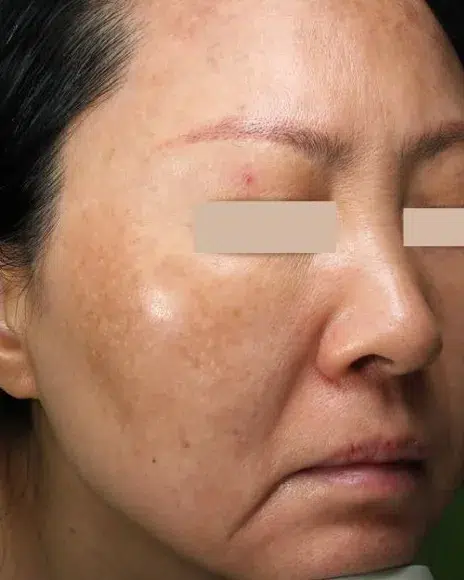
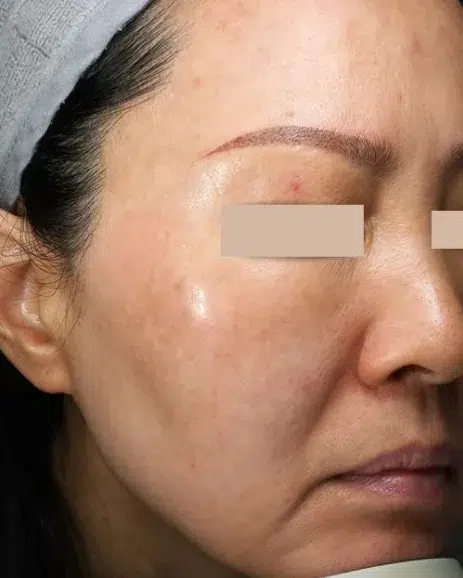
Case 18 · Melasma Clinical Record
- Ideal candidate profile
- Asian female · Fitzpatrick IV · Duration 6–12 months
- areas of concern
- Melasma (comprehensive improvement with multimodal combination protocol)
- treatment plan
- Dual picosecond combination therapy — PicoSure® + PicoSure Pro® + PicoWay® (3–4 sessions)
- Treatment outcomes
- Significant melasma improvement · Overall results look natural
- PIH / post-treatment darkening
- No PIH
- maintenance
- Mesotherapy Monthly × 3 sessions + at-home retinoid + SPF 50+
Case 18: Melasma Before & After · Asian Female · Fitzpatrick IV · Duration 6–12 Months · Multimodal combination protocol led by our physician at Luowei Medical Aesthetics Clinic, Nanjing
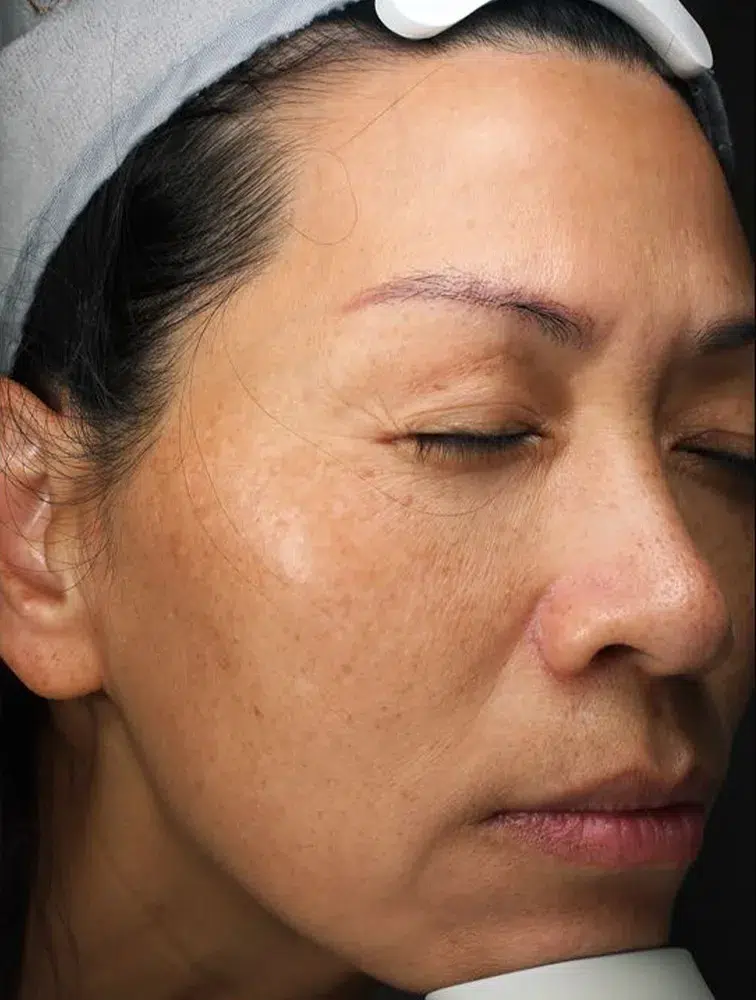
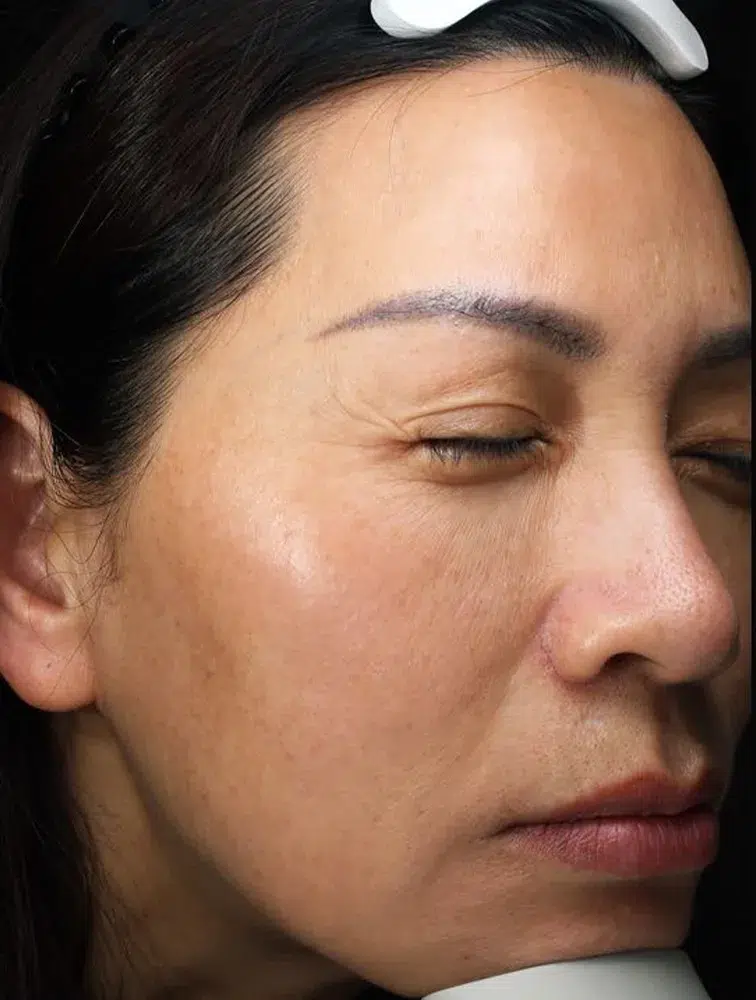
Case 20 · Melasma Real Results
- Ideal candidate profile
- Asian female · Fitzpatrick IV · Duration 6–12 months
- areas of concern
- Melasma (comprehensive improvement with multimodal combination protocol)
- treatment plan
- PicoSure® + Vbeam® sensitive skin repair (3–4 sessions)
- Treatment outcomes
- Significant melasma improvement · Overall results look natural
- PIH / post-treatment darkening
- No PIH
- maintenance
- Mesotherapy Monthly × 3 sessions + at-home retinoid + SPF 50+
Case 20: Melasma Before & After · Asian Female · Fitzpatrick IV · Duration 6–12 Months · Multimodal combination protocol led by our physician at Luowei Medical Aesthetics Clinic, Nanjing
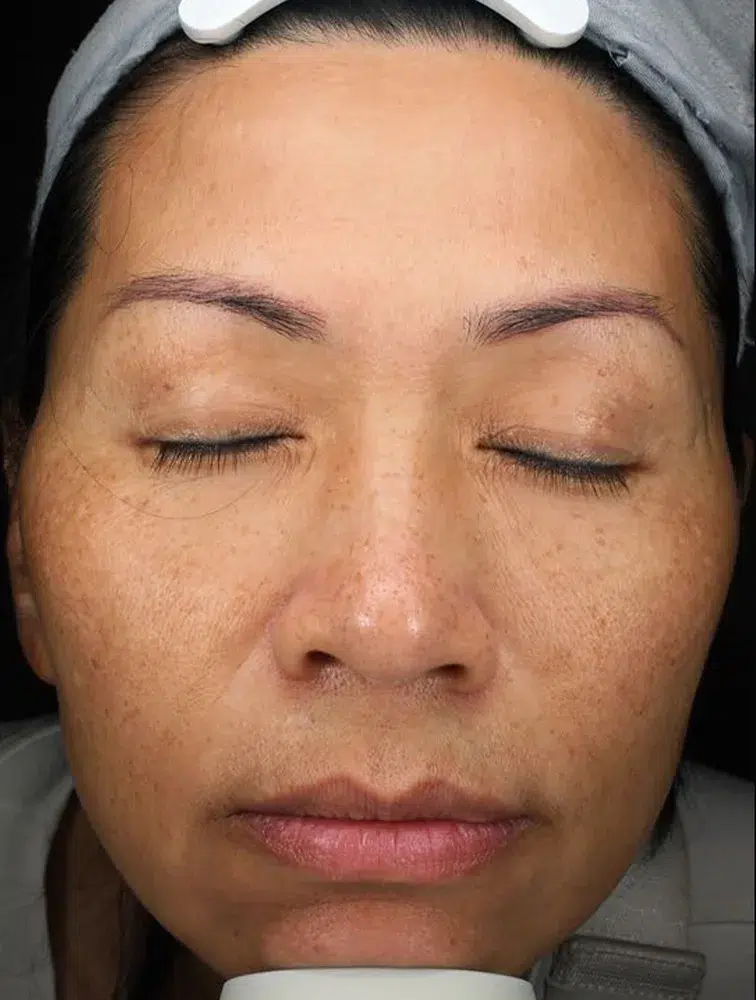
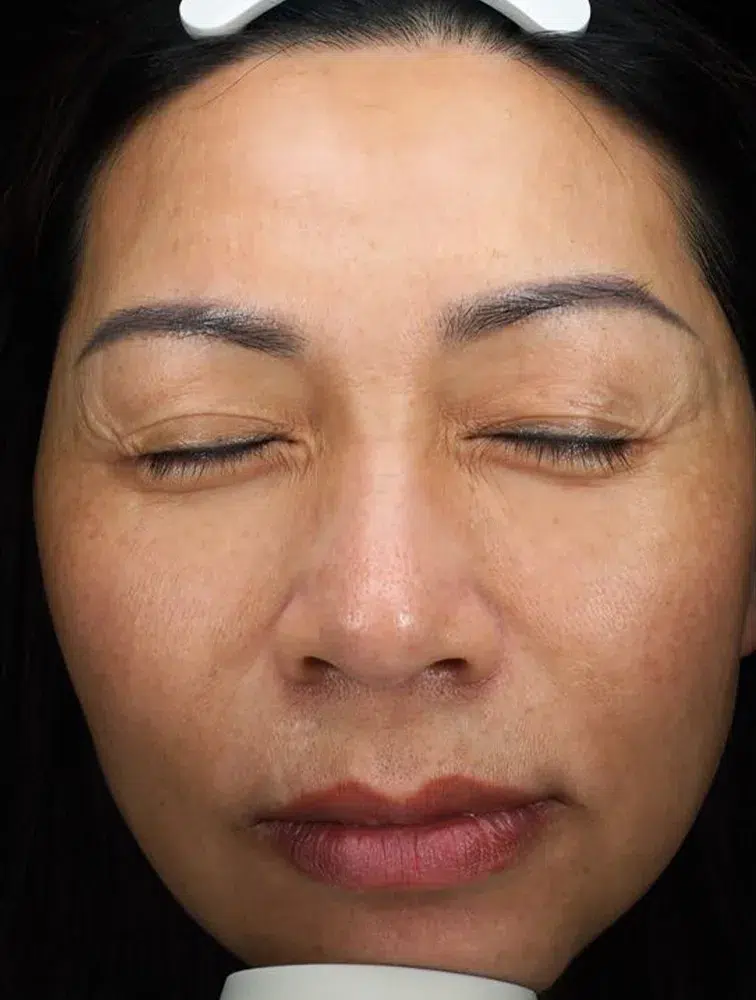
Case 21 · Melasma — Real Patient Documentation
- Ideal candidate profile
- Asian female · Fitzpatrick IV · Duration 6–12 months
- areas of concern
- Melasma (comprehensive improvement with multimodal combination protocol)
- treatment plan
- PicoSure® + Vbeam® sensitive skin repair (3–4 sessions)
- Treatment outcomes
- Significant melasma improvement · Overall results look natural
- PIH / post-treatment darkening
- No PIH
- maintenance
- Mesotherapy Monthly × 3 sessions + at-home retinoid + SPF 50+
Case 21: Melasma Before & After · Asian Female · Fitzpatrick IV · Duration 6–12 months · Multimodal combination protocol led by our physician at Luowei Medical Aesthetics Clinic, Nanjing
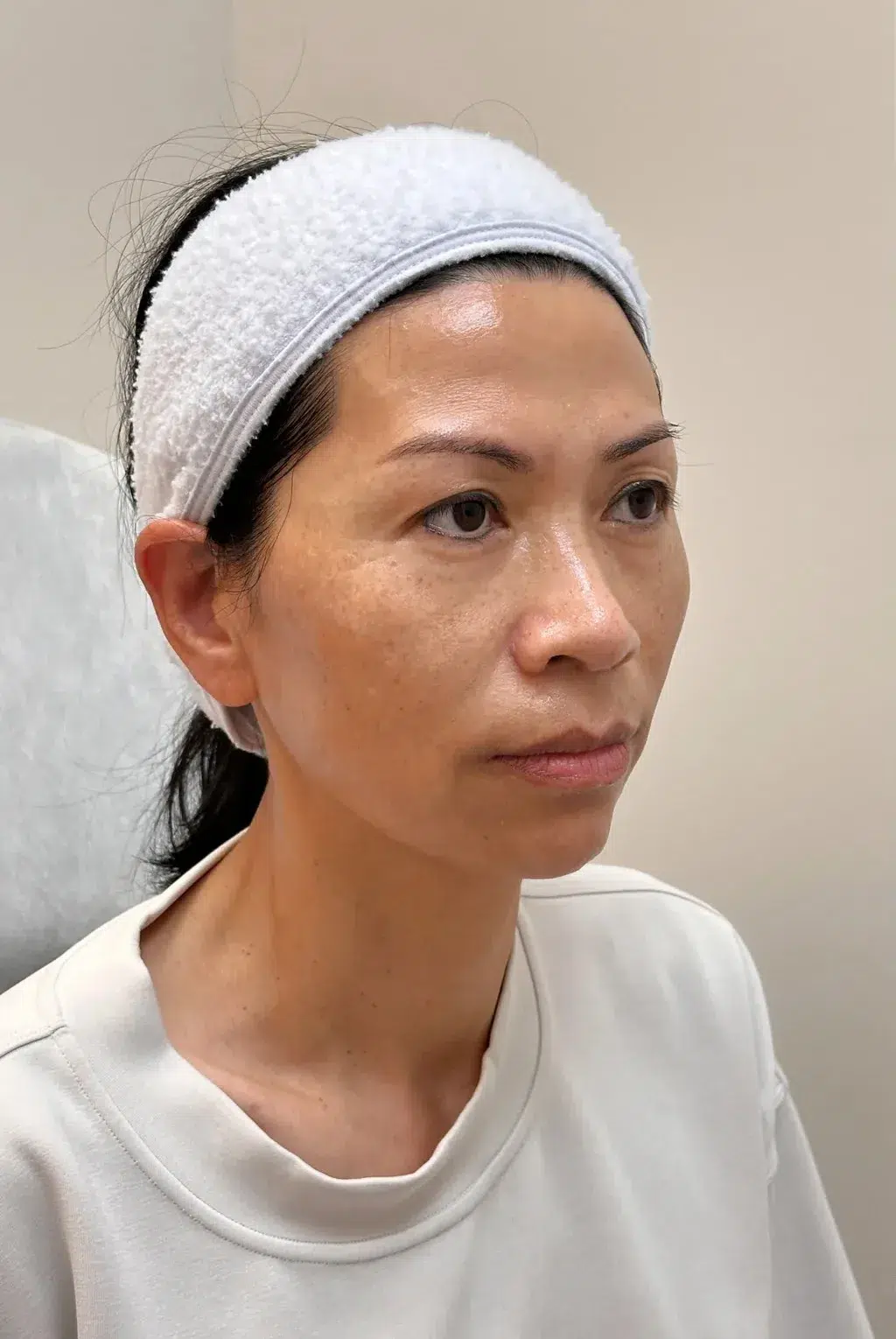
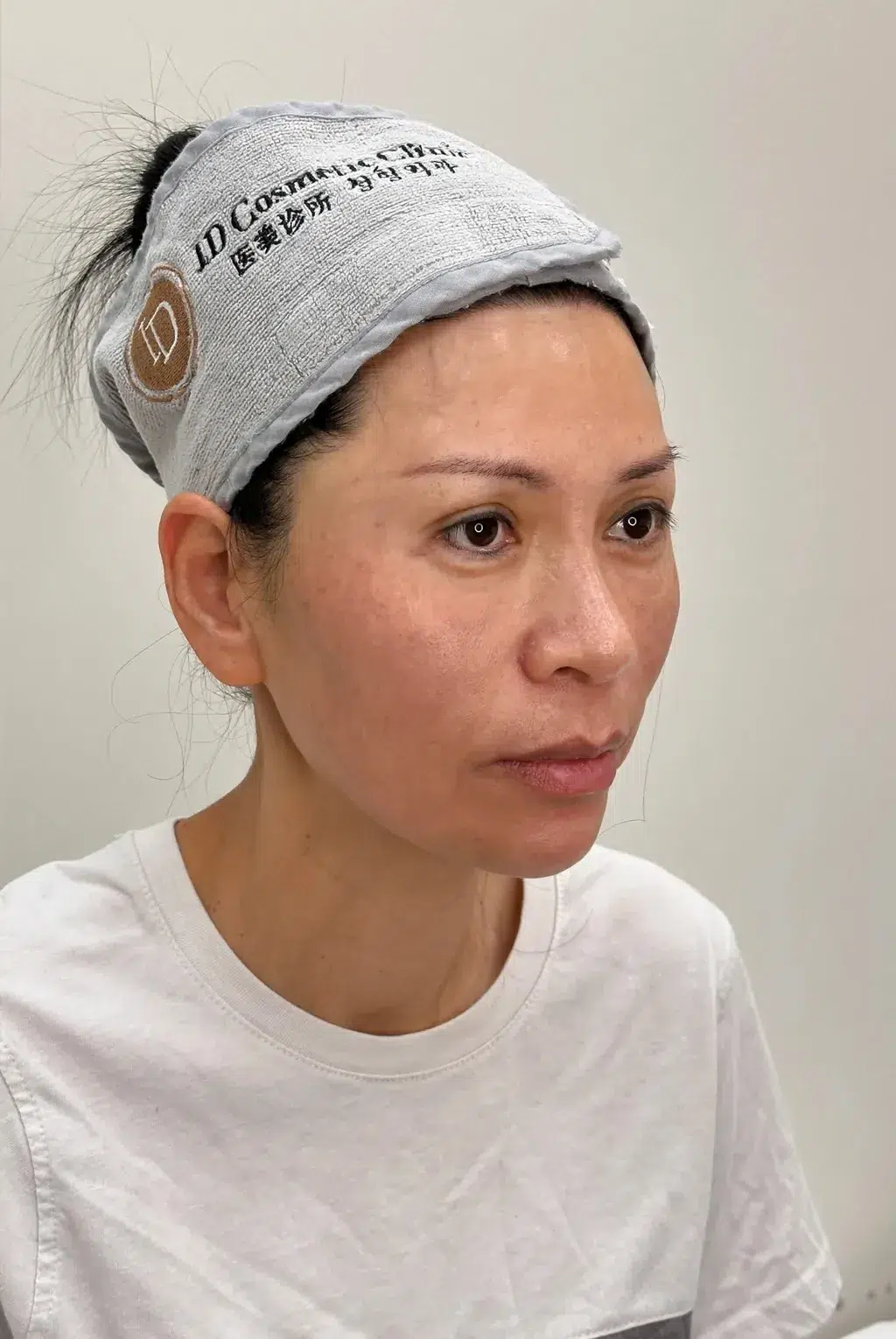
Case 22 · Melasma Clinical Record
- Ideal candidate profile
- Asian Female · Fitzpatrick I · Duration 5 Years
- areas of concern
- Melasma (comprehensive improvement with multimodal combination protocol)
- treatment plan
- PicoSure® + M22® IPL Photofacial (multiple sessions within 3 months)
- Treatment outcomes
- Significant melasma improvement · Overall results look natural
- PIH / post-treatment darkening
- No PIH
- maintenance
- Routine sun protection + monthly at-home skincare + quarterly clinical assessments
Case 22: Melasma Before & After · Asian Female · Fitzpatrick I · Duration 5 years · Multimodal combination protocol led by our physician at Luowei Medical Aesthetics Clinic, Nanjing
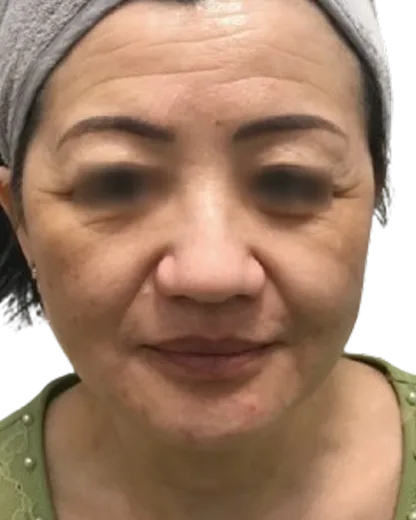
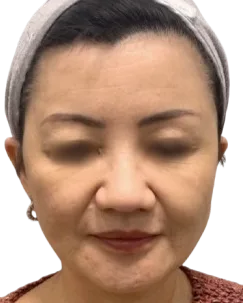
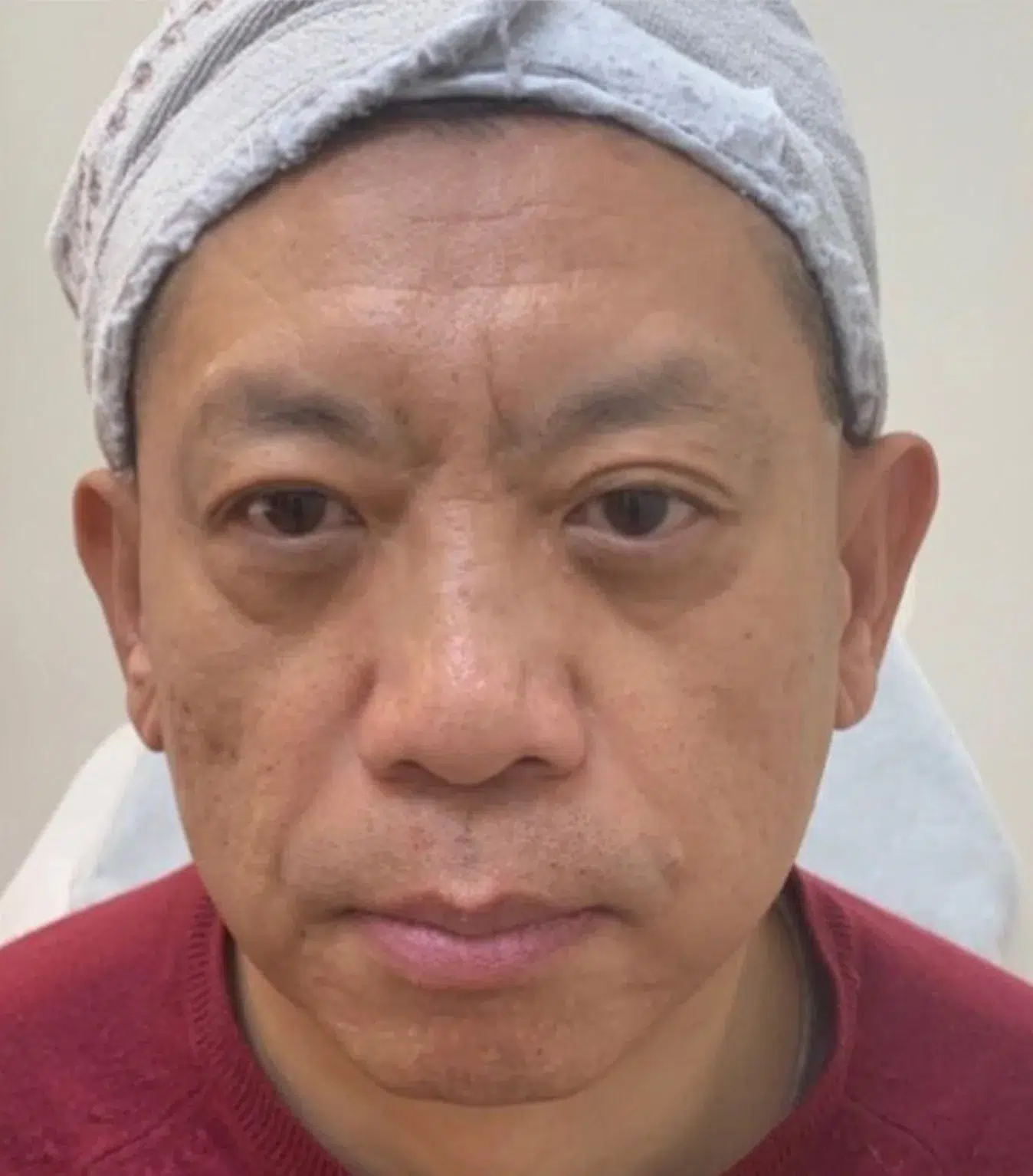
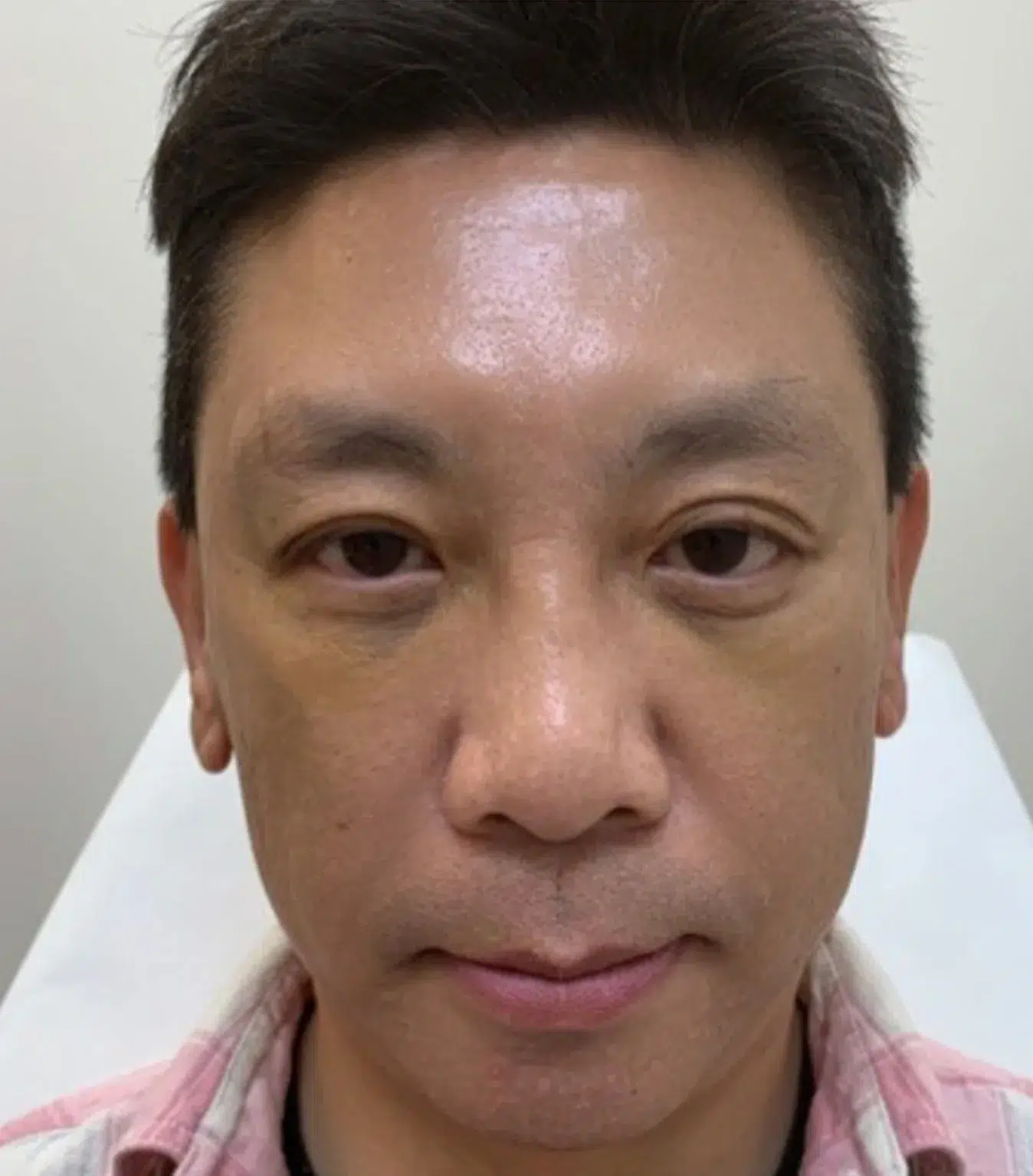
Case 1 · Melasma — Real Patient Documentation
- Ideal candidate profile
- Asian female · Fitzpatrick IV
- areas of concern
- Melasma (comprehensive improvement with multimodal combination protocol)
- treatment plan
- PicoSure® + PicoSure Pro® + PicoWay® + Ultherapy® and 17 additional treatments (multiple sessions within 3 months)
- Treatment outcomes
- Significant melasma improvement · Overall results look natural
- PIH / post-treatment darkening
- No PIH
- maintenance
- 9-12 months later for a Juvéderm® touch-up
Case 01: Melasma Before & After · Asian Female · Fitzpatrick IV · Multimodal combination protocol led by our physician at Luowei Medical Aesthetics Clinic, Nanjing
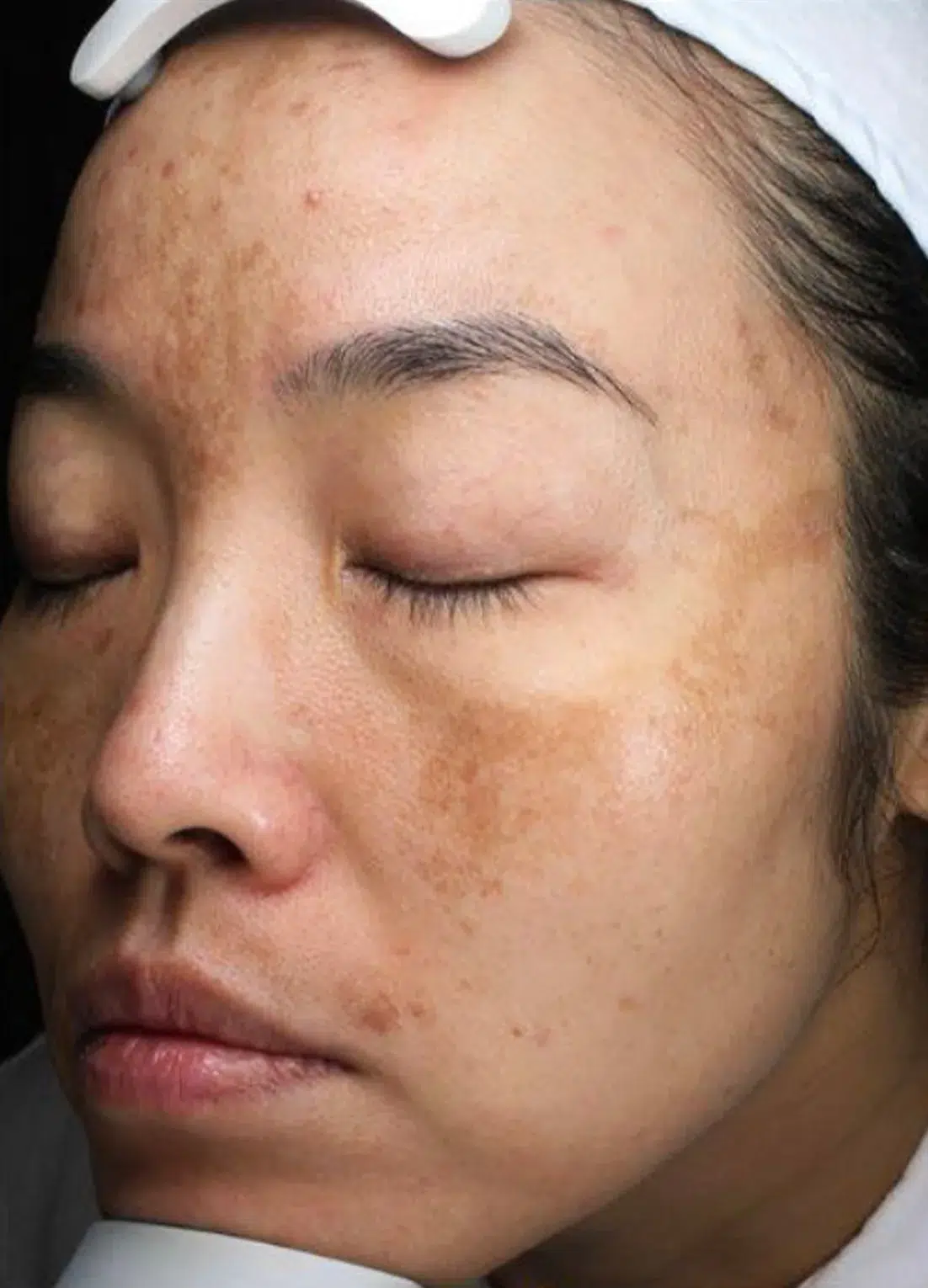
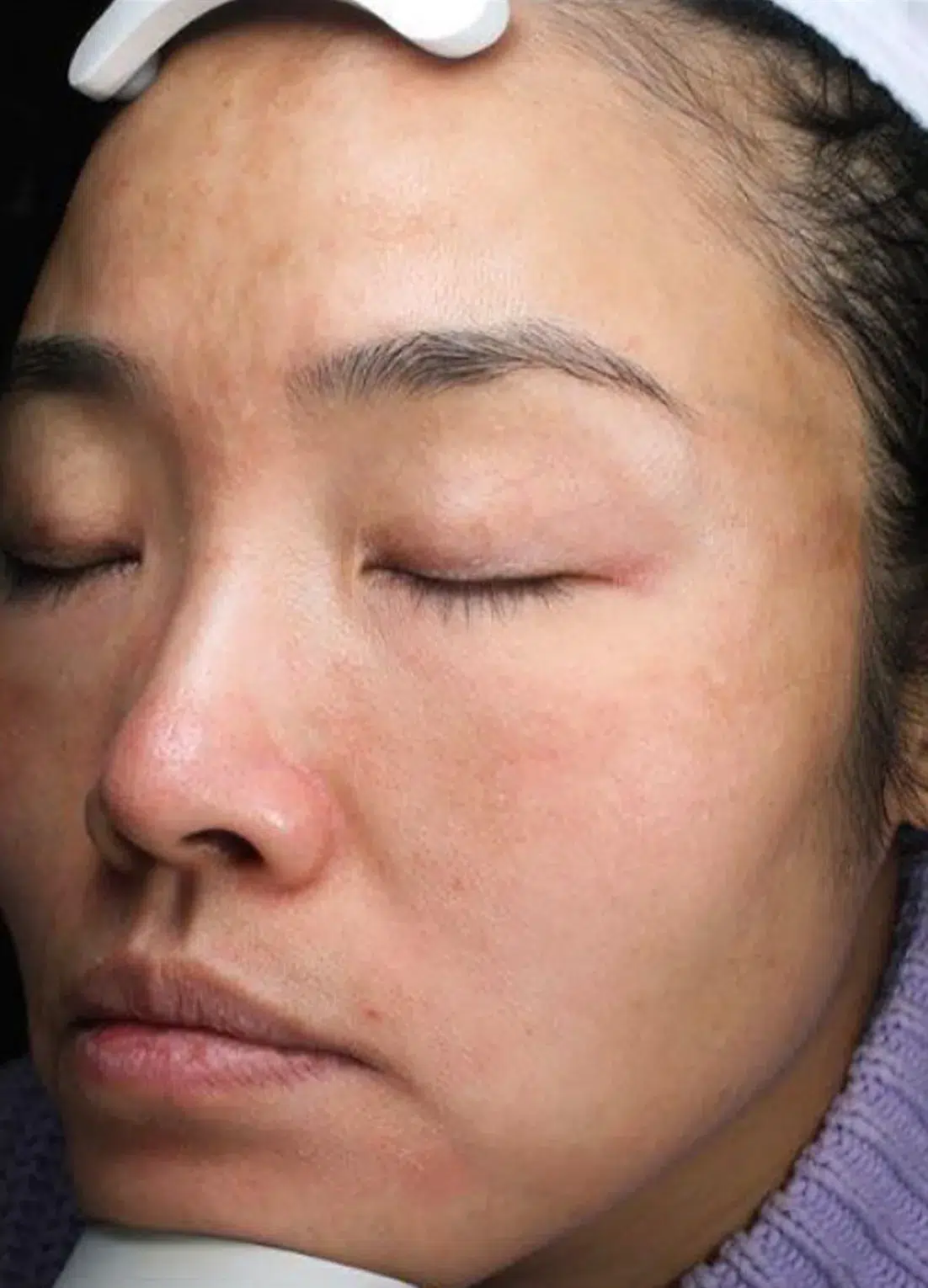
Case 6 · Melasma Clinical Record
- Ideal candidate profile
- Asian female · Fitzpatrick IV
- areas of concern
- Melasma (comprehensive improvement with multimodal combination protocol)
- treatment plan
- BTL Exilis Ultra™ + BTL Exilis Ultra 360 + Fotona® 4D lifting + 15 additional treatments (multiple sessions within 3 months) — 17 items total
- Treatment outcomes
- Significant melasma improvement · Overall results look natural
- PIH / post-treatment darkening
- No PIH
- maintenance
- Routine sun protection + monthly at-home skincare + quarterly clinical assessments
Case 06: Melasma Before & After · Asian Female · Fitzpatrick IV · Multimodal combination protocol led by our physician at Luowei Medical Aesthetics Clinic, Nanjing
Case 11 · Melasma Real Results
- Ideal candidate profile
- Asian female · Fitzpatrick IV · Duration 6–12 months
- areas of concern
- Melasma (comprehensive improvement with multimodal combination protocol)
- treatment plan
- PicoSure® + Vbeam® sensitive skin repair (3–4 sessions)
- Treatment outcomes
- Significant melasma improvement · Overall results look natural
- PIH / post-treatment darkening
- No PIH
- maintenance
- Mesotherapy Monthly × 3 sessions + at-home retinoid + SPF 50+
Case 11: Melasma Before & After · Asian Female · Fitzpatrick IV · Duration 6–12 months · Multimodal combination protocol led by our physician at Luowei Medical Aesthetics Clinic, Nanjing
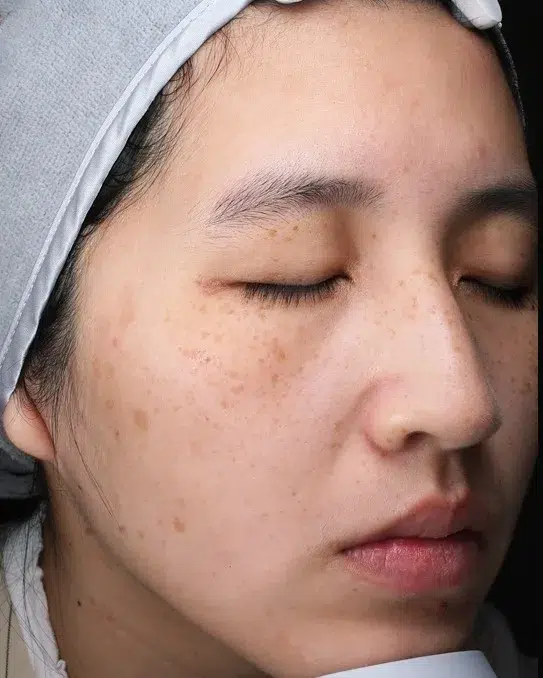
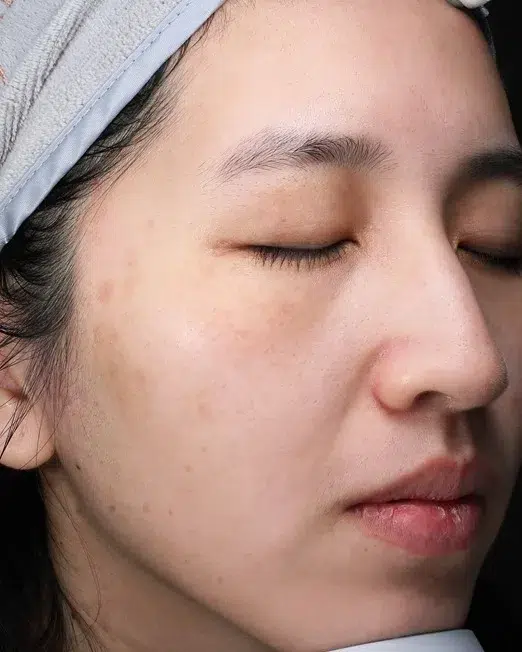
Case 11 · Melasma Real Results
- Ideal candidate profile
- Asian female · Fitzpatrick IV · Long-term duration
- areas of concern
- Melasma (comprehensive improvement with multimodal combination protocol)
- treatment plan
- PicoSure® + PicoSure Pro® + PicoWay® (1–2 sessions)
- Treatment outcomes
- Significant melasma improvement · Overall results look natural
- PIH / post-treatment darkening
- No PIH
- maintenance
- Routine sun protection + monthly at-home skincare + quarterly clinical assessments
Case 11: Melasma Before & After · Asian Female · Fitzpatrick IV · Long-Standing Duration · Multimodal combination protocol led by our physician at Luowei Medical Aesthetics Clinic, Nanjing
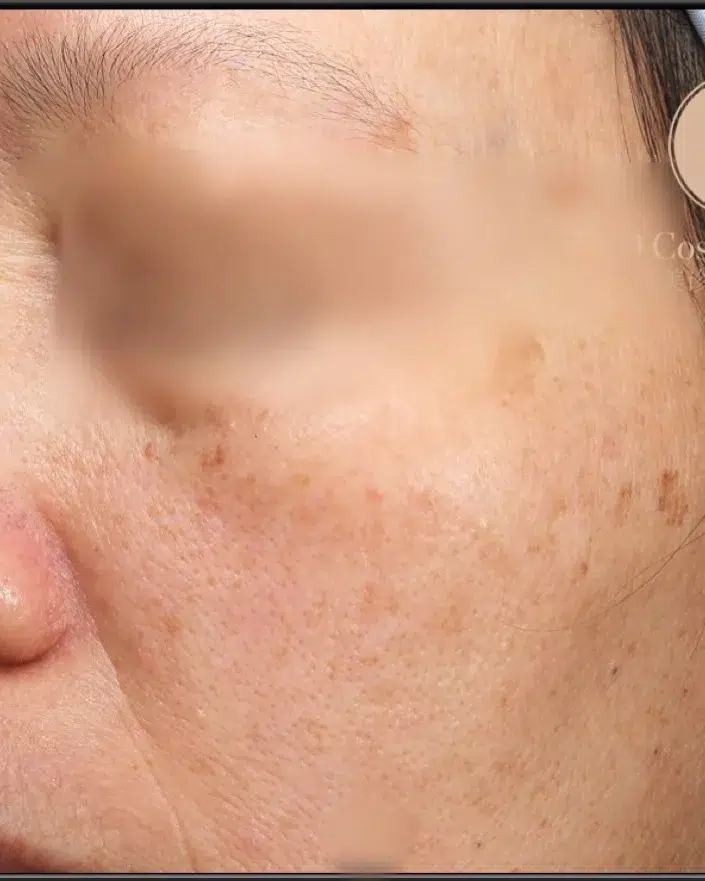
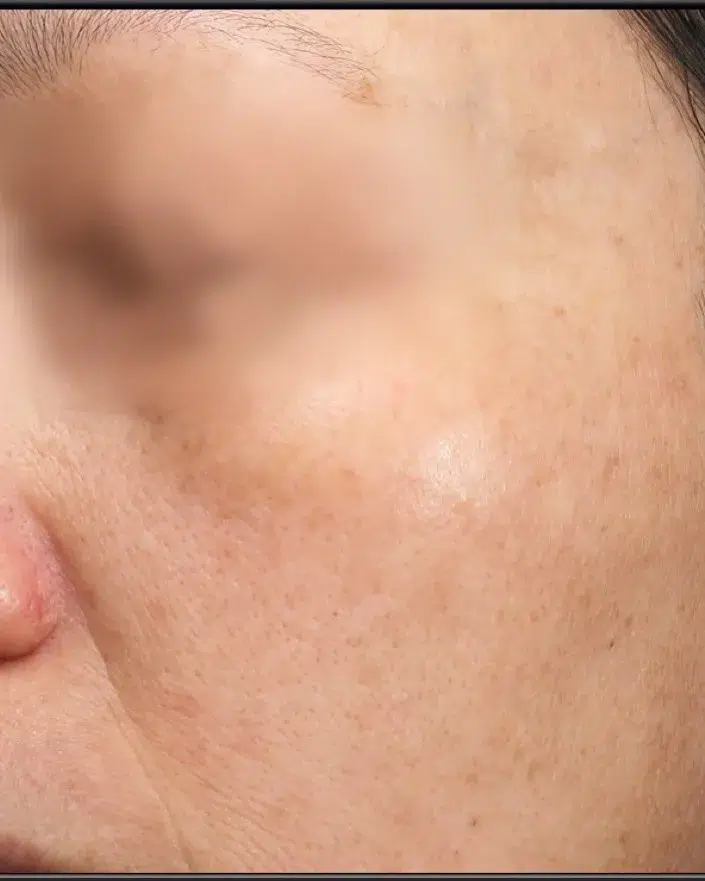
Case 45 · Melasma Clinical Record
- Ideal candidate profile
- Asian female · Fitzpatrick IV
- areas of concern
- Melasma (comprehensive improvement with multimodal combination protocol)
- treatment plan
- Dual picosecond combination therapy + PicoSure® + PicoSure Pro® + PicoWay® (multiple sessions within 3 months)
- Treatment outcomes
- Significant melasma improvement · Overall results look natural
- PIH / post-treatment darkening
- No PIH
- maintenance
- Routine sun protection + monthly at-home skincare + quarterly clinical assessments
Case 45: Melasma Before & After · Asian Female · Fitzpatrick IV · Multimodal combination protocol led by our physician at Luowei Medical Aesthetics Clinic, Nanjing
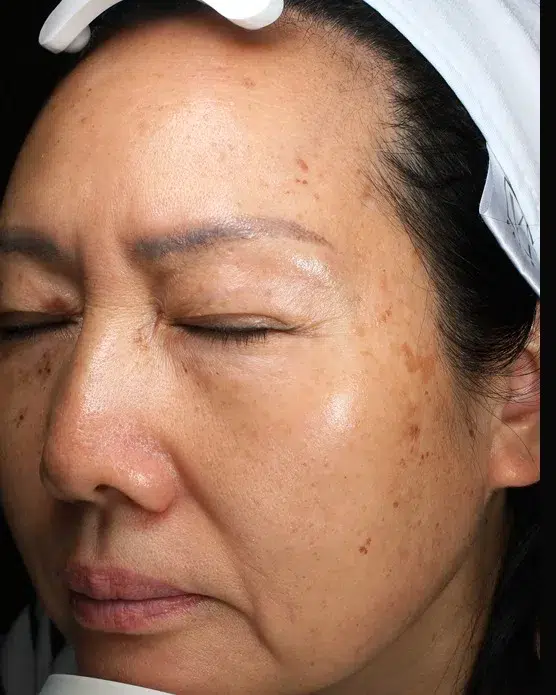
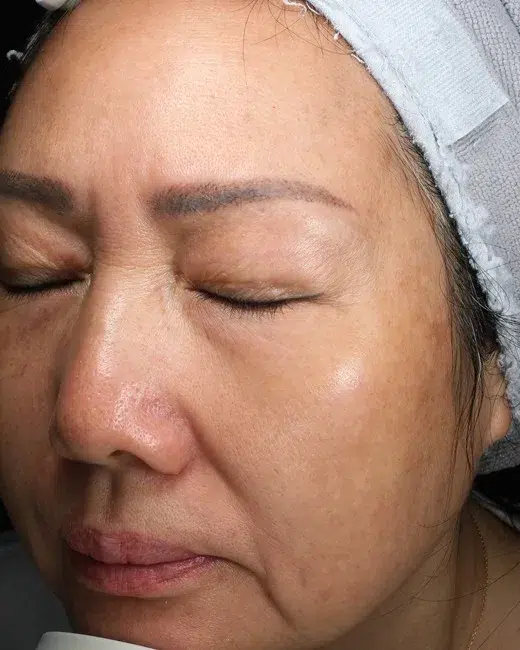
Case 46 · Melasma Real Results
- Ideal candidate profile
- Asian female · Fitzpatrick IV
- areas of concern
- Melasma (comprehensive improvement with multimodal combination protocol)
- treatment plan
- PicoSure® + PicoSure Pro® + PicoWay® (multiple sessions within 3 months)
- Treatment outcomes
- Significant melasma improvement · Overall results look natural
- PIH / post-treatment darkening
- No PIH
- maintenance
- Routine sun protection + monthly at-home skincare + quarterly clinical assessments
Case 46: Melasma Before & After · Asian Female · Fitzpatrick IV · Multimodal combination protocol led by our physician at Luowei Medical Aesthetics Clinic, Nanjing
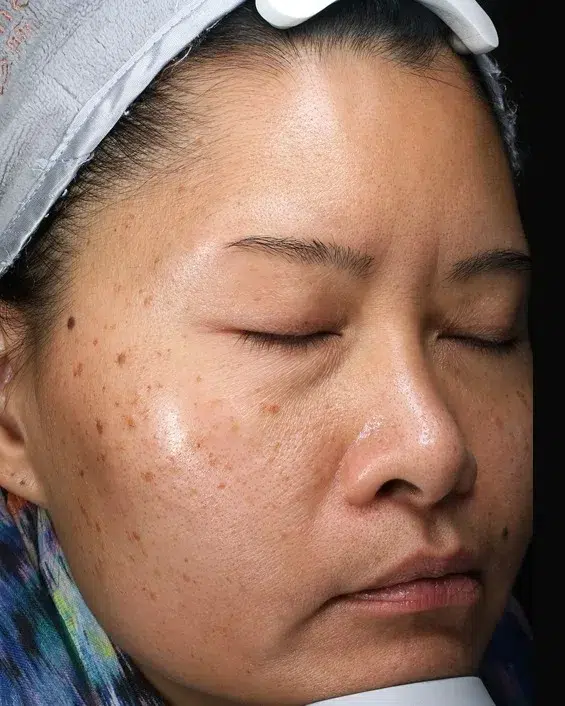
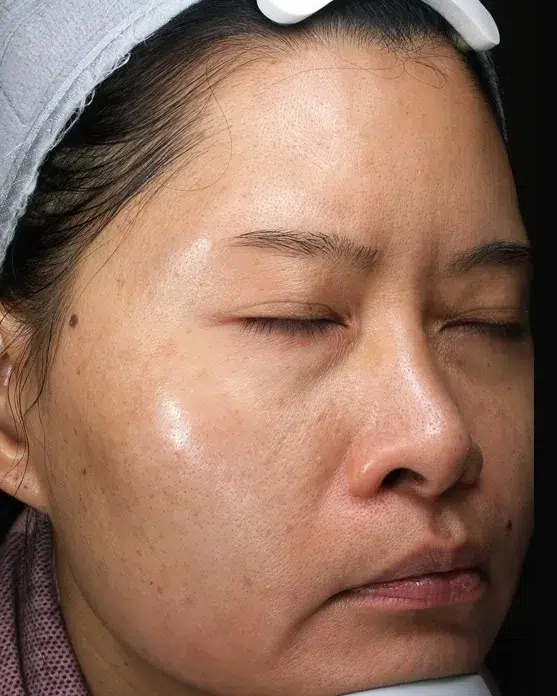
Case 49 · Melasma — Real Patient Documentation
- Ideal candidate profile
- Asian female · Fitzpatrick IV
- areas of concern
- Melasma (comprehensive improvement with multimodal combination protocol)
- treatment plan
- Dual picosecond combination therapy + PicoSure® + PicoSure Pro® + PicoWay® (multiple sessions within 3 months)
- Treatment outcomes
- Significant melasma improvement · Overall results look natural
- PIH / post-treatment darkening
- No PIH
- maintenance
- Routine sun protection + monthly at-home skincare + quarterly clinical assessments
Case 49: Melasma Before & After · Asian Female · Fitzpatrick IV · Multimodal combination protocol led by our physician at Luowei Medical Aesthetics Clinic, Nanjing
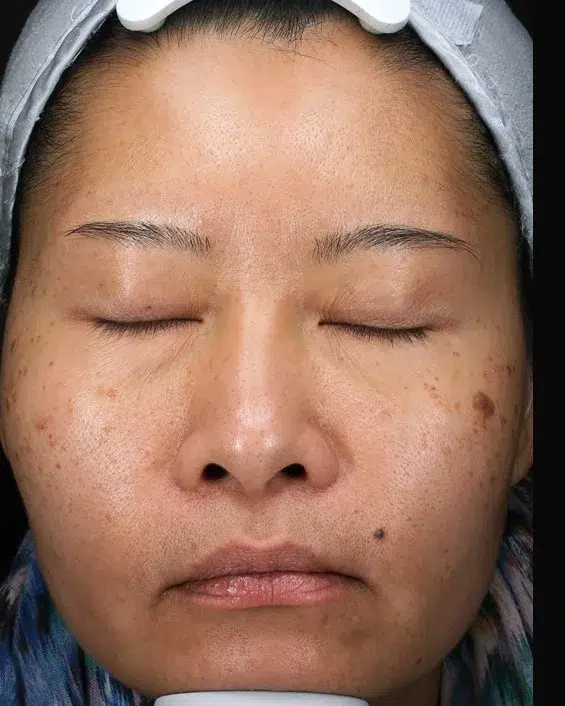
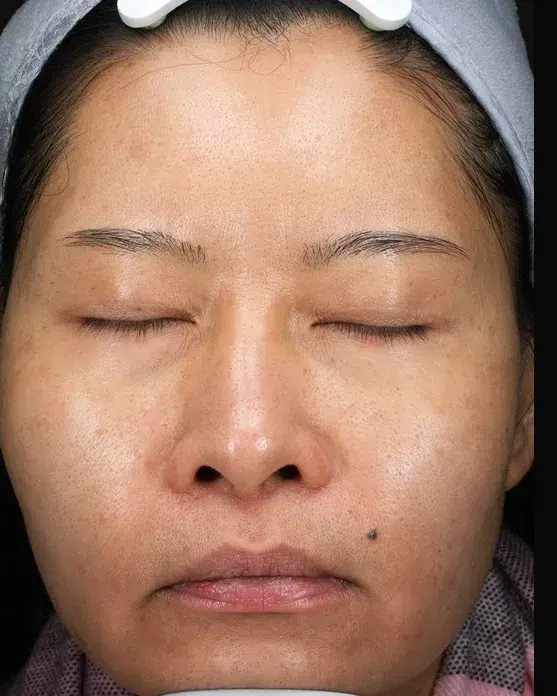
Case 52 · Melasma Clinical Record
- Ideal candidate profile
- Asian female · Fitzpatrick IV
- areas of concern
- Melasma (comprehensive improvement with multimodal combination protocol)
- treatment plan
- Dual picosecond combination therapy + PicoSure® + PicoSure Pro® + PicoWay® (multiple sessions within 3 months)
- Treatment outcomes
- Significant melasma improvement · Overall results look natural
- PIH / post-treatment darkening
- No PIH
- maintenance
- Routine sun protection + monthly at-home skincare + quarterly clinical assessments
Case 52: Melasma Before & After · Asian Female · Fitzpatrick IV · Multimodal combination protocol led by our physician at Luowei Medical Aesthetics Clinic, Nanjing
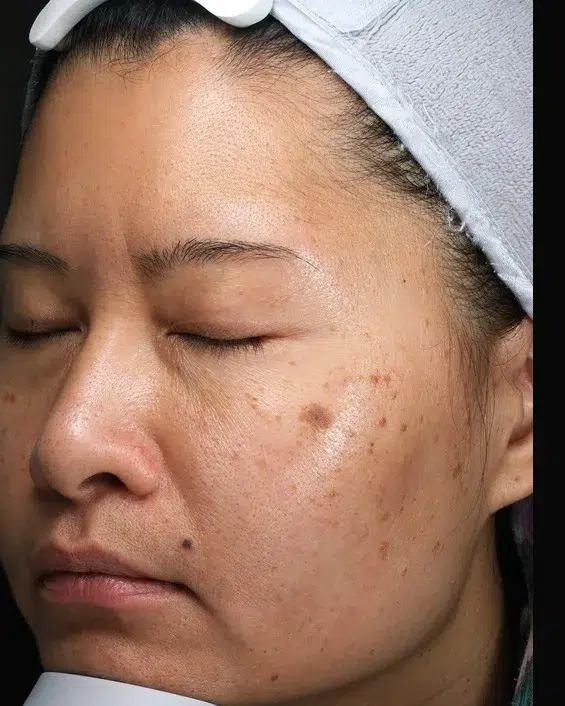
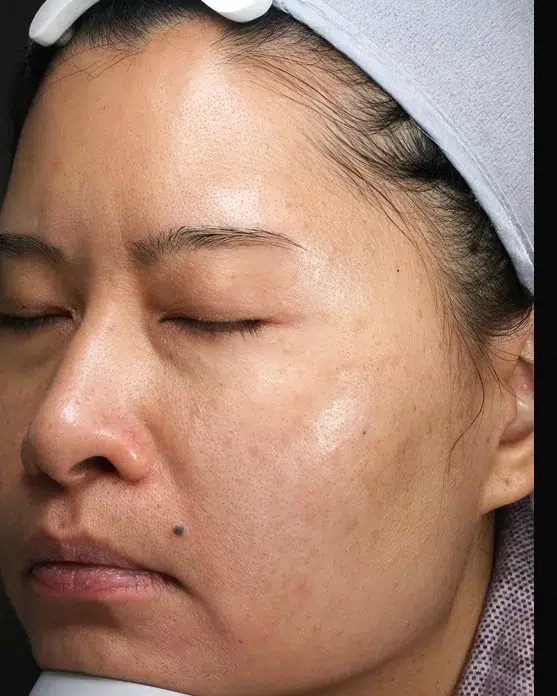
Case 53 · Melasma Clinical Record
- Ideal candidate profile
- Asian female · Fitzpatrick IV
- areas of concern
- Melasma (comprehensive improvement with multimodal combination protocol)
- treatment plan
- PicoSure® + PicoSure Pro® + PicoWay® (multiple sessions within 3 months)
- Treatment outcomes
- Significant melasma improvement · Overall results look natural
- PIH / post-treatment darkening
- No PIH
- maintenance
- Routine sun protection + monthly at-home skincare + quarterly clinical assessments
Case 53: Melasma Before & After · Asian Female · Fitzpatrick IV · Multimodal combination protocol led by our physician at Luowei Medical Aesthetics Clinic, Nanjing
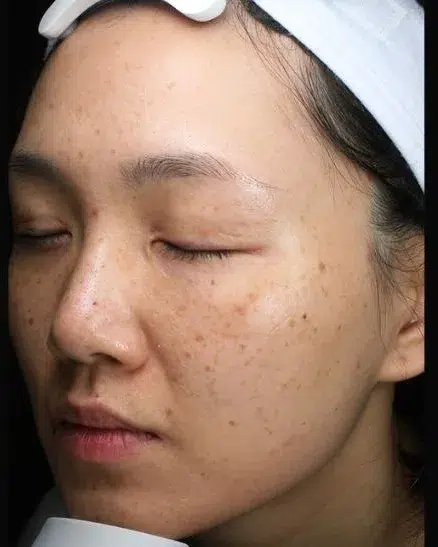
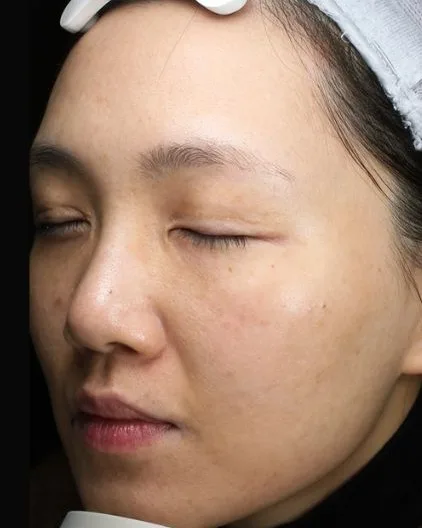
Case 71 · Melasma Real Results
- Ideal candidate profile
- Asian female · Fitzpatrick IV · Duration 6–12 months
- areas of concern
- Melasma (comprehensive improvement with multimodal combination protocol)
- treatment plan
- Dual picosecond combination therapy — PicoSure® + PicoSure Pro® + PicoWay® (3–4 sessions)
- Treatment outcomes
- Significant melasma improvement · Overall results look natural
- PIH / post-treatment darkening
- No PIH
- maintenance
- Mesotherapy Monthly × 3 sessions + at-home retinoid + SPF 50+
Case 71: Melasma Before & After · Asian Female · Fitzpatrick IV · Duration 6–12 months · Multimodal combination protocol led by our physician at Luowei Medical Aesthetics Clinic, Nanjing
What Is Melasma — and Why Is It Different from Ordinary Pigmentation?
Melasma (Melasma, Also known as chloasma, hormonal pigmentation, or the “mask of pregnancy,” melasma is Chronic, acquired, and symmetrically distributed a pigmentation disorder characterized by symmetrically distributed brown or grey-brown patches on the face.
5 Key Differences Between Melasma and Common Pigmentation
Chronic and recurrent — not a “treat once and done” condition
Freckles and sun spots can typically be cleared in a single laser session with minimal risk of recurrence.not appropriate for melasma— Melanocytes are repeatedly activated by hormones, UV exposure, and heat. Without controlling the triggering factors,rebound within a few months.
Multiple overlapping triggers — not a single cause
Freckles are genetic; sun spots are UV-induced.Melasma results from six overlapping factors: genetics, hormones, UV exposure, heat, a compromised skin barrier, and chronic inflammation., Treatment must address multiple dimensions simultaneously.
High PIH risk — incorrect treatment can worsen the condition
For common pigmentation, higher energy means faster results.the opposite of melasma— High-energy laser triggers PIH, causing melasma to becomes darker and more widespread. This is exactly why many patients find their melasma worsens after treatment at a medspa.
Combination therapy is essential — single-modality treatment is insufficient
Freckles can be treated with laser as a standalone procedure.Melasma requires a combination of: Multi-device pigment disruption + Cyspera to regulate melanocytes + SPF 50+ to block UV triggers + maintenance therapy to prevent recurrence.
Lifelong management — not a “cure”
“Success” in melasma treatment is not “permanent elimination” — it is “Significant lightening + sustained long-term remission”. Under a physician-designed personalized protocol with ongoing follow-up, most patients maintain results for 12–24 months; with a maintenance program, results can last even longer.
What does melasma look like? Typical appearance
- shape: Flat, brown or gray-brown patchy discoloration (not raised, not painful, not itchy)
- Border: Typically Diffuse / indistinct (Unlike sun spots, which have well-defined borders)
- symmetry: Bilateral symmetry (unlike unilateral pigmentation or acne marks)
- Color: Light to dark brown in color; patients with deeper skin tones may present with grey-brown or blue-grey patches, suggesting a dermal component.
- Seasonal: Worsens in summer, fades in winter (UV sensitivity)
3 common distribution patterns
Malar type (most common)
Distributed across both cheekbones and the upper cheeks. This is the predominant pattern in over 70% of melasma patients.
Centrofacial
Distributed across the forehead, nasal bridge, upper lip, and chin midline. Common in hormonal melasma (pregnancy / oral contraceptives).
Mandibular pattern
Distributed along the jawline and chin. Less common; more frequently seen in older patients.
4 steps for a preliminary self-assessment
- whether Bilateral symmetry?
- Whether the borders are Diffuse / indistinct?
- Whether currently cheekbones / upper lip / forehead?
- During summer, whether Worsening?
⚠️ If 3–4 of these apply to you,likely melasma, A consultation is recommended for an accurate diagnosis. Proper diagnosis requires a Wood's lamp exam — epidermal and dermal melasma cannot be distinguished by the naked eye, and their treatment protocols differ entirely.
Common Causes of Melasma (5 Key Triggers)
Melasma is not caused by a single factor — it is Multiple overlapping trigger factors outcomes. Understanding these contributing factors determines your treatment plan and long-term maintenance strategy.
UV radiation (the strongest trigger)
UVA / UVB / Visible light directly stimulates excess melanin production and triggers inflammatory mediators. Even on overcast days, indoors, or through glass, UVA radiation can worsen melasma.
Estrogen and progesterone (Hormones)
50–70% "Pregnancy mask" typically appears in the second trimester; approximately 25% of oral contraceptive users develop melasma; hormonal imbalances (PCOS, thyroid conditions) can also worsen the condition.
Genetic factors (Genetics)
Approximately 40–60% of melasma patients have a family history of the condition. Individuals of Asian, Latin American, and South Asian descent carry a higher genetic predisposition.
Inflammation and skin trauma (PIH)
Acne, eczema, excessive laser energy, and overly aggressive chemical peels can all trigger post-inflammatory hyperpigmentation (PIH), which in turn worsens existing melasma.
Heat effect + impaired skin barrier
Saunas, cooking heat, hot yoga, intense light exposure, and a compromised skin barrier (from over-exfoliation or irritating skincare) can all trigger melanocyte activation.
Melasma vs. Freckles / Sun Spots / PIH / Hori's Nevus
Many patients arrive at the clinic referring to all facial discoloration simply as "spots" — however, several clinically distinct pigmentation conditions can look similar yet treatment is entirely different.
Vs Freckles
| shape | Small, well-defined spots (< 5 mm) |
| symmetry | scattered, not necessarily symmetrical |
| trigger | Primarily genetic, worsened by UV exposure |
| Occurs | Present since childhood |
| Protocol | PSP 755nm 1–2 sessions to see results |
Vs Sun spots / age spots
| shape | Scattered, discrete lesions · Well-defined borders |
| Location | UV Exposed areas (back of hands / shoulders) |
| trigger | Cumulative UV exposure (non-hormonal) |
| Seasonal | Not clearly defined |
| Protocol | PSP 1–3 session clearance |
Vs Acne marks / PIH
| Location | Localized to areas of inflammation or trauma |
| symmetry | Follows the distribution of the underlying condition |
| trigger | Acne / eczema / trauma |
| Spontaneous resolution | Partial remission possible (6–24 months) |
| Protocol | PSP 3–5 sessions+ Address the underlying cause |
Vs Hori's Nevus
| Color | Blue-gray, blue-ash (dermal type) |
| Location | Predominantly bilateral zygomatic distribution |
| Seasonal | Not clearly defined |
| Wood's lamp | does not reach deep pigment |
| Protocol | PicoWay 1064nm 10+ sessions |
Why does melasma treatment require extra caution for Asian skin?
Treating melasma in Asian skin (Fitzpatrick III–V) is far more complex than in lighter Caucasian skin — and this is a core area of expertise at Luowei Medical Aesthetics Clinic.
1. Higher melanocyte density and greater sensitivity
The density of active melanocytes in Asian skin is higher than in Caucasian skin,Approximately 2–3 times higher, more reactive to heat and inflammation.Any heat stimulus can trigger excessive melanocyte activation, can worsen melasma. This is why high-energy IPL and aggressive resurfacing treatments commonly used in Western aesthetic practice often backfire on Asian skin.contraindicated outright.
2. Post-inflammatory hyperpigmentation (PIH) is the #1 risk
Post-inflammatory hyperpigmentation (PIH) — commonly referred to as "rebound darkening" — is the most frequent and serious complication of melasma treatment in Asian skin. It occurs when:
- Excessively high-energy laser
- Chemical peel performed at an inappropriate time
- Post-procedure management with inadequate sun protection
- Continuing treatment while the skin barrier is compromised
PIH Once it occurs,Improvement is slower than the original melasma (often requires 6–12 months to resolve).
3. "Less is More"principle
Melasma in lighter Fitzpatrick skin types often responds significantly after 3–4 moderate-energy laser sessions. Asian skin frequently requires 5–6 sessions low energy Longer intervals (4–6 weeks) and 4 weeks of pre-treatment Cyspera conditioning.slow is fast— Rushing the treatment process is how PIH begins.
Fitzpatrick Graded risk assessment × our clinical protocol
| Fitzpatrick | Skin tone | PIH risk | Our clinical protocol |
|---|---|---|---|
| II–III | Fair / light skin tone | Low | Standard PicoSure Pro energy + Cyspera + SPF |
| III lighter Asian |
Beige | Medium | Moderate-energy PicoSure Pro + 4 weeks Cyspera + SPF |
| IV Typical Asian |
yellowish-brown | High | Low energy + 6 weeks Cyspera + mandatory SPF |
| V Deeper Asian / South Asian skin |
light brown | Very high | Ultra-low energy + test spot + long-term Cyspera |
Melasma combination treatment plan (device + medication + sun protection)
There is no "best single treatment" — only the combination protocol best suited to you. Based on your melasma type, Fitzpatrick skin type, and treatment history, our physician designs a personalized protocol from the options below.
PicoSure Pro® 755nm Picosecond laser First-line choice
melasma in Asian skin Gold standard. Picosecond pulse duration (550 ps) shatters pigment particles via a photoacoustic effect,Minimal to comparatively less heat to surrounding tissue, PIH Significantly lower risk than nanosecond lasers.
- 3–5 sessions, spaced 4–6 weeks apart
- minimal downtime
- Fitzpatrick III–V Safety
- Visible improvement begins from the 2nd session
Cyspera® (cysteamine) skin conditioning Essential
Medical-grade cysteamine targets melanin synthesis at its source,Safer than hydroquinone (without causing PIH or hypopigmentation). A core component of our clinical protocol, used for 4–6 weeks of pre-treatment conditioning and long-term maintenance.
- For daily use · No prescription required
- Hydroquinone-free alternative · prevents recurrence
Dual Pico® Dual picosecond protocol First choice for treatment-resistant cases
targeting Mixed-type melasma or Treatment-resistant melasma advanced protocol. PicoSure Pro 755nm targets epidermal pigment + PicoWay 1064nm penetrates dermal pigment,Single-session protocol addressing all pigment depths.
Medical-grade chemical peel (as a supporting component of a combination protocol)
TCA Combined with mandelic acid resurfacing to accelerate epidermal pigment turnover,as an adjunct within a combination protocol— Not used as a standalone treatment for melasma. Monthly intervals · 3–7 day peeling period.
Ai BBL® HEROic™ (Suitable for epidermal type + lighter skin tones only)
Sciton Intelligent IPL with AI temperature control and powerful cooling. For Epidermal melasma + Fitzpatrick I–III Safe.Fitzpatrick IV The above cases require careful assessment; high-energy IPL is not recommended.
Tranexamic Acid (Tranexamic acid (TXA) · topical / oral)
Oral Used for refractory melasma; requires physician assessment for contraindications (coagulation disorders, family history of thrombosis).Topical Used as a topical brightening agent, it can be applied on its own or in combination with Cyspera.
SPF 50+ Sun protection + barrier repair care cannot be omitted
No melasma treatment can maintain its results without adequate sun protection. Our clinical protocol always includes:
- Daily SPF 50+ mineral or chemical sunscreen (Reapply every 2 hours / wear a hat outdoors)
- Visible light protection (tinted sunscreen containing iron oxides)
- Antioxidant serum (Vitamin C / E / resveratrol)
- Repair and recovery care (HydraFacial / Ceramide / medical-grade dressing)
Sample combination protocols (by patient profile)
| patient profile | recommended protocol |
|---|---|
| Mild epidermal type · First-time treatment | PSP × 3 + Cyspera + SPF 50+ |
| Typical Fitzpatrick IV mixed-type presentation | Cyspera × 4 Weeks → PSP × 4–5 sessions + maintenance |
| Refractory / treatment-resistant | Dual Pico (PSP + PicoWay) + Topical TXA + Cyspera + resurfacing |
| Post-pregnancy chloasma | Begin 6 months after breastfeeding ends + Cyspera + PSP × 3–4 sessions |
| Fitzpatrick V Deep skin tones | Cyspera × 6 Weeks → Ultra-low energy PSP × 5–6 sessions + test spot + long-term maintenance |
How Does our physician Develop a Melasma Treatment Plan? (6-Step Process)
This is the most fundamental difference between Luowei Medical Aesthetics Clinic and a typical medspa — the same melasma treated with the wrong protocol can worsen; only the right protocol will fade it.
Accurate diagnosis (first confirm it is indeed melasma)
- Wood's lamp Assessment— Differentiate epidermal / dermal / mixed type
- Dermoscopy— Assessing pigment distribution and vascular components
- Fitzpatrick Skin typing / classification— Determine skin tone risk level
- Medical history assessment— Pregnancy, contraceptive use, family history, current medications, sun protection habits
- Photographic documentation— Standardized lighting and consistent angles to establish a quantifiable baseline
Identifying melasma type and mixed components
80%+ This patient presented with mixed-type melasma (epidermal + dermal + some PIH). Our physician differentiated:
- Predominantly epidermal → PicoSure Pro 755nm as primary modality
- Predominantly dermal → combination with PicoWay 1064 nm required
- Mixed-type → Dual Pico dual-wavelength protocol
- PIH component present → stabilize the underlying inflammation first
Assess post-inflammatory hyperpigmentation (PIH) risk level
Three-dimensional assessment: Fitzpatrick skin type + medical history + lifestyle habits.Any single high-risk factor: A test spot is mandatory, treatment begins at ultra-low energy settings, and 6 weeks of pre-treatment conditioning with Cyspera is required.
Design a combination protocol timeline
This is the fundamental difference between Luowei and a medspa — not "come back next time," but Complete timeline:
[Weeks 0–4]Cyspera Pre-treatment conditioning (morning and evening daily) + SPF 50+
[Week 4]Test spot (High risk) / 1st laser session
[Week 8]2nd laser session + treatment response assessment
[Week 12]3rd laser session + photographic comparison
[Week 16]4th laser session (if required)
[Week 20]5th laser session (if required)
[Week 24]Full treatment assessment completed + entering maintenance phase
[Week 24+]Maintenance treatment every 3–6 months + long-term Cyspera + SPF
Fine-tuned at each follow-up visit
- Comparative photography (standardized lighting + consistent angle)
- Assess response from the previous session (swelling phase, crusting phase, PIH signals)
- Fine-tune energy settings (Excessive reaction → reduce energy / extend treatment interval)
- Adjust Cyspera usage (reduce frequency if irritation occurs)
- Reinforced sun protection review (ask about products and reapplication frequency)
Maintenance Phase Management (the most critical stage after treatment)
Completing a full course of treatment ≠ end of management. Maintenance phase protocol:
- Long-term Cyspera (Daily / every other day)
- SPF 50+ mandatory (daily — outdoors, indoors, on overcast days, and even through windows)
- Avoiding heat-induced effects (Sauna / prolonged cooking / hot yoga)
- Avoid hormonal stimulation (discuss contraceptive options with a gynecologist)
- Maintenance treatment (Low-energy PicoSure Pro × 1 session every 3–6 months)
How soon will we see results? How many sessions are needed? Will melasma come back?
Treating melasma is a marathon, not a sprint. The three tables below address the most frequently asked questions.
How soon will we see results?
| Stage / phase | Duration | Visible improvement |
|---|---|---|
| After 1st laser session + 4 weeks of Cyspera | 4–8 weeks | Initial improvement: mild lightening of pigmentation, overall skin tone brightened |
| After the 3rd laser session | 3 months | Significant improvement: borders become less defined, overall luminosity increases |
| After completing the full treatment course (5 sessions) | 6 months | Optimal improvement: significant pigment reduction or near-complete clearance |
| 1-year maintenance phase | 12 months | Stable phase: sustained pigment control |
How many sessions are needed?
| Melasma type | Recommended sessions | Interval |
|---|---|---|
| Epidermal type · Superficial | 3 sessions | 4–6 weeks |
| Mixed type · Moderate | 4–5 sessions | 4–6 weeks |
| Dermal type · Deep | 5–6 sessions | 5–8 weeks |
| Refractory / treatment-resistant | 6+ sessions | Personalized + combination protocol |
Will it come back? Recurrence rates (statistical reference)
| Maintenance status | 12 recurrence rate within months |
|---|---|
| Complete protocol + strict sun protection + maintenance therapy | 10–20% (mild) |
| Laser only / no Cyspera / no maintenance phase | 60–80% (within 6 months) |
| No maintenance whatsoever + no sun protection | 80%+ (within 3 months) |
Am I a Candidate for Melasma Treatment?
If any of the following applies Most answers are "yes", You may be presenting with melasma — a consultation is recommended for a definitive assessment.
5 Quick self-assessment questions
- You have on your face Bilateral symmetry brown or grayish-brown patchy pigmentation?
- Pigment is located in the Worsens in summer, fades in winter?
- Pigmentation distributed across cheekbones / upper lip / forehead and other areas?
- Do you have Pregnancy / oral contraceptives / family history of pigmentation?
- Previously used brightening products or laser treatments, but Results are inconsistent / recurrence or make it worse?
You may be a good candidate for melasma treatment if you:
- Confirmed or strongly suspected melasma (not another pigmentary condition)
- 18 years of age or older, in general good health
- Not currently pregnant or breastfeeding
- Willing to commit to a long-term protocol (treatment + maintenance + sun protection)
- Realistic expectations (understanding that melasma is a chronic condition)
- Willing to make lifestyle adjustments (strict sun protection, avoiding heat exposure)
- No recent unresolved sun overexposure
- Not currently taking photosensitizing medications
Not suitable, or requires careful assessment, if you:
- During pregnancy or breastfeeding (Laser contraindications)
- Active skin infection or open wounds present
- Accutane (isotretinoin) use within the past 6 months
- History of keloid or hypertrophic scarring
- Taking photosensitizing medications (tetracyclines, sulfonamides, St. John's Wort, etc.)
- Active tanning or sunburn within the past 2 weeks that has not fully resolved
- Uncontrolled hormonal conditions
- Unrealistic expectations (expecting complete elimination in a single session)
- Unable to commit to a long-term maintenance protocol
Why Medspas Often Fail to Treat Melasma — Real Cases
Patient A — 35-year-old Asian female · Fitzpatrick IV · Zygomatic + upper lip melasma · 5-year history
Went to a medspa Single device · spa-style
- No Wood's lamp diagnosis performed
- Only one device available, Standard-energy IPL × 6 sessions
- No pre-treatment conditioning, no adjunct medications
- No follow-up tracking, no parameter adjustments
- No maintenance protocol in place
- 1 month post-treatment: zygomatic melasma darkened and spread (PIH)
- New pigmentation appearing in the upper lip area
- Regret → Come to Luowei Medical Aesthetics Clinic for revision
At Luowei Multi-device · Personalized protocol
- Wood's lamp Confirm mixed-type presentation + Fitzpatrick IV risk profile
- Cyspera 6 weeks of conditioning → allow existing PIH to fade first
- Select the safest device combination from multiple platforms: Ultra-low energy PicoSure Pro × 5 sessions
- Follow-up assessment after each treatment session, Dynamically adjust energy settings and treatment intervals
- Strict SPF 50+ throughout + long-term maintenance protocol
- 12 months later: significant lightening of melasma + stable maintenance
Why Trust Luowei Medical Aesthetics Clinic for Melasma Treatment?
Google's E-E-A-T framework evaluates medical content across four dimensions. Below are the specific credentials behind every claim on this page.
Real-world clinical experience
- Complete Before & After photo records for every patient
- Wood's lamp + Fitzpatrick + multidimensional diagnosis incorporating medical history
- Fitzpatrick III–V Specialist protocol for PIH prevention
- Multi-device combination protocol design (PicoSure Pro / PicoWay / BBL / resurfacing)
Industry-recognized credentials
- Every medical claim on this page is anchored to a named, clickable source — see Evidence & references below
Transparent and verifiable
- Written informed consent form signed before each treatment session
- All Before & After images are unretouched
Treating melasma is not about "running a machine" — it's about designing the right protocol.
The same melasma can worsen with the wrong approach — or meaningfully improve with the right one. As one of fewer than 50 Cynosure KOLs, Our clinical insights on pigment management in Asian skin have become a reference for peer training.
Melasma Treatment Pricing & Payment
Every patient's melasma differs in type, depth, surface area, and the combination of devices required — which is why we No standardized price list. Following your Free 30-Minute Consultation, our physician will design a personalized treatment plan and provide a customized quote based on your diagnosis.
Performed entirely by our physician · Parameter design + dynamic adjustment · Recommended for complex, high-risk, or treatment-resistant cases
Performed by Licensed Aesthetic Technician under Our supervision · Suitable for maintenance treatments / standard protocols
Multi-device combination + topical agents + resurfacing · package pricing available
Pricing differs between physician-performed and technician-performed treatments — Our physician will recommend the most appropriate option for your case during your consultation.
- Payment is made at the clinic, after the consultation and before treatment begins
- Nothing is paid in advance, and no deposit is required to hold an appointment
- Cosmetic treatment is a self-pay item and is not covered by public medical insurance in China
- All new patients receive a complimentary 30-minute complimentary Consultation and assessment
Common Risks · Contraindications · PIH Prevention
Transparency in melasma care is itself a mark of expertise. We openly share all possible reactions, serious risks, contraindications, and absolute exclusions — so you have the full picture before your consultation.
Common reactions (short-term, post-treatment)
- Post-laser Redness, swelling, and warmth (1–6 hours to resolve; cold compress may be applied)
- Temporary darkening of pigmentation / frosting reaction (frosting, 7–14 days to shed naturally)
- Mild swelling (resolves within 24–48 hours)
- Skin sensitivity and dryness (1–2 weeks; SPF 50+ and gentle moisturizer required)
- Cyspera Local irritation (mild stinging or redness, resolves after a 1–2 week adjustment period)
Serious risks (rare, but patients must be informed)
- Post-inflammatory hyperpigmentation (PIH)— The #1 risk for Asian skin (triggered by incorrect energy settings or inappropriate protocols)
- Melasma Rebound— Insufficient sun protection or interrupted maintenance protocol
- Hypopigmentation (rare with picosecond technology)
- Treatment failure or worsening (wrong device / wrong protocol)
- Scarring (extremely rare with PicoSure Pro; more commonly associated with improper aftercare or picking)
Relative contraindications (require careful assessment)
- Active tanning or unresolved sun exposure within the past 2 weeks
- Currently using photosensitizing medications (tetracyclines, sulfonamides, St. John's Wort)
- Active herpes simplex (cold sores)
- Uncontrolled hormonal conditions
- Active autoimmune conditions affecting the skin
Absolute contraindications (do not treat)
- Pregnancy / breastfeeding
- Active infection or open wounds
- Oral Accutane (isotretinoin) use within the past 6 months
- Keloid-prone skin
- Unrealistic expectations (expecting complete elimination in a single session)
- Fitzpatrick VI Without expert assessment
Safety protocols mandated by our physician
- Every patient undergoes a Wood's lamp assessment + Fitzpatrick typing + full medical history review before treatment
- Mandatory test spot for high-risk patients
- A written informed consent form is signed before each treatment session.
- All treatments are personally performed or directly supervised by our physician
- Standardized photos are taken after each session to document progress and guide fine-tuning
Where the medical claims on this page come from
Everything above about Melasma rests on published evidence rather than on our own word. The sources below are the ones behind those statements: peer-reviewed papers indexed in PubMed, and guidance written for patients by dermatology academies and national health services. Read them before you decide — and bring any of them to your consultation.
- Peer-reviewedMelasma Treatment: An Evidence-Based Review
- Peer-reviewedTreatment of Post-Inflammatory Hyperpigmentation in Skin of Colour: A Systematic Review
- Patient guidanceMelasma: Treatment
What these references can and cannot tell you. They describe what is known about the treatment itself — how well it tends to work, how long results last, and what can go wrong. They are not an assessment of this clinic, and no published study can tell you whether it suits your skin type, anatomy, or medical history. That judgement comes from the physician who examines you in person, and it may well be “not this one”.