Temple hollowing
What Is Temple Hollowing? Why Does It Make You Look Older?
Our physician — Real Temple Hollowing Cases
The following are real cases personally assessed and treated by our physician at our Nanjing clinic. All images are used with signed Media Release Form authorization. Individual results vary significantly; actual outcomes are determined through in-person consultation.
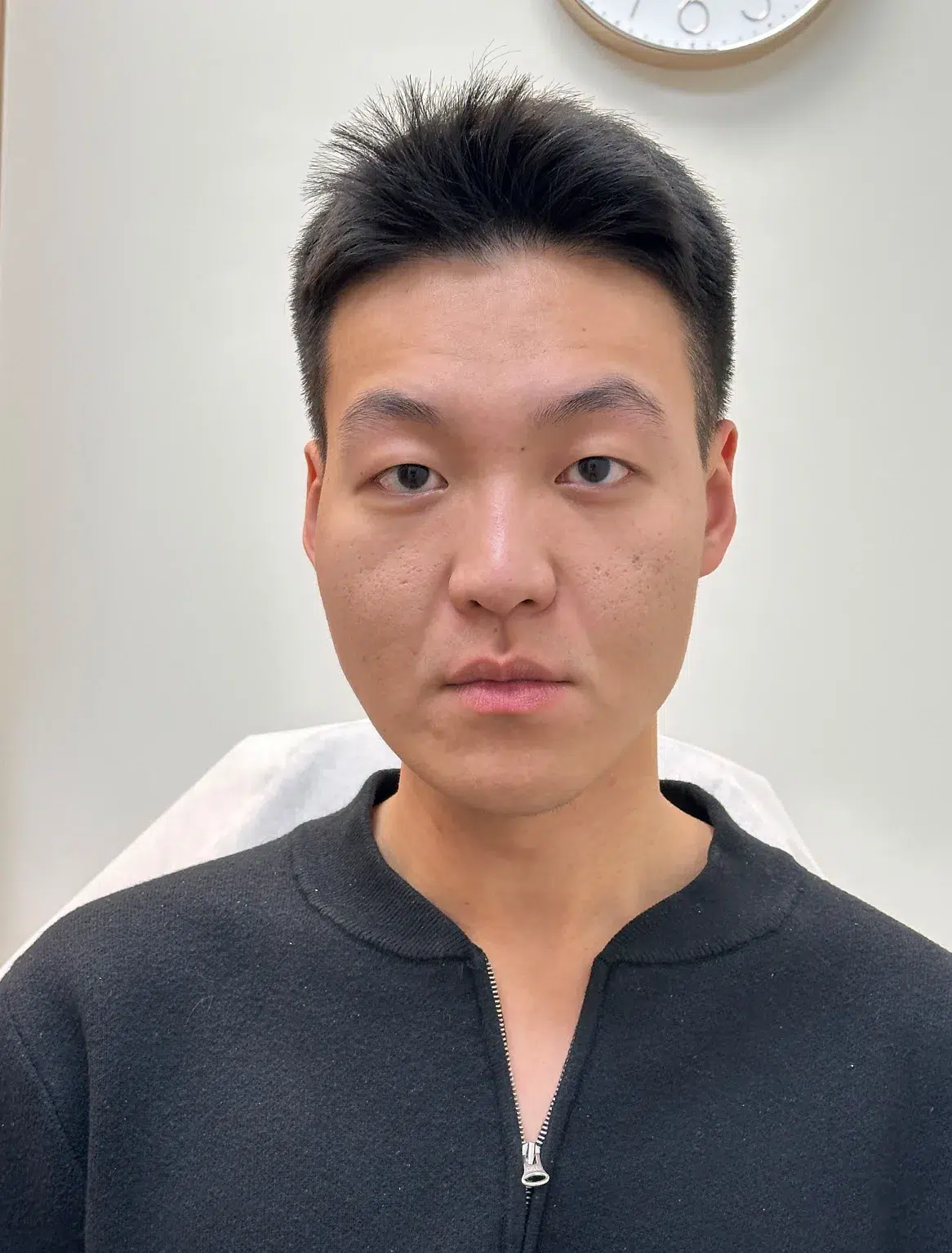

Case 2 · Temple Hollowing — Real Clinical Record
- Client profile
- Asian Female · Fitzpatrick IV · Duration approx. 3–5 years
- area of concern
- Temple Hollowing (Comprehensive Improvement with Multimodal Combined Protocol)
- treatment plan
- Fotona® redness-reduction laser + laser vascular clearance + Vbeam Perfecta intense pulsed dye laser + Vbeam® diffuse redness treatment, and 12 additional modalities (single session)
- improvement in results
- Significant improvement in temple hollowing · Natural overall result
- post-treatment darkening
- No PIH
- maintenance
- Sofwave/Ultherapy 18-24 months of maintained results + at-home care
Case 02: Temple Hollowing — Before & After · Asian Female · Fitzpatrick IV · Duration approx. 3–5 years · Multimodal combination protocol led by our physician at Luowei Medical Aesthetics Clinic, Nanjing
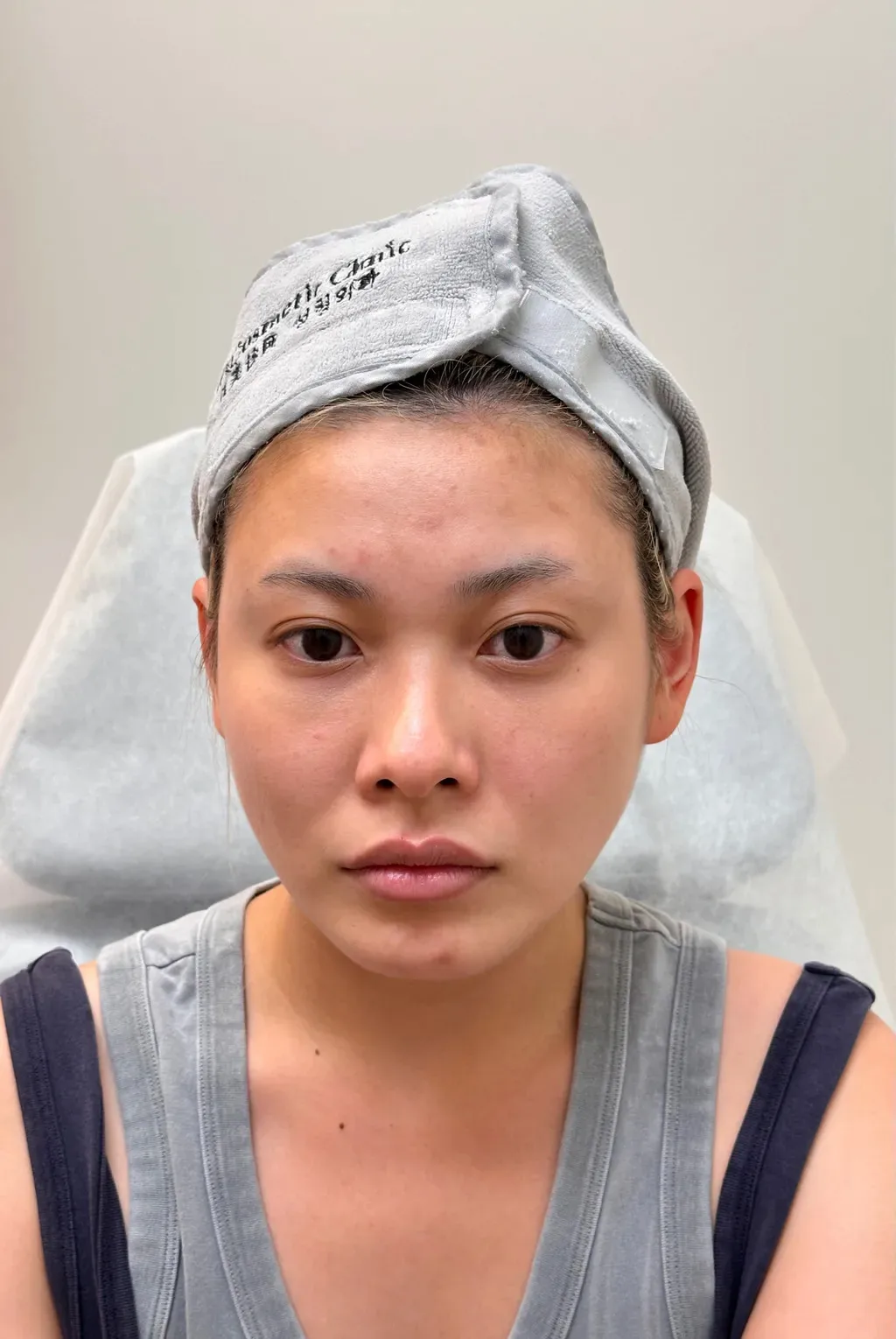

Case 2 · Temple Hollowing — Real Clinical Record
- Client profile
- Asian Female · Fitzpatrick I
- area of concern
- Temple Hollowing (Comprehensive Improvement with Multimodal Combined Protocol)
- treatment plan
- Juvéderm® + lip filler + non-surgical nose filler + Restylane® and 7 additional treatments (multiple sessions within 3 months)
- improvement in results
- Significant improvement in temple hollowing · Natural overall result
- post-treatment darkening
- No PIH
- maintenance
- Daily sun protection + monthly home care + quarterly clinical assessment
Case 02: Temple Hollowing Before & After · Asian Female · Fitzpatrick I · Multimodal combination treatment led by our physician at Luowei Medical Aesthetics Clinic, Nanjing
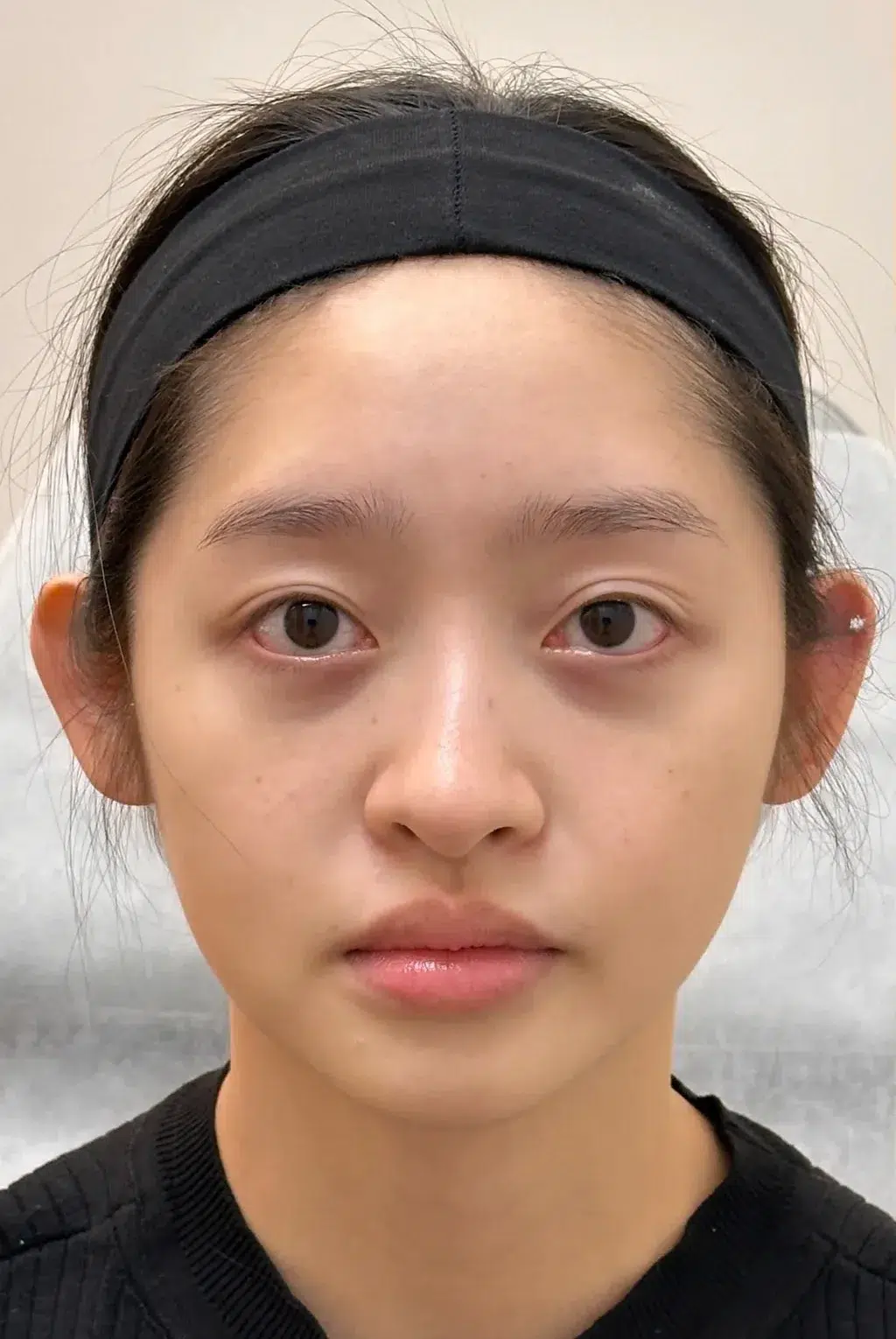
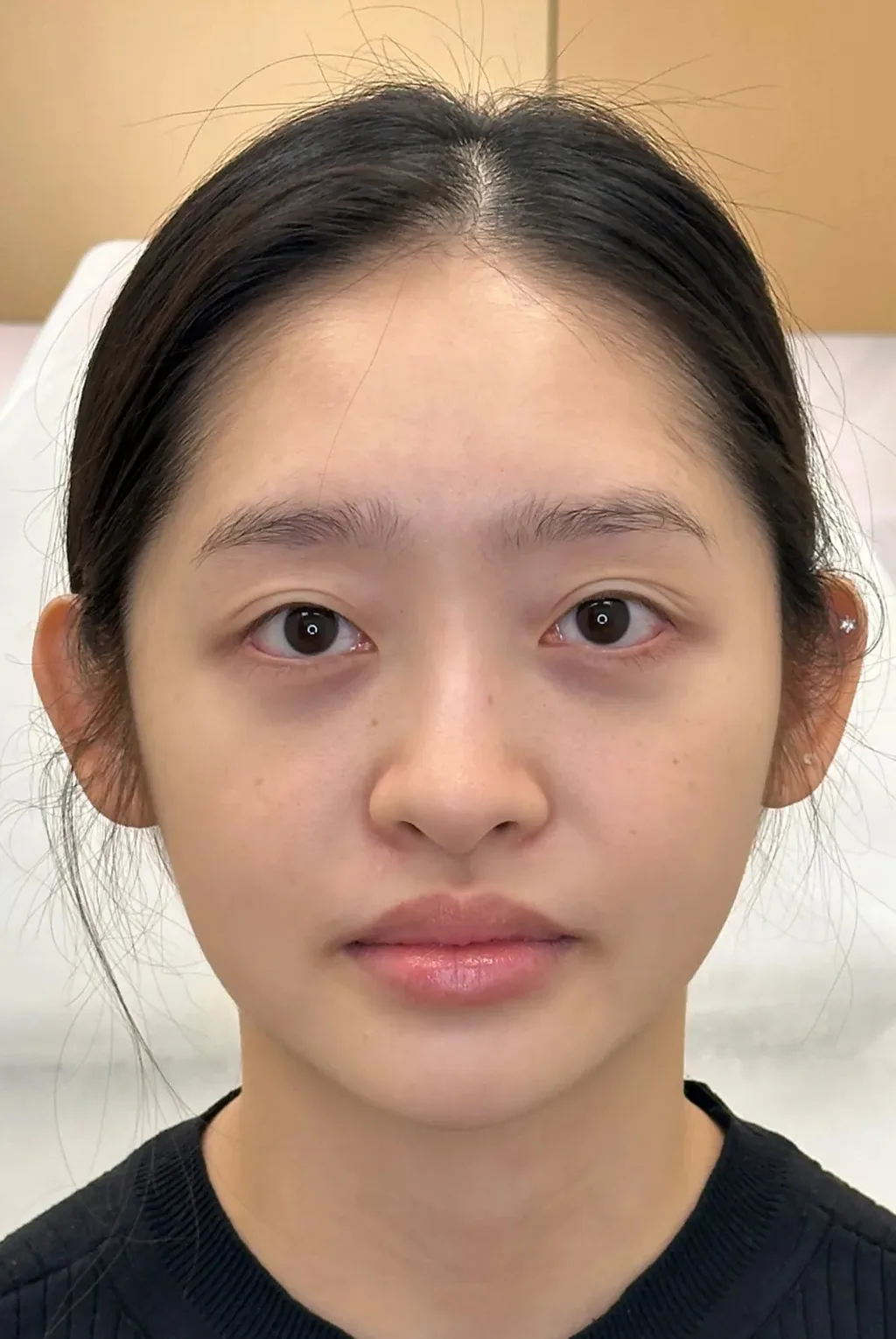
Case 7 · Temple Hollowing — Documented Result
- Client profile
- Asian Female · Fitzpatrick I · Duration approx. 2–3 years
- area of concern
- Temple Hollowing (Comprehensive Improvement with Multimodal Combined Protocol)
- treatment plan
- Hyaluronic acid filler + periorbital rejuvenation injections (multiple sessions within 3 months)
- improvement in results
- Significant improvement in temple hollowing · Natural overall result
- post-treatment darkening
- No PIH
- maintenance
- Follow-up at 6–12 months · Touch-up as needed + at-home eye cream for maintenance
Case 07: Temple Hollowing — Before & After · Asian Female · Fitzpatrick I · Results Maintained ~2–3 Years · Multimodal Protocol Led by our physician at Luowei Medical Aesthetics Clinic, Nanjing
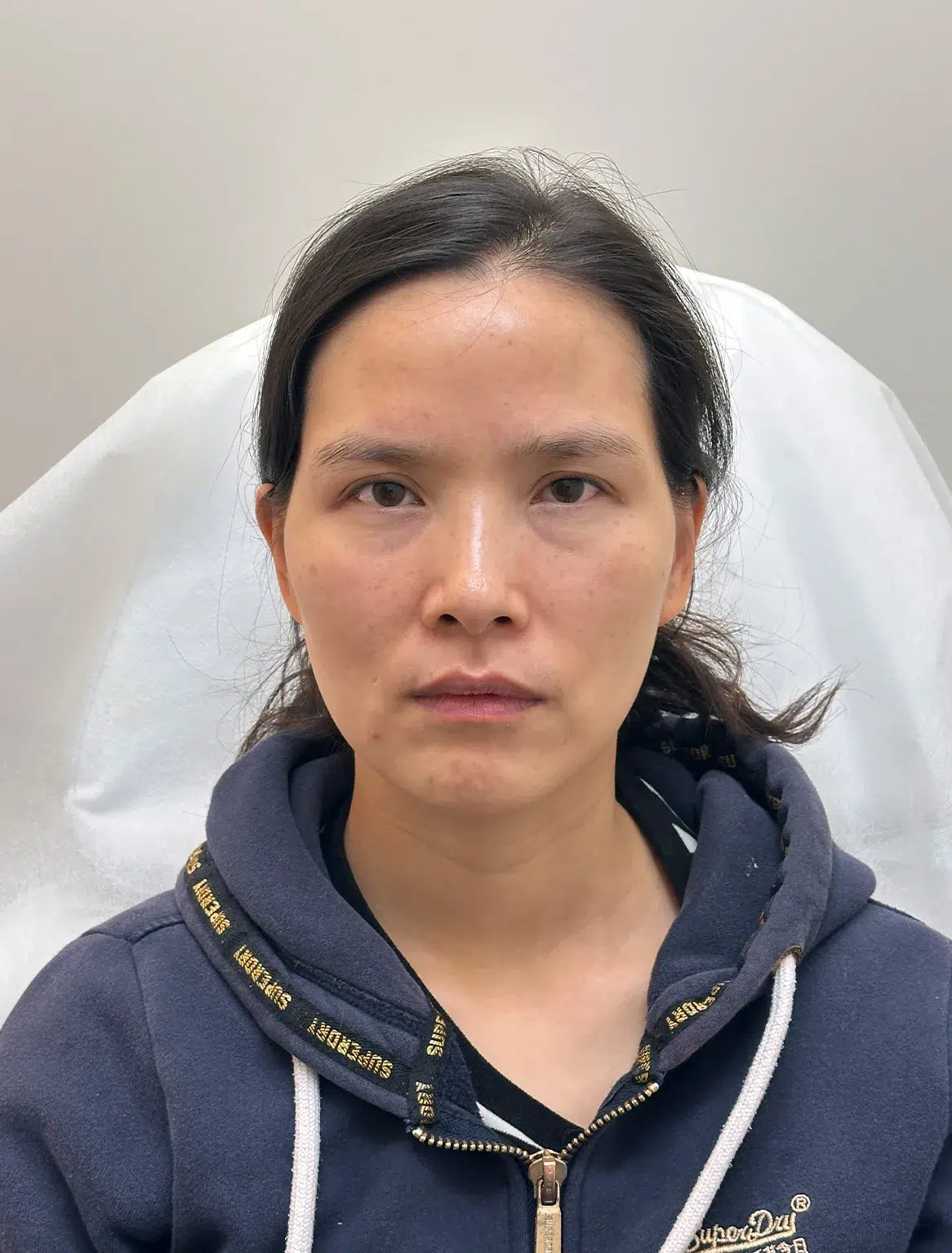
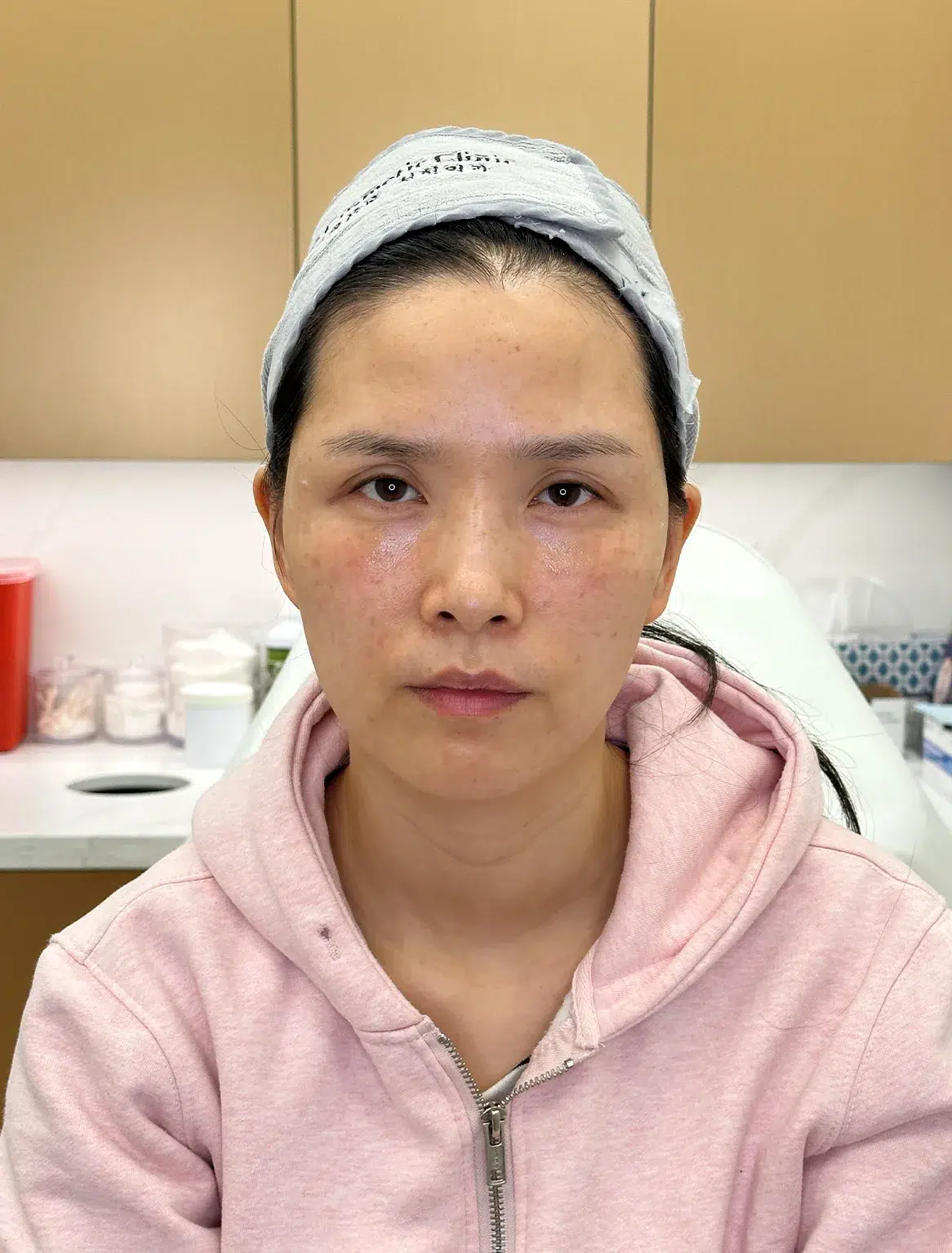
Case 7 · Temple Hollowing — Documented Result
- Client profile
- Asian Female · Fitzpatrick I · Duration approx. 2–3 years
- area of concern
- Temple Hollowing (Comprehensive Improvement with Multimodal Combined Protocol)
- treatment plan
- Hyaluronic acid filler + periorbital rejuvenation injections (multiple sessions within 3 months)
- improvement in results
- Significant improvement in temple hollowing · Natural overall result
- post-treatment darkening
- No PIH
- maintenance
- Follow-up at 6–12 months · Touch-up as needed + at-home eye cream for maintenance
Case 07: Temple Hollowing — Before & After · Asian Female · Fitzpatrick I · Results Maintained ~2–3 Years · Multimodal Protocol Led by our physician at Luowei Medical Aesthetics Clinic, Nanjing
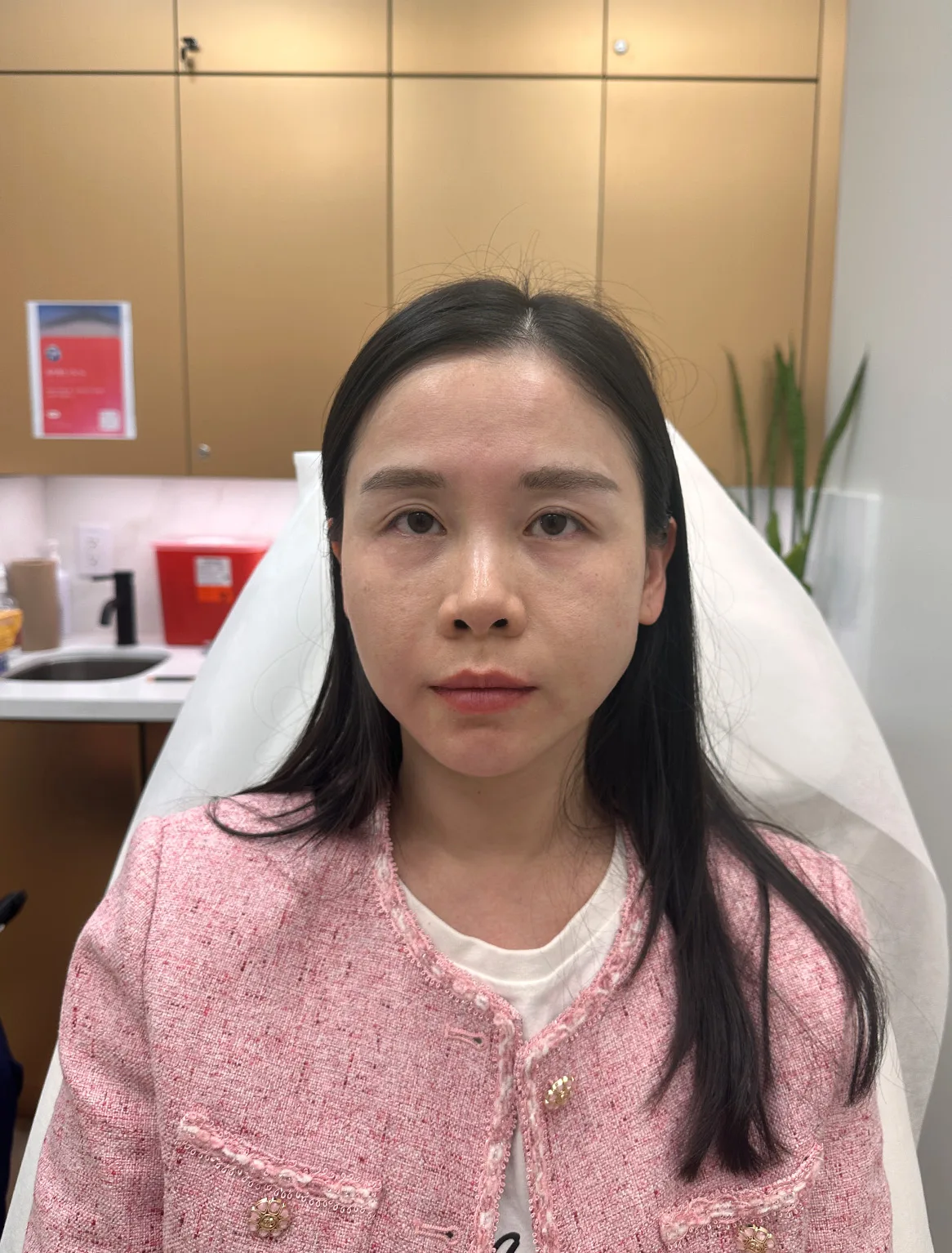
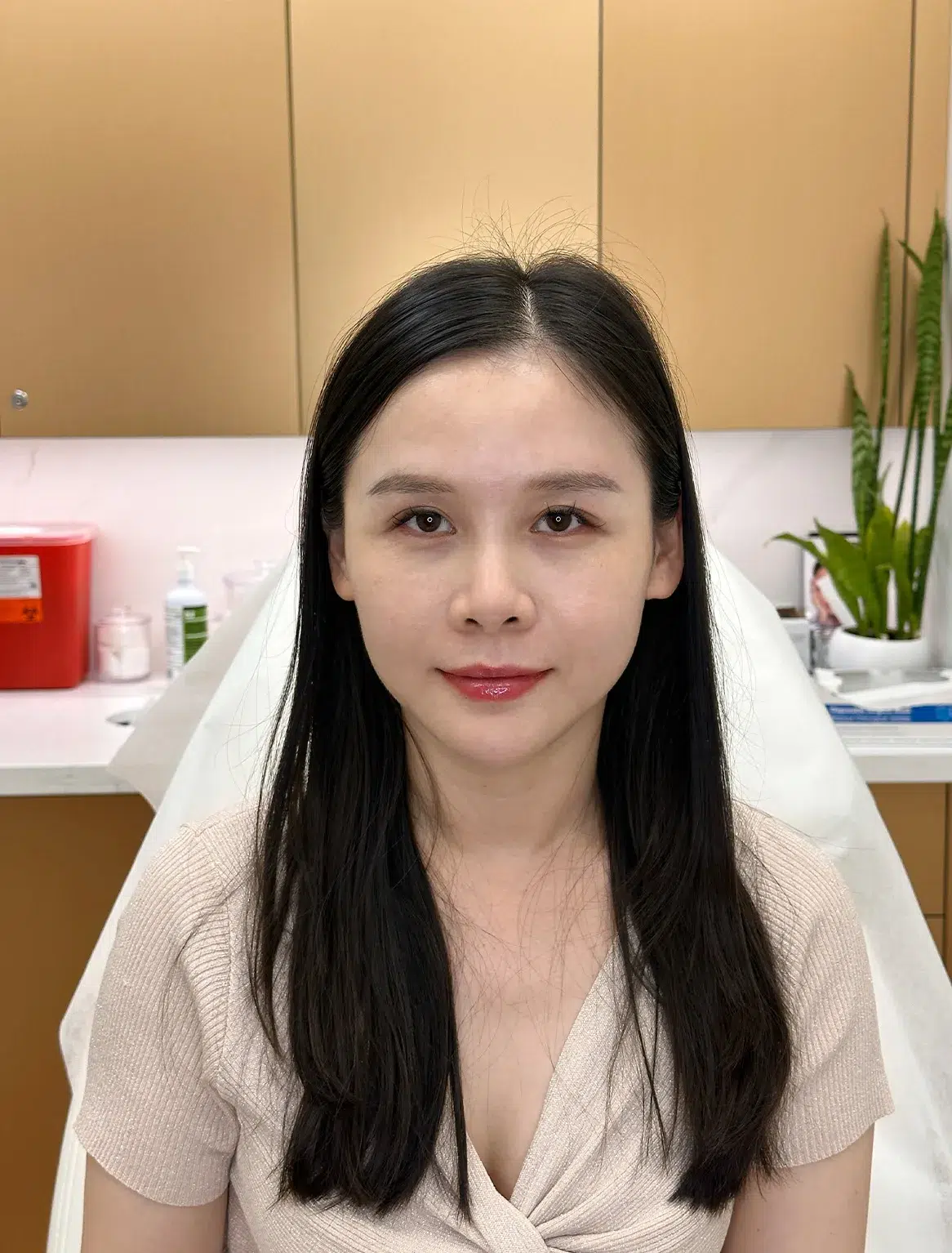
Case 9 · Temple Hollowing — Real Patient Documentation
- Client profile
- Asian Female · Fitzpatrick I · Duration approx. 2–3 years
- area of concern
- Temple Hollowing (Comprehensive Improvement with Multimodal Combined Protocol)
- treatment plan
- Hyaluronic acid filler + periorbital rejuvenation injections (multiple sessions within 3 months)
- improvement in results
- Significant improvement in temple hollowing · Natural overall result
- post-treatment darkening
- No PIH
- maintenance
- Follow-up at 6–12 months · Touch-up as needed + at-home eye cream for maintenance
Case 09: Temple Hollowing — Before & After · Asian Female · Fitzpatrick I · Results Sustained ~2–3 Years · Multimodal Combination Treatment led by our physician at Luowei Medical Aesthetics Clinic, Nanjing
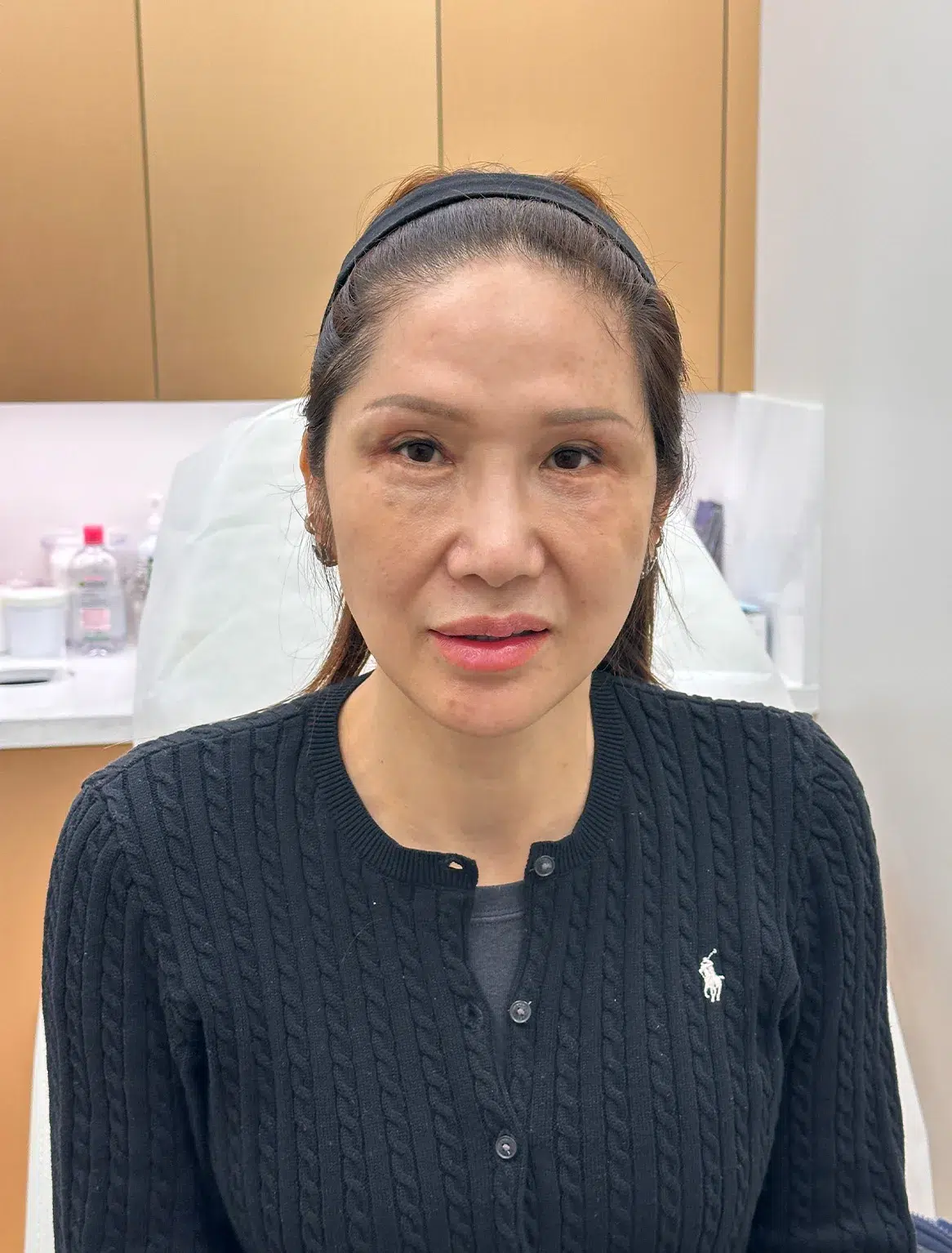
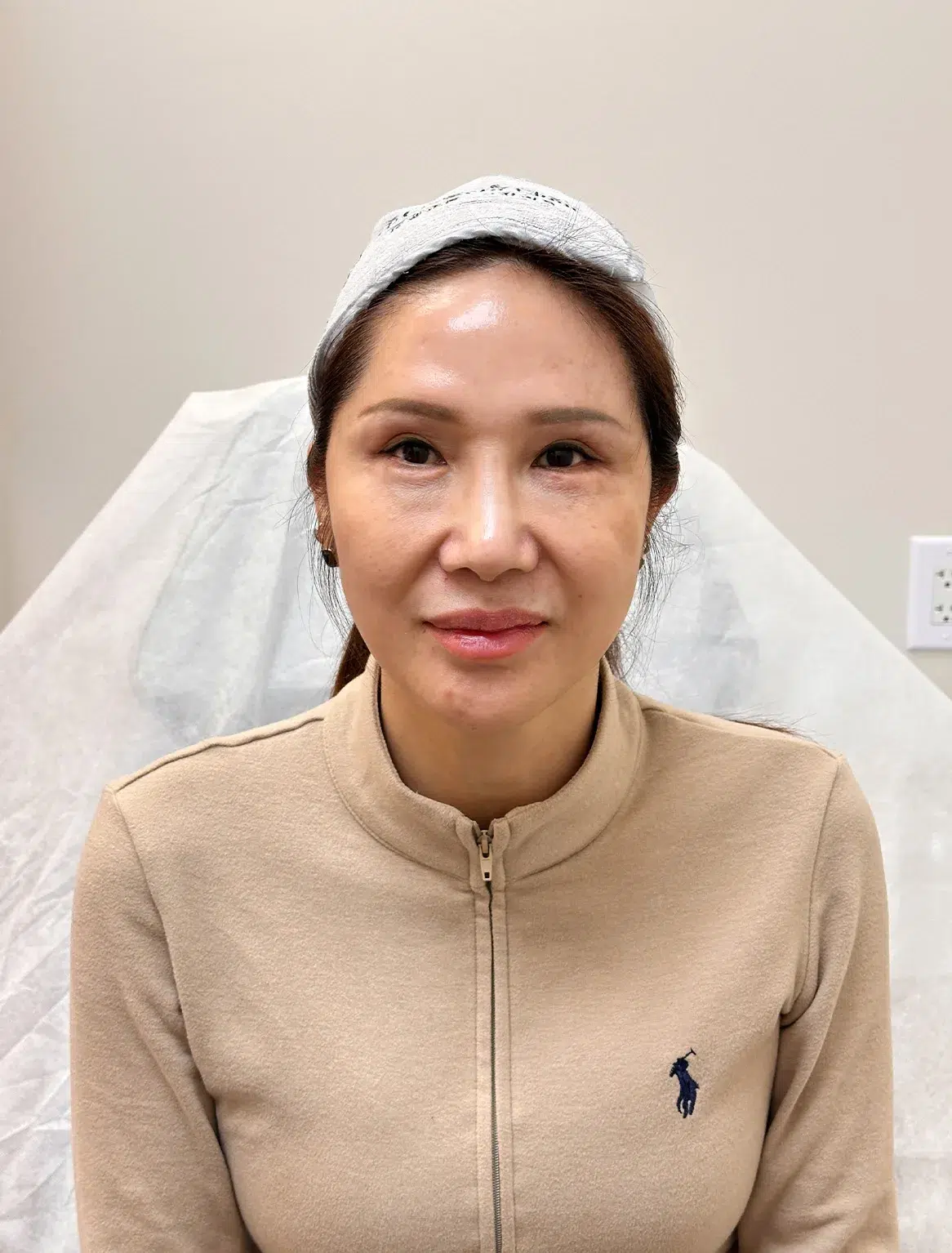
Case 10 · Temple Hollowing — Real Clinical Record
- Client profile
- Asian Female · Fitzpatrick I · Duration approx. 2–3 years
- area of concern
- Temple Hollowing (Comprehensive Improvement with Multimodal Combined Protocol)
- treatment plan
- Hyaluronic acid filler + periorbital rejuvenation injections (multiple sessions within 3 months)
- improvement in results
- Significant improvement in temple hollowing · Natural overall result
- post-treatment darkening
- No PIH
- maintenance
- Follow-up at 6–12 months · Touch-up as needed + at-home eye cream for maintenance
Case 10: Temple Hollowing — Before & After · Asian Female · Fitzpatrick I · Duration approx. 2–3 years · Multimodal combination protocol led by our physician at Luowei Medical Aesthetics Clinic, Nanjing
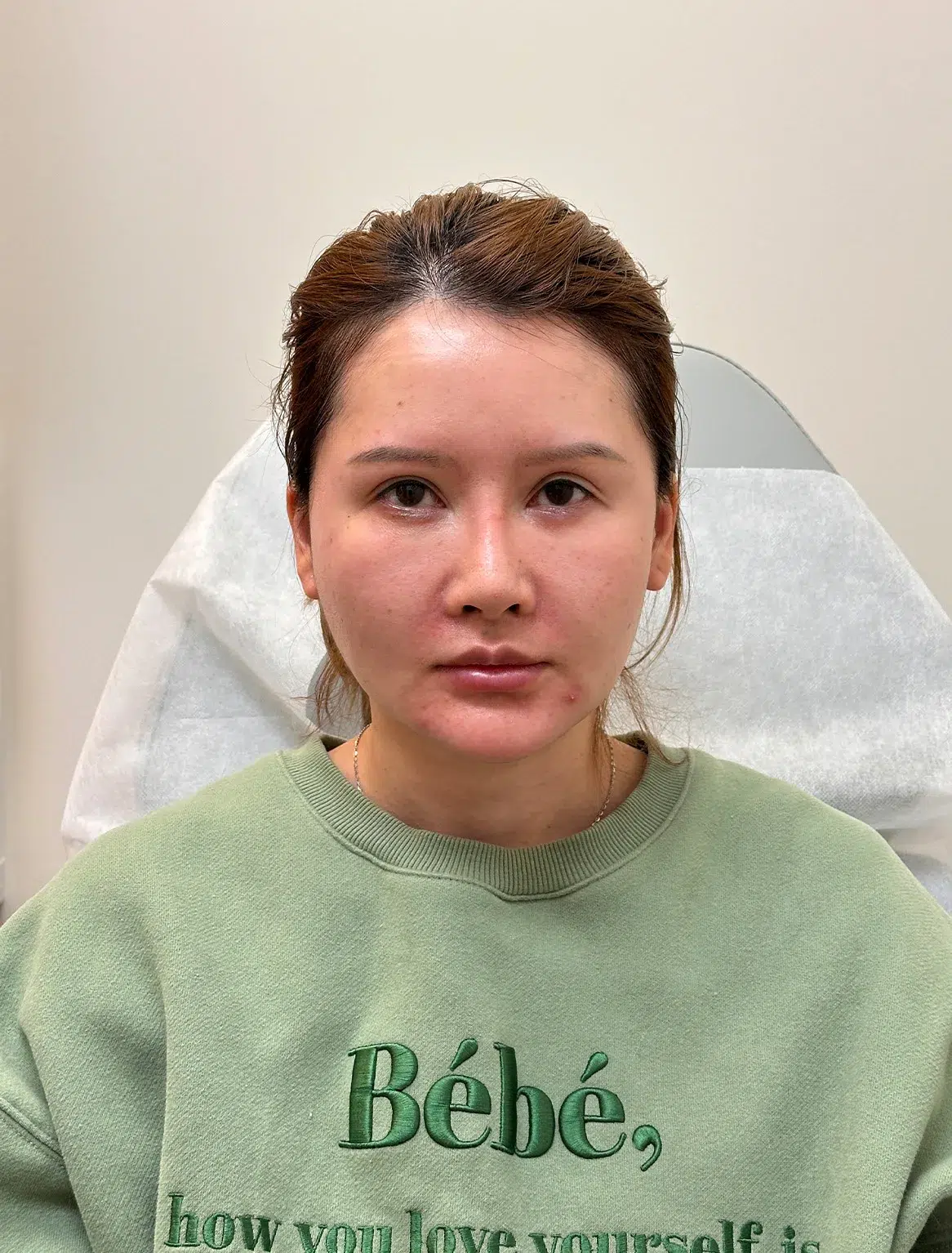
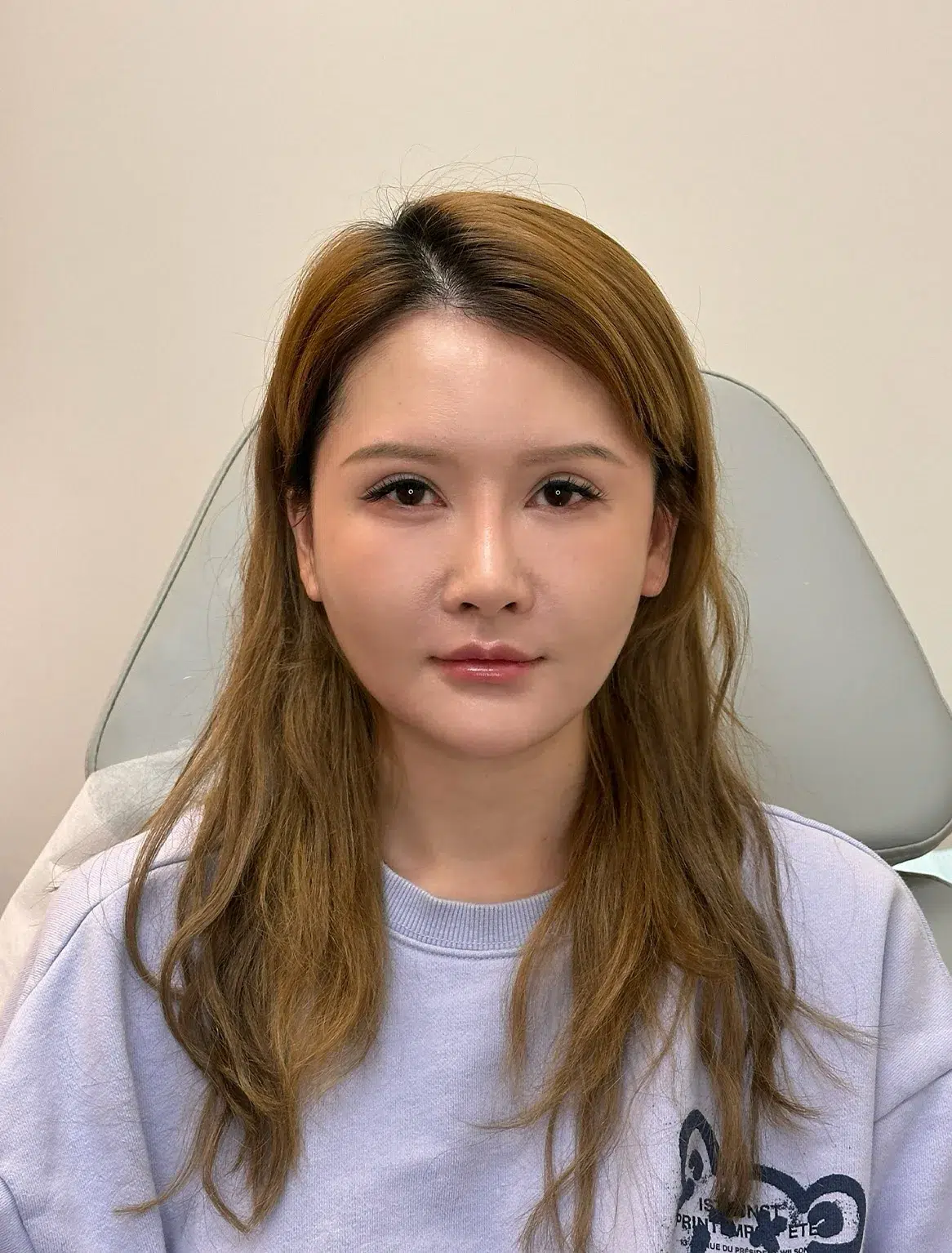
Case 11 · Temple Hollowing — Documented Result
- Client profile
- Asian Female · Fitzpatrick I · Duration approx. 2–3 years
- area of concern
- Temple Hollowing (Comprehensive Improvement with Multimodal Combined Protocol)
- treatment plan
- Hyaluronic acid filler + periorbital rejuvenation injections (multiple sessions within 3 months)
- improvement in results
- Significant improvement in temple hollowing · Natural overall result
- post-treatment darkening
- No PIH
- maintenance
- Follow-up at 6–12 months · Touch-up as needed + at-home eye cream for maintenance
Case 11: Temple Hollowing Before & After · Asian Female · Fitzpatrick I · Duration approx. 2–3 years · Multimodal combination treatment led by our physician at Luowei Medical Aesthetics Clinic, Nanjing
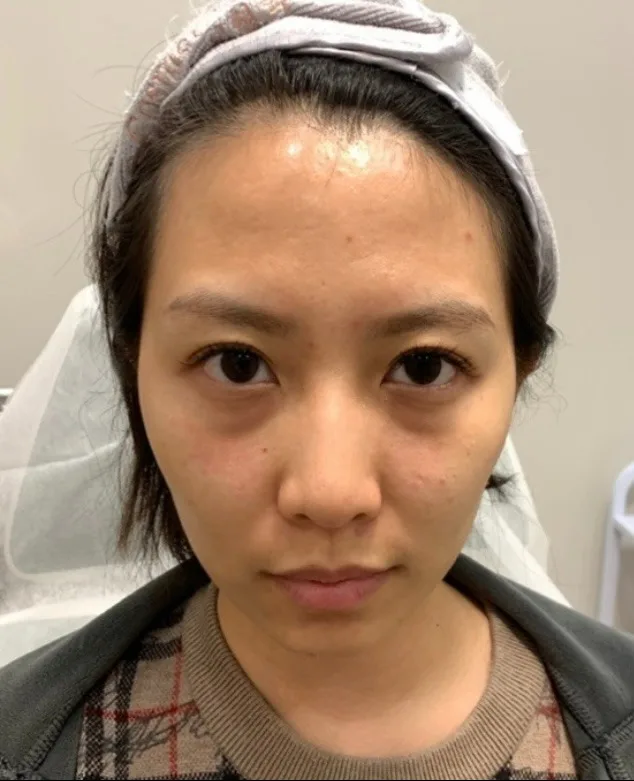
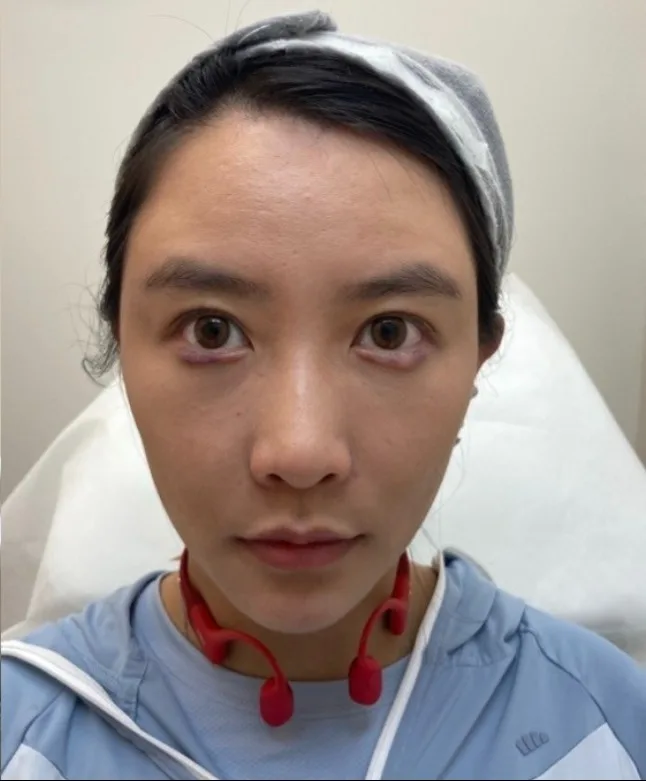
Case 17 · Temple Hollowing — Real Patient Documentation
- Client profile
- Asian Female · Fitzpatrick IV
- area of concern
- Temple Hollowing (Comprehensive Improvement with Multimodal Combined Protocol)
- treatment plan
- Filler Chin Augmentation + Filler Lip Augmentation + Filler Temple Augmentation and 10 additional procedures (multiple sessions within 3 months)
- improvement in results
- Significant improvement in temple hollowing · Natural overall result
- post-treatment darkening
- No PIH
- maintenance
- Daily sun protection + monthly home care + quarterly clinical assessment
Case 17: Temple Hollowing — Before & After · Asian Female · Fitzpatrick IV · Multimodal Combination Treatment led by our physician at Luowei Medical Aesthetics Clinic, Nanjing
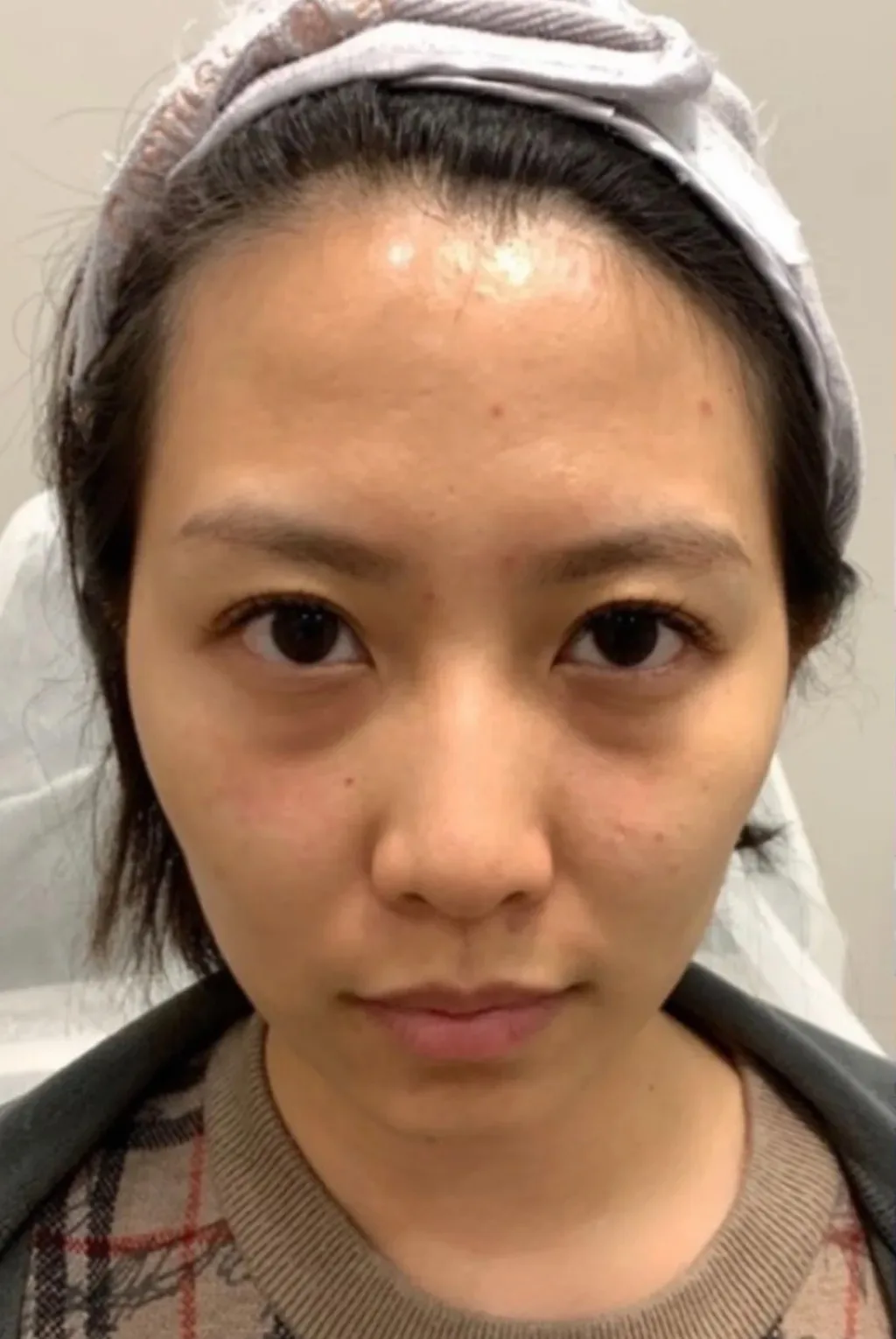
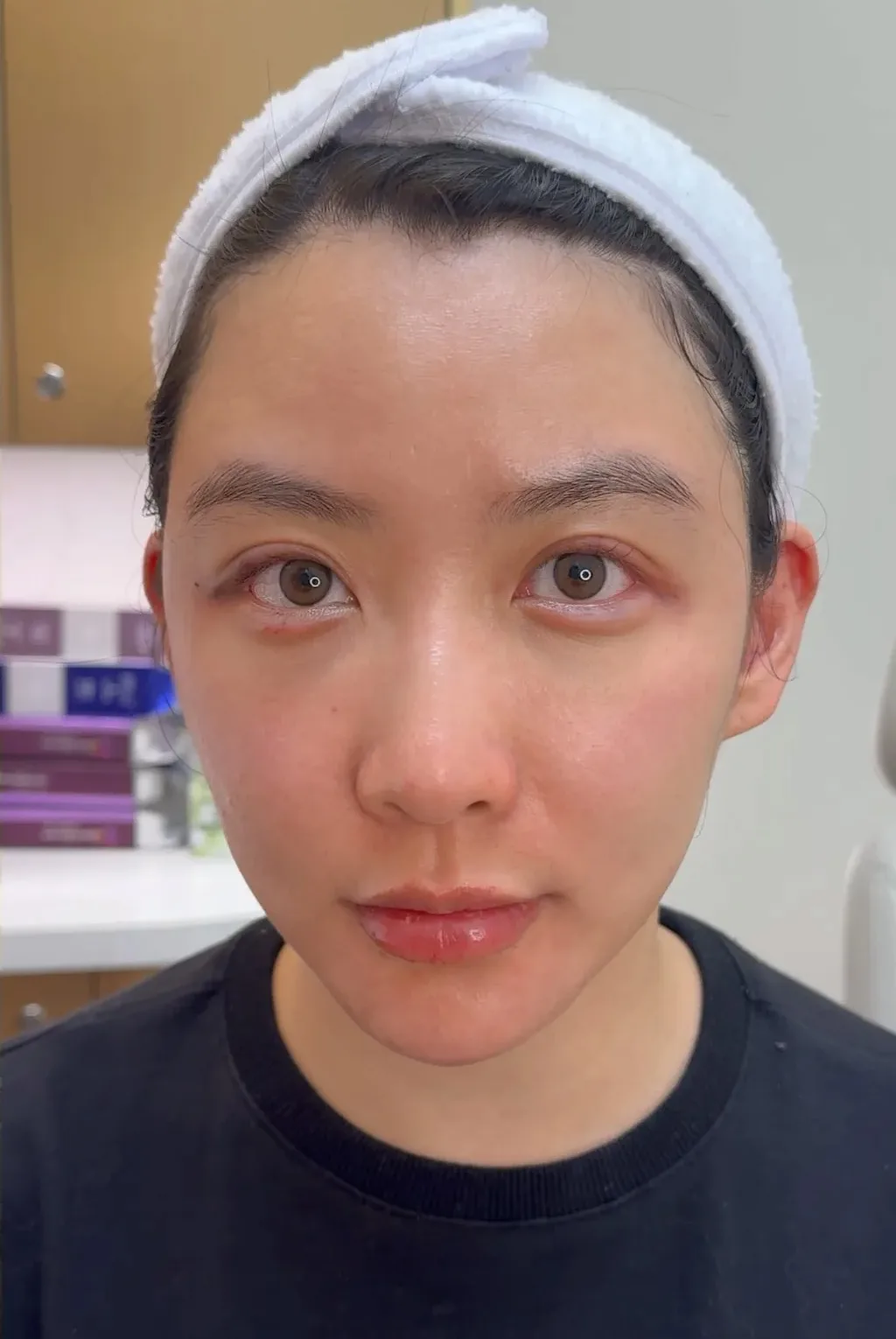
Case 108 · Temple Hollowing: Real Clinical Record
- Client profile
- Asian Female · Fitzpatrick I · Duration approx. 2–3 years
- area of concern
- Temple Hollowing (Comprehensive Improvement with Multimodal Combined Protocol)
- treatment plan
- PicoSure Pro + IPL Photofacial (multiple sessions within 3 months)
- improvement in results
- Significant improvement in temple hollowing · Natural overall result
- post-treatment darkening
- No PIH
- maintenance
- Daily sun protection + monthly home care + quarterly clinical assessment
Case 108: Temple Hollowing Before & After · Asian Female · Fitzpatrick I · Duration approx. 2–3 years · Multimodal combination treatment led by our physician at Luowei Medical Aesthetics Clinic, Nanjing
What Is Temple Hollowing? Why Does It Make You Look Older?
Temple hollowing (Temple Hollowing / Temporal Hollowing) refers to visible hollowing of the temple region (temporal fossa) caused by Bone resorption, temporal muscle atrophy, fat pad loss volume loss in this area manifests as visible concavity and disrupted upper facial contour. It is One of the earliest yet most overlooked signs of facial aging.
Why Does Temple Hollowing Make You Look Older? 5 Anatomical Reasons
Volume loss in the temporal fossa = upper face “collapse” sign
The temples are the transitional support point, connecting the forehead to the cheekbones. Once hollowing develops, the entire upper facial transition from the forehead to the zygomatic arch the smooth contour is interrupted, immediately gives the face a “aged appearance”.
Relatively prominent zygomatic arch = accentuates a gaunt, fatigued appearance
Temple hollowing causes the zygomatic arch to appears relatively unnatural, The overall facial shape shifts from a youthful “oval” the contour becomes a marker of aging “inverted triangle” or “skeletal appearance”. This is what clients who have lost weight often notice —“appear older” is the primary underlying cause.
Brow tail descent = a tired, dull appearance
Temporal volume is Key to lateral brow support. As the temple hollows, the tail of the brow loses structural support and descends — making the eyes appear dull and fatigued, even when you are well-rested.“You look tired”.
Temporalis atrophy = irreversible structural change
Temple hollowing is not just “soft tissue loss”, also encompasses The temporal muscle atrophies with age. This is why skincare alone, fat reduction, or exercise cannot address this concern — it must be corrected through volume replenishment rebuilding structural support.
Bone resorption = the craniofacial skeletal contour has physically changed
As we age,Gradual bone resorption occurs along the surface of the temporal bone, causing the natural concavity of the temporal fossa to deepen. In other words, the craniofacial bone structure at age 50 versus age 30 the shape is different. This is why clients over 50 may still develop temple hollowing even with excellent skincare habits.
3 Common Causes of Temple Hollowing (Across All Age Groups)
Natural aging (clients 40+)
Bone resorption + temporal muscle atrophy + fat pad loss — the combination of all three is the most common underlying cause.
After significant weight loss (any age)
Very low body fat or rapid significant weight loss causes depletion of facial fat pads — clients in their 30s may also present with this.
Congenital anatomy (clients 20+)
Some clients have a naturally deeper temporal fossa — unrelated to aging. It may go unnoticed in youth but becomes more apparent after 30.
3 self-check signals you can assess before your consultation
- Check in side lighting: does the temple area appear visibly sunken?
- Viewed from the front: whether the outer brow tail is a sense of drooping, The eyes appear “dull / lifeless”?
- A telling sign: are you frequently told “looking tired” or “aging appearance”, Yet your sleep is perfectly normal?
⚠️ The temples are a facial one of the most anatomically complex injection zones— major vessels, nerves, and branches of the retinal artery all lie in close proximity. Improper injection technique can lead to serious complications. Physician-performed treatment is essential.
Causes of Temple Hollowing (4 Core Mechanisms)
Understanding the underlying cause of temple hollowing determines that the treatment plan is more than just “filler”, but rather Identifying which underlying mechanisms can be corrected and which require ongoing management.
Temporal Bone Resorption (Bone Resorption)
From around age 30, gradual bone resorption occurs across the craniofacial skeleton. Resorption along the lateral temporal bone causing the temporal fossa contour to deepen, The previously smooth lateral skull contour becomes visibly sunken. This is a structural, irreversible change.
Temporalis Muscle Atrophy
The temporalis muscle — one of the primary muscles of mastication — atrophies with age and changes in bite habit. Once this muscular support is lost,The temple skin adheres directly to the underlying skull, worsening of the hollow.
Facial fat pad loss
The face contains several distinct fat compartments — including the superficial temporal fat pad, the deep temporal fat pad, and the lateral buccal fat pad. These compartments, with age,loss of independence. Loss of the superficial temporal fat pad is the earliest visible sign of temple hollowing.
Very low body fat / rapid weight loss
BMI Clients with low body fat or significant rapid weight loss experience accelerated depletion of facial fat pads,Temple hollowing can appear as early as one’s 20s or 30s. Pilates Personal trainers, long-distance runners, and clients who have undergone significant body recomposition are among the most commonly affected groups.
Temple Hollowing vs. Other Related Concerns
“you look tired or older than your age” Temple hollowing can stem from several different causes. Identifying the underlying cause is essential — it determines the treatment layer, technique, and overall plan entirely.
Vs Upper eyelid laxity
| placement | Skin laxity of the eyelid itself |
| lateral profile presentation | Temples normal · Eyelid drooping |
| trigger | Loss of skin elasticity · natural aging |
| treatment plan | Sofwave / Eyelid surgery assessment |
| note | filling the temples cannot Improve eyelid laxity |
Vs brow ptosis
| placement | overall brow descent |
| cause | Weakening of the frontalis muscle / reduced brow-elevator tone |
| treatment plan | Botox Lifting combined with temple filling for a synergistic outcome |
| note | Both often coexist · Combination therapy required |
Vs prominent cheekbones
| cause | Congenital bone structure / naturally more pronounced temporal concavity |
| treatment plan | Temple filler softens the visual contrast |
| note | not about shaving bone but about restoring lost volume |
| common | Asian women with prominent cheekbones |
Vs temporal muscle hypertrophy
| placement | Temple “convex” rather than “hollow” |
| cause | Nocturnal bruxism / jaw clenching habit |
| treatment plan | Botox injecting the temporalis muscle (not filler) |
| note | Completely opposite treatment directions · High risk of misdiagnosis |
Why Do Asian Faces Require a Different Approach to Temple Treatment?
Treating temple hollowing in Asian faces requires more than adapting a Western filler template. Bone structure, cultural aesthetic ideals, and dynamic facial expression all differ significantly.
1. Differences in zygomatic bone structure
commonly seen in Asian women Relatively elevated zygomatic arch, Temple hollowing is visually more pronounced in Asian faces than in Western ones — the same depth of temporal fossa concavity tends to appear more “skeletonized appearance”. This requires that the filler Prioritizing natural transition over volume accumulation.
2. Differences in facial fat distribution
for Asian faces,Overall thicker buccal fat pads, The underlying causes of temple hollowing “Before & After” more dramatically. Addressing the temple in isolation, without considering overall facial contour, risks creating an imbalance between the upper and lower face.
- Assess whether the buccal fat pad has been concurrently lost
- The cheeks and temples frequently require coordinated volume replenishment
- Otherwise, “Fuller upper face · Hollow lower temples” visual disharmony
3. Asian aesthetic principles: natural, subtle, undetectable “filled”
In the context of Asian aesthetics, the outcome of treatment “be noticed”is a failure in itself. The client’s goal is to look “healthy complexion”, “Look younger”, however Prefer colleagues not to notice “What did you have done?”. This requires filler placement to Restraint · Multiple small increments · Preferable to a single large correction.
4. Dynamic expressions (smiling, eyes closed, side profile)
Many techniques are only appropriate in static frontal view assessed as aesthetically pleasing,While smiling / in profile / looking upward distorted. Asian clients place particular importance on a natural smile — temple filler must pass a dynamic, multi-angle assessment before the treatment is considered complete.
5 Core Principles for Temple Injection in Asian Faces
| principle | description |
|---|---|
| deep periosteal level | Vascular avoidance · structural support restoration |
| small volume, multiple sessions | Small volume per session · reassess and supplement at 2–4 weeks |
| Bilateral symmetry | Precise left-right volume matching |
| dynamic assessment | Natural-looking in all expressions — smiling, side profile, and eyes closed |
| Overall facial harmony | Assessed together with the cheeks, brow tail, and forehead for a comprehensive evaluation |
Treatment Options for Temple Hollowing (Volumization / Tightening / Combination)
Temple hollowing does not always require a single approach. Our physician tailors the treatment based on your Degree of hollowing, skin condition, and overall aging classification, Design a personalized protocol from the options below.
Juvéderm Voluma® Gold standard
Allergan specifically designed under Deep periosteal-level volume restoration a high G-prime HA filler specifically designed for this area. With a duration of 18–24 months, it is the first-line material. Our physician applies a systematic, protocol-driven approach to the anatomical use of this product.
- High structural support · suitable for deep supra-periosteal placement
- Lasting 18–24 months
- Hylenex Immediately dissolvable (built-in safety redundancy)
- Most comprehensive clinical data in North America
Juvéderm Volux® / High-G-prime product
for Significant bone resorption clients may benefit from a higher G-prime product for more structural support. This is used in male patients or in plans requiring more defined contouring.
Sofwave® ultrasound tightening combination therapy plan
The forehead above the temples and the lateral brow region skin laxity often coexists with hollowing. Sofwave™ works by SUPERB™ technique Thermal coagulation columns are created within the mid-dermis, stimulating new collagen formation and skin tightening. When combined with filler, this can:
- Stabilizing lateral brow support · Reducing lateral brow ptosis
- Improving skin texture overlying the temple area
- extending filler longevity
Botox® synergistic Upper-face harmony
For clients with temporalis muscle hypertrophy,Botox injecting the temporalis muscle can allow “convex + concave” issues are addressed in combination; for clients with brow ptosis,Botox modulating brow muscle tone can create a more harmonious overall filler result.
Radiesse® / Calcium-based filler (selected cases)
Clients requiring stronger structural support or longer-lasting results may consider calcium-based fillers, but Cannot be immediately dissolved is a notable limitation; it should only be used by experienced physicians at the appropriate anatomical plane.
Sculptra® (poly-L-lactic acid) in combination (advanced stage)
for Whole-face volume loss clients may combine with Sculptra for long-term collagen stimulation. as Large-scale background volume restoration, complemented by targeted Juvéderm® Voluma refinement at the temples.
HydraFacial / barrier repair complementary
The skin over the temples is relatively thin; post-injection recovery benefits from added support.HydraFacial + ceramides can accelerate recovery, improve skin luminosity, and complement the volumizing results for an overall healthier complexion.
Protocol examples (based on degree of hollowing)
| Degree of hollowing | Recommended protocol |
|---|---|
| Mild · Early signs | Voluma Conservative bilateral volume · Reassessment at 12 months |
| Moderate · visibly fatigued appearance | Voluma bilateral + Sofwave upper face tightening |
| Naturally lean build · any age | Voluma Small volume + coordinated cheek assessment |
| Moderate aging · brow tail descent | Voluma + Botox + Sofwave protocol |
| Advanced stage · full-face volume loss | Sculptra Background + Voluma Temple Refinement + Sofwave |
How Does our physician Design a Temple Treatment Plan? (6-Step Process)
The temples are a facial one of the most anatomically complex injection zones among all injection zones. No step in the assessment can be skipped.
Multi-angle facial assessment
- Side lighting assessing the depth of hollowing under
- palpation Assessing temporalis muscle tone (convex vs. concave)
- dynamic facial expressions (smiling / eye closure / head tilt upward)
- overall facial shape (zygomatic / cheek / lateral brow coordination)
- bone structure (skeletal aesthetics) Assessment (high cheekbones / narrow forehead)
Identifying the root mechanism driving the hollowing
Treatment protocols differ based on the underlying mechanism:
- Predominantly bone resorption → Deep supraperiosteal volumetric rebuilding
- primarily temporalis atrophy → layered volume restoration
- Fat pad loss → Combined superficial and deep placement · Micro-droplet multi-point technique
- Low body fat as a contributing factor → conservative injection + full-face coordination
Anatomical risk assessment
The temple region contains several critical vessels:
- Middle temporal artery, superficial temporal artery, deep temporal artery
- zygomaticotemporal nerve
- Temporal venous network
- May communicate with the ophthalmic arterial system (risk of retinal artery occlusion)
During consultation, our physician uses palpation to map vascular anatomy, marks safe injection points, and selects a deep supra-periosteal plane to avoid blood vessels.
Design a staged treatment plan
Typical timeline (illustrative only):
[Week 0]1st injection session (small volume · deep supra-periosteal placement)
[Week 2]Follow-up after swelling subsides · Outcome assessment
[Weeks 4–6]Second Touch-Up Session (if needed · micro-refinement)
[Week 12]Follow-up once stable · photo documentation for comparison
[Month 12]Maintenance assessment · determine whether a touch-up is indicated
[Months 18–24]Primary replenishment cycle
Core Principles of Injection Technique
- Blunt cannula preferred over sharp needle (reducing the risk of vascular injury)
- deep periosteal layer (Vascular avoidance · Structural support)
- Slow aspiration + slow injection
- micro-droplet multi-point technique (0.05–0.1 cc per point, starting conservatively)
- real-time observation (Color changes · Visual symptoms · Pain feedback)
Post-Procedure Care & Emergency Protocol
- Routine care: Avoid pressure, saunas, and strenuous exercise for 24 hours
- Bruising prevention: Avoid aspirin, fish oil, and excessive alcohol for 1 week before treatment
- emergency protocol: Hylenex (hyaluronidase) is kept on-site at all times for immediate reversal if needed.
- Monitoring for visual symptoms: Contact us immediately if you experience any vision changes or severe pain after injection
- 24/7 emergency response capability on-site: Answered directly by the physician
How Soon Will I See Results from Temple Filler? How Long Do They Last?
Temple filler is one of the few Visible results on the same day procedure, but “stable results” typically takes 2–4 weeks. The three tables below address the three most frequently asked questions.
When will we see results?
| duration | condition | client experience |
|---|---|---|
| Immediately after injection | Filler volume is visible | “an immediate difference” |
| 24–72 hours | Peak of mild swelling | may appear more than intended —“full” |
| 1–2 weeks | Swelling subsides + product integration begins | Results begin to approach their final appearance |
| 4–6 weeks | Full HA integration | Final natural-looking result |
| 12 months+ | Stable maintenance | Begin considering maintenance injections |
How long does it last?
| product | expected longevity | Recommended replenishment interval |
|---|---|---|
| Juvéderm Voluma (preferred) | 18–24 months | 12 month assessment · 18-month top-up |
| High-G-prime product | 24 months | 18 month assessment |
| Sculptra (if used) | 24+ months | annual assessment |
| Calcium-based filler (if used) | 12–18 months | Use with caution |
Factors that affect longevity of results
| factor | impact |
|---|---|
| metabolic rate | Younger clients or those with a higher metabolic rate tend to have shorter duration of results |
| Injection depth | Deep periosteal placement provides longer-lasting results than superficial placement |
| facial expression movement | Dynamic muscle activity accelerates product metabolism |
| Overall lifestyle | Smoking, intense exercise, and sauna use may shorten longevity of results |
| The product’s intrinsic G prime (firmness) | High G-prime products maintain results longer at deeper placement planes |
Am I a Candidate for Temple Filler?
If the following concerns apply to you Most clients answer “is”, You may benefit from temple filler. A consultation is recommended for a full assessment.
5 quick self-assessment questions
- Check in side lighting: whether the temples are visibly sunken?
- Do people often comment that “looking tired” or “aging appearance”, yet your sleep is normal?
- Do you notice that your lateral brow ptosis / drooping or eye expression dull / lifeless?
- whether Post-weight-loss or low body fat do you feel your face looks drawn or fatigued?
- Whether you wish to naturally youthful appearance, without anyone noticing they had something done “after treatment”?
You are a good candidate for temple filler if you:
- Visible temple hollowing that affects overall facial vitality and appearance
- Generally healthy · no significant underlying medical conditions
- Not currently pregnant or breastfeeding
- Open to a conservative, staged approach with “restraint” philosophy
- Realistic expectations (naturally youthful, gradual improvement, not extreme)
- Able to follow post-procedure care instructions (avoiding pressure, saunas, etc.)
- No known allergy to hyaluronic acid or lidocaine
- Willing to return for maintenance assessment every 12–18 months
You may not be a suitable candidate or will require careful assessment if you:
- Pregnancy / breastfeeding (injection contraindications)
- Active infection or inflammation at the injection site
- Severe allergy to hyaluronic acid or lidocaine
- Currently taking high-dose anticoagulants (physician assessment required)
- Active severe autoimmune disease
- Temporalis hypertrophy (Botox® is indicated rather than filler)
- pursuing extreme results “fullness” results (philosophical mismatch)
- Scheduled for oral / dental / sinus surgery within the next 2 weeks
Why Are Temple Filler Complications More Common at MedSpas? Real Cases
Client C — 44-Year-Old Asian Female · Moderate Temporal Hollowing · Lateral Brow Ptosis
Going to a MedSpa Nurse-administered · Rapid injection
- Non-physician assessment · proceeding directly based on “standard protocol” injection
- use soft HA filler (non-Voluma deep-support filler products)
- injected into superficial subcutaneous rather than the deep supra-periosteal plane
- Injecting a large volume in a single session (2cc+ total across both sides)
- No assessment of lateral brow ptosis · No Botox® coordination
- 1 week post-procedure: the temples appear “bulging” Unnatural
- visible on the side profile “protrusion” · Colleagues have noticed
- 3 months before results rapidly fade (superficial placement absorbs quickly)
- Dissatisfied with previous results → Come to Luowei Medical Aesthetics Clinic for dissolving and correction
Visit Luowei Physician-performed · anatomically guided injection
- Our physician performs multi-angle assessment + vascular palpation + dynamic movement testing
- Hylenex Dissolving pre-existing incorrectly placed hyaluronic acid filler first
- 2 weeks later, reassess and plan · Juvéderm® Voluma deep supra-periosteal injection
- Micro-droplet multi-point technique · Total bilateral volume < 1 cc · Fine-tuning at 4 weeks
- Simultaneous assessment of lateral brow position · Combination with a small dose of Botox for brow lifting
- Sofwave Reinforce lateral brow support
- 6 Weeks later: temples appear naturally full · lateral brow lift observed · colleagues remarked “healthy complexion” but can’t quite tell what was done
- Micro top-up after 22 months of maintained results
Why Trust Luowei Medical Aesthetics Clinic for Temple Filler?
Google's E-E-A-T framework evaluates medical content across four dimensions. The following are the specific credentials supporting every claim on this page.
Real clinical experience
- Years of experience in upper facial volume restoration for Asian faces
- Complete Before & After photographic records for every patient
- Temporal Fossa Vascular and Neural Anatomy in Clinical Practice
- Deep periosteal injection technique
- Dynamic multi-angle aesthetic assessment system
Industry-recognized credentials
- Every medical claim on this page is anchored to a named, clickable source — see Evidence & references below
Transparent and verifiable
- Written informed consent signed before every injection session
- All Before & After images are unretouched
- Hylenex reversal agent on-site at all times · Comprehensive emergency protocol in place
The temple is not a beginner’s zone — it is a high-risk anatomical region
The temple region contains vascular anatomy with potential communication to the retinal arterial system. In the hands of an injector without training or formal anatomical education, this is High-risk injection zone. Our physician’s approach to upper-face filler in Asian faces has been widely adopted in peer education and clinical training.
About the Cost of Temple Filler
The cost of temple filler varies considerably between clinics — and this difference is rarely about the device or the product itself. It comes down to who is assessing, who is injecting, and how much time is dedicated to the process— and that gap is significant. The same syringe of filler, placed slowly at the deep periosteal plane by a physician with rigorous anatomical training, is a fundamentally different procedure from a superficial, rapid injection by a non-physician. The level of technique, risk management, and final natural-looking result simply cannot be compared.
For injectable treatments, especially The anatomically complex temple region, Our principle is:Performed directly by a physician. The temple contains vascular pathways with potential connections to the ocular circulation. Misjudged injection in this zone can involve serious complications. This is not “Physician time premium”, This is the safety redundancy that medicine inherently requires. Complex cases, revision treatments, atypical bone structure, and upper-face combination plans all benefit from direct physician involvement. Straightforward maintenance injections may be performed by a trained clinical team under a physician-established protocol.
We do not publish a fixed price list because every case is different — the degree of hollowing, product selection (Voluma / high G-prime filler), and combination options (with or without Botox / Sofwave) all vary. After your Free 30-Minute Consultation, our physician will walk you through a recommended protocol and estimated cost range based on your specific assessment and goals —needs not price, should guide treatment decisions.
- Payment is made at the clinic, after the consultation and before treatment begins
- Nothing is paid in advance, and no deposit is required to hold an appointment
- Cosmetic treatment is a self-pay item and is not covered by public medical insurance in China
- All new clients receive a complimentary 30-minute complimentary Consultation assessment
Common Risks · Serious Complications · Emergency Protocol
Transparent disclosure of temple injection risks is itself a mark of expertise and trustworthiness. We openly share all possible reactions, serious risks, contraindicated populations, and absolute exclusion criteria — so you have complete information before your consultation.
Common reactions (shortly after injection)
- injection points Mild swelling / bruising (3–7 days to resolve)
- sensation of pressure on touch (1–2 week integration period)
- Sense of asymmetry (Minor asymmetry may be perceived before swelling subsides · Results stabilize at 2 weeks)
- Headache / migraine sensitivity (extremely rare)
- Occasional nodule sensation at injection sites (typically resolves within 2–4 weeks as product integrates)
Serious complications (rare, but must be disclosed)
- Vascular Occlusion— Inadvertent intravascular injection · localized tissue ischemia · rare but serious
- Vision-related complications— Extremely rare · May occur via retrograde flow from the temporal arterial system to the ophthalmic artery · Any change in vision requires immediate medical attention
- Infection / abscess (Non-sterile or substandard injection technique)
- Allergic reaction / granuloma formation (rare)
- Persistent asymmetry or abnormal facial expression (improper injection technique)
- Color change (Tyndall effect)— Superficial injection may cause a blue-grey discoloration beneath the skin (Tyndall effect)
Relative contraindications (require careful evaluation)
- Currently taking anticoagulants (warfarin / aspirin / high-dose fish oil)
- Active herpes simplex in the treatment area
- Any dental, sinus, or oral procedures within the past 2 weeks
- Active migraine episode
- Currently recovering from major surgery
Absolute Contraindications (will not proceed)
- Pregnancy / breastfeeding
- Severe allergy to hyaluronic acid or lidocaine
- Acute flare of active autoimmune disease
- Active infection or inflammation at the injection site
- unrealistic “Overly full” expectations
- temporal muscle hypertrophyclients (should consider Botox rather than filler)
Safety protocols strictly enforced by our physician
- All temple injections performed by our physician.performed personally by our physician
- Anatomical assessment, marking, and informed consent completed before every injection
- Hylenex (hyaluronidase) kept on-site at all times— Immediate dissolution in emergency situations
- Blunt cannula preferred · Slow aspiration · Micro-droplet multi-point technique
- Continuous monitoring of visual symptoms and pain feedback throughout the injection
- 24-hour physician emergency contact available · Any visual abnormality addressed immediately
Where the medical claims on this page come from
Everything above about Temple hollowing rests on published evidence rather than on our own word. The sources below are the ones behind those statements: peer-reviewed papers indexed in PubMed, and guidance written for patients by dermatology academies and national health services. Read them before you decide — and bring any of them to your consultation.
- Peer-reviewedBotulinum toxin type A for facial wrinkles
- Peer-reviewedBotulinum Toxin Treatment for Mild to Moderate Platysma Bands: A Systematic Review of Efficacy, Safety, and Injection Technique
- Patient guidanceWrinkles
- Patient guidanceDermal fillers: Overview
- Patient guidanceBotulinum toxin: Overview
What these references can and cannot tell you. They describe what is known about the treatment itself — how well it tends to work, how long results last, and what can go wrong. They are not an assessment of this clinic, and no published study can tell you whether it suits your skin type, anatomy, or medical history. That judgement comes from the physician who examines you in person, and it may well be “not this one”.