Nasolabial folds
What are nasolabial folds? Why are they one of the earliest visible signs of facial aging?
Our physician’s Real Nasolabial Fold Treatment Cases
The following are authentic clinical records of nasolabial fold treatments performed by our physician at Luowei Medical Aesthetics Clinic (Nanjing). All clients have signed a written Media Release Form consenting to public use. All images are unretouched clinical photographs; individual results vary based on mid-face structure, skin thickness, and skeletal support.
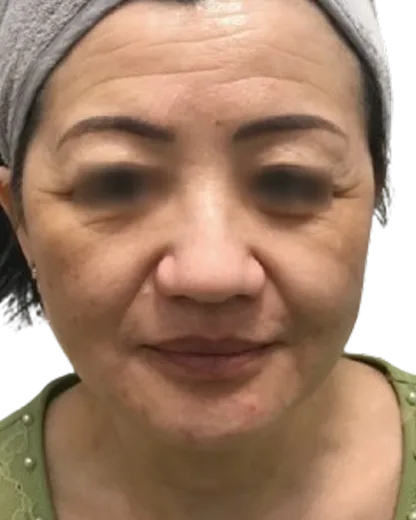
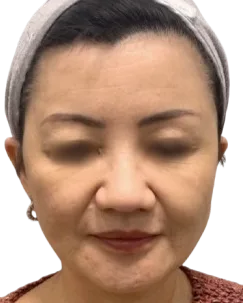
Case 1 · Nasolabial Fold — Documented Results
- Client profile
- Asian female · Fitzpatrick IV
- Primary concerns
- Nasolabial Folds (Comprehensive multi-modal combination approach)
- Treatment plan
- PicoSure® + PicoSure Pro® + PicoWay® + Ultherapy® and 17 other modalities (multiple sessions within 3 months)
- Treatment outcome
- Visible improvement in nasolabial folds · natural-looking overall result
- Post-treatment hyperpigmentation
- No PIH
- Maintenance
- 9-12 months later — hyaluronic acid touch-up
Case 01: Nasolabial Folds — Before & After · Asian Female · Fitzpatrick IV · Multimodal combination protocol led by our physician at Luowei Medical Aesthetics Clinic, Nanjing
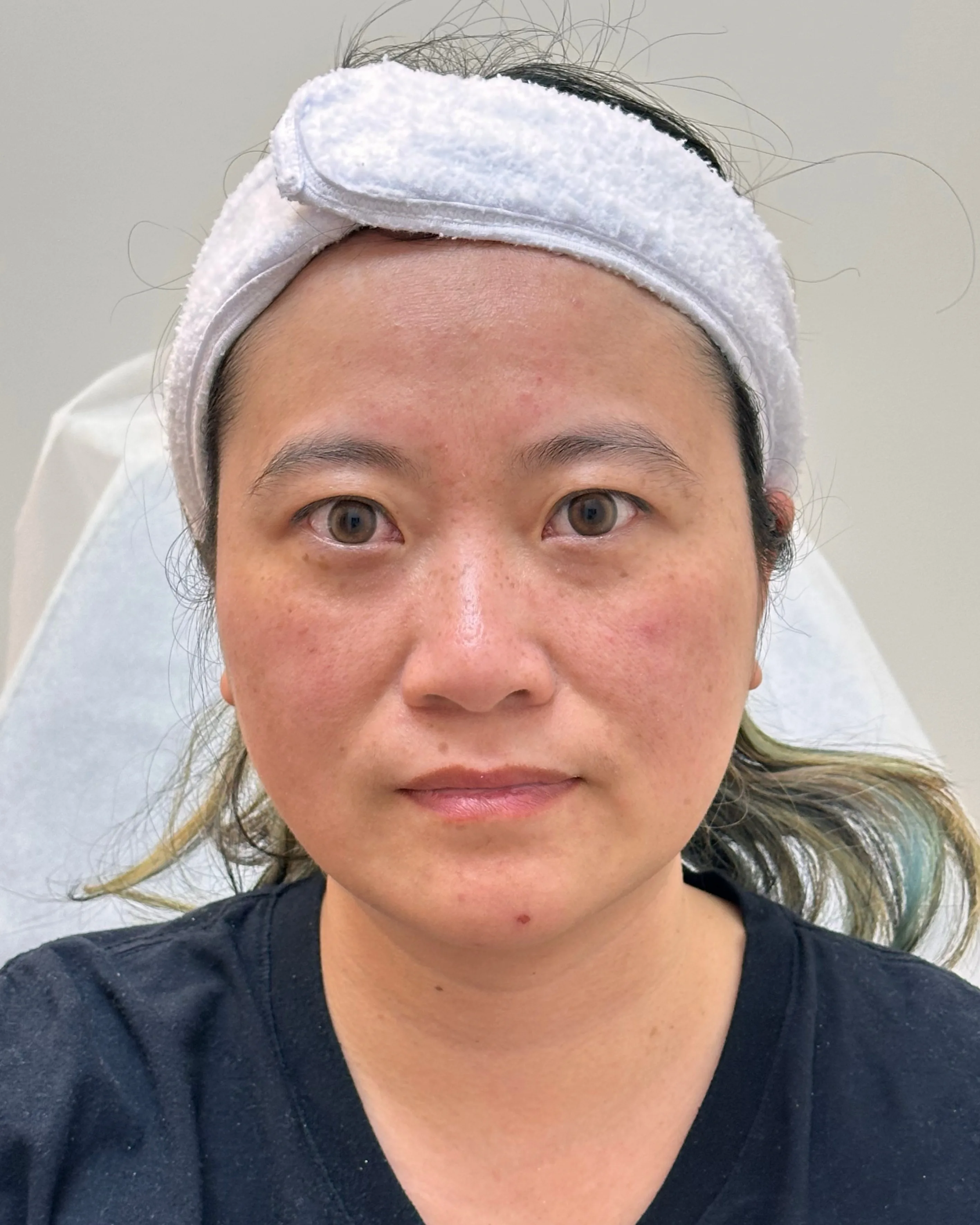
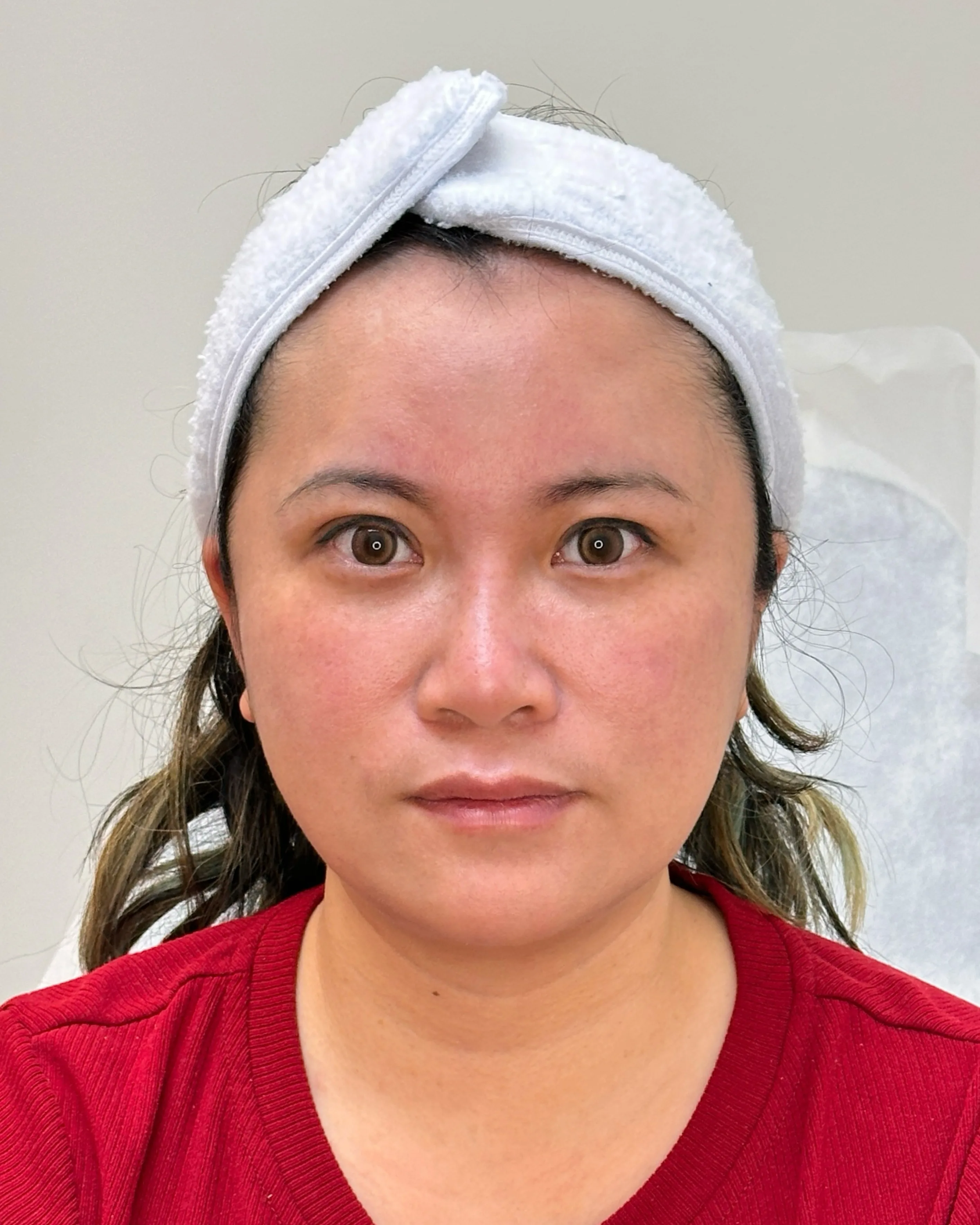
Case 14 · Nasolabial Fold Clinical Record
- Client profile
- Asian female · Fitzpatrick IV
- Primary concerns
- Nasolabial Folds (Comprehensive multi-modal combination approach)
- Treatment plan
- PicoSure® + PicoSure Pro® + PicoWay® + thread-lift double eyelid surgery, and 16 additional treatments (multiple sessions within 3 months)
- Treatment outcome
- Visible improvement in nasolabial folds · natural-looking overall result
- Post-treatment hyperpigmentation
- No PIH
- Maintenance
- Botox Micro-touch-up at 4 months + hyaluronic acid lip border refinement
Case 14: Nasolabial Fold Treatment — Before & After · Asian Female · Fitzpatrick IV · Multi-modal combination protocol led by our physician at Luowei Medical Aesthetics Clinic, Nanjing
What are nasolabial folds? Why are they one of the earliest visible signs of facial aging?
Nasolabial folds (Nasolabial Folds, also known as nasolabial folds, smile lines, or parenthesis lines) are the two creases running from the sides of the nose down to the corners of the mouth. Nasolabial folds Not simply a wrinkle— but rather the result of descent and volume loss across the multiple structural layers of the face — bone, fat pads, SMAS, and skin Overall external presentation.
5 Key Differences Between Nasolabial Folds and Ordinary Wrinkles
Structural hollowing — not a surface-level wrinkle
Forehead lines and crow’s feet are dynamic lines caused by repeated muscle contractions.nasolabial folds differ— It is Multi-layer facial tissue descent + mid-face volume loss a structural outcome — neurotoxin is ineffective here; treatment must address the three-dimensional facial structure.
Multiple contributing factors — not a single cause
Ordinary wrinkles are purely a skin-level concern.Nasolabial folds result from four overlapping layers of change: bone resorption, descent of the fat pads, SMAS laxity, and dermal thinning., Treatment requires layered assessment; every plan is personalized.
Filling the fold directly is not the answer — incorrect filler placement creates a puffy, unnatural result
Many medspas inject filler directly into the nasolabial fold groove itself.This is an incorrect approach— The fold may appear shallower, but the cheeks can puff outward like a “bread face” — ultimately making the overall appearance look older.The correct approach is to trace back to the structural source — mid-face support.
Appearing 5–10 years earlier — particularly pronounced in Asian faces
Asian facial bone structure tends to be broader and flatter, with lower mid-face projection and earlier resorption of the zygomatic arch and maxillary bone,Nasolabial folds often begin to appear in the early thirties, Approximately 5–10 years earlier than in Western faces.
Requires a personalized, layered treatment plan — not a single injection
A “successful” nasolabial fold treatment is not about making the fold disappear — it is about “Overall mid-face rejuvenation + natural nasolabial fold softening”. Under a physician’s personalized assessment, combining volumetric restoration, lifting and tightening, and skin quality improvement, results can last 12–18 months and be extended further with ongoing maintenance.
4 Typical Presentations of Nasolabial Folds
- Dynamic type: Visible only when smiling or speaking, disappearing at rest — a superficial skin concern
- Static type: Visible even at rest — moderate structural concern
- Deep fold type: Deep fold with shadow casting, affecting overall facial expression — significant volume loss
- Marionette line extension type: Nasolabial folds extending downward into marionette lines create a “sorrowful” expression — global facial descent
3 common structural subtypes
Volume loss type (most common)
Descended malar fat pad, zygomatic hollowing, and mid-face fat compartment atrophy. Over 70% of nasolabial fold patients are primarily this type.
SMAS Laxity type
Fascial laxity and gravitational descent of the skin. Most commonly seen in patients over 45 or those who have experienced rapid weight changes.
Skeletal resorption type
Age-related resorption of the maxilla and zygomatic bone reduces skeletal support. Deep periosteal-level augmentation is required to rebuild the structural foundation.
4 step self-assessment guide
- For Use both index fingers to gently push the cheeks upward Do nasolabial folds appear shallower afterward?
- Whether the fold is present at rest Still visible?
- Do you also have Apple cheek descent or zygomatic arch hollowing?
- Whether visible from the side profile Mid-face hollowness?
⚠️ If 3 or more of these apply to you,Likely indicative of volume-loss type nasolabial folds of the mid-face, A consultation is recommended. Accurate classification requires a physician’s three-dimensional assessment and palpation — treatment plans differ significantly depending on the type.
Common Causes of Nasolabial Folds (5 Key Structural Factors)
Nasolabial folds do not have a single cause — they are Compounding age-related changes across multiple facial structural layers Understanding these contributing factors is what determines the right treatment plan and maintenance strategy for you.
Bone resorption (deepest structural layer)
30 After a certain age, the maxilla and zygomatic arch begin to resorb year by year. Due to differences in bone density, this process tends to occur more rapidly in Asian patients. The skeleton is the foundation of the face — when that foundation recedes, all the soft tissue above it descends with it.
Loss and descent of mid-face fat pads
The facial fat compartments — including the SOOF, ROOF, and buccal fat pad — gradually atrophy and descend with age. Once the fat pads that once supported mid-face fullness begin to deflate, nasolabial folds become immediately apparent.
SMAS and retaining ligament laxity
SMAS (superficial musculoaponeurotic system) and zygomatic retaining ligaments relax with age, causing soft tissue to lose its anchor points and descend, creating a fold at the fixed nasolabial ligament“cliff-edge” groove.
Dermal collagen loss
25 After a certain age, dermal collagen declines at roughly 1% per year. As the skin thins and loses elasticity, fold shadows deepen. Sun exposure, smoking, and glycation all accelerate this process.
Facial expression habits + sleep position + fluctuating body weight
Chronic one-sided sleeping, habitual excessive smiling, and significant weight fluctuations (repeated weight loss and gain) all worsen nasolabial fold asymmetry. Mid-face volume loss following weight loss is particularly common among Asian women.
Nasolabial Folds vs. Marionette Lines / Tear Trough / Cheek Descent / Cheek Hollowing
Many clients arrive at the clinic calling every line on the lower face a “nasolabial fold” — yet clinically, several structurally distinct issues can look similar but The treatment approach differs entirely.
Vs Marionette Lines
| Location | Extending downward from the corners of the mouth toward the chin |
| Primary cause | Downturned mouth corners + pre-jowl sulcus |
| Presentation | “resting sad face” appearance |
| Treatment plan | Filler + corner-of-mouth lift + Botox® DAO |
| Often co-exist | Often presents alongside nasolabial folds |
Vs Tear Trough
| Location | From the inner lower eyelid to above the cheekbone |
| Primary cause | Orbital fat atrophy + retaining ligament laxity |
| Presentation | Looking fatigued, with a dark-circle appearance |
| Treatment plan | Volbella / Restylane Superficial layer |
| Risks | Filler Tyndall effect, swelling |
Vs Descended malar fat pad
| Location | Sub-zygomatic cheek zone |
| Primary cause | Zygomatic fat pad descent + volume loss |
| Presentation | Mid-face collapse with accentuated nasolabial folds |
| Treatment plan | Voluma Zygomatic arch support + tightening |
| Core | The “root cause” of nasolabial folds |
Vs Buccal Hollowing
| Location | Cheek hollowing from below the cheekbone to the jawline |
| Primary cause | Buccal fat pad atrophy / significant weight loss |
| Presentation | A gaunt, skeletal appearance and facial fatigue |
| Treatment plan | Micro-dose cheek filler + Sofwave™ |
| Note | Overfilling must be avoided to prevent a swollen appearance |
Why is nasolabial fold treatment for Asian faces fundamentally different from Western approaches?
Asian faces differ from Western faces in bone structure, fat distribution, and skin thickness — this is the core expertise of Luowei Medical Aesthetics Clinic.
1. Broad, flat mid-face bone structure with low projection
Asian patients tend to have a broader, flatter maxilla and zygomatic arch,Mid-face anterior projection approximately 30–40% lower than in Western faces. This means that even in youth, mid-face volume starts from a relatively flat baseline. Once aging begins, nasolabial folds tend to appear earlier and more prominently than in Western facial types.5–10 years earlier appear.
2. Differing zygomatic retaining ligament position
The position and strength of the Zygomatic Cutaneous Ligament in Asian patients differ significantly from those of Caucasian or Western patients. Applying Western injection templates — such as placing large volumes of filler directly into the fold — frequently leads to a “doughy” face, lateral volume expansion, and a stiff, unnatural expression in Asian faces.
- Incorrect depth with excessive energy delivery
- Western-style direct in-fold filling
- Overlooking the skeletal foundation of Asian faces
- The same dosage produces entirely different results across different bone structures
Once an overfilled appearance develops,Correction is more complex than treating the original nasolabial folds (Requires staged dissolution with hyaluronidase followed by a complete replanning of the treatment approach.)
3. “rebuild structural support” principle
Western faces focus on “filling and softening the groove.” Asian faces require Rebuild mid-face skeletal support + zygomatic arch lift first, then consider superficial softening.From the structural source to the surface— Rushing to fill the fold is how an overfilled, puffy appearance begins.
Asian Face Classification × our physician’s Protocol
| Facial type | Skeletal characteristics | Nasolabial fold treatment risks | Our physician’s Protocol |
|---|---|---|---|
| Caucasian or mixed Western heritage | Bony prominence | Low | Standard volume restoration + tightening |
| Square bone structure | Moderate | Zygomatic arch support + mid-face layered placement | |
| South Asian / Southern Chinese | Flat mid-face | High | Deep supraperiosteal support + targeted cheek micro-deposits |
| Slim face type + mid-face volume loss | Bone resorption + fat loss | Very High | Multiple micro-dose layered sessions + Sofwave™ + long-term maintenance |
Combination Nasolabial Fold Treatment (Volume + Lifting + Skin Quality)
There is no single “best” treatment — only the combination that is best suited to you. Our physician designs a personalized protocol based on your nasolabial fold type, facial category, age, and skin quality, drawing from the options outlined below.
Juvéderm Voluma® Deep mid-face support First choice
nasolabial folds in Asian faces —Gold standard. Voluma a high G-prime (high elastic modulus) filler specifically designed for deep periosteal support — rather than filling the fold directly, it is placed along the zygomatic arch and maxillary region Rebuild structural support, Lifting the mid-face as a whole allows nasolabial folds to soften naturally.
- Immediate results · lasting 12–18 months
- Deep supraperiosteal injection · minimal swelling
- Restoring mid-face dimension · not simply “filling the groove”
- Most clients achieve their goal in 1–2 sessions
Sofwave SUPERB™ Ultrasound tightening First-choice tightening treatment
NMPA-registered mid-frequency focused ultrasound, targeting Dermis and superficial SMAS layer, stimulating new collagen and elastin formation. In nasolabial fold treatment, used as A synergistic approach to volume restoration, lasting tightening that addresses skin laxity and SMAS descent.
- Minimal downtime · Full-face treatment completed in 60 minutes
- 3 Results gradually emerge over the following months · lasting up to 18 months
- Suitable for patients 35+ with skin laxity concerns
Volbella® / Restylane Refyne Superficial softening Fine-tuning
Targeting Deep nasolabial folds Superficial grooves that persist after volume has been restored. Low G-prime hyaluronic acid filler Superficial micro-dose softening — fundamentally different from filling the groove directly with large volumes, avoiding the “overfilled” or “pillow face” effect.
Sculptra® Collagen stimulator (poly-L-lactic acid)
Targeting Dermal thinning + diffuse mid-face volume loss. Sculptra Not direct filler placement, but rather Stimulating the body’s own collagen production, 3–6 Mid-face fullness gradually restores over the following months. Ideal for patients seeking natural, long-lasting results.
Thermage® FLX RF (radiofrequency) tightening
Monopolar radiofrequency delivers deep heating to stimulate collagen contraction and regeneration. Suitable for Noticeable skin laxity but not wanting ultrasound-based treatment clients, as the tightening component within a combination treatment protocol.
Morpheus8® / CO₂ Laser (skin texture refinement)
Improves dermal thickness, skin texture, and enlarged pores. Used as a complementary component within a nasolabial fold treatment protocol Long-term skin texture maintenance layer — ensuring the skin quality complements the reconstructed mid-face volume.
Tretinoin / Medical-grade skincare Essential
Long-term topical retinoid (Tretinoin) use stimulates dermal collagen synthesis and is an indispensable foundational treatment during the nasolabial fold maintenance period:
- Starting with a low-concentration formulation nightly Gradually building tolerance
- SPF 50+ Daily sun protection (photoaging accelerates wrinkle formation)
- Antioxidant serum (Vitamin C / E / Niacinamide)
- Repair and barrier-supportive ingredients (ceramides / peptides)
Sample combination protocol (by patient profile)
| Patient profile | Recommended protocol |
|---|---|
| 30–35 years old · mild static lines | Voluma Micro-dose zygomatic arch filler + long-term Tretinoin |
| 35–45 years old · moderate volume loss | Voluma Layered mid-face treatment + Sofwave™ × 1 session + maintenance |
| 45 · Volume loss + laxity combined | Sofwave / Thermage + Voluma + Superficial Juvéderm® Volbella |
| Very lean · global volume loss | Sculptra × 2–3 + Voluma Targeted structural support |
| MedSpa Overfill correction | Hyaluronidase Dissolve × 2 → Reassess → Correct layered reconstruction |
How Does our physician Plan a Nasolabial Fold Treatment? (6-Step Process)
This is the most fundamental difference between Luowei Medical Aesthetics Clinic and a typical medspa — the same product, placed in the wrong plane, distorts the face; the right treatment design is what truly improves nasolabial folds.
Precise diagnosis (structural classification confirmed first)
- Three-dimensional facial assessment— Frontal + 45° + lateral photographs
- Two-finger support test— Differentiating volume-related vs. laxity-related folds
- Palpation assessment— Skeletal support + fat pad position + SMAS tension
- Medical history assessment— Prior injections, weight fluctuations, and family aging patterns
- Photo documentation— Standardized lighting + consistent angles for quantifiable baseline documentation
Identify the primary structural cause of nasolabial folds
80%+ This client presents as a mixed type (skeletal + fat loss + SMAS laxity). Our physician identifies the primary driver to determine the starting point of treatment:
- Primary skeletal resorption → deep periosteal Voluma support
- Primary fat loss → mid-level malar fat pad + zygomatic arch reconstruction
- Primary SMAS laxity → Sofwave™ / Thermage® FLX tissue tightening first
- Primary concern: poor skin texture → long-term Tretinoin + RF microneedling
Assessing the risk of an overfilled or laterally expanded appearance
Three-dimensional assessment: baseline skeletal width + prior filler history + dynamic smile analysis.High risk Approach for this client: incremental micro-dosing, no direct fold filling, prioritize skin tightening, and emphasize long-term maintenance.
Design a staged treatment timeline
This is the key difference between Luowei and a medspa — it is not about “filling everything in one session,” but rather Staged structural rebuilding:
[Weeks 0–2]Skincare preparation (if a Tretinoin regimen is planned)
[Week 2]Phase 1: Deep periosteal support (Voluma mid-face)
[Week 6]Assessment + Phase 2: minor apple cheek refinement + superficial softening (if needed)
[Week 10–14]Sofwave / Tightening device (if planned)
[Month 6]3 month results comparison + maintenance planning
[Months 12–18]Micro top-up + long-term maintenance
Fine-tuning at every follow-up
- Photo comparison (standardized lighting + consistent angles)
- Evaluate results from prior treatment (absorption rate, symmetry, and natural movement)
- Fine-tuning distribution (Adding volume to the deficient side, monitoring the overfilled side)
- Adjust the plan for the next session (tightening-first or volume-first approach)
- Skincare review (Tretinoin tolerance, sun protection habits)
Maintenance phase management (the most critical stage after structural restoration)
Fillers are not “permanent”, is “Ongoing maintenance” the beginning. Maintenance protocol:
- Micro top-up every 12–18 months (without waiting for complete absorption before a top-up)
- Sofwave™ tightening every 18 months (prevent recurrent SMAS descent)
- Long-term Tretinoin + antioxidant regimen (maintain dermal thickness)
- Strict sun protection (Photoaging can reverse all treatment gains)
- Stable weight (significant fluctuations cause repeated changes in mid-face volume)
How soon will we see results from nasolabial fold treatment? How many sessions are needed? How long do results last?
The three tables below address the three most frequently asked questions.
How soon will results be visible?
| Phase | Duration | Visible changes |
|---|---|---|
| Voluma Day of injection | Immediate | Immediate restoration of mid-face volume and dimension, with nasolabial fold depth reduced by 40–60% |
| 2 weeks post-injection | 2 Week | Swelling fully resolved and results stabilized |
| Sofwave After | 3 months | New collagen becomes visible, firmness improves, and an overall sense of youthfulness emerges |
| Complete protocol + maintenance plan | 6–12 months | Structural rejuvenation · sustained nasolabial fold improvement |
How many sessions are needed?
| Nasolabial Fold Types | Recommended number of protocol sessions | Interval |
|---|---|---|
| Dynamic type · mild | 1 injection session | — |
| Static type · moderate | 1–2 injectable session + 1 tightening treatment | 4–8 Week |
| Deep fold type · severe | 2–3 sessions staged + tightening | 4–8 Week |
| Generalized descent — combined type | Multi-phase combination protocol | Personalized |
How long do results last? Longevity data (statistical reference)
| Maintenance status | Duration of stable results |
|---|---|
| Complete treatment protocol + sun protection + regular maintenance | 18–24 months (with continued extension) |
| Filler only / no tightening / no maintenance plan | 10–14 months (visibly reduced) |
| No maintenance + no sun protection + fluctuating body weight | 8–12 months (rapidly reverting to baseline) |
Am I a candidate for nasolabial fold treatment?
If the following questions If you answered yes to most of these, You may be a candidate for a mid-face rejuvenation plan — a consultation is recommended.
5 Quick self-assessment questions
- Whether your nasolabial folds are visible at rest Clearly visible?
- When you gently lift your cheeks upward with both hands, do your nasolabial folds Noticeably reduced?
- Do you also feel that Apple cheek descent or zygomatic arch hollowing?
- Do you feel that you look appearing more tired than your actual age?
- Previously tried skincare products or devices but Results not noticeable?
You may be a good candidate for nasolabial fold treatment if you:
- Confirmed to be primarily a structural mid-face concern (not simply a surface skin wrinkle)
- 18 years of age or older, in general good health
- Not pregnant / not breastfeeding
- Weight stable for at least 6 months
- Willing to commit to a phased treatment and maintenance approach
- Realistic expectations — naturally youthful results, not an “operated” appearance
- No recent facial infection or active skin condition
- Willing to follow post-procedure care and sun protection guidance
May not be suitable, or requires careful evaluation, if you:
- During pregnancy or breastfeeding (Injection contraindications)
- Active skin infection or open wound present
- Allergy to hyaluronic acid or lidocaine
- Active autoimmune condition
- Recent facial surgery — not yet fully recovered
- Currently undergoing significant weight loss or experiencing major weight fluctuations
- History of severe keloid formation
- Unrealistic expectations (expecting “permanent results in one session”)
- Unable to commit to a staged treatment plan
Why Can’t a MedSpa Properly Treat Nasolabial Folds? Real Cases
Client A — 42-year-old Asian female · Flat cheekbones + mid-face hollowing + static nasolabial folds present for 6 years
Going to a MedSpa Filling the fold directly · one-dimensional thinking
- No three-dimensional facial assessment
- Injecting large volumes of filler directly into the nasolabial fold groove
- Bone resorption and mid-face volume have not been assessed
- No follow-up photo documentation
- No maintenance plan in place
- 2 weeks post-treatment: fold appears shallower, but cheeks are overfilled and puffy — a “doughy” face effect
- Stiff smile, looking heavier and older overall
- Unsatisfied with previous results → revision at Luowei Medical Aesthetics Clinic
At Luowei Medical Aesthetics Clinic Multi-device · layered reconstruction
- Three-dimensional assessment confirms primary bone resorption and volume loss
- Hyaluronidase Staged dissolution of misplaced MedSpa filler
- Voluma Deep supraperiosteal reconstruction (no longer filling the fold directly)
- Phase 2: subtle apple cheek enhancement + Sofwave™ tightening
- Comprehensive follow-up, photo documentation, and a personalized maintenance plan
- 6 months later: mid-face appears 5–7 years younger · nasolabial folds naturally softened
Why Trust Luowei Medical Aesthetics Clinic for Nasolabial Fold Treatment?
Google's E-E-A-T framework evaluates medical content across four dimensions. Below are the specific credentials behind every statement on this page.
Real-world clinical experience
- 80,000 injectable procedures performed
- Complete Before & After photo records for every patient
- Three-dimensional facial assessment + palpation + structural subtype diagnosis
- Specialized mid-face reconstruction technique for Asian skeletal anatomy
- Multi-device combination protocol (Voluma / Sofwave™ / Sculptra®)
Industry-recognized credentials
- Every medical claim on this page is anchored to a named, clickable source — see Evidence & references below
Transparent and verifiable
- Written informed consent form signed before every treatment
- All Before & After images are unretouched
Nasolabial fold treatment is not “a single injection” — it is structural reconstruction
The same syringe of filler can distort the face at the wrong depth — or restore a mid-face that looks five years younger when placed correctly.
About the Cost of Nasolabial Fold Treatment
Price differences for nasolabial fold treatments across clinics can be confusing. The truth is, pricing reflects far more than the product itself — it also depends on Who is assessing, who is making the clinical judgment, and how much hands-on experience is involved throughout your treatment. “One syringe of filler” can mean very different things. The outcome of a treatment grounded in three-dimensional facial assessment, skeletal support diagnosis, and layered injection planning is worlds apart from simply injecting product into the fold itself. This is precisely why the same treatment name carries different price structures in different settings.
Injectable treatments are typically performed by the physician directly — mid-face layering and deep periosteal support require a high level of anatomical judgment, and the physician’s time and clinical expertise are themselves a medical resource. Energy-based devices (such as ultrasound skin tightening) can be administered by our trained clinical team under standardized protocols, making maintenance-phase treatments more cost-effective. Complex cases, overfill correction, and patients with unique Asian skeletal anatomy benefit most from direct physician involvement; routine maintenance treatments offer more accessible options. We design treatments around your needs, not around price —Matching treatment to your genuine needs. Following your Free 30-Minute Consultation, our physician will recommend the most suitable treatment plan and corresponding pricing structure based on your individual needs.
- Payment is made at the clinic, after the consultation and before treatment begins
- Nothing is paid in advance, and no deposit is required to hold an appointment
- Cosmetic treatment is a self-pay item and is not covered by public medical insurance in China
- All new clients receive a complimentary 30-minute Free Consultation assessment
Common Risks · Contraindications · Complication Prevention
Transparency about nasolabial fold injection treatment is itself a mark of credibility. We openly share all possible reactions, serious risks, contraindicated populations, and absolute exclusions — so you have complete information before your consultation.
Common Reactions (Short-Term Post-Treatment)
- Injection point Mild swelling and redness (1–3 days to resolve)
- Localized bruising (5–14 days to absorb; cold compress may be applied)
- Mild tenderness to touch (2–5 days)
- Some patients may experience a sensation of overfullness initially (typically settles within 1–2 weeks)
- Occasional mild initial asymmetry in some patients (reassessed once settled at 2 weeks)
Serious risks (rare, but important to disclose)
- Vascular occlusion— The most serious complication of dermal filler injection (risk is substantially reduced with strict aspiration technique and thorough anatomical knowledge)
- Worsening facial asymmetry— Wrong injection plane / incorrect dosage
- “Doughy face” effect (caused by the incorrect practice of placing large volumes directly into the fold)
- Nodules / granulomas (rare; manageable with hyaluronidase)
- Allergic reaction (extremely rare)
Relative contraindications (requires careful evaluation)
- Active skin inflammation or acne flare-up
- Currently taking anticoagulant medications (increases bruising risk)
- Recent facial cosmetic surgery — not yet fully healed
- Period of uncontrolled significant weight fluctuation
- Known intolerance to hyaluronic acid or local anesthetic components
Absolute contraindications (treatment not performed)
- Pregnancy / breastfeeding
- Active infection or open wound at the treatment site
- Active autoimmune disease
- Severe allergy to hyaluronic acid or lidocaine
- Unrealistic expectations (anticipating permanent results from a single session or an immediate surgical-level transformation)
Safety protocols strictly enforced by our physician
- Every patient undergoes a three-dimensional assessment, palpation, and medical history review prior to treatment
- All injections performed with strict aspiration and slow, controlled delivery
- A written informed consent form is signed before each treatment
- All injections are performed personally by our physician.
- Hyaluronidase (the reversal agent) is always on hand to address vascular occlusion or unsatisfactory results
- Post-treatment photos are taken and archived after each session for comparison and fine-tuning
Where the medical claims on this page come from
Everything above about Nasolabial folds rests on published evidence rather than on our own word. The sources below are the ones behind those statements: peer-reviewed papers indexed in PubMed, and guidance written for patients by dermatology academies and national health services. Read them before you decide — and bring any of them to your consultation.
- Peer-reviewedBotulinum toxin type A for facial wrinkles
- Peer-reviewedBotulinum Toxin Treatment for Mild to Moderate Platysma Bands: A Systematic Review of Efficacy, Safety, and Injection Technique
- Patient guidanceWrinkles
- Patient guidanceDermal fillers: Overview
- Patient guidanceBotulinum toxin: Overview
What these references can and cannot tell you. They describe what is known about the treatment itself — how well it tends to work, how long results last, and what can go wrong. They are not an assessment of this clinic, and no published study can tell you whether it suits your skin type, anatomy, or medical history. That judgement comes from the physician who examines you in person, and it may well be “not this one”.