Facial Redness & Visible Capillaries
What Is “Facial Redness & Visible Capillaries”? It’s more than just”sensitive skin”
Our physician’s Real Clinical Cases: Facial Redness & Visible Vessels
The following before-and-after images are from real clients treated personally by our physician at Luowei Medical Aesthetics Clinic (Nanjing). All clients have signed a written Media Release Form authorizing public use. Facial redness and visible vessels (Facial Erythema · Telangiectasia · including Rosacea spectrum ICD-10 L71) require Differentiating vascular component vs. barrier dysfunction vs. rosacea subtype classification, All photos are unretouched clinical documentation.
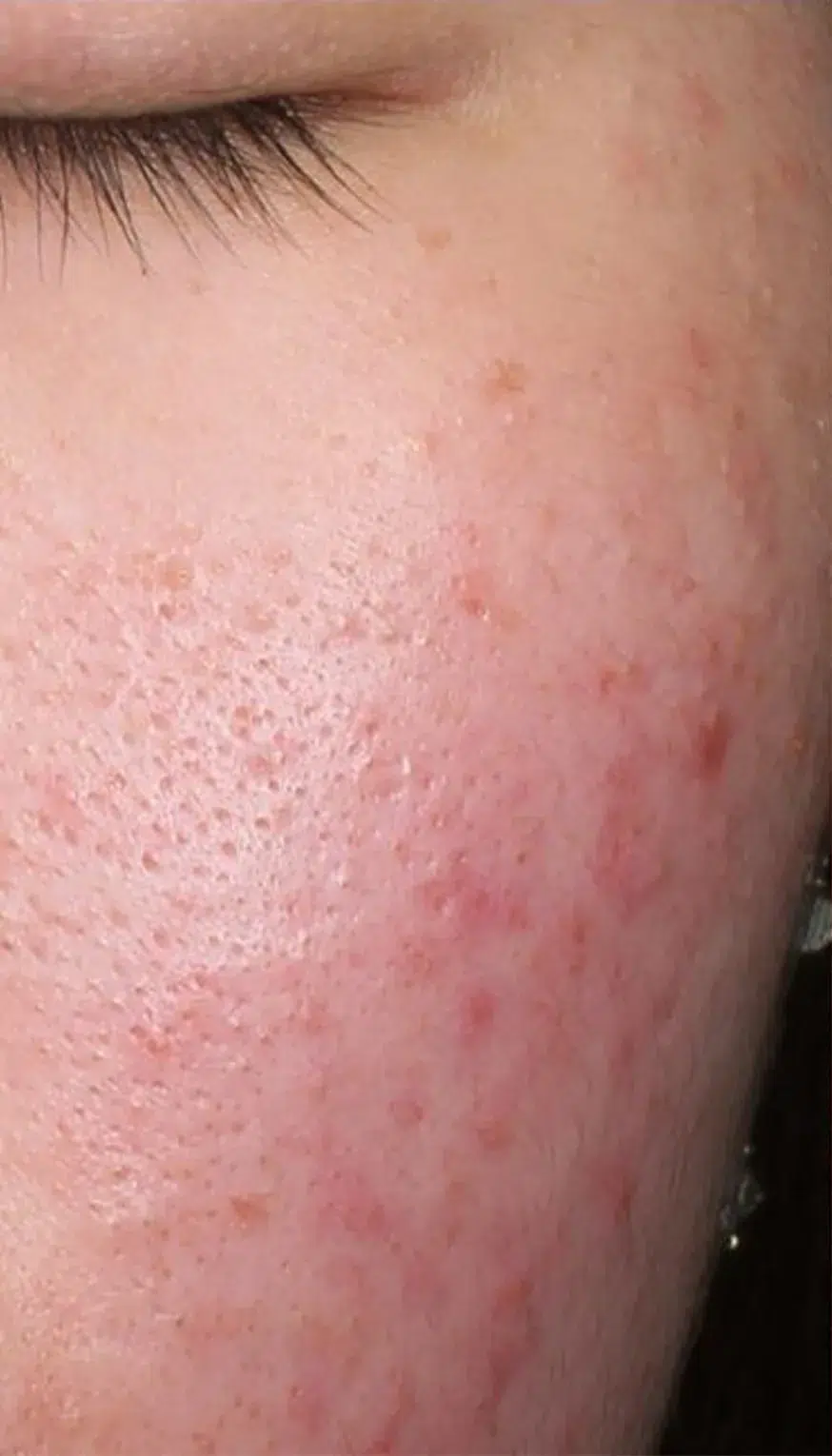
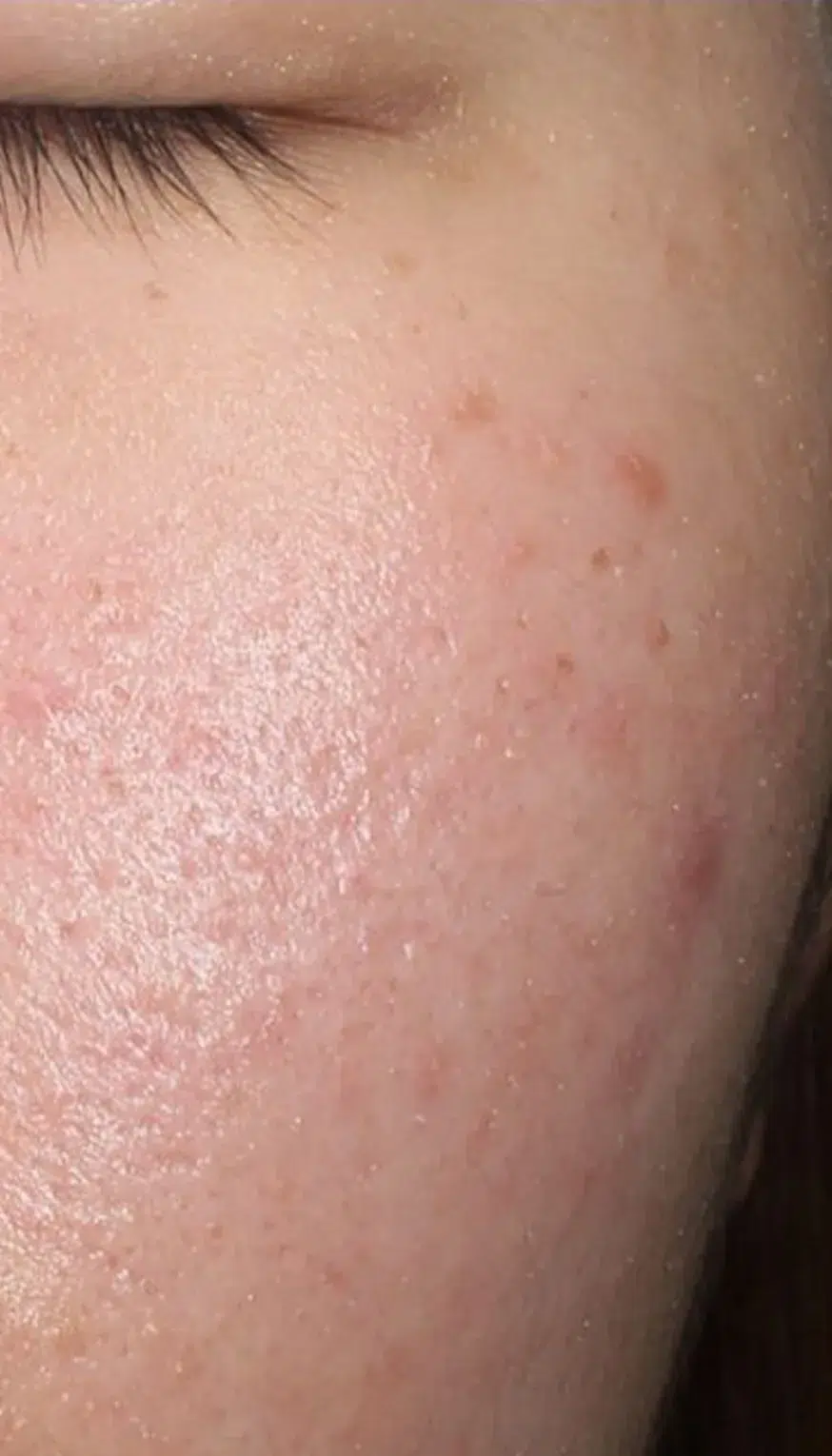
Case 1 · Facial Redness & Visible Vessels — Real Clinical Record
- Patient Profile
- Asian Female · Fitzpatrick IV
- concern / chief complaint
- Facial Redness & Visible Capillaries (Comprehensive Improvement with Multimodal Combination Protocol)
- Treatment plan
- Laser vascular clearance + Vbeam® redness reduction + Vbeam® sensitive skin repair + Lutronic Genius® and 2 additional treatments (multiple sessions within 3 months)
- improvement outcomes
- Significant improvement in facial redness and visible vessels · results look natural
- post-inflammatory hyperpigmentation (PIH)
- No PIH
- maintenance
- Annual maintenance energy session + at-home retinoid
Case 01: Facial Redness & Visible Vessels — Before & After · Asian Female · Fitzpatrick IV · Multimodal combination protocol led by our physician at Luowei Medical Aesthetics Clinic, Nanjing
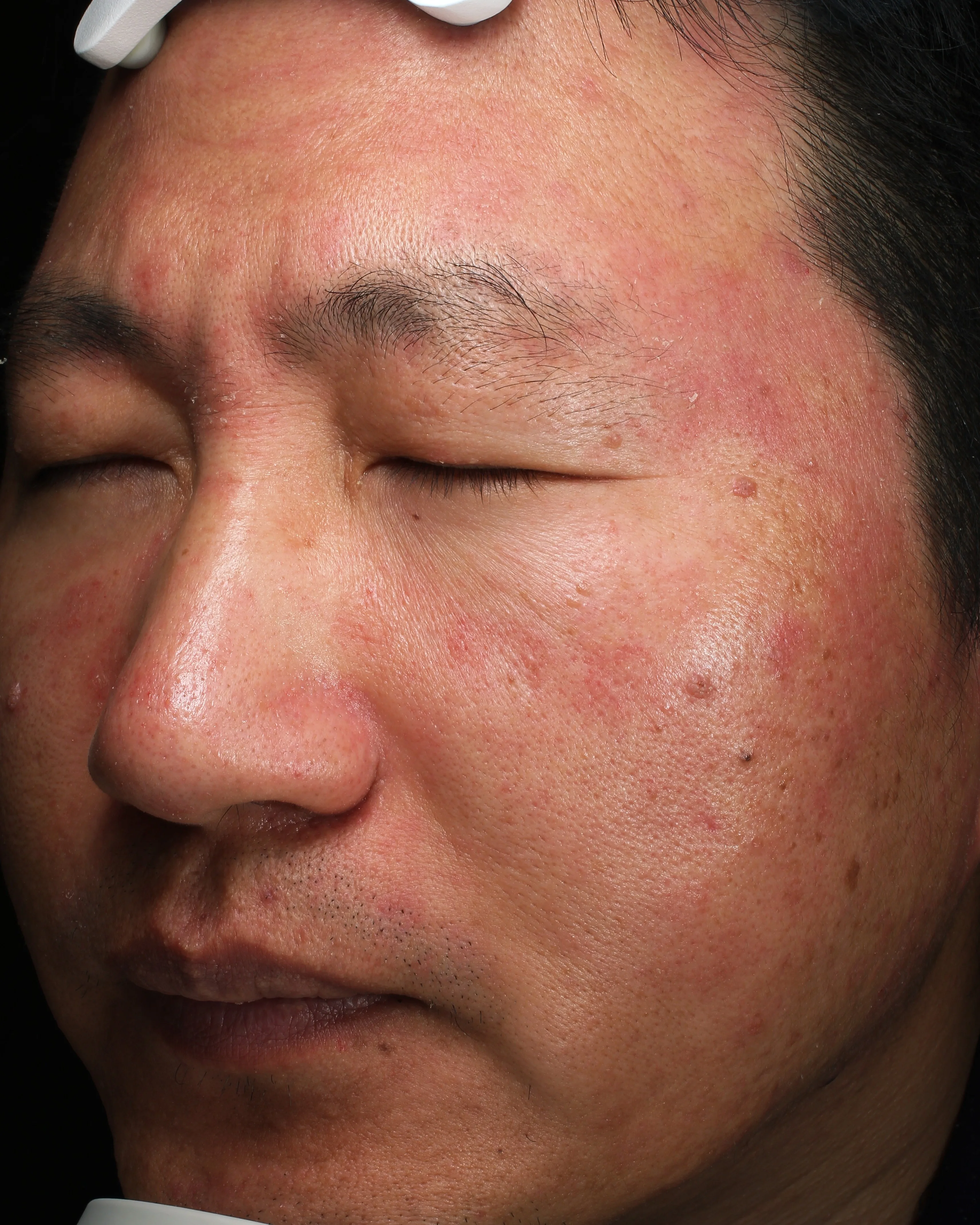
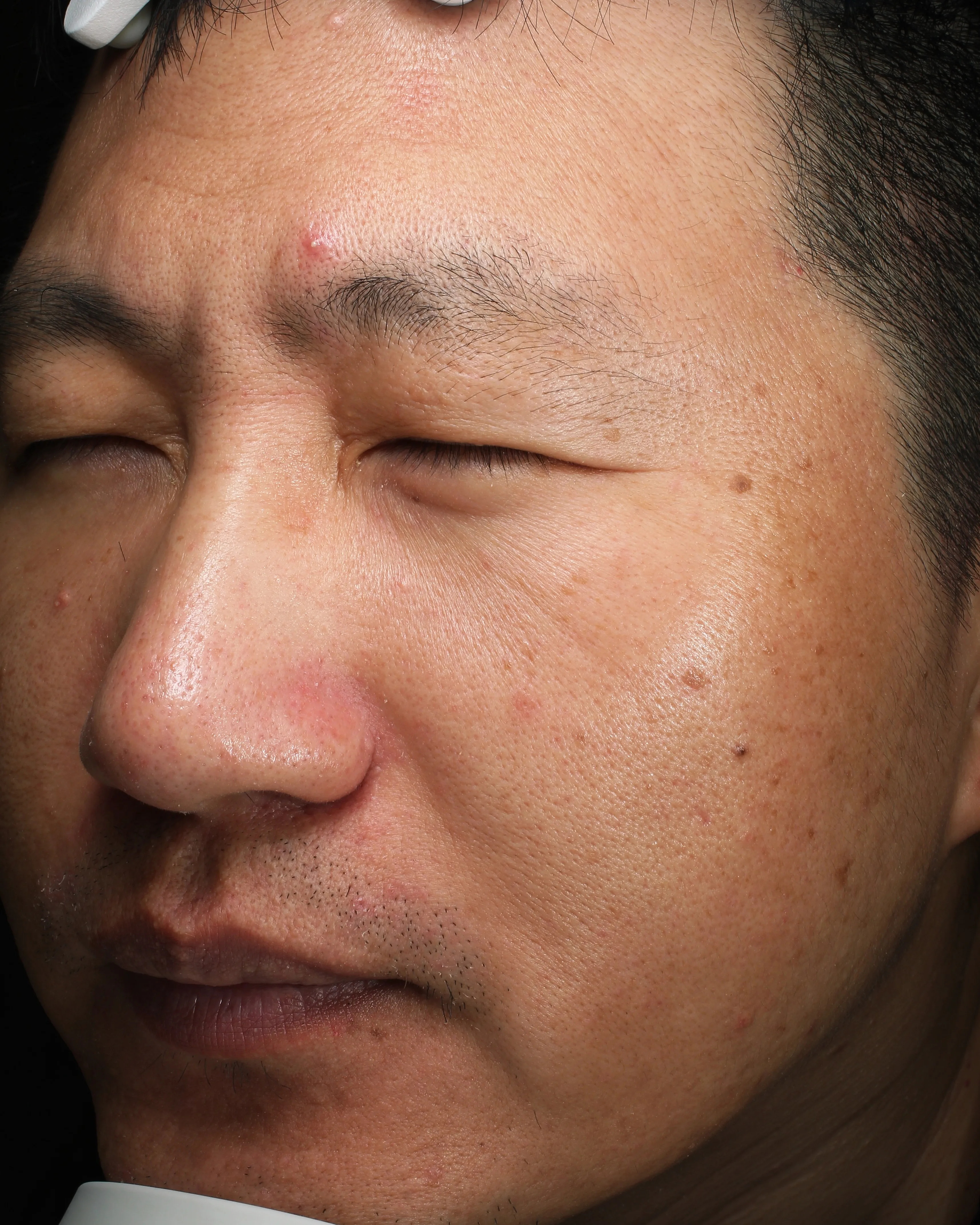
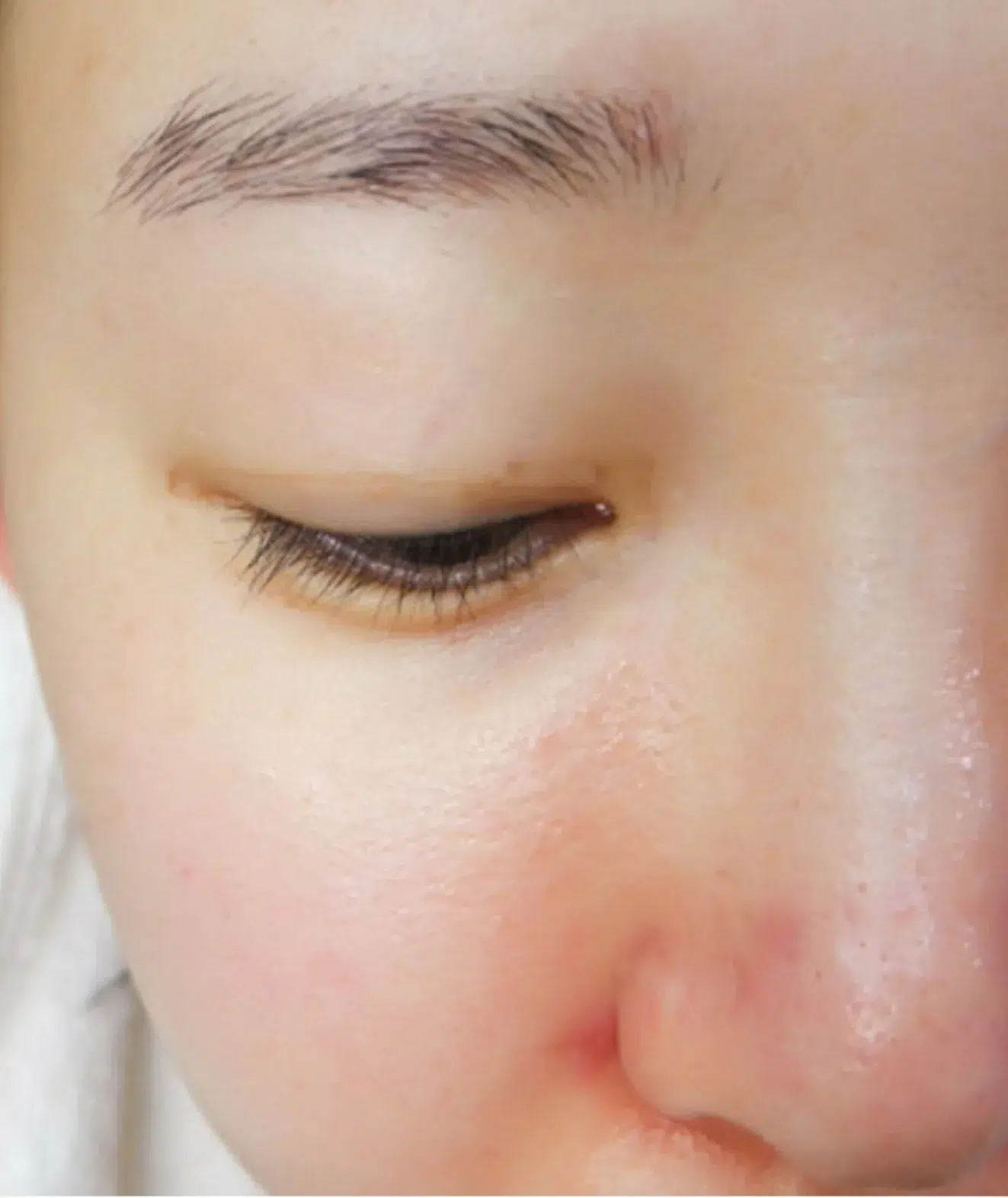
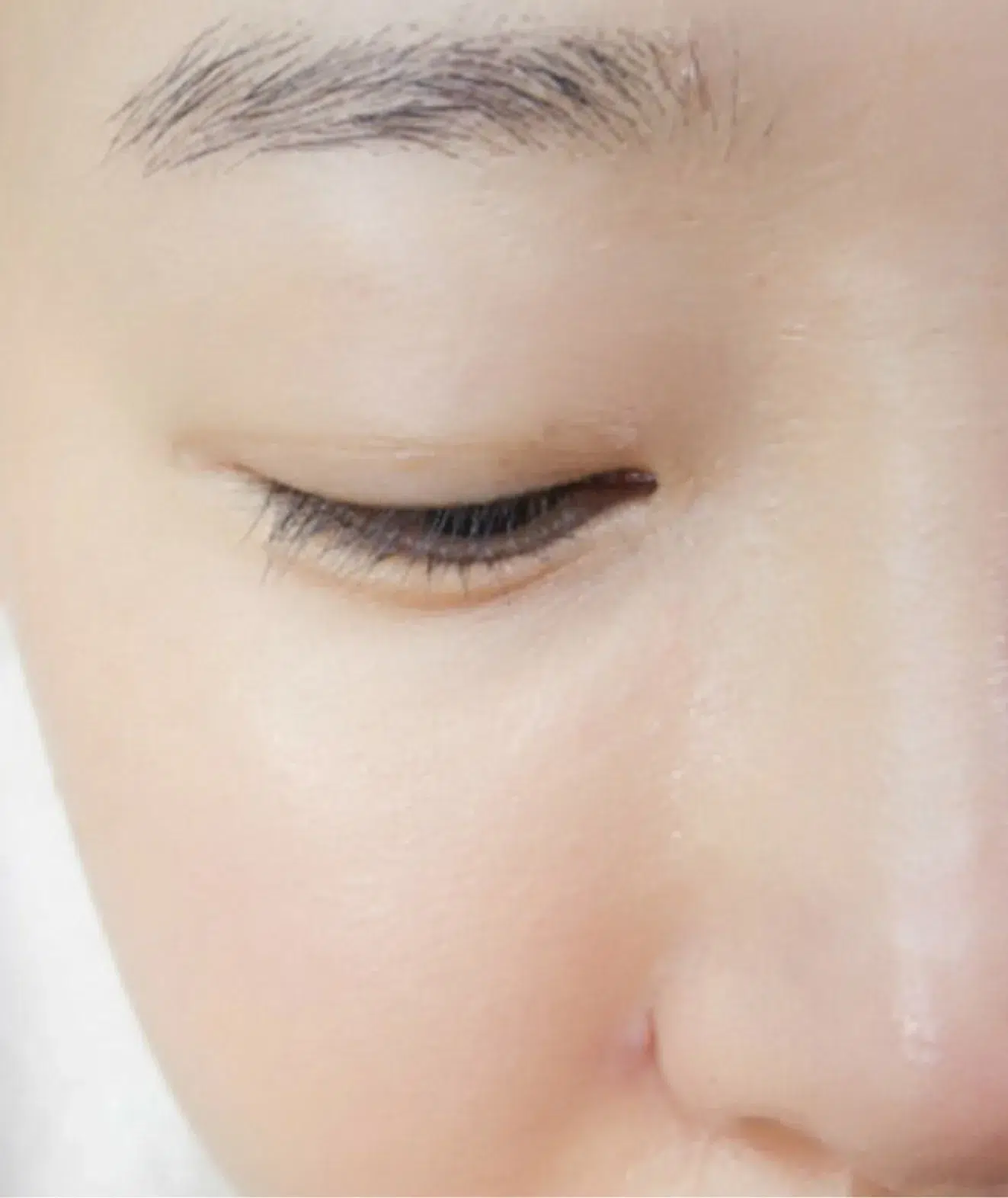
Case 3 · Facial Redness & Visible Capillaries — Authentic Clinical Record
- Patient Profile
- Asian Male · Fitzpatrick IV
- concern / chief complaint
- Facial Redness & Visible Capillaries (Comprehensive Improvement with Multimodal Combination Protocol)
- Treatment plan
- Fotona® redness-reduction laser + Vbeam Perfecta pulsed dye laser (2–3 sessions)
- improvement outcomes
- Significant improvement in facial redness and visible vessels · results look natural
- post-inflammatory hyperpigmentation (PIH)
- No PIH
- maintenance
- Vbeam Quarterly maintenance session × 1 + sun protection
Case 03: Facial Redness & Broken Capillaries — Before & After · Asian Male · Fitzpatrick IV · Multimodal treatment protocol led by our physician at Luowei Medical Aesthetics Clinic, Nanjing
Case 4 · Facial Redness & Broken Capillaries — Real Patient Record
- Patient Profile
- Asian Female · Fitzpatrick I
- concern / chief complaint
- Facial Redness & Visible Capillaries (Comprehensive Improvement with Multimodal Combination Protocol)
- Treatment plan
- Pico® Brightening & Skin Rejuvenation: PicoSure® + PicoSure Pro® + PicoWay®, and 14 other options (multiple sessions within 3 months)
- improvement outcomes
- Significant improvement in facial redness and visible vessels · results look natural
- post-inflammatory hyperpigmentation (PIH)
- No PIH
- maintenance
- Hydrafacial/Monthly skin booster × 1 + sun protection
Case 04: Facial Redness & Broken Capillaries — Before & After · Asian Female · Fitzpatrick I · Multimodal treatment protocol led by our physician at Luowei Medical Aesthetics Clinic, Nanjing
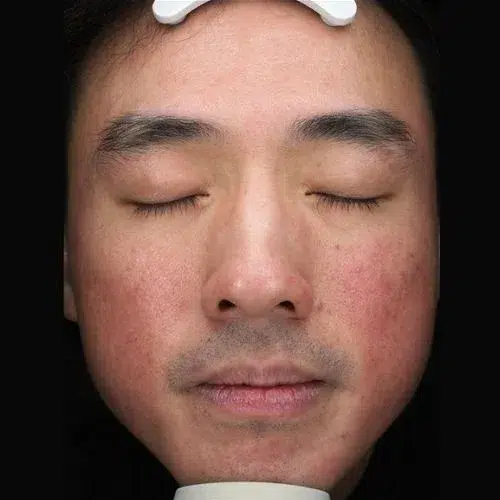
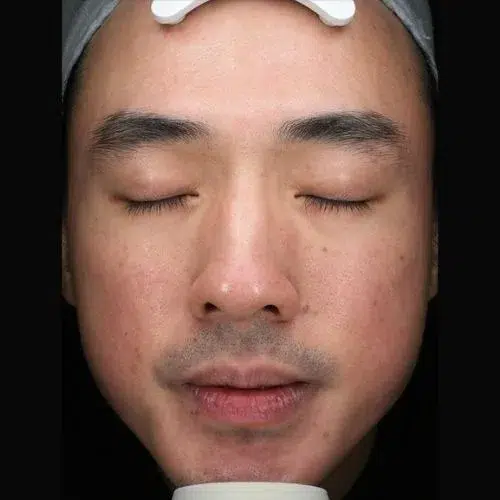
Case 1 · Facial Redness & Visible Vessels — Real Clinical Record
- Patient Profile
- Asian Male · Fitzpatrick IV
- concern / chief complaint
- Facial Redness & Visible Capillaries (Comprehensive Improvement with Multimodal Combination Protocol)
- Treatment plan
- Fotona® redness-reduction laser + Vbeam Perfecta pulsed dye laser (2–3 sessions)
- improvement outcomes
- Significant improvement in facial redness and visible vessels · results look natural
- post-inflammatory hyperpigmentation (PIH)
- No PIH
- maintenance
- Vbeam Quarterly maintenance session × 1 + sun protection
Case 01: Facial Redness & Visible Vessels — Before & After · Asian Male · Fitzpatrick IV · Multimodal combination protocol led by our physician at Luowei Medical Aesthetics Clinic, Nanjing
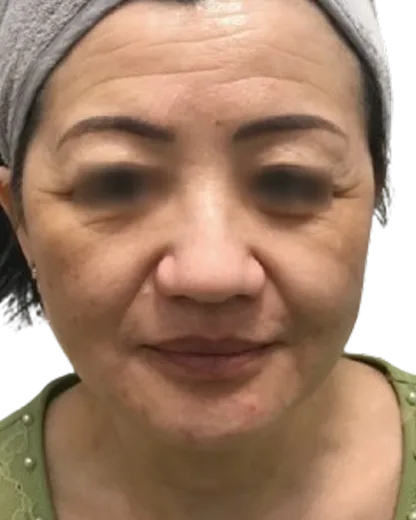
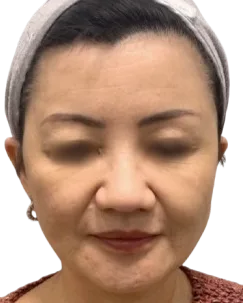
Case 1 · Facial Redness & Visible Vessels — Real Clinical Record
- Patient Profile
- Asian Female · Fitzpatrick IV
- concern / chief complaint
- Facial Redness & Visible Capillaries (Comprehensive Improvement with Multimodal Combination Protocol)
- Treatment plan
- PicoSure® + PicoSure Pro® + PicoWay® + Ultherapy® and 13 additional treatments (multiple sessions within 3 months)
- improvement outcomes
- Significant improvement in facial redness and visible vessels · results look natural
- post-inflammatory hyperpigmentation (PIH)
- No PIH
- maintenance
- 9-12 months later for filler top-up
Case 01: Facial Redness & Visible Vessels — Before & After · Asian Female · Fitzpatrick IV · Multimodal combination protocol led by our physician at Luowei Medical Aesthetics Clinic, Nanjing
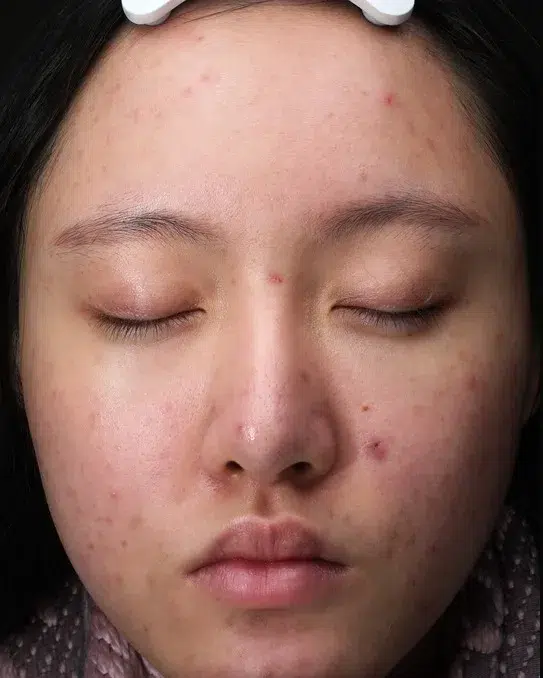
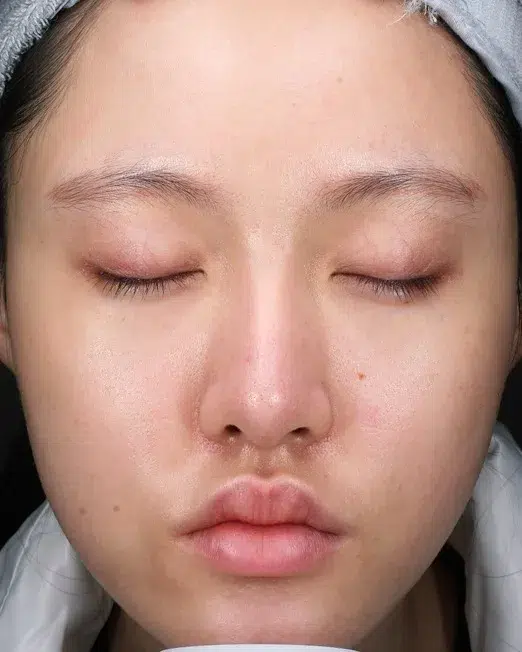
Case 2 · Facial Redness & Visible Vessels — Documented Results
- Patient Profile
- Asian Female · Fitzpatrick IV
- concern / chief complaint
- Facial Redness & Visible Capillaries (Comprehensive Improvement with Multimodal Combination Protocol)
- Treatment plan
- Vbeam®Diffuse redness reduction + Vbeam® sensitive-skin repair + Genius™ + Infini™ second-generation RF microneedling, and 7 other options (multiple sessions within 3 months)
- improvement outcomes
- Significant improvement in facial redness and visible vessels · results look natural
- post-inflammatory hyperpigmentation (PIH)
- No PIH
- maintenance
- Consistent sun protection + monthly home care + quarterly clinical review
Case 02: Facial Redness & Visible Capillaries — Before & After · Asian Female · Fitzpatrick IV · Multimodal combination protocol led by our physician at Luowei Medical Aesthetics Clinic, Nanjing
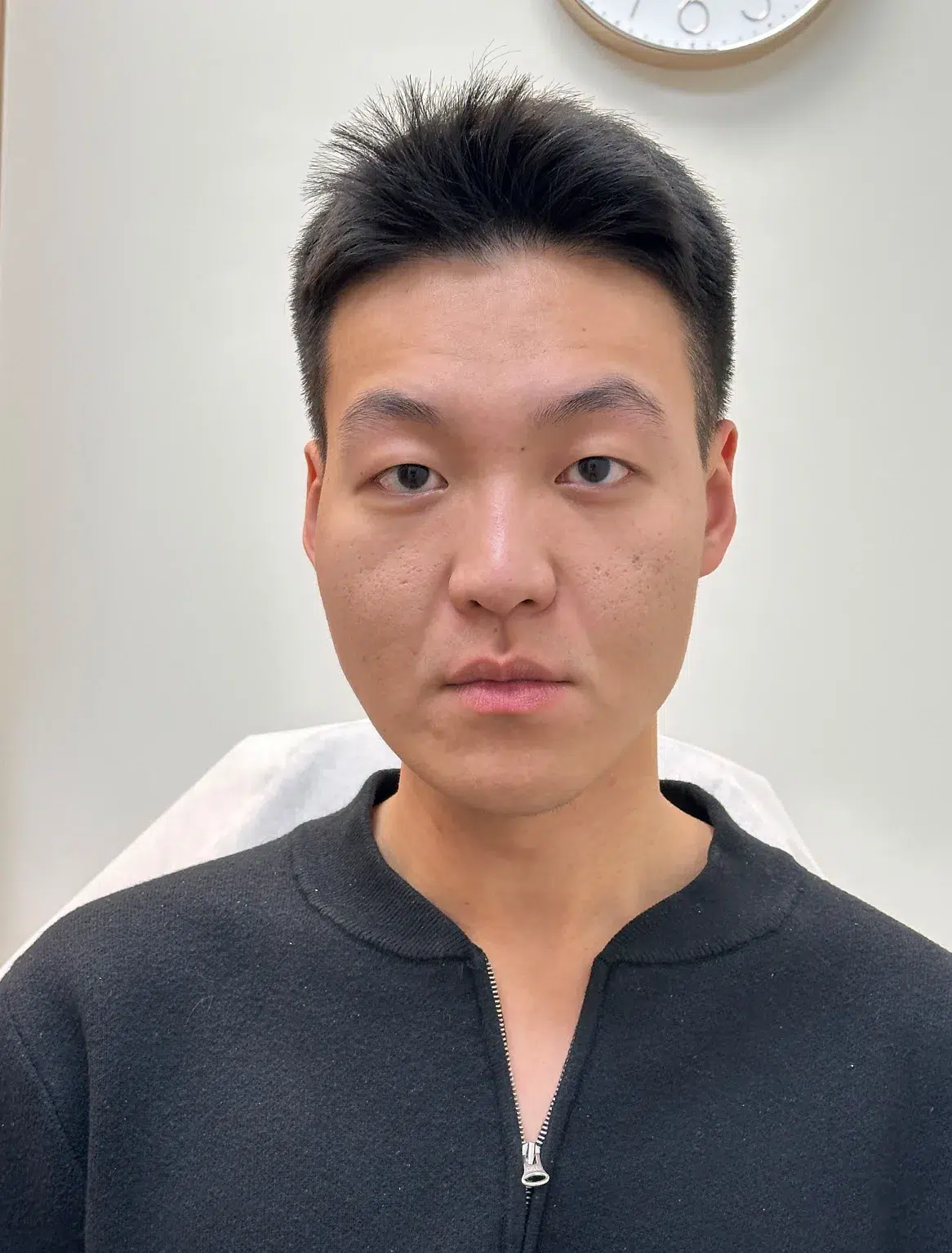
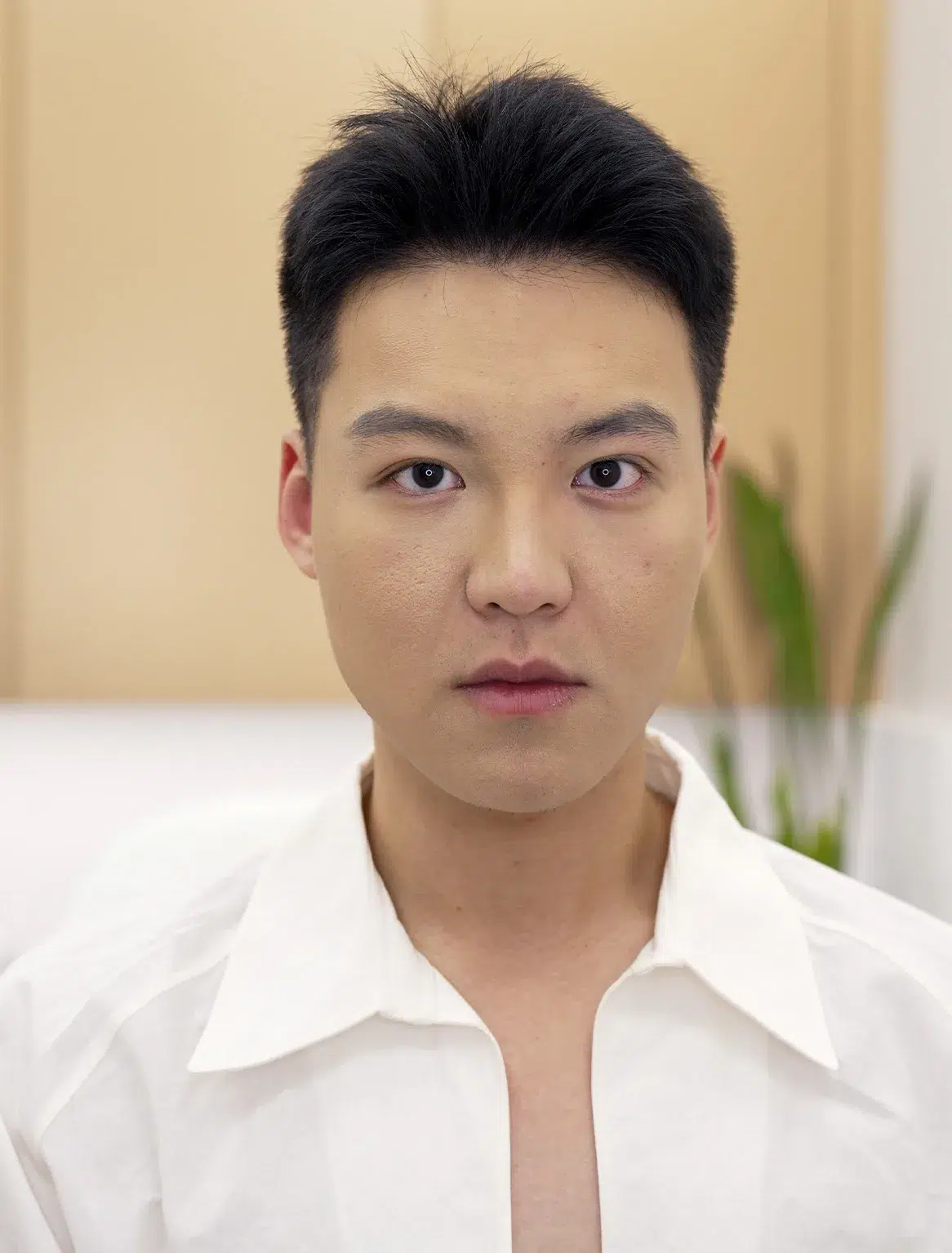
Case 2 · Facial Redness & Visible Vessels — Documented Results
- Patient Profile
- Asian Female · Fitzpatrick IV · Duration: approx. 3–5 years
- concern / chief complaint
- Facial Redness & Visible Capillaries (Comprehensive Improvement with Multimodal Combination Protocol)
- Treatment plan
- Fotona® redness-reduction laser + vascular laser + Vbeam® pulsed-dye laser + Vbeam® diffuse redness treatment, and 12 other options (single session)
- improvement outcomes
- Significant improvement in facial redness and visible vessels · results look natural
- post-inflammatory hyperpigmentation (PIH)
- No PIH
- maintenance
- Sofwave/Ultherapy 18-24 Monthly maintenance + at-home care
Case 02: Facial Redness & Broken Capillaries — Before & After · Asian Female · Fitzpatrick IV · Duration approx. 3–5 years · Multimodal treatment protocol led by our physician at Luowei Medical Aesthetics Clinic, Nanjing
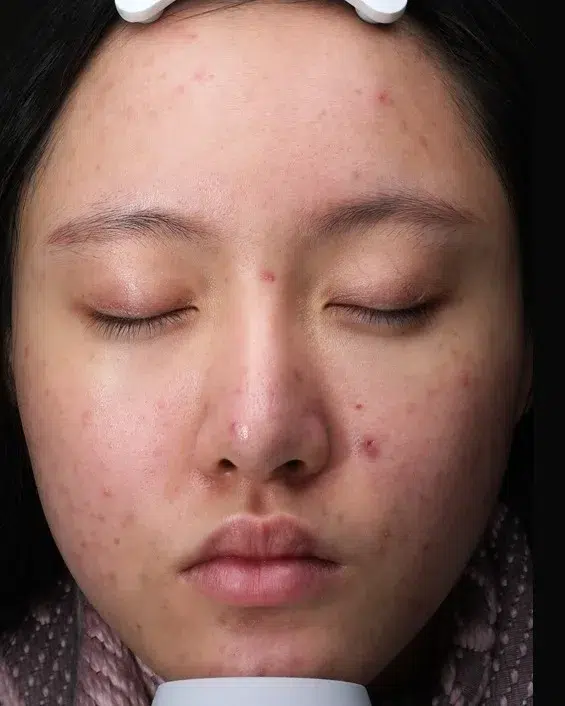
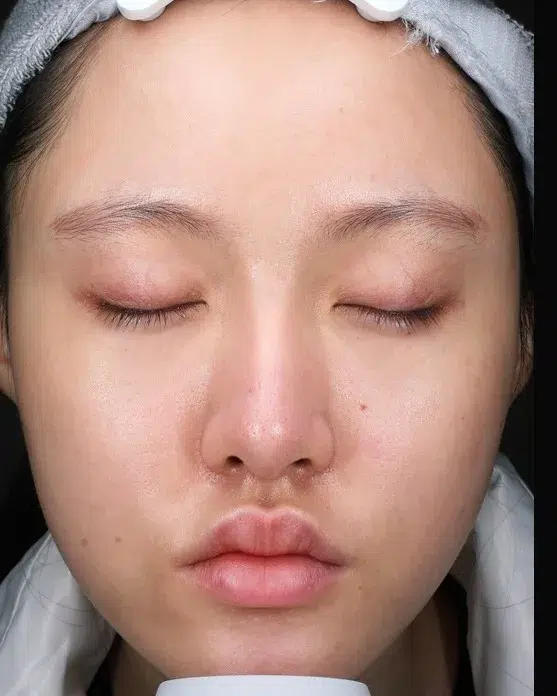
Case 5 · Facial Redness & Visible Vessels — Real Clinical Record
- Patient Profile
- Asian Female · Fitzpatrick IV
- concern / chief complaint
- Facial Redness & Visible Capillaries (Comprehensive Improvement with Multimodal Combination Protocol)
- Treatment plan
- Vbeam®Redness reduction + Vbeam® sensitive skin repair + Vbeam® vascular treatment + Genius™ and 3 additional treatments (multiple sessions within 3 months)
- improvement outcomes
- Significant improvement in facial redness and visible vessels · results look natural
- post-inflammatory hyperpigmentation (PIH)
- No PIH
- maintenance
- Consistent sun protection + monthly home care + quarterly clinical review
Case 05: Facial Redness & Visible Vessels — Before & After · Asian Female · Fitzpatrick IV · Multimodal combination protocol led by our physician at Luowei Medical Aesthetics Clinic, Nanjing
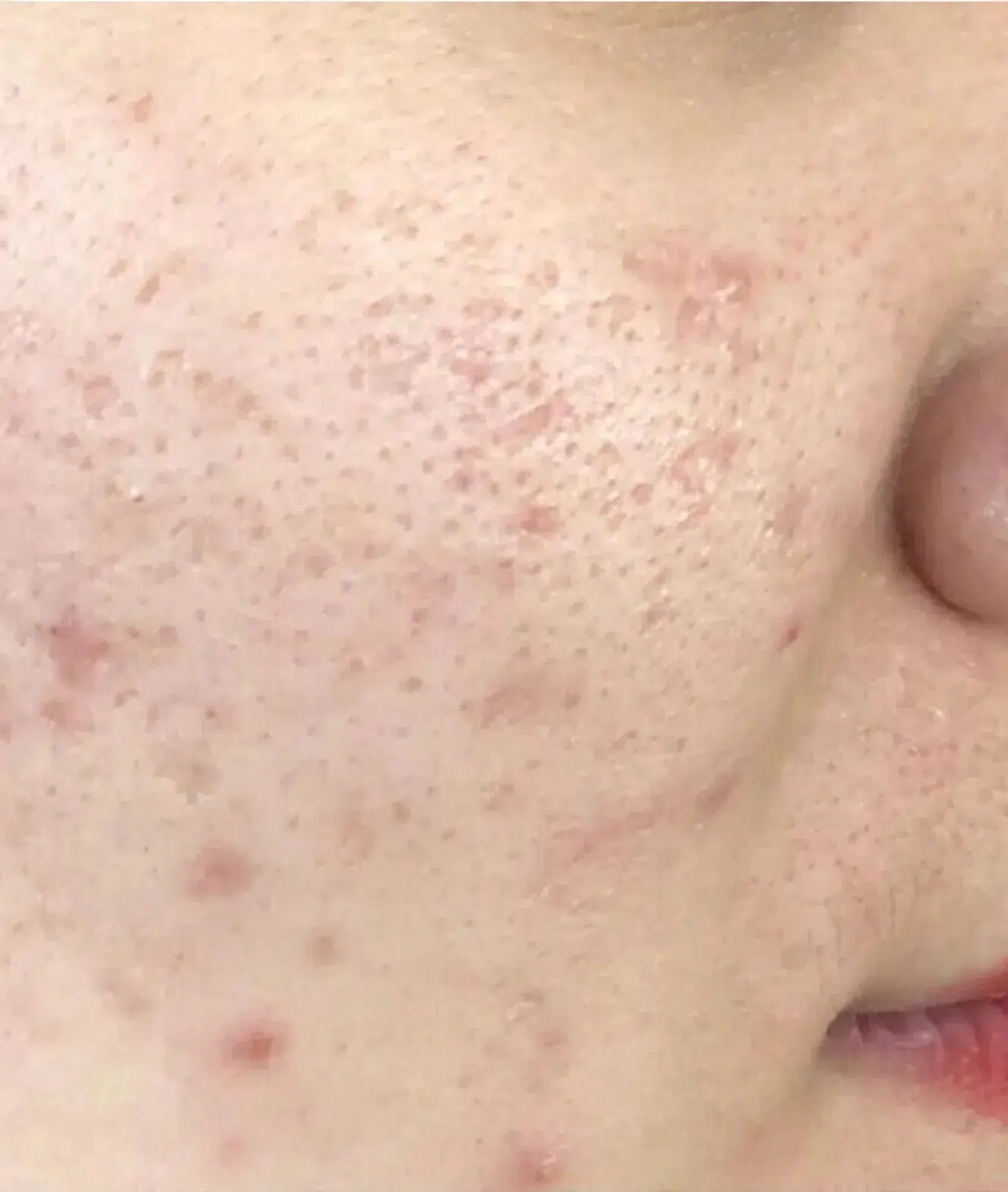
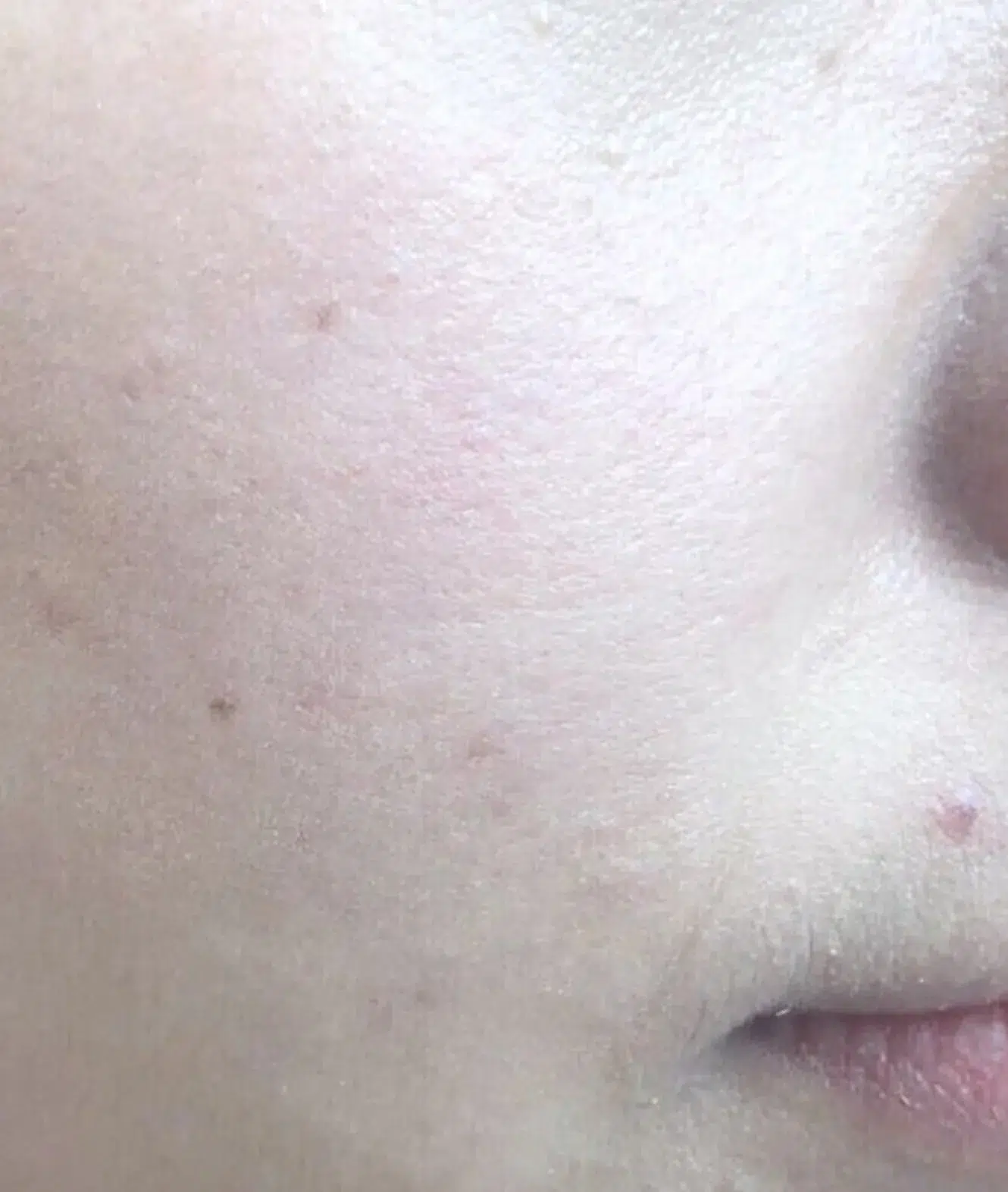
Case 5 · Facial Redness & Visible Vessels — Real Clinical Record
- Patient Profile
- Asian Female · Fitzpatrick I
- concern / chief complaint
- Facial Redness & Visible Capillaries (Comprehensive Improvement with Multimodal Combination Protocol)
- Treatment plan
- Skin Clearing & Acne: AI BBL HEROIC™ + AI BBL HEROIC™ Redness Repair + LUMECCA IPL + M22® IPL, and 19 other options (multiple sessions within 3 months)
- improvement outcomes
- Significant improvement in facial redness and visible vessels · results look natural
- post-inflammatory hyperpigmentation (PIH)
- No PIH
- maintenance
- Hydrafacial/Monthly skin booster × 1 + sun protection
Case 05: Facial Redness & Visible Vessels — Before & After · Asian Female · Fitzpatrick I · Multimodal combination protocol led by our physician at Luowei Medical Aesthetics Clinic, Nanjing
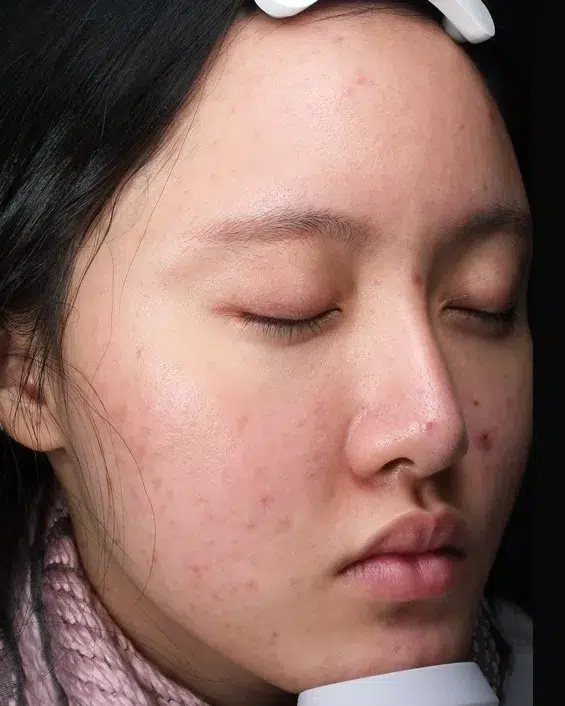
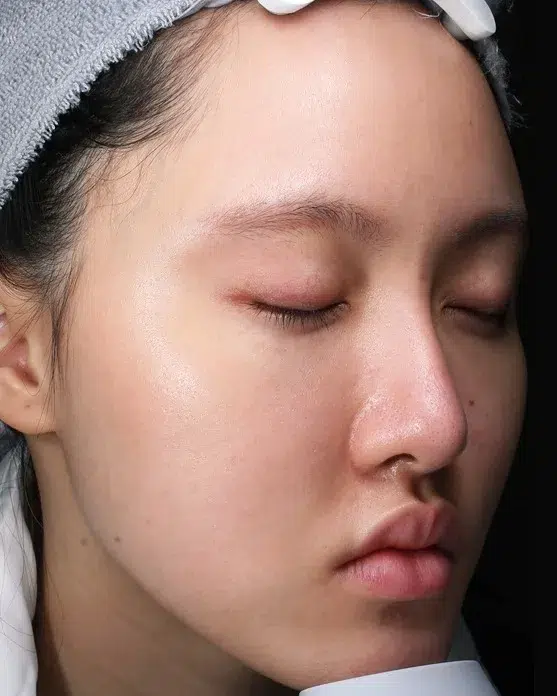
Case 6 · Facial Redness & Visible Vessels — Documented Results
- Patient Profile
- Asian Female · Fitzpatrick IV
- concern / chief complaint
- Facial Redness & Visible Capillaries (Comprehensive Improvement with Multimodal Combination Protocol)
- Treatment plan
- Vbeam®Redness reduction + Vbeam® sensitive skin repair (multiple sessions within 3 months)
- improvement outcomes
- Significant improvement in facial redness and visible vessels · results look natural
- post-inflammatory hyperpigmentation (PIH)
- No PIH
- maintenance
- Consistent sun protection + monthly home care + quarterly clinical review
Case 06: Facial Redness & Visible Vessels — Before & After · Asian Female · Fitzpatrick IV · Multimodal combination protocol led by our physician at Luowei Medical Aesthetics Clinic, Nanjing
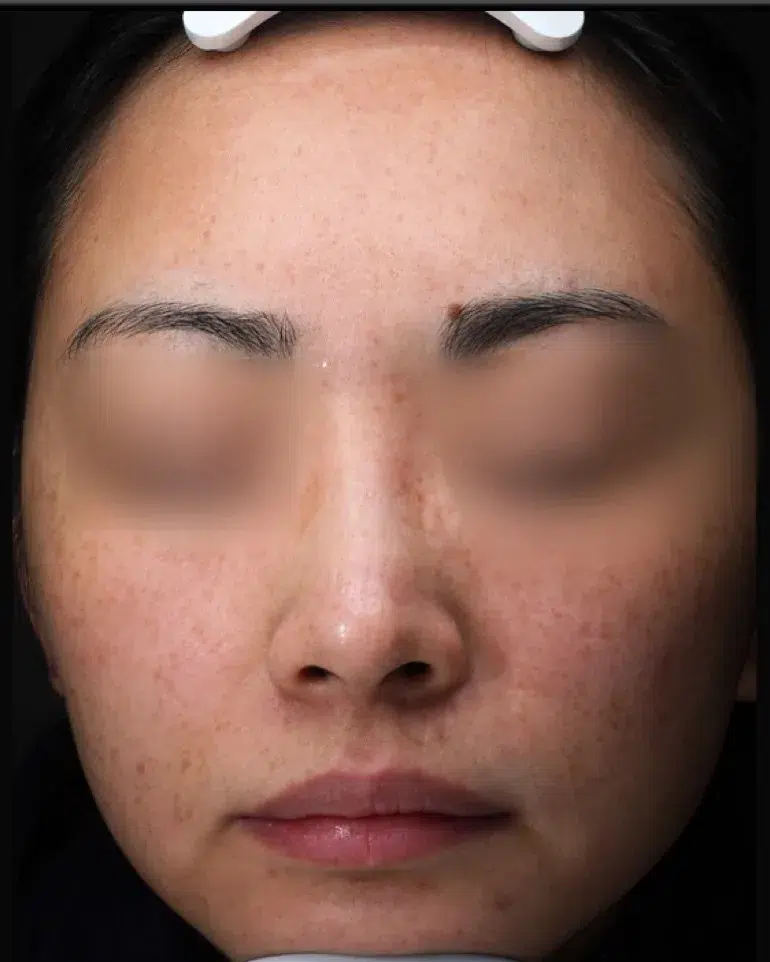
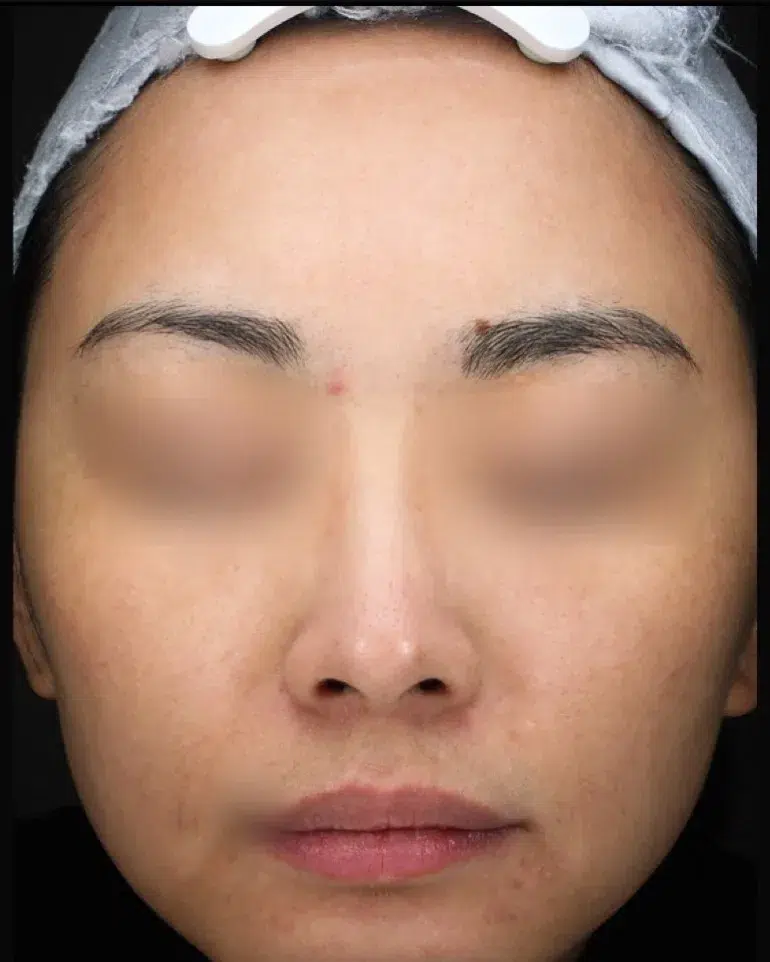
Case 7 · Facial Redness & Visible Capillaries — Authentic Clinical Record
- Patient Profile
- Asian Female · Fitzpatrick IV · Duration: Long-Term
- concern / chief complaint
- Facial Redness & Visible Capillaries (Comprehensive Improvement with Multimodal Combination Protocol)
- Treatment plan
- PicoSure® + PicoSure Pro® + PicoWay® + Vbeam® Perfecta, and 5 other options (1–2 sessions)
- improvement outcomes
- Significant improvement in facial redness and visible vessels · results look natural
- post-inflammatory hyperpigmentation (PIH)
- No PIH
- maintenance
- Consistent sun protection + monthly home care + quarterly clinical review
Case 07: Facial Redness & Visible Vessels — Before & After · Asian Female · Fitzpatrick IV · Duration: Long-Term · Multimodal combination protocol led by our physician at Luowei Medical Aesthetics Clinic, Nanjing
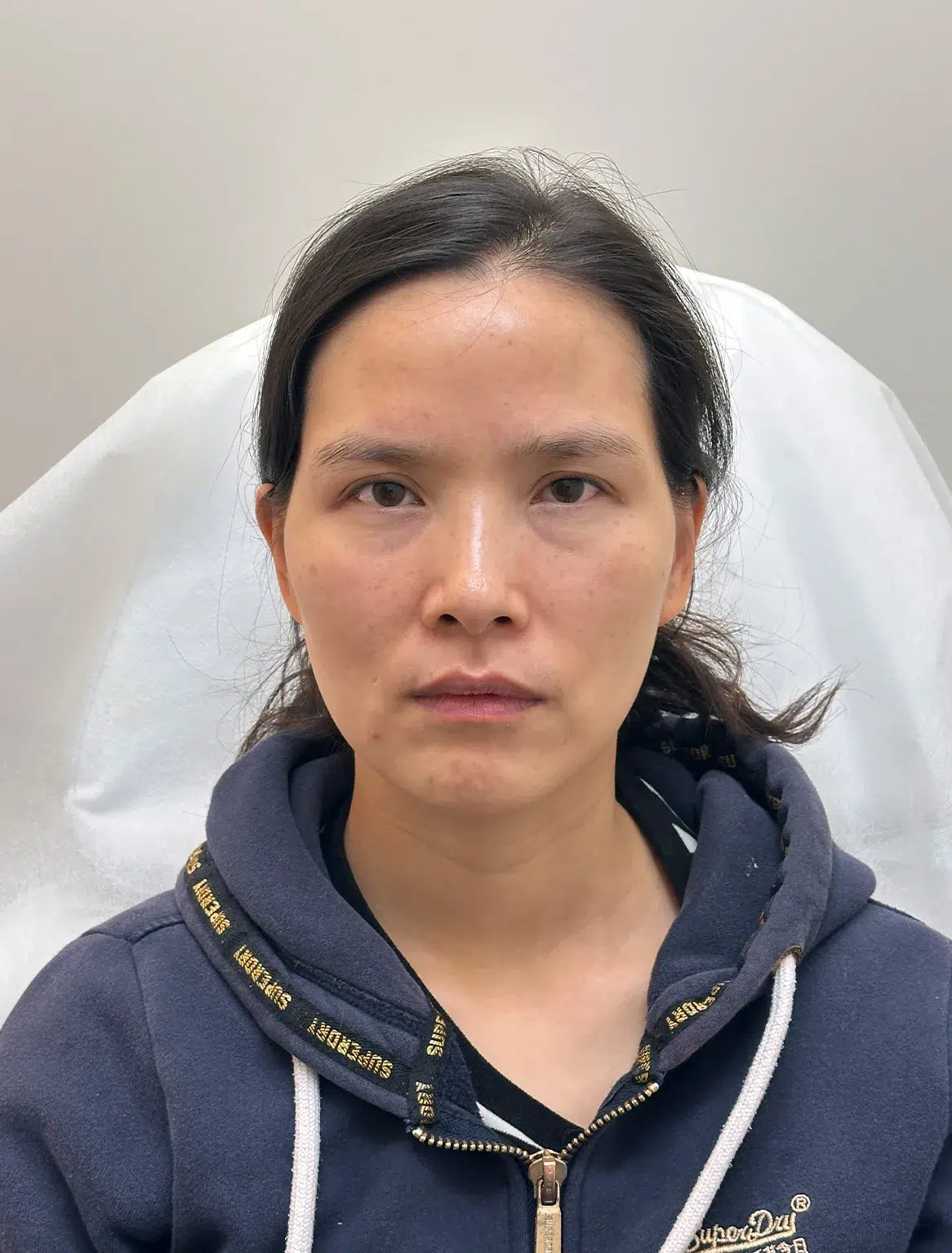
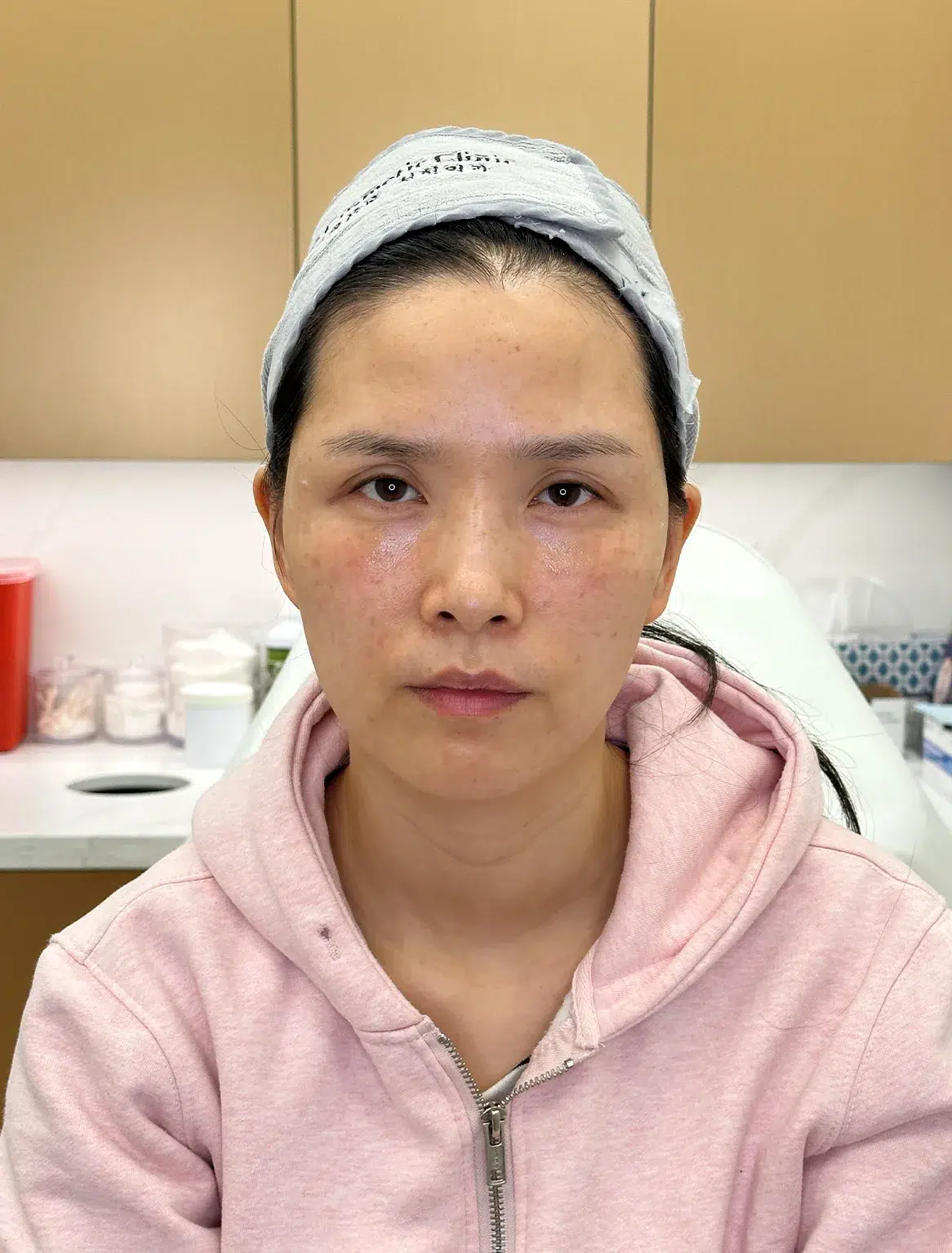
Case 7 · Facial Redness & Visible Capillaries — Authentic Clinical Record
- Patient Profile
- Asian Female · Fitzpatrick I · Duration: approx. 2–3 years
- concern / chief complaint
- Facial Redness & Visible Capillaries (Comprehensive Improvement with Multimodal Combination Protocol)
- Treatment plan
- Juvéderm® / Restylane® filler + periocular rejuvenation injections (multiple sessions within 3 months)
- improvement outcomes
- Significant improvement in facial redness and visible vessels · results look natural
- post-inflammatory hyperpigmentation (PIH)
- No PIH
- maintenance
- Follow-up at 6–12 months · repeat treatment if needed + home eye cream for maintenance
Case 07: Facial Redness & Visible Vessels — Before & After · Asian Female · Fitzpatrick I · Duration: ~2–3 Years · Multimodal combination protocol led by our physician at Luowei Medical Aesthetics Clinic, Nanjing
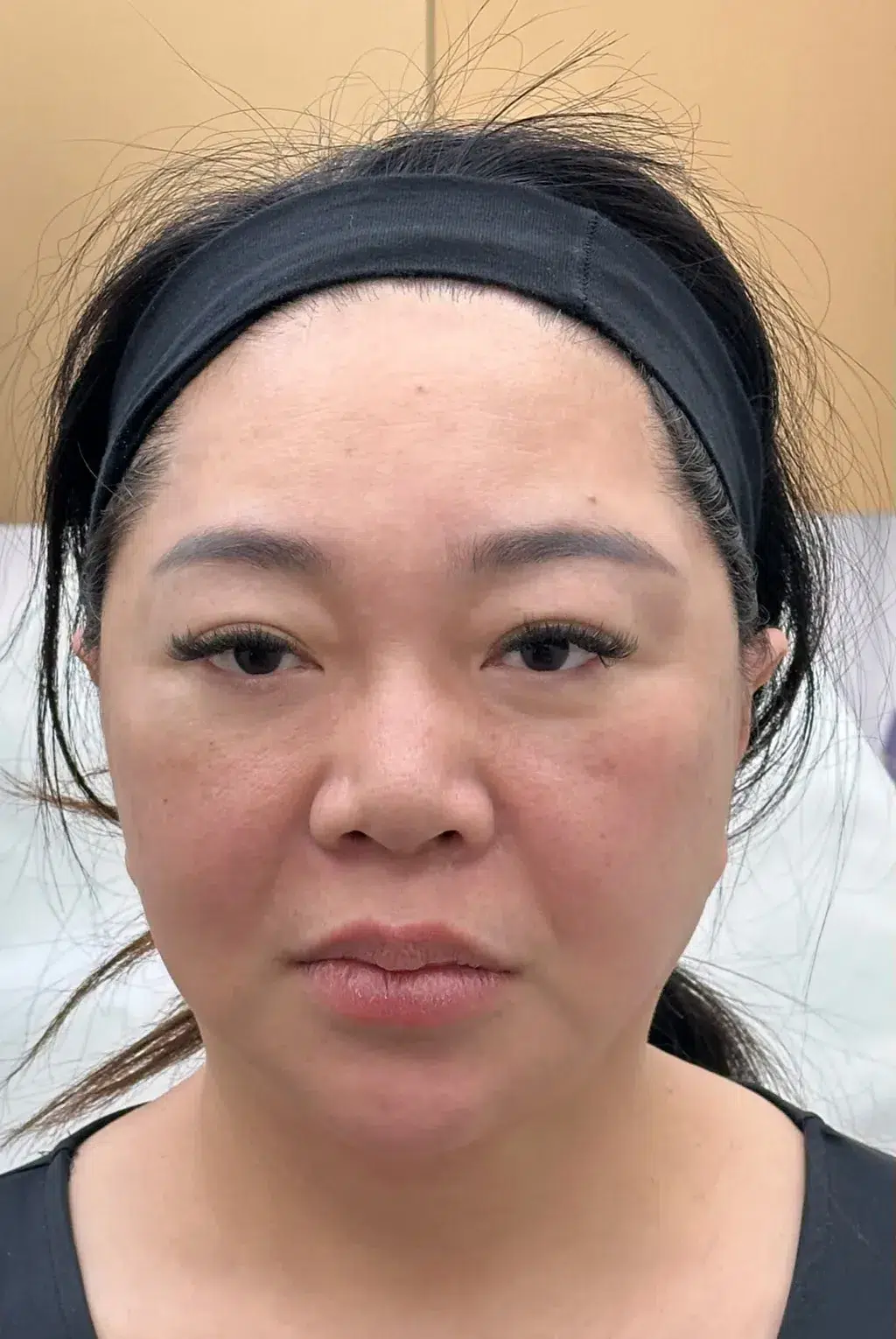
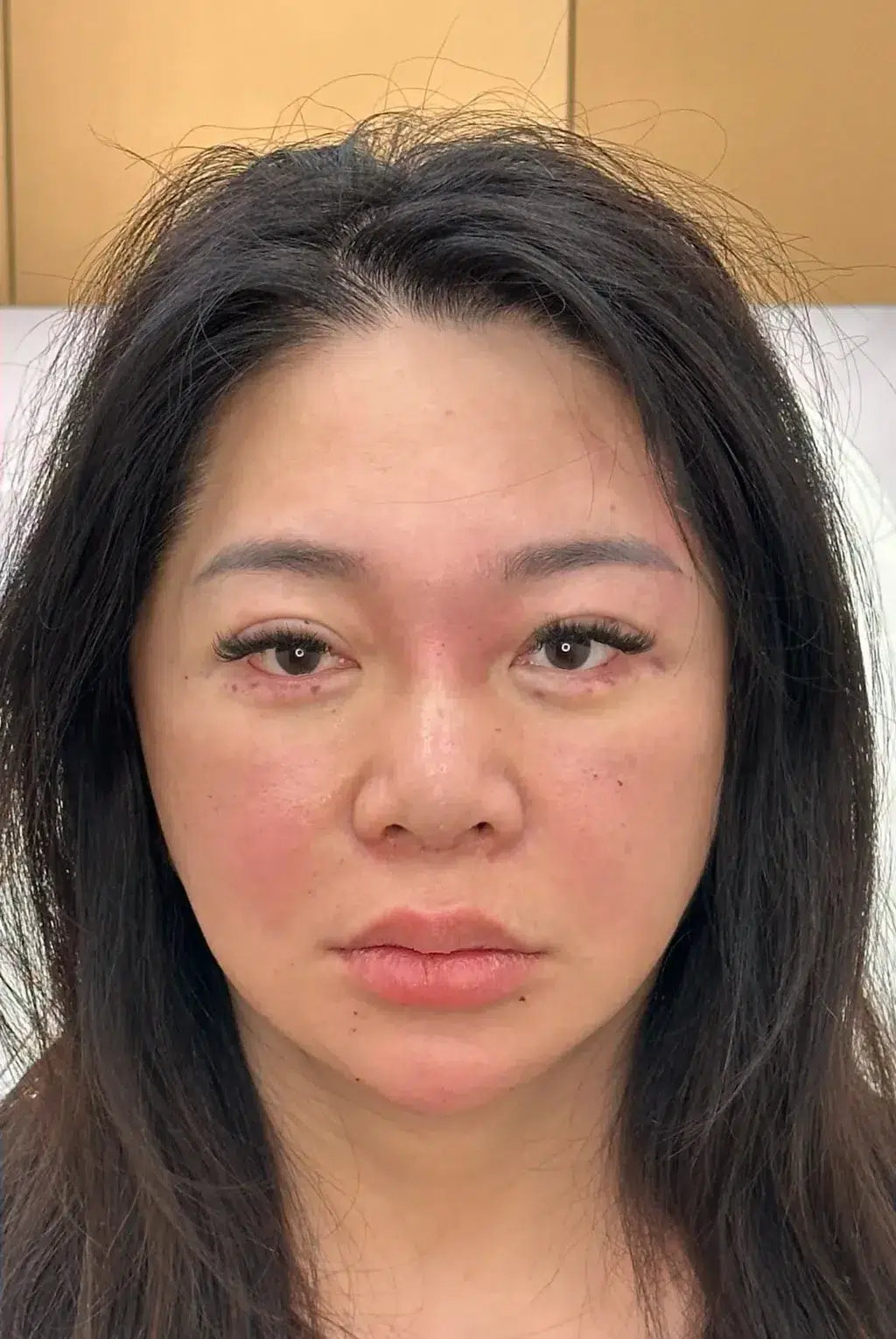
Case 8 · Facial Redness & Broken Capillaries — Real Patient Record
- Patient Profile
- Asian Female · Fitzpatrick I · Duration: approx. 2–3 years
- concern / chief complaint
- Facial Redness & Visible Capillaries (Comprehensive Improvement with Multimodal Combination Protocol)
- Treatment plan
- Juvéderm® / Restylane® filler + periocular rejuvenation injections (multiple sessions within 3 months)
- improvement outcomes
- Significant improvement in facial redness and visible vessels · results look natural
- post-inflammatory hyperpigmentation (PIH)
- No PIH
- maintenance
- Follow-up at 6–12 months · repeat treatment if needed + home eye cream for maintenance
Case 08: Facial Redness & Visible Capillaries — Before & After · Asian Female · Fitzpatrick I · Duration: approx. 2–3 years · Multimodal combination protocol led by our physician at Luowei Medical Aesthetics Clinic, Nanjing
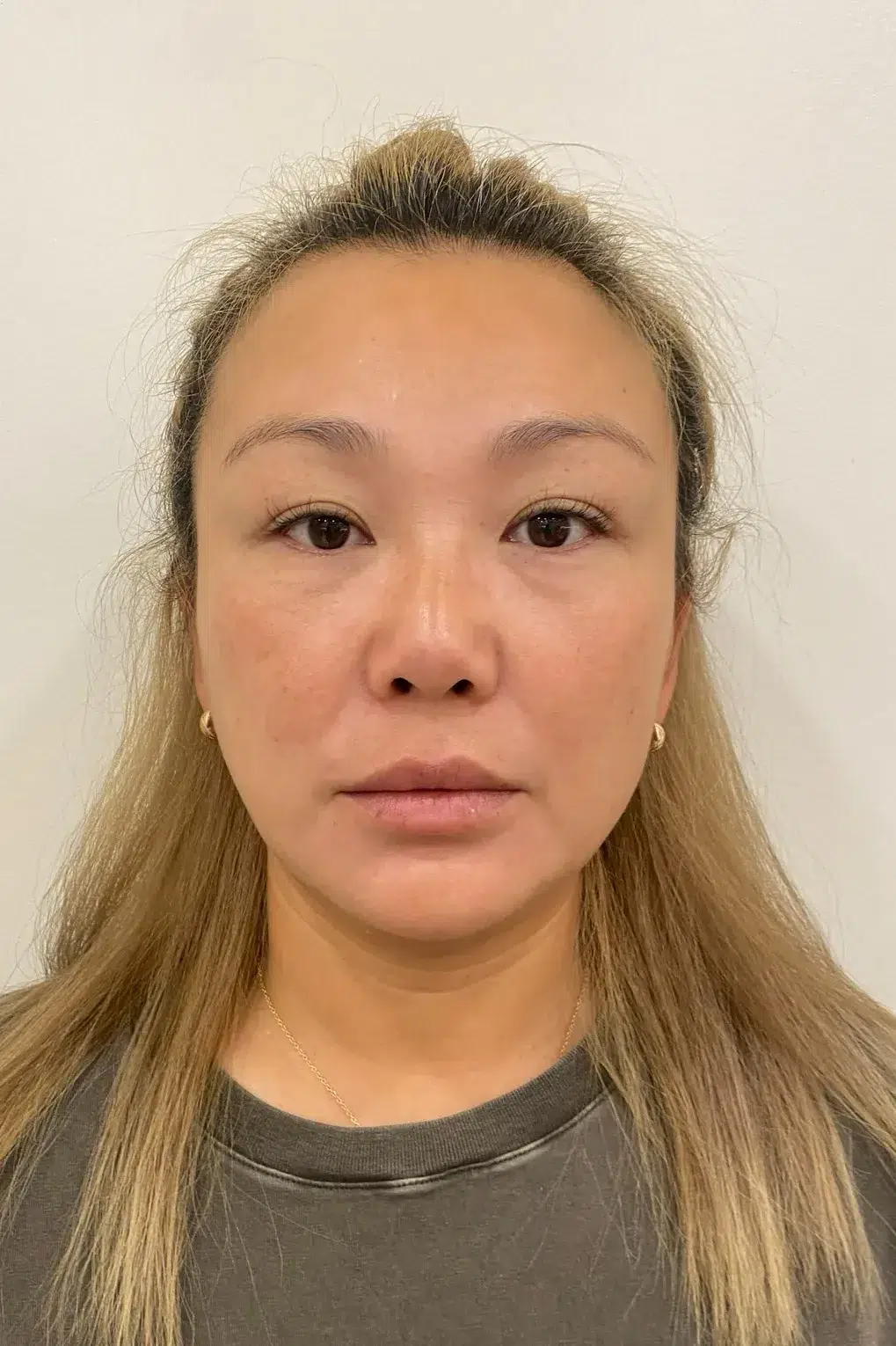
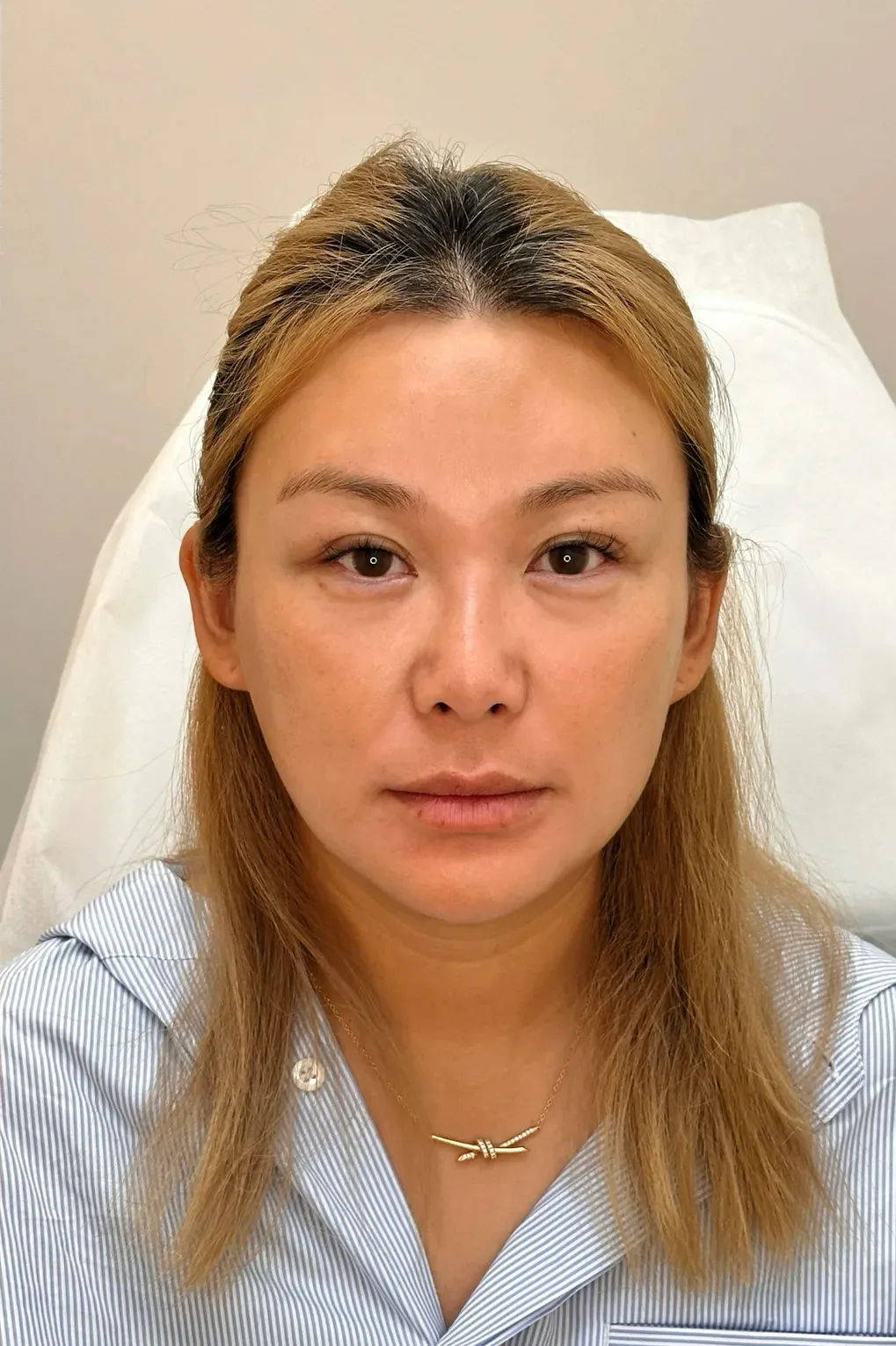
Case 8 · Facial Redness & Broken Capillaries — Real Patient Record
- Patient Profile
- Asian Female · Fitzpatrick I · Duration: approx. 2–3 years
- concern / chief complaint
- Facial Redness & Visible Capillaries (Comprehensive Improvement with Multimodal Combination Protocol)
- Treatment plan
- Juvéderm® / Restylane® filler + periocular rejuvenation injections (multiple sessions within 3 months)
- improvement outcomes
- Significant improvement in facial redness and visible vessels · results look natural
- post-inflammatory hyperpigmentation (PIH)
- No PIH
- maintenance
- Follow-up at 6–12 months · repeat treatment if needed + home eye cream for maintenance
Case 08: Facial Redness & Visible Capillaries — Before & After · Asian Female · Fitzpatrick I · Duration: approx. 2–3 years · Multimodal combination protocol led by our physician at Luowei Medical Aesthetics Clinic, Nanjing
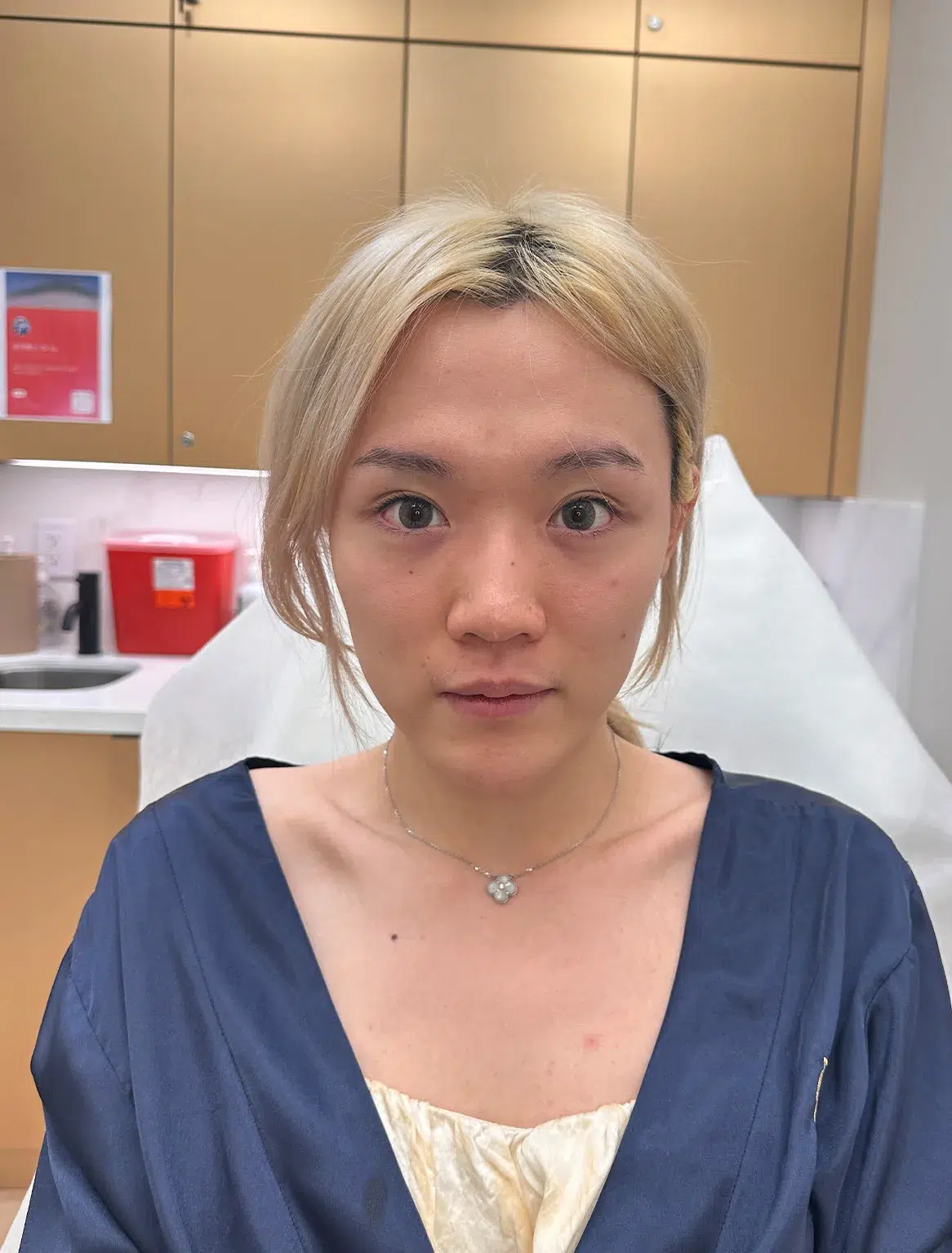
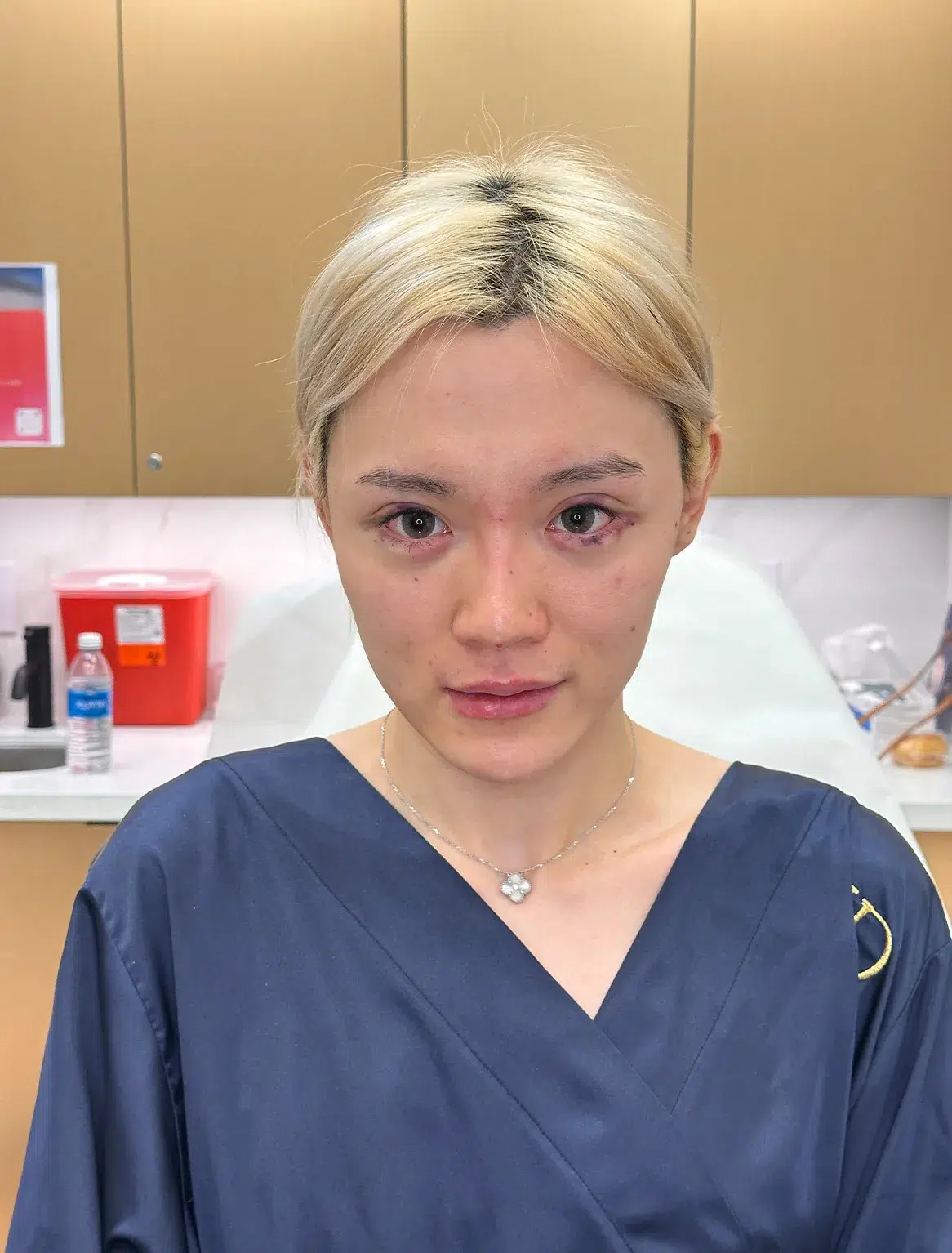
Case 9 · Facial Redness & Visible Vessels — Real Clinical Record
- Patient Profile
- Asian Male · Fitzpatrick I · Duration approx. 2–3 years
- concern / chief complaint
- Facial Redness & Visible Capillaries (Comprehensive Improvement with Multimodal Combination Protocol)
- Treatment plan
- Juvéderm® / Restylane® filler + periocular rejuvenation injections (multiple sessions within 3 months)
- improvement outcomes
- Significant improvement in facial redness and visible vessels · results look natural
- post-inflammatory hyperpigmentation (PIH)
- No PIH
- maintenance
- Follow-up at 6–12 months · repeat treatment if needed + home eye cream for maintenance
Case 09: Facial Redness & Visible Vessels — Before & After · Asian Male · Fitzpatrick I · Duration: ~2–3 years · Multimodal combination protocol led by our physician at Luowei Medical Aesthetics Clinic, Nanjing
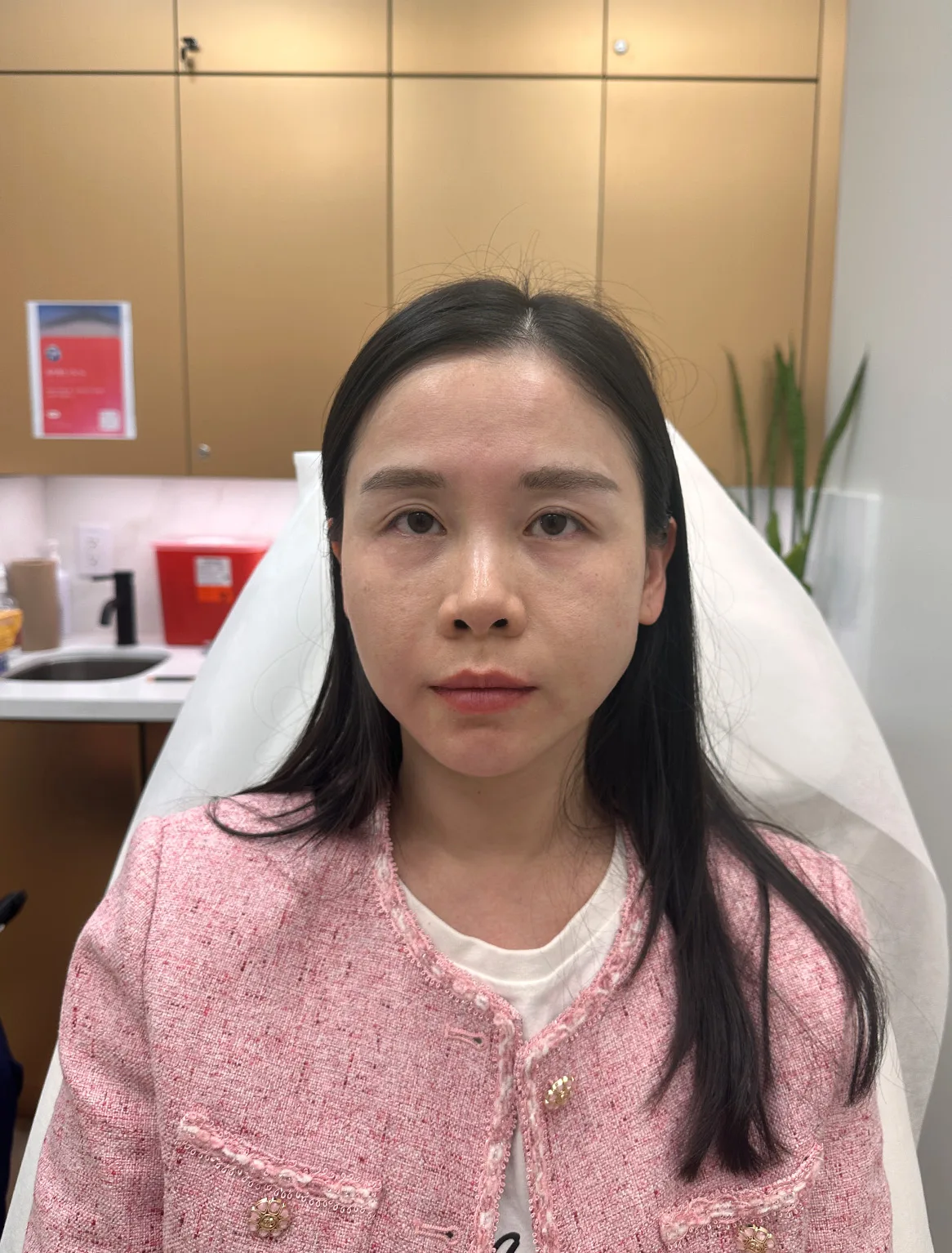
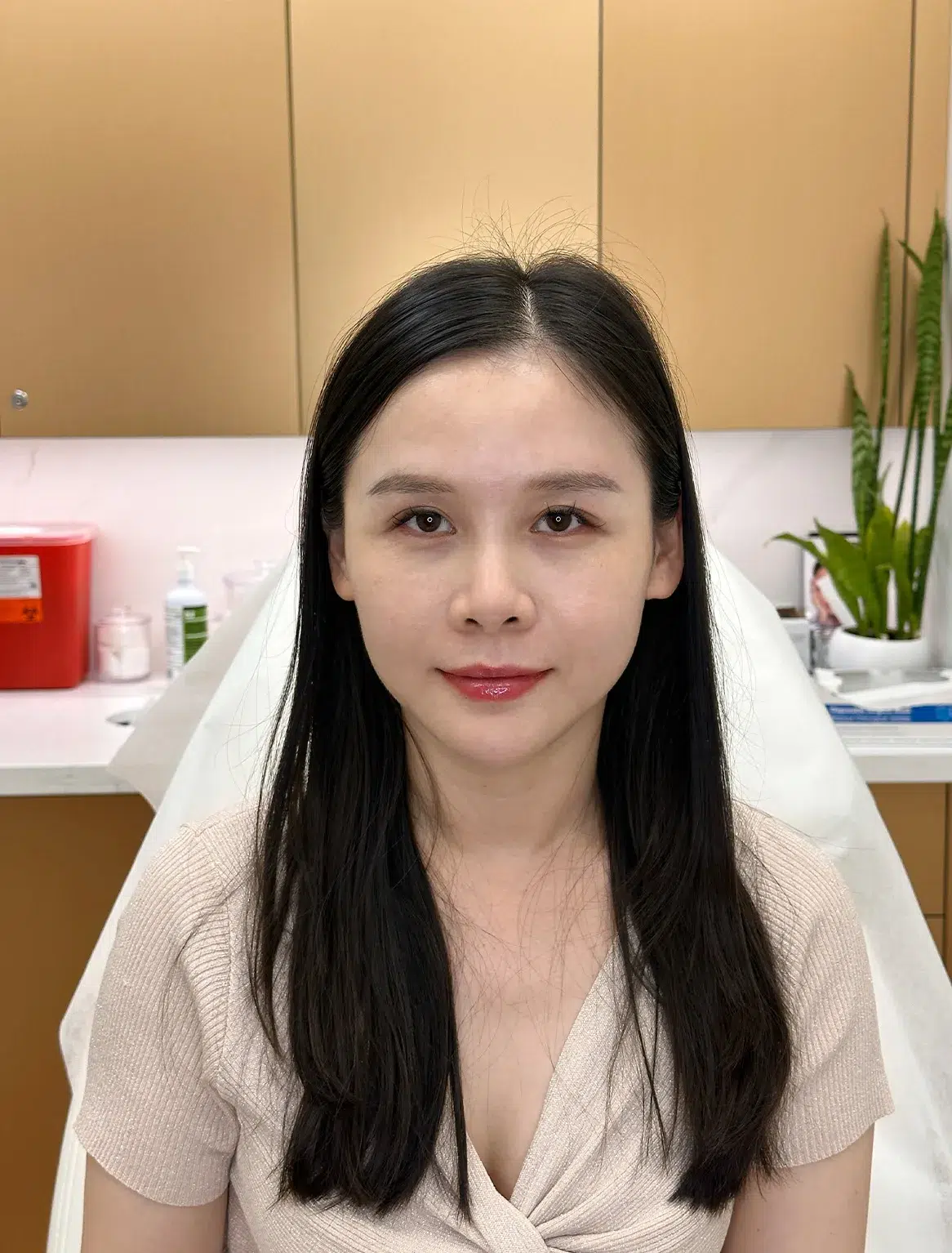
Case 9 · Facial Redness & Visible Vessels — Real Clinical Record
- Patient Profile
- Asian Female · Fitzpatrick I · Duration: approx. 2–3 years
- concern / chief complaint
- Facial Redness & Visible Capillaries (Comprehensive Improvement with Multimodal Combination Protocol)
- Treatment plan
- Juvéderm® / Restylane® filler + periocular rejuvenation injections (multiple sessions within 3 months)
- improvement outcomes
- Significant improvement in facial redness and visible vessels · results look natural
- post-inflammatory hyperpigmentation (PIH)
- No PIH
- maintenance
- Follow-up at 6–12 months · repeat treatment if needed + home eye cream for maintenance
Case 09: Facial Redness & Broken Capillaries — Before & After · Asian Female · Fitzpatrick I · Duration approx. 2–3 years · Multimodal treatment protocol led by our physician at Luowei Medical Aesthetics Clinic, Nanjing
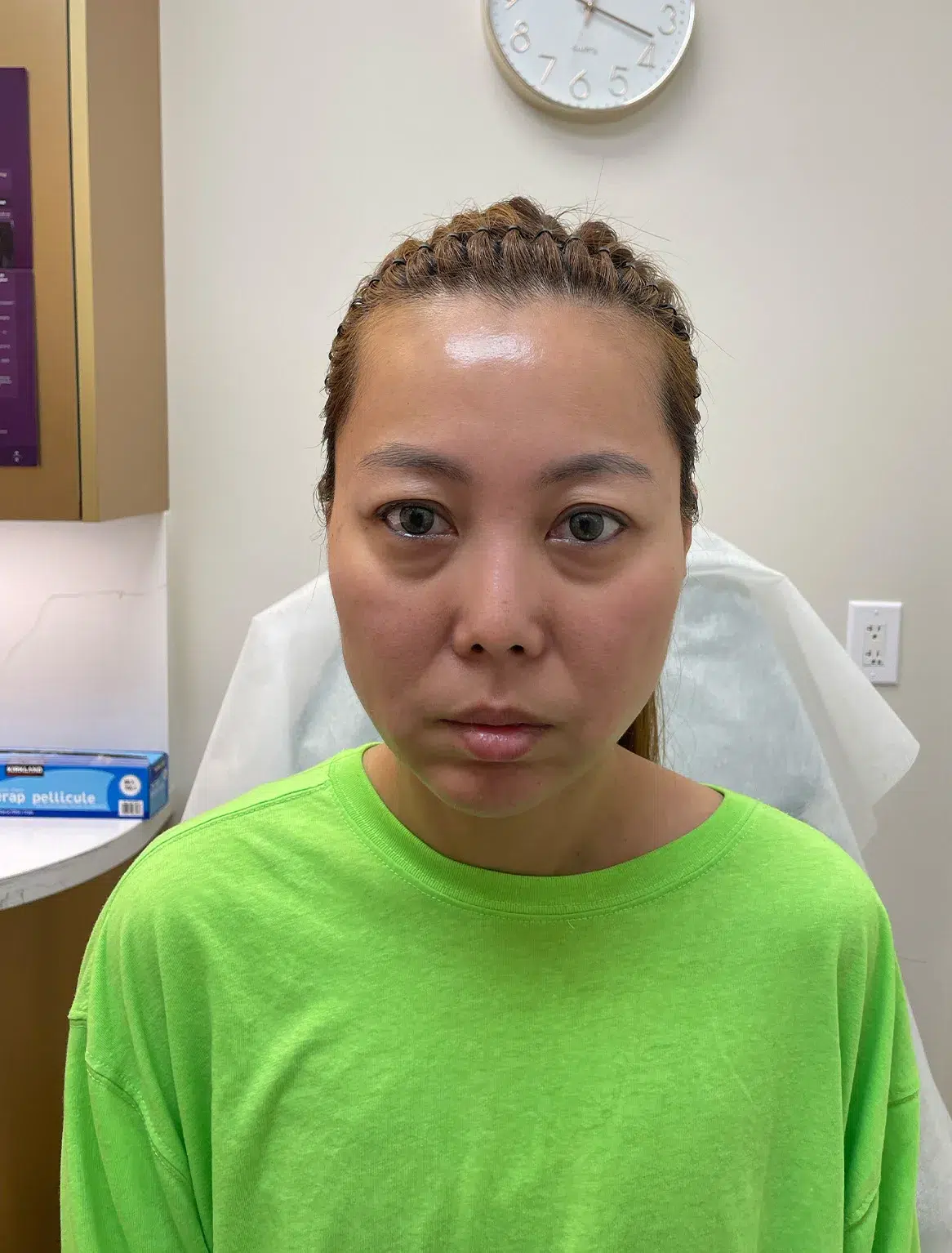
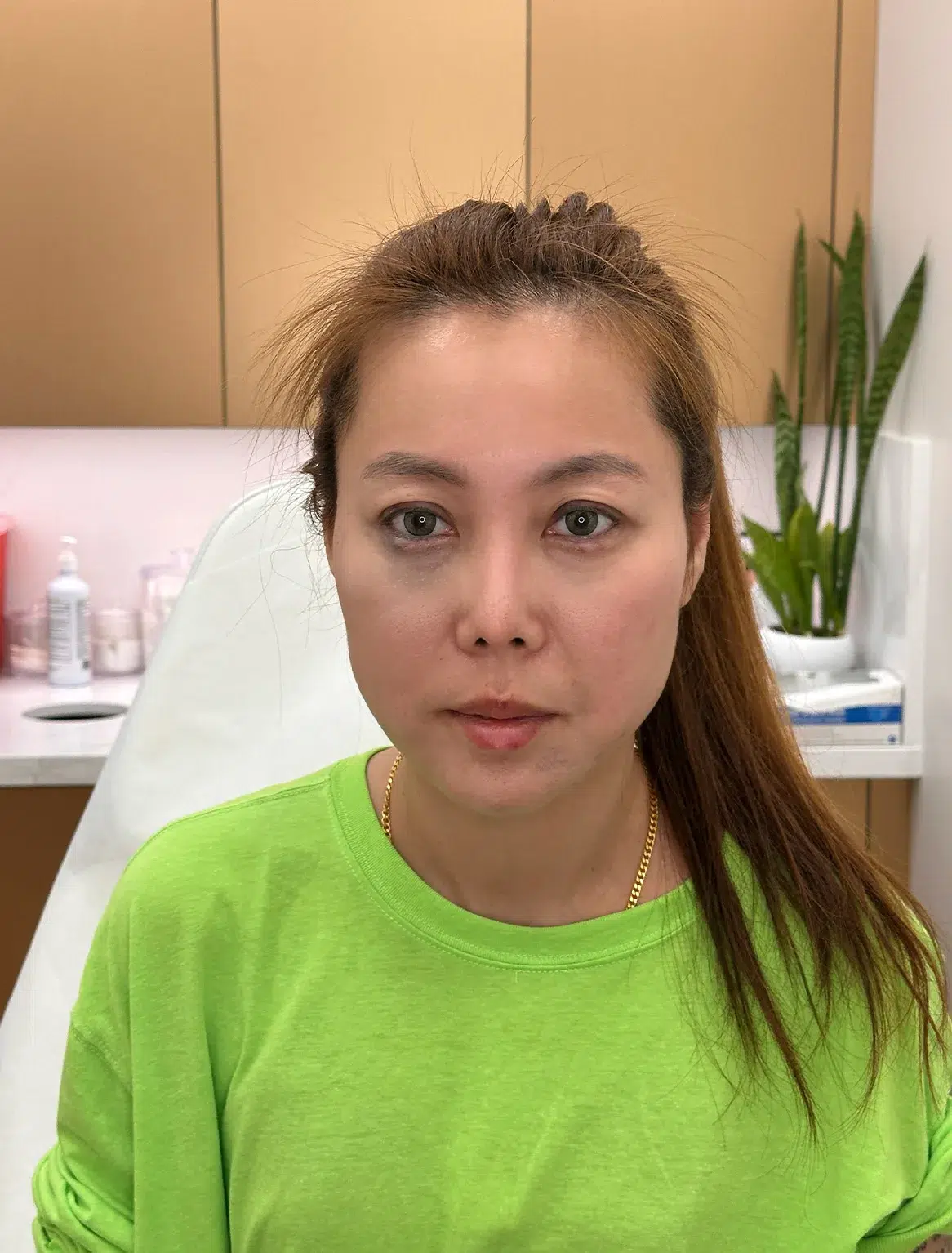
Case 10 · Facial Redness & Visible Vessels — Real Clinical Record
- Patient Profile
- Asian Female · Fitzpatrick I · Duration: approx. 2–3 years
- concern / chief complaint
- Facial Redness & Visible Capillaries (Comprehensive Improvement with Multimodal Combination Protocol)
- Treatment plan
- Juvéderm® / Restylane® filler + periocular rejuvenation injections (multiple sessions within 3 months)
- improvement outcomes
- Significant improvement in facial redness and visible vessels · results look natural
- post-inflammatory hyperpigmentation (PIH)
- No PIH
- maintenance
- Follow-up at 6–12 months · repeat treatment if needed + home eye cream for maintenance
Case 10: Facial Redness & Visible Vessels — Before & After · Asian Female · Fitzpatrick I · Duration: ~2–3 Years · Multimodal combination protocol led by our physician at Luowei Medical Aesthetics Clinic, Nanjing
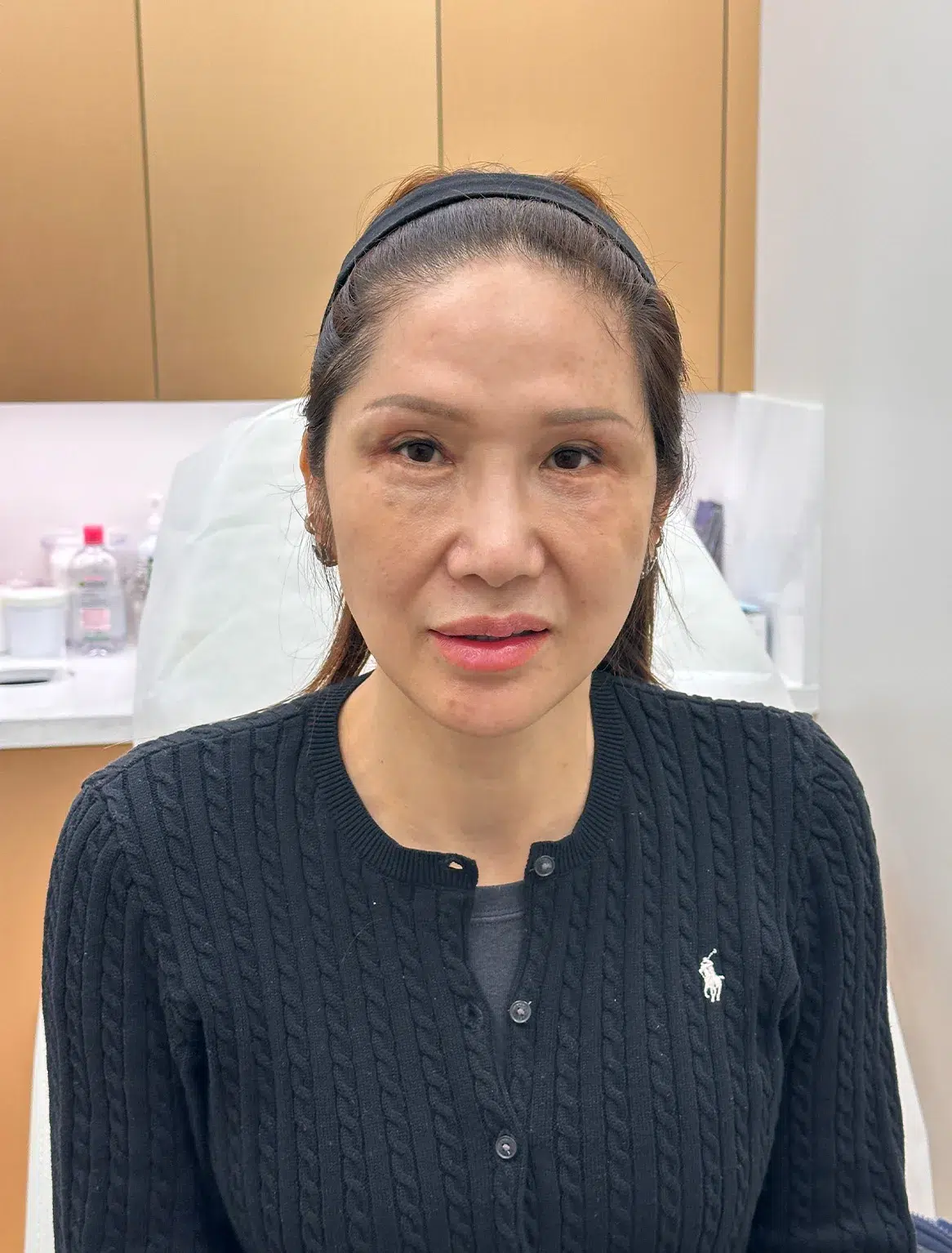
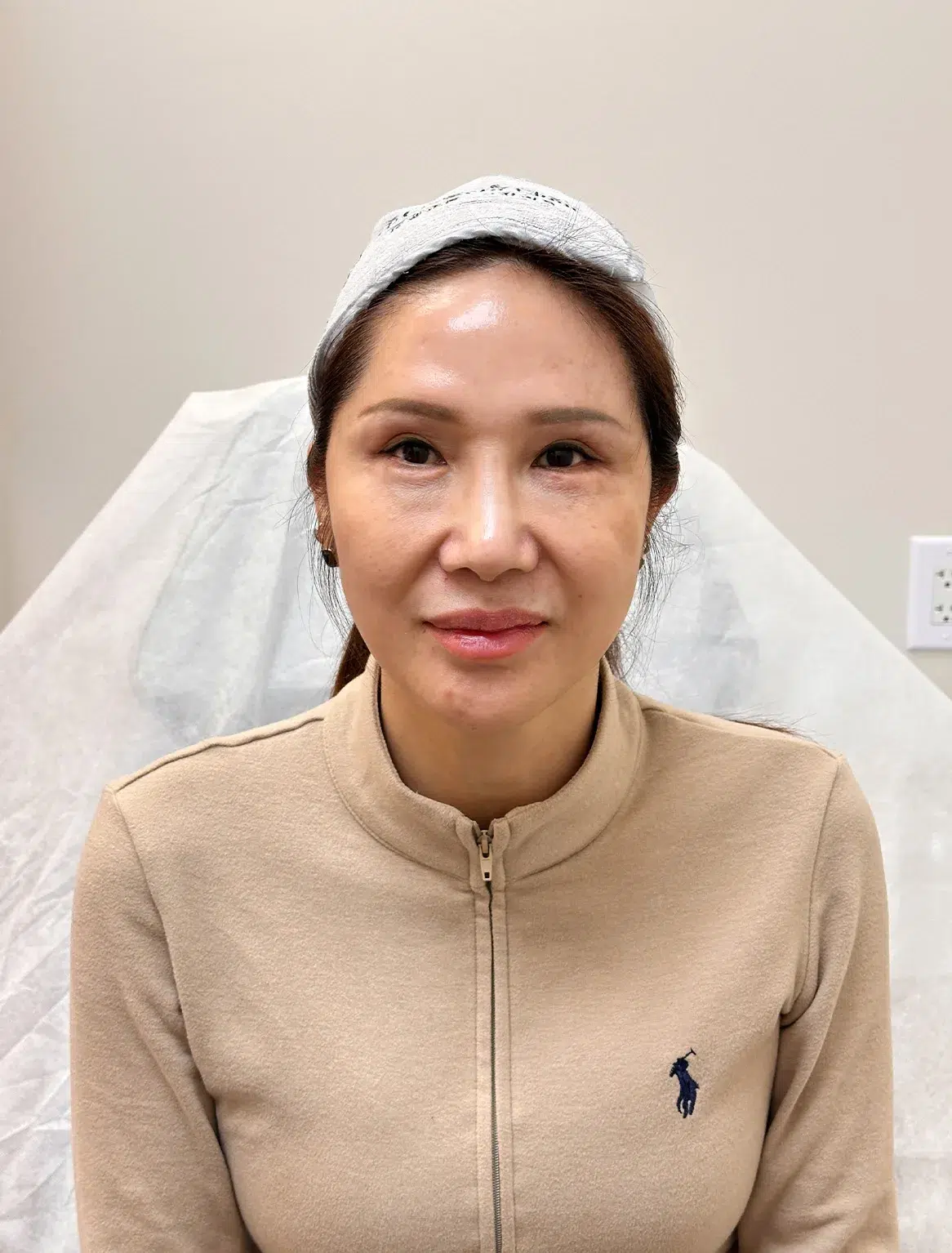
Case 10 · Facial Redness & Visible Vessels — Real Clinical Record
- Patient Profile
- Asian Female · Fitzpatrick I · Duration: approx. 2–3 years
- concern / chief complaint
- Facial Redness & Visible Capillaries (Comprehensive Improvement with Multimodal Combination Protocol)
- Treatment plan
- Juvéderm® / Restylane® filler + periocular rejuvenation injections (multiple sessions within 3 months)
- improvement outcomes
- Significant improvement in facial redness and visible vessels · results look natural
- post-inflammatory hyperpigmentation (PIH)
- No PIH
- maintenance
- Follow-up at 6–12 months · repeat treatment if needed + home eye cream for maintenance
Case 10: Facial Redness & Visible Vessels — Before & After · Asian Female · Fitzpatrick I · Duration: ~2–3 Years · Multimodal combination protocol led by our physician at Luowei Medical Aesthetics Clinic, Nanjing
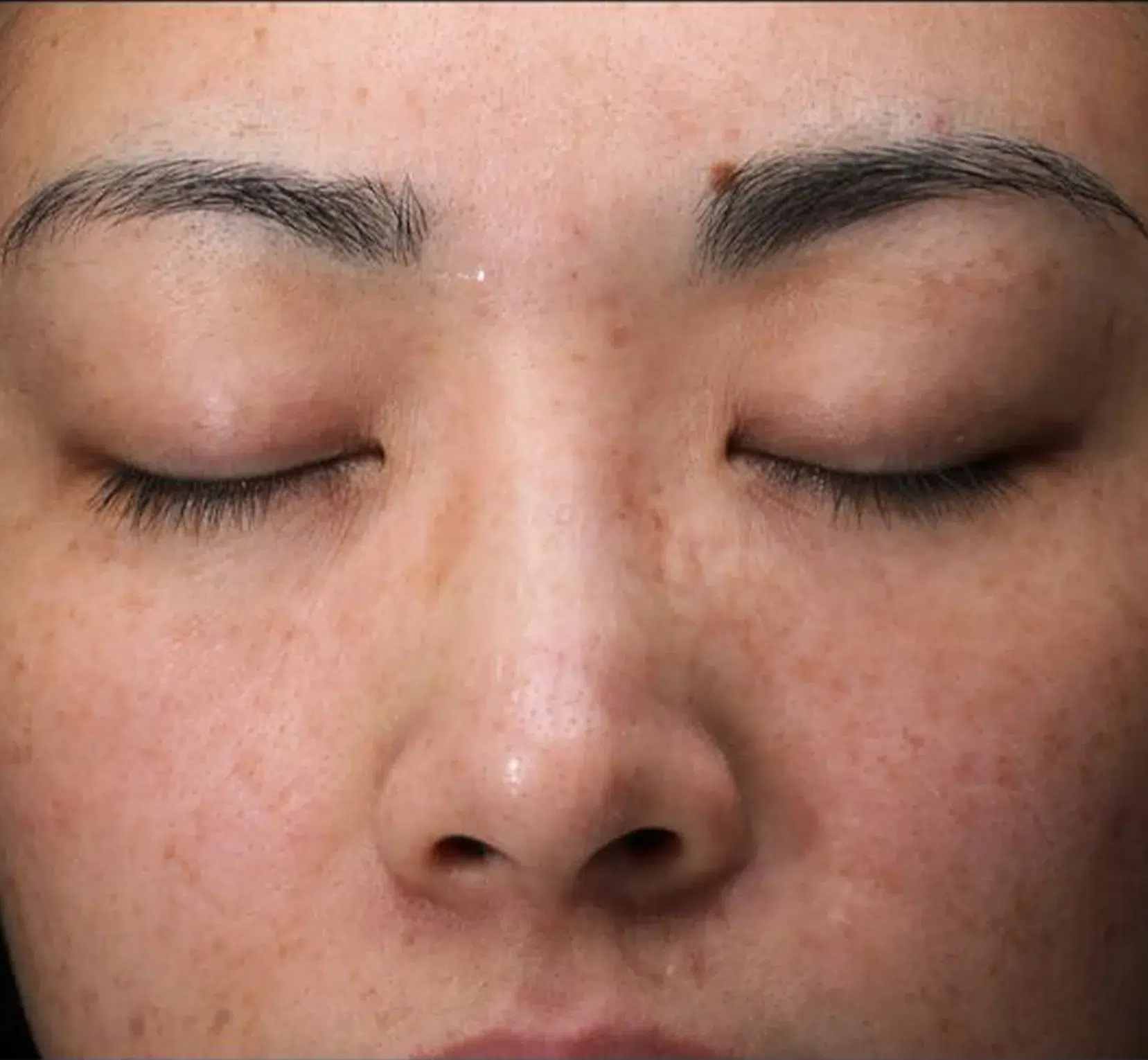
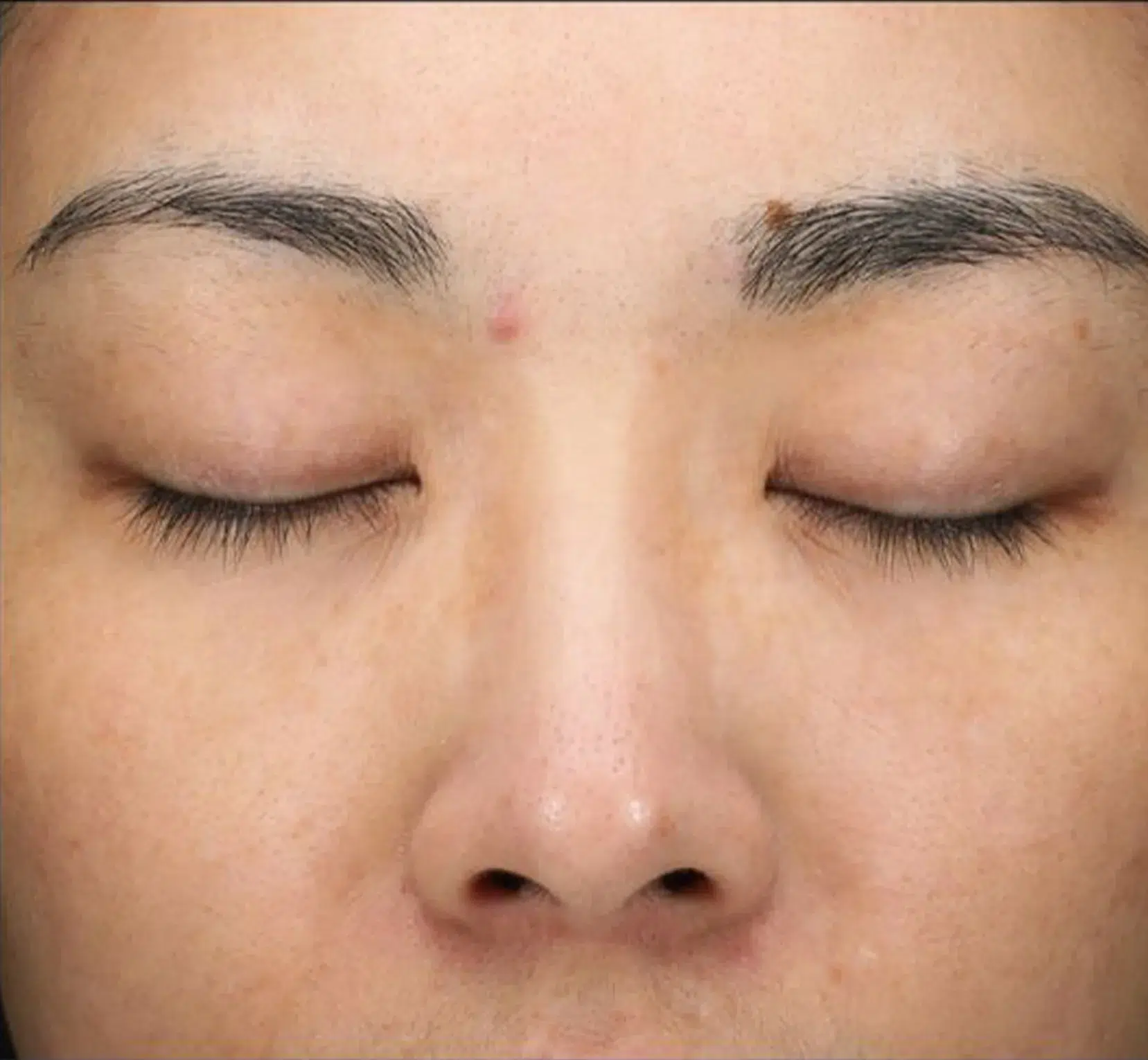
Case 12 · Facial Redness & Visible Vessels — Documented Results
- Patient Profile
- Asian Female · Fitzpatrick IV · Duration: 6–12 Months
- concern / chief complaint
- Facial Redness & Visible Capillaries (Comprehensive Improvement with Multimodal Combination Protocol)
- Treatment plan
- Dual Picosecond Combination Therapy: PicoSure® + PicoSure Pro® + PicoWay®, and 5 other options (3–4 sessions)
- improvement outcomes
- Significant improvement in facial redness and visible vessels · results look natural
- post-inflammatory hyperpigmentation (PIH)
- No PIH
- maintenance
- Mesotherapy Monthly × 3 sessions + at-home retinoid + SPF 50+
Case 12: Facial Redness & Visible Vessels — Before & After · Asian Female · Fitzpatrick IV · Duration: 6–12 months · Multimodal combination protocol led by our physician at Luowei Medical Aesthetics Clinic, Nanjing
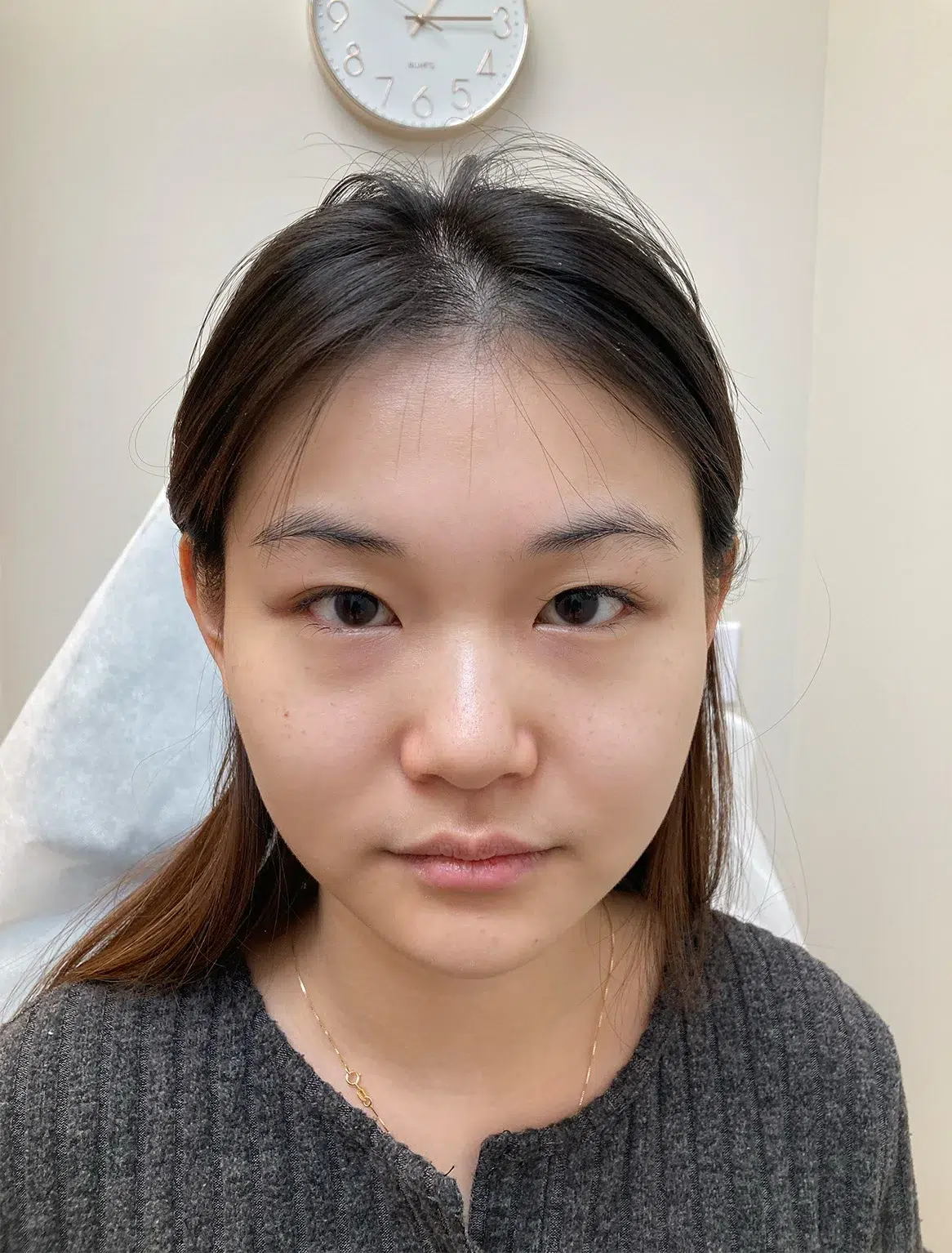
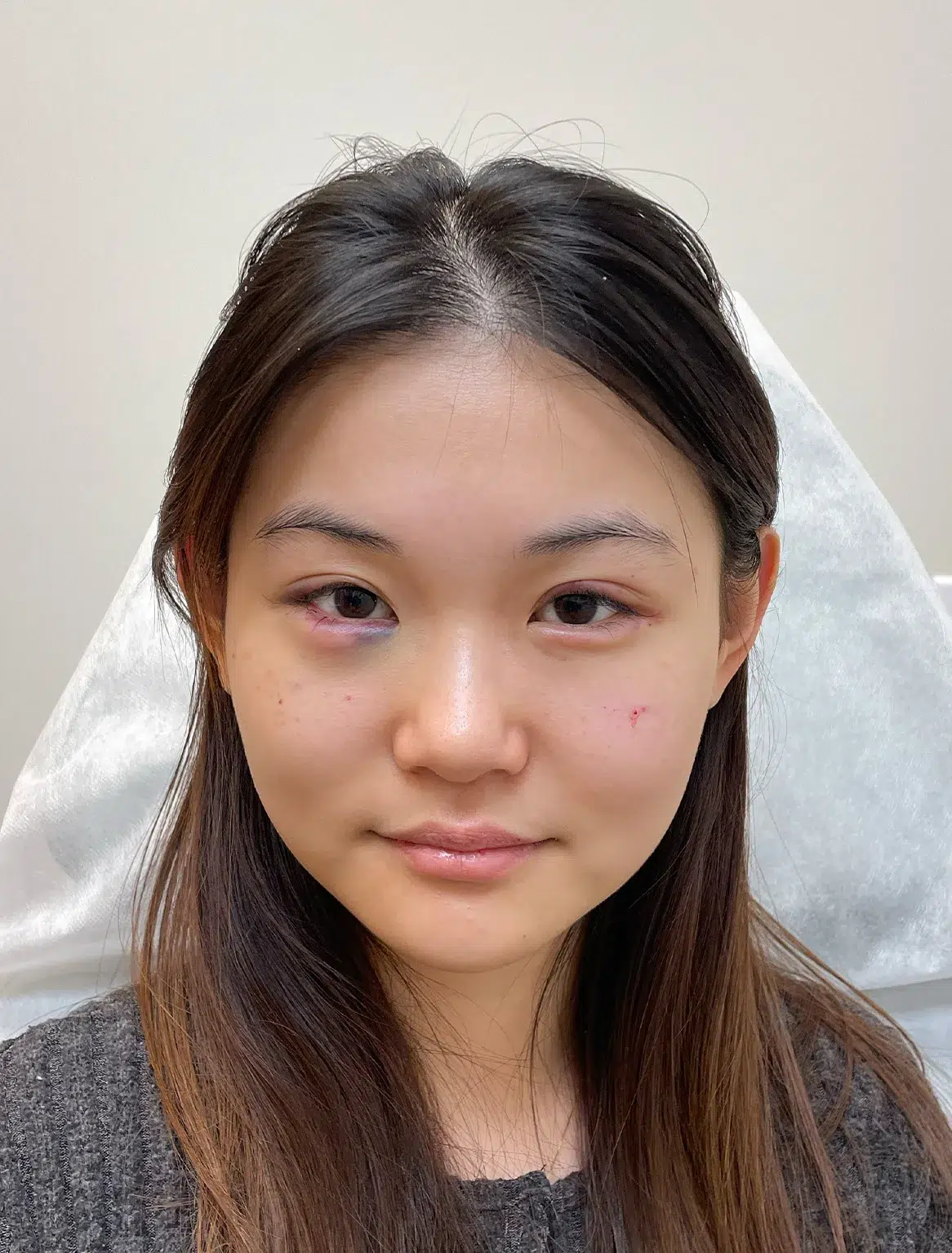
Case 13 · Facial Redness & Visible Capillaries — Authentic Clinical Record
- Patient Profile
- Asian Female · Fitzpatrick I · Duration: approx. 2–3 years
- concern / chief complaint
- Facial Redness & Visible Capillaries (Comprehensive Improvement with Multimodal Combination Protocol)
- Treatment plan
- Juvéderm® / Restylane® filler + periocular rejuvenation injections (multiple sessions within 3 months)
- improvement outcomes
- Significant improvement in facial redness and visible vessels · results look natural
- post-inflammatory hyperpigmentation (PIH)
- No PIH
- maintenance
- Follow-up at 6–12 months · repeat treatment if needed + home eye cream for maintenance
Case 13: Facial Redness & Visible Capillaries — Before & After · Asian Female · Fitzpatrick I · Duration: approx. 2–3 years · Multimodal combination protocol led by our physician at Luowei Medical Aesthetics Clinic, Nanjing
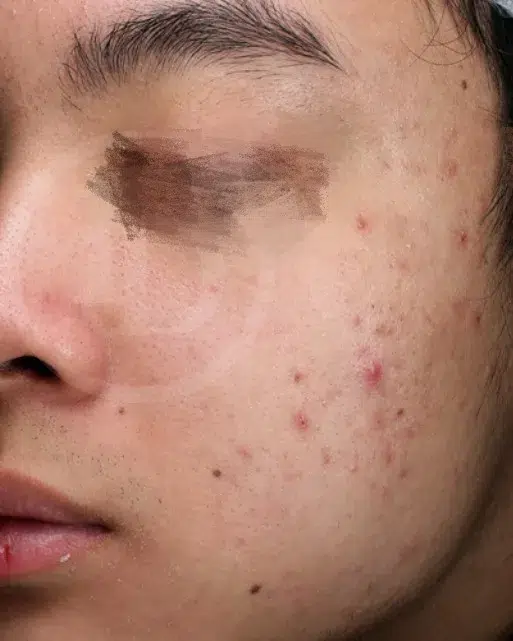
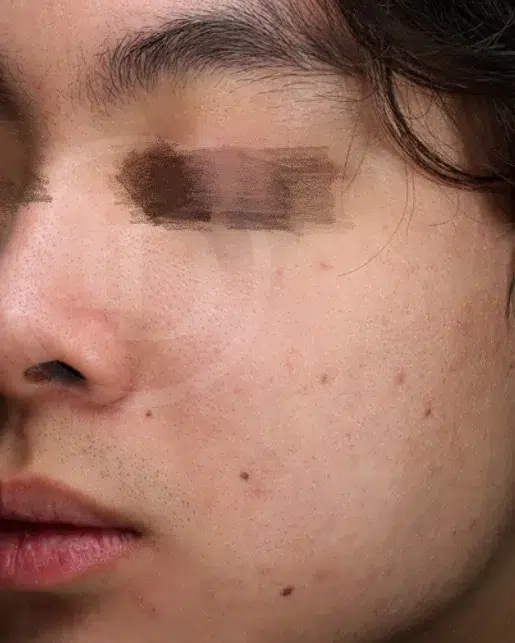
Case 16 · Facial Redness & Broken Capillaries — Real Patient Record
- Patient Profile
- Asian Male · Fitzpatrick IV
- concern / chief complaint
- Facial Redness & Visible Capillaries (Comprehensive Improvement with Multimodal Combination Protocol)
- Treatment plan
- Vbeam® Vascular Laser + Vbeam® Redness Elimination + Vbeam® Sensitive Skin Repair + Lutronic Genius® Intelligent RF Microneedling — and 5 modalities (multiple sessions within 3 months)
- improvement outcomes
- Significant improvement in facial redness and visible vessels · results look natural
- post-inflammatory hyperpigmentation (PIH)
- No PIH
- maintenance
- Annual maintenance energy session + at-home retinoid
Case 16: Facial Redness & Visible Capillaries — Before & After · Asian Male · Fitzpatrick IV · Multimodal combination protocol led by our physician at Luowei Medical Aesthetics Clinic, Nanjing
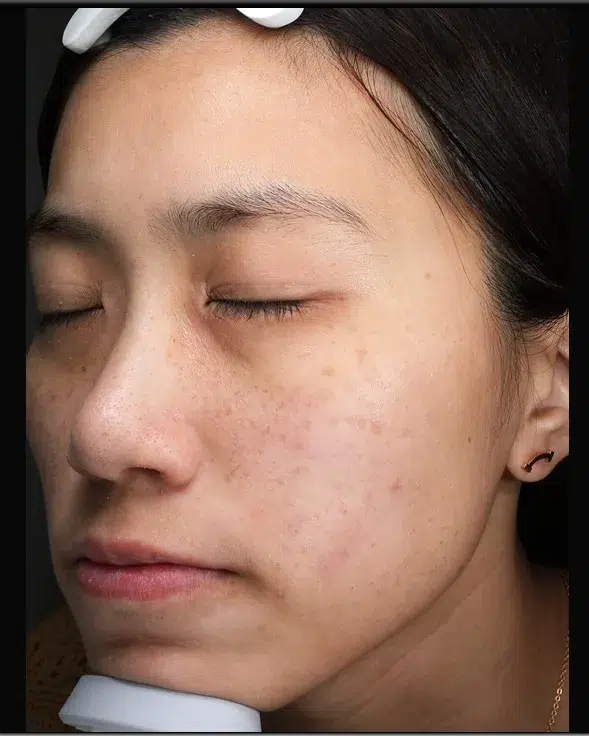
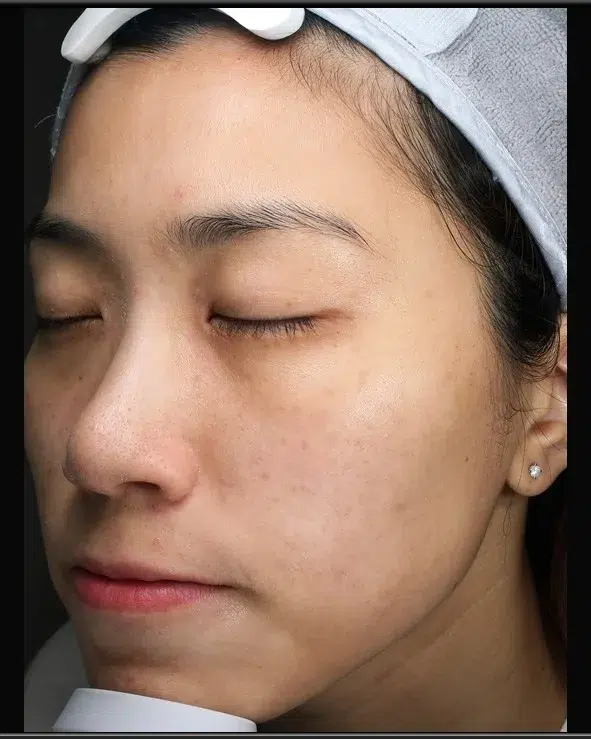
Case 23 · Facial Redness & Visible Vessels — Real Clinical Record
- Patient Profile
- Asian Female · Fitzpatrick IV · Duration: Long-Term
- concern / chief complaint
- Facial Redness & Visible Capillaries (Comprehensive Improvement with Multimodal Combination Protocol)
- Treatment plan
- Dual picosecond combination therapy + PicoSure® + PicoSure Pro® + PicoWay® and 1 additional treatment (1–2 sessions)
- improvement outcomes
- Significant improvement in facial redness and visible vessels · results look natural
- post-inflammatory hyperpigmentation (PIH)
- No PIH
- maintenance
- Consistent sun protection + monthly home care + quarterly clinical review
Case 23: Facial Redness & Visible Capillaries — Before & After · Asian Female · Fitzpatrick IV · Duration: long-term · Multimodal combination protocol led by our physician at Luowei Medical Aesthetics Clinic, Nanjing
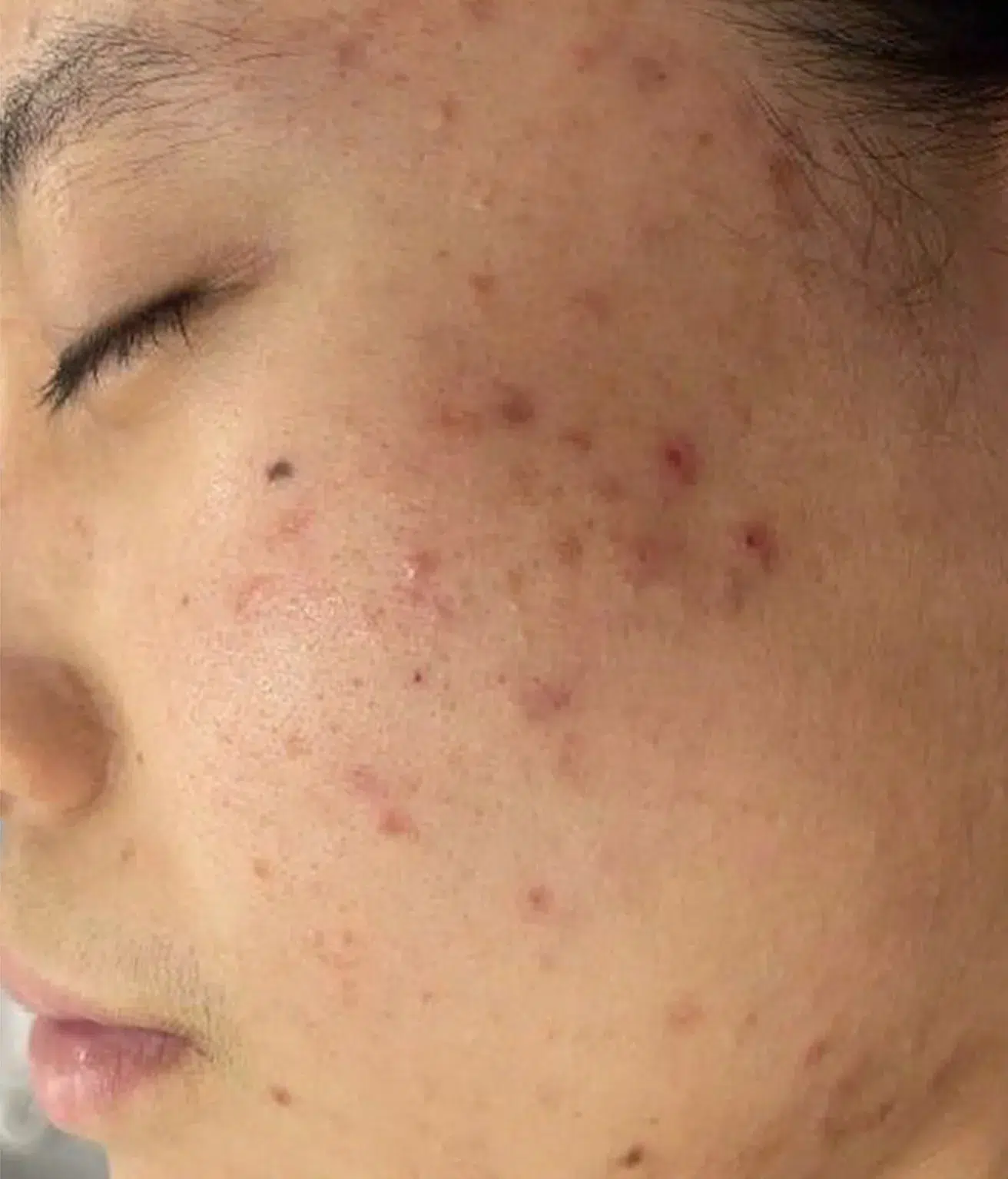
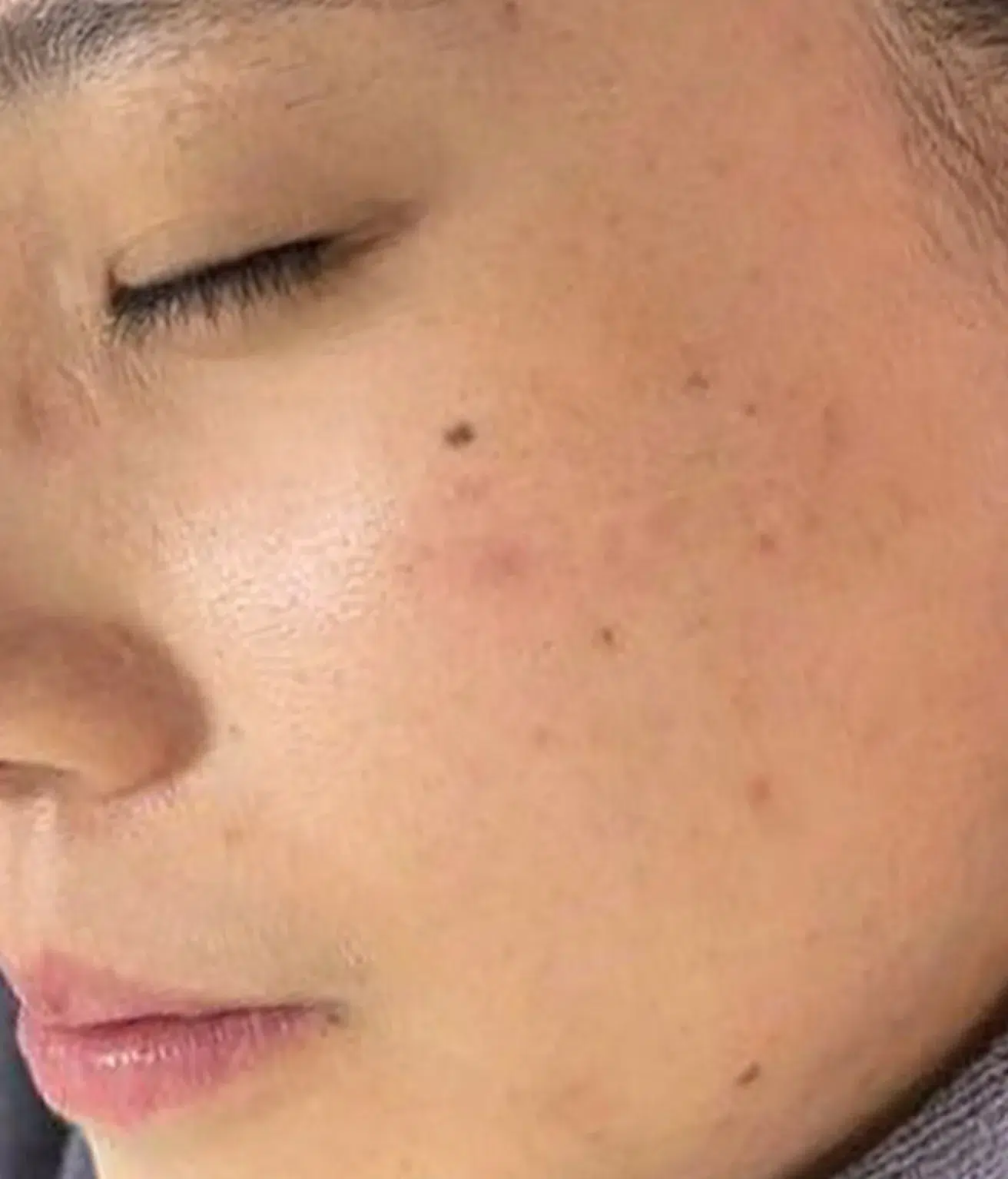
Case 57 · Facial Redness & Visible Vessels — Documented Results
- Patient Profile
- Asian Female · Fitzpatrick I · Duration: recurrent episodes over many years
- concern / chief complaint
- Facial Redness & Visible Capillaries (Comprehensive Improvement with Multimodal Combination Protocol)
- Treatment plan
- Ai BBL® HEROic™AI BBL HEROIC™ + AI BBL HEROIC™ Intelligent Photorejuvenation + AI BBL HEROIC™ Redness Reduction & Repair — and 23 other modalities (4–6 sessions)
- improvement outcomes
- Significant improvement in facial redness and visible vessels · results look natural
- post-inflammatory hyperpigmentation (PIH)
- No PIH
- maintenance
- Hydrafacial/Monthly skin booster × 1 + sun protection
Case 57: Facial Redness & Visible Vessels — Before & After · Asian Female · Fitzpatrick I · Duration: Recurrent flares over many years · Multimodal combination protocol led by our physician at Luowei Medical Aesthetics Clinic, Nanjing
What Is “Facial Redness & Visible Capillaries”? It’s more than just “sensitive skin”
facial redness It is a visible symptom that may be driven by 3 entirely different underlying mechanisms:Telangiectasia, rosacea (ICD-10 L71), and barrier-impairment–related vascular hyperreactivity (sensitive skin). Different underlying mechanisms require entirely different treatment approaches — a misdiagnosis can make the condition worse.
5 Misunderstood Truths About Facial Redness
“sensitive skin” Not a diagnosis — a description of symptoms
Many people mistake “Facial flushing” Often grouped under “sensitive skin,” these conditions actually require differentiation Rosacea (pathological) vs. impaired skin barrier (functional) vs. isolated telangiectasia (structural), All three require different treatment approaches.
Rosacea is more than just “Skin redness”
Rosacea is a Chronic inflammatory condition, Rosacea is classified into 4 subtypes, can affect the eyes, and may progress to nasal phymatous changes. Its prevalence in Asian populations is significantly underestimated.
Fading visible capillaries with skincare products alone is rarely effective
Telangiectasia is Structural vascular abnormality, Cosmetic-grade actives such as centella asiatica and chamomile have anti-inflammatory properties, but they cannot eliminate dilated blood vessels — Requires vascular laser / IPL to address the structural cause.
Commonly used skincare products that actually worsen the condition
Over-exfoliation, alcohol-based toners, menthol/camphor, high-irritancy retinoids, and excessive use of AHAs — all of these Exacerbates barrier impairment + triggers vascular reactivity. “Having heard it works” certain ingredients can be highly problematic for those with facial redness.
Redness treatment is “Long-term management”, is not “cured”
Rosacea cannot be cured, but can be effectively managed and kept stable long-term. The treatment goal is to reduce flushing frequency, fade persistent erythema, and improve quality of life — not to “completely free from redness”.
The 4 Major Rosacea Subtypes (NRS Classification)
- ETR subtype (Erythematotelangiectatic type (ETR) — persistent erythema + visible capillaries · most common
- PPR subtype (Papulopustular type — persistent erythema + recurring papules and pustules
- Phymatous subtype (Phymatous subtype) — thickening of nasal and cheek tissue · more common in men
- Ocular subtype (Ocular subtype) — dry eye + blepharitis + conjunctival redness · often overlooked
3 common redness patterns
Butterfly-pattern persistent erythema
Symmetric erythema across both cheeks and the nose — a classic presentation of erythematotelangiectatic rosacea (ETR) — typically requires vascular laser treatment combined with trigger management.
Diffuse redness + burning sensation
Diffuse redness across the entire cheek that flares with any stimulus is most often a sign of compromised skin barrier — the priority is to eliminate irritants and restore barrier function.
Visible vessels along the nasal alae and cheekbones
Visibly dilated capillaries that are sensitive to temperature changes respond well to targeted vascular laser treatment.
5 Key Causes & Trigger Factors of Facial Redness
Identifying trigger factors is Non-pharmacological management is the cornerstone.
Genetic predisposition and vascular reactivity (the basis of rosacea)
Rosacea has a strong familial tendency · heightened vascular autonomic reactivity · activation of the neurogenic inflammatory pathway (TRPV1).
Demodex mite overpopulation
Demodex mite overgrowth is significantly elevated in the papulopustular rosacea (PPR) subtype, triggering immune-mediated inflammation and worsening papules, pustules, and erythema.
UV / Temperature / spicy food / alcohol triggers
Common triggers: UV exposure, hot water, sauna, post-exercise heat, spicy foods, alcohol (red wine in particular), hot beverages, and emotional stress.
Epidermal barrier impairment (sensitive skin)
Over-cleansing, over-exfoliation, overuse of actives (acids / retinol), and physical friction → compromised skin barrier → elevated TEWL → heightened vascular reactivity.
Inappropriate laser treatment or improper resurfacing (iatrogenic worsening)
Incorrect IPL / laser energy settings, poorly timed chemical peels, or microneedling performed without sufficient physician expertise can trigger or worsen rosacea and barrier impairment.
Rosacea vs. lupus erythematosus vs. contact dermatitis vs. impaired skin barrier
these conditions may look similar but Require entirely different management Improper use of steroids or laser treatment can cause serious worsening of the condition.
Vs Butterfly rash (SLE)
| distribution | Butterfly distribution across the nasal bridge · sparing the nasolabial folds |
| Accompanied by | Joint pain / photosensitivity / systemic symptoms |
| trigger | UV significant worsening |
| treatment plan | referral to rheumatology / immunology |
Vs contact dermatitis
| Onset | Sudden onset · associated with introduction of a new product |
| morphology | Erythema + itching + swelling / edema |
| Location | Localized to areas of contact |
| treatment plan | discontinue exposure + short-term topical corticosteroid |
Vs Seborrheic dermatitis
| Location | glabella / nasal alae / scalp |
| morphology | Erythema + yellowish, oily scaling |
| Itching | Common |
| treatment plan | Topical ketoconazole + zinc |
Vs compromised-barrier sensitive skin
| trigger | following excessive skincare |
| morphology | Diffuse redness · burning sensation · skin tightness |
| No active inflammatory lesions | No papules or pustules |
| treatment plan | Minimalist skincare + barrier repair |
Why Does Treating Facial Redness in Asian Skin Present Unique Challenges?
Rosacea has long been underdiagnosed and misidentified in Asian patients — because many Asian individuals Erythema is less pronounced than in Caucasian patients, Commonly diagnosed as “sensitive skin” or “allergy”. This is the defining difference in how Luowei approaches redness treatment in Asian patients.
1. 3 Key Characteristics of Facial Redness in Asian Skin
- erythema relatively mild Yet vascular reactivity is more sensitive — and easily overlooked
- PIH higher risk Risk of post-inflammatory hyperpigmentation (PIH) following vascular laser requires assessment
- “sensitive skin” An overused label Actual rosacea cases that were misdiagnosed
2. vascular laser considerations for Asian skin “Less is More”
For Caucasian clients, vascular lasers can clear visible capillaries quickly at higher energy settings. Asian skin (Fitzpatrick III–V) requires Start at lower fluence, more sessions, longer intervals, To avoid triggering post-inflammatory hyperpigmentation (PIH).blindly pursuing “Single-session clearance” is where post-inflammatory hyperpigmentation begins.
3. Trigger factors specific to Asian patients
Beyond the common triggers (UV / heat / spicy food / alcohol), Asian patients frequently report additional triggers:
- Hot soup / hot pot / spicy dishes
- Baijiu / Huangjiu (Asian flushing gene ALDH2)
- summer heat and humidity
- Irritating ingredients found in brightening products
Fitzpatrick × our physician’s Redness Treatment Protocol
| Fitzpatrick | redness type | Key focus of the treatment plan |
|---|---|---|
| II–III | ETR | Standard Excel V+ energy settings |
| III | PPR | Topical ivermectin + low-fluence vascular laser |
| IV | ETR / PPR | Low-fluence Excel V · intensive barrier management |
| V | All subtypes | Ultra-low energy settings + test spots + extended intervals between sessions |
| III–IV | Predominantly barrier-impaired | Discontinue actives + barrier repair · defer laser treatment |
Combination Facial Redness Treatment Protocol (devices + medications + barrier repair)
No / None “the best single treatment option”. Our physician designs a personalized protocol based on your rosacea subtype, trigger factors, and barrier status, selecting from the modalities outlined below.
Excel V+® KTP/Nd: YAG vascular laser Vascular component — first-line choice
Cutera Dual-wavelength vascular laser: 532 nm (KTP) targets superficial visible vessels; 1064 nm (Nd: YAG) addresses deeper vasculature.Selective targeting of hemoglobin, Minimal damage to surrounding tissue.
- 3–5 sessions · spaced 4–6 weeks apart
- 1–3 days of mild redness · makeup can be applied
- Fitzpatrick III–V Safe (low-energy protocol)
Sciton BBL® IPL (specific subtype)
AI IPL for Superficial diffuse erythema Effective. Fitzpatrick I–III: standard energy settings. Fitzpatrick IV: requires careful assessment. Fitzpatrick V: generally not recommended.
Topical medication essential
First-line topical treatments for rosacea:
- Ivermectin 1% (Soolantra) PPR + Demodex Control
- Metronidazole 0.75–1% Anti-inflammatory + antimicrobial
- Brimonidine 0.33% (Mirvaso) Transient vasoconstriction (symptomatic)
- azelaic acid 15% anti-inflammatory + pigmentation improvement
Oral medication (moderate to severe cases)
Low-dose doxycycline 40 mg/day (Sub-antimicrobial dosing · anti-inflammatory effect · appropriate for moderate-to-severe papulopustular rosacea (PPR).low-dose isotretinoin Used for refractory cases or early phymatous-stage rosacea.
Barrier repair (foundational step)
Required for all redness patients:
- Gentle cleansing (pH 5.5 amino acid-based)
- Ceramides + cholesterol + free fatty acids (3:1:1 ratio)
- Reparative hyaluronic acid hydration
- SPF 50+ (Mineral-based + containing iron oxides)
HydraFacial repair and recovery care
Gentle medical-grade peels / treatments · supportive care during barrier recovery cannot replace medical treatment but can support daily maintenance.
Systematic trigger factor management
Personalized trigger diary + systematic avoidance:
- UV Consistent, diligent sun protection (maintained year-round)
- Avoidance of temperature triggers (hot water / sauna / cooking steam)
- Dietary trigger identification (spicy foods / alcohol / hot beverages)
- Emotional and stress management
- education on reading skincare product ingredient labels
Client type × recommended protocol
| Type | Recommended protocol |
|---|---|
| ETR Subtype · predominantly visible vessels / telangiectasia | Excel V+ × 3–5 + Barrier repair + SPF |
| PPR Subtype · Papulopustular | Doxycycline + ivermectin + Excel V+ × 3 |
| Phymatous early-stage | Isotretinoin + vascular laser + fractional laser when indicated |
| Compromised skin barrier + reactive redness | Discontinue actives + 6 weeks of barrier repair + reassessment |
| Fitzpatrick V · Any subtype | Ultra-low energy settings + test spots + extended intervals between sessions |
How Does our physician Develop a Redness Treatment Plan? (6-Step Process)
Accurate diagnosis + trigger management + a personalized protocol + long-term maintenance.
Precise diagnosis and subtype classification
- medical history review + trigger factor assessment
- Morphological assessment: erythema / telangiectasia / papulopustules / phymatous changes
- Rosacea subtype classification (National Rosacea Society criteria)
- Excluding other conditions (SLE / contact dermatitis / seborrheic dermatitis)
- Ocular involvement screening (ocular rosacea is frequently overlooked)
Skin barrier status assessment
Palpation + transepidermal water loss (TEWL) assessment + skincare ingredient review.Laser treatment cannot be initiated when the skin barrier is severely compromised— a 4–6 week barrier repair period is required first.
Personalized trigger factor management
Establish trigger diary: Diet, temperature, UV exposure, exercise, and emotional stress · Systematically avoiding high-trigger factors · This is the foundation of non-pharmacological management.
Designing a treatment protocol timeline
[Weeks 0–4]Barrier repair phase + initiate topical medications + SPF
[Week 4]Session 1: Excel V+ (after barrier is stabilized) · Test energy settings
[Week 8]Session 2: Excel V · treatment response assessment
[Week 12]Session 3: Excel V · mid-treatment progress comparison
[Week 16]Session 4 (if required) + comprehensive reassessment
[Week 20]Enter maintenance phase + long-term topical medication + SPF
[Every 6–12 months]maintenance vascular laser × 1 session
Dynamic assessment at every follow-up visit
- Standardized photography for comparison (consistent lighting)
- Trigger-factor compliance review
- Topical medication tolerance / adjustment
- Energy fine-tuning (if reaction is too strong → reduce)
- Continuous monitoring of skin barrier status
Long-term management strategy
Rosacea is a chronic condition · long-term maintenance is key:
- Long-term topical maintenance (ivermectin / metronidazole)
- SPF 50+ lifelong
- Ongoing avoidance of trigger factors
- Maintenance vascular laser treatment every 6–12 months
- Seasonal follow-up visits (spring and fall, when triggers commonly shift)
How soon will we see results from redness treatment? How many sessions are needed? Can it recur?
Different subtypes + different protocols = different timelines.
How soon will results be visible?
| Phase | Duration | Changes |
|---|---|---|
| Barrier repair phase | 4–6 weeks | Relief of burning and tightness |
| Following topical ivermectin | 4–8 weeks | Reduction in papules and pustules |
| Excel V+ after session 1 | 2–4 weeks | Initial reduction in visible vessels |
| After a full course of 3 sessions | 3–4 months | Significant reduction in visible capillaries + overall improvement in erythema |
| Following a course of oral doxycycline | 4–12 weeks | inflammation significantly controlled |
How many sessions are needed?
| Type | Initial treatment | maintenance |
|---|---|---|
| Mild ETR | 3 sessions | Once per year |
| Moderate erythematotelangiectatic rosacea (ETR) + papulopustular rosacea (PPR) | 4–5 sessions | 1–2 times per year |
| Fitzpatrick IV–V | 5–6 sessions at low energy | Assessment every 6 months |
| Phymatous early-stage | Multimodal approach, 6+ sessions | ongoing maintenance |
Recurrence rate (statistical reference)
| management status | 2 recurrence rate within the year |
|---|---|
| Topical maintenance + trigger management + SPF + maintenance laser sessions | 20–30% (mild) |
| laser treatment only · no maintenance plan | 60–70% |
| no management at all + no sun protection | 90%+ |
Am I a candidate for facial redness or broken capillary treatment?
The following questions Most answers are “yes”, A consultation is recommended for assessment.
6 Quick self-assessment questionnaire
- cheeks / nose frequently Unprovoked flushing or persistent erythema?
- visible visible vessels / telangiectasia (telangiectasia)?
- to hot water, spicy food, alcohol, and temperature changes strong treatment response?
- Following the use of certain skincare products burning / stinging?
- Recurrent / persistent Erythema + papules + pustules?
- Having already tried various “soothing” products limited results?
You may be a good candidate for redness treatment if you:
- Rosacea — ETR / PPR / early Phymatous subtype
- Predominantly telangiectasia
- willing to commit to long-term management and trigger avoidance
- Willing to accept “Management, not a cure”
- Not pregnant or breastfeeding
- Committed to strict sun protection
- No recent sun exposure with incomplete recovery
You may not be a suitable candidate, or should proceed with caution, if you:
- Redness associated with systemic conditions (e.g., SLE) — treat the underlying condition first
- Active sun exposure within the past 2 weeks
- acute barrier compromise that has not yet stabilized
- Active herpes simplex infection
- oral isotretinoin use within the past 6 months
- Pregnancy / breastfeeding
- Allergy to protocol medications
- Expected outcome “Cleared in one session, never to return”
Why MedSpa treatments fall short “Sensitive skin redness” Why does it often fail? Real cases
Client F — 33-year-old Asian female · Fitzpatrick III · 3 years of persistent facial redness + occasional papules
Prior medspa treatments
- Diagnosed as “sensitive skin”
- Failure to identify the papulopustular rosacea (PPR) subtype
- Failure to identify Demodex as a contributing factor
- Upselling “Soothing package + medical-grade mask”
- No topical ivermectin or metronidazole prescription
- No trigger-factor management education provided
- 2 Years later: persistent erythema, recurring papules
- Come to Luowei for a reassessment
Treated at Luowei Medical Aesthetics Clinic
- Diagnosed as papulopustular rosacea (PPR) subtype + Demodex-positive
- Topical ivermectin + barrier repair + SPF
- Low-dose oral doxycycline for 12 weeks
- Excel V+ × 3 + Begin with test energy settings
- Personalized trigger diary + structured avoidance education
- Monthly follow-up to monitor and adjust the treatment plan
- 4 Months later: papules fully resolved · erythema significantly reduced
- Transition into long-term maintenance
Why Trust Luowei Medical Aesthetics Clinic for Facial Redness Treatment?
Google's E-E-A-T framework evaluates medical content across four dimensions. The following are the specific credentials supporting every claim on this page.
Real-world clinical experience
- Extensive case experience in comprehensive rosacea management for Asian patients
- Complete Before & After Photo Archive
- Rosacea subtype diagnosis + differential diagnosis of SLE / contact dermatitis
- Combined protocol design: topical + oral + device-based therapies
- Excel V+ / BBL / Fractional Proficiency across multiple devices
Industry-recognized credentials
- Cutera Excel V+ trained physician
Transparent and verifiable
- Written informed consent form signed before each treatment
- All Before & After images are unretouched
Redness treatment is not “selling” soothing “products”, but rather “Differential diagnosis + multimodal management”
“sensitive skin” Facial redness “describes a symptom — not a diagnosis. A physician’s differential diagnosis and multimodal protocol design determine whether you can truly break the cycle of recurring redness.
Pricing for Facial Redness & Visible Capillary Treatment
The difference in cost between redness treatments ultimately comes down to the physician’s diagnostic expertise and the depth of the multimodal protocol design. What may appear to be the same treatment called “Redness reduction”, Some clinics simply sell a standard IPL package by the session. A treatment plan that truly addresses the problem requires a thorough consultation — rosacea subtype classification, Demodex assessment, barrier status measurement, trigger-factor review — and an honest recommendation on whether your best path is “Predominantly vascular laser” or “primarily topical and oral medications” or “Complete a 4–6 week barrier repair phase before deciding on device treatment”. The diagnosis determines the direction, and the direction determines whether every dollar you spend actually solves the problem.
this is why different clinics “Redness reduction” Pricing varies considerably — the difference comes from Who is evaluating and making clinical decisions, whether prescription medications are integrated, and whether laser parameters are calibrated for Asian skin. Vascular laser treatments on Fitzpatrick IV–V skin require physician-level energy calibration. Topical and oral medications require a prescription. Barrier repair and trigger-factor management require ongoing clinical guidance. Injectable and prescription-based treatments are performed or directly supervised by our physician; device-based maintenance sessions may be carried out by trained technicians under a physician-established protocol.Clients with complex presentations — multiple subtypes, compromised skin barrier, deeper skin tones, or prior treatment failure — benefit most from direct physician involvement. Maintenance clients follow an established protocol. Treatment decisions should be driven by clinical need, not price.. After your Free 30-Minute Consultation, our physician will recommend the combination best suited to your skin.
- Payment is made at the clinic, after the consultation and before treatment begins
- Nothing is paid in advance, and no deposit is required to hold an appointment
- Cosmetic treatment is a self-pay item and is not covered by public medical insurance in China
- All new patients receive a complimentary 30-minute free consultation and assessment
Common Risks · Contraindications · Safety Protocols for Redness Treatment
All possible reactions, serious risks, and absolute contraindications are disclosed in full.
Common reactions (in the short term after treatment)
- Excel V+ (after): Warm sensation + temporary purpura (typically self-resolving within 7–10 days)
- Mild swelling for 24–48 hours
- Touch sensitivity for 1–3 days
- Topical ivermectin / metronidazole: possible irritation or mild peeling
- Oral doxycycline: potential side effects include gastrointestinal discomfort and photosensitivity (strict sun protection required)
Serious risks (rare, but must be disclosed)
- PIH Post-inflammatory hyperpigmentation (PIH) (Top risk for Asian skin types · incorrect energy settings / inappropriate protocols
- Hypopigmentation (Extremely rare · due to excessive energy)
- Blistering / crusting / transient scarring (rare)
- Erythema rebound (due to inadequate sun protection or failed trigger management)
- Isotretinoin: teratogenicity · cheilitis · lipid changes (requires close monitoring)
Relative contraindications (require careful evaluation)
- Sun exposure within the past 2 weeks with incomplete recovery
- Active herpes simplex infection
- Currently using photosensitizing medications
- uncontrolled autoimmune conditions
- Severely compromised skin barrier that has not yet stabilized
Absolute contraindications (do not proceed)
- Pregnancy / breastfeeding
- Active infection at the injection / treatment site
- oral isotretinoin use within the past 6 months
- Known allergy to protocol medications / ingredients
- Expected outcome “Cleared in one session, never to return”
Safety Protocols Strictly Enforced by our physician
- Every client receives a subtype diagnosis, skin barrier assessment, and Fitzpatrick evaluation prior to treatment
- Fitzpatrick IV–V Mandatory patch test for high-risk patients
- All prescription medications and device-based treatments are determined and supervised by our physician personally
- A written informed consent form is signed before each treatment session
- Post-treatment photography documented after every session for progress tracking and fine-tuning
Additional Comparison & Reference Data
| Distribution | Central face (cheeks, nose, forehead, chin) |
|---|---|
| Morphology | persistent erythema + episodic flushing + visible capillaries |
| associated symptoms | Burning and stinging sensations, triggered by heat, alcohol, or spicy foods |
| key differential | history of episodic flushing |
| First-line treatment | Vbeam Multiple low-fluence sessions + anti-inflammatory medications |
| Distribution | areas of topical steroid application (often the entire face) |
|---|---|
| Morphology | diffuse erythema + visible capillaries + atrophy |
| associated symptoms | Severe rebound reaction following steroid discontinuation |
| key differential | Confirmed history of topical steroid use |
| First-line treatment | Discontinue steroids + barrier repair + subsequent Vbeam® treatment |
Where the medical claims on this page come from
Everything above about Facial Redness & Visible Capillaries rests on published evidence rather than on our own word. The sources below are the ones behind those statements: peer-reviewed papers indexed in PubMed, and guidance written for patients by dermatology academies and national health services. Read them before you decide — and bring any of them to your consultation.
- Peer-reviewedGuidelines of care for the management of acne vulgaris
- Peer-reviewedPostinflammatory hyperpigmentation: A comprehensive overview: Epidemiology, pathogenesis, clinical presentation, and noninvasive assessment technique
- Peer-reviewedMelasma Treatment: An Evidence-Based Review
- Peer-reviewedChemical peels for darker skin types
- Patient guidanceAcne: Tips for managing
- Patient guidanceMelasma: Treatment
What these references can and cannot tell you. They describe what is known about the treatment itself — how well it tends to work, how long results last, and what can go wrong. They are not an assessment of this clinic, and no published study can tell you whether it suits your skin type, anatomy, or medical history. That judgement comes from the physician who examines you in person, and it may well be “not this one”.