Unwanted hair
Unwanted hair (hirsutism / hypertrichosis) refers to hair growth in undesired areas that exceeds personal or social aesthetic expectations.
Our physician’s Real Patient Cases — Unwanted Hair Treatment
The following four cases were personally assessed by our physician at our Nanjing clinic. All treatments were carried out by the medical team under a physician-directed protocol, and each client has authorized use of their images via a Media Release Form. Treatment areas, hair color, and hormonal backgrounds vary significantly between individuals; individual results differ. Actual outcomes are determined at consultation.
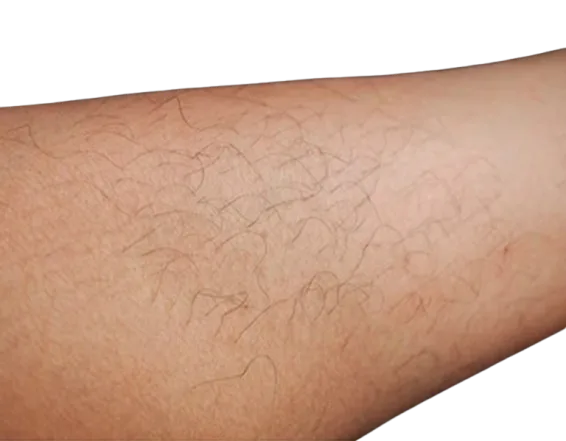
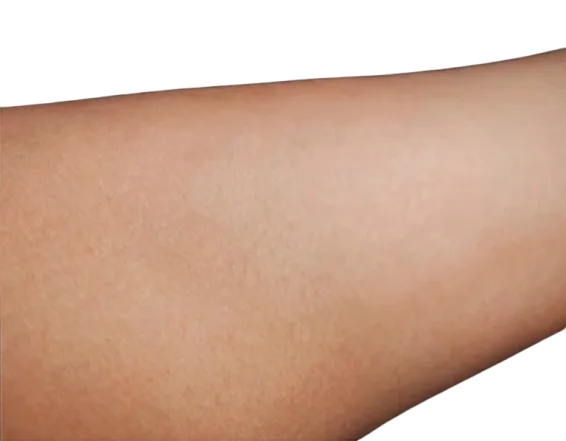
Case 1 · Unwanted Hair — Real Results
- Client profile
- Asian female · Fitzpatrick IV
- Primary concern
- Unwanted Hair (Comprehensive Improvement with Multimodal Combination Protocol)
- treatment plan
- Fotona® Nd-YAGLaser Hair Removal + Soprano XL SHR + Titanium Hair Removal (multiple sessions within 3 months)
- improvement in results
- Significant reduction in unwanted hair · Natural-looking overall result
- Post-treatment darkening
- No PIH
- Maintenance
- Routine sun protection + monthly home care + quarterly clinical review
Case 01: Unwanted Hair — Before & After · Asian Female · Fitzpatrick IV · Multimodal Protocol · Led by our physician at Luowei Medical Aesthetics Clinic, Nanjing
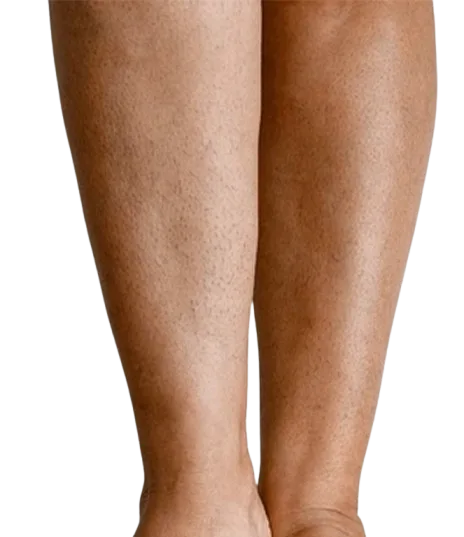
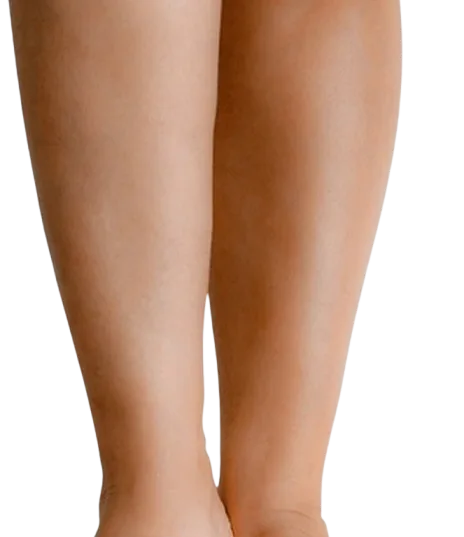
Case 2 · Unwanted Hair — Real Patient Documentation
- Client profile
- Asian female · Fitzpatrick IV
- Primary concern
- Excessive hair density · Multi-area hair removal needs
- treatment plan
- Ellansé Ellansé® + CaHA collagen-stimulating filler + Fotona® Nd: YAG laser hair removal (multiple sessions within 3 months)
- improvement in results
- Reduced unwanted hair · Brighter, more even skin tone · Overall more youthful appearance
- Post-treatment darkening
- No PIH
- Maintenance
- Routine sun protection + monthly home care + quarterly clinical review
Case 02: Before & After — Unwanted Hair Treatment · Asian Female · Fitzpatrick IV · Single-modality treatment led by our physician, at Luowei Medical Aesthetics Clinic, Nanjing
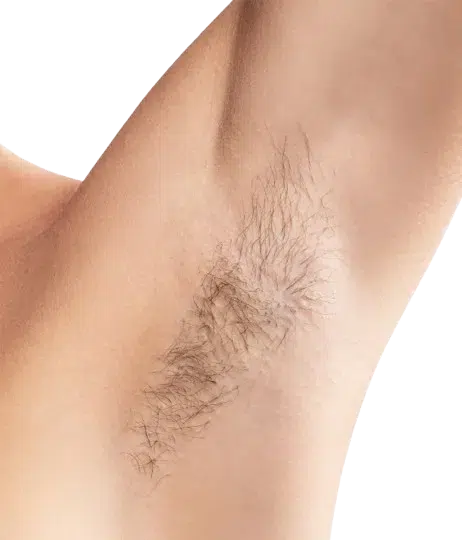
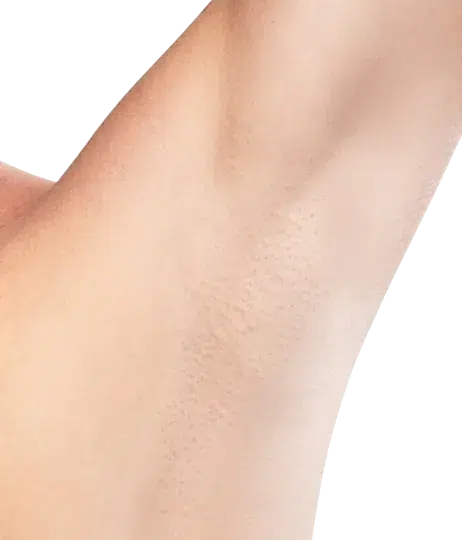
Case 3 · Unwanted Hair — Real Clinical Record
- Client profile
- Asian female · Fitzpatrick IV
- Primary concern
- Unwanted Hair (Comprehensive Improvement with Multimodal Combination Protocol)
- treatment plan
- Fotona® Nd-YAGLaser Hair Removal + Titanium Lift (multiple sessions within 3 months)
- improvement in results
- Significant reduction in unwanted hair · Natural-looking overall result
- Post-treatment darkening
- No PIH
- Maintenance
- Routine sun protection + monthly home care + quarterly clinical review
Case 03: Unwanted Hair — Before & After · Asian Female · Fitzpatrick IV · Multimodal combination protocol performed by our physician, at Luowei Medical Aesthetics Clinic, Nanjing
What is unwanted hair? Why is laser hair removal the only currently available long-term solution?
Unwanted hair (hirsutism / hypertrichosis) refers to hair growth in undesired areas that exceeds personal or social aesthetic expectations — including fine facial hair, upper lip, chin, underarms, bikini line, limbs, back, and more. It may be caused by genetic predisposition, androgen levels, PCOS, age, and medications and other multifactorial causes. Razors, waxing, and depilatory creams only remove the hair shaft by physical or chemical means — the follicle remains intact, and hair regrows at its original density.Only laser and intense pulsed light treatments that use selective photothermolysis to destroy follicular stem cells can achieve permanent hair reduction (the FDA-recognized term: Permanent Hair Reduction)..
Why can’t shaving or waxing address the root cause?
Shaving only cuts the hair shaft; waxing only removes the hair shaft —Follicular stem cells remain entirely intact,2-4 New hair will continue to grow back within weeks. Repeated waxing over time can even lead to folliculitis and ingrown hairs.
Why Do Asian and Darker-Skinned Clients Need a Specialist Protocol?
Fitzpatrick III–V Higher epidermal melanin content means conventional IPL and Alexandrite 755 nm energy is readily absorbed by the epidermis, increasing the risk of burns and post-inflammatory hyperpigmentation (PIH).Diolaze 808nm + Nd: YAG 1064nm is the gold standard for deeper skin tones.
Why Does Laser Hair Removal Require Multiple Sessions?
Hair classification Anagen (growth phase), catagen (regression phase), and telogen (resting phase)Laser energy only targets follicles in the active growth phase (anagen). At any given time, only 20–30% of follicles are in this phase — which is why 6–10 sessions are needed to reach all follicle cycles.
Why Are Certain Areas More Resistant to Treatment?
Fine facial vellus hair contains less melanin and sits in shallower follicles; the chin and upper lip are influenced by Ongoing androgenic stimulation; PCOS / Hypertrichosis requires combined endocrine evaluation. These areas typically require more sessions and ongoing maintenance.
Clinical notes:At many medspas across Nanjing, a single IPL device is used on all body areas and all skin types — this is the most common cause of burns in Asian and deeper-skin-tone clients. Our physician’s protocol Based on hair color, skin tone, treatment area, and hormonal background We select from Diolaze, Soprano XL, or Nd: YAG based on your individual profile — never a one-device-fits-all approach.
Five Common Causes of Unwanted Hair — It’s Not Always Genetics
At consultation, our physician first screens for the following underlying causes, because hormonally driven excessive hair growth cannot be resolved by laser hair removal alone.
1. Genetic predisposition / ethnic background
Clients of South Asian, Middle Eastern, and Mediterranean backgrounds tend to have higher baseline hair density. Asian clients typically have darker hair with strong contrast against the skin — making hair visually prominent even at moderate density — and often seek removal for this reason.
2. Androgen levels (PCOS / hypertrichosis)
Conditions such as polycystic ovary syndrome (PCOS), adrenal hyperplasia, and androgen-secreting tumours can cause Vellus hair → Terminal hair conversion, typically presenting as coarse hair on the upper lip, chin, areolae, or midline abdomen — requiring a combined endocrinology assessment.
3. drug-induced
Long-term use of corticosteroids, minoxidil, cyclosporine, phenytoin, danazol, and similar medications can induce Medication-Induced Hair Growth (Hypertrichosis), A prior assessment is needed to determine whether the medication can be reduced or switched.
4. Age-related changes and hormonal fluctuations
In perimenopausal women, declining estrogen and relative androgen elevation commonly produce new coarse hair along the jawline; similar hormonal shifts occur during puberty and pregnancy.
5. Triggered by incorrect hair removal habits
Long-term waxing or tweezing can stimulate follicles to produce coarser hair, and may lead to ingrown hairs, folliculitis, and post-inflammatory hyperpigmentation (PIH) — all of which complicate subsequent laser treatment.
4 Commonly confused hair concerns — key differentiating points
Not every case of “We feel we have too much hair” is straightforward laser hair removal. The table below outlines the 4 most common clinical distinctions.
Hirsutism
Hirsutism · Androgen-dependent
| Distribution | Upper lip / chin / chest / abdominal midline / thighs (androgenic distribution pattern) |
|---|---|
| Hair texture / type | Coarse dark terminal hair |
| Triggering factor | PCOS / Elevated androgen levels |
| requires screening | Six-panel sex hormone panel + ovarian ultrasound |
| First-line treatment | Laser hair removal + integrated endocrine management |
Hypertrichosis
Hypertrichosis · Non-hormone-dependent
| Distribution | Generalized or localized diffuse growth (non-androgenic pattern) |
|---|---|
| Hair texture / type | Vellus or terminal hair — both are treatable |
| Triggering factor | Genetics / medications / trauma and friction |
| requires screening | Medication history and family history |
| First-line treatment | laser hair removal alone is sufficient |
Ingrown hairs / folliculitis
Pseudofolliculitis Barbae
| Distribution | Neck / bikini line / underarms |
|---|---|
| presentation | Red papules with ingrown hairs curling beneath the skin |
| Triggering factor | Shaving / waxing + curly hair texture |
| requires screening | clinical visual examination |
| First-line treatment | laser hair removal is the preferred approach (addressing both hair removal and ingrown hairs simultaneously) |
Vellus Hair (fine, light peach-fuzz)
Vellus · Fine, light-coloured vellus hair
| Distribution | Full face / arms |
|---|---|
| Hair texture / type | Fine, short, and light-coloured — minimal melanin content |
| Triggering factor | Normal physiological |
| requires screening | None |
| First-line treatment | Laser has limited efficacy (insufficient chromophore target); electrolysis may be considered as an alternative. |
⚠️ Caution:Sudden onset of coarse hair in a male-pattern distribution (jawline / chest / midline abdomen, concurrent with menstrual irregularity)Cannot book laser directly — consultation required, PCOS and endocrine tumors must be ruled out first. Our physician will recommend appropriate endocrine investigations at the consultation when indicated.
Why must clients with Fitzpatrick III–VI skin types receive a deep skin tone specialist protocol?
Common blind spots in mainstream North American hair removal clinics
The energy protocols used by mainstream medspa hair removal devices in North America (IPL / Alexandrite 755 nm) are derived from clinical data on Fitzpatrick I–II, lighter-skinned populations. Applying these settings directly to Asian, South Asian, Middle Eastern, or Black skin types can result in:
- ✗ 755nm Highly absorbed by epidermal melanin— significantly elevated risk of burns and blistering
- ✗ IPL broad-spectrum light is difficult to target precisely— epidermal heating exceeding follicular absorption
- ✗ insufficient cooling— Inadequate contact cooling is essentially the same as searing the skin.
- ✗ PIH Post-inflammatory hyperpigmentation (PIH)— Post-procedure pigmentation may persist for 6–12 months
Our physician’s Fitzpatrick III–VI Protocol
| parameters | North American IPL standard | darker skin tone adjustments |
|---|---|---|
| Wavelength | IPL Broad-spectrum / 755nm | 808 nm / 1064 nm |
| Fluence (energy density) | 15-25 J/cm² | 10-18 J/cm² |
| Pulse width | 10-30 ms | 30-60 ms Long pulse width |
| Cooling | air cooling / single-pulse contact | Continuous sapphire contact cooling at 4–5°C |
| Test spot | optional | Mandatory |
Key differentiators:Our physician’s clinic is equipped with Diolaze 808nm, Soprano XL tri-wavelength, and Fotona® Nd: YAG 1064nm — each matched to the client’s skin tone, rather than the “one IPL machine for everyone” approach common at many medspas. This is precisely why clients with Fitzpatrick V/VI skin can undergo safe hair removal at our clinic.
6 Treatment Options for Unwanted Hair — Matched to Skin Tone, Hair Type, and Treatment Area
There is no single “universal” hair removal device. We match the following technologies to your Fitzpatrick skin type, hair colour, and treatment area.
Diolaze 808nm Diode laser
Large-spot, high-speed diode with continuous sapphire cooling,the gold standard for coarse, dark hair over large areas (underarms / legs / back / bikini). Safe for Fitzpatrick I–V; one of the preferred options for clients with deeper skin tones.
Soprano XL Triple-wavelength SHR mode
755 + 810 + 1064 nm Tri-wavelength blended technology with SHR (Super Hair Removal) gliding mode — low-fluence energy delivered cumulatively,Minimal discomfort — ideal for fine facial hair, sensitive areas, and clients with low pain tolerance.
Fotona Nd: YAG 1064nm
1064 nm Long wavelengths penetrate deeper with minimal epidermal absorption,Fitzpatrick V–VI Safe option for clients with deep, tanned, South Asian, or Black skin tones. also used for deeper follicles.
BBL HEROic Intense Pulsed Light (IPL)
Sciton BBL HEROic high-speed IPL, suitable for Light skin tone + dark hair for rapid large-area hair removal with the added benefit of improving photoaging and pigmentation. Not recommended for deeper skin tones.
Titanium 1319nm skin rejuvenation mode
used in the later stages of hair removal Folliculitis repair and pore refinement as a complementary treatment to address enlarged pores and redness remaining after hair removal.
Electrolysis (white / grey hair)
laser efficacy on White, blonde, or grey hair Ineffective (no melanin chromophore to target) — electrolysis treats each follicle individually with a fine electric current. Recommended for clients assessed at consultation as having light-coloured hair.
Our physician’s 6-Step Standard Protocol for Unwanted Hair
Consultation + Fitzpatrick Assessment + Endocrine Screening
30 minute complimentary consultation, including Fitzpatrick skin typing, hair color and texture assessment, and — where clinically indicated — a recommendation for a hormonal panel (to rule out PCOS / hirsutism).No treatment without assessment.
Device matching + test spot
Device selection — Diolaze, Soprano XL, or Nd: YAG — is determined by skin tone and treatment area. A small test spot is performed, with 24–48 hours of observation before proceeding.A test spot is a mandatory step for clients with Fitzpatrick IV+ skin tones.
Pre-treatment preparation
Shave the treatment area 24 hours before your session (no plucking, waxing, or tweezing). Avoid sun exposure and tanning for 4 weeks prior, and discontinue retinoids and photosensitizing medications.
Active Treatment Phase (6–10 sessions, once every 4–8 weeks)
Face: 4–6 week intervals; body: 6–8 week intervals — strictly aligned with the hair follicle cycle. After each session, apply a cold compress and mineral SPF 50+, and avoid strenuous exercise and saunas for 3 days.
Assessment period (8–12 weeks after completing the primary treatment course)
Progress photos are compared to the pre-treatment baseline to quantify hair reduction and determine whether additional sessions or a maintenance schedule is needed. Most clients achieve 80–90% permanent reduction after 6–8 sessions.
Maintenance phase (1 session every 6–12 months, ongoing)
Hormonally active areas such as the face and bikini line require more frequent maintenance sessions. Androgen-related excessive hair growth requires long-term co-management with endocrinology.
Treatment Timeline — How long before you can largely put down the razor?
| treatment area | Primary treatment sessions | Initial results | Significant reduction | maintenance cycle |
|---|---|---|---|---|
| underarms / bikini line | 6–8 sessions | After session 2 | After sessions 5–6 | Every 9–12 months |
| legs / arms | 6–8 sessions | After session 2 | After session 5 | Every 12 months |
| Back / chest (male clients) | 8–10 sessions | After session 3 | After sessions 6–7 | Every 9–12 months |
| Face (upper lip / chin) | 8–12 sessions | After session 3 | after sessions 7–8 | Every 4–6 months |
| PCOS / hormone-related | 10–15 sessions | after session 4 | After session 10 | Every 3–4 months, long-term |
Clinical note:FDA The correct clinical term is “Permanent Hair Reduction” — not “Permanent Removal” — because hormonally active areas (such as the face and bikini line) may New follicles have been activated, Long-term maintenance is required. Among clients at our Nanjing clinic who completed a full course of 8 sessions, approximately 85% reported significant satisfaction at follow-up.
Are You a Candidate for Laser Hair Removal? 2-Minute Self-Assessment
✅ appropriate time to begin assessment
- ✓Black or dark brown hair (sufficient melanin chromophore for targeting)
- ✓Fitzpatrick I–V All skin tones (Fitzpatrick VI requires Nd: YAG)
- ✓Tired of shaving or waxing every week and looking for a long-term solution
- ✓PIH and ingrown hairs from long-term shaving
- ✓Excess hair on the back of the neck, back, and chest in men
- ✓Committed to completing a structured course of 6–10 sessions
❌ Treatment should be deferred or the underlying issue addressed first.
- ✗Currently pregnant or breastfeeding
- ✗Sunburn or recent tanning in the treatment area within the past 4 weeks
- ✗White, blonde, or grey hair (laser is ineffective on hair lacking melanin)
- ✗Oral isotretinoin use within the past 6 months
- ✗Active herpes or fungal infection in the treatment area
- ✗Sudden onset of male-pattern hair growth without PCOS assessment
Luowei Physician-Led Laser Hair Removal Protocol vs. Standard MedSpa
- ✗One IPL device for all skin tones and all treatment areas
- ✗Skipping Fitzpatrick skin type assessment
- ✗Performing large-area treatment on the first session without a test spot
- ✗Operators trained and certified in as little as one week
- ✗Aged cooling systems or using gel as a substitute for active cooling
- ✗Proceed with hair removal for hormonal excess hair growth; PCOS investigation not recommended
- ✗telling you “that’s normal, keep going” after a burn or PIH reaction
- ✓Diolaze + Soprano XL + Nd: YAG three-device synergy
- ✓Fitzpatrick skin typing and hair quality assessment are mandatory
- ✓Test spot required for deeper skin tones and higher-risk clients
- ✓Protocol overseen by our physician
- ✓Continuous sapphire contact cooling at 4–5°C
- ✓Suspected PCOS warrants a sex hormone panel and referral for endocrine co-management
- ✓Proactively halting treatment upon adverse reactions + restorative support
Why Is Luowei Medical Aesthetics Clinic a Trusted Source for Laser Hair Removal?
Experience experience
Expertise
Three Core Hair Removal Platforms Working in Synergy · Specialist Protocol for Deeper Skin Tones
Authoritativeness expertise
Trustworthiness Credibility
All cases authorized via Media Release Form · Clinical data available upon request
Pricing for Unwanted Hair Treatment
Laser hair removal pricing varies widely across clinics — but the true cost has never been about the device itself. It reflects who performs the assessment, who determines the treatment cadence, and how deeply clinical expertise needs to be involved. For straightforward areas, younger and healthier skin types, and routine hair removal without a hormonal background, our rigorously trained medical team can deliver safe treatment under protocols established by our physician — and these clients may access more affordable options. For higher-risk clients with darker skin tones, fine facial hair, PCOS or androgen-related hypertrichosis, or revision cases involving prior burns or post-inflammatory hyperpigmentation from other clinics, our physician is personally involved in the assessment and protocol design, and pricing reflects the depth of that medical investment. All injectable treatments at our clinic are performed exclusively by the physician. The price difference in laser treatments ultimately comes down to the gap in clinical experience between physician-performed and technician-performed care. The right approach for you is determined by your clinical picture, not by price — the specific plan will be discussed at your consultation based on your Fitzpatrick skin type and hair quality assessment.
- Payment is made at the clinic, after the consultation and before treatment begins
- Nothing is paid in advance, and no deposit is required to hold an appointment
- Cosmetic treatment is a self-pay item and is not covered by public medical insurance in China
- All new clients receive a complimentary 30-minute complimentary Consultation & Assessment
Risks & Contraindications — What You Need to Know
What Are the Main Risks?
1. Erythema / perifollicular swelling(common, resolving within a few hours to 48 hours); 2. Burns / blistering(higher incidence of wavelength mismatch on darker skin tones — significantly reduced at our clinic through Nd: YAG with low-fluence protocols); 3. PIH Pigmentation(Fitzpatrick IV+ risk present; typically resolves on its own within 2–6 months); 4. Paradoxical Hypertrichosis(Extremely rare; most commonly reported at the jaw-neck border; mechanism not fully understood); 5. Folliculitis(may appear 3–7 days after treatment and can be managed with gentle cleansing).
Who is absolutely not a candidate?
Pregnancy, breastfeeding, oral isotretinoin use within the past 6 months, active herpes in the treatment area, sunburn or recent tanning within the past 4 weeks, white or blonde hair (no effective chromophore target), uncontrolled photosensitive conditions (e.g., SLE or porphyria), and waxing or plucking within the past 2 weeks (follicle integrity compromised — no viable laser target) — in any of these situations, our physician will recommend postponing treatment or addressing the underlying issue first.
How is the risk of burns and PIH minimized during treatment?
5 Core Protocols: (1) Fitzpatrick V/VI — Nd: YAG 1064nm exclusively; (2) A test spot with 24–48 hours of observation is mandatory for all darker skin tones; (3) Strict physical SPF 50+ sunprotection for 4 weeks before and after treatment — no tanning of the treatment area; (4) Shave (do not wax or pluck) within 24 hours before treatment — optimal hair length is 1–2 mm; (5) Post-treatment: apply cold compress + mineral SPF 50 · barrier-supportive skincare; avoid saunas and high-heat exercise for 3 days.
What does the informed consent form include?
Every client must sign an informed consent form before the first treatment. It covers: the selective photothermolysis mechanism of laser hair removal; possible adverse reactions and their likelihood (burns, post-inflammatory hyperpigmentation (PIH), folliculitis, paradoxical hypertrichosis); alternative options (waxing / electrolysis); criteria for discontinuing treatment; follow-up scheduling; and an optional Media Release. All content is explained in person by our physician at the consultation.
Where the medical claims on this page come from
Everything above about Unwanted hair rests on published evidence rather than on our own word. The sources below are the ones behind those statements: peer-reviewed papers indexed in PubMed, and guidance written for patients by dermatology academies and national health services. Read them before you decide — and bring any of them to your consultation.
- Peer-reviewedComparative Analysis of Cellulite Treatment Modalities: A Systematic Review
- Peer-reviewedCryolipolysis for fat reduction and body contouring: safety and efficacy of current treatment paradigms
- Patient guidanceCellulite treatments: What really works
- Patient guidanceScars and stretch marks
What these references can and cannot tell you. They describe what is known about the treatment itself — how well it tends to work, how long results last, and what can go wrong. They are not an assessment of this clinic, and no published study can tell you whether it suits your skin type, anatomy, or medical history. That judgement comes from the physician who examines you in person, and it may well be “not this one”.