Postpartum abdominal laxity
What Is Postpartum Belly Laxity? Why It Is Fundamentally Different from Fat Reduction
Our physician’s Real Cases: Postpartum Abdominal Laxity Treatment
The following before-and-after images are from actual postpartum clients treated by our physician at Luowei Medical Aesthetics Clinic (Nanjing). All clients have signed a written Media Release Form authorizing use of their images. All photos are unretouched clinical records. Individual results vary based on degree of diastasis recti, skin elasticity, BMI, and treatment adherence.
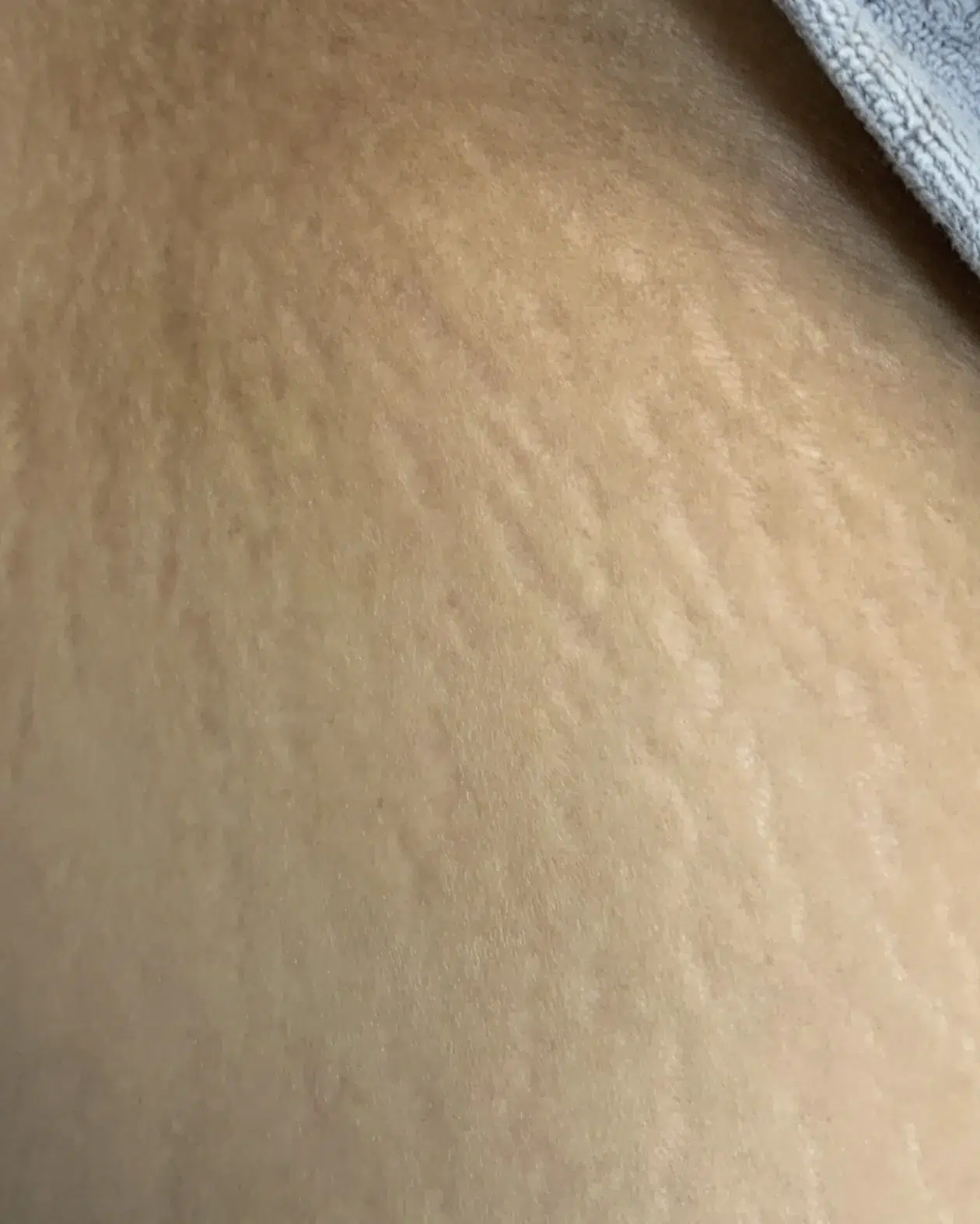
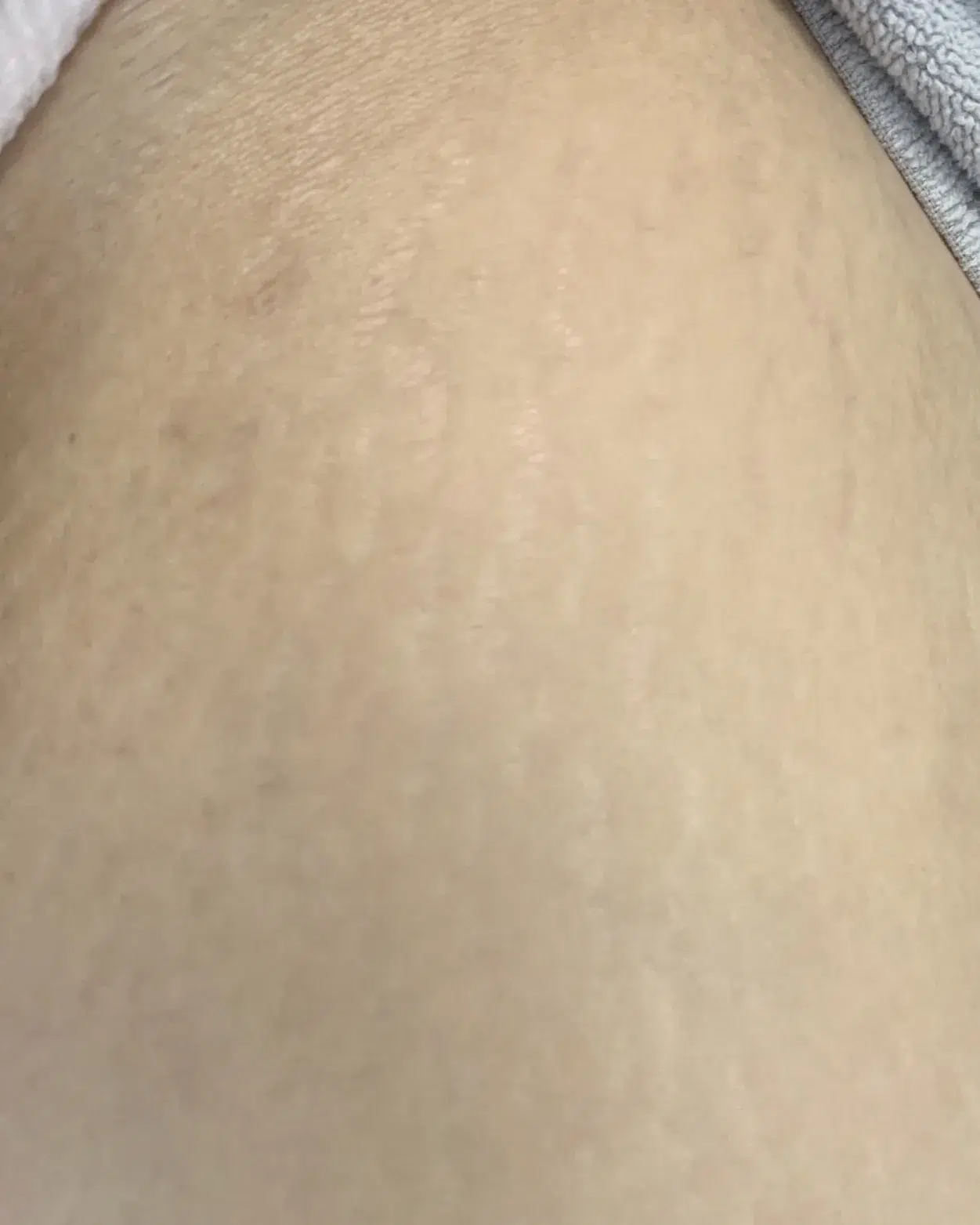
Case 1 · Postpartum Abdominal Laxity — Real Results
- Client profile
- Asian Female · Fitzpatrick IV
- areas of concern
- Postpartum abdominal laxity (comprehensive improvement through a multi-modal combination protocol)
- Treatment plan
- Lutronic Genius®Intelligent RF microneedling + Lutronic INFINI® gold RF microneedling + Lutronic RF microneedling + Morpheus8® and 5 other modalities (multiple sessions within 3 months)
- Treatment outcomes
- Significant improvement in postpartum belly laxity · Natural overall result
- Post-inflammatory hyperpigmentation (PIH)
- no PIH
- maintenance
- Routine sun protection + monthly home care + quarterly assessments
Case 01: Postpartum Abdominal Laxity — Before & After · Asian Female · Fitzpatrick IV · Multimodal Combination Protocol Led by our physician at Luowei Medical Aesthetics Clinic, Nanjing
What Is Postpartum Belly Laxity? Why It Is Fundamentally Different from Fat Reduction
Postpartum abdominal laxity This is not a problem that weight loss can resolve — it is a result of changes that occur during pregnancy to Diastasis Recti (DRA), Decreased skin elasticity, fascial laxity the combined structural changes following three-layer tissue remodeling. Diet alone or running alone cannot address Minimally effective.
5 Key Differences Between a Postpartum Abdomen and a Simply Overweight Abdomen
Diastasis recti — cannot be closed through fat reduction
Uterine expansion during pregnancy separates the rectus abdominis muscles along the linea alba,60% Diastasis persisting at 6 weeks postpartum, 30% has not closed naturally by 12 months postpartum. The separated fascia will not close through fat reduction alone.
Skin collagen breakdown — the skin does not simply tighten with weight loss
Skin stretched beyond its elastic limit during pregnancy,Disruption of collagen and elastin fibers within the dermis. Even after weight is restored, the skin unable to retract on its own to its pre-pregnancy state, external stimulation is required to promote collagen regeneration.
Reduced core stability — not just an aesthetic concern
diastasis recti Not a cosmetic concern, is a structural issue. It can lead to Chronic lower back pain, anterior pelvic tilt, mild sensation of pelvic organ prolapse, reduced athletic performance. whether treatment will impact overall physical function.
Improper exercise makes it worse — more sit-ups are not the answer
Traditional crunches will worsen diastasis recti, and increases intra-abdominal pressure. Postpartum core training must begin with Transverse abdominis activation, breathing control, pelvic floor coordination starting point — not sit-ups.
Combination therapy is essential — single-modality approaches fall short
Postpartum abdominal laxity is Three-layer concern (muscle + fascia + skin) — requiring a combination approach: energy-based muscle stimulation (Emsculpt NEO®) + radiofrequency microneedling to the fascia and dermis (Morpheus8®) + fat reduction when indicated (CoolSculpting) + core training for consolidation.
What Does Postpartum Abdominal Laxity Look Like? Typical Presentations
- abdominal protrusion when standing (appearing pregnant even at a healthy weight)
- Depression or bulging along the midline when lying supine (visible bulging along the linea alba when lifting the head while lying down)
- skin folds (visible abdominal folds or a “pouch” of skin when bending forward)
- Stretch marks (red phase → silver-white phase)
- Bulging above the C-section scar (caused by scar adhesion)
3 common postpartum abdominal patterns
A Type: Muscle-dominant
BMI Skin integrity is acceptable and the primary concern is diastasis recti. Emsculpt NEO® is the core treatment; meaningful improvement is typically visible within 2–3 months.
B Type: skin-dominant
Separation is not severe, but collagen breakdown in the skin is significant. Morpheus8® + Sofwave™ with skin tightening as the priority; gradual improvement over 3–6 months.
C Type: combined
All three tissue layers — muscle, skin, and localized fat — require treatment. A combination protocol delivered in phases over 6–12 months is needed.
4 Step-by-Step Self-Assessment (DRA Self-Check)
- Lie on your back with knees bent, fingertips placed on directly above the navel, How many finger-widths can it accommodate?
- beneath the hand when lifting the head Whether depression or bulging is present?
- abdomen when standing whether the abdomen protrudes as it would at 3–4 months of pregnancy?
- presence of Chronic lower back pain or anterior pelvic tilt?
⚠️ A self-check result of > 2 finger-widths indicates abnormal separation; > 3 finger-widths is considered moderate to severe, and a medical evaluation is recommended. Accurate diagnosis requires clinical palpation + ultrasound measurement the width and depth of the separation.
5 Key Contributing Factors to Postpartum Belly Laxity
Not everyone will experience significant postpartum abdominal changes — but the following 5 factors determine your risk level and treatment strategy.
Uterine expansion pressure (mechanical stretching)
At full term, the uterus expands more than 500 times its original volume, exerting Sustained axial and lateral tension. Fetal size, amniotic fluid volume, twin pregnancies, and macrosomia all significantly increase the degree of abdominal stretching.
Relaxin and estrogen remodeling
Elevated relaxin and estrogen during pregnancy cause Laxity of fascia and retaining ligaments to accommodate delivery. Even without excessive gestational weight gain, hormonal changes alone can cause the linea alba fibers to loosen.
Cumulative tissue damage from multiple pregnancies
With each additional pregnancy, both the incidence and severity of diastasis recti significantly higher. After a second pregnancy, 60% of women still present with >2-finger separation; after a third pregnancy, 80%+ require medical intervention.
Genetic and age-related factors
The ratio of Type we to Type III collagen is genetically determined. Clients who are first-time mothers over 35 or who have a history of connective tissue laxity Reduced skin recoil capacity.
C-section scar adhesions + improper rehabilitation
C-section scar fascial adhesions pull on lower abdominal structures, worsening the “shelf” above the incision. In addition,Starting crunches too early, incorrect loading, beginning HIIT before pelvic floor recovery, will both worsen the separation.
Postpartum Belly Laxity vs. General Weight Gain / Visceral Fat / Abdominal Hernia
Abdominal protrusion can look the same on the surface yet represent entirely different clinical diagnoses. Misidentifying the cause leads directly to the wrong treatment plan.
Vs Subcutaneous fat only
| pinchable | Noticeable amount of pinchable tissue |
| separation measurement | < 2 finger-widths (normal) |
| palpation | Soft · superficial layer |
| Causes | Caloric surplus |
| treatment plan | Fat reduction (CoolSculpting / dietary changes) |
Vs visceral fat type
| pinchable | Superficial skin difficult to pinch; abdomen feels firm and rigid |
| distribution | Overall protrusion · apple-shaped |
| Metabolism | Often accompanied by insulin resistance |
| Causes | Metabolic syndrome |
| treatment plan | not suitable for non-invasive body contouring Internal medicine + exercise |
Vs Diastasis Recti Abdominis (DRA)
| appearance | Bulging of the linea alba when lifting the head while lying supine |
| separation measurement | > 2 refers to |
| accompanied by | lower back pain · anterior pelvic tilt |
| Causes | Gestational stretching + hormonal changes |
| treatment plan | EMSCULPT NEO + Rehabilitation exercises |
Vs abdominal hernia (umbilical hernia / incisional hernia)
| appearance | Fixed bulge · protrudes when standing or straining |
| palpation | Palpable fascial defect ring |
| Pain | may be accompanied by a sensation of fullness or tenderness |
| assessment | confirmed by ultrasound / CT |
| treatment plan | Surgical repair (aesthetic treatment contraindication) |
Why is the postpartum abdominal recovery strategy different for Asian women?
Asian women’s body composition, skin characteristics, and postpartum experience differ significantly from the mainstream North American client profile — and these differences directly shape your treatment plan.
1. Leaner baseline body composition — “normal BMI, yet still carrying a post-pregnancy abdomen”
The average pre-pregnancy BMI among Asian women typically falls between 19–22,Not a candidate in the “needs fat reduction” category. Their primary concern: body weight has returned to baseline, yet the abdomen still looks 3–4 months pregnant.Indiscriminate use of CoolSculpting for fat reduction can actually worsen skin laxity. The core strategy for this profile is: muscle + skin,Minimal or no fat reduction.
2. Higher skin collagen density — excellent response to Morpheus8®
Asian skin has a denser collagen architecture, making it RF microneedling (Morpheus8®) tend to have a stronger collagen regeneration response compared to clients with looser connective tissue.but thermal response is also more pronounced— Energy settings must be adjusted by a physician for Fitzpatrick skin types III–V to minimize the risk of post-inflammatory hyperpigmentation (PIH).
3. Postpartum confinement culture — the first 42 days after delivery are not a treatment window
The postpartum “confinement” (postpartum confinement) period in Asian culture is in fact the optimal physiological window for the body’s natural repair, Initiating energy-based treatments too early can actually interfere with natural recovery. Our physician recommends:Initiate treatment no earlier than 6 months post-vaginal delivery, or 9–12 months post-caesarean section energy-based treatments; during breastfeeding, surface assessment and nutritional guidance are appropriate, but EMSCULPT NEO and Morpheus8® to be deferred until after weaning.
Postpartum Phase × Recommended Protocol
| phase | Timeline | Recommended protocol |
|---|---|---|
| postpartum recovery period | 0–42 day | Rest · physical rehabilitation · no energy-based treatment |
| Recovery period | 42 days – 6 months | Core activation · Pelvic floor training · Nutrition |
| assessment window | 6–12 month | Initiating Emsculpt NEO® + Morpheus8® |
| consolidation period | 12 month+ | Sofwave tightening · fat reduction when indicated |
| breastfeeding period | no restriction | Energy-based treatments deferred · consultation and planning available |
Postpartum Abdominal Combination Protocol (Muscle + Skin + Fat Reduction When Indicated)
No single device can address the postpartum abdomen on its own. Our physician designs a personalized protocol from the options below, based on your abdominal type classification (A / B / C).
EMSCULPT NEO® High-intensity focused electromagnetic energy + RF first-line for muscle
HIFEM magnetically induced 20,000 supramaximal muscle contractions per session, stimulates a 25% increase in rectus abdominis muscle volume,encouraging the separated rectus abdominis muscles to approximate toward the midline. simultaneously integrating RF heating to reduce up to 30% of localized fat.
- 6–8 sessions, twice per week
- Minimal downtime · No incisions
- Highly effective for separations < 30 mm
- Visible reduction in abdominal circumference begins from session 4
Morpheus8 Body RF microneedling Skin tightening
Fractional RF microneedling penetrating 4–8 mm into the subdermal tissue,Simultaneously stimulates dermal collagen and subcutaneous fibroseptal regeneration, A core tool for addressing postpartum skin laxity and improving stretch mark texture.
- 3–4 sessions, spaced 4–6 weeks apart
- 3–5 days of mild redness
- Collagen regeneration continues for 6–12 months
Sofwave® concurrent ultrasound superficial tightening
7 Focused parallel ultrasound energy simultaneously heating the mid-dermis,Non-invasive, minimal downtime. Suitable as a skin-tightening adjunct for superficial abdominal laxity and the tissue surrounding C-section scars (direct treatment over the scar itself is contraindicated).
CoolSculpting Elite® CoolSculpting Fat-only type
for well-defined lower abdominal fat accumulation Effective.Not suitable for clients with pre-existing significant skin laxity— Fat reduction without skin tightening will leave the abdomen looser. Morpheus8® is an essential companion treatment. Our physician applies strict candidacy criteria.
Stretch mark combination protocol (PicoSure Pro + Morpheus8®)
erythema phase (new stretch marks): PicoSure Pro FOCUS × 3–5 + topical retinoid.white phase (mature stretch marks): Morpheus8® + microneedling PRP × 3.No guarantee of complete elimination, The goal is improvement in texture and tone.
C-section scar release (PRP + microneedling)
Scar adhesions causing a “shelf” above the incision require release before tightening: microneedling + PRP × 2–3 sessions to address adhesions and pigmentation, followed by Sofwave™ to firm the surrounding tissue (avoiding the scar itself).
Core rehabilitation exercises (not performed in-clinic, but an essential component) Not to be skipped
Energy-based treatments cannot replace functional rehabilitation. Our physician’s protocol always includes:
- Transverse abdominis activation (diaphragmatic breathing + TVA activation)
- Pelvic floor co-activation training (referral to pelvic floor physiotherapy when indicated)
- Progressive loading (avoid early crunches / sit-ups)
- posture correction (anterior pelvic tilt / rounded shoulder correction)
Combination Protocol Examples (by Abdominal Type)
| abdominal type | recommended protocol |
|---|---|
| A Type · Muscle-dominant | EMSCULPT NEO × 6 + core training (first-line recommendation) |
| B Type · skin-dominant | Morpheus8 × 3 + Sofwave × 1 + localized care |
| C Type · Combined | EMSCULPT NEO × 8 + Morpheus8 × 4 ± CoolSculpting |
| C-section scar type | Scar PRP × 2 + Sofwave™ + Morpheus8® to the surrounding area |
| stretch marks combined with skin laxity | PicoSure Pro / Morpheus8 + EMSCULPT NEO Comprehensive |
How Does our physician Design a Postpartum Abdominal Recovery Plan? (6-Step Process)
This is the most fundamental difference between Luowei Medical Aesthetics Clinic and a typical medspa — it is not about “which machine to use,” but about “what to assess first, in what sequence, and when to begin.”
Postpartum phase assessment + breastfeeding status confirmation
- Time elapsed since delivery (< 6 months, observation is generally recommended)
- Delivery method (vaginal delivery vs. C-section)
- breastfeeding status (energy-based treatments are contraindicated during breastfeeding)
- Medications and contraception (affects hormone levels)
- previous deliveries (single vs. multiple pregnancy — different strategies)
Three-layer tissue assessment (muscle + skin + fat)
Our physician individually assesses:
- diastasis recti (finger-gap test + ultrasound when indicated)
- skin elasticity (pinch test · recoil time)
- subcutaneous fat (thickness · distribution)
- C-section scar (degree of adhesion · surrounding structures)
- Stretch marks (red vs. white · depth)
Abdominal type classification + treatment priority ranking
Classified into Type A / B / C based on a three-layer assessment to determine Which layer is treated first and which is treated after. Principles:Muscle before skin, skin before fat reduction. Pursuing fat reduction without proper assessment will leave the skin looser.
Designing a 12-week to 6-month timeline
Not “come back next time,” but rather Complete phase table:
[Weeks 1–3]EMSCULPT NEO × 6 (twice per week)
[Week 4]Morpheus8 Session 1 + mid-course assessment
[Week 8]Morpheus8 Session 2 + Emsculpt NEO® consolidation × 2
[Week 12]Morpheus8 Session 3 + photographic comparison
[Week 16]Sofwave Tightening + comprehensive assessment
[Week 24]Complete treatment assessment + transition to maintenance period
[maintenance]Every 4–6 months: Emsculpt NEO® × 1 session + ongoing core training
Reassessment after each treatment session
- abdominal circumference measurement (three measurement points: above, at, and below the navel)
- diastasis finger-gap test (follow-up assessment every 4 weeks)
- Before & after photography (standardized lighting + consistent angle)
- Subjective experience (lower back pain · core strength)
- Training review (home training compliance)
Maintenance period + lifestyle integration
Postpartum Abdominal Recovery Treatment does not end after the last session, is the foundation of lifelong core stability:
- Emsculpt NEO® × 1 maintenance session every 4–6 months
- ongoing core training (≥ 3 sessions per week)
- Stable body weight (avoid significant weight fluctuations)
- Posture management (prevent chronic anterior pelvic tilt)
- Future pregnancy plans (interval ≥ 18 months)
How soon will we see results? How many sessions are needed? How long do results last?
Postpartum abdominal recovery is a 6-month process — not a quick fix measured in weeks. The three tables below address the most frequently asked questions.
How soon will we see results?
| phase | Timeline | Visible changes |
|---|---|---|
| EMSCULPT NEO After the 3rd session | 3 week | Improved core strength · initial reduction in waist circumference |
| EMSCULPT Full 6 sessions + Morpheus8® × 1 | 8 week | visible tightening · reduction in separation width |
| Morpheus8 After completing the full 3–4 sessions | 3–6 month | Peak collagen regeneration in the skin · overall contour improvement |
| Complete protocol + maintenance | 6–12 month | Stable state: comprehensive recovery of muscle integrity, skin quality, and functional core strength |
How many sessions are needed?
| abdominal type | recommended sessions | total treatment cycle |
|---|---|---|
| A Type · mild | EMSCULPT × 6 + Morpheus8 × 2 | 10 week |
| B Type · moderate | EMSCULPT × 6 + Morpheus8 × 3 + Sofwave × 1 | 14 week |
| C Type · severe | EMSCULPT × 8 + Morpheus8 × 4 ± CoolSculpting | 20–24 week |
| Third pregnancy / advanced maternal age | Full Type C protocol + maintenance and consolidation | 6 month+ |
How long do results last?
| conditions | Typical duration of results |
|---|---|
| Complete protocol + core training + weight stabilization | 2–3 year (longer-lasting with maintenance treatments) |
| Full protocol · No follow-up training | 12–18 months |
| Another pregnancy (no interval between pregnancies) | Protocol will need to be restarted after the next delivery |
Am I a Candidate for Postpartum Abdominal Recovery?
If the following apply Majority answered “yes”, You may be a suitable candidate. A consultation is recommended to confirm.
5 Quick self-assessment questions
- Time since last delivery More than 6 months have passed (vaginal delivery) / 9 months (C-section)?
- Weight has largely returned to pre-pregnancy levels, but abdomen still resembling a 3–4 month pregnancy?
- the abdominal midline when lifting the head while lying on your back accommodates more than 2 finger-widths?
- Already doing core exercises but Limited results?
- No plans for pregnancy in the near future (at least 12 months)?
You are a good candidate for postpartum abdominal recovery if you:
- ≥ 6 months postpartum (vaginal delivery) / ≥ 9 months postpartum (C-section)
- weaned or not currently breastfeeding (EMSCULPT NEO contraindicated during breastfeeding)
- Generally healthy, BMI < 30
- Willing to commit to a 3–6 month treatment protocol and long-term core training
- Realistic expectations (understanding this is not equivalent to a tummy tuck)
- no plans for pregnancy in the near future
- No active abdominal infection or open wound
- No pacemaker or metallic implants (contraindication for Emsculpt NEO®)
You may not be suitable or require careful assessment if you:
- Pregnancy or breastfeeding
- Pacemaker, ICD, or metallic implants present (absolute contraindication for Emsculpt NEO®)
- Active abdominal hernia (surgical evaluation required first)
- Active abdominal malignancy or recent abdominal surgery
- Significant obesity (BMI > 35): weight loss is recommended first
- Keloid or hypertrophic scarring history (use caution with Morpheus8®)
- Planning another pregnancy within the next 12 months
- Expecting “tummy tuck” results (medical aesthetics cannot replace surgery)
- unrealistic expectations
Why Can’t a MedSpa Truly Treat Postpartum Abdominal Changes? Real Cases
Client B — 36-year-old Asian female · 18 months post second C-section · 3-finger diastasis recti + skin laxity + stubborn lower abdominal fat
Went to a MedSpa Single-device · package-based
- Without a diastasis recti assessment,directly sold a CoolSculpting package
- 4 After CoolSculpting sessions: fat was reduced, yet Increased skin laxity
- No core rehabilitation guidance, no Emsculpt NEO®
- No Morpheus8® skin-tightening follow-up
- No scar adhesion assessment performed
- Result: waist reduced by 2 cm, yet the “pregnant belly” appearance became more pronounced
- Client left disappointed, continued self-directed exercise, with no meaningful improvement
- 1 years later, returned to Luowei Medical Aesthetics Clinic for a revised treatment plan
Visit Luowei Medical Aesthetics Clinic Three-Layer Assessment · Combination Protocol
- Physical palpation + ultrasound confirmation of 3-finger diastasis + scar adhesion assessment
- Core training coaching (transverse abdominis activation)
- EMSCULPT NEO × 8 first session focuses on muscle rebuilding
- Morpheus8 × 4 session(s) for skin tightening + scar periphery
- Scar PRP × 2 to improve adhesions
- Monthly reassessment of waist circumference + diastasis + physical sensation
- 20 weeks later: separation reduced to 1.5 finger-widths, waist circumference decreased by 6.8 cm, “post-pregnancy look” resolved
Why Trust Luowei Medical Aesthetics Clinic for Postpartum Abdominal Recovery?
Google's E-E-A-T framework evaluates medical content across four dimensions. Below are the specific credentials supporting every claim on this page.
Real postpartum client experiences
- Extensive experience with body recovery cases in Asian postpartum women
- experience in C-section scar adhesion repair
- Complete Before & After file maintained for every client
- +, understanding of obstetric physiology and tissue repair
- Three-Layer Assessment Protocol (Muscle + Skin + Fat)
- EMSCULPT NEO + Morpheus8 Combination treatment plan design
- Safety screening for breastfeeding status and contraindications
Industry authority certifications
- Every medical claim on this page is anchored to a named, clickable source — see Evidence & references below
Transparent and verifiable
- Written informed consent form signed before every treatment session
- All Before & After images are unretouched
Postpartum abdominal recovery is not “weight loss” — it is medical reconstruction
The same postpartum abdomen treated with a misguided fat-reduction approach will only result in looser skin. The correct sequence — muscle first, then skin, then fat reduction — is what allows the body to genuinely return to its pre-pregnancy state. Our physician’s medical background brings postpartum recovery back to its true foundation: tissue repair.
About the Cost of Postpartum Abdominal Recovery
Many clients ask: “Why do prices vary so much between clinics for what’s called the same postpartum belly recovery?” The answer lies in a rarely discussed truth — the price reflects not just the cost of the equipment itself, but Who performs the assessment, who designs the protocol, and how much physician clinical judgment is required throughout treatment. Having an Emsculpt NEO® in the room means nothing on its own. Whether it is appropriate for you, at what parameters, in combination with which other devices, when to start, and when to stop — every one of those decisions is a clinical judgment that belongs in a physician’s hands.
Postpartum abdominal recovery is uniquely complex: it involves remodeling three distinct tissue layers — muscle, skin, and fat — while also accounting for breastfeeding status, delivery method, scar tissue, and future pregnancy plans. For straightforward cases, standardized treatment packages may be performed by trained Licensed Aesthetic Technicians under our physician’s supervision; however,Severe diastasis recti, C-section scar adhesions, cumulative damage from multiple pregnancies, concurrent stretch marks and similar concerns require direct physician involvement in treatment planning and every follow-up assessment. We do not publish a one-size-fits-all price list — because we never want you paying for physician time you don’t need, nor do we want your care oversimplified at the moments that matter most.
- Payment is made at the clinic, after the consultation and before treatment begins
- Nothing is paid in advance, and no deposit is required to hold an appointment
- Cosmetic treatment is a self-pay item and is not covered by public medical insurance in China
- All new clients receive a complimentary 30-minute complimentary Consultation and assessment
Common Risks · Contraindications · Breastfeeding Considerations
Transparency in postpartum abdominal treatment is itself a mark of expertise and trustworthiness. We openly disclose all potential reactions, serious risks, and absolute contraindications so that you have complete information before your consultation.
Common reactions (short-term, following treatment)
- EMSCULPT NEO after Muscle soreness (similar to post-intense workout soreness, lasting 24–48 hours)
- Morpheus8 after Redness + grid-pattern marks (3–7 days to resolve)
- localized warmth (on the day of treatment)
- Sofwave mild swelling post-procedure (24–48 hours)
- CoolSculpting post-treatment localized numbness (gradually resolves over 1–2 weeks)
Serious Risks (rare, but require disclosure)
- EMSCULPT contraindicated with metal implants / pacemakers (Absolute contraindications)
- Morpheus8 Post-treatment PIH (a known risk for Asian skin when energy settings are too high)
- CoolSculpting post-treatment PAH (paradoxical adipose hyperplasia · rare)
- Scarring (Morpheus8® carries elevated risk in clients with keloid-prone skin)
- Temporary perceived reduction in core strength (resolves within a few days)
- Results that fall short of expectations (severe diastasis recti requires surgical evaluation)
Relative contraindications (require careful assessment)
- Breastfeeding period (Emsculpt NEO® + Morpheus8® to be deferred)
- Less than 6 months postpartum (vaginal delivery) or less than 9 months (C-section)
- BMI > 30 Weight loss recommended first
- keloid-prone skin type
- active autoimmune disease
- Currently taking anticoagulant medication (use caution with PRP)
Absolute contraindications (treatment not performed)
- Pregnancy
- Cardiac pacemaker / ICD / metal implants (Emsculpt NEO®)
- Active abdominal hernia (surgical referral required first)
- Abdominal malignancy / recent abdominal surgery
- Active infection or open wound
- Unrealistic expectations (anticipating results equivalent to a tummy tuck)
Safety Protocols Enforced by our physician
- Every client consultation includes a postpartum stage assessment + breastfeeding status review + three-layer tissue evaluation
- EMSCULPT confirm absence of metal implants beforehand
- Suspected abdominal hernia: refer to general surgery for evaluation
- Written informed consent form signed before every treatment session
- All treatments are performed by our physician personally or by aesthetic staff under direct physician supervision
- Photography and data documentation after every session
Where the medical claims on this page come from
Everything above about Postpartum abdominal laxity rests on published evidence rather than on our own word. The sources below are the ones behind those statements: peer-reviewed papers indexed in PubMed, and guidance written for patients by dermatology academies and national health services. Read them before you decide — and bring any of them to your consultation.
- Peer-reviewedComparative Analysis of Cellulite Treatment Modalities: A Systematic Review
- Peer-reviewedCryolipolysis for fat reduction and body contouring: safety and efficacy of current treatment paradigms
- Patient guidanceCellulite treatments: What really works
- Patient guidanceScars and stretch marks
What these references can and cannot tell you. They describe what is known about the treatment itself — how well it tends to work, how long results last, and what can go wrong. They are not an assessment of this clinic, and no published study can tell you whether it suits your skin type, anatomy, or medical history. That judgement comes from the physician who examines you in person, and it may well be “not this one”.