Sensitive Skin
Sensitive skin is a skin Abnormal reactions to stimuli the skin should normally tolerate state — presenting as stinging, burning, tightness.
Our physician’s Real Sensitive-Skin Cases
The following four cases were personally assessed and treated by our physician at our Nanjing clinic, with signed Media Release Forms on file. Sensitive skin has multiple causes and significant variation between subtypes — actual outcomes are determined by in-person consultation.
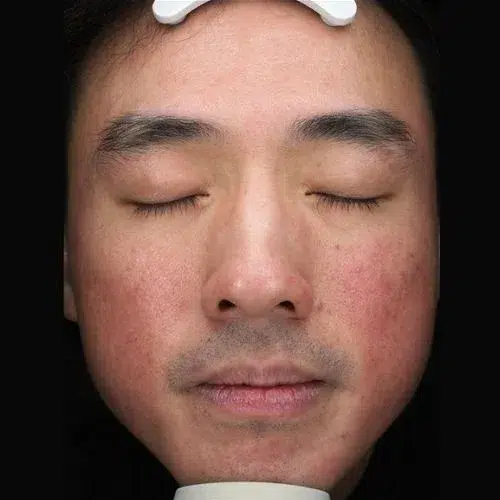
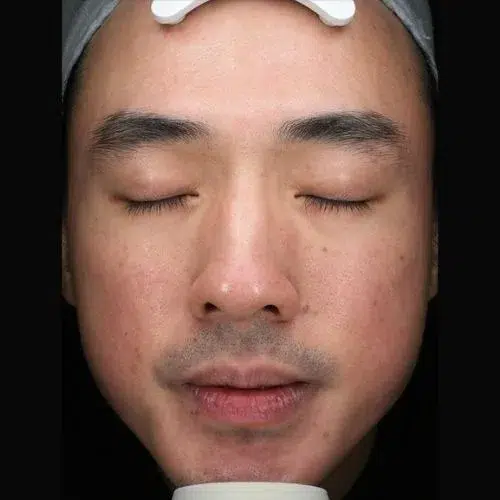
Case 1 · Real Sensitive Skin Record
- Client profile
- Asian male · Fitzpatrick IV
- Concerns
- Sensitive Skin (Comprehensive Improvement via Multimodal Combination Protocols)
- Treatment plan
- Fotona® 4D redness-reduction laser + Vbeam® Perfecta pulsed dye laser (2–3 sessions)
- Improvement
- Marked improvement in sensitive skin · Natural overall result
- PIH occurrence
- No PIH
- Maintenance
- Vbeam Quarterly touch-up × 1 + sun protection
Case 01: Sensitive skin before treatment · Asian male · Fitzpatrick IV · Multimodal combination protocol led by our physician at Luowei Medical Aesthetics Clinic, Nanjing
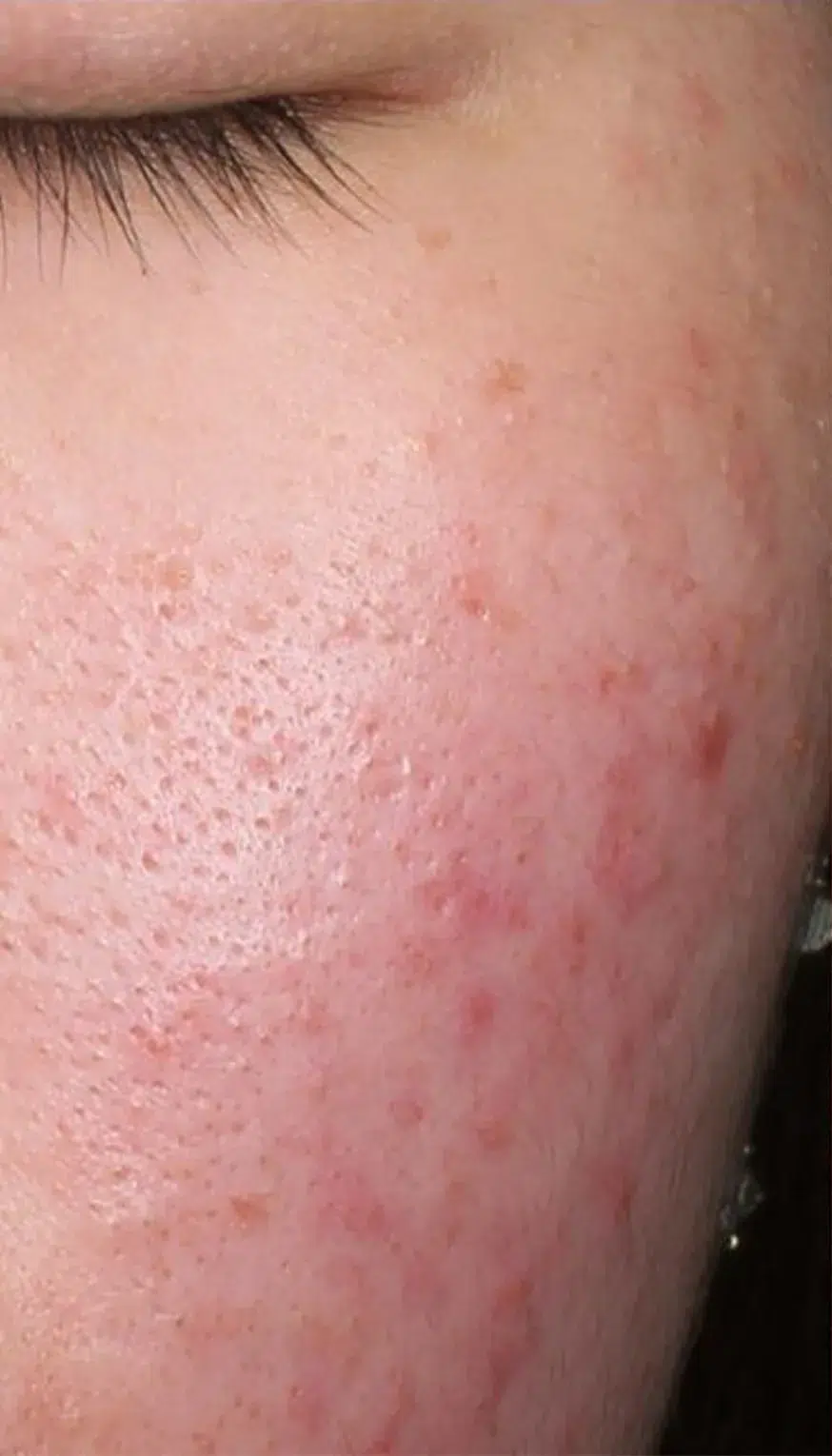
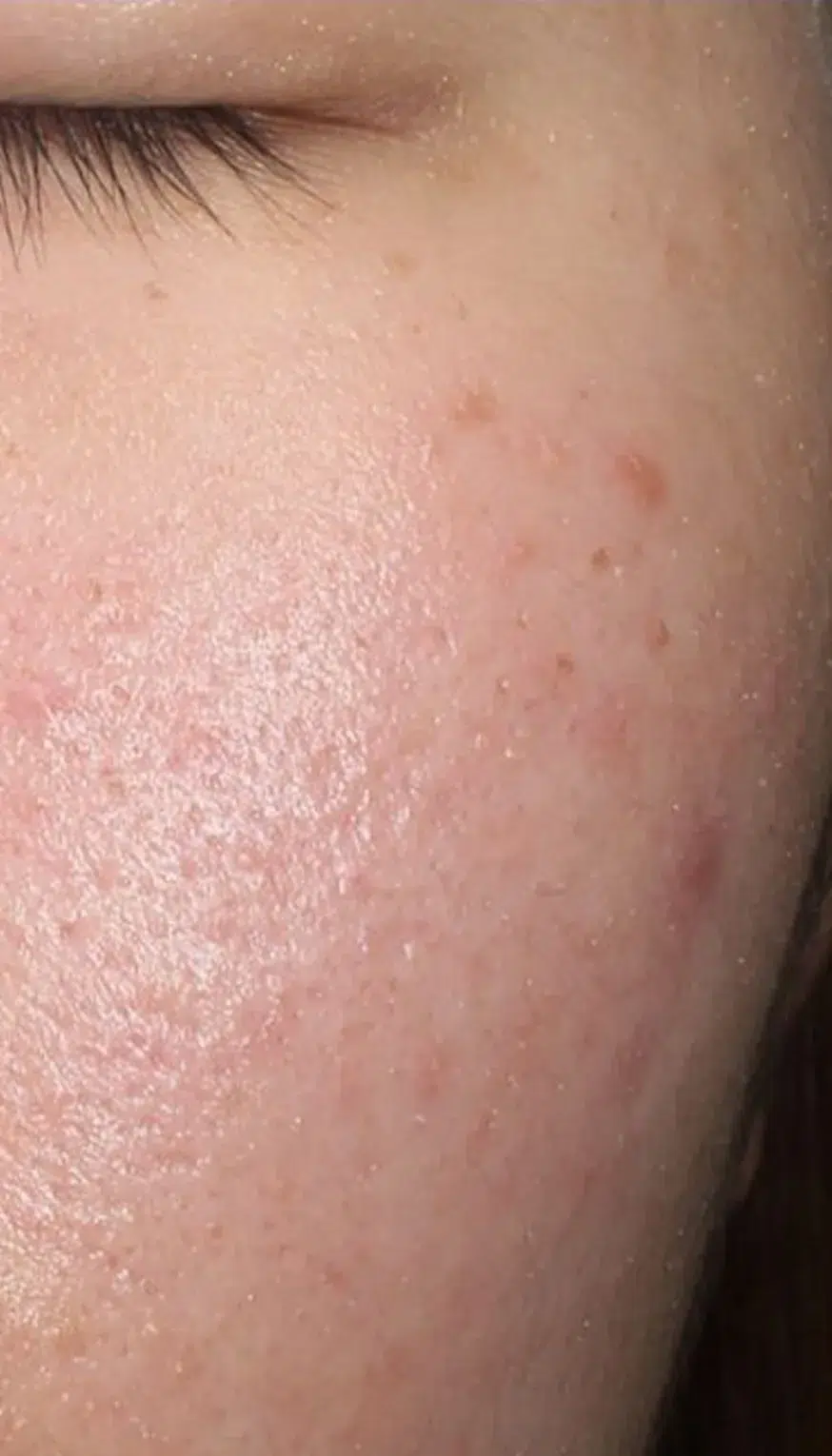
Case 1 · Real Sensitive Skin Record
- Client profile
- Asian female · Fitzpatrick IV
- Concerns
- Sensitive Skin (Comprehensive Improvement via Multimodal Combination Protocols)
- Treatment plan
- Laser vascular treatment + Vbeam® redness reduction + Vbeam® sensitive-skin repair + Lutronic Genius® smart RF microneedling, and 6 other modalities (multiple sessions within 3 months)
- Improvement
- Marked improvement in sensitive skin · Natural overall result
- PIH occurrence
- No PIH
- Maintenance
- 1 maintenance energy session per year + at-home retinoid
Case 01: Sensitive skin pre-treatment comparison · Asian female · Fitzpatrick IV · Multi-modal combination protocol led by our physician at Luowei Medical Aesthetics Clinic, Nanjing.
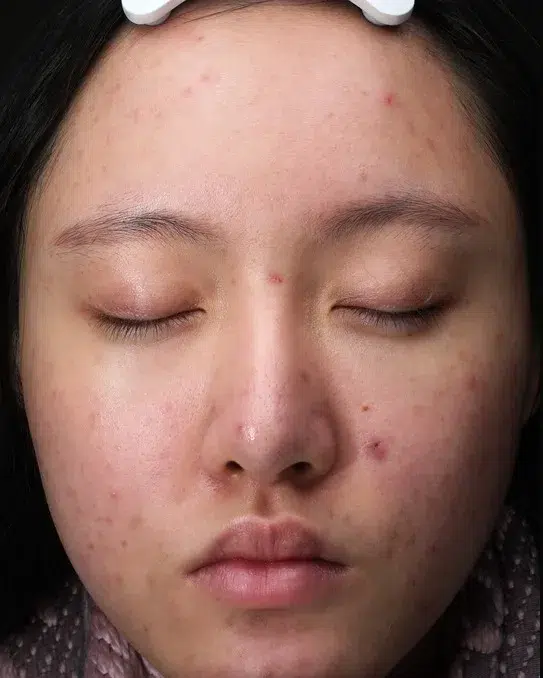
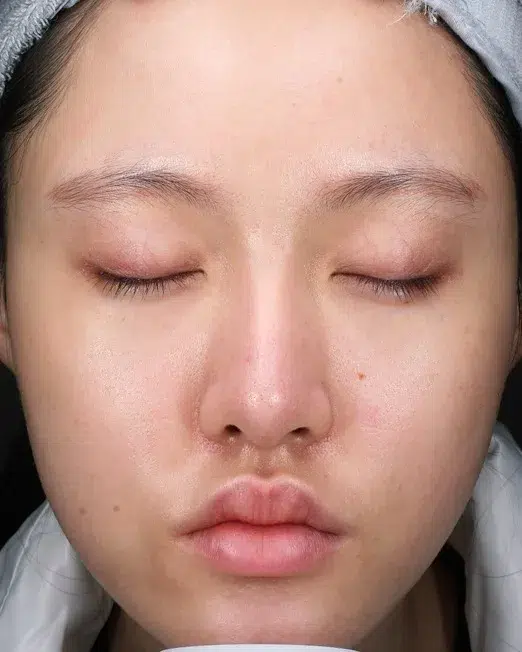
Case 2 · Real Sensitive-Skin Record
- Client profile
- Asian female · Fitzpatrick IV
- Concerns
- Sensitive Skin (Comprehensive Improvement via Multimodal Combination Protocols)
- Treatment plan
- Vbeam®Redness reduction + Vbeam® sensitive-skin repair + Genius™ + Infini™ 2nd-generation RF microneedling, and 7 other modalities (multiple sessions within 3 months)
- Improvement
- Marked improvement in sensitive skin · Natural overall result
- PIH occurrence
- No PIH
- Maintenance
- Routine sun protection + monthly at-home care + quarterly assessment
Case 02: Sensitive Skin Pre-Treatment Comparison · Asian Female · Fitzpatrick IV · Multimodal Combination Protocol led by our physician at Luowei Medical Aesthetics Clinic, Nanjing
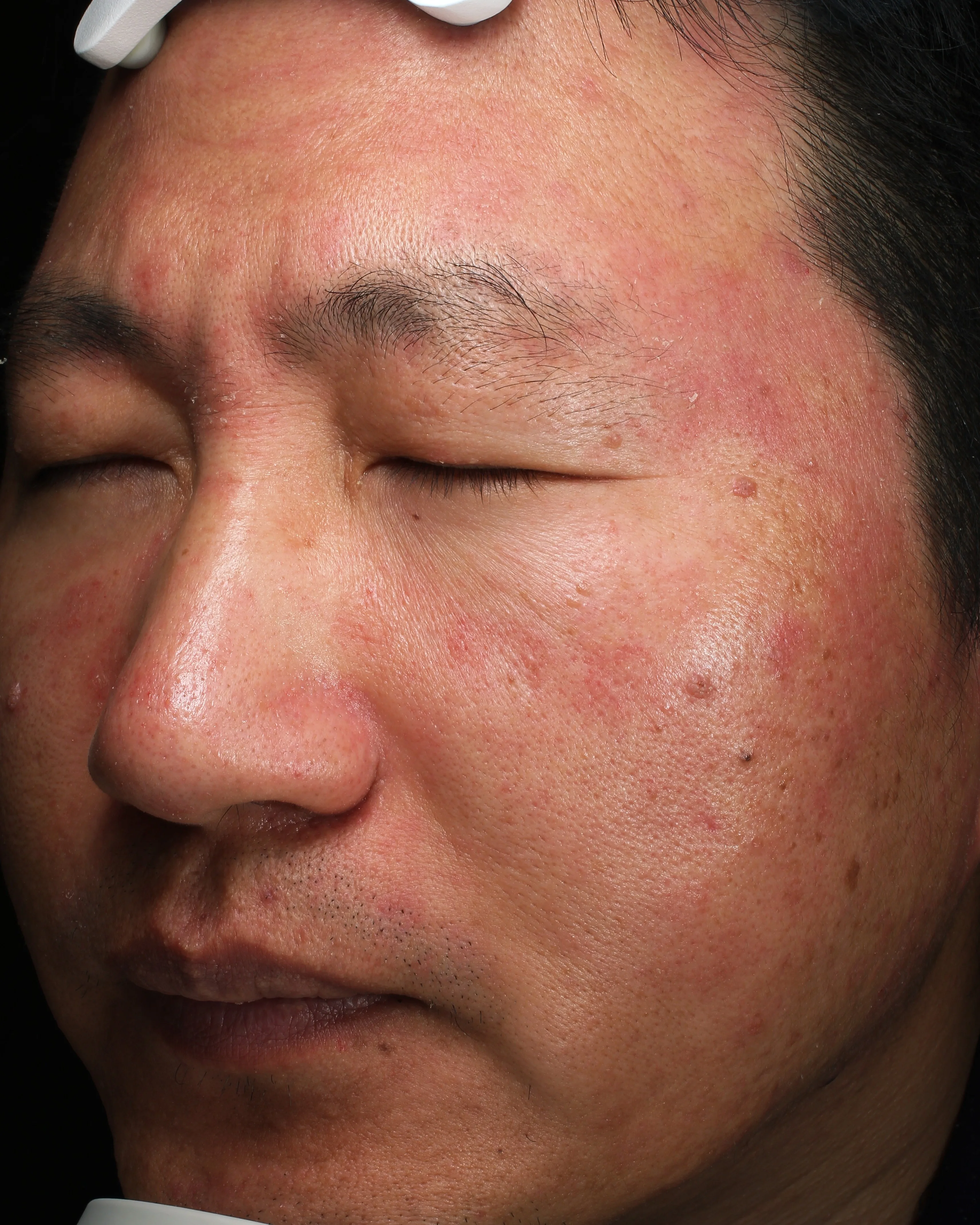
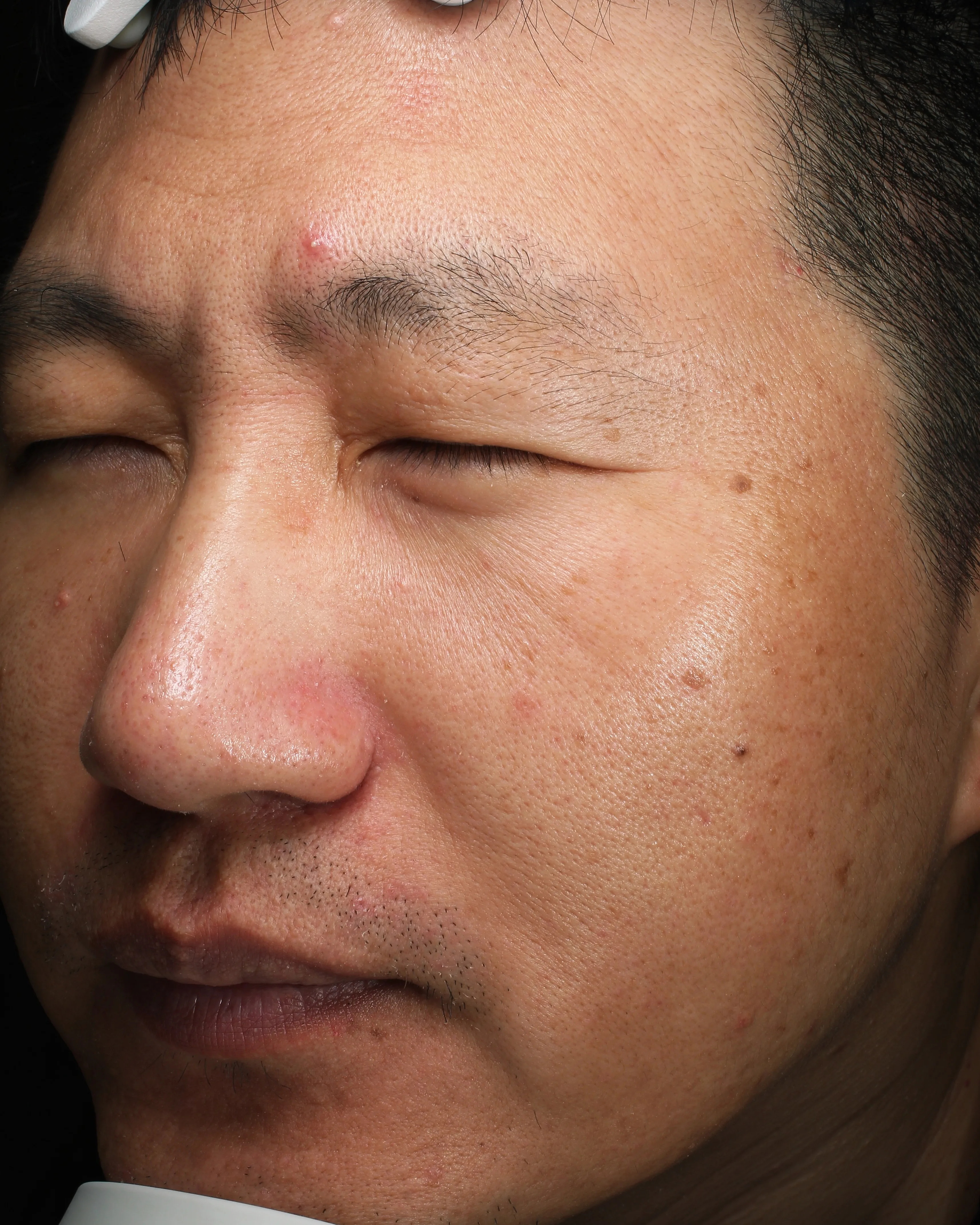
Case 3 · Real Sensitive Skin Record
- Client profile
- Asian male · Fitzpatrick IV
- Concerns
- Sensitive Skin (Comprehensive Improvement via Multimodal Combination Protocols)
- Treatment plan
- Fotona® 4D redness-reduction laser + Vbeam® Perfecta pulsed dye laser (2–3 sessions)
- Improvement
- Marked improvement in sensitive skin · Natural overall result
- PIH occurrence
- No PIH
- Maintenance
- Vbeam Quarterly touch-up × 1 + sun protection
Case 03: Sensitive skin before treatment · Asian male · Fitzpatrick IV · Multimodal combination protocol led by our physician at Luowei Medical Aesthetics Clinic, Nanjing
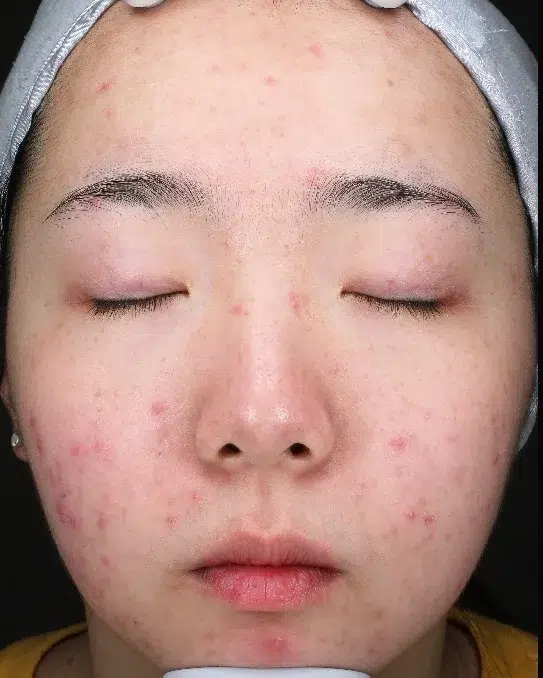
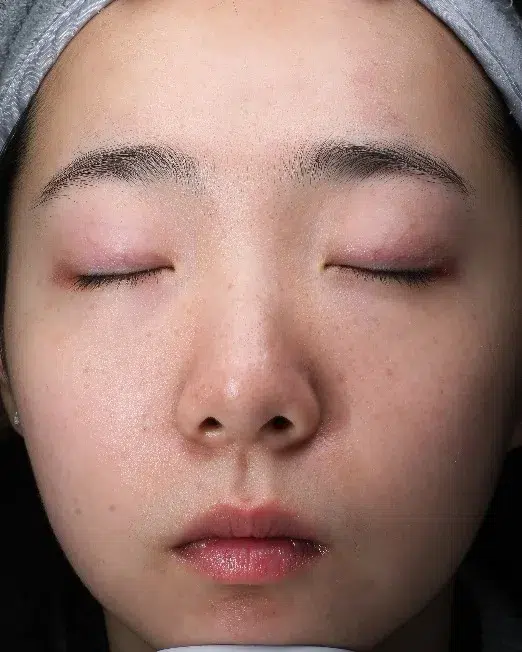
Case 3 · Real Sensitive Skin Record
- Client profile
- Asian female · Fitzpatrick IV
- Concerns
- Sensitive Skin (Comprehensive Improvement via Multimodal Combination Protocols)
- Treatment plan
- Vascular laser for redness + Vbeam® Perfecta pulsed dye laser + Vbeam® redness reduction + Vbeam® sensitive skin repair — 8 modalities in total (multiple sessions within 3 months)
- Improvement
- Marked improvement in sensitive skin · Natural overall result
- PIH occurrence
- No PIH
- Maintenance
- Routine sun protection + monthly at-home care + quarterly assessment
Case 03: Sensitive skin pre-treatment comparison · Asian female · Fitzpatrick IV · Multi-modal combination protocol led by our physician at Luowei Medical Aesthetics Clinic, Nanjing.
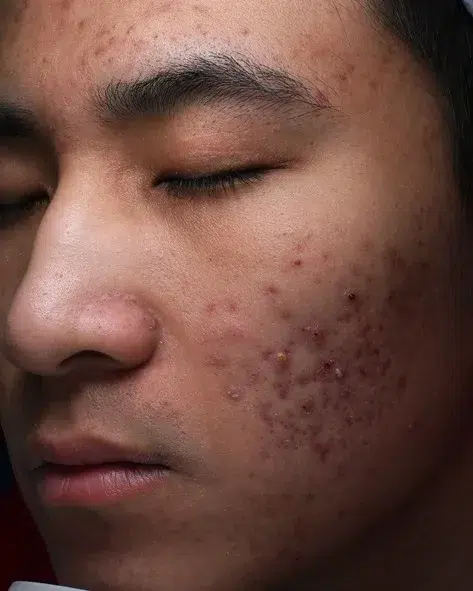
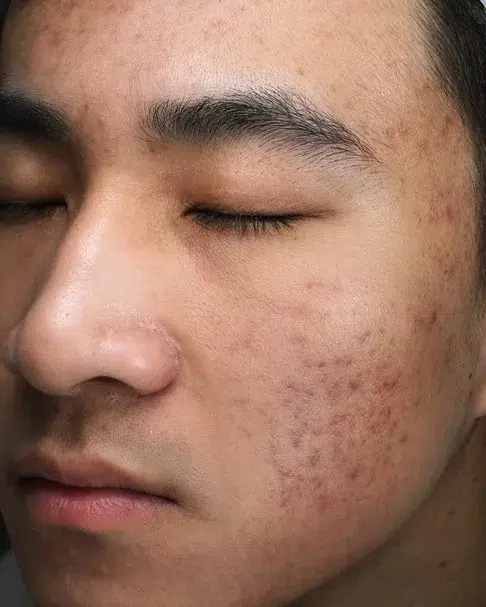
Case 4 · Real Sensitive Skin Record
- Client profile
- Asian female · Fitzpatrick IV
- Concerns
- Sensitive Skin (Comprehensive Improvement via Multimodal Combination Protocols)
- Treatment plan
- Vascular laser for redness + Vbeam® Perfecta pulsed dye laser + Vbeam® redness reduction + Vbeam® sensitive skin repair — 8 modalities in total (multiple sessions within 3 months)
- Improvement
- Marked improvement in sensitive skin · Natural overall result
- PIH occurrence
- No PIH
- Maintenance
- Routine sun protection + monthly at-home care + quarterly assessment
Case 04: Sensitive Skin Pre-Treatment Comparison · Asian Female · Fitzpatrick IV · Multimodal Combination Protocol led by our physician at Luowei Medical Aesthetics Clinic, Nanjing
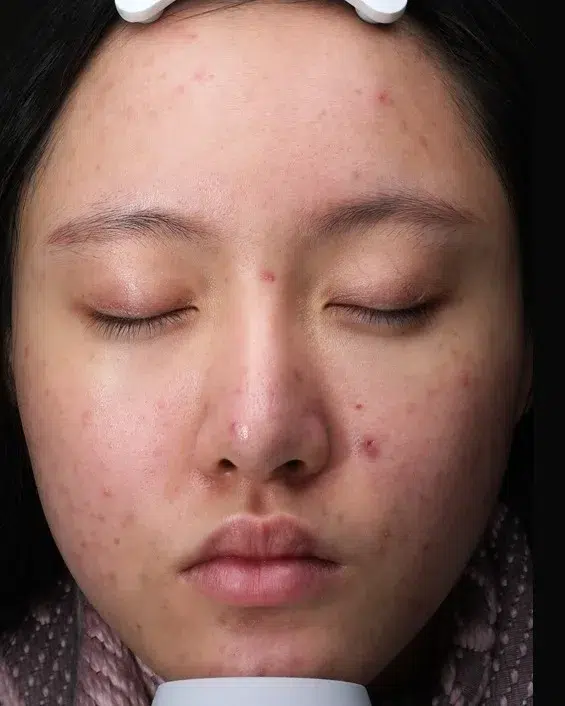
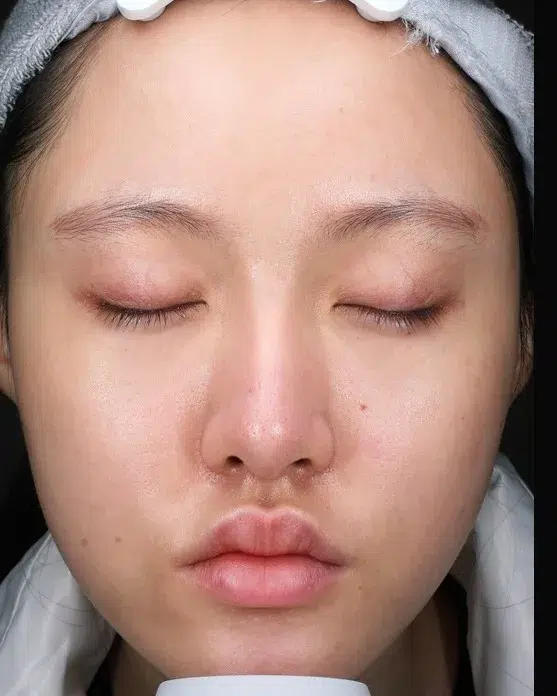
Case 5 · Real Sensitive-Skin Record
- Client profile
- Asian female · Fitzpatrick IV
- Concerns
- Sensitive Skin (Comprehensive Improvement via Multimodal Combination Protocols)
- Treatment plan
- Vbeam®Redness Reduction + Vbeam® Sensitive Skin Repair + Vbeam® Pulsed Dye Laser for Vascular Lesions + Genius™, etc. — 7 treatments (multiple sessions within 3 months)
- Improvement
- Marked improvement in sensitive skin · Natural overall result
- PIH occurrence
- No PIH
- Maintenance
- Routine sun protection + monthly at-home care + quarterly assessment
Case 05: Sensitive skin pre-treatment comparison · Asian female · Fitzpatrick IV · Multi-modal combination protocol led by our physician at Luowei Medical Aesthetics Clinic, Nanjing.
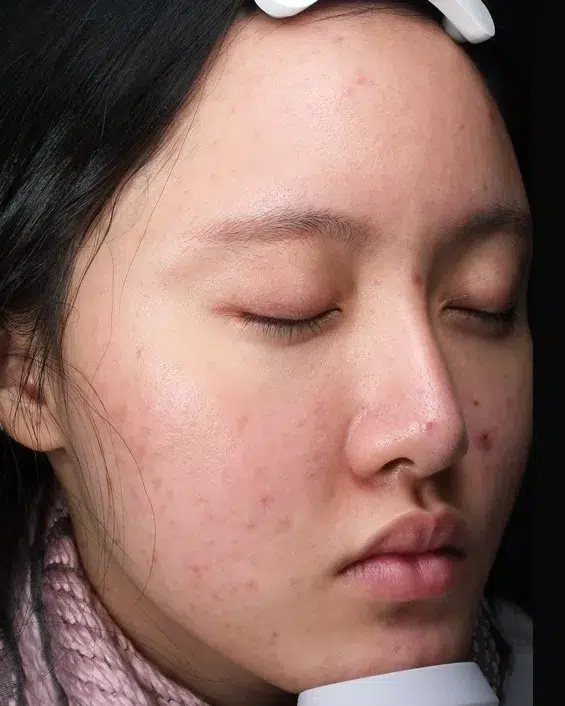
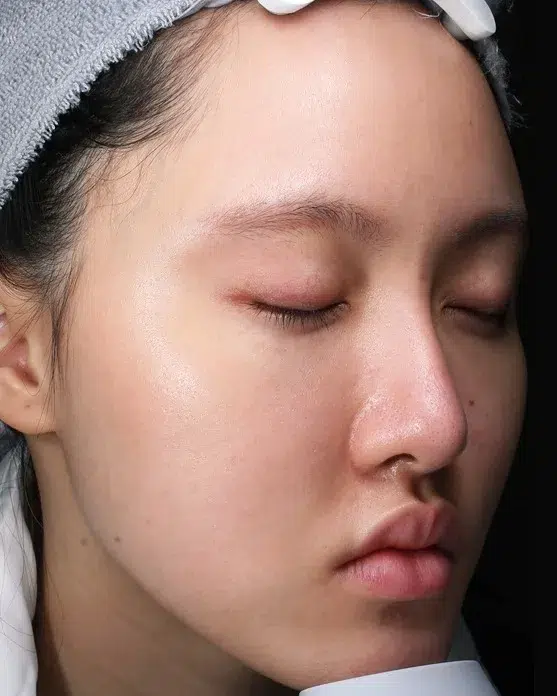
Case 6 · Real Sensitive Skin Record
- Client profile
- Asian female · Fitzpatrick IV
- Concerns
- Sensitive Skin (Comprehensive Improvement via Multimodal Combination Protocols)
- Treatment plan
- Vbeam®Redness Reduction + Vbeam® Sensitive Skin Repair (multiple sessions within 3 months)
- Improvement
- Marked improvement in sensitive skin · Natural overall result
- PIH occurrence
- No PIH
- Maintenance
- Routine sun protection + monthly at-home care + quarterly assessment
Case 06: Sensitive skin before treatment · Asian female · Fitzpatrick IV · Multimodal combination protocol led by our physician at Luowei Medical Aesthetics Clinic, Nanjing
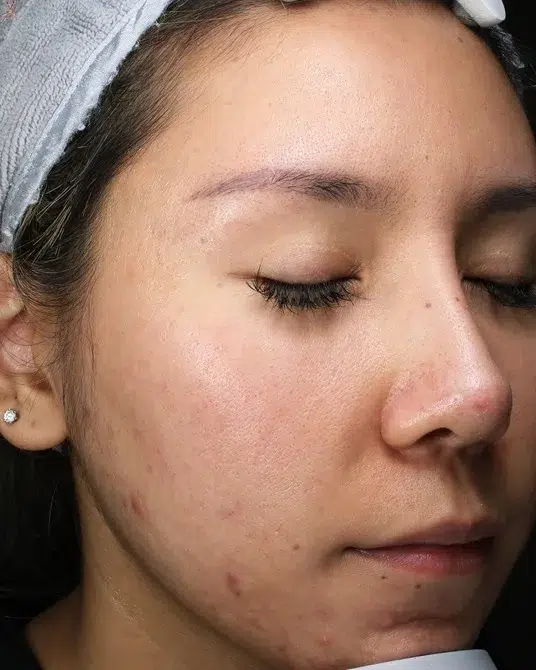
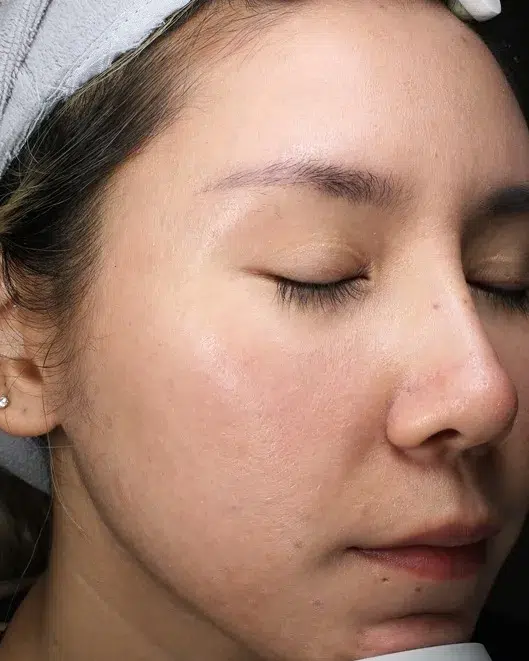
Case 7 · Real Sensitive Skin Record
- Client profile
- Asian female · Fitzpatrick IV
- Concerns
- Sensitive Skin (Comprehensive Improvement via Multimodal Combination Protocols)
- Treatment plan
- AI BBL® HEROIC™ acne clearing + laser vascular treatment + Vbeam® Perfecta pulsed dye laser + Vbeam® redness reduction, and 8 other modalities (multiple sessions within 3 months)
- Improvement
- Marked improvement in sensitive skin · Natural overall result
- PIH occurrence
- No PIH
- Maintenance
- Routine sun protection + monthly at-home care + quarterly assessment
Case 07: Sensitive Skin Pre-Treatment Comparison · Asian Female · Fitzpatrick IV · Multimodal Combination Protocol led by our physician at Luowei Medical Aesthetics Clinic, Nanjing
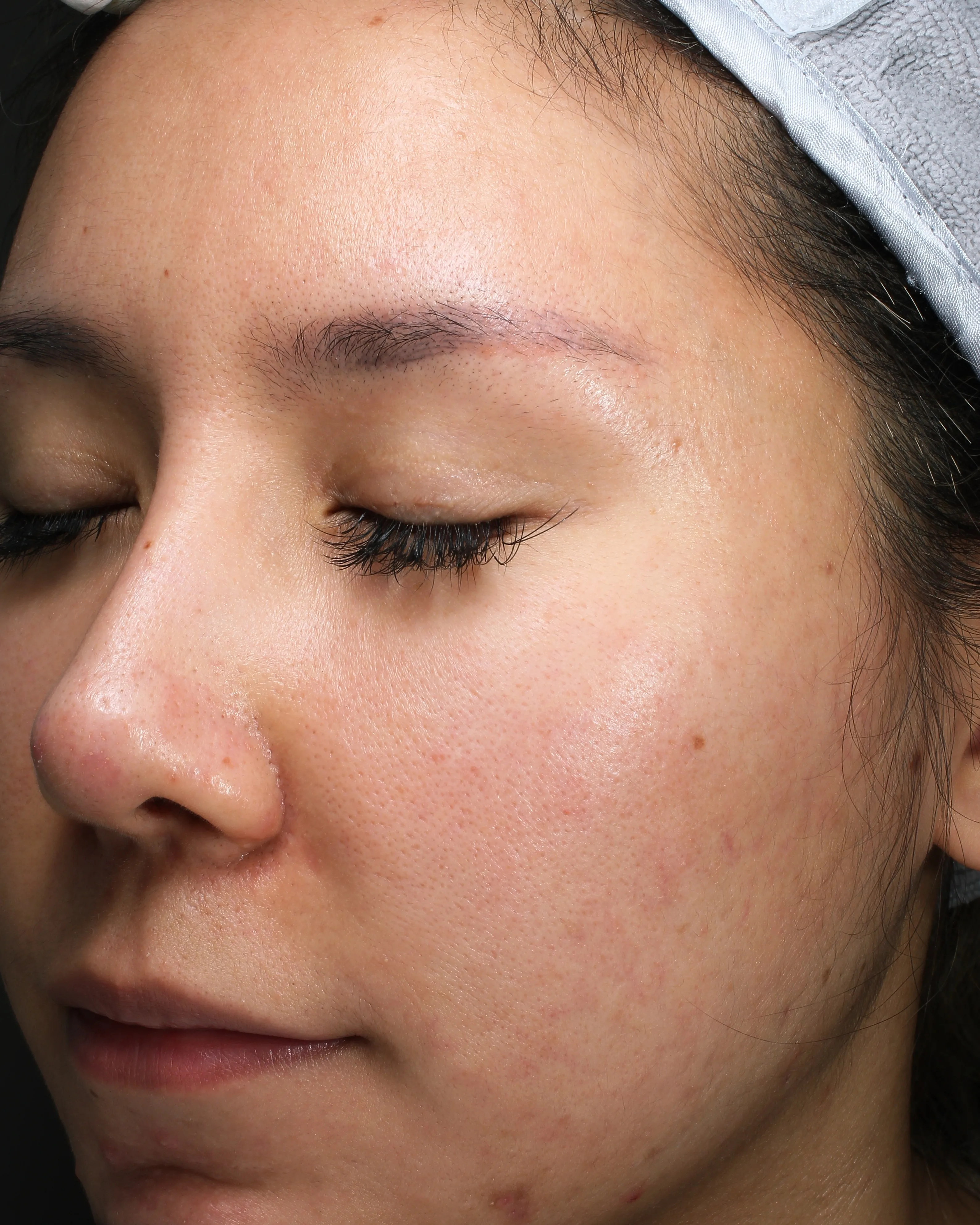
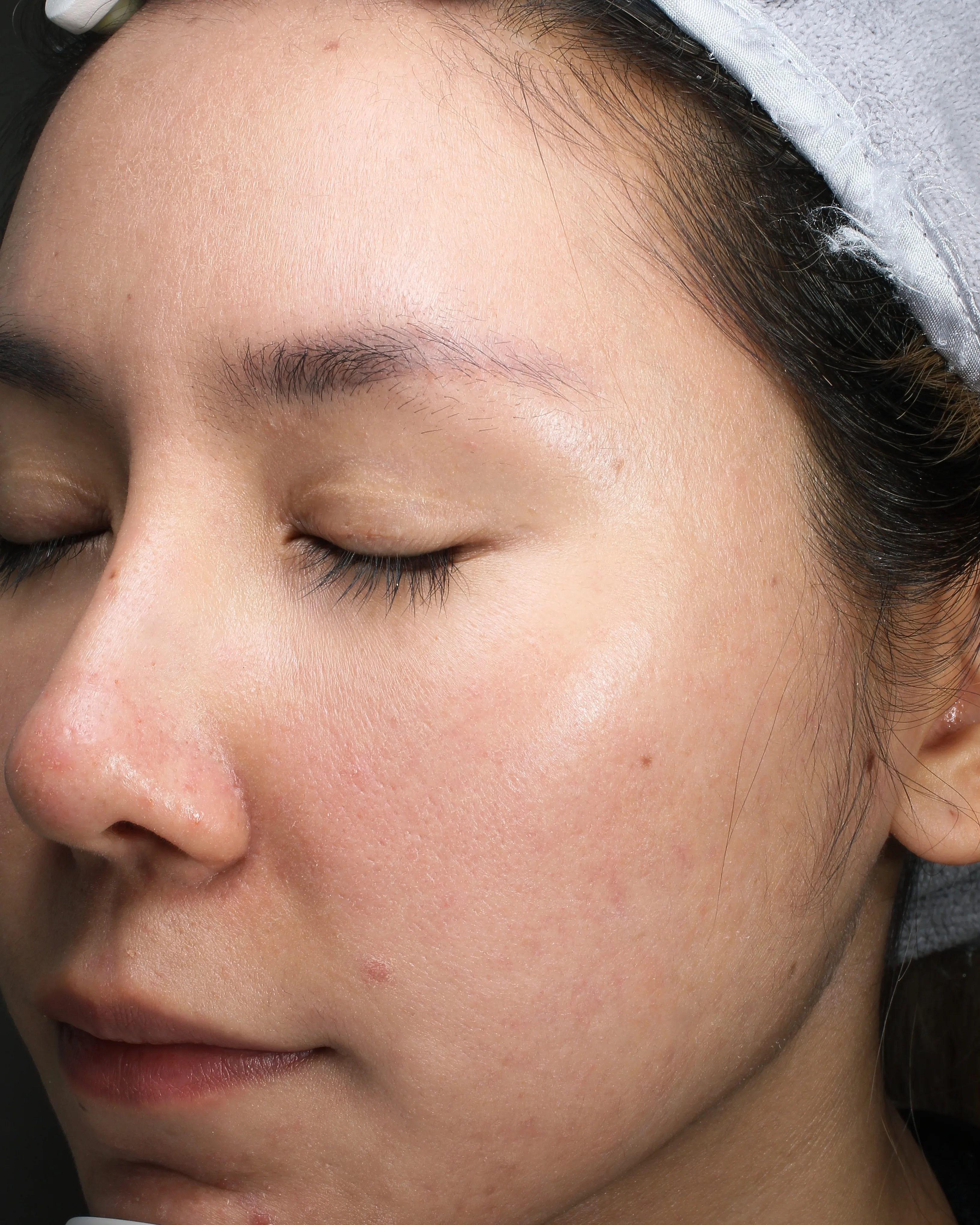
Case 13 · Real Sensitive-Skin Record
- Client profile
- Asian female · Fitzpatrick IV
- Concerns
- Sensitive Skin (Comprehensive Improvement via Multimodal Combination Protocols)
- Treatment plan
- AI BBL HEROIC™ for clearer skin and acne + vascular laser for redness + Vbeam® Perfecta pulsed dye laser + Vbeam® redness reduction — 5 modalities in total (multiple sessions within 3 months)
- Improvement
- Marked improvement in sensitive skin · Natural overall result
- PIH occurrence
- No PIH
- Maintenance
- Routine sun protection + monthly at-home care + quarterly assessment
Case 13: Sensitive skin pre-treatment comparison · Asian female · Fitzpatrick IV · Multi-modal combination protocol led by our physician at Luowei Medical Aesthetics Clinic, Nanjing.
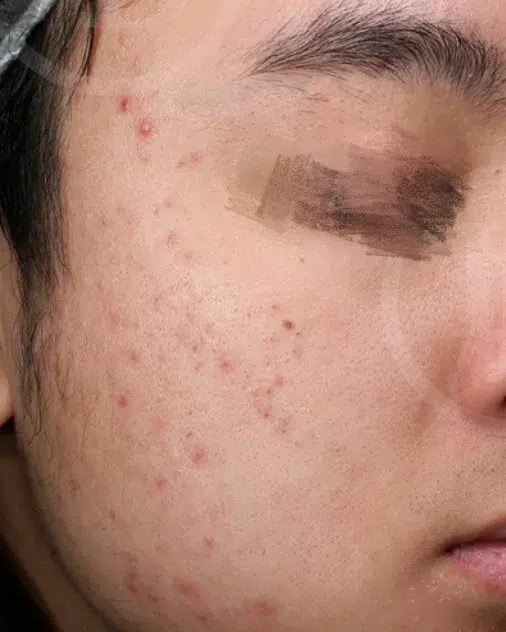
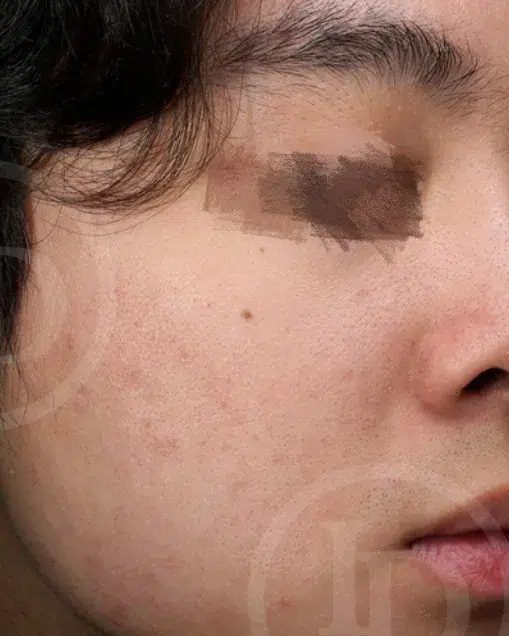
Case 15 · Real Sensitive Skin Record
- Client profile
- Asian male · Fitzpatrick IV
- Concerns
- Sensitive Skin (Comprehensive Improvement via Multimodal Combination Protocols)
- Treatment plan
- Lutronic Genius®Smart RF microneedling + Lutronic INFINI® gold RF microneedling + Erbium laser (multiple sessions within 3 months)
- Improvement
- Marked improvement in sensitive skin · Natural overall result
- PIH occurrence
- No PIH
- Maintenance
- 1 maintenance energy session per year + at-home retinoid
Case 15: Sensitive skin before treatment · Asian male · Fitzpatrick IV · Multimodal combination protocol led by our physician at Luowei Medical Aesthetics Clinic, Nanjing
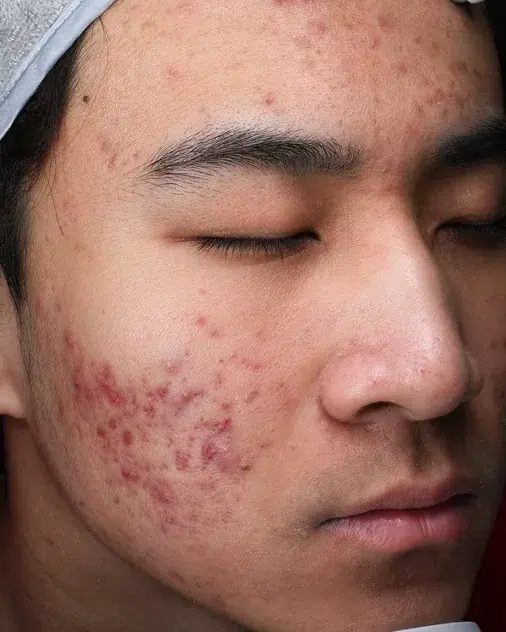
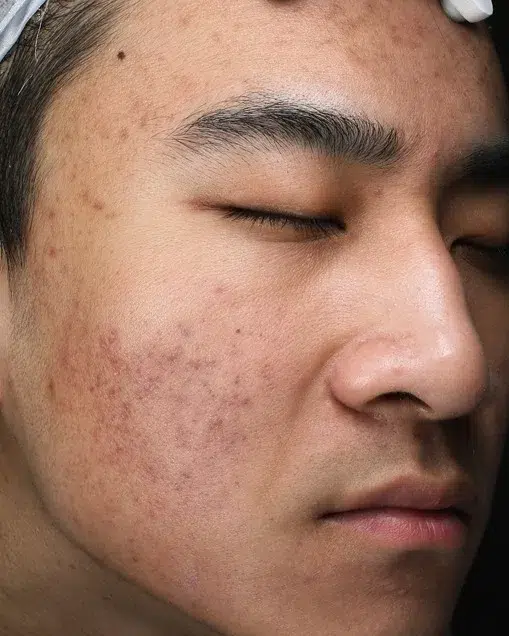
Case 56 · Real Sensitive Skin Record
- Client profile
- Asian male · Fitzpatrick IV · Recurrent for many years
- Concerns
- Sensitive Skin (Comprehensive Improvement via Multimodal Combination Protocols)
- Treatment plan
- Vbeam®Redness Reduction + Vbeam® Sensitive Skin Repair + Lutronic Genius® Smart RF Microneedling + Lutronic INFINI® Gold RF Microneedling, etc. — 5 treatments (4-6 sessions)
- Improvement
- Marked improvement in sensitive skin · Natural overall result
- PIH occurrence
- No PIH
- Maintenance
- 1 maintenance energy session per year + at-home retinoid
Case 56: Sensitive skin pre-treatment comparison · Asian male · Fitzpatrick IV · Recurrent for many years · Multi-modal combination protocol led by our physician at Luowei Medical Aesthetics Clinic, Nanjing.
What is sensitive skin? Why is it not the same as a “skin allergy”?
Sensitive skin is a skin Abnormal reactions to stimuli the skin should normally tolerate state — presenting as stinging, burning, tightness, flushing, and itching. It is not the same as allergy, but rather Impaired skin barrier function + over-activated neural sensation + heightened vascular reactivity the combined result of all three factors. Among Asian women, the incidence of acquired sensitive skin is rising rapidly, closely linked to over-skincare, inappropriate energy-based treatments, and barrier disruption.
Sensitivity ≠ Allergy
Allergy is an IgE-mediated immune response to a specific allergen, confirmed by patch testing. Sensitive skin is Non-immune-mediated barrier dysfunction and neurovascular abnormalities — simply “switching products” rarely solves it.
Why is the Incidence so High Among Asian Women?
Asian women generally follow multi-step skincare routines, use acids frequently, and pursue “brightening” energy-based treatments — these factors compound to cause Thinning of the stratum corneum and loss of ceramides, barrier function gradually breaks down.
Why you shouldn’t keep layering more “barrier repair serums”
The core strategy for sensitive skin is Subtraction approach, not addition. The more active ingredients are layered on, the harder it is for the barrier to recover. Our physician’s first clinical step is often to have clients Stop using 80% of your products.
Why barrier assessment must come first
VISIA A three-part workup — redness mapping + clinical palpation + medical history — to distinguish Barrier-type / Vascular-type / Neural-type / Mixed-type, to determine the direction of further treatment.
Clinical highlights:Many clients arrive with a dozen “sensitive-skin-specific” serums in hand, yet their skin keeps getting worse. The problem isn’t the products themselves, but Stacking logic. The first step of our physician’s protocol is always to assess the skin barrier — never to fire up a device or push a new product.
The 5 Causes of Sensitive Skin — It’s Not Just “Genetic”
Clinically, over 70% of sensitive skin cases are Acquired, means it is reversible. Identifying the underlying cause is the prerequisite for successful treatment.
1. Over-cleansing and acid overuse
Frequent use of soap-based cleansers, scrubs, AHAs, and salicylic acid disrupts stratum corneum structure, depletes ceramides and natural moisturizing factors, and leads to barrier collapse.
2. Inappropriate laser/light treatments
High-energy IPL, aggressive fractional laser and incorrectly parameterized lasers can repeatedly damage the skin barrier, pushing skin into a state of chronic low-grade inflammation — creating “iatrogenic sensitive skin.”
3. Topical corticosteroid overuse
Long-term use of steroid-containing “miracle creams” (commonly sourced through unregulated channels) leads to withdrawal reactions after discontinuation: flushing, papules and telangiectasias — requiring 3–6 months of withdrawal management.
4. Environmental factors
China's cold dry winters, indoor heating, and strong summer UV exposure — extreme temperature shifts and low humidity directly weaken the skin barrier. This is especially prevalent in Asian immigrant clients within their first 1-2 years in North America.
5. Genetic and rosacea spectrum
A small portion of sensitive skin cases are due to congenital vascular hyperreactivity, on the same spectrum as rosacea. These require long-term management rather than pursuing a “cure”.
4 Skin conditions commonly mistaken for sensitive skin — key differential diagnostic points
Misclassification leads to mistreatment. The table below summarizes the 4 most common differential diagnoses our physician encounters clinically.
Rosacea
Rosacea · Erythematotelangiectatic type
| Distribution | Central face: nose, cheeks, chin (symmetrical) |
|---|---|
| Morphology | Persistent erythema + telangiectasia ± papules/pustules |
| Triggers | Spicy food, alcohol, heat, stress |
| Key distinction | Visible telangiectasias, with reactions becoming chronic |
| First-line treatment | Vbeam + Anti-inflammatory management (long-term) |
Contact Dermatitis
Contact Dermatitis · Allergic / irritant
| Distribution | Clearly defined contact area (limited to application site) |
|---|---|
| Morphology | Erythema + vesicles + oozing + itching |
| Triggers | Specific allergens / irritants |
| Key distinction | Acute onset, well-defined borders, diagnosable by patch testing |
| First-line treatment | Discontinue triggers + short-term topical medication |
Seborrheic Dermatitis
Seborrheic Dermatitis
| Distribution | T T-zone, glabella, alar creases and hairline |
|---|---|
| Morphology | Greasy scales + erythema + mild itching |
| Triggers | Malassezia + sebum overproduction + stress |
| Key distinction | Greasy scaling, related to sebum production |
| First-line treatment | Topical antifungals + barrier repair |
Atopic dermatitis
Atopic Dermatitis · Eczema
| Distribution | Periorbital area, neck and flexural sites |
|---|---|
| Morphology | Chronic eczematous changes + lichenification + intense itching |
| Triggers | Genetics + immune dysregulation + barrier-gene mutations |
| Key distinction | History of atopy (asthma / rhinitis), childhood onset |
| First-line treatment | Systemic dermatologic management + barrier care |
⚠️ Warning:Clinically, about 25% of clients who self-diagnose as having “sensitive skin” are actually presenting with early rosacea or seborrheic dermatitis, requiring anti-inflammatory / anti-fungal treatment rather than “reparative skincare”. Inaccurate diagnosis → treatment failure → recurrent worsening — this is the most common skincare pitfall for Asian women.
Why does sensitive skin in Asian patients require a dedicated “Fitzpatrick III–V protocol”?
Blind spots in mainstream North American clinics
Mainstream North American clinics typically manage sensitive skin by “stopping all products + applying potent prescription creams” — an approach derived from Fitzpatrick I–II Caucasian skin. Applying this directly to Asian Fitzpatrick III–V skin creates three core problems:
- ✗ Ignoring the Asian skincare cultural context— Multi-step skincare has become a lifestyle habit and cannot be abruptly halted
- ✗ Underestimates the risk of topical steroid misuse— Steroid-containing creams from unregulated channels circulate widely in Asian communities and require specialized withdrawal management
- ✗ No consideration of PIH risk— After any sensitive-skin treatment, Asian skin carries an added risk of pigmentation
Our physician’s specialty adjustments for Fitzpatrick III–V
| Dimension | North American standard | Asian-specific adjustments |
|---|---|---|
| Streamlined skincare | Stop all at once | Gradual, 2–4 weeks |
| Vbeam Energy | 7-9 J/cm² | 5-7 J/cm² Low energy |
| Treatment interval | 3-4 weeks | 4-6 weeks |
| PIH Warning signs | Less emphasized | Required monitoring |
| Steroid withdrawal | Uncommon | Has a complete protocol |
6 Treatment Pathways for Sensitive Skin — Chosen by Subtype
There is no “one-shot” fix for sensitive skin. Based on barrier, vascular, and neural-response assessment, we combine the modalities and therapies below.
PDRN Salmon DNA
PDRN Polydeoxyribonucleotide is delivered through microchannels to directly repair cellular DNA and promote ceramide synthesis,The gold standard for barrier-impaired sensitive skin. No thermal damage, no PIH risk.
Vbeam Perfecta Vascular laser
595nm Pulsed dye laser, precisely targeting superficial capillaries,First-line choice for vascular-reactive sensitive skin / rosacea overlap. Low-fluence protocols are suited to Asian skin.
LED Red-light therapy
633nm Red light reduces inflammation, activates mitochondria, and stimulates collagen synthesis. The treatment is completely non-invasive and heat-free, and can High-frequency use, once a week, Suitable for the acute sensitivity phase.
OxyGeneo 3-in-1 gentle resurfacing
Non-ablative gentle cleansing + CO₂ bubble exfoliation + nutrient infusion — ideal for sensitive-skin clients who want light renewal without the risk of irritation.Minimal downtime.
Aquagold Microneedling nutrient delivery
24K Ultra-fine gold-coated microneedles (0.13 mm) deliver a customized nutrient serum into the superficial dermis — virtually painless with minimal downtime, ideal for the recovery phase of sensitive skin Fine-tuned repair.
Skin booster (hyaluronic acid + repair factors)
Targeted injection of small-molecule hyaluronic acid + peptides into the superficial dermis — hydrating, repairing the barrier, and reducing neurogenic sensitivity.Cannot be used as a standalone primary treatment, but it delivers noticeable results during the maintenance phase.
Our physician’s 6-Step Standard Protocol for Sensitive Skin
Consultation + barrier assessment
30 minute free consultation, including VISIA red-zone imaging, clinical palpation, and a detailed skincare-product history.No assessment, no treatment.
Skincare simplification phase (2–4 weeks)
Stop all active ingredients (acids/retinoids/brightening agents) and keep only a gentle cleanser, a reparative moisturizer, and physical SPF 50+. This step alone often improves symptoms by 50%.
Acute-phase management
If there is significant inflammation or steroid withdrawal reaction, we stabilize first with LED red-light therapy and reparative dressings — no irritating treatments are performed.
Active treatment phase (4–6 sessions, once every 3–4 weeks)
PDRN Salmon DNA / Vbeam® / LED red-light combination protocol. Cold compress and reparative aftercare are applied immediately after each treatment, with close monitoring for any adverse reactions.
Assessment phase (4 weeks after the active treatment phase)
VISIA Repeat scan + clinical interview. Determines whether to enter the maintenance phase or add further treatments.
Maintenance phase (every 8–12 weeks, long-term)
Low-frequency maintenance + long-term barrier care + seasonal adjustments. Sensitive skin can become “no longer sensitive” — but it requires consistent, gentle management.
Treatment Timeline — How Long Until You See Results?
| Subtype | Active treatment cycle | Initial results | Significant improvement | Maintenance cycle |
|---|---|---|---|---|
| Barrier-damaged type | 4–6 sessions | After 2 weeks of skincare simplification | After the 3rd–4th session | Every 8–12 weeks |
| Vascular-reactive type | 4–6 session of Vbeam® | After session 1 | After the 3rd session | Every 12–16 weeks |
| Steroid-dependent type | 3–6 month withdrawal | After the withdrawal rebound phase | After week 12 | Long-term barrier maintenance |
| Laser/light over-treated type | 12 weeks after stopping laser/light treatments + 4–6 repair sessions | 4 weeks after stopping treatment | After week 16 | Long-term, every 6–8 weeks |
Clinical note:Impatience is the #1 mistake in treating sensitive skin. Rather than chasing a “quick fix,” what matters more is No further deterioration. Among our Nanjing clients, the recurrence rate is under 10% for those who adhere to the structured care plan for 6+ months.
Do You Have Sensitive Skin? 2-Minute Self-Assessment
✅ Matches sensitive-skin profile
- ✓Stinging, burning, or tightness with most skincare products
- ✓Easily flushes with temperature change, exercise, or emotional excitement
- ✓Visible telangiectasia on the nose wings and cheeks
- ✓Skin thinning after long-term use of acids / chemical exfoliation / frequent energy-based treatments
- ✓Gradual worsening after using a “miracle cream” (possibly containing steroids)
- ✓Willing to accept a 2–4 week skincare simplification period
❌ Other issues must be addressed first
- ✗Acute contact dermatitis in the exudative phase (refer to dermatology first)
- ✗Suspected to be caused by a specific allergen (patch testing recommended first)
- ✗Early-stage withdrawal from severe topical-steroid dependence (refer to internal medicine / dermatology first)
- ✗Expecting full resolution in 1–2 sessions (unrealistic expectation)
- ✗Unwilling to stop current skincare (treatment results will be poor)
- ✗Active autoimmune disease (SLE/lupus, etc.)
Luowei Physician-Led Sensitive Skin Protocol vs. Standard Medspa
- ✗Recommending a “sensitive skin package” at a glance, without assessment
- ✗Sells more “sensitive-skin serums” layered on top of existing skincare
- ✗Using IPL “rejuvenation” to treat flushing, which actually worsens barrier damage
- ✗Failing to recognize steroid-dependent skin and continuing with activating treatments
- ✗Often performed by RMTs/aestheticians without physician consultation
- ✗Being told that worsening reactions are “a normal part of healing”
- ✗No quantitative barrier assessment tools
- ✓VISIA Red-zone imaging + barrier assessment + medical history review
- ✓Step 1: Subtract — simplify your skincare instead of adding more products
- ✓PDRN Salmon DNA / Vbeam® / LED red-light combination protocol
- ✓Specialized protocol for topical-steroid withdrawal
- ✓Personally consulted and treated by our physician
- ✓Proactive treatment pause + reparative protocol upon adverse reactions
- ✓6 Phased protocol includes a long-term maintenance plan
Why You Can Trust Luowei Medical Aesthetics Clinic’s Sensitive Skin Expertise
Experience
Expertise Specialty
Authoritativeness Authority
Trustworthiness Trustworthy
All cases on this page are authorized via Media Release Form · Clinical data verifiable
About the cost of sensitive skin treatment
Pricing for sensitive skin treatment varies widely between clinics, and it can be confusing. The real driver of cost is never the device or product itself — it’s who performs the assessment, who decides the treatment pacing, and how deeply clinical experience needs to be involved. Sensitive skin has complex causes and many subtypes, often accompanied by steroid withdrawal or recovery from laser/light over-treatment. These cases require our physician’s direct involvement in diagnosis and protocol design, and the pricing structure reflects that medical investment. For clients who are already stable and only need routine barrier maintenance, our trained medical team can safely deliver gentler options such as Rejuran® and Healite II LED under our physician’s protocol, making care more accessible. Price differences between laser and energy-based treatments come down to the clinical experience gap between physician-performed and technician-performed care. For vascular lasers and injectables, we insist these be performed by our physician personally. Which plan suits you is determined by your skin condition, not by price — the specifics will be discussed during your consultation, based on barrier assessment and subtype identification.
- Payment is made at the clinic, after the consultation and before treatment begins
- Nothing is paid in advance, and no deposit is required to hold an appointment
- Cosmetic treatment is a self-pay item and is not covered by public medical insurance in China
- All new clients receive a 30-minute Free Consultation and assessment
Risks & Contraindications — We Have to Be Clear
What are the main risks?
1. Withdrawal reaction(common during the skincare simplification phase) — presenting as transient redness / dryness and flaking, resolving on its own within 1-2 weeks; 2. Transient purpura after Vbeam treatment (resolves in 1-7 days); 3. Minor bruising / pinpoint redness at injection sites (resolves in 2-3 days); 4. Post-inflammatory hyperpigmentation (PIH) (low risk in Asian skin, avoidable with low-energy protocols); 5. Rare allergic reactions (allergy history is taken before treatment).
Who Should Absolutely Not Receive This Treatment?
Pregnancy, breastfeeding, active acute exudative eczema/contact dermatitis, active autoimmune disease (e.g. SLE), oral isotretinoin within the past 6 months, unrealistic expectations (believing 1–2 sessions will cure it), or unwillingness to stop current irritating skincare — in these cases our physician will recommend postponing or addressing other issues first.
How are risks minimized during treatment?
5 core principles: (1) Mandatory barrier assessment — no assessment, no treatment; (2) Start at the lowest energy setting and titrate up gradually; (3) Minimum 3-4 week interval between sessions; (4) Strict mineral SPF 50+ for 4 weeks before and after treatment; (5) Cold compress + reparative skincare immediately post-treatment; return for follow-up if erythema persists beyond 7 days.
What does the informed consent form cover?
Every client signs an Informed Consent form before their first treatment, covering: treatment mechanism, possible adverse reactions and their probability, alternative options, stopping criteria, follow-up schedule, and Media Release (voluntary). All content is explained by our physician personally — never delegated to administrative staff.
Where the medical claims on this page come from
Everything above about Sensitive Skin rests on published evidence rather than on our own word. The sources below are the ones behind those statements: peer-reviewed papers indexed in PubMed, and guidance written for patients by dermatology academies and national health services. Read them before you decide — and bring any of them to your consultation.
- Peer-reviewedGuidelines of care for the management of acne vulgaris
- Peer-reviewedPostinflammatory hyperpigmentation: A comprehensive overview: Epidemiology, pathogenesis, clinical presentation, and noninvasive assessment technique
- Peer-reviewedMelasma Treatment: An Evidence-Based Review
- Peer-reviewedChemical peels for darker skin types
- Patient guidanceAcne: Tips for managing
- Patient guidanceMelasma: Treatment
What these references can and cannot tell you. They describe what is known about the treatment itself — how well it tends to work, how long results last, and what can go wrong. They are not an assessment of this clinic, and no published study can tell you whether it suits your skin type, anatomy, or medical history. That judgement comes from the physician who examines you in person, and it may well be “not this one”.