Weight Gain / Adiposity
Weight Gain / Adiposity is a chronic metabolic condition driven by Energy metabolism imbalance + hormonal dysregulation + behavioural patterns a chronic metabolic condition driven by the interplay of three factors.
Real cases from our physician’s weight gain and adiposity management practice
The following cases were personally assessed and planned by our physician at our Nanjing clinic. All have been authorized for use via a signed Media Release Form. The causes of weight gain vary significantly (metabolic, hormonal, lifestyle), and individual responses differ. Actual outcomes are subject to in-person consultation and assessment.
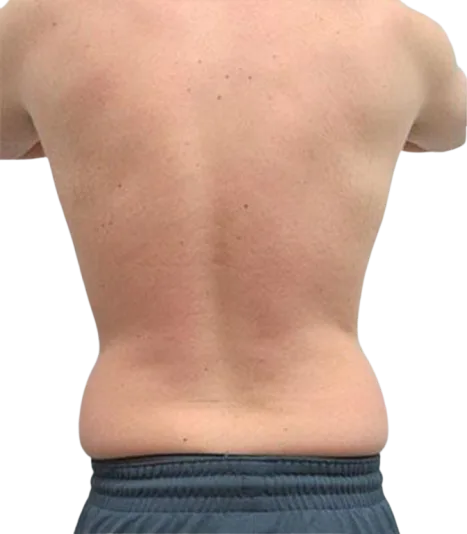
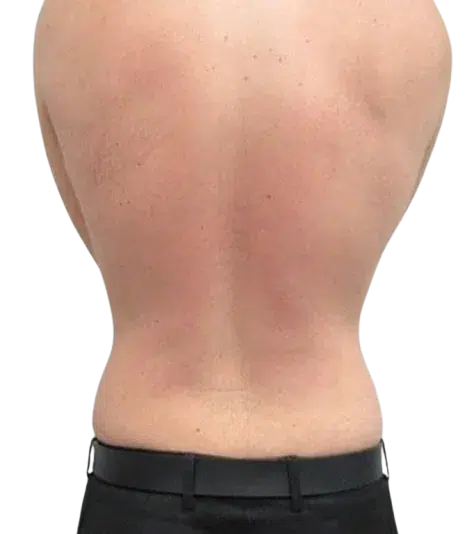
Case 5 · Documented Results: Body Fat Increase & Weight Gain
- Client profile
- Asian Male · Fitzpatrick IV
- Concern / target issue
- Body Fat Increase & Weight Gain (Comprehensive Improvement with Multimodal Combination Protocol)
- Treatment plan
- BTL Vanquish us™ + Emsculpt NEO + Belkyra® fat-dissolving injections + medical weight management program and 5 other services (multiple sessions within 3 months)
- Improvement outcomes
- Significant improvement in weight gain and adiposity · Natural overall result
- Post-inflammatory hyperpigmentation (PIH) risk
- No PIH
- Maintenance
- Routine sun protection + monthly at-home care + quarterly clinical assessment
Case 05: Body Fat Increase & Weight Gain — Before Comparison · Asian Male · Fitzpatrick IV · Multimodal combination protocol led by our physician at Luowei Medical Aesthetics Clinic, Nanjing
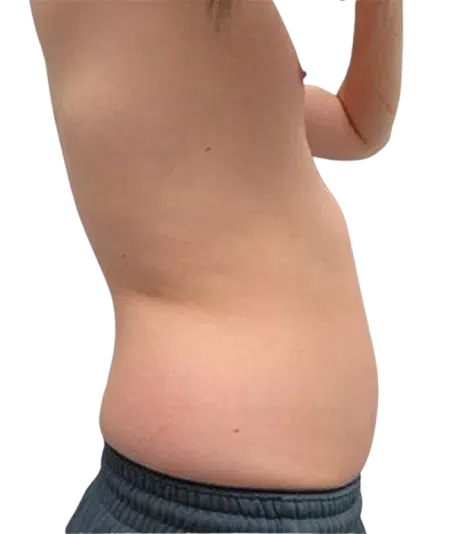
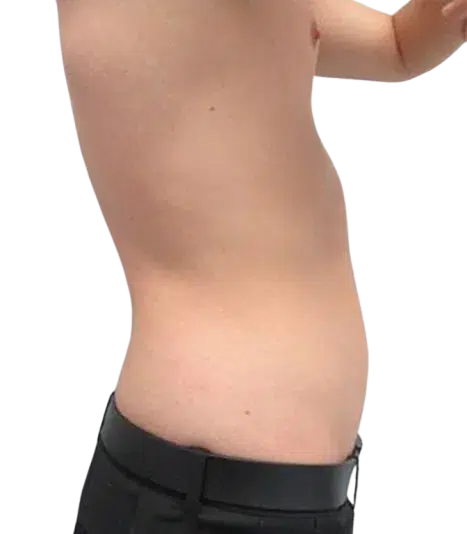
Case 6 · Body Fat Increase & Weight Gain — Real Patient Documentation
- Client profile
- Asian Male · Fitzpatrick IV
- Concern / target issue
- Body Fat Increase & Weight Gain (Comprehensive Improvement with Multimodal Combination Protocol)
- Treatment plan
- BTL Vanquish us™ + Emsculpt NEO + Belkyra® fat-dissolving injections + medical weight management program and 5 other services (multiple sessions within 3 months)
- Improvement outcomes
- Significant improvement in weight gain and adiposity · Natural overall result
- Post-inflammatory hyperpigmentation (PIH) risk
- No PIH
- Maintenance
- Routine sun protection + monthly at-home care + quarterly clinical assessment
Case 06: Weight Gain / Adiposity — Before & After · Asian Male · Fitzpatrick IV · Multimodal combination program led by our physician, at Luowei Medical Aesthetics Clinic, Nanjing
What Is Body Fat Gain & Weight Gain? Why Is It Different from Simply “Eating Too Much”?
Weight Gain / Adiposity is a chronic metabolic condition driven by Energy metabolism imbalance + hormonal dysregulation + behavioural patterns a chronic metabolic condition driven by the interplay of three factors. It is neither simply “a lack of self-discipline” nor an inevitable consequence of aging — modern medicine now formally classifies obesity as chronic metabolic disease, requires medical assessment and long-term management — not moral judgment.
Why does dieting alone so often fail?
After dieting, the body initiates “metabolic adaptation” — basal metabolic rate decreases, leptin drops, and ghrelin rises, leading to Weight rebound rate exceeding 80%. This is not a matter of willpower — it is a physiological response.
Why are BMI standards different for Asian individuals?
Asian individuals at the same BMI higher visceral fat levels and lower muscle mass, metabolic risks emerge earlier. WHO Asian thresholds: BMI ≥ 23 is considered overweight; ≥ 27.5 is considered obese.
Why is medical weight management necessary?
GLP-1 GLP-1 medications act on Brain appetite center + insulin regulation + gastric emptying, bypassing the pure willpower approach. Combining treatment with Emsculpt NEO® for muscle building can significantly elevate basal metabolic rate and reduce the risk of rebound.
Why Is Body Composition Analysis an Essential First Step?
InBody / DEXA Differentiate Body fat percentage / muscle mass / visceral fat / hydration, This determines medication dosage, the targeted areas for Emsculpt NEO®, and whether nutritional intervention is needed. Relying on the number on the scale alone is the beginning of a failed approach.
Clinical Note:Many clients have been told elsewhere to “just keep dieting” — only to find their metabolism slowing further and weight loss becoming harder over time. Our physician’s protocol Step one is always body composition + metabolic assessment, rather than prescribing medication at the outset — not every case of weight gain requires a GLP-1, and not everyone is a candidate who can go without one.
Five Root Causes of Body Fat Increase — It’s Not Just “Eating Too Much and Moving Too Little”
Clinically, a simple “caloric surplus” is only a surface-level explanation. Meaningful weight gain almost always involves multifactorial accumulation For results to be lasting.
1. Hormonal and metabolic dysregulation
Insulin resistance, hypothyroidism, elevated cortisol (chronic stress), and estrogen / testosterone imbalance — any one of these factors can significantly increase the body’s tendency to store fat while reducing metabolic efficiency.
2. Perimenopause and age-related metabolic slowdown
After age 40, declining estrogen shifts fat distribution from subcutaneous to visceral stores in women. Basal metabolic rate declines approximately 2–3% per decade, and natural muscle loss compounds the effect — making weight gain increasingly easy.
3. Repeated dieting / yo-yo weight cycling
Each cycle of extreme caloric restriction causes the body to downregulate basal metabolic rate (adaptive thermogenesis) and reduce leptin sensitivity — so after each rebound,increasingly difficult to lose weight again. This is the physiological toll of yo-yo dieting.
4. Sleep deprivation and circadian rhythm disruption
Sleep < 6 hours, ghrelin rises and leptin falls, leading to an average increase of 300–500 kcal in caloric intake the following day. Shift workers and frequent travellers crossing time zones are at particularly high risk.
5. Genetics and gut microbiome
FTO and other genetic variants influence appetite and fat storage; reduced gut microbiome diversity is positively associated with obesity. These factors are difficult to change, but can be effectively addressed through medication combined with dietary restructuring.
4 Body composition concerns that are commonly confused with general weight gain — key points for differential assessment
Misclassification leads to the wrong treatment plan. The table below outlines the 4 most common differential categories seen in our physician’s clinical practice.
Generalized Obesity
Generalized Obesity · BMI ≥ 27.5(Asian standard)
| Distribution | Generalized uniform fat accumulation |
|---|---|
| Body fat percentage | Female > 32%, Male > 25% |
| BMI | ≥ 27.5(Asian) |
| Primary contributing factors | Genetics + chronic caloric surplus + metabolic dysregulation |
| First-line treatment | GLP-1 Medication-led + nutritional support + behavioral intervention |
Skinny Fat / TOFI (Thin Outside, Fat Inside)
Thin Outside Fat Inside
| Distribution | Normal appearance with elevated visceral fat |
|---|---|
| Body fat percentage | elevated (low muscle mass) |
| BMI | Normal range 18–25 |
| Primary contributing factors | Lack of resistance training + sedentary lifestyle + high-sugar diet |
| First-line treatment | Emsculpt Muscle building + nutritional restructuring |
Localized Adiposity
Stubborn Pocket Fat
| Distribution | abdomen, outer thighs, upper arms, and other localized areas |
|---|---|
| Body fat percentage | Overall body weight within normal range, with localized resistant fat |
| BMI | Normal weight or mildly overweight |
| Primary contributing factors | Genetically determined fat distribution + hormonal factors |
| First-line treatment | Vanquish / Emsculpt Localized body contouring |
Edema-type “weight gain” (Edema / Fluid Retention)
Fluid Retention vs True Adiposity
| Distribution | Lower limbs / facial puffiness heavier in the morning, lighter in the evening |
|---|---|
| Body fat percentage | not elevated, with a high proportion of water retention |
| BMI | significant fluctuation (±2–3 kg within a short period) |
| Primary contributing factors | High sodium intake / hormonal fluctuation / venous insufficiency / thyroid dysfunction |
| First-line treatment | Rule out underlying medical causes — not a fat-reduction protocol |
⚠️ Warning:Clinically, approximately 25% of patients who present with “We’ve gained weight” are found — after body composition analysis — to have skinny-fat syndrome or edema rather than true excess adiposity, and simply do not need GLP-1 therapy. Inaccurate diagnosis → wrong treatment plan → side effects with no results — this is the most common blind spot for Asian patients.
Why does weight gain in Asian individuals require an Asian BMI-specific clinical protocol?
Blind spots of mainstream North American clinics
Most medical aesthetic clinics and weight management programs in North America still use the WHO international BMI thresholds (overweight: 25, obese: 30). However, these benchmarks are significantly inaccurate for Asian populations:
- ✗ underestimating metabolic risk— At a BMI of 23, Asian individuals already present with elevated visceral fat
- ✗ Medication dosing based on Caucasian population templates— GLP-1 Titration that is too rapid leads to high rates of nausea intolerance
- ✗ overlooking low muscle mass— Asian women generally have lower skeletal muscle index values and are more prone to muscle loss during weight reduction
Our physician’s Asian-Specific BMI Adjustments
| Parameters | North American standard | Asian-specific adjustment |
|---|---|---|
| Overweight BMI | ≥ 25 | ≥ 23 |
| Obesity BMI | ≥ 30 | ≥ 27.5 |
| GLP-1 Starting dose | Standard starting point | Below standard starting dose · slow titration |
| Titration interval | 4 weeks | 4-6 Weeks · Titrated to tolerance |
| Concurrent muscle building | Commonly overlooked | Emsculpt Concurrent muscle preservation |
Key differentiators:Our physician has dedicated 8 years at our Nanjing clinic to Asian faces and Asian body types, with over 90% of our physician's patients being of Asian descent.
6 Body Fat Management Options — Tailored to Your Needs
There is no single “magic weight-loss device.” We build a combination of the technologies and therapies below based on your body composition analysis, metabolic assessment, and personal goals.
Mounjaro · Tirzepatide(dual agonist)
GLP-1 + GIP dual agonist, currently NMPA-registered as The most clinically effective medication for weight reduction. Once-weekly subcutaneous injection targeting appetite regulation, gastric emptying, and insulin control. Appropriate for individuals with a BMI ≥ 27.5 (Asian standard) or those with metabolic comorbidities.
Ozempic · Semaglutide
A well-established GLP-1 receptor agonist with a robust clinical evidence base and good tolerability, suitable for Moderate overweight + not seeking maximum weight reduction Clients. Starting at a low dose, with a profile well-suited to long-term maintenance.
Emsculpt(HIFEM high-frequency magnetic field)
30 minutes, triggering 20,000+ supramaximal muscle contractions — Simultaneous muscle building + fat reduction, particularly well suited for the abdomen, buttocks, and thighs. When used alongside GLP-1 therapy, it can significantly reduce muscle loss.
Vanquish(non-contact radiofrequency body contouring)
Selectively heats fat cells, suitable for Large-area localized fat reduction of the abdomen / flanks, Non-contact and completely painless. Can be used concurrently or alternately with Emsculpt NEO®.
Fat-Reduction IV Drip (L-Carnitine + B-Complex Vitamins + Glutathione)
facilitates the entry of fatty acids into mitochondrial oxidative metabolism, accelerating energy utilization.Cannot be used as a standalone primary treatment, However, as metabolic support within a treatment cycle, it is meaningfully effective.
Nutritional counselling + behavioral intervention
Our physician designs a personalized nutritional framework — prioritizing protein intake and managing glycemic load — alongside sleep and stress management strategies.Medication is only a tool — lifestyle is the foundation..
Our physician’s 6-Step Standardized Body Fat Management Protocol
Consultation + body composition analysis + metabolic assessment
30 minute free consultation, InBody body composition analysis, medical history and lifestyle review, and — where appropriate — referral for metabolic blood work screening (fasting glucose / insulin / thyroid / lipid panel).No prescription without assessment.
Treatment planning (medication + device + lifestyle modification)
Based on BMI, body fat percentage, visceral fat level, and metabolic risk, we determine whether GLP-1 therapy is appropriate, whether Emsculpt NEO® or BTL Vanquish us is indicated, and what nutritional framework to implement.
Medication initiation and titration phase (4–8 weeks)
GLP-1 GLP-1 medications are initiated at a low dose and increased every 4 weeks based on tolerability and response.Slow titration is key to reducing nausea in Asian patients.
Active Treatment Phase (12–24 weeks, devices + medication in parallel)
Once the target medication dose is reached, it is maintained while 4–6 sessions of Emsculpt NEO® are incorporated to preserve and build muscle mass, alongside structured nutritional implementation. Monthly follow-up appointments monitor changes in body composition.
Assessment Phase (8 weeks post-active treatment)
InBody Re-assessment including body composition and metabolic panel review. Used to determine whether to enter the maintenance period, reduce dosage, or transition to a different protocol.
Maintenance Period (Long-term · Individualized)
Gradually taper medication dosage or transition to intermittent maintenance, combined with periodic Emsculpt NEO® sessions and behavioral habit reinforcement. Body fat management is a long-term commitment — not a 12-week program.
Treatment Timeline — How Long Before You See Results?
| Type | Primary treatment cycle | Initial results | Significant improvement | Maintenance cycle |
|---|---|---|---|---|
| Localized fat accumulation | Emsculpt 6 sessions | After sessions 2–3 | After sessions 4–6 | Every 8–12 weeks |
| Skinny fat (TOFI) | 12 weeks — muscle building + nutrition | Week 4 | Week 12 | Quarterly maintenance |
| Central obesity | 16-20 Week GLP-1 + device protocol | Weeks 4–6 | Weeks 12–16 | Low-dose long-term |
| Persistent and recurrent | 24-36 Week comprehensive protocol | Weeks 6–8 | Weeks 16–24 | Long-term management |
Clinical Note:Rushing the process is the single greatest mistake in weight management. The rate of weight loss 0.5–1% of body weight per week is safe and sustainable. Losing weight too quickly leads to muscle loss, metabolic downregulation, and a sharply elevated rebound rate. Among our patients in Nanjing who completed a structured 12-month maintenance protocol, the rebound rate was under 20%.
Are You a Candidate for Medical Weight Management? 2-Minute Self-Assessment
✅ Appropriate to begin assessment
- ✓Asian BMI ≥ 23, or elevated body fat percentage in women > 30% / Male > 23%
- ✓Repeated weight regain after multiple dieting cycles, with progressively slower metabolism
- ✓Significant weight gain postpartum, during perimenopause, or during periods of chronic stress
- ✓Waist circumference above threshold (women > 80cm / Male > 90cm, Asian standard)
- ✓insulin resistance / family history of metabolic syndrome
- ✓willing to commit to a structured 6–12 month protocol with long-term maintenance
❌ Requires postponement or resolution of other conditions first
- ✗Currently pregnant, planning to conceive (within 3 months), or breastfeeding
- ✗Personal history of pancreatitis / family history of medullary thyroid carcinoma (GLP-1 contraindications)
- ✗Severe gastrointestinal disease / gastroparesis
- ✗Eating disorder not yet in stable treatment
- ✗Expecting to lose 20 lbs in 4 weeks (unrealistic expectations)
- ✗Weight within healthy range but seeking enhanced body composition
Luowei Medical Aesthetic Weight Management Protocol vs. Standard MedSpa / Weight Loss Clinic
- ✗Tracking weight alone without body composition analysis
- ✗Prescribing GLP-1 medication at the first visit without metabolic assessment
- ✗Medication dosing based on North American Caucasian standards
- ✗Losing fat without building muscle leads to a worse body composition after rebound
- ✗Procedures are largely performed by RNs / RPNs with no physician consultation
- ✗Being told to “just push through” when side effects arise
- ✗No maintenance plan in place — weight rebounds after stopping medication
- ✓Mandatory: InBody analysis + medical history + metabolic assessment
- ✓GLP-1 / Emsculpt / Vanquish Multi-device combination
- ✓Concurrent muscle-building protocol (Emsculpt NEO®) to prevent muscle loss
- ✓Prescribed directly by our physician
- ✓Proactive side effect monitoring + titration rate adjustment
- ✓6 Phased protocol including a long-term maintenance plan
Why Is Luowei Medical Aesthetics Clinic’s Approach to Weight Management Trustworthy?
Experience
Expertise
Family Medicine Background · GLP-1 Prescribing Authority · Asian Metabolic Specialty
Authoritativeness Authority
BTL Emsculpt Advanced Certifications · Published Author
Trustworthiness Trustworthy
All cases on this page are authorized via signed Media Release Forms · Clinical records available upon request
About the cost of the weight management program
Pricing for medical weight management varies widely between clinics — but the real cost is not the medication itself. It reflects who evaluates you, who determines your dosing schedule, and how deeply clinical expertise needs to be involved. GLP-1 dose titration, side effect monitoring, and metabolic comorbidity assessment are medical decisions that cannot be replaced by a simple injection visit. Complex cases — including repeated prior weight-loss failures, metabolic syndrome, perimenopause, or poor prior medication tolerance — involve our physician directly, and the pricing structure reflects that level of medical resource investment. For patients who have already stabilized and simply need to maintain, For clients on a stable dose, our trained medical team can safely conduct follow-up appointments and dispensing under a physician-approved protocol — a more accessible option for ongoing care. Injectable treatments and all drug prescriptions are always performed or issued by the physician directly. The right plan for you is determined by your clinical profile, not by price — and will be discussed in full during your consultation, informed by your InBody body composition and metabolic assessment.
- Payment is made at the clinic, after the consultation and before treatment begins
- Nothing is paid in advance, and no deposit is required to hold an appointment
- Cosmetic treatment is a self-pay item and is not covered by public medical insurance in China
- All new clients receive a complimentary 30-minute Free Consultation & Assessment
Risks & Contraindications — We Believe in Full Transparency
GLP-1 What are the main adverse reactions associated with the medication?
1. Gastrointestinal reactions(nausea, acid reflux, constipation, or diarrhea) — most common during the titration phase; slow titration combined with dietary adjustments can significantly reduce these symptoms; 2. excessive appetite suppression— Adequate protein intake is essential to prevent muscle loss; 3. Injection site reactions (redness / itching, typically resolving within 24–48 hours); 4. Extremely rare risk of gallbladder issues or pancreatitis (contraindicated in patients with a prior history of pancreatitis); 5. Partial weight regain after discontinuation — manageable through concurrent muscle-building and lifestyle modification.
Who Is Absolutely Contraindicated for GLP-1 Therapy?
Pregnancy, planned pregnancy (a 3-month washout period is recommended before trying to conceive), breastfeeding, personal history of pancreatitis, family history of medullary thyroid carcinoma / MEN2 syndrome, severe gastroparesis / gastrointestinal disorders, or active and unstabilized eating disorders — in these situations our physician will recommend deferring treatment or pursuing an alternative approach (such as Emsculpt NEO® combined with nutritional support).
How can side effects and rebound risk be minimized during treatment?
Five key strategies: (1) start at a low dose with slow titration; (2) maintain adequate daily protein intake (1.2–1.6 g per kg of body weight); (3) incorporate concurrent Emsculpt sessions to preserve muscle mass; (4) attend monthly follow-ups for body composition monitoring and side effect assessment; (5) taper the medication gradually before stopping and establish sustainable lifestyle habits for the maintenance period.
What Does the Informed Consent Form Include?
Before any prescription or treatment, every client is required to sign an Informed Consent form covering: medication mechanism, possible adverse reactions and their likelihood, alternative options, criteria for discontinuation, follow-up scheduling, and an optional Media Release. All content is explained in person by our physician — not delegated to administrative staff.
Where the medical claims on this page come from
Everything above about Weight Gain / Adiposity rests on published evidence rather than on our own word. The sources below are the ones behind those statements: peer-reviewed papers indexed in PubMed, and guidance written for patients by dermatology academies and national health services. Read them before you decide — and bring any of them to your consultation.
- Peer-reviewedComparative Analysis of Cellulite Treatment Modalities: A Systematic Review
- Peer-reviewedCryolipolysis for fat reduction and body contouring: safety and efficacy of current treatment paradigms
- Patient guidanceCellulite treatments: What really works
- Patient guidanceScars and stretch marks
What these references can and cannot tell you. They describe what is known about the treatment itself — how well it tends to work, how long results last, and what can go wrong. They are not an assessment of this clinic, and no published study can tell you whether it suits your skin type, anatomy, or medical history. That judgement comes from the physician who examines you in person, and it may well be “not this one”.