Delicate Nose
“Delicate Nose” is not a medical diagnosis — it is a aesthetic goal — By making precise refinements across four zones — the radix, dorsum, tip.
Our physician’s Real Patient Cases — Delicate Nose Reshaping
The following four cases were personally assessed and treated by our physician at our Nanjing clinic. All images are used with signed Media Release Form authorization. Nasal anatomy varies significantly among Asian patients, and individual results differ; actual outcomes are determined at the time of consultation.
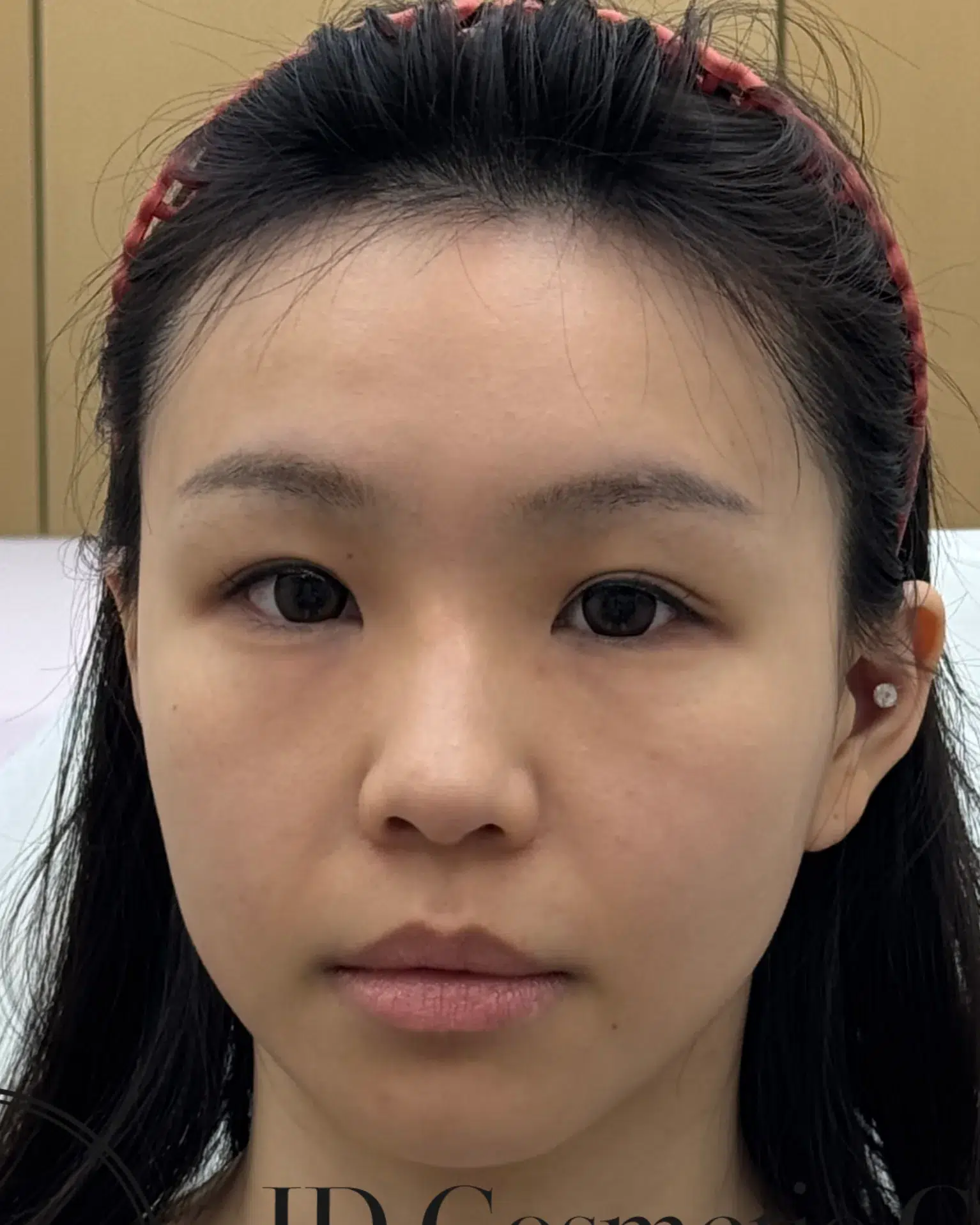
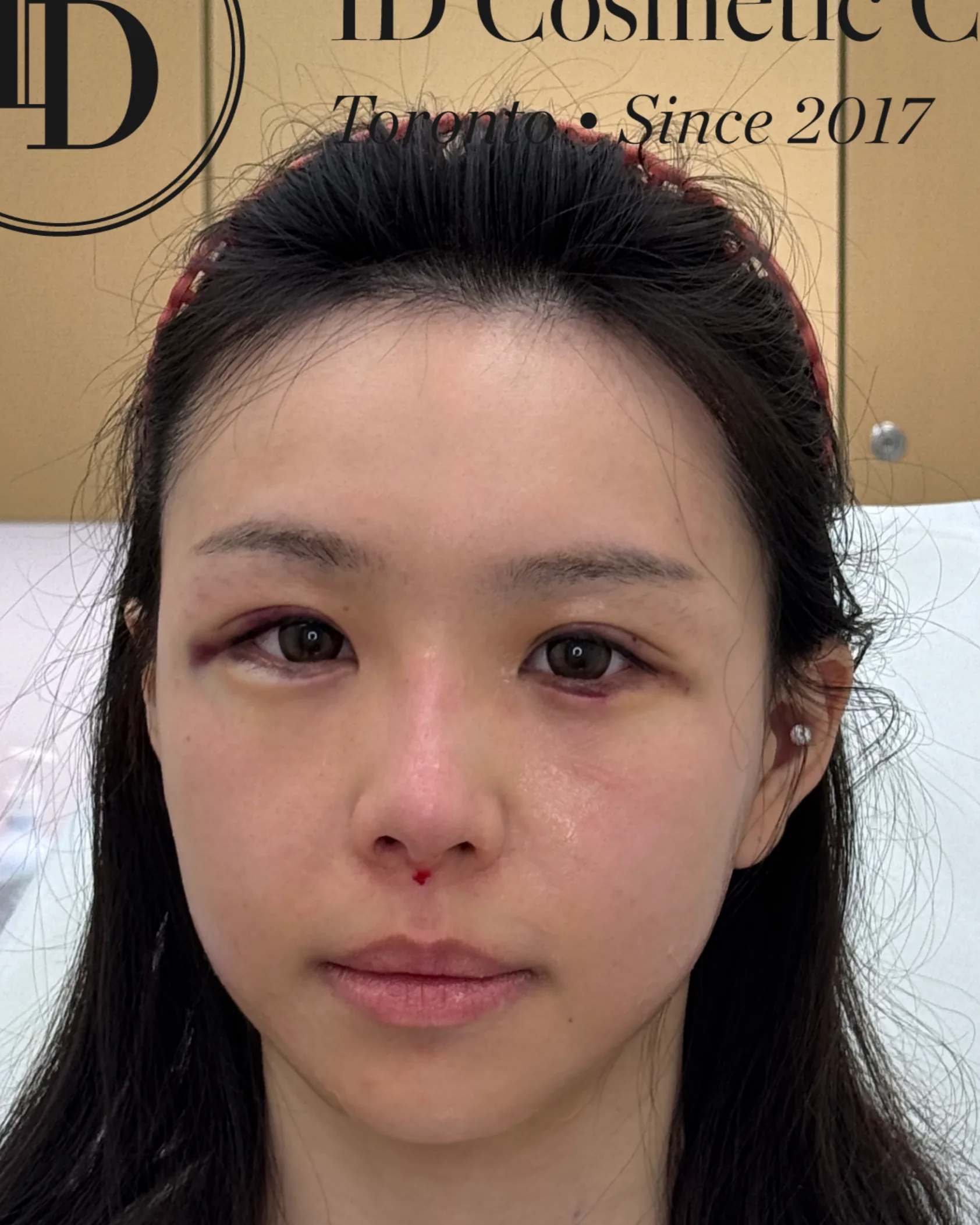
Case 5 · Refined Nose — Real Patient Record
- Patient profile
- Asian Female · Fitzpatrick I
- Primary concerns
- Refined Nose Contouring (Comprehensive Multi-Modal Combination Approach)
- Treatment plan
- Nasal filler augmentation (multiple sessions within 3 months)
- treatment outcome
- Visible improvement in nasal refinement · Natural overall result
- Tyndall effect / bluish discoloration
- No PIH
- Maintenance
- 12-18 months before returning for a filler top-up
Case 05: Refined Nose Profile — Before & After · Asian Female · Fitzpatrick I · Multimodal combination protocol led by our physician at Luowei Medical Aesthetics Clinic, Nanjing
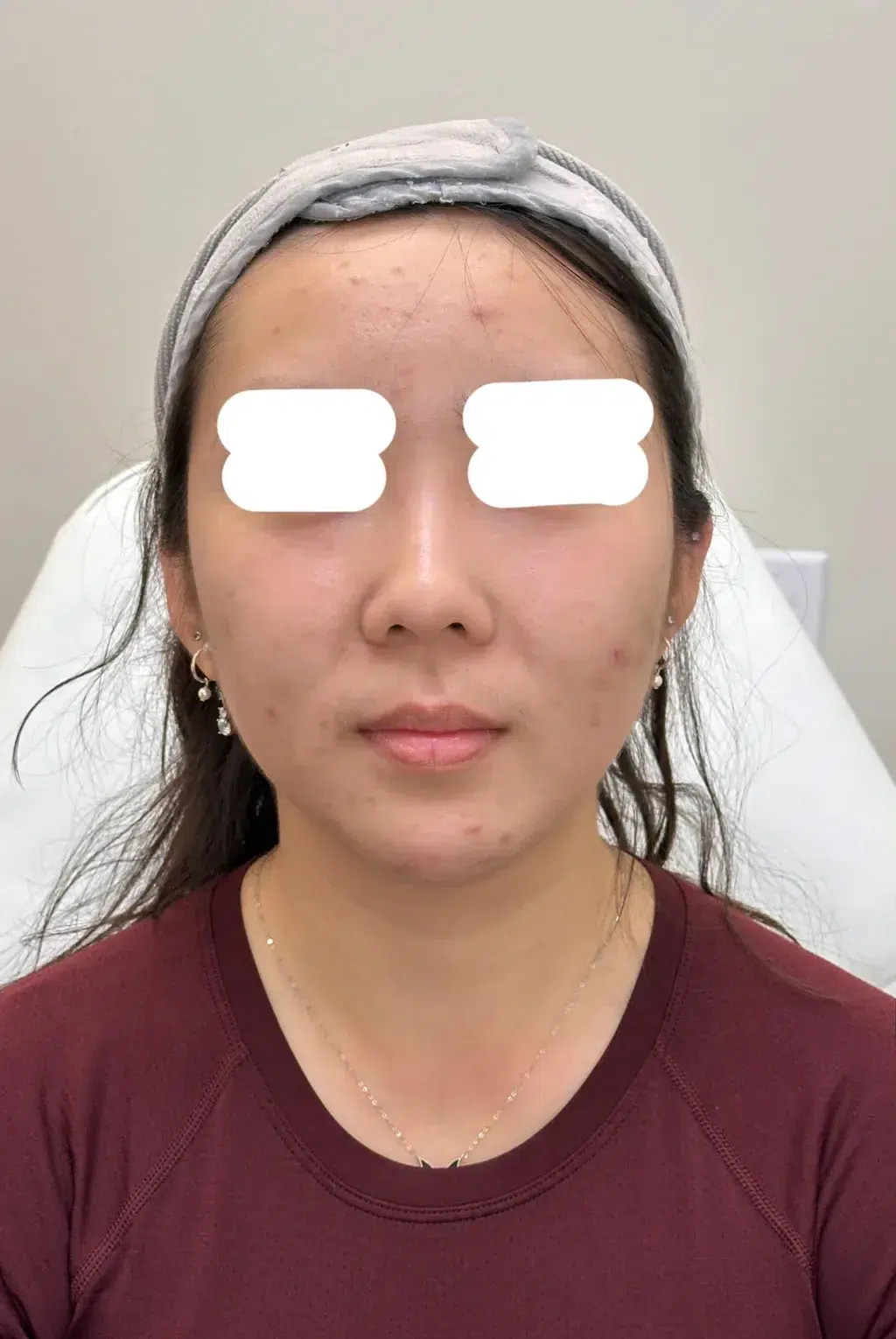
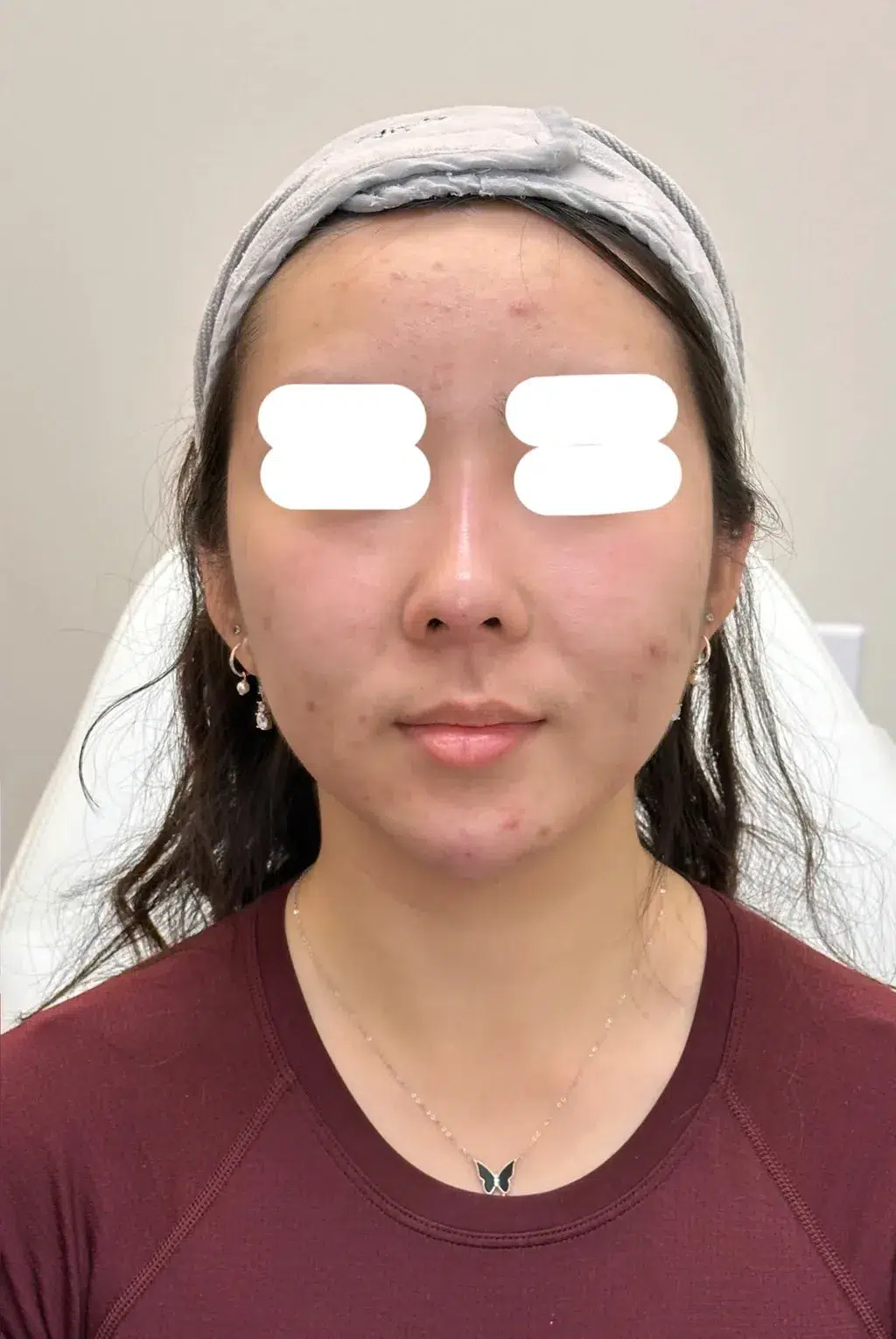
Case 1 · Refined Nose Profile — Real Clinical Record
- Patient profile
- Asian Female · Fitzpatrick I
- Primary concerns
- Refined Nose Contouring (Comprehensive Multi-Modal Combination Approach)
- Treatment plan
- Nasal filler augmentation (multiple sessions within 3 months)
- treatment outcome
- Visible improvement in nasal refinement · Natural overall result
- Tyndall effect / bluish discoloration
- No PIH
- Maintenance
- 12-18 months before returning for a filler top-up
Case 01: Delicate Nose — Before & After · Asian Female · Fitzpatrick I · Multimodal combination approach led by our physician at Luowei Medical Aesthetics Clinic, Nanjing
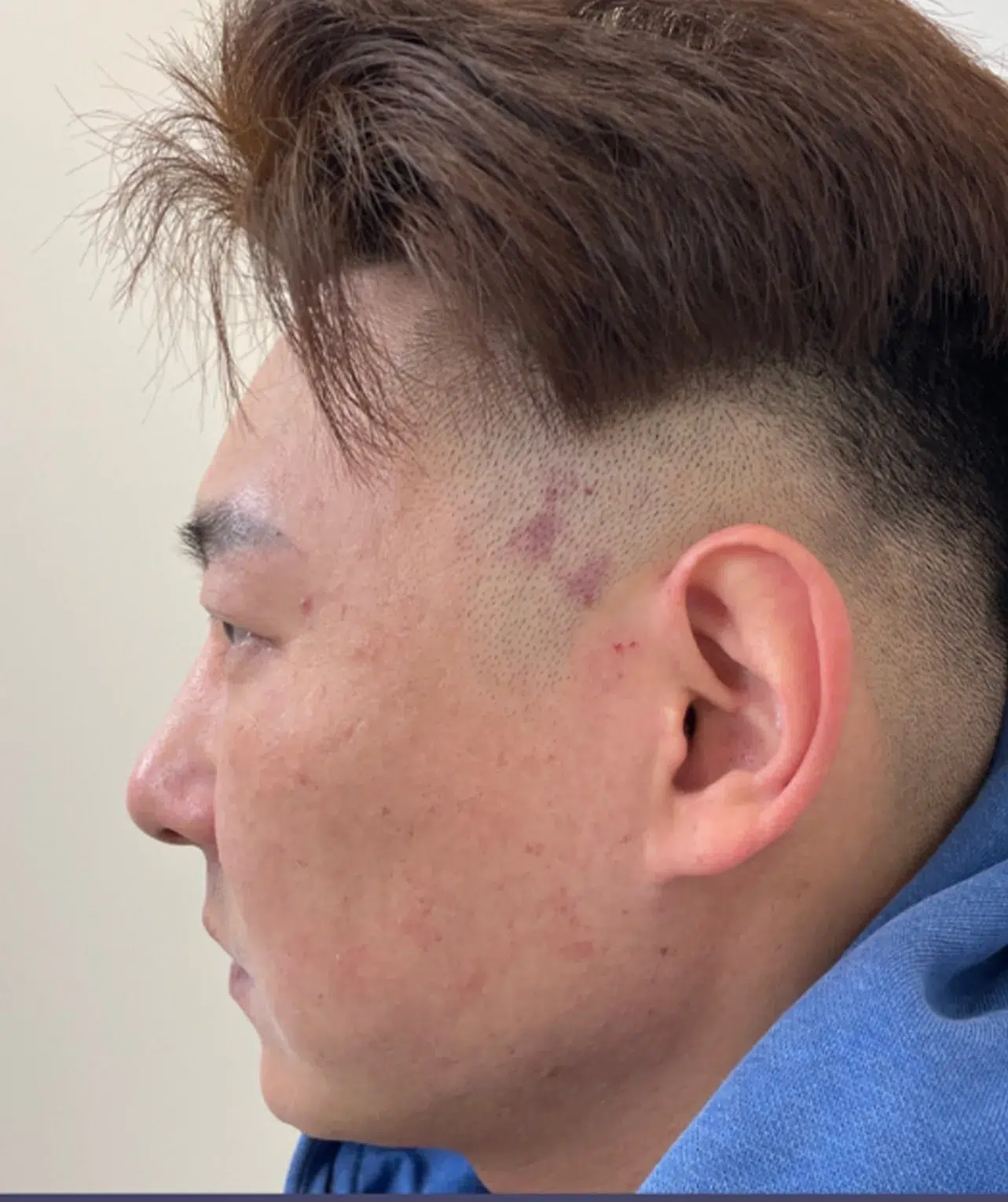
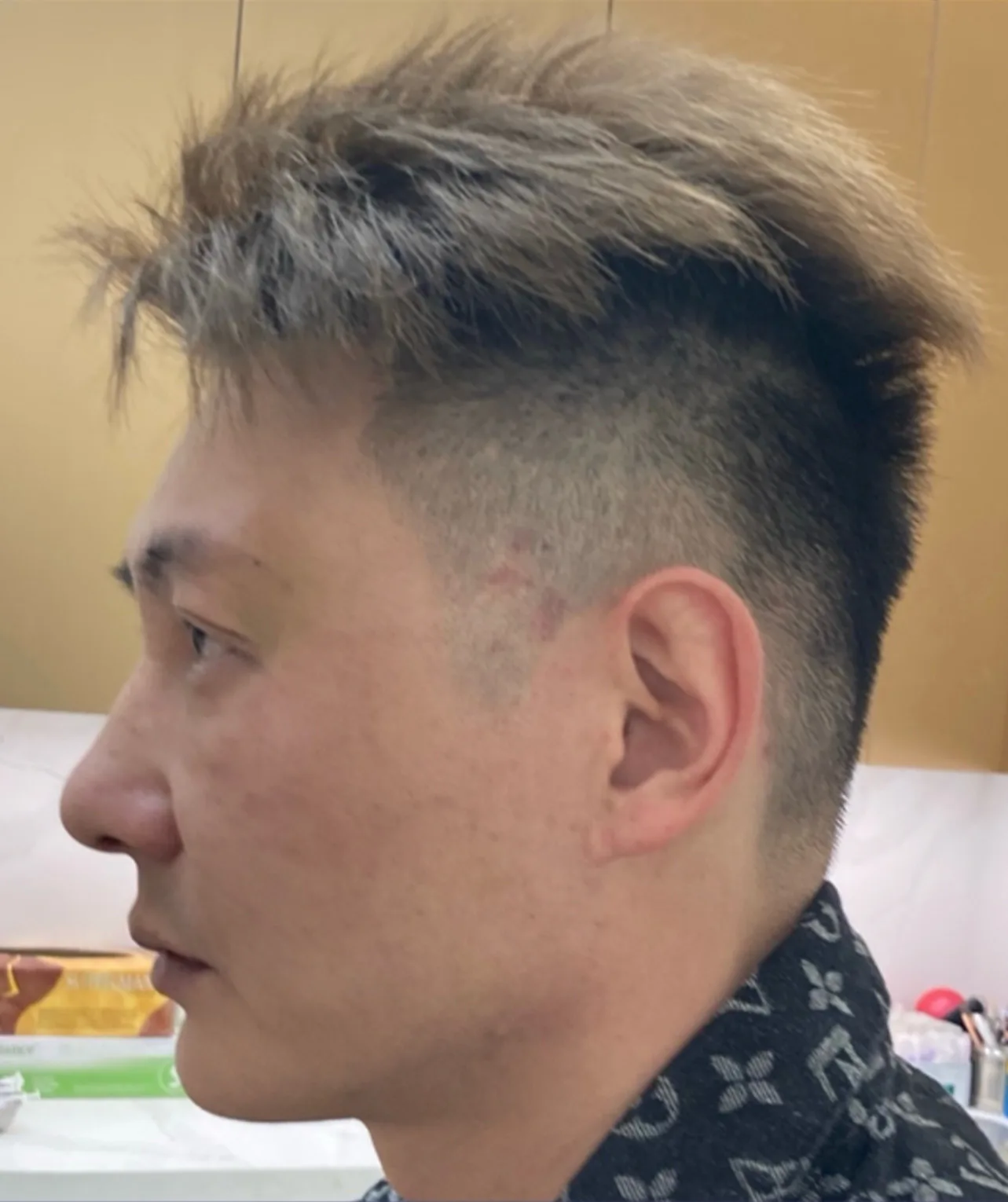
Case 4 · Delicate Nose — Real Patient Documentation
- Patient profile
- Asian Male · Fitzpatrick I
- Primary concerns
- Refined Nose Contouring (Comprehensive Multi-Modal Combination Approach)
- Treatment plan
- Suture double eyelid + filler chin augmentation + Filler Chin Augmentation + hyaluronic acid filler, and 8 additional treatments (multiple sessions within 3 months)
- treatment outcome
- Visible improvement in nasal refinement · Natural overall result
- Tyndall effect / bluish discoloration
- No PIH
- Maintenance
- Daily sun protection + monthly home care + quarterly clinical review
Case 04: Refined Nose — Before Comparison · Asian Male · Fitzpatrick I · Multi-modal combination treatment led by our physician at Luowei Medical Aesthetics Clinic, Nanjing
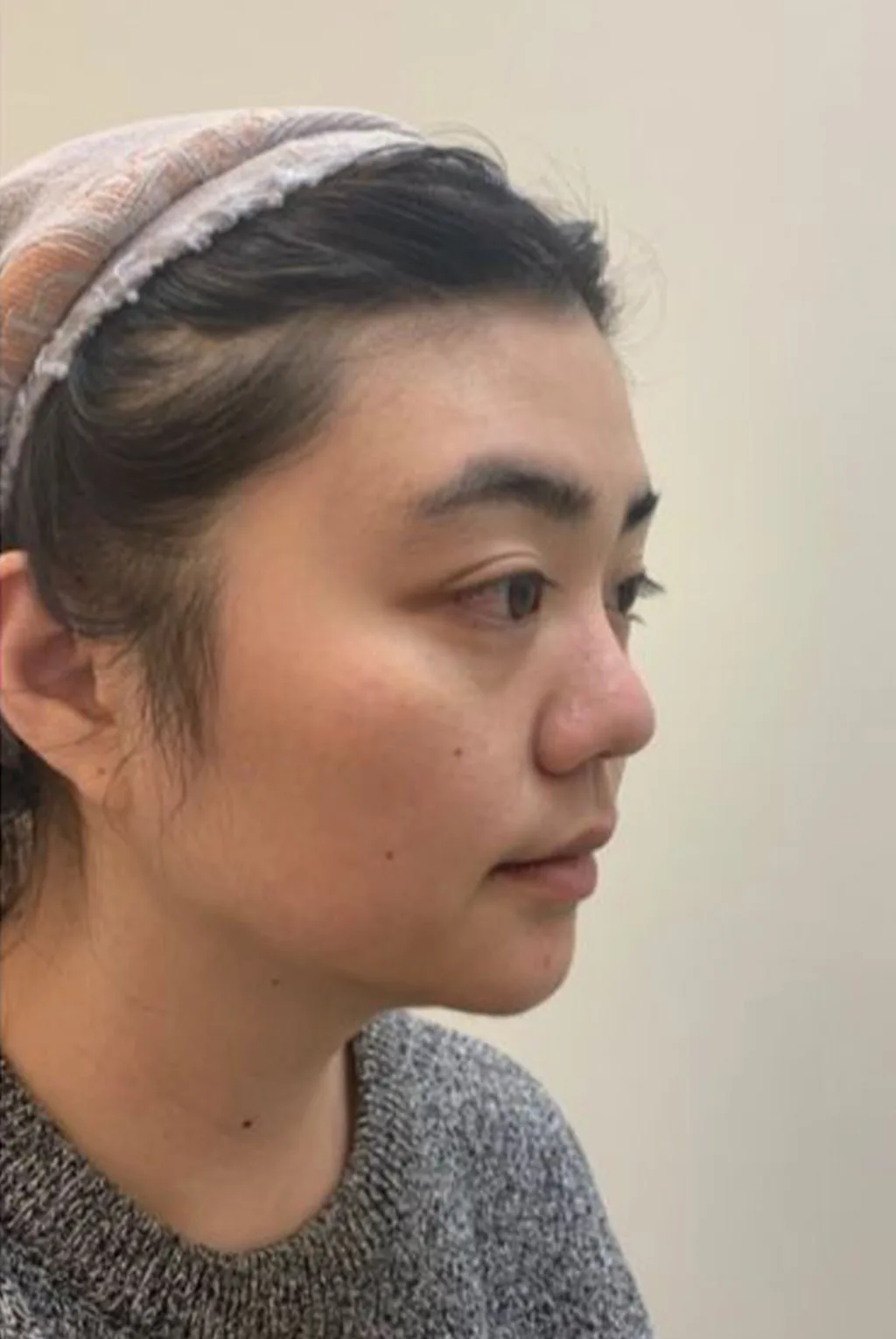
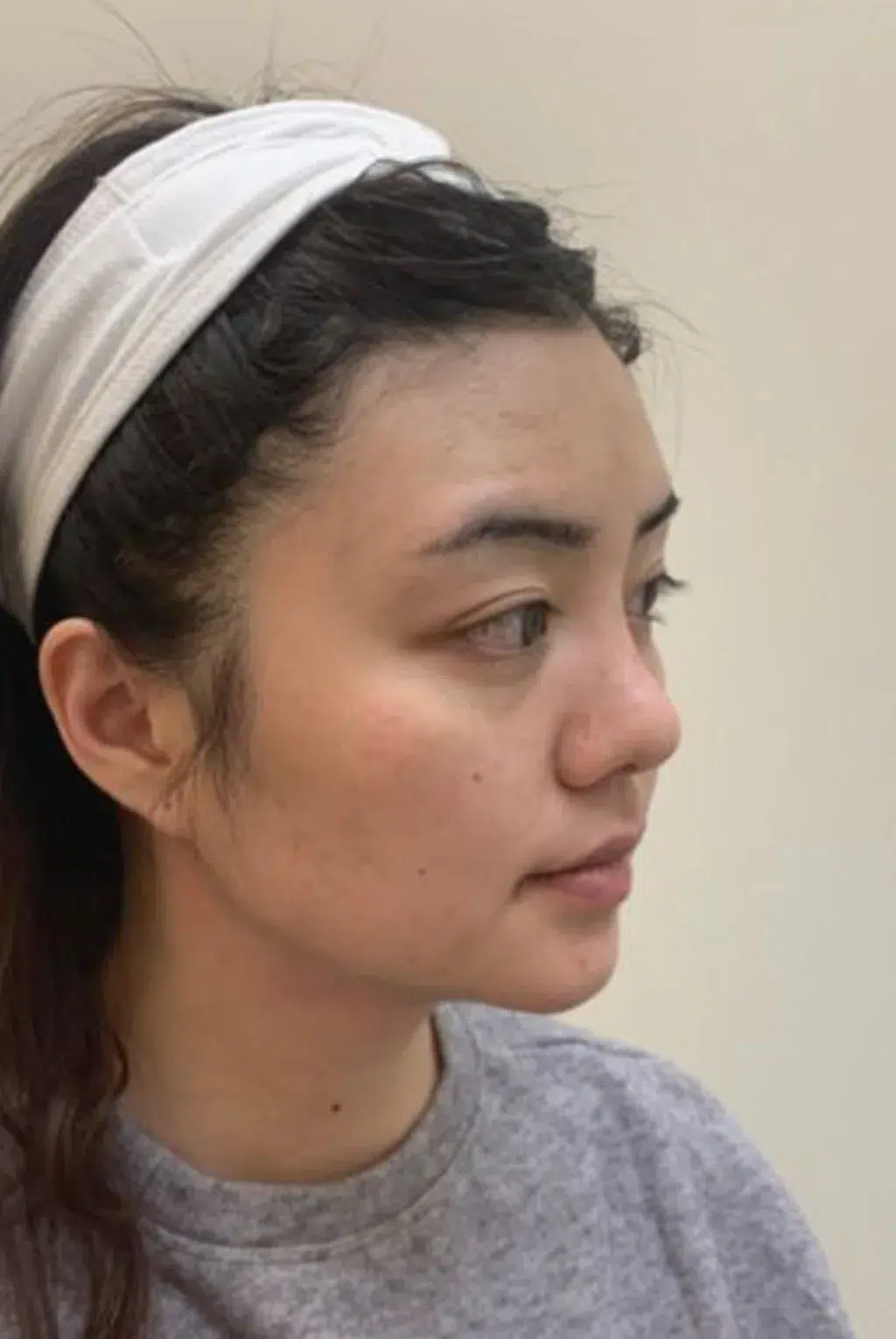
Case 7 · Refined Nose Profile — Real Clinical Record
- Patient profile
- Asian Female · Fitzpatrick I
- Primary concerns
- Refined Nose Contouring (Comprehensive Multi-Modal Combination Approach)
- Treatment plan
- Filler chin augmentation + hyaluronic acid filler + Juvéderm® + nasal filler, and 6 additional treatments (multiple sessions within 3 months)
- treatment outcome
- Visible improvement in nasal refinement · Natural overall result
- Tyndall effect / bluish discoloration
- No PIH
- Maintenance
- Daily sun protection + monthly home care + quarterly clinical review
Case 07: Delicate Nose — Before & After · Asian Female · Fitzpatrick I · Multimodal combination approach led by our physician at Luowei Medical Aesthetics Clinic, Nanjing
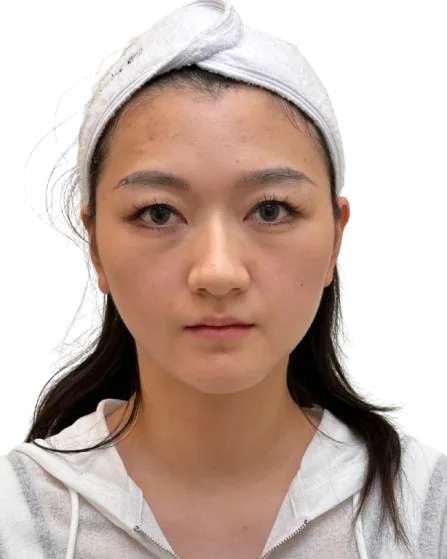
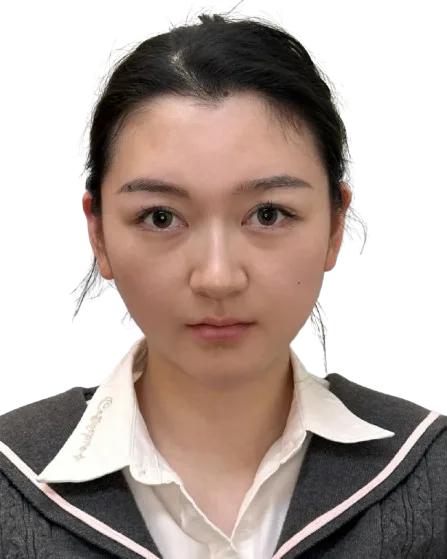
Case 14 · Refined Nose — Real Patient Record
- Patient profile
- Asian Female · Fitzpatrick IV
- Primary concerns
- Refined Nose Contouring (Comprehensive Multi-Modal Combination Approach)
- Treatment plan
- Suture double-eyelid + dermal filler + Juvéderm® + Stylage® and 8 additional treatments (multiple sessions within 3 months)
- treatment outcome
- Visible improvement in nasal refinement · Natural overall result
- Tyndall effect / bluish discoloration
- No PIH
- Maintenance
- Daily sun protection + monthly home care + quarterly clinical review
Case 14: Refined Nose Profile — Before & After · Asian Female · Fitzpatrick IV · Multimodal combination protocol led by our physician at Luowei Medical Aesthetics Clinic, Nanjing
What is a “Delicate Nose”? Why can’t Asian nasal aesthetics follow a Western template?
“Delicate Nose” is not a medical diagnosis — it is a aesthetic goal— By making precise refinements across four zones — the radix, dorsum, tip, and alar base — while preserving the overall harmony of Asian facial features, the nose becomes the structural anchor of mid-face definition rather than the most conspicuous element. Among Asian clients in Nanjing, nasal refinement is the second most requested treatment area after the eye region.
Anatomical differences: Asian nose vs. Western nose
Asian nose: low, flat radix + short bony dorsum + thick soft tissue at the tip + wide alar base. Caucasian nose: high radix + long dorsum + well-defined tip cartilage.The injection approach is entirely different.
Why not proceed directly to surgery?
Non-surgical nose reshaping preserves full reversibility — if you are not satisfied, the filler can be dissolved with hyaluronidase, tissue remains intact, there is no scarring, and no recovery period is required. For First-time treatment / clients who want to preview results clients are the ideal candidates.
Refined ≠ Tall
The essence of “refinement” for Asian faces is Proportional balance + natural transition,— not that a higher dorsum is always better. Blindly pursuing a high radix disrupts the facial thirds-and-fifths balance and creates an unnatural appearance.
Why is nasal injection the highest-risk procedure?
Presence of existing filler in the dorsum / tip region Dorsal nasal artery, supratrochlear artery, and anastomotic branches of the angular artery— Accidental intravascular injection can cause skin necrosis or, in extremely rare cases, blindness. The nose is the highest-risk zone in aesthetic injection medicine and must be treated by a physician directly.
Clinical notes:Many patients equate a “delicate nose” with a higher bridge and a sharper tip — and that assumption is often where poor outcomes begin. Our physician’s assessment framework is based on Nasofrontal angle / nasolabial angle / nasofacial angle Three-angle quantitative analysis, evaluated in harmony with the chin, cheekbones, and lips as a whole — rather than chasing any single measurement in isolation.
Five Reasons Asian Noses May Lack Definition — It’s Not Just Genetics
What appears clinically as a simple “flat nose” is often the result of multiple overlapping factors. Our physician systematically evaluates each one during your consultation.
1. Underlying bone structure (genetic)
On average, Asian nasal bones are 4–6 mm shorter than those of Western counterparts, and the nasofrontal suture sits lower on the face. This anatomical difference is the primary cause of a flat radix, accounting for more than 60% of the contributing factors.
2. Insufficient cartilage support at the nasal tip
The lower lateral cartilages in Asian patients tend to be smaller and more pliable, providing weaker tip support. This commonly results in a bulbous tip, tip ptosis, or tip collapse when smiling.
3. Thick alar soft tissue + wide alar base
Thick subcutaneous fat and fibrous tissue can make the nasal ala appear fleshy, leaving the nose looking flat and undefined. This cannot be corrected with filler — it requires Botox®, radiofrequency, or surgery when necessary.
4. Age-related structural laxity
30 With age, the tip ligaments loosen and the overlying skin descends, reducing the nasolabial angle and causing the tip to droop — resulting in an aged, hooked appearance. This is one of the most common concerns among clients over 35.
5. Imbalance in surrounding structures (chin / cheekbones / lips)
A recessed chin makes the nose appear overly prominent, while flat cheekbones leave it looking isolated. Nasal refinement must always be considered within Full-face assessment completed within this framework, rather than reinforcing a single point in isolation.
4 Common nasal concerns that are easily confused — key assessment and differentiation points
Different nasal concerns require entirely different approaches. Misclassification leads directly to the wrong treatment.
Low Radix
Low Nasal Root · flat / sunken radix
| Chief concern | Flat midface causing glasses to slide down |
|---|---|
| lateral profile characteristics | Nasofrontal angle > 140°, Radix positioned below the medial canthus |
| Frontal-view characteristics | Indistinct dorsal midline |
| Primary reason | inherited skeletal structure |
| First-choice approach | Subperiosteal radix filler augmentation |
Bulbous Tip
Bulbous / Boxy Tip
| Chief concern | fleshy, bulbous nasal tip |
|---|---|
| lateral profile characteristics | thick soft tissue at the nasal tip |
| Frontal-view characteristics | Excessive tip width |
| Primary reason | small cartilage + thick subcutaneous tissue |
| First-choice approach | Small-volume high G-prime support + surgery when indicated |
Drooping Tip
Plunging Tip · Dynamic drooping
| Chief concern | Tip hooks downward when smiling |
|---|---|
| lateral profile characteristics | Nasolabial angle < 90° |
| Frontal-view characteristics | Normal at rest, prominent during movement |
| Primary reason | Hyperactive depressor septi nasi muscle |
| First-choice approach | Depressor septi nasi neurotoxin injection |
Dorsal Hump
Dorsal Hump · Hooked nose (aquiline nose)
| Chief concern | Mid-dorsal hump visible on the lateral profile |
|---|---|
| lateral profile characteristics | prominence of the middle third of the nasal dorsum |
| Frontal-view characteristics | May present with mild deviation |
| Primary reason | hereditary prominence of the nasal bones and cartilage |
| First-choice approach | Liquid rhinoplasty to “fill” or surgical rasping to “reduce” |
⚠️ Warning:In practice, many clients arrive with photos of a celebrity’s nose they admire — yet their own bone structure, soft-tissue thickness, and surrounding facial features are entirely different. Forcing a template onto an incompatible foundation invariably produces an unnatural result. Our physician’s assessment always begins with Your own anatomy to get started.
Why must Asian nasal refinement follow East Asian aesthetic parameters?
Common mistakes seen at mainstream North American clinics
Injection training in North America is modeled on Western nasal anatomy. Applying those techniques directly to Asian faces produces three core problems:
- ✗ Excessive dorsal augmentation— Using the medial canthus level as the radix starting point results in an artificial, mixed-ethnicity implant look.
- ✗ volume overload— Asian dorsal skin has lower tension, so large-volume injections can spread laterally and create an overly widened “Avatar nose” appearance.
- ✗ neglecting dynamic tip movement— Assessing only the static lateral profile without evaluating tip movement during smiling
Our physician’s Asian aesthetic parameter framework
| Parameters | Western standards | Asian-specific adjustment |
|---|---|---|
| Nasofrontal angle | 115–125° | 135–140° |
| Nasolabial angle (female) | 100–105° | 95–105° |
| Radix starting point | Upper eyelid double-fold line | upper pupil margin at eye level (midline gaze) |
| Volume per session | 1.0–1.5ml | 0.3–0.8ml (staged sessions) |
| Injection depth / layer | Deep dermis | Sub-periosteal midline |
Key differentiating factors:Our physician has spent 8 years at our Nanjing clinic specializing in Asian faces, with over 90% of the clientele being of Asian descent.
6 Treatment Options for a Refined Nose Profile — Matched to Your Concern
There is no universal nose treatment. We build each plan by selecting and combining treatments based on your specific nasal concerns.
Liquid rhinoplasty with hyaluronic acid filler
High G-prime filler, delivered via subperiosteal layered injection — the globally recognized Gold standard for non-surgical nose reshaping.
Neurotoxin nasal tip refinement (depressor septi nasi)
Targeting dynamic tip ptosis(When the nasal tip droops on smiling, a small, precise injection into the depressor septi nasi muscle can lift the tip by 1–2 mm.
Botox® for alar reduction (nasalis / alar flare muscles)
Targeting alar flaring when smiling, Micro-dose neurotoxin injected into the alar levator muscles softens nostril flaring during a smile — ideal for clients who notice their nostrils widen when they smile.
Thread nose contouring (PDO / PLLA threads)
Absorbable threads are implanted to provide structural support along the nasal dorsum and tip — suitable for Prefers to minimize filler volume and clients seeking longer-lasting results.
Radiofrequency tightening (alar soft tissue)
For Thick soft tissue at the alar base patients, microneedling radiofrequency can mildly tighten superficial tissue and reduce the fleshy appearance — though results are limited and cannot replace surgery.
Surgical rhinoplasty (referral partner)
For skeletal deformity / severe dorsal hump / alar reduction For concerns that cannot be adequately addressed non-surgically, our physician will conduct a thorough assessment and refer you to a trusted plastic surgeon. We do not overstate what non-surgical treatment can achieve.
Our physician’s 6-Step Standard Protocol for Nose Refinement
Consultation + three-angle quantitative assessment
30 minute free consultation, with frontal / lateral / base-view photography, measurement of nasofrontal, nasolabial, and nasofacial angles, plus VISIA skin and facial symmetry analysis.No assessment, no injection.
Full-face treatment planning
We never discuss nasal treatment in isolation — the chin, cheekbones, and lips are always assessed together. Many clients discover that chin augmentation delivers a more significant improvement than nasal refinement alone.
Day-of-treatment preparation
Antiseptic preparation + topical anesthesia applied for 30 minutes. Given the elevated risk of nasal injections, our physician uses Blunt cannula as the primary technique + sharp needle only at anatomically necessary points, Significantly reduces the risk of vascular occlusion.
Layered injection (sub-periosteal + midline)
Small incremental injections — pausing after every 0.05–0.1 ml to assess — never a single large-volume bolus.strict aspiration at every injection point, Confirming no blood flashback before injecting.
Same-day assessment + fine adjustment
Frontal and lateral photos are taken immediately after injection for comparison. Our physician assesses symmetry on the spot and makes any fine adjustments as needed. Results are visible to clients right away.
2 Week follow-up + long-term maintenance
2 A follow-up at 2 weeks assesses the final result; a small touch-up may be added if needed. Longevity is 12–18 months, with top-up timing personalized to each patient’s absorption rate.
Treatment timeline — how soon will you see results?
| concern type | number of sessions | immediate results | Final result / definition | Maintenance interval |
|---|---|---|---|---|
| Dorsal augmentation | 1 sessions | visible on the spot | 2 weeks after | 12–18 months |
| Nasal tip refinement (filler) | 1 sessions | visible on the spot | 2 weeks after | 10–14 months |
| Botox® for dynamic tip (depressor septi nasi) | 1 sessions | 3–7 days to take effect | 14 days later | 4–6 months |
| liquid rhinoplasty | 1–2 sessions | visible on the spot | 2–4 weeks after | 12–15 months |
| revision from another clinic | 2–3 sessions | Reshaping begins 4 weeks after dissolution | 3 months | Personalized |
Clinical Note:Rushing for results is the cardinal mistake in nasal injection. We recommend “staged, small-volume deposits” Principle — the first session delivers approximately 60% of the planned volume; a 2-week follow-up determines whether supplementation is needed. This approach prevents over-correction that cannot be reversed, while allowing for a more predictable final result.
Are you a candidate for non-surgical nose reshaping? A 2-minute self-assessment
✅ Suitable to begin assessment
- ✓flat, low radix seeking more mid-face definition
- ✓Nasal tip droops on smiling — seeking improvement of dynamic movement
- ✓mild to moderate dorsal hump with a preference to avoid surgery
- ✓Mild nasal asymmetry (< 2mm)
- ✓Clients who wish to preview results with filler before committing to surgery
- ✓comfortable with a 12–18 month maintenance cycle and periodic touch-ups
❌ Treatment should be deferred or surgical options considered first
- ✗A severe dorsal hump requires surgical rasping — this cannot be achieved non-surgically
- ✗Severe alar flaring or bulbous tip requiring surgical reduction
- ✗Severe dorsal deviation / bony deformity
- ✗Excessive filler placed elsewhere that has not been dissolved
- ✗Active nasal inflammation / skin infection
- ✗pregnancy / breastfeeding
- ✗Expecting a complete transformation in one session (unrealistic expectation)
Luowei Medical Aesthetic Nose Protocol vs. Standard MedSpa
- ✗Starting injections after a superficial glance, without three-angle quantitative assessment
- ✗Treating the nose in isolation without assessing the full face
- ✗Single bolus injection of 1 ml or more
- ✗Sharp-needle-dominant technique — higher risk of vascular occlusion
- ✗Performed by an injector or nurse without a physician consultation
- ✗>No trial assessment, no staged injections, no follow-up
- ✗No reversal or management protocol available when complications arise
- ✓Mandatory three-angle quantitative assessment + VISIA + full-face evaluation
- ✓Full-face treatment planning (nose + chin + cheekbones + lips)
- ✓0.3–0.8 ml per session, delivered in divided aliquots
- ✓Cannula Blunt cannula-dominant technique + strict aspiration
- ✓Our physician — physician-assessed and physician-injected
- ✓2 Week follow-up + refinement protocol
- ✓Hyaluronidase always on hand + 24-hour emergency response
Why is Luowei Medical Aesthetics Clinic’s nasal content trustworthy?
Experience experience
Expertise expertise
Authoritativeness Authoritative
Trustworthiness trustworthy
All cases on this page have signed Media Release Forms · Clinical records available upon request
About the Cost of Nose Refinement
Pricing for nasal injections varies widely across clinics — but the true cost has never been about the product itself. It reflects who assesses your anatomy, who determines your proportions, and who performs the injection. The nose is the highest-risk area in aesthetic medicine, involving anastomotic vessels between the dorsal nasal artery and angular artery. Every nasal case at our clinic is managed entirely by our physician — from the initial consultation and full-face treatment planning, to precisely layered injection and a 2-week follow-up refinement. Our pricing reflects that level of physician time and medical expertise. All injectable treatments are performed by the physician directly; We do not delegate to injection nurses or technicians. For patients who are already stable and simply need maintenance, For clients returning for maintenance top-ups, our physician still performs the procedure personally — the assessment simply takes less time. Laser and energy-based treatments may be performed by our trained clinical team, depending on complexity — nasal injections, however, are never delegated. The right plan for you is determined by your anatomy and aesthetic goals, not by price. All of this will be discussed together at your consultation.
- Payment is made at the clinic, after the consultation and before treatment begins
- Nothing is paid in advance, and no deposit is required to hold an appointment
- Cosmetic treatment is a self-pay item and is not covered by public medical insurance in China
- All first-visit clients receive a complimentary 30-minute complimentary Consultation & Assessment
Risks & Contraindications — What You Need to Know
What are the main risks?
1. Vascular occlusion(Highest-risk area) — Inadvertent injection into the dorsal nasal artery or angular artery can cause skin necrosis or even vision loss. Our physician minimizes this risk through blunt cannula technique, strict aspiration, and small incremental volumes. Hyaluronidase is always on hand in clinic. 2. Localized bruising / swelling (common; resolves within 3–7 days). 3. Temporary asymmetry (can self-correct or be fine-tuned within 2 weeks). 4. Rare Tyndall effect (bluish-grey discoloration from superficial injection). 5. Results are not permanent — a maintenance session will be needed once filler resorbs.
Who is absolutely not a candidate?
Pregnancy, breastfeeding, active nasal infection or inflammation, undissolved silicone / polyacrylamide gel / unknown filler from another clinic, severe keloid tendency without prior assessment, active autoimmune disease, history of hyaluronic acid allergy, or unrealistic expectations (such as “one session for a complete transformation” or “make us look like a celebrity”) — in these situations, our physician will recommend postponing treatment or exploring an alternative approach.
How is the risk of vascular occlusion minimized during treatment?
Six core safety protocols: (1) blunt cannulas are preferred whenever possible; (2) sharp-needle injections require strict aspiration before every deposit; (3) no single injection point exceeds 0.1 ml per pass; (4) resistance changes are confirmed absent before each bolus; (5) skin color is monitored throughout — any blanching triggers immediate cessation and intervention; (6) hyaluronidase and nitroglycerin paste are kept on-site at all times, backed by a 24-hour emergency response protocol. Our physician personally performs every nasal injection — this is never delegated.
What is included in the informed consent form?
Every client is required to sign an Informed Consent form before their first treatment. It covers: a risk-level explanation specific to nasal injections, possible adverse reactions and their likelihood, the emergency protocol for vascular occlusion, alternative options (including surgical referral), follow-up arrangements, and an optional Media Release. All content is personally explained by our physician — not signed off by administrative staff.
Where the medical claims on this page come from
Everything above about Delicate Nose rests on published evidence rather than on our own word. The sources below are the ones behind those statements: peer-reviewed papers indexed in PubMed, and guidance written for patients by dermatology academies and national health services. Read them before you decide — and bring any of them to your consultation.
- Peer-reviewedBotulinum toxin type A for facial wrinkles
- Peer-reviewedBotulinum Toxin Treatment for Mild to Moderate Platysma Bands: A Systematic Review of Efficacy, Safety, and Injection Technique
- Patient guidanceWrinkles
- Patient guidanceDermal fillers: Overview
- Patient guidanceBotulinum toxin: Overview
What these references can and cannot tell you. They describe what is known about the treatment itself — how well it tends to work, how long results last, and what can go wrong. They are not an assessment of this clinic, and no published study can tell you whether it suits your skin type, anatomy, or medical history. That judgement comes from the physician who examines you in person, and it may well be “not this one”.