Vbeam®
Vbeam (Pulsed dye laser (PDL) is a laser that uses a dye medium to emit 595nm Wavelength laser that works by Selective photothermolysis precisely…
Our Real Vbeam® Cases in Nanjing
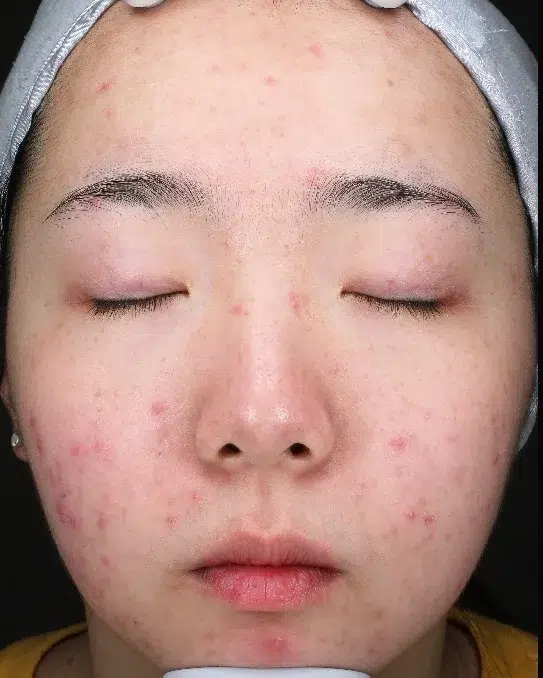
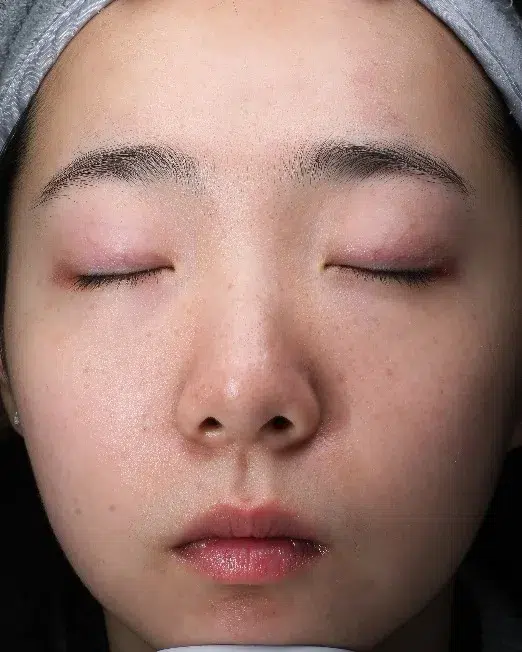
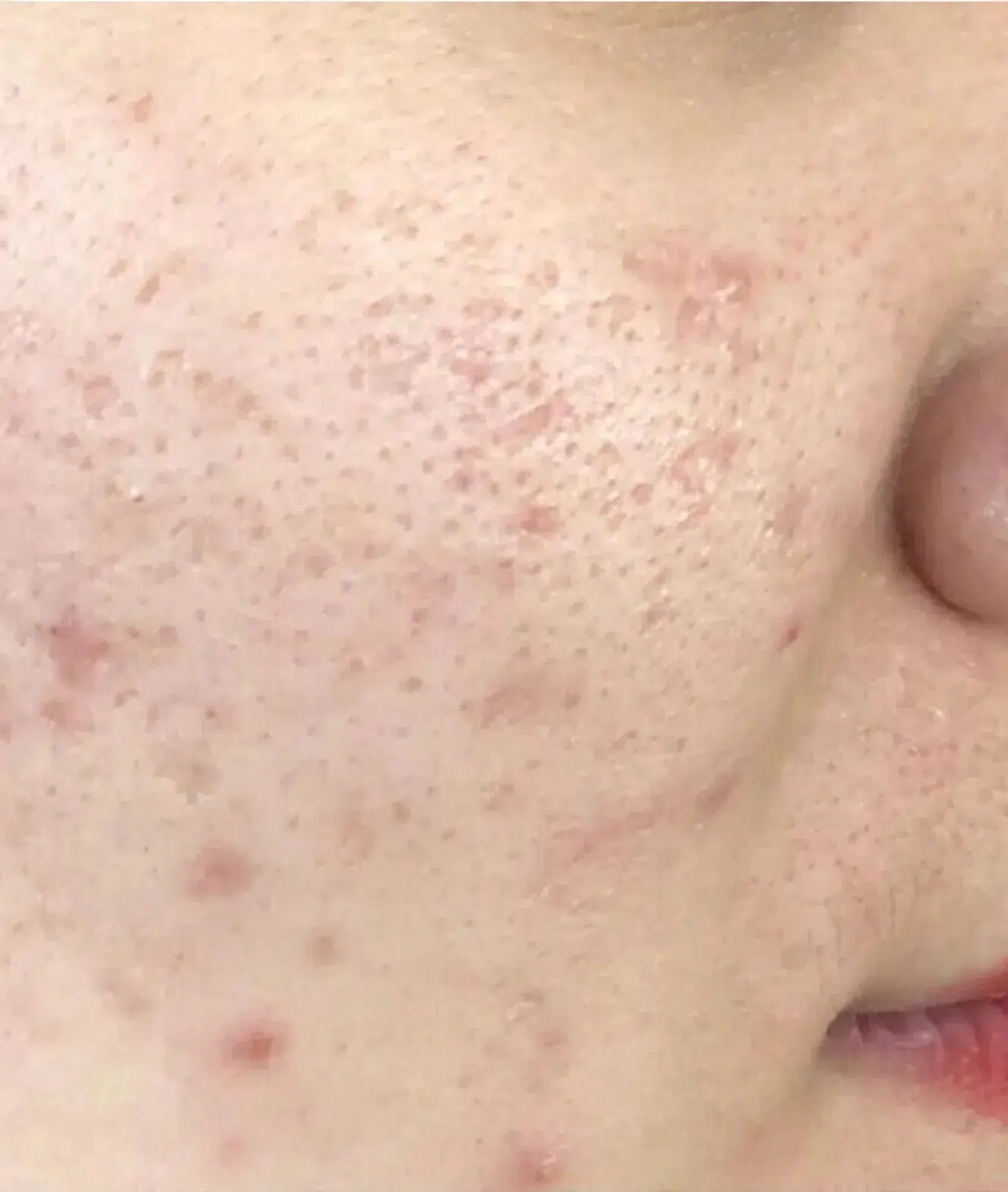
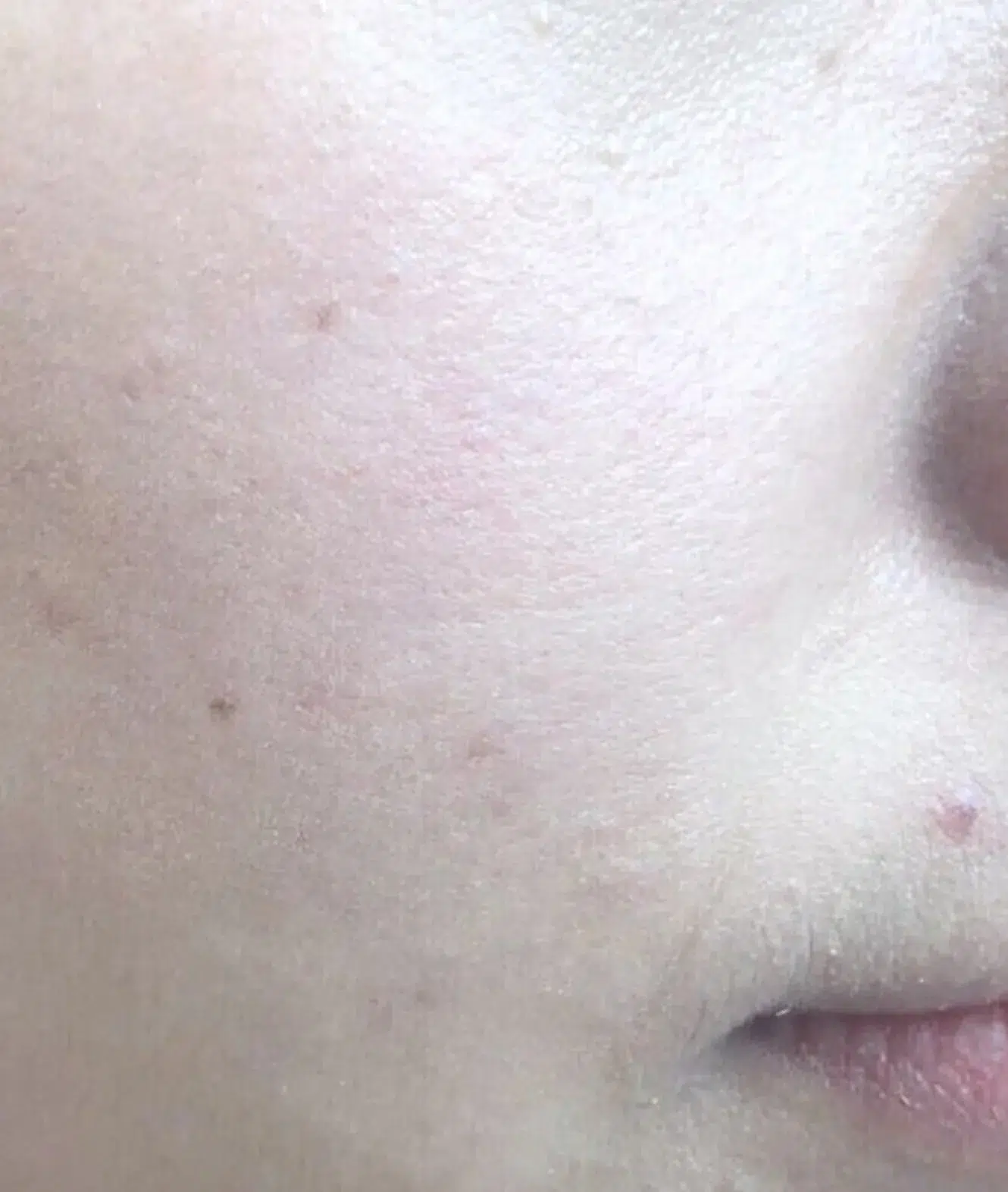
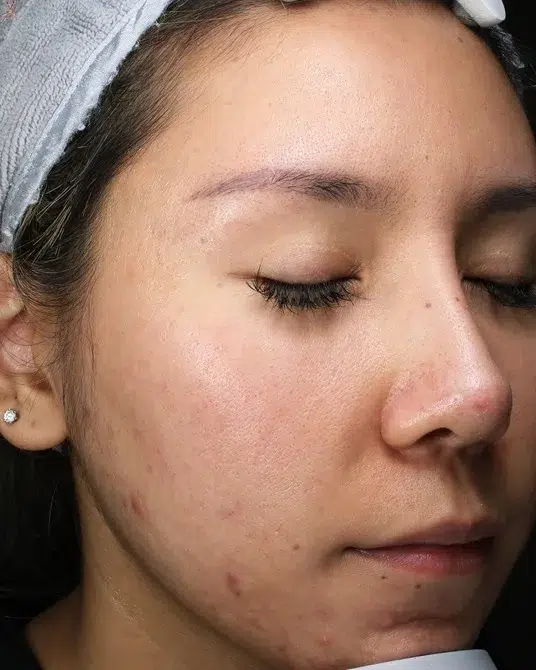
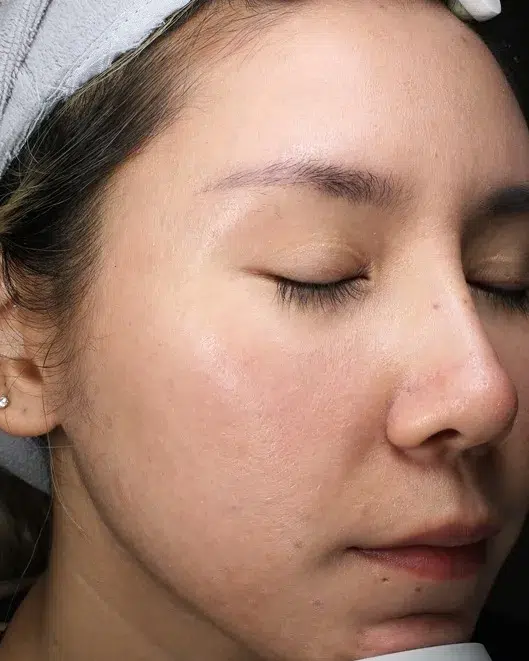
The following are clinical treatment records performed by our physician personally at our Nanjing clinic using Vbeam® (595 nm pulsed dye laser), addressing facial redness, visible capillaries, and rosacea in its stable phase. All Before & After images are unretouched clinical photographs. Clients have signed written Media Release Forms. Results are cumulative and individual outcomes may vary.
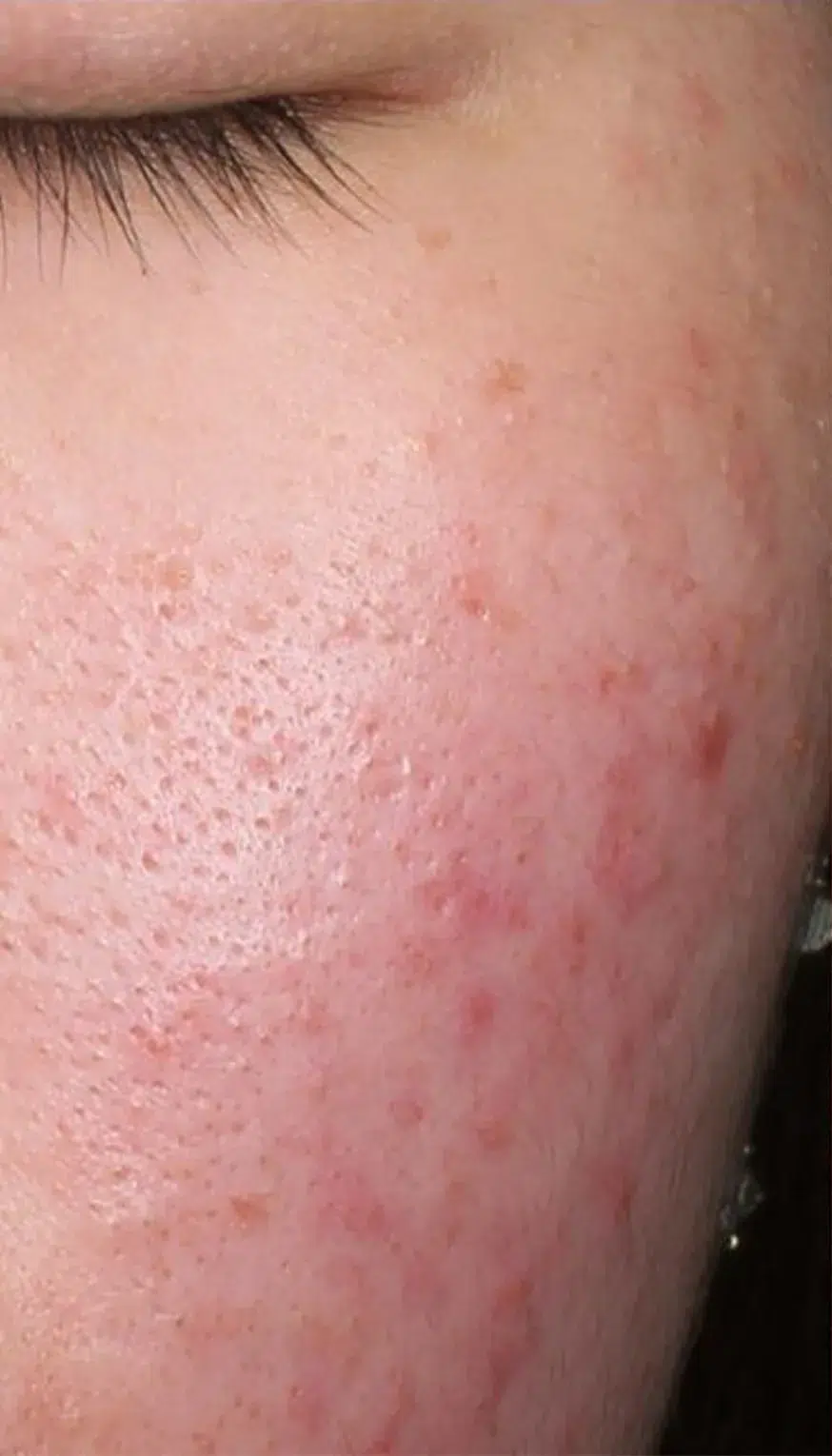
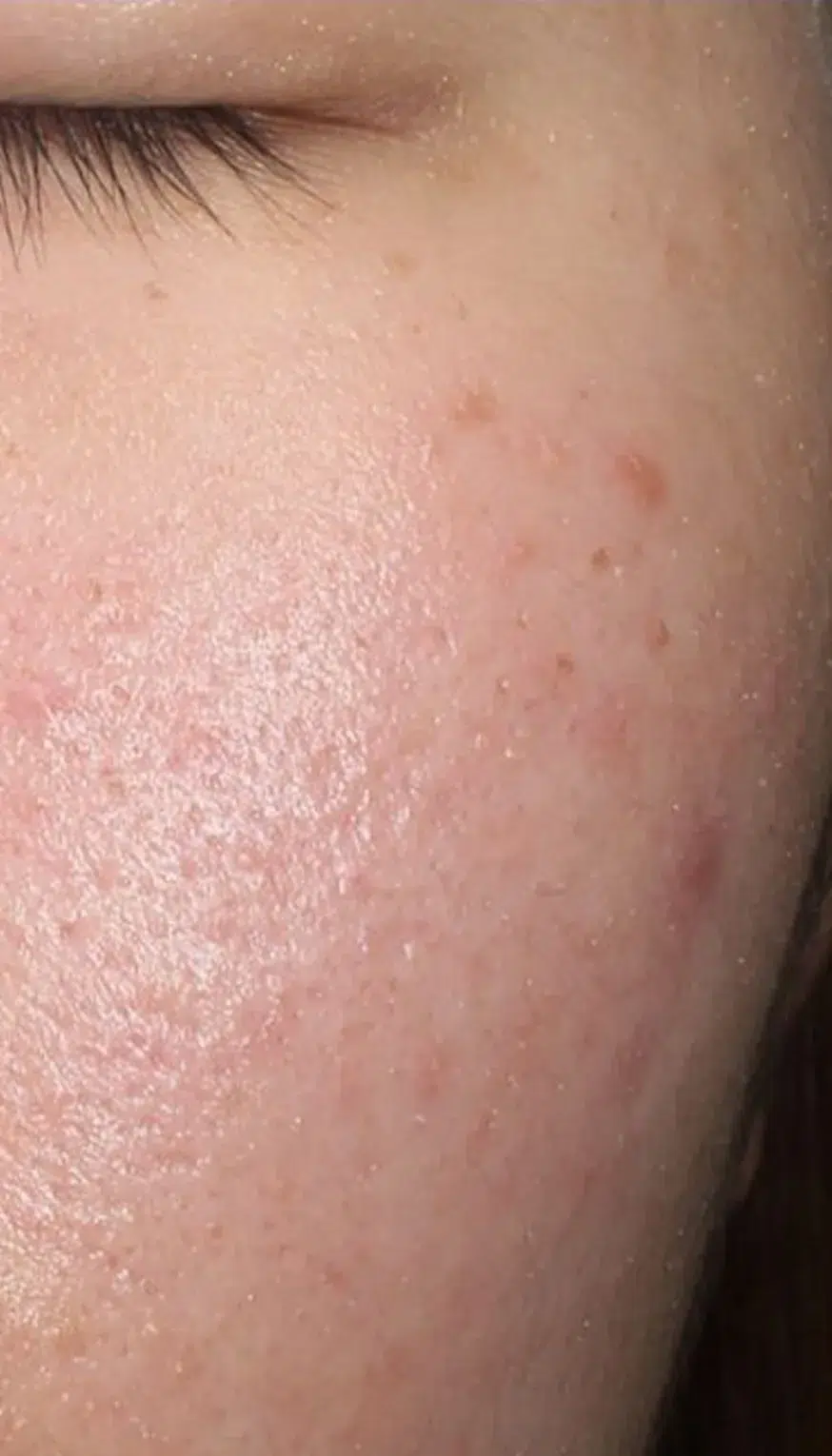
Case 1 · Facial Broken Capillaries · 595 nm PDL
- Ideal Candidate Profile
- Asian female patient · Facial capillaries on cheeks
- Concerns
- Telangiectasia, persistent redness
- Treatment Plan
- Vbeam 595nm Pulsed dye laser (3–5 sessions)
- Treatment outcomes
- Fading of capillaries and reduction of facial redness
- Maintenance
- 12 months or more, with maintenance as needed
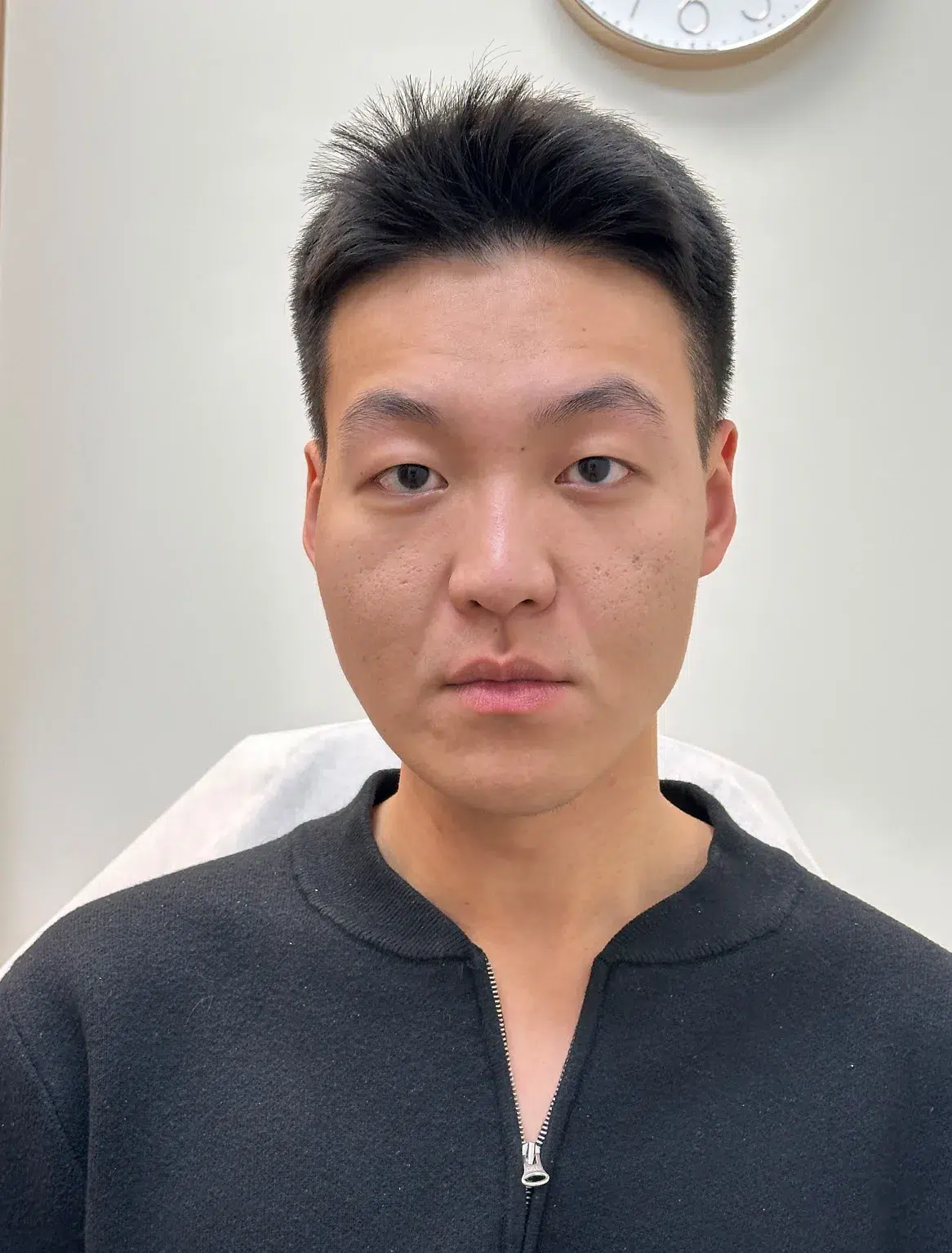
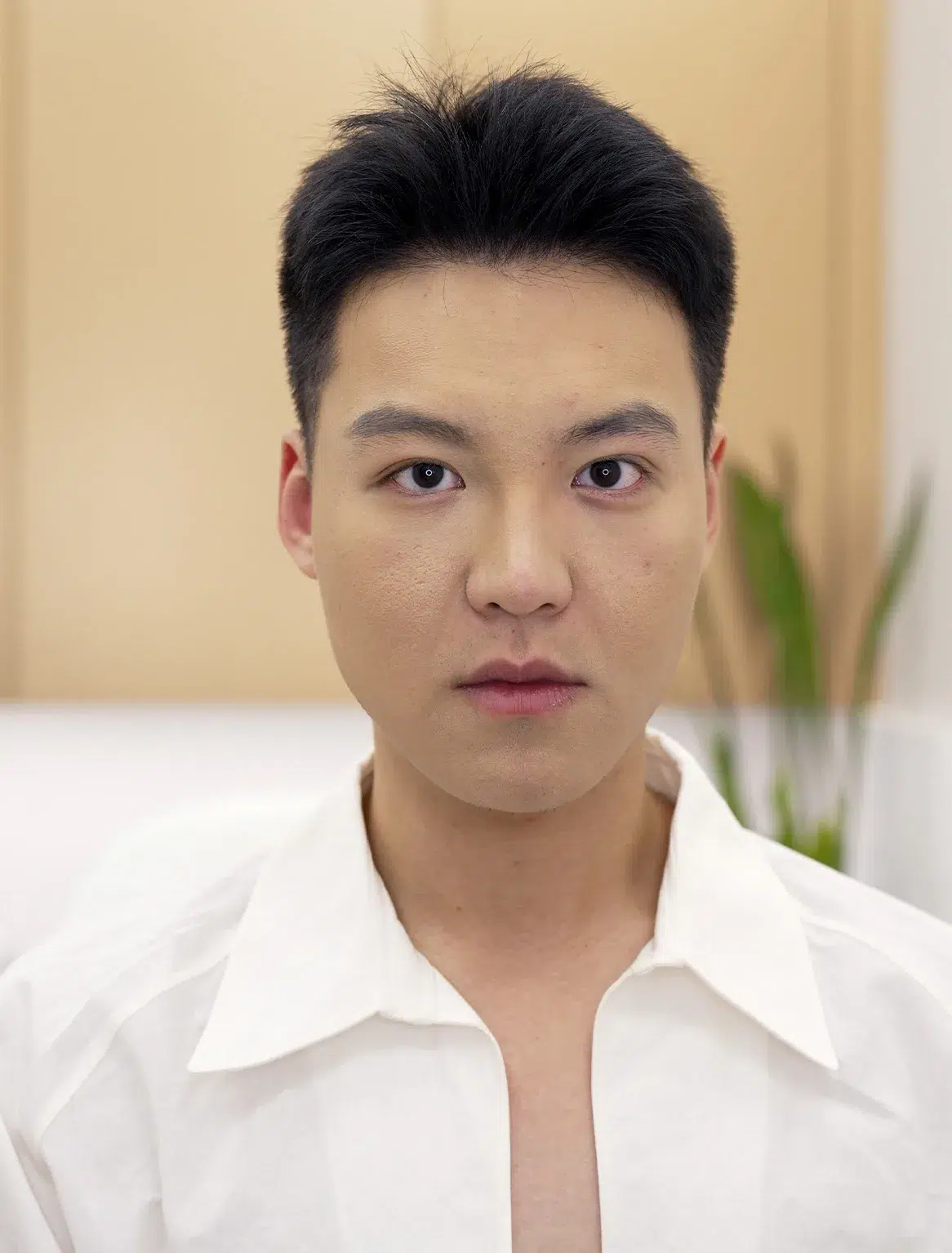
Case 01: 595 nm Precision Hemoglobin Targeting, Vascular Gold Standard · Led by our physician
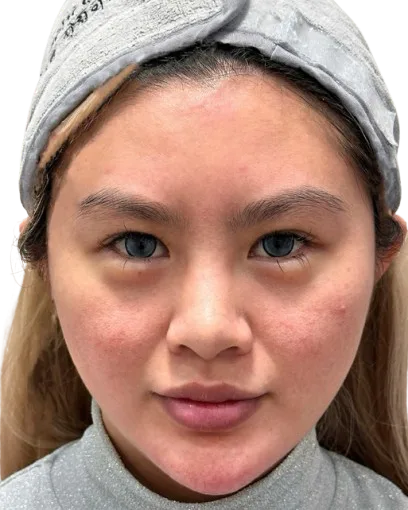
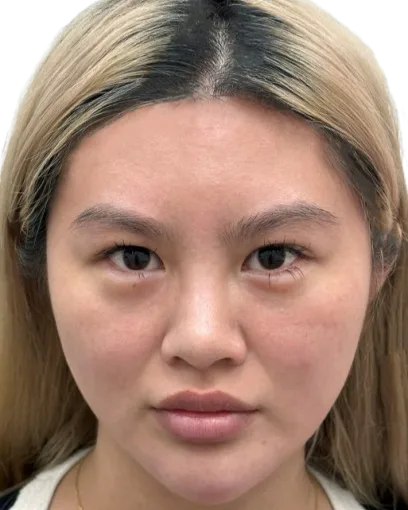
Case 2 · Reactive Redness · Calming & Barrier Restoration
- Ideal Candidate Profile
- Asian women · sensitive skin, prone to facial redness
- Concerns
- Compromised skin barrier — flushes with temperature changes
- Treatment Plan
- Low-energy Vbeam® combined with barrier repair
- Treatment outcomes
- Reduced redness and more stable skin
- Maintenance
- Long-term improvement with supportive skincare
Case 02: Vbeam® Reduces Redness While Calming Sensitive Skin · Performed by our physician
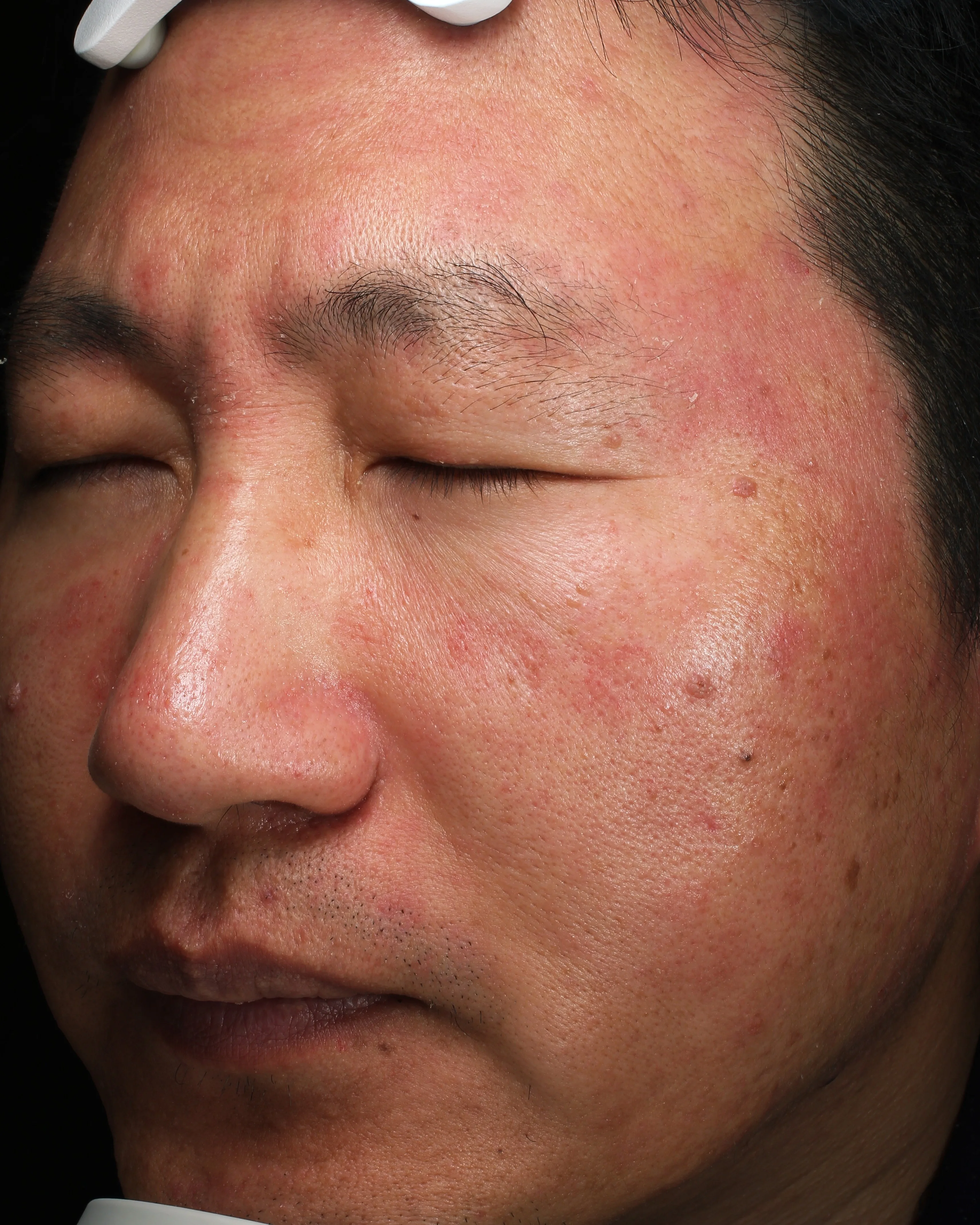
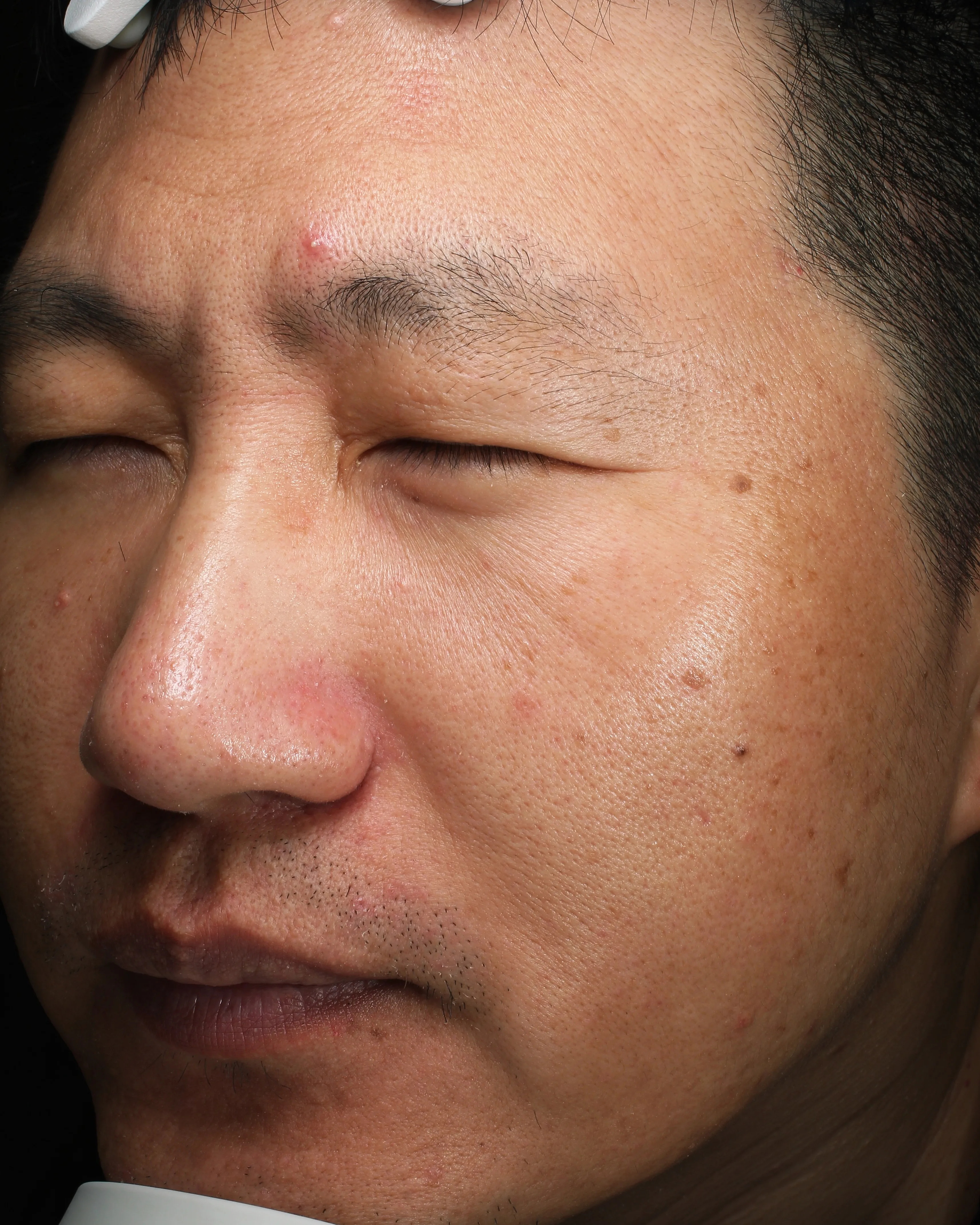
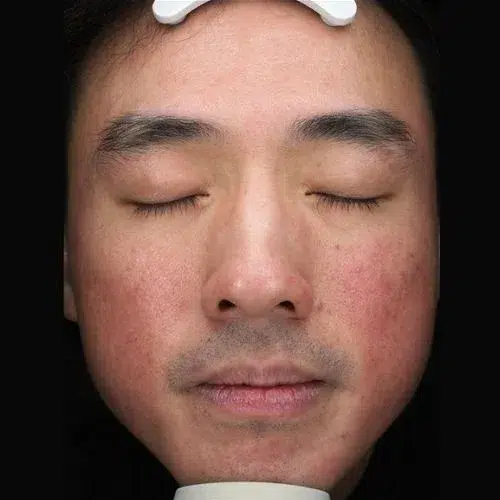
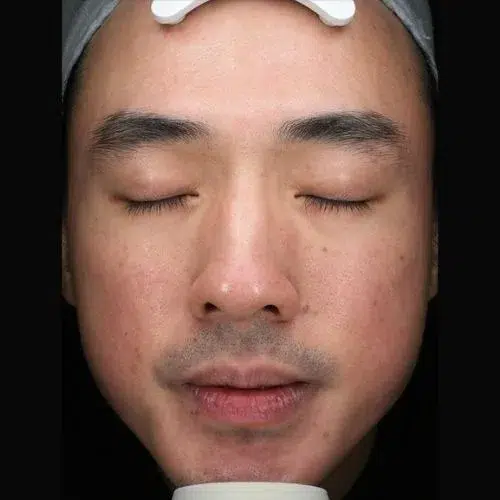
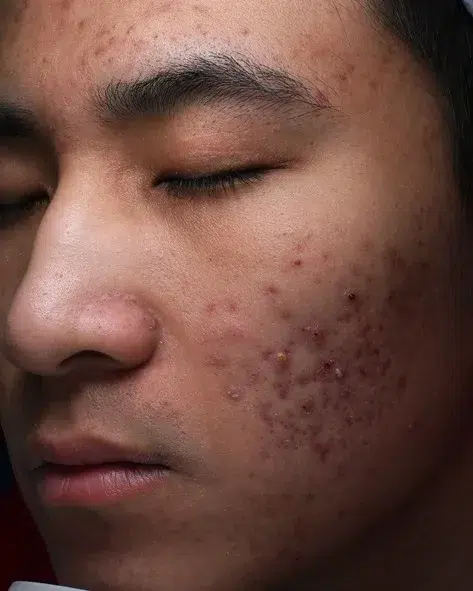
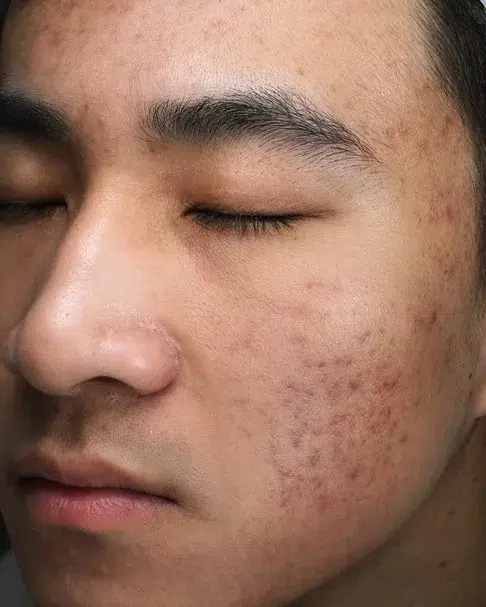
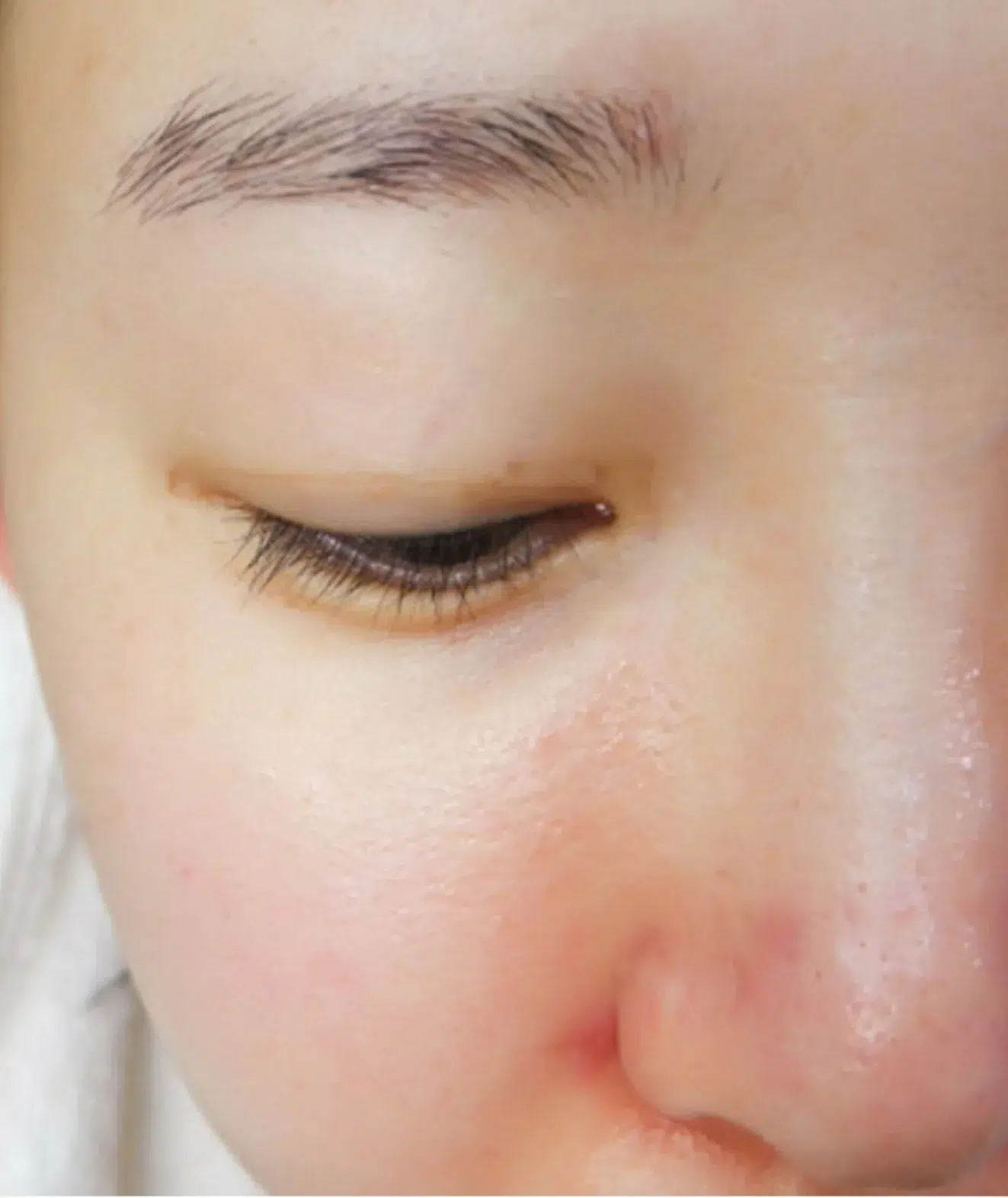
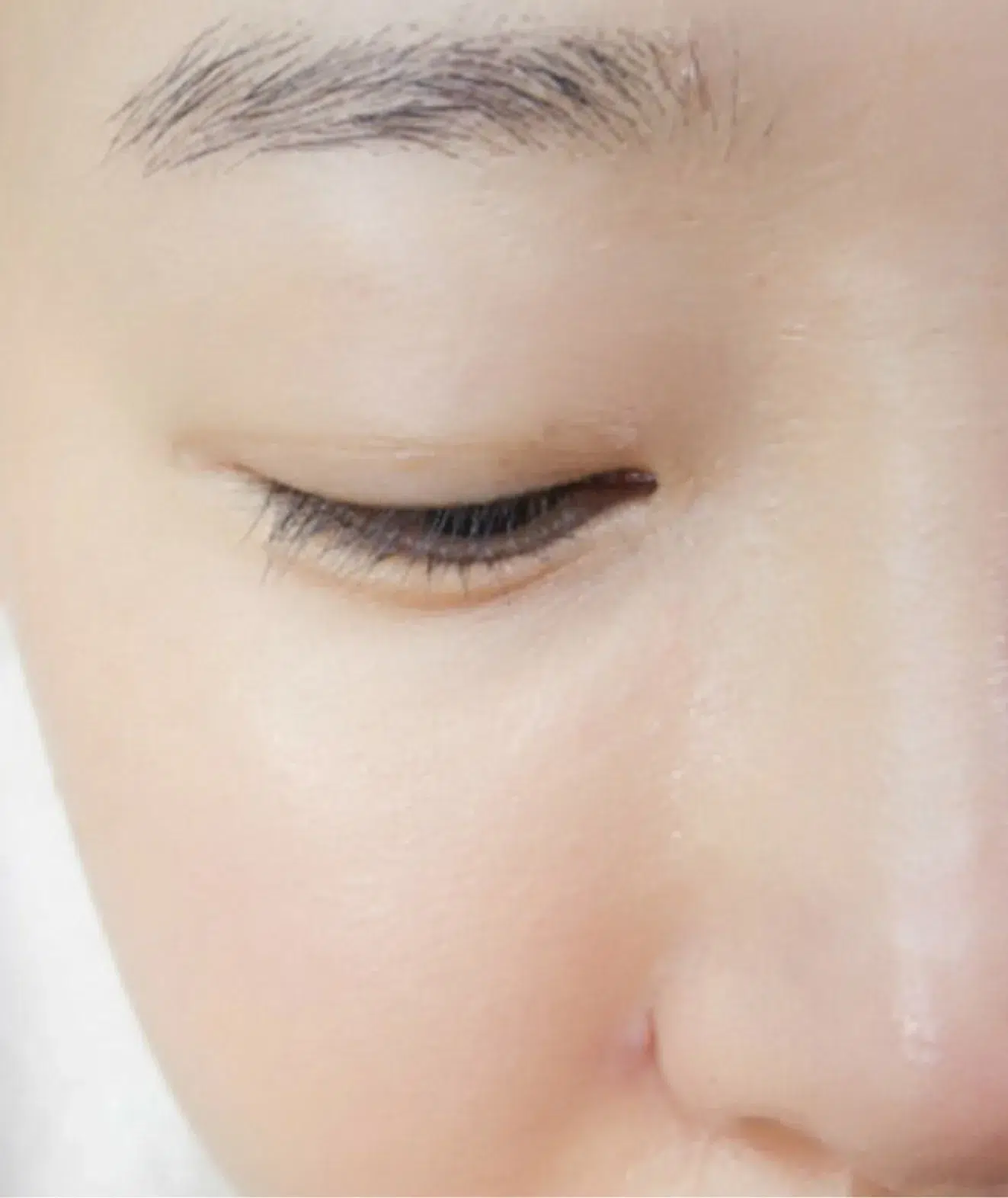
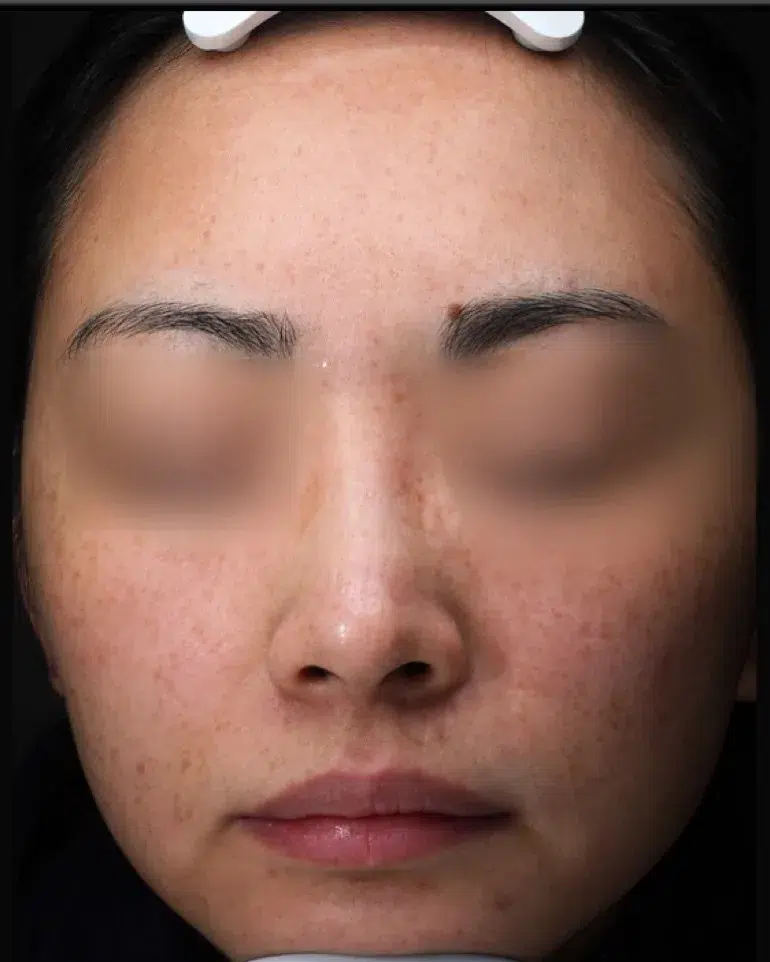
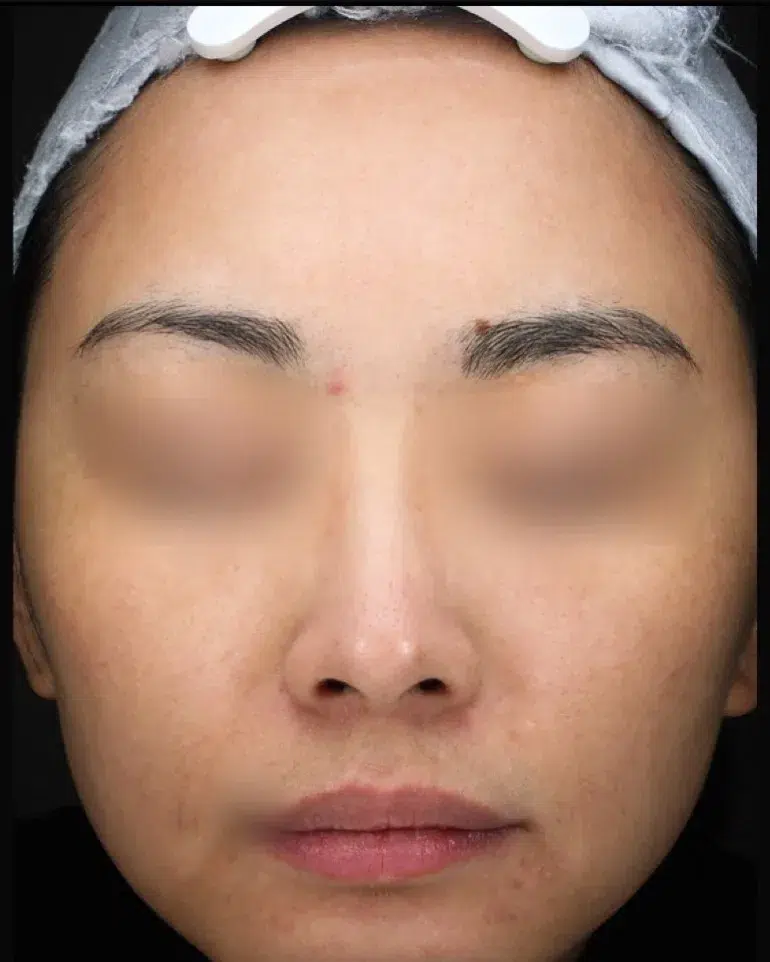
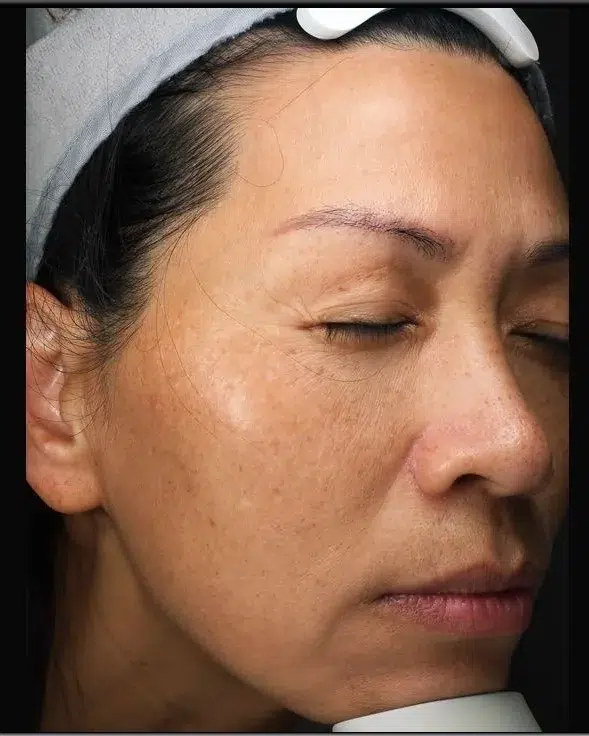
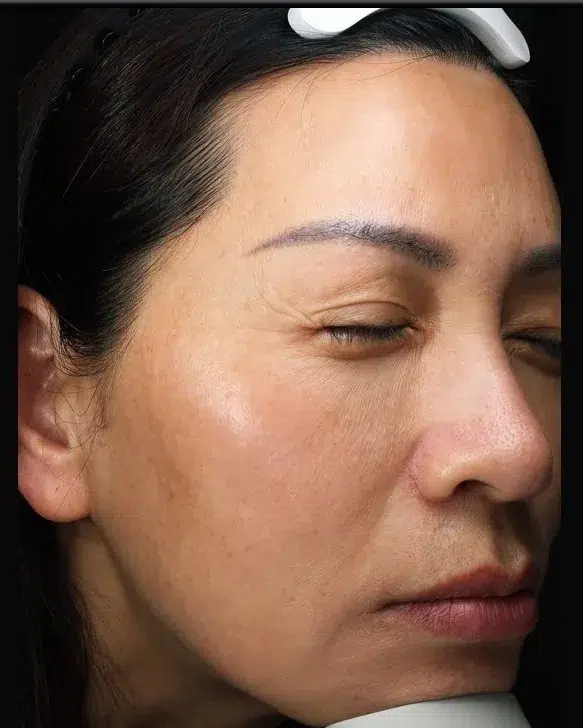
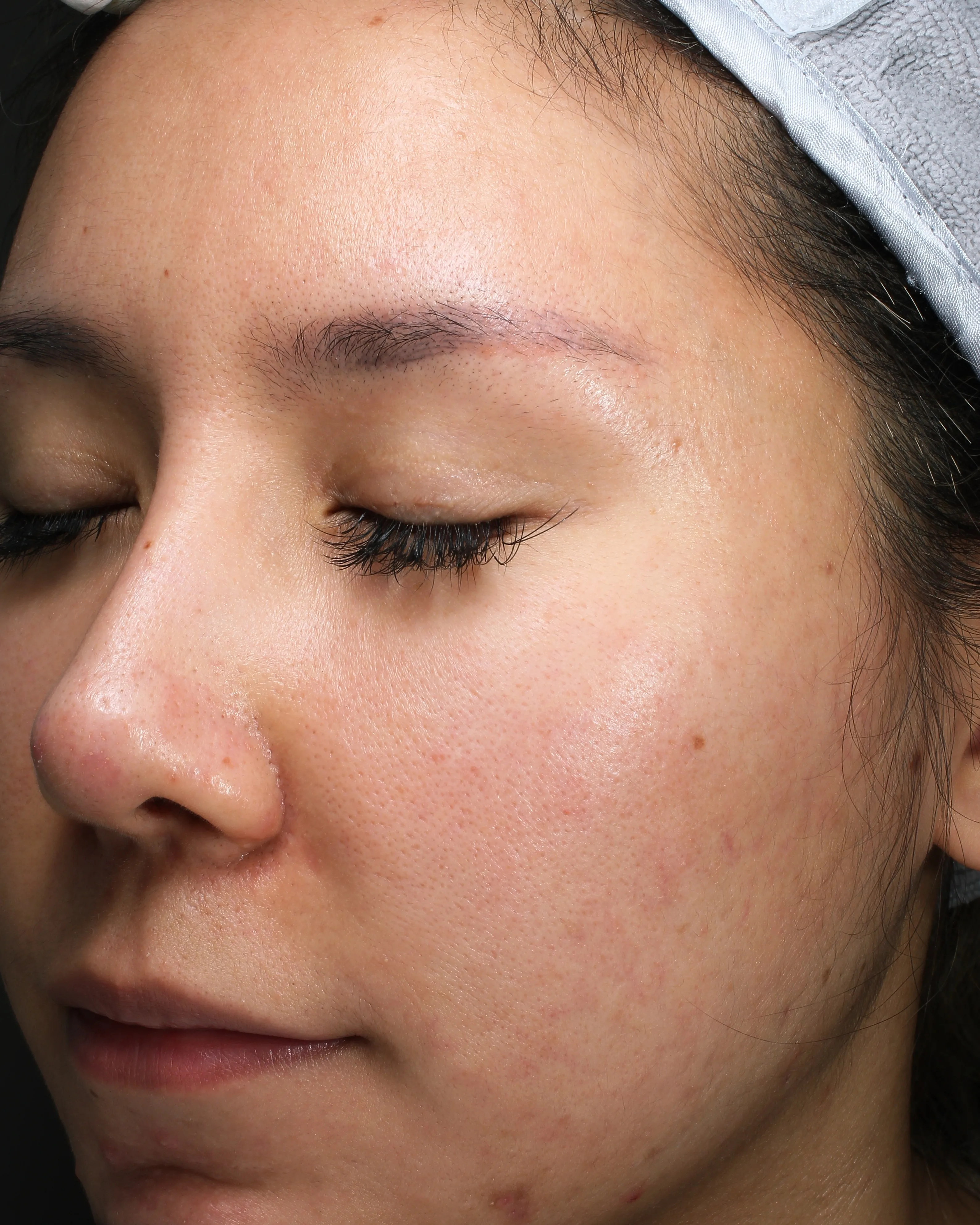
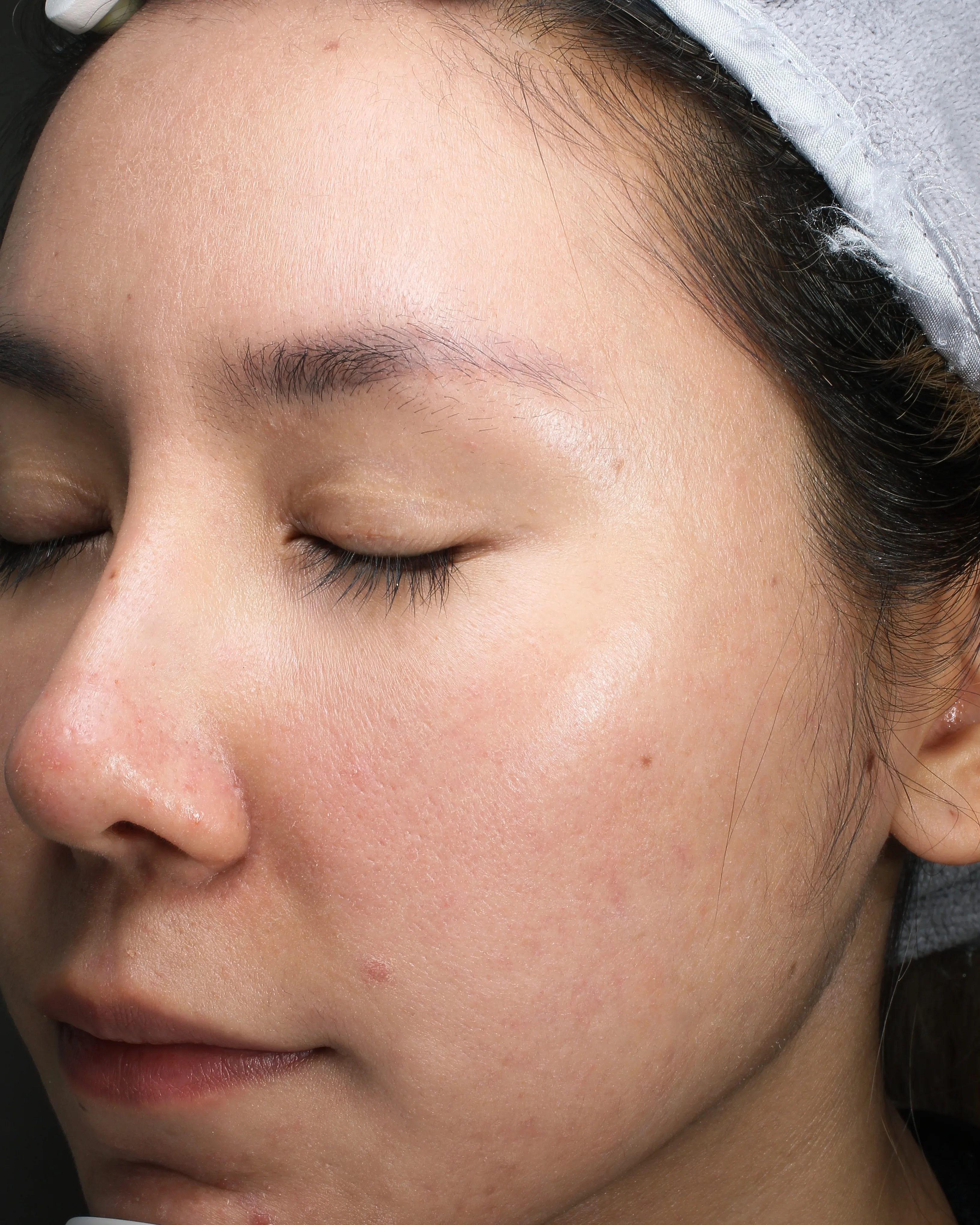
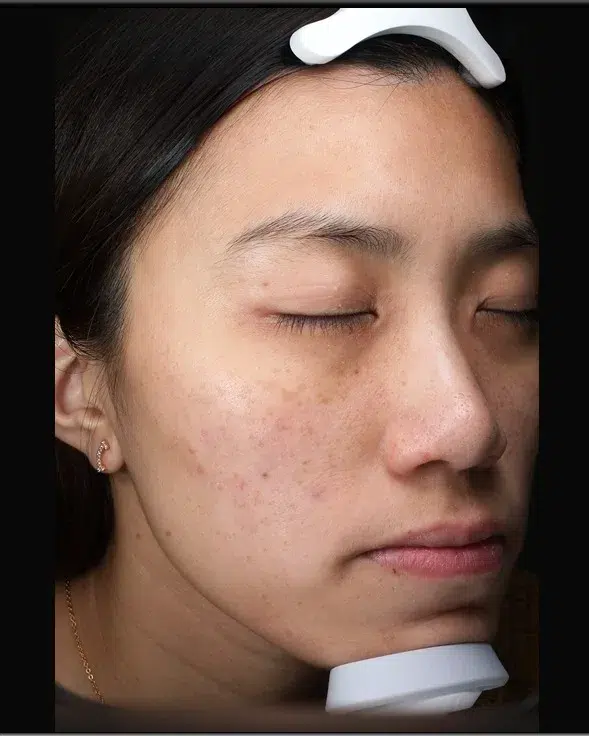
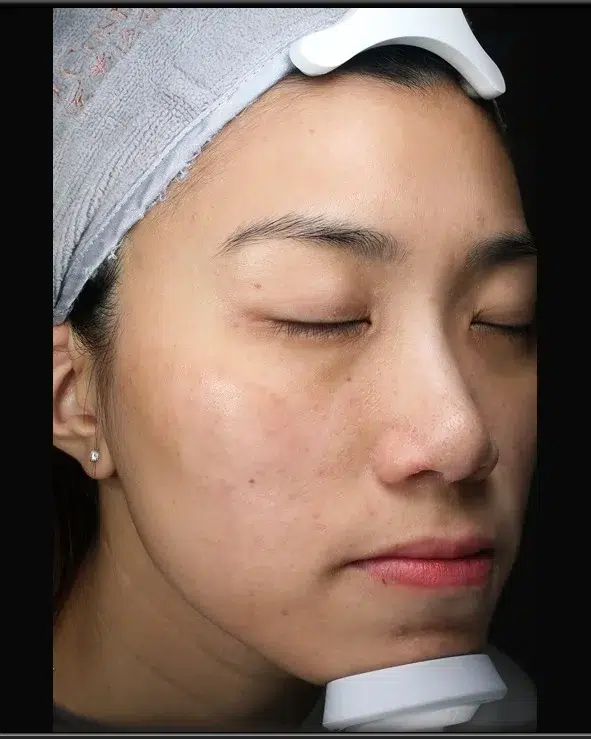
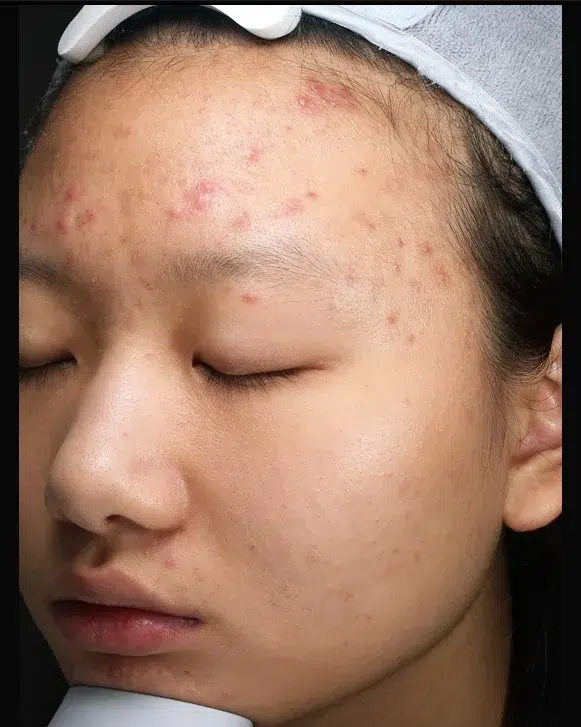
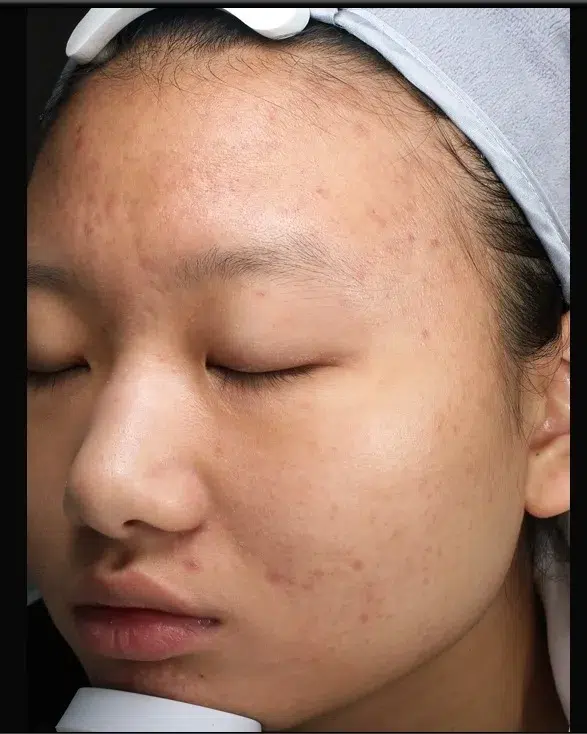
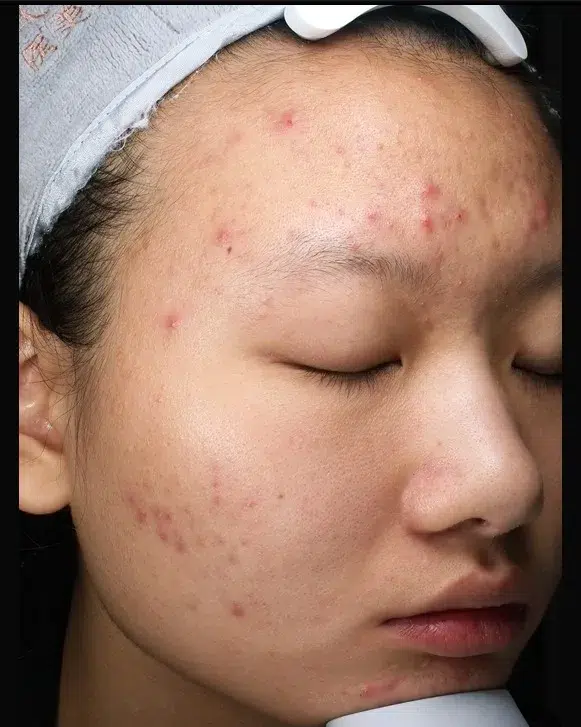
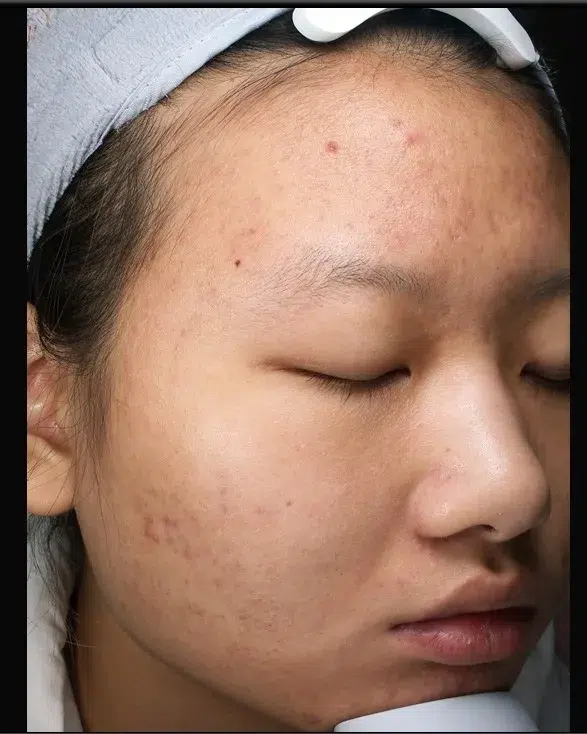
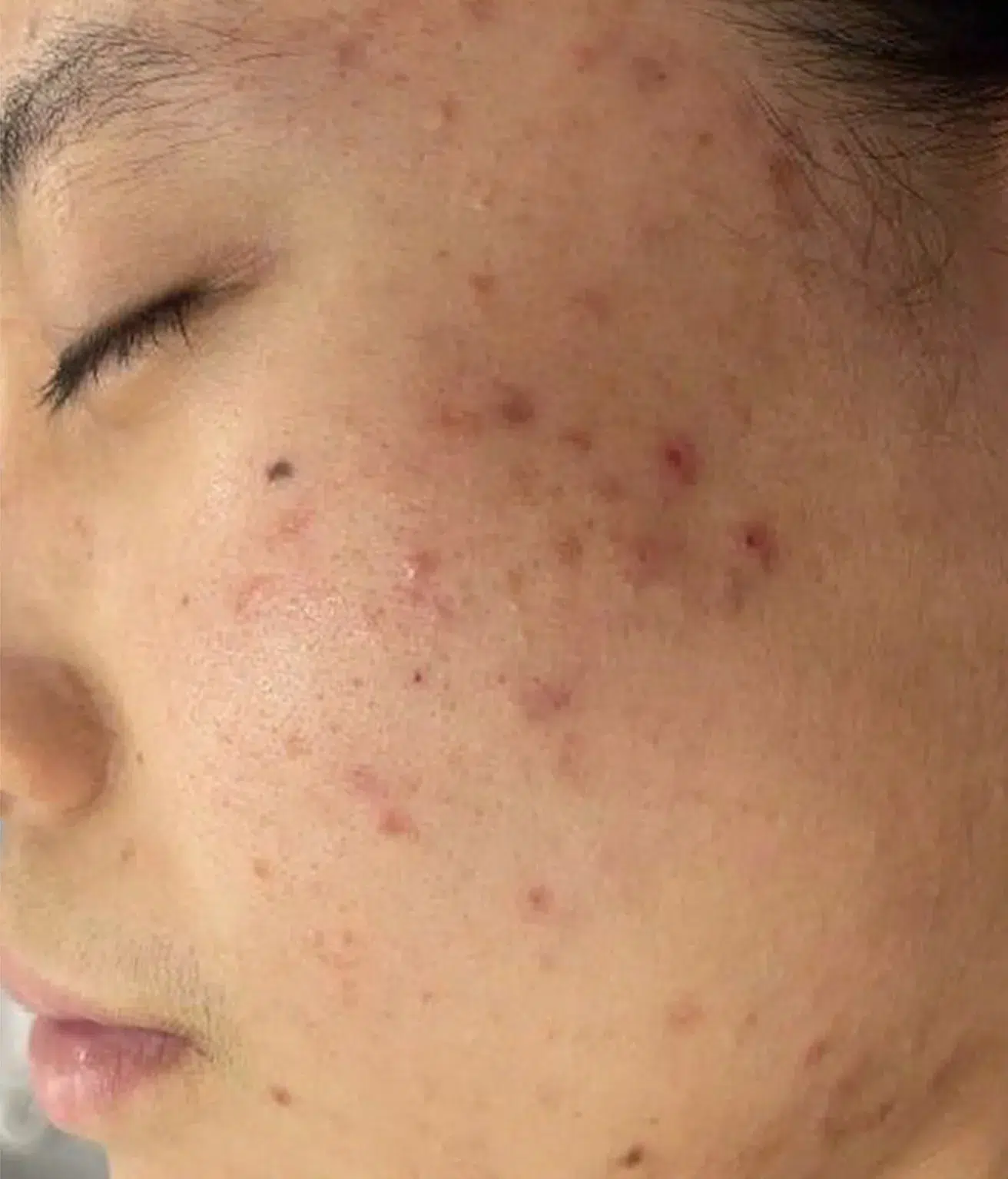
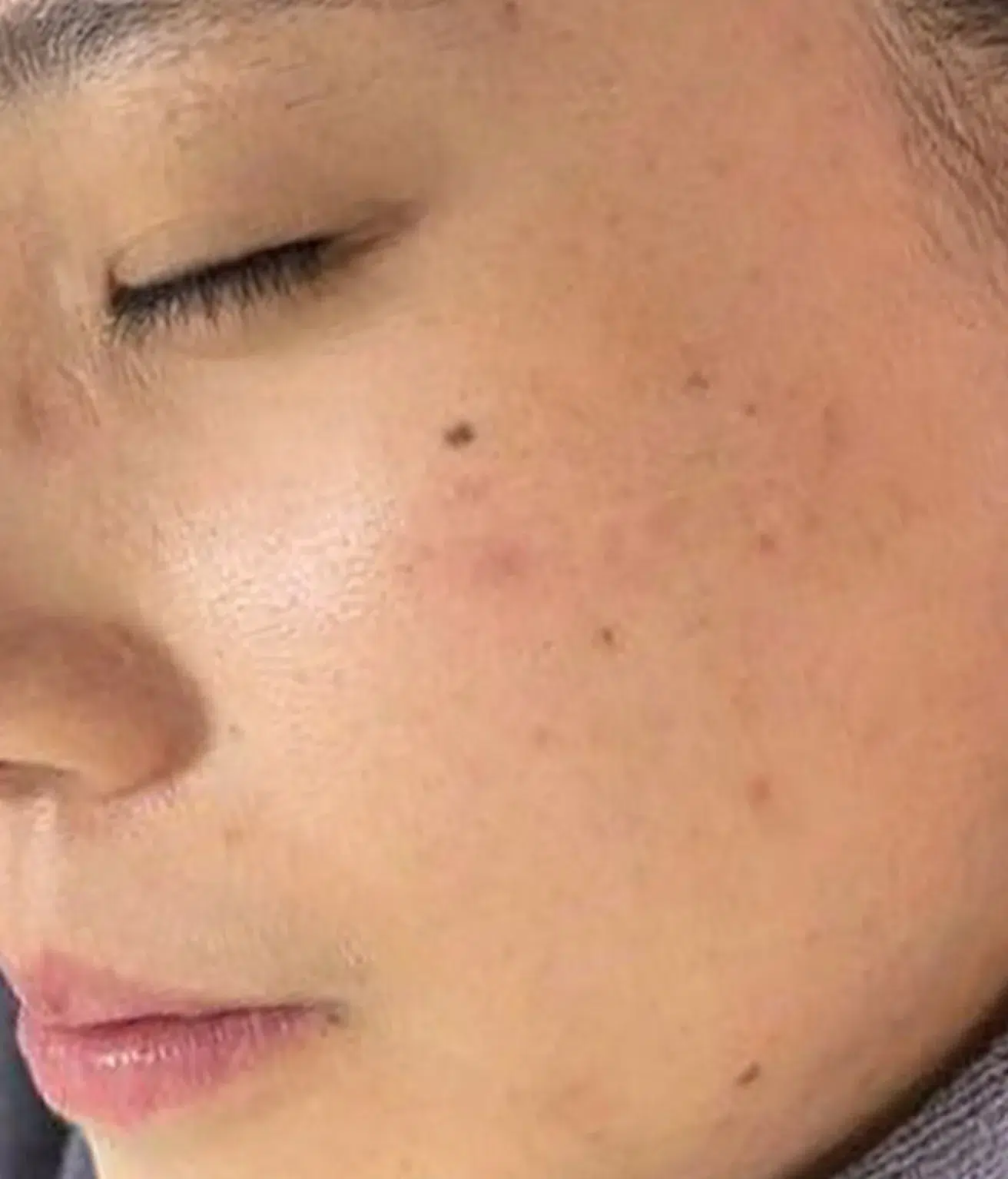
Case 3 · Rosacea-Related Redness (Stable Phase)
- Ideal Candidate Profile
- Asian female patient · Stable-phase rosacea
- Concerns
- Persistent central facial redness
- Treatment Plan
- Vbeam + Anti-inflammatory management
- Treatment outcomes
- Noticeably reduced redness with a more even complexion
- Maintenance
- Maintenance every 4–6 months
Case 03: Vbeam® as a First-Line Laser for Rosacea-Related Redness · Performed by our physician
Why Choose Luowei Medical Aesthetics Clinic for Vbeam® in Nanjing
Vbeam® is the gold-standard laser for vascular concerns — but energy selection, purpura risk, and safety on Asian skin all depend on the physician’s expertise. Our approach centers on authentic Vbeam Perfecta equipment, thorough cause-of-redness diagnosis, and a dedicated Asian skin protocol.
Gold-Standard Vascular Laser
Vbeam (595nm Pulsed dye laser (PDL) is the recognized gold standard for treating facial vascular conditions and redness — precisely targeting hemoglobin with minimal damage to surrounding tissue.
Diagnose before treating
Broken capillaries, rosacea, red acne marks, and sensitivity-related redness each have different underlying mechanisms. Our physician identifies the root cause before designing a treatment plan, helping avoid ineffective treatments or worsening of the condition.
Purpura-free mode available
Vbeam Perfecta Sub-purpuric threshold parameters can be used to reduce redness while minimizing visible bruising, shortening your social downtime.
Asian skin protocol
Energy settings are adjusted according to Fitzpatrick skin type to balance effective redness reduction with a low risk of post-inflammatory hyperpigmentation — with extra caution for deeper skin tones.
Suitable for sensitive skin
Lower-energy Vbeam® settings can reduce redness while soothing sensitive skin and supporting barrier repair.
- Authentic Vbeam® Perfecta (595 nm Pulsed Dye Laser)
- Vascular and redness cause diagnosis (including rosacea)
- Option for purpura-free mode with an Asian skin energy protocol
Vbeam What Is Vbeam®?
Vbeam (Pulsed dye laser (PDL) is a laser that uses a dye medium to emit 595nm Wavelength laser that works by Selective photothermolysis precisely targeting oxyhemoglobin, It causes abnormally dilated blood vessels to coagulate and close, allowing the body to gradually reabsorb them — reducing redness and improving broken capillaries and a wide range of vascular concerns. It is widely recognized as the gold-standard laser for facial vascular conditions.
595nm The 595 nm wavelength closely matches the absorption peak of hemoglobin, so laser energy is preferentially absorbed by blood vessels with minimal impact on surrounding tissue. Dynamic Cooling Device (DCD) simultaneously protects the epidermis, making treatment comfortable with a fast recovery.
Vbeam Its range of applications goes far beyond “Reduce broken capillaries”—It is effective for rosacea-related redness, red post-acne marks and scars, port-wine stains (nevus flammeus), sensitivity-related facial redness, and even certain warts and red stretch marks.
Key Points
- Wavelength 595 nm Pulsed Dye Laser (PDL)
- Targeting Oxyhemoglobin (vascular target)
- Epidermal protection Dynamic Cooling Device (DCD)
- Best suited for Visible capillaries / facial redness / rosacea / red acne marks
- Treatment 3–6 session / 4–8 weeks apart
- Recovery period Short (non-purpuric mode available)
Vbeam can address “red”
| Concern | Description |
|---|---|
| Broken capillaries | Telangiectasia |
| Rosacea-related redness | First-line choice during stable phase |
| Red acne marks / acne scars | Post-inflammatory erythema |
| Port-wine stain / nevus flammeus | Congenital vascular malformations |
| Reactive / sensitivity-related redness | Low energy + barrier repair |
Vbeam Primarily targets “Redness / Vascular” concerns; for pigmentation, IPL or picosecond laser is recommended.
Vbeam How Vbeam® Works
595nm The laser energy is selectively absorbed by hemoglobin within the blood vessel and converted to heat, causing abnormal vessels to coagulate and close. The body then gradually reabsorbs them, reducing redness over time. Dynamic cooling runs concurrently to protect the overlying epidermis.
Consultation & Cause Differentiation
Our physician determines whether the concern is simple telangiectasia, rosacea, post-inflammatory red marks, or reactive flushing, and assesses vessel depth alongside Fitzpatrick skin type.
Parameter and mode selection
Energy and pulse width are selected based on your specific concern and downtime tolerance: sub-purpuric threshold settings prioritize faster recovery, while higher parameters may be used for persistent vessels — which may result in brief, temporary purpura.
595nm Laser delivery + dynamic cooling
You will wear protective eyewear throughout. The laser targets the blood vessels while the Dynamic Cooling Device (DCD) simultaneously delivers a burst of coolant to protect the epidermis. The sensation is similar to a light rubber-band snap.
Vascular coagulation and reabsorption
Once treated vessels coagulate, they are gradually reabsorbed by the body, and redness visibly diminishes over the course of days to weeks.
Periodic treatments + long-term management
Sessions are spaced 4–8 weeks apart for cumulative improvement. Rosacea management also requires identifying and controlling personal trigger factors.
Purpura is not required for results — parameters can be adjusted to match your downtime tolerance.
Traditional PDL often causes noticeable purpura (bruising). Vbeam® Perfecta can be used at a Sub-purpuric threshold parameters minimizing bruising; for Asian skin, energy levels are adjusted according to Fitzpatrick type to reduce the risk of post-inflammatory hyperpigmentation.
Mode selected based on downtime tolerance
Purpura-free mode recommended for those with active social schedules
Fitzpatrick Energy adjustment
Lower energy settings for deeper skin tones to prevent post-inflammatory hyperpigmentation
Dynamic cooling protection
DCD Protecting the epidermis and enhancing treatment comfort
Am I a Candidate for Vbeam®?
Ideal for visible capillaries, facial redness, rosacea in remission, and red acne marks. For pigmentation concerns, IPL or picosecond laser is more appropriate.
You may be a good candidate for treatment if…
- Facial and nasal capillaries, telangiectasia
- Persistent facial redness
- Rosacea during stable phase (not during an active flare)
- Red post-acne marks / post-inflammatory erythema
- Sensitivity-related redness with impaired skin barrier
- Port-wine stains (assessment required)
The following conditions are contraindications or require evaluation before proceeding…
- Primarily pigmentation concerns (consider IPL or picosecond laser instead)
- Rosacea during an active flare (anti-inflammatory treatment required first)
- Active infection in the treatment area / active herpes outbreak
- Recent intense sun exposure / tanned skin
- Photosensitizing medications not discontinued / recent Accutane use
- Pregnancy
Vbeam® vs. IPL / Picosecond Laser — Which Is Right for You?
| Concern | Recommended | Description |
|---|---|---|
| Visible capillaries / rosacea | Vbeam (PDL) | Vascular gold standard |
| Red acne marks / post-inflammatory erythema | Vbeam | Targeting redness |
| Combined redness and pigmentation concerns | IPL / BBL | Comprehensive improvement |
| Pigmentation / acne scarring | PicoSure / PicoWay / CO₂ Laser | Non-vascular concerns |
Vbeam Treatment Planning
Every treatment plan is personally designed by our physician — including cause-of-redness diagnosis, parameter and mode selection, energy settings, and long-term management strategy.
Free consultation and cause differentiation
Differentiating between telangiectasia, rosacea, red post-acne marks, and sensitivity-related redness.
Parameter and mode design
Treatment mode — purpura-free or high-efficacy — is selected based on your downtime tolerance, with energy levels calibrated to your skin tone.
Periodic treatment
Typically 3–6 sessions spaced 4–8 weeks apart for cumulative improvement.
Maintenance + trigger factor management
Rosacea requires long-term management and regular maintenance sessions.
Treatment & Recovery Timeline
| Duration | Status |
|---|---|
| D0 (same day) | Temporary redness and mild swelling; higher-energy modes may cause brief purpura |
| D1–D3 | Once redness subsides, strict sun protection is required |
| 1–2 week | Vessels are reabsorbed and redness diminishes; any purpura gradually fades |
| After the 3rd session | Sustained improvement in redness and visible capillaries |
Vbeam Treatable Concerns
Vbeam specializing in vascular and “red” related concerns, and is the first-line laser for facial redness.
Broken capillaries
595nm Precisely sealing dilated capillaries.
3–5 session
Rosacea (in remission)
First-line laser treatment for reducing redness, paired with long-term management.
3–6 sessions + maintenance
Red acne marks / acne scars
Targets post-inflammatory erythema to fade red acne marks.
3–5 session
Persistent facial redness
Reduces diffuse redness for a more even skin tone.
3–6 session
Reactive / sensitivity-related redness
Low-energy settings combined with barrier repair for gradual improvement.
Combination therapy
Port-wine stain / nevus flammeus
Congenital vascular malformations — a classic indication for PDL.
Consultation and assessment
Warts / red stretch marks
Certain warts and red stretch marks can also be improved.
Consultation and assessment
Concern × Treatment Plan × Session Count — Detailed Table
| Concern | Plan | Sessions / Interval |
|---|---|---|
| Broken capillaries | 595nm Standard / non-purpuric mode | 3–5 sessions / 4–8 weeks apart |
| Rosacea (in remission) | Vbeam + Anti-inflammatory management | 3–6 sessions + maintenance |
| Red post-acne marks | Vbeam Targeting erythema | 3–5 session |
| Port-wine stain / nevus flammeus | PDL Multiple sessions | Consultation and assessment |
Pre-Procedure Instructions · Treatment Process · Post-Procedure Care
Vbeam Post-treatment sun protection and avoiding redness triggers are key to maintaining results and preventing recurrence. Choosing the non-purpuric mode allows for a faster social recovery.
Pre-procedure preparation
- Avoid sun exposure and tanning for 2 weeks before treatment
- Discontinue retinoids / AHAs 3–5 days before treatment
- Rosacea in active flare should be stabilized with anti-inflammatory measures before treatment.
- Disclose any photosensitizing medications and history of Accutane use.
During the procedure
- Wear protective eyewear
- A rubber-band snap sensation, with DCD dynamic cooling to minimize discomfort
- Parameters and mode tailored to your specific concern and skin tone
- Approximately 15–30 minutes per session
Post-procedure care
- Temporary redness and mild swelling (lasting a few hours to 1–2 days)
- Higher-energy modes may cause temporary purpura (resolves within 1 week; can be covered with makeup)
- Daily SPF 50+; avoid sun exposure for 2 weeks post-treatment
- Gentle repair and barrier strengthening
- Avoid heat, spicy foods, alcohol, and other known redness trigger factors.
Recovery timeline
| Duration | Status |
|---|---|
| D0 (same day) | Temporary redness / mild swelling; high-efficacy mode may cause purpura. |
| D1–D3 | Redness subsides — strict sun protection and avoidance of trigger factors are essential. |
| 1–2 week | Vessels are reabsorbed, redness diminishes, and any purpura gradually fades. |
| 4–8 week | Proceed to the next treatment session |
Vbeam Advantages of Vbeam®
The vascular gold standard — precise, powerful, and with adjustable purpura settings — making it the first-line laser choice for facial redness.
Vascular gold standard
595nm Highly selective absorption by hemoglobin.
Precise and powerful
A single wavelength precisely targeting vascular and redness concerns.
Adjustable purpura settings
Non-purpuric mode shortens social downtime.
Dynamic Cooling Device (DCD)
DCD Protects the epidermis and enhances comfort.
Wide range of indications
Facial capillaries / rosacea / red post-acne marks / port-wine stains.
Suitable for sensitive skin
Low-energy settings can help soothe redness.
Minimal downtime
Purpura-free mode causes minimal disruption to daily life.
Can be combined
Works in complementary combination with M22® IPL and PicoSure / PicoWay.
Vbeam vs IPL vs Nd: YAG
| Device | Wavelength | Best suited for | Key features |
|---|---|---|---|
| Vbeam (PDL) | 595nm | Broken capillaries, rosacea, red acne marks | Vascular gold standard |
| IPL / BBL | Broad-spectrum | Combined redness and pigmentation concerns | Multiple concerns in one session |
| Nd: YAG | 1064nm | Deeper or larger-caliber vessels | Deep tissue penetration |
Why Trust Vbeam® at Luowei Medical Aesthetics Clinic?
Google's E-E-A-T framework evaluates medical content across four dimensions. Below are the specific credentials behind every claim on this page.
Real clinical experience
- Extensive Vbeam® Treatment for Facial Capillaries and Rosacea
- Experience with non-purpuric and purpuric mode parameters
- Experience in sensitive skin barrier repair
- Full Before & After Gallery
Professional medical training
- Dermatological diagnosis + vascular cause differentiation
- Individualized parameter and energy calibration
Industry-recognized credentials
- Every medical claim on this page is anchored to a named, clickable source — see Evidence & references below
Transparent and verifiable
- Authentic Vbeam® Perfecta device
- Transparent cause-of-redness diagnosis and parameter disclosure
Vbeam Treatment outcomes and purpura control depend on parameter settings and the physician’s diagnosis of the underlying vascular or redness condition.Identify the root cause first, then adjust parameters to match your downtime needs, to achieve results that are both effective and natural.
Vbeam Pricing & Payment
Pricing varies by treatment area, mode, and number of sessions in your package.A personalized quote is provided by our physician following your Free 30-Minute Consultation.
Priced by treatment area and mode · per session
Treatment Packages / Combination Barrier Repair Pricing
- Payment is made at the clinic, after the consultation and before treatment begins
- Nothing is paid in advance, and no deposit is required to hold an appointment
- Facial capillaries and rosacea typically require 3–6 treatment sessions
- Cosmetic treatment is a self-pay item and is not covered by public medical insurance in China
- All new clients enjoy a 30-minute Free Consultation & Assessment
Common Reactions · Serious Risks · Contraindications
Transparency in medical aesthetics is itself a signal of trust and expertise. We openly share all possible reactions, serious risks, and contraindications so you have complete information before your consultation.
Common Reactions (may occur in the short term)
- Transient redness / warmth (a few hours to 1–2 days)
- Mild swelling (treatment area, temporarily)
- Purpura (bruising) (Purpuric mode — typically resolves within 1 week; non-purpuric mode is available to avoid this)
- Temporary sensitivity (Sun protection required)
Serious Risks (rare, but essential to disclose)
- Post-inflammatory hyperpigmentation (PIH)— Deeper skin tones / sun exposure risk — managed by reducing energy settings and enforcing strict sun protection
- Blistering / burns / scarring— Extremely rare; caused by excessive energy or inadequate cooling — both preventable with proper technique.
- Recurrence of redness— Rosacea patients who have not addressed known trigger factors
- Hypopigmentation— Rare
Absolute Contraindications / Treatment Deferral
- Active rosacea flare-up (anti-inflammatory stabilization required first)
- Active infection in the treatment area / active herpes outbreak
- Recent intense sun exposure / tanned skin
- photosensitizing medications not discontinued / Accutane use within the past 6 months
- Pregnancy
Where the medical claims on this page come from
Everything above about Vbeam® rests on published evidence rather than on our own word. The sources below are the ones behind those statements: peer-reviewed papers indexed in PubMed, and guidance written for patients by dermatology academies and national health services. Read them before you decide — and bring any of them to your consultation.
- Peer-reviewedIntense pulsed light (IPL): a review
- Peer-reviewedCommon Dermatologic Procedures and the Associated Complications Unique to Skin of Color
What these references can and cannot tell you. They describe what is known about the treatment itself — how well it tends to work, how long results last, and what can go wrong. They are not an assessment of this clinic, and no published study can tell you whether it suits your skin type, anatomy, or medical history. That judgement comes from the physician who examines you in person, and it may well be “not this one”.