PRF (Platelet-Rich Fibrin) Injections
PRF (Platelet-Rich Fibrin) Platelet-Rich Fibrin (PRF) is an advanced evolution of PRP.
Real PRF Autologous Regeneration Cases at Our Nanjing Clinic
The following are PRF (Platelet-Rich Fibrin) treatment records performed personally by our physician at our Nanjing clinic, covering scalp hair restoration, periorbital rejuvenation, and facial regeneration. All Before & After images are unretouched clinical photographs. All clients have signed a written Media Release Form. PRF is an autologous regenerative treatment; results are cumulative and individual outcomes vary.
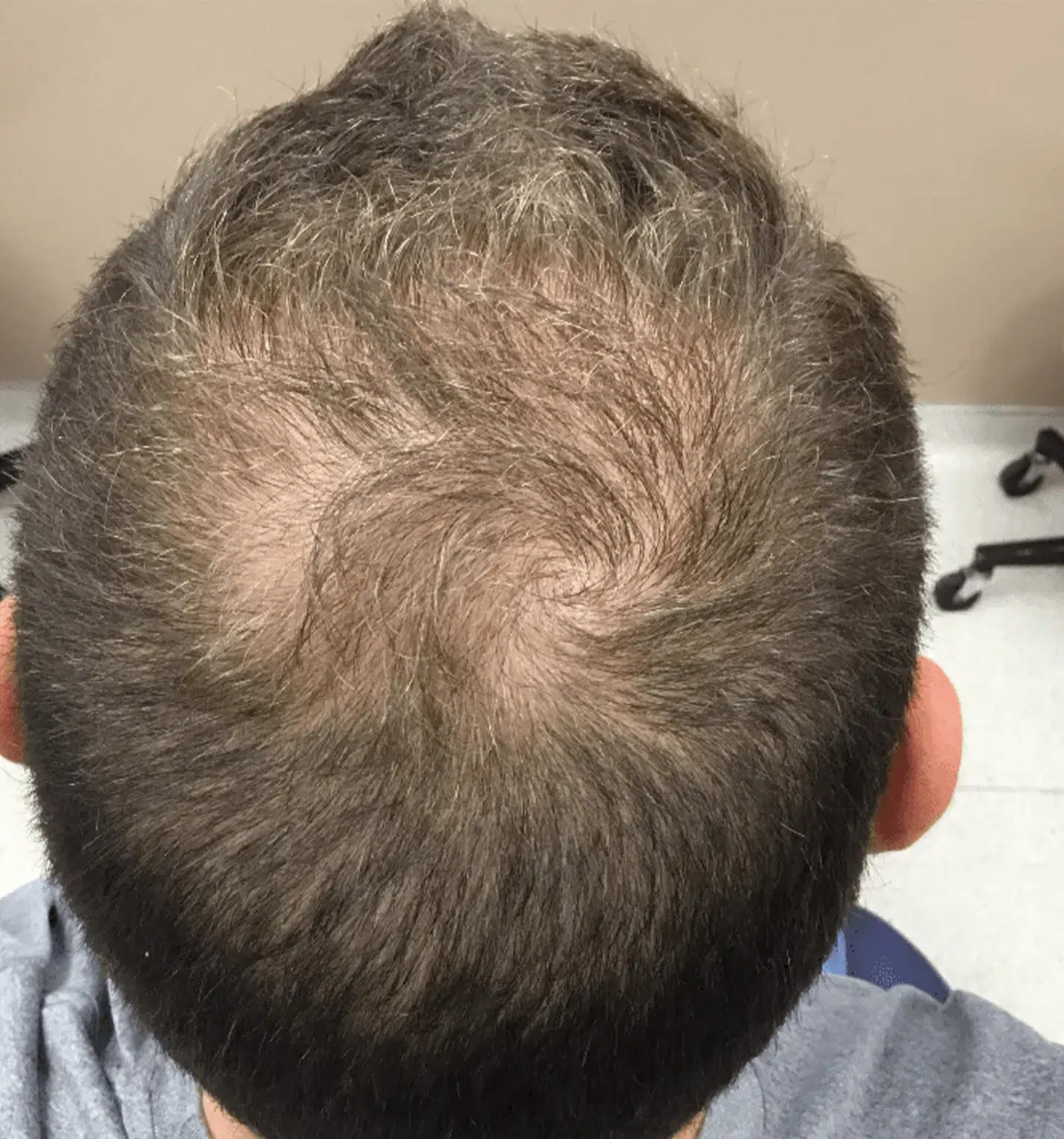
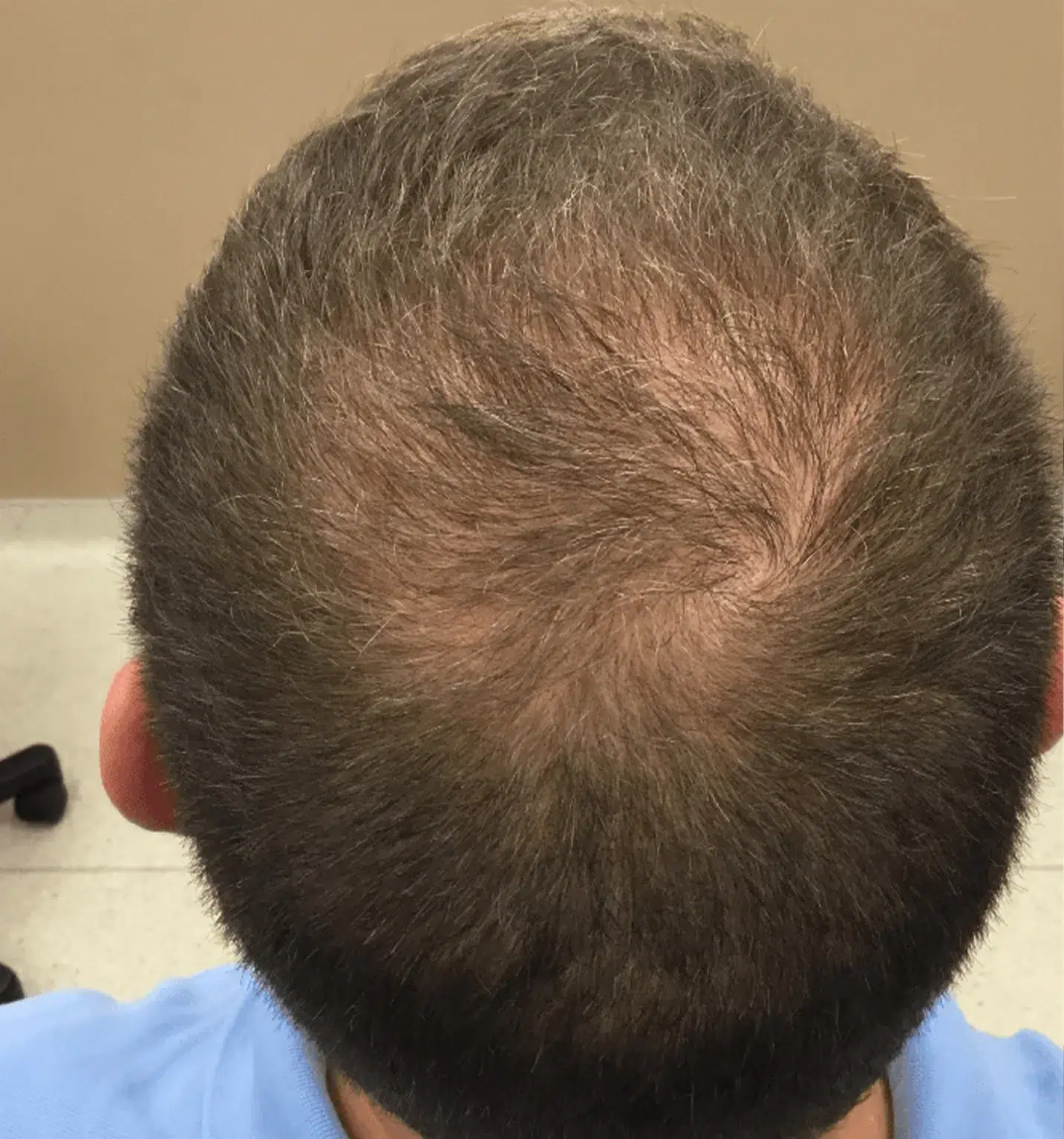
Case 1 · Thinning Hair · Scalp Hair Restoration
- Client profile
- Asian female · Widening hair part
- Concerns
- Thinning hair, fine and soft hair texture
- Treatment plan
- PRF Multi-point scalp injections (sustained growth factor release)
- Treatment outcomes
- Increased hair density and thicker hair strands
- maintenance
- Maintenance treatment every 4–6 months post-procedure
Case 01: PRF Fibrin Matrix — Sustained Growth Factor Release, Longer-Lasting Results · Led by our physician
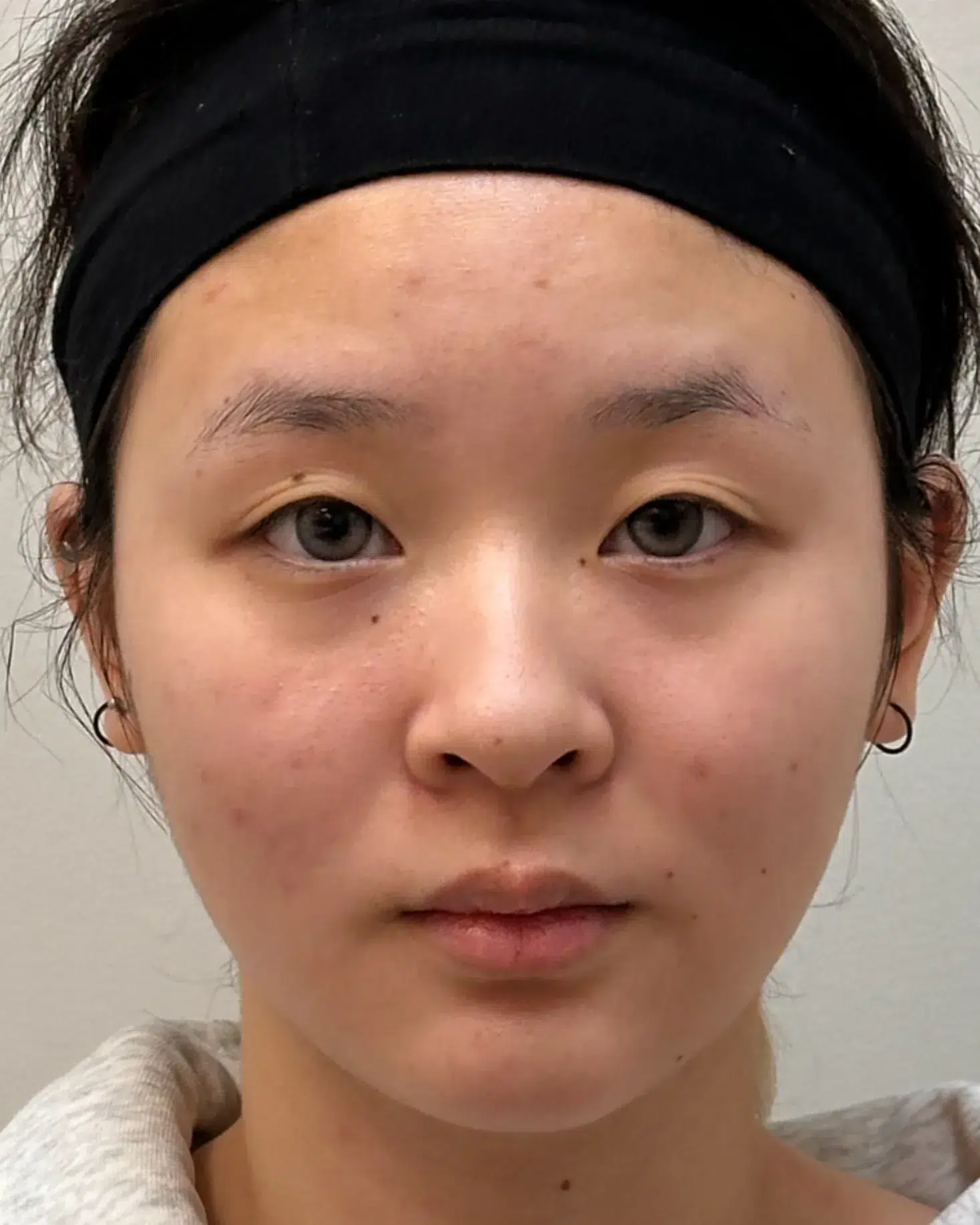
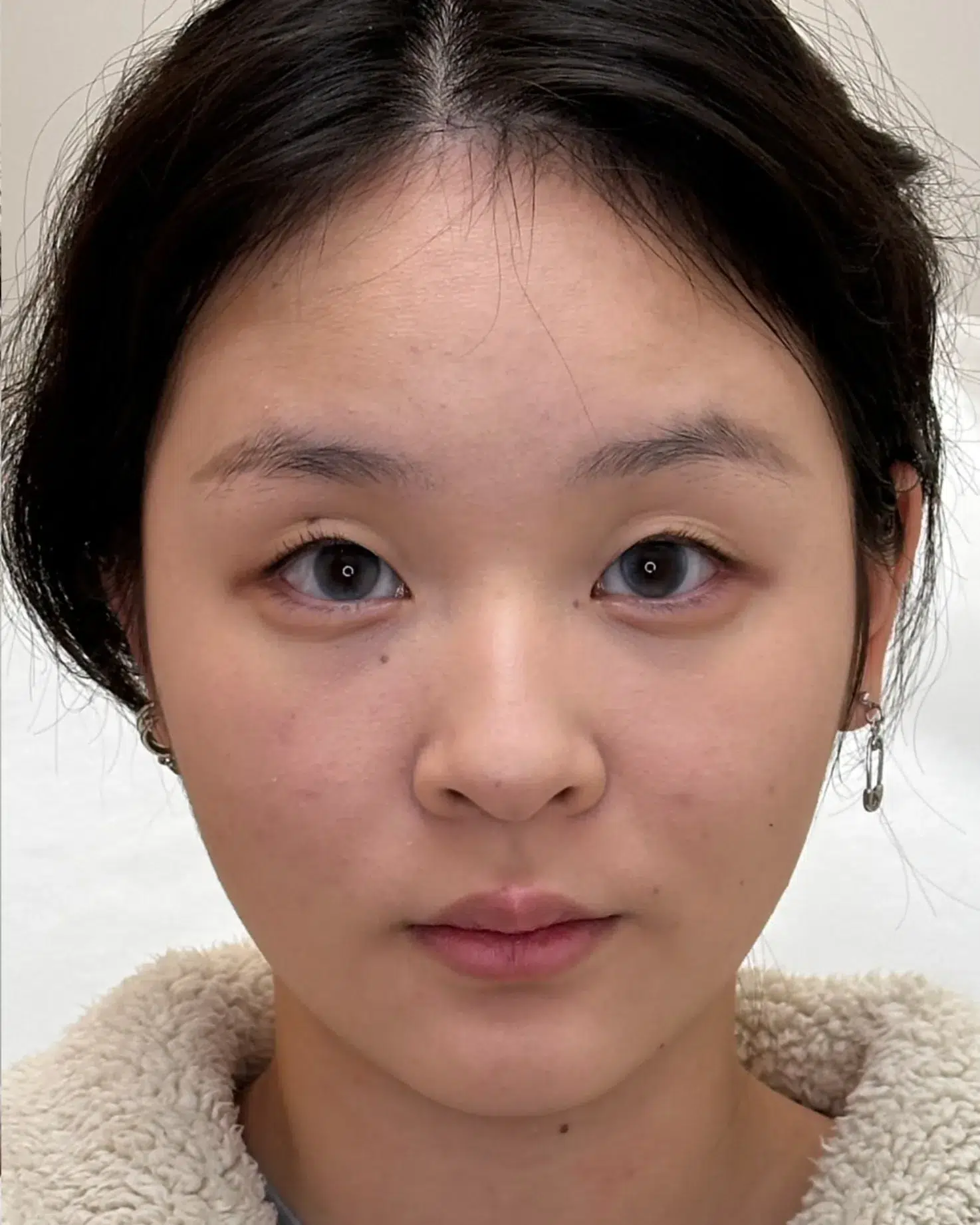
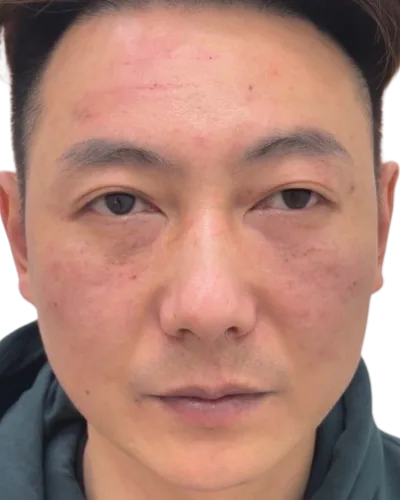
Case 2 · Periorbital / Dark Circles · Regenerative Improvement
- Client profile
- Asian female · Periorbital dullness and thin skin quality
- Concerns
- Dark circles and periorbital fine lines
- Treatment plan
- PRF Periorbital injection (autologous — better suited for delicate, thin periorbital skin)
- Treatment outcomes
- Periorbital brightening and skin quality improvement
- maintenance
- Treatment + maintenance
Case 02: PRF — no exogenous additives, ideal for delicate periorbital skin · Performed by our physician
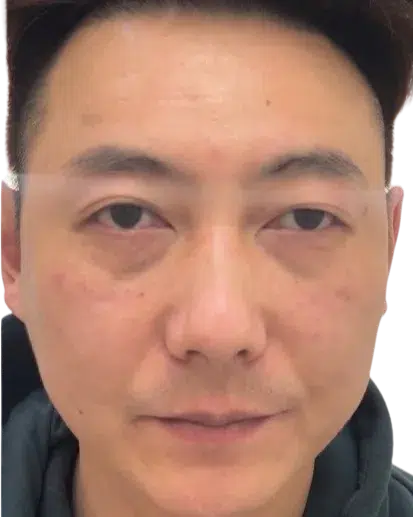
Case 3 · Tear Trough / Periorbital Skin Quality · Autologous Regeneration
- Client profile
- Asian female · Tear trough hollowing + poor periorbital skin quality
- Concerns
- Periorbital hollowness and thin skin quality
- Treatment plan
- PRF Periorbital regeneration (skin quality improvement, not volumization)
- Treatment outcomes
- Improved periorbital skin quality and reduced darkness
- maintenance
- Treatment Accumulation
Case 03: PRF for periorbital skin quality improvement — complex tear trough cases may be combined with dermal filler · Performed by our physician
Why Choose Luowei Medical Aesthetics Clinic for PRF in Nanjing
PRF is an advanced evolution of PRP — prepared without anticoagulants and designed for a longer, sustained growth factor release. Our approach centers on standardized low-speed centrifugation, versatile multi-indication applications, and physician-led treatment.
PRP Advanced version
PRF No anticoagulants, low-speed centrifugation — forming a fibrin matrix from which growth factors Longer sustained release Contains a higher concentration of white blood cells and cellular components, delivering more natural and longer-lasting results.
Fully autologous — no additives
No anticoagulants or other exogenous additives — entirely autologous — making it especially suitable for the delicate periorbital area and sensitive skin types.
Standardized low-speed centrifugation
Low-speed centrifugation parameters determine the quality of the fibrin matrix and the sustained-release profile of growth factors — standardized preparation is the foundation of effective results.
Multi-indication applications
Multiple indications are addressed — scalp hair restoration, periorbital rejuvenation, facial skin quality improvement, and acne scar repair — each with a plan tailored to your specific concerns.
Physician-led
Preparation and injection are performed by our physician and our professional team, including assessment of treatment areas and personalized treatment planning.
- Standardized low-speed centrifugation preparation, Ensures fibrin matrix quality
- Fully autologous — no exogenous additives, Suitable for delicate periorbital skin
- Versatile applications with both PRP and PRF options available
PRF What is Platelet-Rich Fibrin (PRF)?
PRF (Platelet-Rich Fibrin) Platelet-Rich Fibrin (PRF) is an advanced evolution of PRP — utilizing Low-speed centrifugation without anticoagulants, Yielding a concentrate rich in platelets, leukocytes, and fibrin matrix an autologous concentrate. The fibrin network allows growth factors to Slow release (days to weeks), resulting in more sustained and natural regenerative effects.
PRF Like PRP, PRF is derived from your own blood — however, because No anticoagulant added; low-speed centrifugation, PRF retains the fibrin scaffold along with a higher concentration of cellular components. The fibrin acts like “sustained-release sponge”, Growth factors are continuously released into the tissue, providing a more sustained effect compared to the immediate release characteristic of PRP.
Because PRF is entirely autologous and free of exogenous additives, it is especially well-suited for The delicate periorbital area and aspirations “Fully natural regeneration” individuals.
Key points
- Source Autologous blood, no anticoagulants
- preparation Low-speed centrifugation → fibrin matrix
- Mechanism Sustained growth factor release for longer-lasting results
- Best suited for Hair restoration / periorbital rejuvenation / skin quality / acne scars
- treatment 3–4 Sessions spaced 4 weeks apart
- maintenance Maintenance treatment every 4–6 months post-procedure
PRF vs PRP Key Difference
| comparison | PRF | PRP |
|---|---|---|
| Anticoagulant | None | Yes |
| centrifugation | Low-speed | High-speed |
| Structure | fibrin matrix | plasma |
| growth factors | Sustained release (longer-lasting) | Immediate release |
| Cellular components | Higher concentration of white blood cells and cellular components | less / fewer |
PRF offers slower, more sustained release for longer-lasting, more natural results; PRP is the established option with immediate growth factor release.
PRF Treatment Process
A small amount of your own blood is drawn → low-speed centrifugation (no anticoagulant) → PRF is obtained → injected or delivered via microneedling into the treatment area, where the fibrin matrix continuously releases growth factors to support ongoing regeneration.
Consultation & Assessment
Assess hair restoration, periorbital, and skin quality concerns to determine whether PRF (preferred for delicate areas) or PRP is appropriate, and whether combination with microneedling is indicated.
Blood draw
Only a small amount of venous blood is required — a quick and simple process.
Low-speed centrifugation (no anticoagulants)
Standardized low-speed centrifugation produces a platelet-rich fibrin matrix.
Injection / microneedling delivery
Following topical anesthesia, PRF is administered through multi-point injections or introduced via microneedling into the treatment area.
Sustained-release regeneration / maintenance
The fibrin matrix continuously releases growth factors; cumulative improvement is typically seen after 3–4 sessions, with maintenance recommended every 4–6 months.
PRF The key advantage lies in “Sustained release” — yet realistic expectations remain essential
The fibrin matrix allows growth factors to Sustained release over days to weeks, The regenerative effects are longer-lasting. That said, PRF is equally Treatment Accumulation a regenerative approach — not a one-session reversal.
Anticoagulant-free, fully autologous
No external additives — suitable for thin, delicate, or sensitive skin
Longer sustained release
Fibrin scaffold provides continuous growth factor release
Treatment Accumulation
3–4 sessions cumulatively, with ongoing maintenance required
Am I a Candidate for PRF?
Suitable for those seeking hair restoration, periorbital rejuvenation, skin quality improvement, and acne scar repair — particularly in delicate or sensitive areas. Certain blood or coagulation disorders require prior evaluation.
You may be a good candidate for this treatment if…
- Hair loss / thinning hair (early to mid-stage)
- Periorbital dullness, dark circles, and thin or fragile under-eye skin
- Rough facial skin texture and dullness
- Acne scars (combined with microneedling)
- Seeking entirely autologous, additive-free regeneration
- Comfortable with a gradual, cumulative approach to results
Treatment is not recommended or requires careful assessment if any of the following apply…
- Thrombocytopenia / coagulation disorder
- Hematologic disorders / active infection
- Currently taking strong anticoagulants (requires evaluation)
- Pregnancy / breastfeeding (requires individual assessment)
- Advanced or cicatricial alopecia (where hair follicles are no longer present)
- Primary concern is volume loss (dermal filler is more appropriate)
Concern × Treatment Plan
| Concern | Treatment plan | Number of sessions |
|---|---|---|
| Hair loss / hair restoration | PRF Multi-point scalp injection | 3–4 sessions + maintenance |
| Periorbital / dark circles | PRF Periorbital injection (preferred for delicate areas) | 3–4 sessions |
| Facial skin quality | PRF + Microneedling Delivery | 3–4 sessions |
| acne scars | Radiofrequency microneedling + PRF | 3–4 sessions |
PRF Treatment Planning
Every treatment plan is designed by our physician and our specialist team — encompassing indication selection, preparation, injection / application, and ongoing maintenance.
Free Consultation & Assessment
Assess your concerns and indications to determine whether PRF or PRP is appropriate and whether microneedling combination is recommended.
Blood draw + low-speed centrifugation
PRF is prepared according to standardized clinical protocols.
Injection / application
Following topical anesthesia, PRF is delivered via multi-point injection or microneedling into the treatment area.
Treatment accumulation / maintenance
3–4 Results accumulate over multiple sessions; maintenance every 4–6 months.
Treatment & Results Timeline
| duration | Condition |
|---|---|
| D0 (same day) | Pinpoint marks, mild redness, and slight swelling — typically resolve the same day |
| Days to weeks | Sustained fibrin release for ongoing regeneration |
| 3–4 after sessions | Cumulative improvement in hair density, skin quality, and periorbital appearance |
| Every 4–6 months | maintenance to sustain results |
PRF Concerns that can be improved
PRF Autologous sustained-release regeneration — ideal for hair restoration, periorbital rejuvenation, skin quality improvement, and acne scar repair, especially in delicate areas.
Hair loss / hair restoration
Sustained-release growth factors activate hair follicles.
3–4 sessions + maintenance
Periorbital / dark circles
Preferred for delicate areas — improves skin texture and dullness.
3–4 sessions
Facial skin quality
Regeneration to improve skin texture, radiance, and elasticity.
3–4 sessions
Acne scars
Combined with microneedling to enhance correction of skin depressions.
3–4 sessions
Pores / Texture
Regenerative improvement in skin texture and smoothness.
3–4 sessions
Periorbital Fine Lines
Improves fine lines and skin quality in delicate periorbital skin.
3–4 sessions
Overall rejuvenation
Autologous sustained-release regeneration to improve overall skin radiance.
treatment
Combination therapy
Used in combination with radiofrequency microneedling or dermal filler.
Combination
Concern × Treatment Plan × Session Details
| Concern | Treatment plan | Sessions / Interval |
|---|---|---|
| Hair loss / hair restoration | PRF Scalp injection | 3–4 sessions / every 4 weeks + maintenance |
| Periorbital / dark circles | PRF Periorbital injection | 3–4 sessions |
| Facial skin quality | PRF + Microneedling Delivery | 3–4 sessions |
| acne scars | Radiofrequency microneedling + PRF | 3–4 sessions |
Pre-Procedure Guidelines · Treatment Process · Post-Procedure Care
PRF Downtime is minimal — stay well hydrated before your appointment and avoid irritants afterward.
Pre-Procedure Preparation
- Stay well hydrated before your treatment (this supports blood draw quality and PRF preparation)
- Avoid aspirin, fish oil, and similar supplements for 1 week before treatment (as directed by your physician).
- Avoid alcohol for 24 hours before treatment.
- Disclose any blood or coagulation disorders and current medications.
During the treatment
- Blood draw → Low-speed centrifugation → Topical anesthetic → Injection / infusion
- Multi-point injection or microneedling delivery
- 100% autologous, no external additives, performed under sterile conditions
- Approximately 45–60 minutes per session (including preparation)
Post-procedure care
- Pinpoint marks and mild redness typically resolve the same day.
- Avoid washing hair or applying styling products on the day of scalp PRF treatment.
- 24–48 Avoid saunas and strenuous exercise for hours after treatment.
- After periorbital or facial treatment, enhance moisturization and sun protection.
- Following the recommended treatment schedule yields the best outcomes
Recovery timeline
| duration | Condition |
|---|---|
| D0 (same day) | Pinpoint marks, mild redness, slight swelling |
| D1–D2 | Redness subsides; normal activities may be resumed. |
| Days to weeks | Sustained fibrin release for ongoing regeneration |
| 3–4 after sessions | Cumulative improvement, then transition to maintenance |
PRF Treatment Advantages
Fully autologous, longer sustained release, and well-suited for delicate skin — yet results are cumulative, requiring realistic expectations and standardized preparation.
Longer sustained release
The fibrin matrix continuously releases growth factors.
Fully autologous, no additives
No anticoagulants — better suited for delicate and sensitive areas.
Richer cellular content
Contains a higher concentration of leukocytes and cellular components.
Multiple indications
Hair restoration / periorbital rejuvenation / skin quality improvement / acne scar repair.
Minimal downtime
Pinpoint marks resolve the same day.
Can be combined with
Works synergistically with microneedling and hyaluronic acid fillers.
Periorbital-friendly
The preferred choice for delicate periorbital skin.
Natural regeneration
Activates the body’s own repair mechanisms for gradual, natural improvement.
PRF vs PRP vs hyaluronic acid (HA)
| Treatment plan | Origin / Mechanism | Key features |
|---|---|---|
| PRF | Autologous fibrin matrix | Longer sustained release · Fully autologous · Periorbital-friendly |
| PRP | Autologous platelet-rich plasma | Classic, immediate release |
| hyaluronic acid (HA) | exogenous HA | Volumization (not a regenerative treatment) |
Why Trust Luowei Medical Aesthetics Clinic for PRF?
Google's E-E-A-T framework evaluates medical content across four dimensions. The following are the specific credentials behind every claim on this page.
Real-world clinical experience
- Extensive PRF experience in hair restoration, periorbital, and facial rejuvenation treatments
- PRF + Experience with microneedling combination therapy
- Standardized low-speed centrifugation preparation
- Complete Before & After Gallery
- Regenerative aesthetics and indications assessment
- Experience in delicate areas (periorbital region)
Industry-recognized credentials
- Every medical claim on this page is anchored to a named, clickable source — see Evidence & references below
Transparent and verifiable
- 100% Autologous · Aseptic Technique
- Realistic expectations — no overpromising
PRF A step beyond PRP, yet equally dependent on “Preparation + assessment”
PRF the sustained-release advantage requires Standardized low-speed centrifugation can only be achieved through proper technique; indications — especially periorbital applications — also require physician assessment. Preparation and technique determine whether it is “Upgrade” or “Gimmick”.
At Luowei, PRF is prepared according to clinical standards and tailored by our physician and professional team to your specific treatment needs — with honest guidance on what it can “Cumulative treatments to improve skin quality and stimulate regeneration”, not volumization or a one-session reversal.
PRF Pricing & Payment
Pricing depends on the treatment area (hair restoration / periorbital / facial), whether microneedling is combined, and the number of sessions in your package.A personalized quote will be provided by our physician following your complimentary consultation.
Pricing varies by indication and whether microneedling is combined · Per session
Treatment Package / Combination Therapy Pricing
- Payment is made at the clinic, after the consultation and before treatment begins
- Nothing is paid in advance, and no deposit is required to hold an appointment
- Hair restoration and periorbital treatments typically require a package of 3–4 sessions.
- Cosmetic treatment is a self-pay item and is not covered by public medical insurance in China
- All first-time clients receive a 30-minute Free Consultation & Assessment
Common Reactions · Serious Risks · Contraindications
Transparency in medical aesthetics is itself an E-E-A-T signal. We openly share all possible reactions, serious risks, and contraindications so you have complete information before your consultation.
Common reactions (may occur in the short term)
- Pinpoint marks / mild redness / slight swelling (resolves within the same day to the following day)
- Soreness or pressure sensation in the scalp or injection area (short duration)
- mild bruising (uncommon, slightly more noticeable around the eyes)
- Minor bruising at the blood draw site
Serious Risks (rare, but you deserve to know)
- infection— Rare; sterile technique reduces risk
- Nodule formation or persistent swelling at the injection site— A small number of
- Minimal visible results— Substandard preparation, advanced-stage hair loss, or unrealistic expectations
- Vascular or nerve injury— Extremely rare; minimized with standardized technique
Absolute contraindications / requires assessment (treatment not performed)
- Thrombocytopenia / coagulation disorder
- hematologic disorders
- Active infection in the treatment area
- Currently taking strong anticoagulants (requires evaluation)
- Pregnancy / breastfeeding (requires individual assessment)
Where the medical claims on this page come from
Everything above about PRF (Platelet-Rich Fibrin) Injections rests on published evidence rather than on our own word. The sources below are the ones behind those statements: peer-reviewed papers indexed in PubMed, and guidance written for patients by dermatology academies and national health services. Read them before you decide — and bring any of them to your consultation.
- Peer-reviewedSystematic Review of Platelet-Rich Plasma and Platelet-Rich Fibrin in Facial Rejuvenation
What these references can and cannot tell you. They describe what is known about the treatment itself — how well it tends to work, how long results last, and what can go wrong. They are not an assessment of this clinic, and no published study can tell you whether it suits your skin type, anatomy, or medical history. That judgement comes from the physician who examines you in person, and it may well be “not this one”.