Temple filler
Temple Augmentation with Hyaluronic Acid is a non-surgical treatment that uses deep injections of highly cross-linked HA into the supraperiosteal plane or sub-temporal fascia to restore temple fullness.
Real Clinical Cases — Temple Augmentation with HA in Nanjing
The following cases were personally performed by our physician at Luowei Medical Aesthetics Clinic in Nanjing. All Before & After images are unretouched clinical photographs; every client has signed a written Media Release Form. The temple is one of the highest-risk vascular zones on the face — the superficial temporal artery and middle temporal vein both run through this region. Because Asian patients tend to have thinner temporalis muscles and less subcutaneous fat, temporal hollowing often appears earlier than in Caucasian patients, and the associated vascular risks are correspondingly higher.
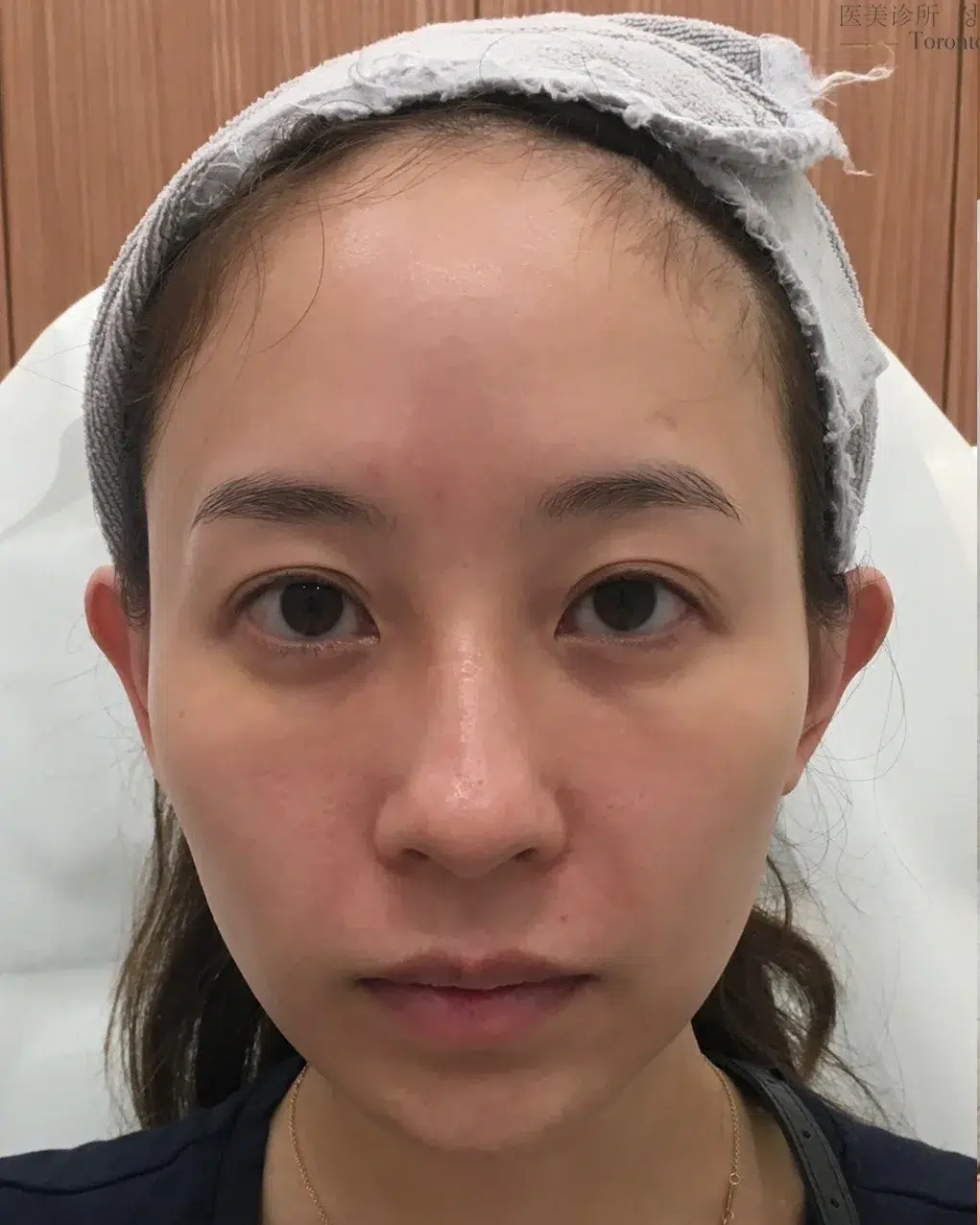
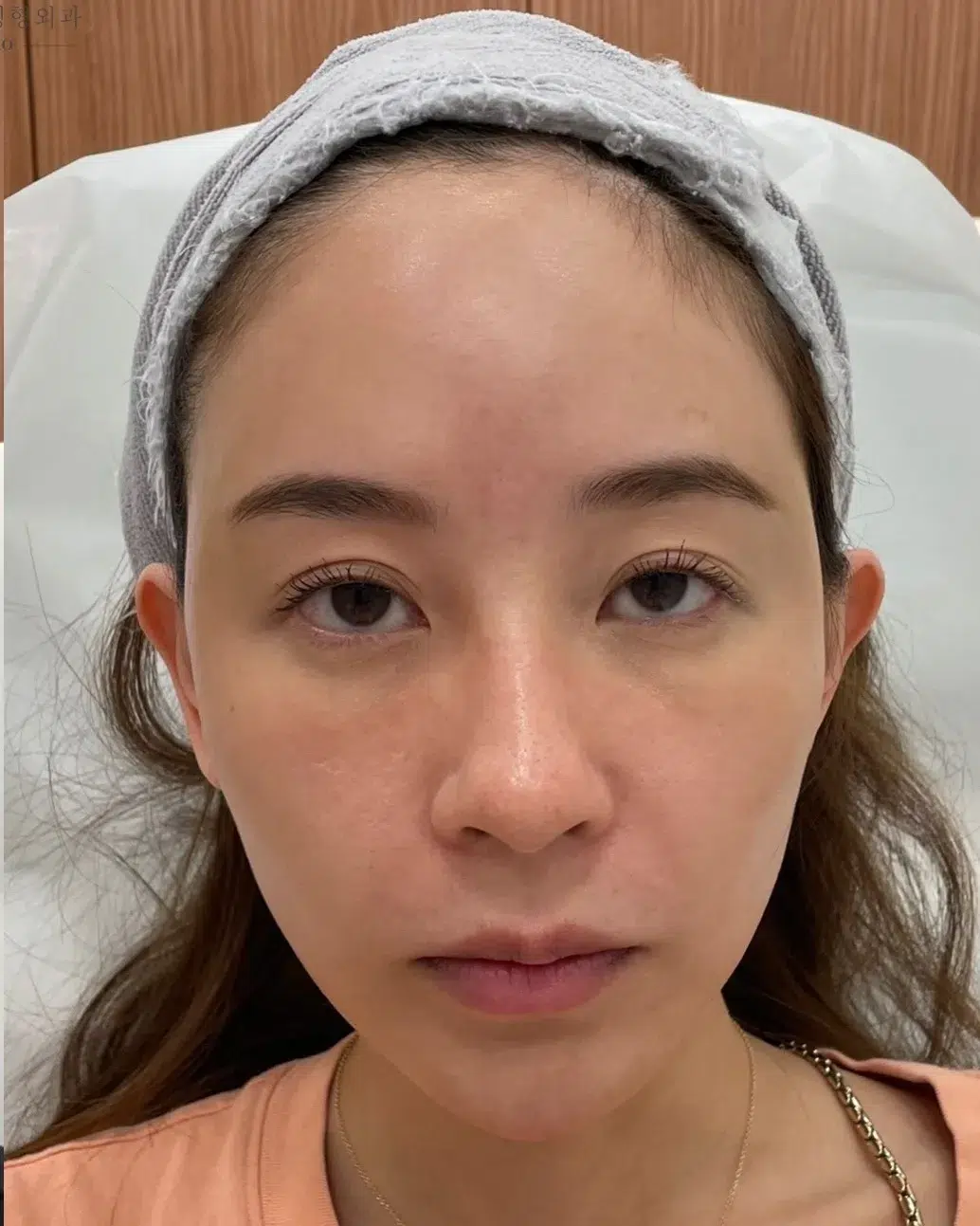
Case 1 · Filler Temple Augmentation — Real Patient Documentation
- client profile
- Asian female · Fitzpatrick IV
- Concerns addressed
- Filler Temple Augmentation (comprehensive improvement through multimodal combination therapy)
- treatment plan
- Filler Chin Augmentation + Filler Temple Augmentation + Juvéderm® + Teosyal® dermal fillers and 5 other treatments (multiple sessions within 3 months)
- treatment outcomes
- Filler Temple AugmentationVisible improvement · Overall results appear natural
- Post-inflammatory hyperpigmentation (PIH)
- no PIH
- Maintenance
- Regular sun protection + monthly at-home skincare routine + quarterly in-clinic assessment
Case 1: Asian Female · Fitzpatrick IV · Filler Temple Augmentation as a core element of a comprehensive plan addressing facial fatigue/premature aging/haggard appearance, upper eyelid ptosis, under-eye bags and dark circles, tear troughs, volume loss, and chin retrusion (within 3 months × multiple sessions) · Led by our physician at Luowei Medical Aesthetics Clinic, Nanjing
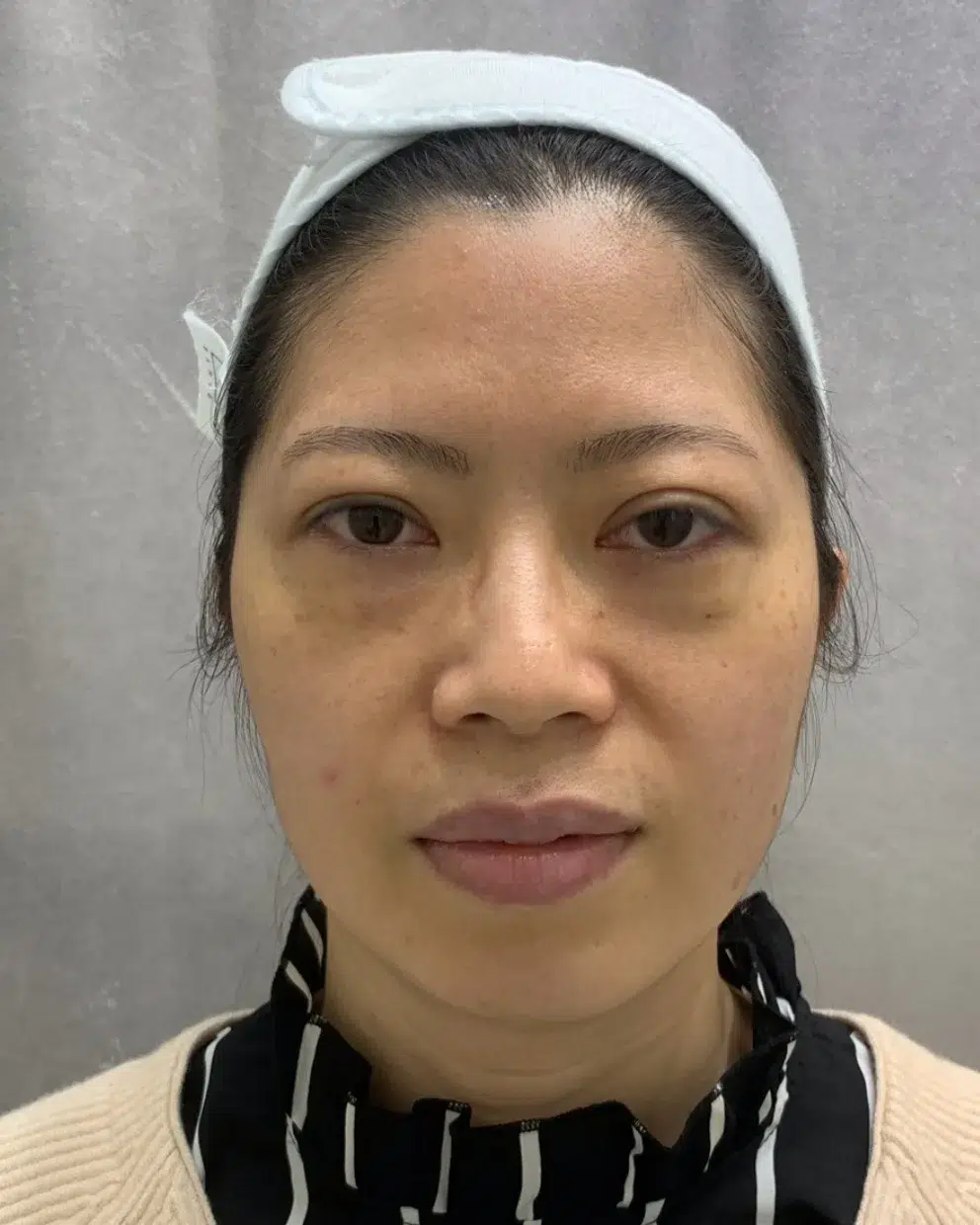
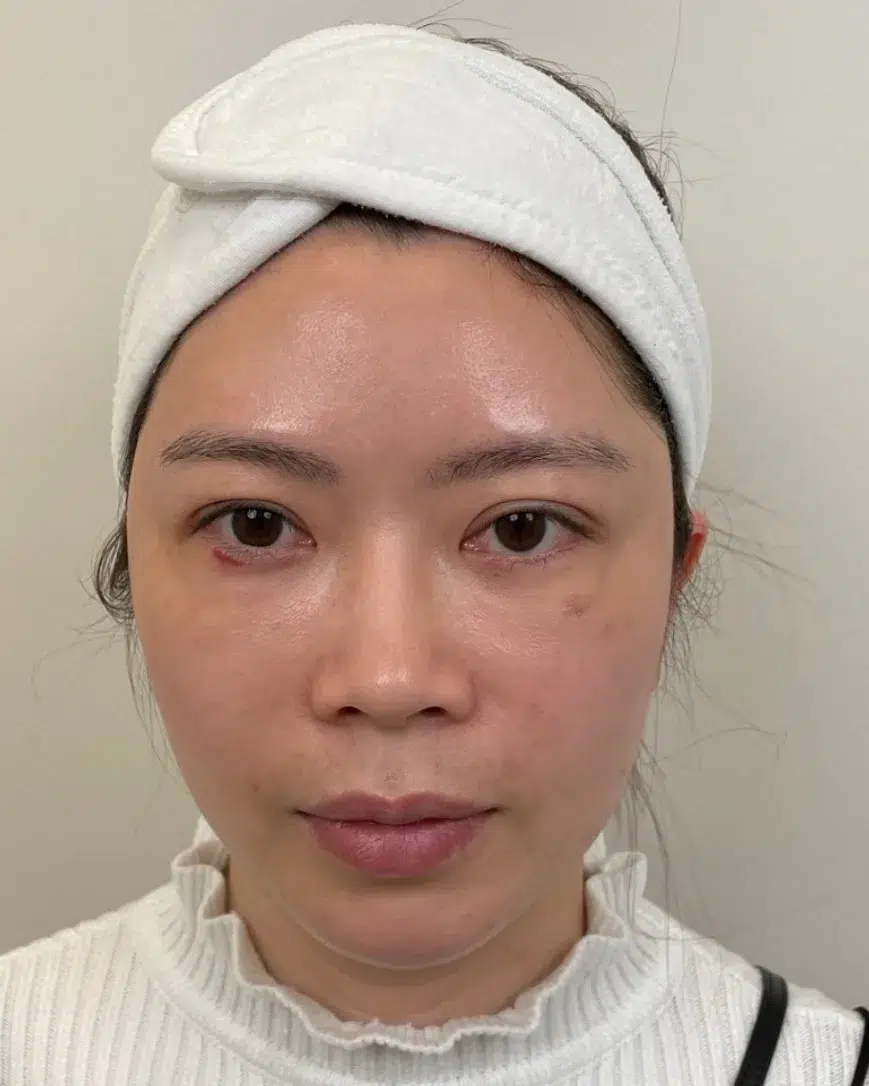
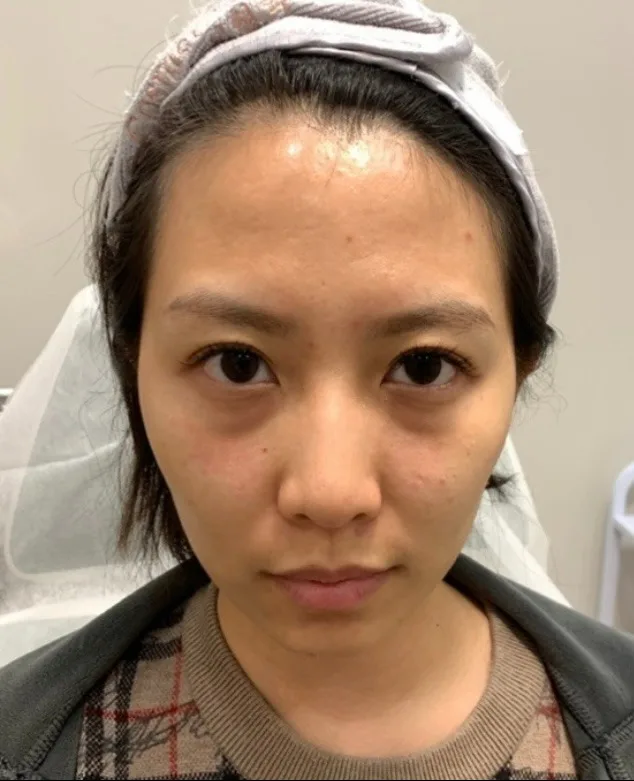
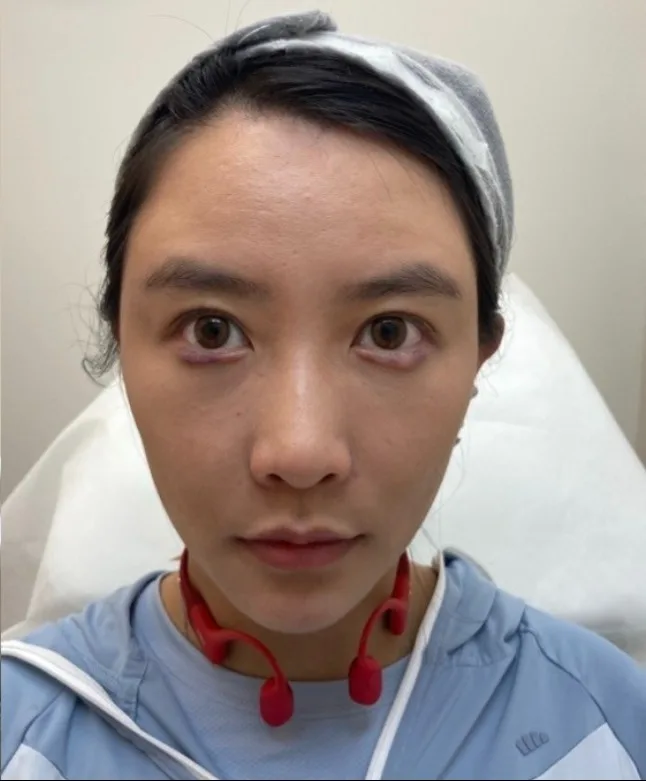
Case 2 · Filler Temple Augmentation — Clinical Record
- client profile
- Asian Female · Fitzpatrick IV · Visible concern for nearly 1–2 years
- Concerns addressed
- Filler Temple Augmentation (comprehensive improvement through multimodal combination therapy)
- treatment plan
- Pico® Skin brightening & rejuvenation + PicoSure® + PicoSure Pro® + PicoWay® and 12 additional treatments (within 3 months × multiple sessions)
- treatment outcomes
- Filler Temple AugmentationVisible improvement · Overall results appear natural
- Post-inflammatory hyperpigmentation (PIH)
- no PIH
- Maintenance
- Regular sun protection + monthly at-home skincare routine + quarterly in-clinic assessment
Case 2: Asian Female · Fitzpatrick IV · Visible concern for nearly 1–2 years · Filler Temple Augmentation as a core element of a comprehensive plan addressing tear troughs, pigmentation, dark spots, facial laxity/jowling, dull complexion and facial fatigue, upper eyelid ptosis, under-eye bags and dark circles, volume loss, Luowei skeletal facial contouring, forehead hollowing, uneven skin tone (within 3 months × multiple sessions) · Led by our physician at Luowei Medical Aesthetics Clinic Led in Nanjing
Case 3 · Filler Temple Augmentation — Documented Results
- client profile
- Asian female · Fitzpatrick IV
- Concerns addressed
- Filler Temple Augmentation (comprehensive improvement through multimodal combination therapy)
- treatment plan
- Filler Chin Augmentation + Filler Lip Augmentation + Filler Temple Augmentation and 10 other treatment types (multiple sessions within 3 months)
- treatment outcomes
- Filler Temple AugmentationVisible improvement · Overall results appear natural
- Post-inflammatory hyperpigmentation (PIH)
- no PIH
- Maintenance
- Regular sun protection + monthly at-home skincare routine + quarterly in-clinic assessment
Case 3: Asian Female · Fitzpatrick IV · Filler Temple Augmentation as a core component of an Luowei skeletal facial contouring comprehensive plan addressing under-eye bags & dark circles, tear trough, hollow cheeks & volume loss in the mid-face, refined facial contour, lip augmentation, lip reshaping, temple hollowing, and forehead depression (multiple sessions within 3 months) · Led by our physician at Luowei Medical Aesthetics Clinic, Nanjing
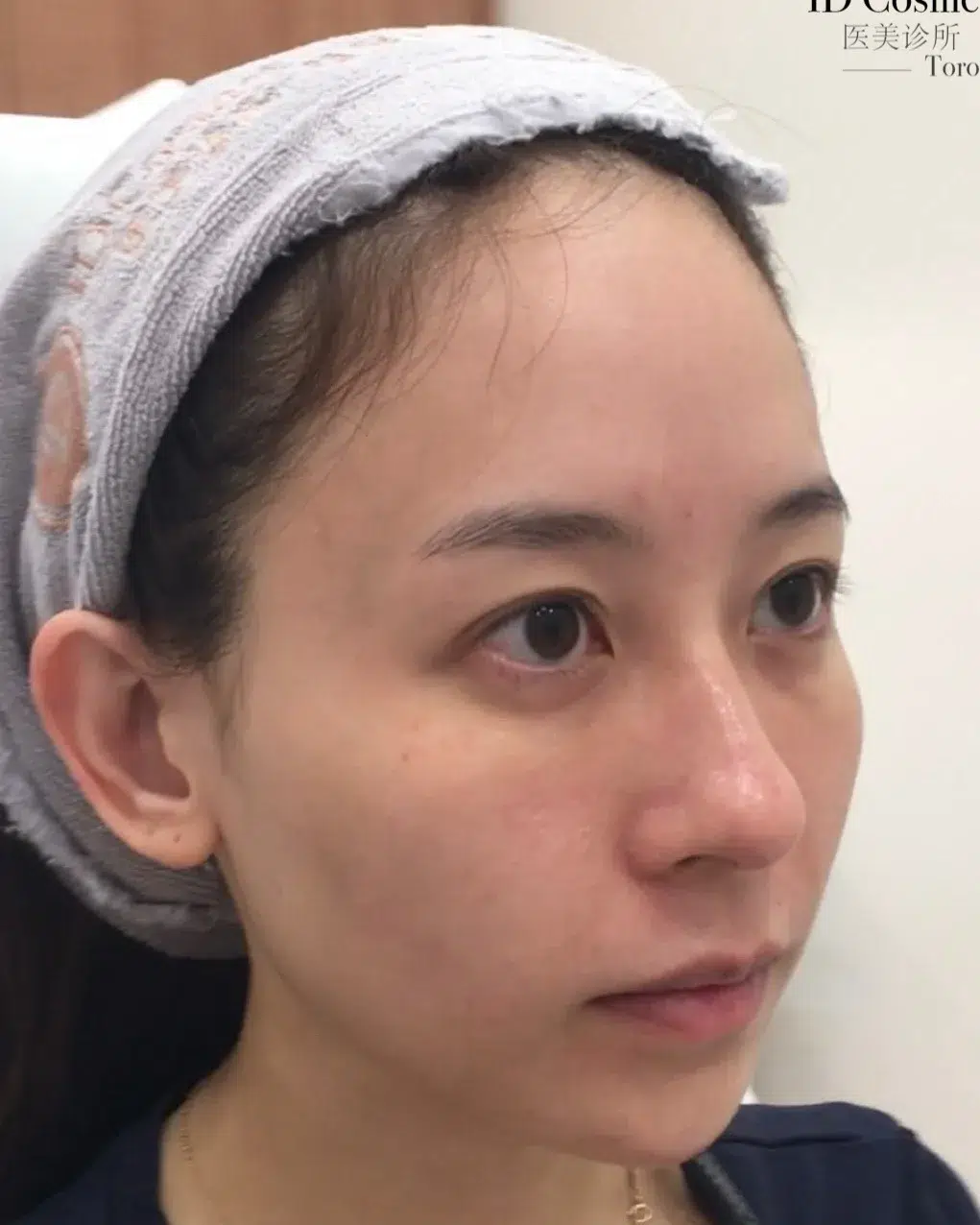
Case 4 · Filler Temple Augmentation — Clinical Record
- client profile
- Asian female · Fitzpatrick IV · Duration approximately 2–3 years
- Concerns addressed
- Filler Temple Augmentation (comprehensive improvement through multimodal combination therapy)
- treatment plan
- Filler Chin Augmentation + Filler Temple Augmentation + collagen stimulation (multiple sessions within 3 months)
- treatment outcomes
- Filler Temple AugmentationVisible improvement · Overall results appear natural
- Post-inflammatory hyperpigmentation (PIH)
- no PIH
- Maintenance
- Regular sun protection + monthly at-home skincare routine + quarterly in-clinic assessment
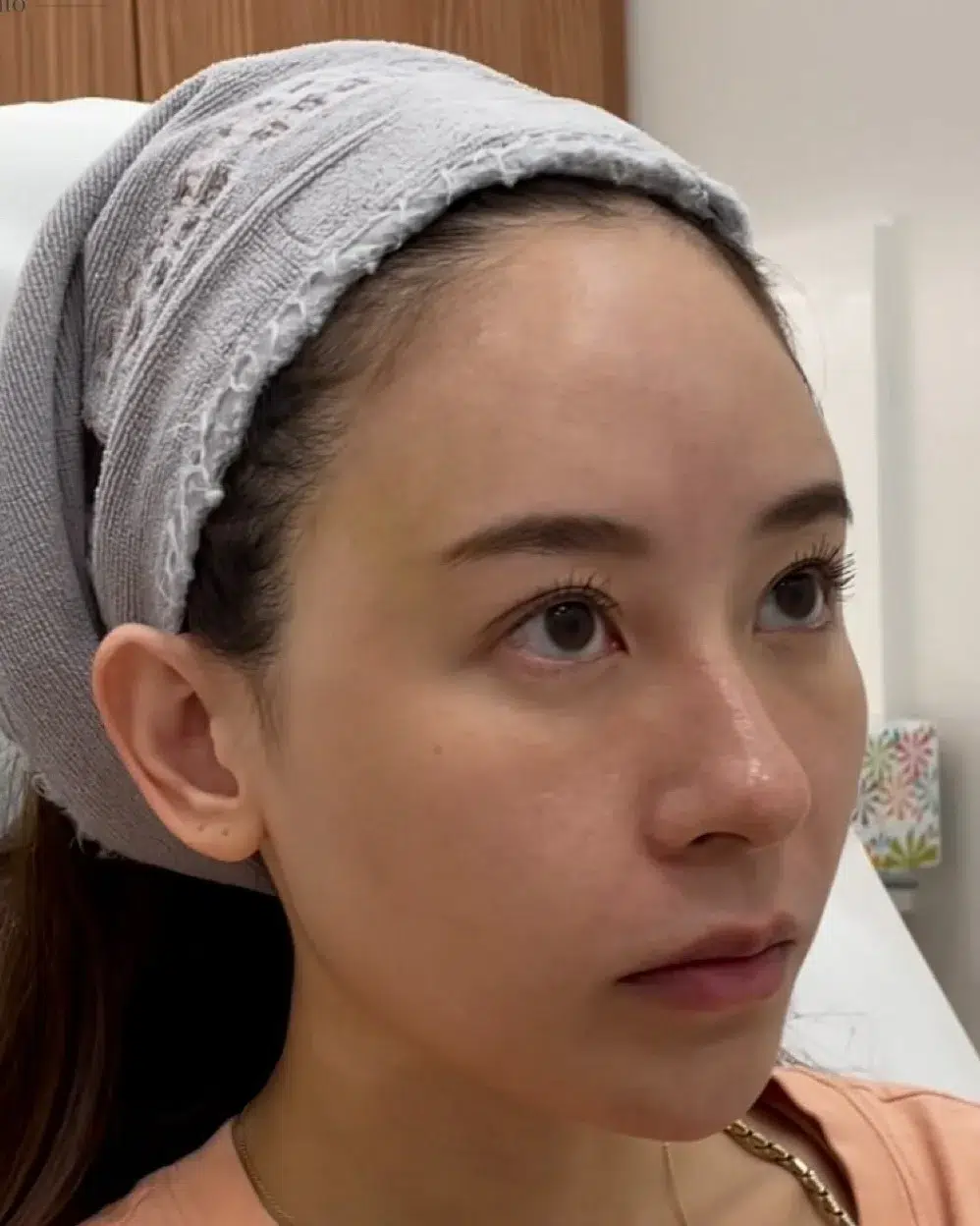
Case 4: Asian Female · Fitzpatrick IV · Results maintained for nearly 2–3 years · Filler Temple Augmentation as a core component of a comprehensive plan addressing under-eye bags & dark circles, tear trough, and volume loss (multiple sessions within 3 months) · Led by our physician at Luowei Medical Aesthetics Clinic, Nanjing
Why Choose Luowei Medical Aesthetics Clinic for Temple Augmentation in Nanjing
The temple is the most vascularly complex injection zone in the face and carries the most serious consequences in the event of vascular occlusion. Any “Just inject it” technician-style treatment approaches are not appropriate for this area.
Physician specialized in temporal anatomy
Our physician has an in-depth understanding of the course of the frontal and parietal branches of the superficial temporal artery, the location of the middle temporal vein, and the anatomical relationship between the deep temporal fascia and the temporalis muscle.“Safety margin”, Blind injection into the superficial subcutaneous layer is never performed.
Supraperiosteal / deep temporal fascia — the only accepted planes
Our physician works exclusively in two planes when treating the temples: supraperiosteal or sub-fascial. Our physician never injects in the superficial subcutaneous layer — a fundamental safeguard against the superficial temporal artery.
Blunt cannula-first approach
In addition to single-point deep injections, our physician uses a 22–25 G blunt-tip microcannula for temple treatment, threading from the temporal crest toward the center of the hollow. This approach reduces the probability of intravascular entry by approximately 5-fold compared with sharp needles.
Vision emergency protocol maintained on-site at all times
The clinic maintains high-dose hyaluronidase, nitroglycerin, and aspirin on hand at all times. Temporal vascular occlusion can cause ischemia of the ophthalmic artery via anastomosis; Our physician follows the ASDS vision emergency protocol.
“When the right answer is no, we say no” Principle
For clients who have previously received 3 mL or more of filler in the temples, have a history of temporal surgery, or have unabsorbed temporal thread lifts, our physician will candidly advise against proceeding with injection rather than “a” treat now, think later “procedure”.
- NMPA Full range of NMPA-registered hyaluronic acid fillers— Juvéderm / Restylane / Belotero / Teosyal
- Allergan / Galderma domestic cold-chain supply— Stored at 2–25°C throughout · lot numbers fully traceable
- Hyaluronidase ≥ 1,500 U maintained on-site at all times— What a Temple Injection Clinic Must Have
What Is Temple Filler Augmentation?
Temple Augmentation with Hyaluronic Acid is a non-surgical treatment that uses deep injections of highly cross-linked HA into the supraperiosteal plane or sub-temporal fascia to restore temple fullness, improve overall 360° facial contour, and visually narrow the appearance of a wide zygomatic arch. Temporal hollowing is classified into three types — congenital, age-related, and weight-loss-related — each requiring a distinct treatment approach.
The temple is anatomically composed of Temporalis muscle, superficial temporal fat pad, deep temporal fat pad, and temporal fascia system The temple is composed of the following layers from superficial to deep: Skin → Subcutaneous fat → Superficial temporal fascia (containing the superficial temporal artery) → Superficial temporal fat pad → Deep temporal fascia → Deep temporal fat pad → Temporalis muscle → Temporal bone.Hyaluronic acid filler is placed exclusively within the two deepest planes — supra-periosteal or sub-deep temporal fascia, Allows simultaneous avoidance of both the superficial temporal artery and the middle temporal vein.
First choice for the temples high G’ elastic modulus + high cohesivity HA products to ensure stable structural support, no lateral spread, and to avoid “Palpable border”. commonly used products include Juvéderm Voluma® XC (VYCROSS technology · high cohesivity),Restylane Lyft (NASHA Particulate type · well-defined structural support),Restylane Defyne (moderate elasticity · natural-looking transition). Low G’ products are not suitable for deep temple support.
Product Technical Specifications
- Key ingredient cross-linked hyaluronic acid (BDDE cross-linked HA)
- Concentration 20-25 mg/mL(formulation designed for deep structural support)
- Onset of effect Immediate results · Fully set within 72 hours
- Maintenance 18-24 Months (the temple has limited blood supply and slower metabolism)
- metabolism hyaluronidase can dissolve immediately
- Single-session dosage 0.5-1.0 mL/Per side · no single-session overcorrection
- Anesthesia Contains 0.3% Lidocaine · topical anesthetic applied for 20 minutes
Comparison of Commonly Used HA Products for the Temple
| Product | G’ Elasticity | Primary Indications for Temple Augmentation |
|---|---|---|
| Voluma® XC | High | supraperiosteal deep plane · age-related hollowing |
| Restylane Lyft | High | Supra-periosteal plane · Congenital hollowing |
| Volux® | Maximum | Severe hollowing · Proceed with caution |
| Restylane Defyne | Medium | Sub-deep temporal fascia transition zone |
| Belotero Volume | Medium | natural-looking edge transition |
Note: Low G-prime products (Refyne / Volbella) are not suitable for the temples — they are prone to spreading and may result in an uneven, puffy appearance in the temporal hollow.“Fluid-bag sensation”.
How Temple Filler Works
Temple augmentation is not “fill the hollow completely”, rather A new structural contour is established below the deep temporal fascia or at the supra-periosteal level, providing a firm foundation that the overlying skin can rest upon. This requires injection at a very deep plane, precise vascular avoidance, minimal product volume, and an exceptionally slow injection rate.
Temporal hollowing classification + vascular mapping
Our physician assesses the type of temple hollowing (congenital, age-related, or weight-loss related), depth, and symmetry. Our physician palpates the superficial temporal artery pulse, uses Doppler assistance when needed to confirm arterial course, and marks safe injection points prior to treatment.
Plane Selection · Supraperiosteal vs. Sub-Deep Temporal Fascia
Supra-periosteal plane: the needle tip contacts the surface of the temporal bone — suited for NASHA particulate products (Restylane® Lyft). Sub-deep temporal fascia plane: the needle tip passes through the deep temporal fascia into the deep fat pad — suited for VYCROSS products (Juvéderm® Voluma). Two distinct injection depths All injections are placed below the level of the superficial temporal artery.
Blunt cannula / single-point deep injection · slow, controlled delivery
A 22–25 G blunt cannula is introduced at the temporal crest and advanced toward the center of the hollow, or a 27 G sharp needle is used for single-point deep injection to the periosteum with a slow, controlled delivery. Injection rate is kept at ≤ 0.1 mL per 30 seconds per point; mandatory aspiration of 5–10 seconds is performed with every sharp-needle pass to confirm no blood return.
Immediate contouring · bilateral symmetry assessment
After injection, our physician uses gentle fingertip pressure to shape the HA and ensure even distribution at the deep plane. Each side is immediately compared to the other upon completion, with bilateral dosing difference kept strictly under 0.1 mL.
72 Hours to set + 18–24 months to metabolize
Blood supply to the temple is relatively limited, so HA metabolizes 30–50% more slowly here than in the cheeks — results typically last 18–24 months. Voluma injected at the deep plane can maintain results for 24+ months after repeated treatments, making it an increasingly popular long-term “temporal frame”.
Vascular Occlusion Prevention
Temporal vascular occlusion can propagate via the superficial temporal artery → supraorbital artery → ophthalmic artery anastomosis, resulting in Central retinal artery occlusion, permanent vision loss. Our physician minimizes this risk through three layers of protection: precise anatomical mapping, exclusive deep-plane injection, and immediate emergency dissolution readiness.
Palpation + Doppler-guided localization
Zones with strong superficial temporal artery pulse · Mandatory avoidance · Doppler assistance used when indicated
Deep-plane-only principle
Supraperiosteal or sub-temporal fascia planes only · superficial subcutaneous injection strictly avoided
Vision emergency protocol
Any visual changes, headache, or pallor: high-dose hyaluronidase protocol initiated within 5 minutes
Am I a Good Candidate for Temple Filler?
Temple augmentation is “Additive volume + deep-plane technique” treatment — suitability is ultimately determined by our physician through a comprehensive assessment of temporal hollowing classification, prior injection history, and vascular anatomy.
You may be a good candidate for treatment if…
- Congenital temple hollowing · Visually wide zygomatic arch · Lack of 360° cranial contour
- Age-related temporal fat pad atrophy · brow tail descent · tired appearance
- Low body fat / fitness- or weight-loss-related temporal hollowing
- No prior temple surgery, thread lift, or high-volume injection history
- For “Natural fullness” realistic expectations · acceptance of “Restore to 80% of full volume” Principle
- comfortable with deep injection (mild sensation of fullness)
- Age 18 or older, in general good health
- Comfortable with an 18–24 month maintenance cycle
Treatment is not recommended if any of the following apply…
- Prior high-volume temple injections (cumulative ≥ 3 mL)
- Prior temporal surgery / unabsorbed temporal thread lift (within 6 months)
- Active infection in the temporal area / uncontrolled herpes simplex
- Known allergy to hyaluronic acid or hyaluronidase
- Pregnancy or breastfeeding
- Minors (< 18 years of age)
- For “Complete leveling of the hollow” or “Prominent forehead” those with realistic outcome expectations
- Acute fever / active flu
Temporal Hollow Classification × Recommended Approach × our physician’s Protocol
Temple hollowing has three underlying causes, each corresponding to a different treatment approach and maintenance strategy:
| Classification | Typical presentation | Recommended treatment plan |
|---|---|---|
| congenital | Younger patients · thin temporalis muscle · visually prominent zygomatic arch | HA single-session deep-plane augmentation |
| Age-related | 40 · Fat pad atrophy · lateral brow descent | HA + Sofwave / combined with Sculptra® |
| Volume-loss related | Low body fat · Post-fitness or post-weight-loss | HA + Sculptra Long-term collagen |
| Mixed type | Multiple contributing factors | staged combination treatment plan |
Temple Augmentation Treatment Planning in Nanjing
Our treatment plans are designed to be safe, predictable, and tailored to your individual temporal anatomy and hollowing pattern. Every injection is performed personally by our physician — never delegated to a technician.
Initial consultation and temporal hollowing classification
Free 30-Minute Consultation, including temporal hollowing classification, palpation-based vascular mapping, prior injection history review, and medication assessment.
Plane selection + product choice + dosage design
Our physician selects the appropriate injection plane — supraperiosteal or sub-deep temporal fascia — along with the product G’ rating and bilaterally symmetric dosing based on the depth of the hollowing.
Blunt cannula / single-entry deep injection
Topical anesthetic is applied for 20 minutes. Our physician injects at pre-mapped safe points, with aspiration before each needle placement and slow, controlled product delivery. The procedure is completed in approximately 20–30 minutes.
14-21 day follow-up · symmetry assessment
HA 72 Once the filler has settled, a follow-up visit at 14–21 days is scheduled to assess bilateral symmetry and volume. A small touch-up can be performed if needed, though most clients do not require one.
Typical Treatment Timeline
| Key timepoints | Content |
|---|---|
| Day 0 | Free 30-Minute Consultation · temporal hollowing classification + vascular mapping |
| Day of injection | 20-30 Minutes to inject · Immediate results · Mild swelling for 24 hours |
| Day 3 | Fully set · shape stable |
| Day 14–21 | Follow-up to assess symmetry · touch-up refinement if needed |
| Month 18 | begin assessing whether maintenance treatment is needed |
| Months 24–36 | With repeated treatments, maintenance period can extend to 24+ months |
Concerns that temple filler can address
1 mL of HA in the temple addresses far more than “hollowing” itself — but also contributes to a visually wider zygomatic arch, drooping tail of the brow, and an overall tired, aged facial appearance.
Congenital temple hollowing
Caused by thin temporalis muscle and minimal subcutaneous fat · noticeable even in youth · upper face lacks 360° contour · visually widens the zygomatic arch.
Lyft 0.8-1.0 mL/per side / 18–24 months
Age-related fat pad atrophy
40+ Age-related atrophy of the deep temporal fat pad · Presents as “Gaunt” Aged appearance · Temple hollowing is one of the earliest visible signs of facial aging.
Voluma 1.0-1.2 mL/per side / 18–24 months
Visual lift of the brow tail
Increased temple support can visually lift the tail of the brow by 1–2 mm · improving “brow ptosis” / Tired facial appearance · Delivers superior brow-lifting effect compared to Botox® alone.
Combination therapy / enhanced results
Visually reduces zygomatic arch prominence
Restoring temple fullness visually reduces the prominence of the zygomatic arch and creates a slimmer facial width appearance · Suitable for “narrow upper face, wider lower face” bone structure.
Lyft 1.0 mL/per side / 18 months
Restoring 360° facial contour
Creates a continuous cranial arc from the frontal to the lateral profile · Enhanced facial dimension in photos · Improves “flat facial profile” concern.
Comprehensive treatment plan
Hollowing from low body fat / post-fitness volume loss
Chronic low body fat leading to facial fat loss · temples are affected first · HA + Sculptra combination for long-term structural support.
HA + combined with Sculptra®
Revision of Failed Injection
Post-injection nodules, asymmetry, or granular texture from previous treatments at other clinics can be dissolved point-by-point with hyaluronidase, followed by a redesigned treatment plan.
Hyaluronidase + Redesign / secondary planning
Combined with chin / mid-cheek treatment plan
temples + cheekbones + cheeks + chin “Full-face 360°” contouring · enhancing overall facial youthfulness.
combined 4–6 mL / personalized
7 Temple Concern Types × Products × Longevity Reference Table
| concerns | Typical Products / Dosage | Duration of results |
|---|---|---|
| Congenital hollowing | Lyft 0.8-1.0 mL / side | 18-24 months |
| age-related atrophy | Voluma 1.0-1.2 mL / side | 18-24 months |
| Volume loss from weight loss | HA + Sculptra combination | 24-30 months |
| Lateral brow lift | combined with Botox® / Sofwave™ | Synchronized |
| Visually reduces zygomatic arch prominence | Lyft 1.0 mL / side | 18 months |
| Facial 360° curvature | combined 4–6 mL | 18-24 months |
| revision of failed treatment | Hyaluronidase 20-50 U | Immediate dissolution |
Pre-Procedure Instructions · Treatment Process · Post-Procedure Care
Following the aftercare protocol is what elevates a temple filler treatment from “Possible bruising / asymmetry” transforms into “stable fullness / long-lasting three-dimensional contour” is key.
Pre-Procedure Preparation (1 week before injection)
- Discontinue aspirin / NSAIDs / fish oil / vitamin E for 1 week prior
- Avoid alcohol for 48 hours before treatment
- Disclose all prior temple injections, surgical history, and thread lift procedures
- Keep the face clean and makeup-free on the day of injection
- Not suitable during pregnancy, breastfeeding, or active illness with fever
- Treatment should be postponed for clients with active acne or uncontrolled herpes outbreaks in the temporal area
During the procedure (20–30 minutes)
- Antiseptic skin preparation + topical anesthetic applied for 20 minutes
- Palpation of the superficial temporal artery + Doppler imaging when indicated
- 22-25 G Blunt cannula or 27 G sharp needle for deep-plane injection
- 5-second aspiration before each injection · Slow delivery at ≤ 0.1 mL per 30 seconds
- Bilateral symmetry shaping · dosing variance controlled to < 0.1 mL
- 5-minute post-procedure observation to rule out any vascular signs
Post-Procedure Care (48 Hours + 2 Weeks)
- Within 4 hours: Avoid wearing hats that press on the temples · Do not massage the area
- Within 24 hours: avoid makeup over the temple area · avoid strenuous exercise
- Within 48 hours: Avoid saunas and hot springs
- Within 1 week: Avoid flying if possible (notify the clinic if travel is necessary) · Avoid high-intensity cardio
- Within 2 weeks: Avoid massage and facial treatments to the temple area
- Any change in vision, persistent headache, or skin pallor — contact the clinic immediately
- Daily SPF 50+ sun protection to slow HA metabolism
D0–D21 Complete Recovery Timeline
| duration | What clients should and should not do |
|---|---|
| D0(on the day of injection) | 4 hours without pressure on the temples · mild fullness is normal No apply makeup over the temple area |
| D1-D3 | Minor swelling subsides · HA gradually settles into shape · continue to avoid strenuous exercise |
| D4-D7 | Shape settled · Light makeup can be resumed |
| D8-D14 | Tissue fully settled · Glasses and hats can be worn normally |
| D15-D21 | Follow-up to assess symmetry · touch-up refinement if needed |
Advantages of Temple Filler
The temple is one of the earliest and most perceptible sites of facial aging. A single milliliter of HA here doesn’t just address the hollow — it restores youthfulness to the entire face.
Immediate visible results
Contouring is achieved immediately upon injection · No surgical downtime required.
Reversibility
Hyaluronidase can dissolve results immediately · If unsatisfied, “Withdraw / reverse”.
Long-lasting results
The temple has relatively low vascularity · Results typically last 18–24 months.
Cascading rejuvenation
While addressing temple hollowing, the treatment simultaneously creates a visual lift of the brow tail and a narrowing of the zygomatic arch.
Minimal downtime
Walk in, walk out · Mild swelling for 24 hours · Return to work the next day.
Can be combined with multiple treatments
Botox, Sofwave, and Sculptra can all be completed in the same appointment as part of a comprehensive plan.
Deep-plane stability
Supraperiosteal injection stability > superficial plane · no migration, no sagging.
Transparent dosing
Priced per mL · Lot numbers traceable.
Temple Augmentation vs. Other Anti-Aging Approaches
| Approach | treatment plane | Recovery period | Duration of results |
|---|---|---|---|
| HA Temple augmentation | Supraperiosteal / sub-deep temporal fascia | 0-1 days | 18-24 months |
| Sculptra® | Deep dermis · Collagen stimulation | 0-1 days | 24-36 months |
| autologous fat transfer | Surgical implant | 2-4 weeks | long-term (partial absorption) |
| Sofwave / Ultherapy | collagen tightening | 0 days | 12 months |
Note: temporal rejuvenation commonly uses “HA(immediate results) + Sculptra (long-term) + Sofwave (skin tightening)” a three-in-one approach, not a single-modality solution.
Why Trust Luowei Medical Aesthetics Clinic for Temple Augmentation in Nanjing?
Google's E-E-A-T framework evaluates medical content across four dimensions. The following are the specific credentials behind every claim on this page.
Real-world clinical experience
- 80,000 injectable procedures performed to date
- 500+ cases of failed temple filler revision
- Complete Before & After imaging records for every patient
- Specialized training in temporal vascular anatomy
- Juvéderm / Restylane / Belotero / Teosyal Experience across all major filler brands
- Every medical claim on this page is anchored to a named, clickable source — see Evidence & references below
Transparent and verifiable
- Written informed consent form signed before every injection
- All hyaluronic acid products are sourced through Chinese cold-chain supply · Batch numbers fully traceable
- Hyaluronidase on-hand for emergency reversal · compliant with ASDS protocols
Temple augmentation is not “Volume is placed precisely where it is needed” contouring process
The superficial temporal artery and middle temporal vein run densely through the superficial temporal region. Any injection at a shallow depth carries a high risk of intravascular entry. Through anastomotic connections, the superficial temporal artery can communicate with the ophthalmic artery — a vascular occlusion at this site could result in permanent vision loss. This risk is precisely what makes the temple one of “the only accepted principle: deep-plane injection” a defining anatomical zone.
Our physician’s clinical insights on deep temporal filler techniques and vascular occlusion emergency management have become a reference standard in peer training programs across China.
Pricing for Temple Filler Augmentation
Temple filler pricing can vary significantly between clinics, and the differences are often confusing. The cost reflects far more than the product itself — it depends on who is assessing you, who is making the clinical decisions, and how much expertise goes into each step of the procedure. A successful temple injection requires the physician to classify the type of hollowing, plan around the course of the superficial temporal artery, and precisely identify the correct tissue plane, as well as “Willingness to decline unsuitable cases” clinical judgment — these are medical resources, not merely “How many mL were injected”. The same product can yield vastly different results — and carry vastly different risks — depending on the clinical judgment behind it. Revision of a failed temple treatment, long-term management of volume loss from weight loss, and combination anti-aging protocols are all scenarios that benefit most from a physician’s deep involvement from assessment through injection. If the temple structure is essentially sound and the goal is a defined minor refinement, a more streamlined approach may be appropriate. Your treatment should be driven by your actual needs, not by price.
Defyne / Lyft · Unilateral hollow refinement
Voluma / Lyft 1.0-2.0 mL · Bilateral symmetry
HA + Sculptra + Sofwave combination
- Payment is made at the clinic, after the consultation and before treatment begins
- Nothing is paid in advance, and no deposit is required to hold an appointment
- Cosmetic treatment is a self-pay item and is not covered by public medical insurance in China
- All new clients receive a complimentary 30-minute Free consultation and assessment
Common Risks of Temple Filler · Contraindications · Vision Safety Protocol
The temple is the highest-risk injection zone for vision-related complications in the face. Transparency in medical aesthetics is itself a marker of trustworthiness. We disclose all possible reactions, serious risks, contraindicated populations, and absolute refusal criteria openly.
Common reactions (may occur shortly after injection)
- Mild swelling / tightness (24-72 hours to resolve)
- Mild bruising (approximately 10% probability · resolves within 3–7 days)
- injection-site pinpoint marks (1-2 hours to resolve)
- Mild tenderness on pressure (48 hours · avoid pressure from eyeglass frames during this period)
- Temporary headache (Rare · Caused by radiating tension at the injection site · Resolves within 24–48 hours)
Serious risks (rare but must be disclosed)
- Intravascular injection / vascular occlusion— Extremely rare but serious · Presents as immediate skin blanching or livedo reticularis · Requires immediate hyaluronidase dissolution
- Vision changes / vision loss— Extremely rare but documented in medical literature · The superficial temporal artery can communicate with the ophthalmic artery via anastomosis · Any change in vision requires immediate medical attention
- Skin necrosis— Extremely rare · Consequence of vascular occlusion left untreated in time
- Delayed nodules / granuloma formation— Rare · Typically appears several months after treatment · Manageable with intralesional steroid injection and/or dissolution
- Injury to the temporal branch of the facial nerve— Extremely rare · Presents as loss of forehead lines / brow ptosis · Typically resolves on its own within weeks to months
- infection— Rare · Preventable with strict sterile technique
Absolute Contraindications (Will Not Treat)
- Prior high-volume temple injections (cumulative ≥ 3 mL)
- Unabsorbed temporal thread lift (within the past 6 months)
- History of temporal surgery
- Known allergy to hyaluronic acid or hyaluronidase
- Active infection in the temporal area / uncontrolled herpes simplex
- pregnancy / breastfeeding
- Minors (< 18 years of age)
- Acute fever / active flu
- For “Complete leveling of the hollow” or “Prominent forehead” those with realistic outcome expectations
Our physician’s mandatory temporal safety protocol
- Every patient undergoes a pre-injection assessment that includes temporal hollow classification, vascular palpation, and a review of prior injection and surgical history.
- A written informed consent form — including clauses on vascular occlusion and vision risk — is signed before every injection session.
- All HA products sourced through Chinese cold-chain distribution · maintained at 2–25°C throughout · lot numbers fully traceable
- All temporal injections are performed personally by our physician · Never delegated to a technician
- Temporal mandatory protocol “Deep-plane only” Principle: supraperiosteal or sub-temporal fascia only — superficial subcutaneous injection is never performed
- Blunt cannula preferred · Sharp needle requires mandatory aspiration of 5–10 seconds per pass
- Clinic maintains hyaluronidase ≥ 1,500 U on hand at all times · Nitroglycerin patches · Aspirin
- 14-21 day follow-up with photographic documentation
Where the medical claims on this page come from
Everything above about Temple filler rests on published evidence rather than on our own word. The sources below are the ones behind those statements: peer-reviewed papers indexed in PubMed, and guidance written for patients by dermatology academies and national health services. Read them before you decide — and bring any of them to your consultation.
- Peer-reviewedHyaluronic Acid Dermal Filler-Associated Vascular Occlusion-A Review of Prevention and Management Strategies
- Peer-reviewedHyaluronidase for Dermal Filler Complications: Review of Applications and Dosage Recommendations
- Peer-reviewedBotulinum toxin type A for facial wrinkles
- Patient guidanceDermal fillers: Overview
- Patient guidanceBotulinum toxin: Overview
- Patient guidanceNeedle-free filler risks: What you should know
What these references can and cannot tell you. They describe what is known about the treatment itself — how well it tends to work, how long results last, and what can go wrong. They are not an assessment of this clinic, and no published study can tell you whether it suits your skin type, anatomy, or medical history. That judgement comes from the physician who examines you in person, and it may well be “not this one”.