Vascular Redness Removal
Visible capillaries are caused by Telangiectasia, compromised skin barrier, or chronic inflammatory skin conditions causing superficial skin redness.
Our Real Vascular Treatment Cases in Nanjing
The following cases were performed by our physician at our Nanjing clinic, covering telangiectasia, sensitivity-related facial redness, and stable-phase rosacea. All Before & After images are unretouched clinical photographs. All clients have signed a written Media Release Form. Results are cumulative and individual outcomes may vary.
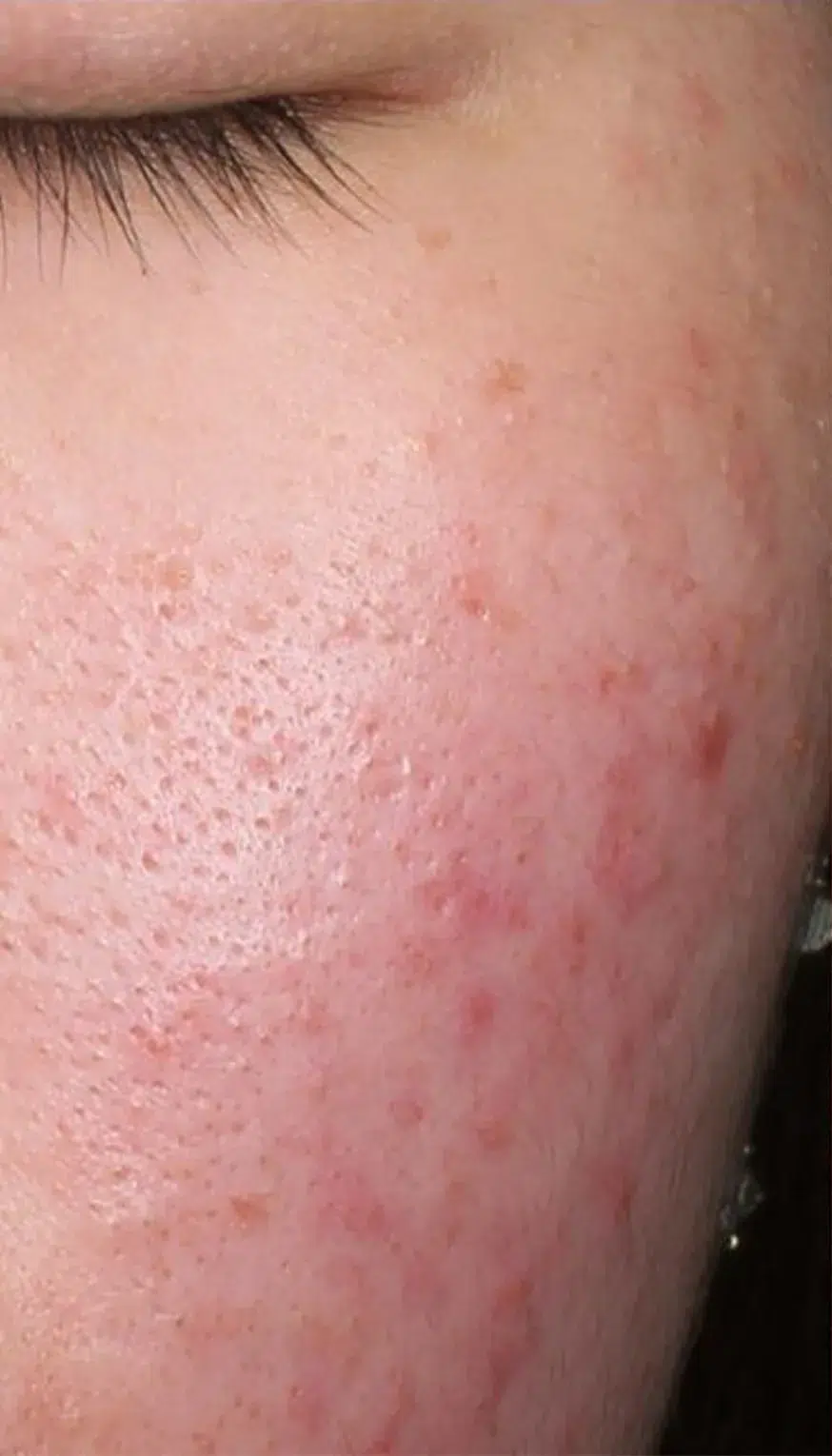
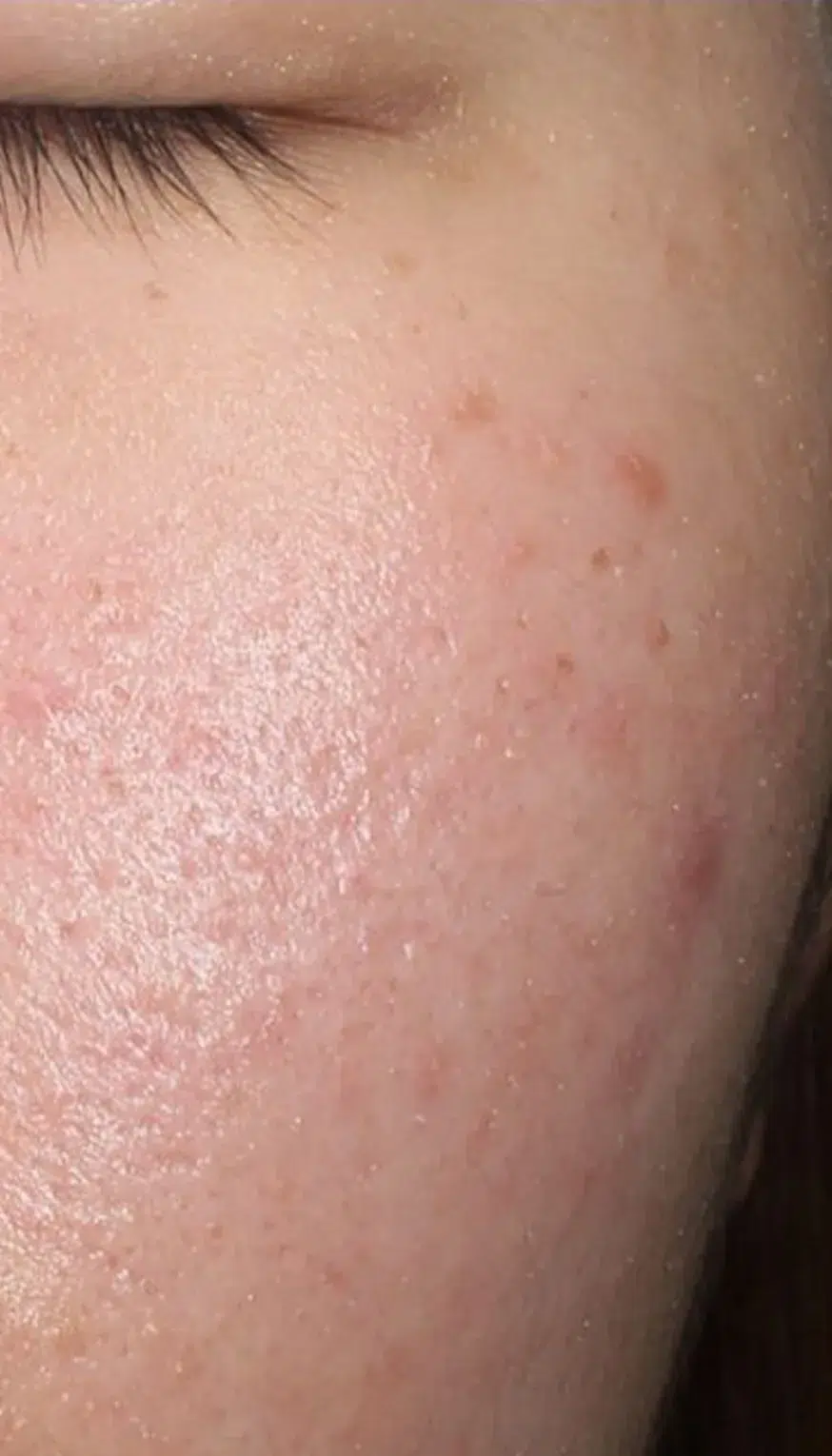
Case 1 · Telangiectasia · 595 nm Pulsed Dye Laser
- Client Profile
- Asian female · Cheek telangiectasia
- Concerns addressed
- Persistent cheek redness with visible vessels
- Treatment Plan
- Vbeam 595nm Pulsed dye laser (3–5 sessions)
- Treatment Outcomes
- Fading of visible vessels and reduction in redness
- Maintenance
- 12 months or longer, with maintenance as needed
Case 01: Precision 595 nm targeting of hemoglobin to close dilated vessels · Performed by our physician
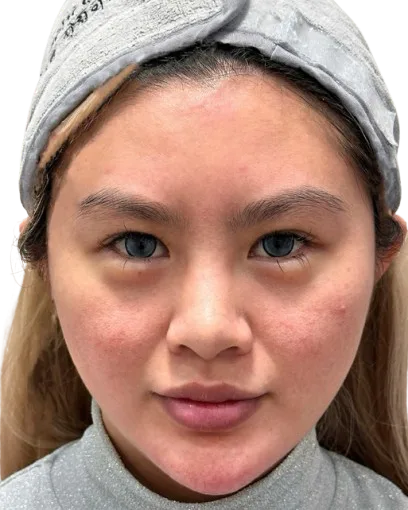
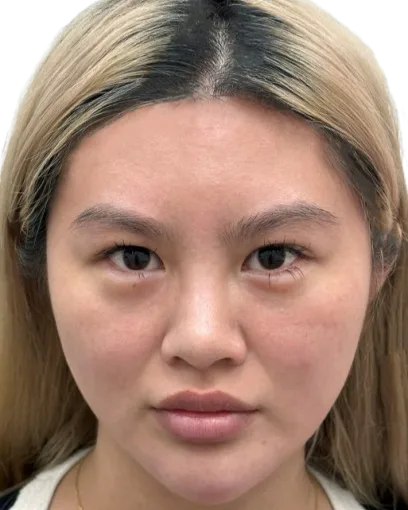
Case 02 · Sensitivity-Related Redness · Laser + Barrier Repair
- Client Profile
- Asian female · sensitive skin, prone to flushing and heat sensitivity
- Concerns addressed
- Flushing triggered by temperature changes; weakened skin barrier
- Treatment Plan
- Low-fluence vascular laser + barrier repair treatment
- Treatment Outcomes
- Reduced redness and more stable skin texture
- Maintenance
- Combined with skincare for long-term improvement
Case 02: Sensitivity-Related Redness Requires “Vessel closure + barrier repair” A dual-approach strategy · Performed by our physician
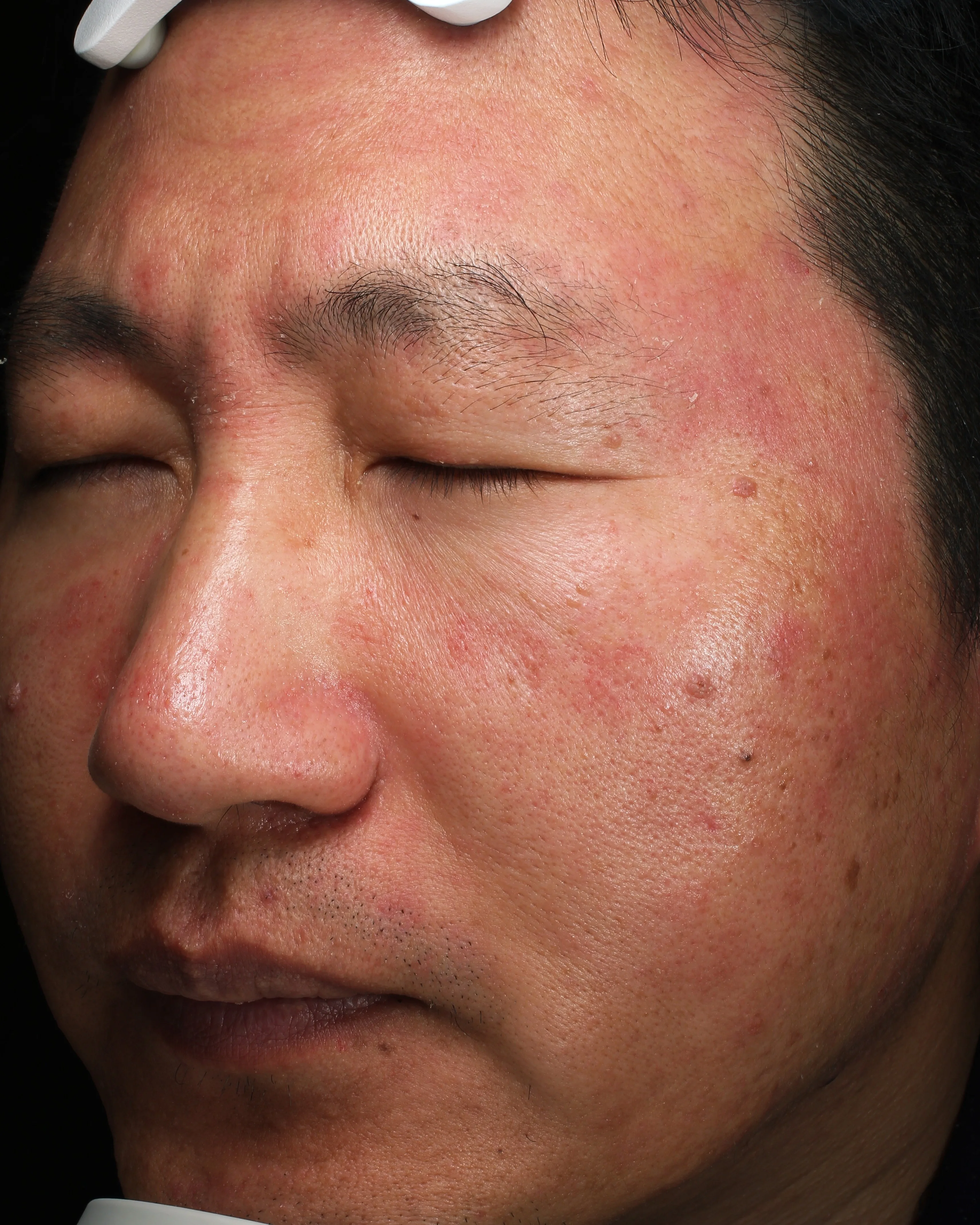
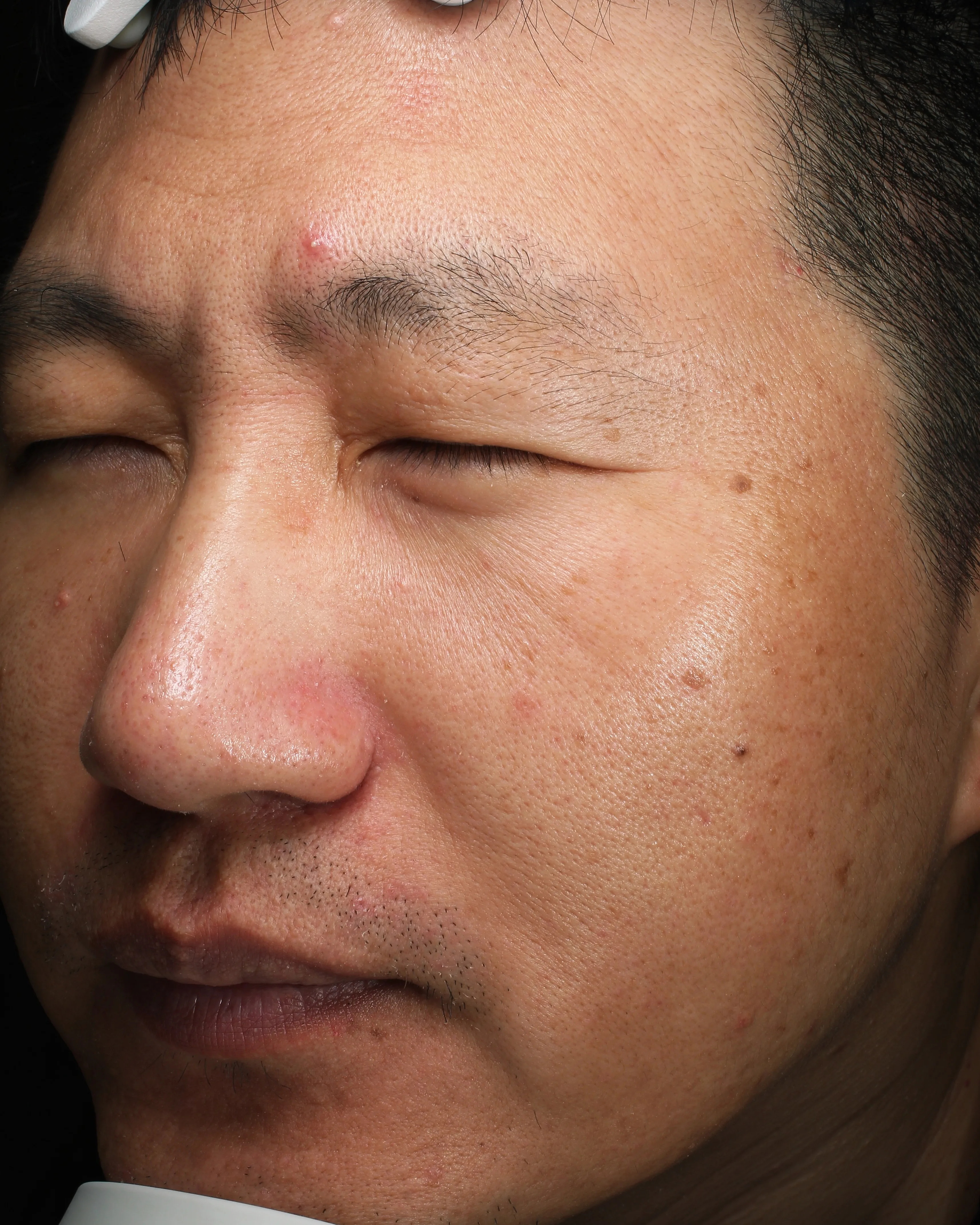
Case 3 · Rosacea-Related Redness (Stable Phase) · Combination Treatment Plan
- Client Profile
- Asian female patient · Rosacea in stable phase
- Concerns addressed
- Persistent central facial redness
- Treatment Plan
- Vascular laser / IPL combined with anti-inflammatory care
- Treatment Outcomes
- Redness significantly reduced; skin tone more even
- Maintenance
- Maintenance every 4–6 months
Case 03: Rosacea Requires Treatment During the Stable Phase + Long-Term Management · Led by our physician
Why Choose Luowei Medical Aesthetics Clinic for Vascular Redness Treatment in Nanjing
Visible redness may stem from simple telangiectasia, rosacea, or a compromised skin barrier — and the wrong diagnosis means the wrong treatment. Our approach centers on accurate diagnosis, multi-wavelength devices, and barrier restoration.
Diagnose First, Then Treat
Distinguishing telangiectasia, rosacea, and barrier-compromised sensitivity is essential — each condition calls for a different approach, and treating without a clear diagnosis can be ineffective or make things worse.
Multi-wavelength device
595nm Vbeam® pulsed dye laser, broadband light (IPL/BBL), and 1064 nm Nd: YAG are all available in clinic. The appropriate wavelength is selected based on vessel depth and type.
Barrier repair equally prioritized
Sensitivity-related redness is often accompanied by a compromised skin barrier. Treatment is combined with barrier-repair care to address the underlying cause — not simply to close visible vessels.
Experience with Asian sensitive skin
Energy settings are calibrated for Asian skin types, balancing effective redness reduction with minimal irritation and a low risk of post-inflammatory hyperpigmentation (PIH).
Physician-directed energy settings
Wavelength, energy level, and pulse width are individually calibrated by our physician based on vessel type and skin tone.
- Multi-wavelength vascular devices— 595nm Vbeam / IPL·BBL / 1064nm Nd: YAG
- Differential diagnosis of facial redness (including rosacea)
- Comprehensive management: vessel closure + barrier repair
What Is Vascular Redness Treatment?
Visible capillaries are caused by Telangiectasia, compromised skin barrier, or chronic inflammatory skin conditions causing superficial skin redness. Vascular treatment works by Selective photothermolysis, Using a targeted wavelength — such as the 595 nm pulsed dye laser or broadband light — to precisely act on Hemoglobin, coagulate and be naturally absorbed by the body, reducing visible facial redness and the sensation of heat.
The energy from the laser or light is selectively absorbed by hemoglobin within the blood vessels and converted into heat, causing the abnormal vessels to Coagulation and closure, then naturally absorbed by the body. At the same time, combined with Barrier repair, low-level Healite II LED therapy, or exosome-based regenerative treatment care to strengthen microcirculation and stratum corneum health, improving sensitivity-prone skin at its root.
The key is first to Identify the root cause: For simple vascular dilation, the vessels are closed directly. Rosacea requires treatment during stable phases plus long-term management. When the skin barrier is compromised, restoring the barrier comes first.
Key Points
- How It Works Selective photothermolysis targeting hemoglobin
- Primary wavelength 595nm Pulsed dye / broadband light / 1064 nm
- Best suited for Telangiectasia, facial redness, and rosacea in the stable phase
- Treatment 3–6 sessions / spaced 4–8 weeks apart
- Maintenance 12 months or more, with sun protection
- Recovery period Minimal downtime; possible transient erythema / purpura (device-dependent)
Different vascular concerns × wavelength
| FAQ | Recommended Wavelength / Device |
|---|---|
| Facial telangiectasia | 595nm Vbeam Pulsed dye |
| Diffuse redness + pigmentation | Broadband light IPL / BBL |
| Deeper or larger vessels | 1064nm Nd: YAG |
| Rosacea (stable phase) | Vascular laser + anti-inflammatory management |
The deeper or larger the vessel, the more appropriate a longer wavelength (1064 nm) becomes.
How facial redness treatment works: process and mechanism
Energy at a specific wavelength is selectively absorbed by hemoglobin within the blood vessel and converted to heat, causing the dilated vessel to coagulate, close, and be gradually reabsorbed by the body — visibly reducing redness. Barrier repair care is incorporated to consolidate results.
Consultation & Diagnostic Assessment
Our physician determines whether the redness stems from telangiectasia, rosacea, or a compromised skin barrier, and evaluates vessel depth alongside skin tone.
Wavelength / energy selection
Superficial vessels are treated at 595 nm; diffuse redness combined with pigmentation is addressed with broadband light; deeper vessels require 1064 nm. Energy is adjusted according to skin tone to minimize the risk of post-inflammatory hyperpigmentation (PIH).
Selective photothermolysis
Protective eyewear is worn throughout. Light or laser energy is precisely delivered to the targeted vessels while contact cooling protects the overlying skin. Most patients describe the sensation as similar to a rubber band snap.
Vessel coagulation and reabsorption
Treated vessels coagulate and are gradually reabsorbed by the body; redness visibly diminishes over the course of days to weeks.
Barrier restoration + maintenance
Barrier repair skincare and sun protection are incorporated to sustain results. Improvements accumulate with each scheduled session; rosacea requires ongoing long-term management.
Persistent facial redness that won’t resolve is usually a matter of identifying the wrong underlying cause
Treating rosacea as simple broken capillaries, or overlooking barrier damage, will only lead to repeated flare-ups.Diagnose first, then treat by subtype + long-term management, is the key to lasting stability.
Identifying the underlying cause
Treatment protocols differ for telangiectasia, rosacea, and compromised skin barrier
Selecting the right wavelength
Wavelength selected by vessel depth: 595 nm / broadband / 1064 nm
Restore the barrier + prevent triggers
Restoring the skin barrier and managing triggers to prevent recurrence
Am I a Candidate for Vascular Redness Treatment?
Suitable for telangiectasia, facial redness, and rosacea in the stable phase. Whether treatment is appropriate — and which wavelength to use — is determined through a consultation to identify the underlying cause.
You may be a good candidate if…
- Visible capillaries on the cheeks / sides of the nose
- Telangiectasia
- Persistent facial redness
- Rosacea in stable phase (not during an active flare)
- Sensitivity-related redness + compromised skin barrier
- Redness and flushing triggered by face washing or temperature changes
Not recommended, or requires assessment, if any of the following apply…
- Rosacea in acute flare (anti-inflammatory treatment first)
- Active infection in the treatment area / active herpes simplex
- Recent intense sun exposure / tanned skin
- Photosensitizing medications not yet stopped / recent Accutane use
- Pregnancy
- Expected Outcomes “Single-session elimination”
Root Cause × Treatment Plan
| Underlying cause | Treatment Plan | Overview |
|---|---|---|
| Telangiectasia | 595nm Pulsed dye | Precise vessel closure |
| Diffuse redness + pigmentation | IPL / BBL Broadband | Comprehensive improvement |
| Rosacea (stable phase) | Vascular laser + long-term management | Treatment during stable phase + trigger prevention |
| Barrier-sensitive type | Lower energy settings + barrier repair | Repair the barrier first |
Vascular Treatment Planning
Every treatment plan is personally designed by our physician — encompassing root-cause diagnosis, wavelength selection, energy calibration, and long-term management.
Free consultation and root-cause assessment
Differentiate between vascular dilation, rosacea, and barrier compromise — then build the treatment plan.
Wavelength / Energy Parameters
Wavelength is chosen based on vessel depth and skin tone; energy is reduced for deeper skin tones.
Scheduled treatment sessions
Typically 3–6 sessions, spaced 4–8 weeks apart, with cumulative improvement over the course of treatment.
Barrier restoration + maintenance
Paired with barrier repair and sun protection for long-term rosacea management.
Treatment and recovery timeline
| Duration | Status |
|---|---|
| D0 ((same day) | Transient redness and mild swelling; some devices may cause slight purpura |
| D1–D3 | Erythema subsides; strict sun protection is mandatory |
| 1–2 Week | Vessel reabsorption; redness diminishes |
| After the 3rd session | Stable, sustained improvement in redness and visible vessels |
Concerns that can be improved with redness and telangiectasia treatment
Focused on vessels and redness, this treatment is well suited to telangiectasia, rosacea in remission, and sensitivity-related flushing.
Telangiectasia
595nm Precisely closing visible vessels.
3–5 Session
Persistent facial redness
Comprehensively improves diffuse redness.
3–6 Session
Rosacea (stable phase)
Reduce redness during the stable phase + long-term management.
3–6 sessions + maintenance
Nasal alar telangiectasia
Targeted treatment of visible capillaries on the nasal alae.
2–4 Session
Sensitivity-related redness
Lower energy settings combined with simultaneous barrier repair for gradual improvement.
Comprehensive treatment plan
Deeper or larger vessels
1064nm Longer wavelengths address deeper vessels.
Consultation & Assessment
Redness + Pigmentation
Broadband light addresses both vascular concerns and pigmentation simultaneously.
3–5 Session
Combination Repair
Cold laser LED therapy / exosomes to strengthen barrier repair.
Combination treatment plan
Detailed chart: concern × wavelength / device × number of sessions
| FAQ | Wavelength / device | Number of Sessions / Interval |
|---|---|---|
| Facial telangiectasia | 595nm Vbeam | 3–5 sessions / every 4–8 weeks |
| Diffuse redness + pigmentation | IPL / BBL Broadband | 3–5 Session |
| Rosacea (stable phase) | Vascular laser + management | 3–6 sessions + maintenance |
| Deeper vessels | 1064nm Nd: YAG | Consultation & Assessment |
Pre-Procedure Instructions · Treatment Process · Post-Procedure Care
After vascular treatment, diligent sun protection, barrier repair, and avoiding known triggers are key to maintaining results and preventing recurrence.
Pre-Procedure Preparation
- Avoid sun exposure and tanning for 2 weeks before treatment
- Discontinue retinoids, AHAs, and exfoliants 3–5 days before treatment
- During an acute rosacea flare, the priority is anti-inflammatory stabilization before any energy-based treatment
- Disclose any photosensitizing medications and history of Accutane use
During the treatment
- Protective eyewear worn
- Rubber band snap sensation; contact cooling minimizes discomfort
- Wavelength and energy are set according to vessel depth and skin tone
- Approximately 20–30 minutes per session
Post-Procedure Care
- Temporary redness / mild swelling (lasting a few hours to 1–2 days)
- Some devices may cause transient purpura that resolves within a few days to one week
- Daily SPF 50+; avoid sun exposure for 2 weeks
- Gentle repair, barrier reinforcement — avoid irritating products
- Avoid redness triggers such as heat, spicy food, and alcohol
Recovery timeline
| Duration | Status |
|---|---|
| D0 ((same day) | Transient erythema / mild swelling; possible minor purpura (device-dependent) |
| D1–D3 | Redness subsided; strict sun protection and trigger avoidance required |
| 1–2 Week | Vessel reabsorption; redness diminishes |
| 4–8 Week | Proceeding to the next treatment session |
Benefits of Vascular Redness Treatment
Precise targeting, versatile treatment options, and the ability to combine with barrier repair — though lasting, relapse-free results depend on accurate diagnosis and ongoing management.
Precise Targeting
Selectively targets hemoglobin without affecting surrounding tissue.
Multiple wavelengths available
Wavelength selection — 595 nm, broadband, or 1064 nm — is guided by vessel depth.
Comprehensive improvement
Broadband light can address both pigmentation and redness simultaneously.
Minimal Downtime
Most patients recover with only transient erythema.
Barrier repair equally emphasized
Improving sensitivity-prone skin at its root.
Non-invasive
Non-invasive, no injectables.
Can be combined
Cold laser / exosomes for enhanced repair.
Long-lasting
With ongoing management, results can be maintained for 12 months or longer.
Vascular Treatment Device Comparison
| Device | Wavelength | Best suited for | Key Features |
|---|---|---|---|
| Vbeam (PDL) | 595nm | Facial telangiectasia, rosacea | Gold standard for vascular treatment |
| IPL / BBL | Broadband | Redness combined with pigmentation | Multiple concerns addressed in one session |
| Nd: YAG | 1064nm | Deeper or larger vessels | Deeper penetration |
Why Trust Luowei Medical Aesthetics Clinic for Vascular Redness Treatment?
Google E-E-A-T framework evaluates medical content across four dimensions. The following are the specific credentials supporting every claim on this page.
Real-world clinical experience
- Extensive telangiectasia / rosacea treatment
- Multi-wavelength vascular device operation
- Experience in sensitive skin barrier repair
- Complete Before & After Gallery
- Dermatological diagnosis and vascular cause differentiation
- Individualized wavelength / energy calibration
Industry-recognized credentials
- Every medical claim on this page is anchored to a named, clickable source — see Evidence & references below
Transparent and verifiable
- Authentic multi-wavelength devices
- Root-cause diagnosis — not indiscriminate light-based treatment
Recurring facial redness usually comes down to “Without a clear diagnosis”
Rosacea, barrier sensitivity, and simple telangiectasia can all appear as “Red”, yet the treatments are entirely different.Diagnose first through a dermatological lens, then treat according to subtype, for lasting results without recurrence.
Our physician combines family medicine training with medical aesthetic expertise and has access to a full range of multi-wavelength vascular devices. Our physician selects the right wavelength based on your specific cause and vessel type — rather than “One wavelength for everything”.
Vascular Redness Treatment — Pricing & Payment
Pricing varies by device / wavelength, treatment area, and package sessions.Pricing is customized by our physician following a Free 30-Minute Consultation.
Priced by device / wavelength and treatment area · per session
Treatment packages / combination barrier-repair pricing
- Payment is made at the clinic, after the consultation and before treatment begins
- Nothing is paid in advance, and no deposit is required to hold an appointment
- Improvement in facial redness and visible vessels typically requires 3–6 treatment sessions
- Cosmetic treatment is a self-pay item and is not covered by public medical insurance in China
- All first-time clients receive a complimentary 30-minute Complimentary Consultation & Assessment
Common Reactions · Serious Risks · Contraindications
Transparency in aesthetic medicine is a mark of genuine expertise and trust. We openly share all potential reactions, serious risks, and contraindications so you can arrive at your consultation fully informed.
Common reactions (may occur in the short term)
- Transient redness / mild warmth ((a few hours to 1–2 days)
- Mild swelling (treatment area, brief duration)
- Transient purpura ((with certain pulsed dye settings, resolving within a few days to one week)
- Temporary sensitivity (sun protection required)
Serious risks (rare, but important to disclose)
- Post-inflammatory hyperpigmentation (PIH)— Darker skin tones / sun-exposure risk — mitigated by reducing energy settings and enforcing strict sun protection
- Blistering / burns / scarring— Extremely rare; associated with excessive energy or inadequate cooling — preventable with proper technique
- Recurrence of redness— Rosacea with unmanaged triggers
- Hypopigmentation— Rare
Absolute Contraindications / Defer Treatment
- Active rosacea flare-up (anti-inflammatory stabilization required first)
- Active infection in the treatment area / active herpes simplex
- Recent intense sun exposure / tanned skin
- Photosensitizing medications not yet stopped / Accutane use within the past 6 months
- Pregnancy
Where the medical claims on this page come from
Everything above about Vascular Redness Removal rests on published evidence rather than on our own word. The sources below are the ones behind those statements: peer-reviewed papers indexed in PubMed, and guidance written for patients by dermatology academies and national health services. Read them before you decide — and bring any of them to your consultation.
- Peer-reviewedIntense pulsed light (IPL): a review
- Peer-reviewedCommon Dermatologic Procedures and the Associated Complications Unique to Skin of Color
What these references can and cannot tell you. They describe what is known about the treatment itself — how well it tends to work, how long results last, and what can go wrong. They are not an assessment of this clinic, and no published study can tell you whether it suits your skin type, anatomy, or medical history. That judgement comes from the physician who examines you in person, and it may well be “not this one”.