Temple Contouring
Temple contouring is a non-surgical injectable treatment designed to reshape the temporal region of the face.
Real Temple Contouring Cases by our physician
The following are real cases personally assessed and treated by our physician at our Nanjing clinic, shared with written media release authorization. Individual results vary; actual outcomes are determined through in-person consultation.
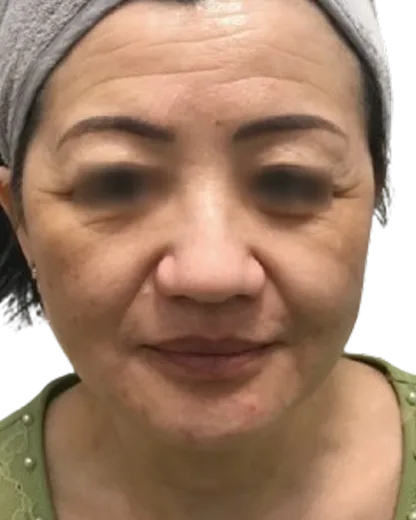
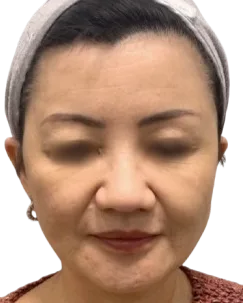
Case 1 · Temple Contouring — Real Patient Record
- Client profile
- Asian female · Fitzpatrick IV
- Concerns
- Temple Contouring (Comprehensive Improvement via Multimodal Combination Approach)
- Treatment plan
- PicoSure® + PicoSure Pro® + PicoWay® + Ultherapy® and 17 additional treatments (multiple sessions within 3 months)
- Treatment outcomes
- Visible improvement in temple contour · Overall natural-looking results
- Post-inflammatory hyperpigmentation (PIH)
- No PIH
- Maintenance
- 9-12 months later — hyaluronic acid filler top-up
Case 1: Asian Female · Fitzpatrick IV · Temple Contouring as a Core Component of a Comprehensive Treatment Plan for Facial Fatigue / Aged Appearance, Melasma, Age Spots / Sun Spots, Pigmentation, Visible Capillaries, Facial Redness / Broken Capillaries, Combined Wrinkles, Forehead Lines, Crow’s Feet, Nasolabial Folds, Marionette Lines / Drooping Mouth Corners, Perioral Lines / Smoker’s Lines, Skin Laxity, Facial Sagging / Jowling, Skin Aging, Dull Complexion & Tired Appearance, Ptosis, Under-Eye Bags & Dark Circles, Tear Troughs, Undefined Jawline, Skin Fatigue & Loss of Elasticity (Within 3 Months × multiple sessions) · led by our physician at Luowei Medical Aesthetics Clinic, Nanjing
Why Choose Luowei Medical Aesthetics Clinic Temple Contouring treatment
We use only certified, authentic brands — Juvéderm®, Restylane®, Teosyal®, Radiesse®, and BTX®. All procedures are performed by experienced, licensed medical professionals. Every plan is tailored to your needs: dermal filler to restore volume or BTX® to refine contour. Treatments are fast, minimally invasive, and comfortable. Results are immediate with minimal downtime, and they look natural, balanced, and long-lasting.
- NMPA Registration— compliant with Chinese medical aesthetics regulations medical aesthetic treatment
- China-authorized clinic for medical aesthetic devices— Luowei Medical Aesthetics Clinic one of the few authorized clinics in the Nanjing area
- Multi-device combination treatment capability— Compatible with multimodal combination therapy including picosecond laser, lifting devices, and injectables
- Mandarin-speaking clinic— consultations in Mandarin, with professional translation devices for real-time interpretation in English and other languages
What Is Temple Contouring?
Temple contouring is a non-surgical injectable treatment designed to reshape the temporal region of the face. For individuals whose temples appear overly wide due to muscle hypertrophy, BTX® injections relax the temporalis muscle to gradually slim the upper face. For those with hollow or flat temples, dermal filler restores volume and creates a smoother, more youthful curve between the forehead and cheekbone.
Treatment Specifications
- What is injected: Hyaluronic acid injectable
- Mechanism of action: Adds volume and binds water in the treated tissue plane, supporting the overlying soft tissue
How Temple Contouring Works
Filler Contouring: Hyaluronic acid filler is precisely injected at targeted tissue depths to add volume and a subtle lift. BTX® Slimming: Neuromodulator injections relax an overdeveloped temporalis muscle, gradually reducing width over 2–4 weeks. Both approaches can be combined to achieve a symmetrical, natural result tailored to your facial structure.
Core mechanism of action
Temple contouring works by Adds volume and binds water in the treated tissue plane, supporting the overlying soft tissue achieve your treatment goals. Our physician customizes treatment parameters based on your bruising profile, vascular occlusion risk level, and skin characteristics — balancing efficacy with safety.
Am I a Candidate for Temple Contouring?
You may be a good candidate if: the temples make the upper face appear too wide; hollow or flat temples create facial imbalance; you want a more refined, feminine, or V-shaped facial contour; you prefer a non-invasive, quick treatment with natural-looking results; or you want lasting improvement with minimal downtime. This treatment may not be suitable if: you are pregnant or breastfeeding; there is active skin infection or inflammation in the temple area; you have a known allergy to filler or BTX® components; or you have neuromuscular disorders (relevant to BTX®).
Fitzpatrick × our physician’s protocol
Assessment of bruising, vascular occlusion risk, and energy protocol:
| Fitzpatrick | Skin tone | Risk | Protocol |
|---|---|---|---|
| II–III | Fair / light skin tone | Low | Standard energy |
| III | Light Asian | Medium | Medium energy |
| IV | Typical Asian | Moderate–High | Low energy + 6-week pre-procedure conditioning |
| V | Deep Asian / South Asian | High | Ultra-low energy + test spot |
Temple Contouring Treatment Process
Facial assessment & treatment design → Cleansing & topical anesthesia → Precise injection (filler or BTX®, 15–30 minutes) → Gentle shaping & cold compress → Post-procedure care instructions.
Typical treatment cycle timeline
Temple contouring typically requires 1 session as a complete treatment, with maintenance every 3–18 months:
| Treatment timeline | Content |
|---|---|
| Week 0 | Free 30-Minute Consultation + Personalized Treatment Plan |
| After session 1 | Initial response observation |
| Complete treatment | 1 session(s) × maintenance every 3–18 months |
| Stable maintenance | low-intensity maintenance every 3–6 months |
What Can Temple Contouring Treat?
Detailed table: key indications × treatment plans × session frequency
| Indications | Treatment plan | Sessions / Interval |
|---|---|---|
| Dynamic lines | Personalized treatment plan | 1 sessions / maintenance every 3–18 months |
| Facial contouring | Personalized treatment plan | 1 sessions / maintenance every 3–18 months |
| Facial rejuvenation | Personalized treatment plan | 1 sessions / maintenance every 3–18 months |
| Skin improvement | Personalized treatment plan | 1 sessions / maintenance every 3–18 months |
Temple Contouring Pre & Post Care
Pre-care
- Avoid alcohol, aspirin, and blood-thinning medications for 3 days before your procedure.
During
- Stay relaxed during the procedure and follow your injector’s positioning cues to ensure optimal contouring precision.
Post-care
- Post-Procedure Care: Avoid touching or pressing the treated area for 24 hours; avoid strenuous exercise and heat exposure for 48 hours; sleep on your back on the first night; mild redness or swelling is normal and typically resolves within a few days; filler results are visible immediately, while BTX® effects appear gradually over 2–4 weeks.
D0–D30 Full recovery timeline
| Time | Do’s & Don’ts |
|---|---|
| D0 | 24–48 hours · no makeup · no hot water cleansing |
| D1–D3 | SPF 50+ Mandatory · no exfoliation · focus on moisturizing and barrier repair |
| D4–D7 | Resume gentle cleansing · Continue SPF · Avoid heat exposure |
| D8–D14 | Skincare products may be gradually reintroduced |
| D15–D30 | Stabilization phase · assessment for next treatment |
Benefits of Temple Contouring
Reduce the appearance of an overly wide or square upper face. Balance the proportions of the forehead and cheekbones. Enhance overall facial harmony and symmetry. Smooth hollow or prominent temples. Create a softer oval or heart-shaped facial contour. Quick procedure with minimal discomfort. Results last 6–18 months depending on the treatment type.
Key Advantages of Temple Contouring
| Dimension | Temple Contouring |
|---|---|
| Mechanism of action | Adds volume and binds water in the treated tissue plane, supporting the overlying soft tissue |
| Recovery period | 24–48 hours |
| Risk of bruising and vascular occlusion | Low (under our physician’s protocol) |
| Fitzpatrick Applicable | We–VI Suitable for a wide range of skin types |
Why Trust Luowei Medical Aesthetics Clinic for Temple Contouring?
Google E-E-A-T A framework that evaluates medical content across four dimensions. The following are the specific credentials behind every statement on this page.
Real-world clinical experience
- Temple Contouring specialist proficiency
- specializing in Asian skin care and facial contour
Physician Credentials
- Ongoing manufacturer training
- Multimodal treatment planning capability
Industry Standing & Credentials
Clinic Transparency & Reputation
- Written informed consent
- NMPA dual certification
- Transparent pricing and risk disclosure
WHY THIS MATTERS
Temple contouring is not a “one-size-fits-all” treatment.
Temple Contouring works by targeting the dermis, muscle, and soft tissue — requiring physician-led, personalized calibration based on your skin type, concern depth, and treatment history.
Temple Contouring — Pricing & Payment
Pricing varies by area, dosage, number of sessions, and whether combination therapy is included.Personalized quote provided by our physician following a Free 30-Minute Consultation.
Single Session — Temple Contouring · Trial / Single Maintenance
Package discounts available · Combination plans priced by treatment
Accepted Payment Methods
- Payment is made at the clinic, after the consultation and before treatment begins
- Nothing is paid in advance, and no deposit is required to hold an appointment
- Cosmetic treatment is a self-pay item and is not covered by public medical insurance in China
- All first-time clients receive a complimentary 30-minute Free Consultation & Assessment
Common risks · Contraindications · Safety protocols
Transparency in medical aesthetics is itself a marker of expertise and trustworthiness. We openly disclose all possible reactions, serious risks, contraindicated populations, and absolute contraindications.
Common reactions (short-term)
- Localized redness, swelling, and warmth
- Increased skin sensitivity (SPF 50+ required for 2–4 weeks)
- Temporary changes in appearance
Serious risks (rare)
- Bruising, vascular occlusion— significantly reduced through our physician’s protocol
- Infection (rare)
- Scarring (extremely rare)
Absolute contraindications
- Pregnancy / breastfeeding
- Active infection
- Oral Accutane use within the past 6 months
- Keloid-prone skin
- Photosensitizing medications not discontinued
Our physician’s mandatory safety protocol
- Complete skin assessment and medical history review before treatment
- Sign written informed consent form
- Mandatory test spot for high-risk patients
- Performed personally by our physician
Where the medical claims on this page come from
Everything above about Temple Contouring rests on published evidence rather than on our own word. The sources below are the ones behind those statements: peer-reviewed papers indexed in PubMed, and guidance written for patients by dermatology academies and national health services. Read them before you decide — and bring any of them to your consultation.
- Peer-reviewedHyaluronic Acid Dermal Filler-Associated Vascular Occlusion-A Review of Prevention and Management Strategies
- Peer-reviewedHyaluronidase for Dermal Filler Complications: Review of Applications and Dosage Recommendations
- Peer-reviewedBotulinum toxin type A for facial wrinkles
- Patient guidanceDermal fillers: Overview
- Patient guidanceBotulinum toxin: Overview
- Patient guidanceNeedle-free filler risks: What you should know
What these references can and cannot tell you. They describe what is known about the treatment itself — how well it tends to work, how long results last, and what can go wrong. They are not an assessment of this clinic, and no published study can tell you whether it suits your skin type, anatomy, or medical history. That judgement comes from the physician who examines you in person, and it may well be “not this one”.