Narrow brow-eye distance / upper eyelid ptosis
A narrow brow-to-eye distance and upper eyelid ptosis frequently co-occur in Asian faces, presenting as Low brow position.
Our physician’s Real Patient Cases — Upper Eyelid Ptosis Improvement
The following before-and-after images are from real clients treated by our physician at Luowei Medical Aesthetics Clinic (Nanjing). All clients have signed a written Media Release Form authorizing publication. Upper eyelid ptosis (Blepharoptosis · ICD-10 H02.4) requires rigorous clinical differentiation.True ptosis vs. skin laxity vs. compensatory brow depression, treatment plans differ entirely. All photographs are unretouched clinical records. Individual results vary based on diagnostic classification and anatomical differences.
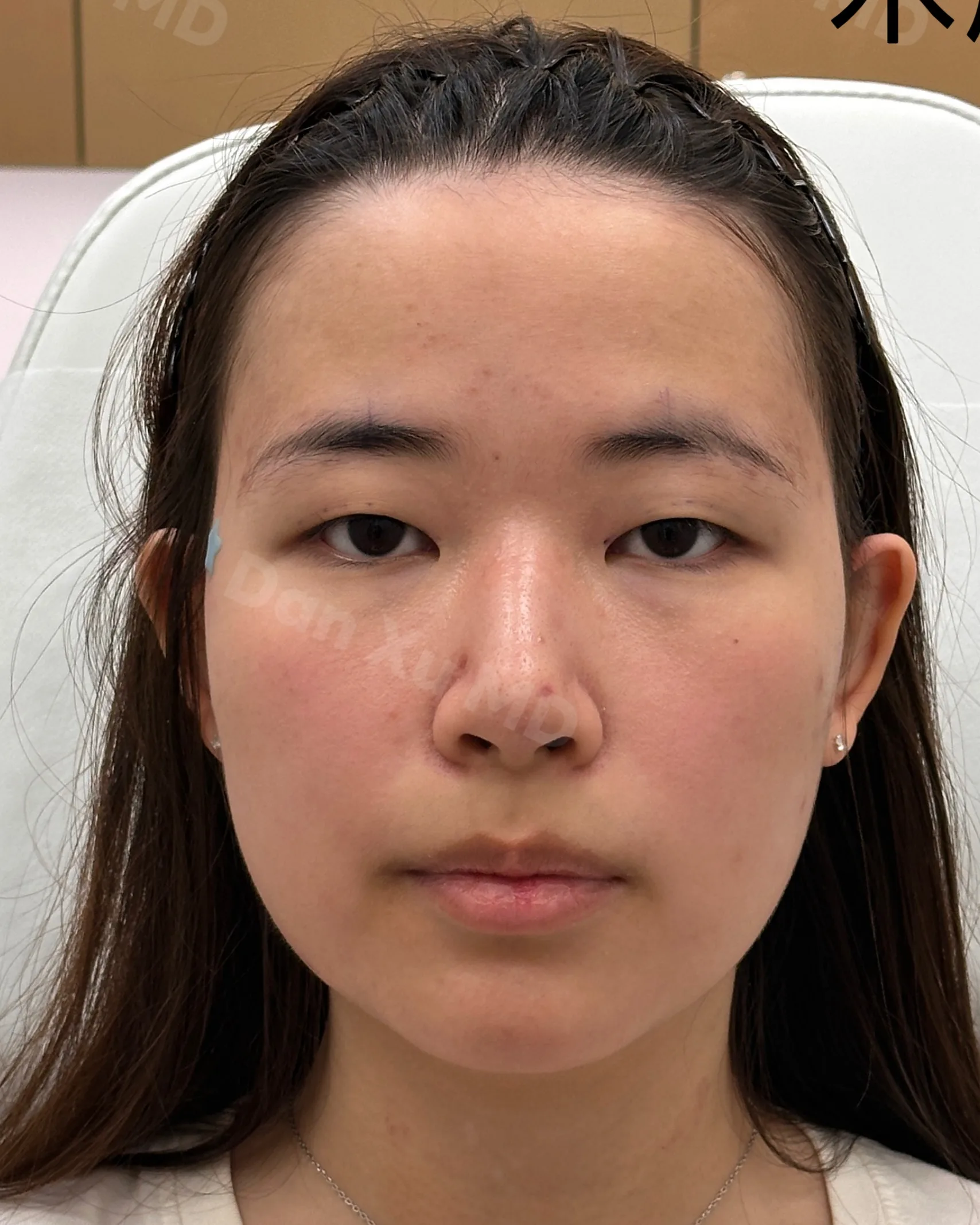
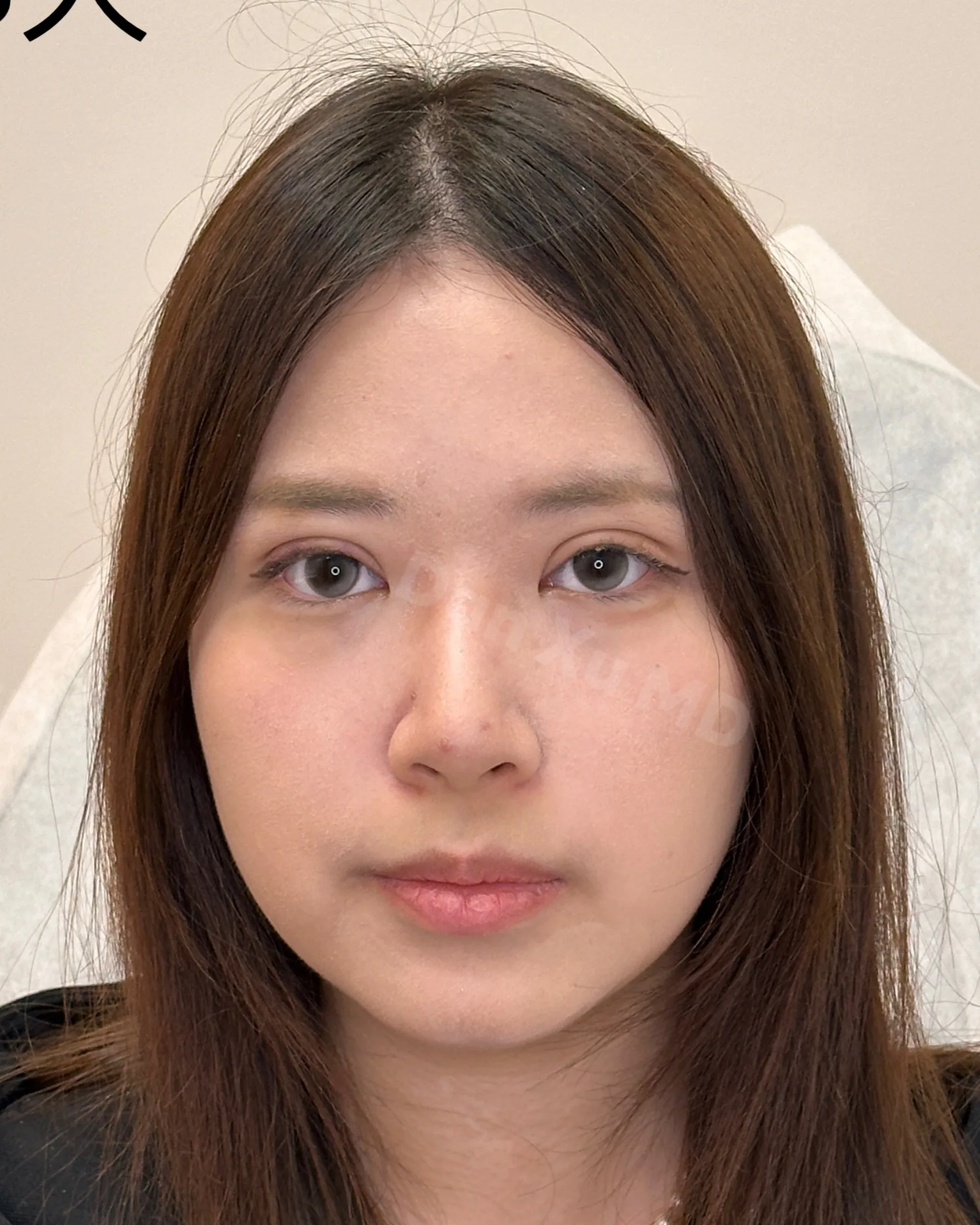
Case 6 · Ptosis (upper eyelid droop) — Real Patient Record
- Client Profile
- Asian Female · Fitzpatrick IV
- Concern
- Upper Eyelid Ptosis (Comprehensive Improvement with Multimodal Combination Protocol)
- Treatment plan
- Non-surgical double eyelid thread technique (multiple sessions within 3 months)
- Degree of improvement
- Significant improvement in upper eyelid ptosis · Overall result looks natural
- Post-inflammatory hyperpigmentation (PIH) risk
- No PIH
- Maintenance
- Routine sun protection + monthly home care + quarterly clinical assessment
Case 06: Ptosis (upper eyelid droop) before & after · Asian female · Fitzpatrick IV · Multimodal combination protocol led by our physician, at Luowei Medical Aesthetics Clinic, Nanjing
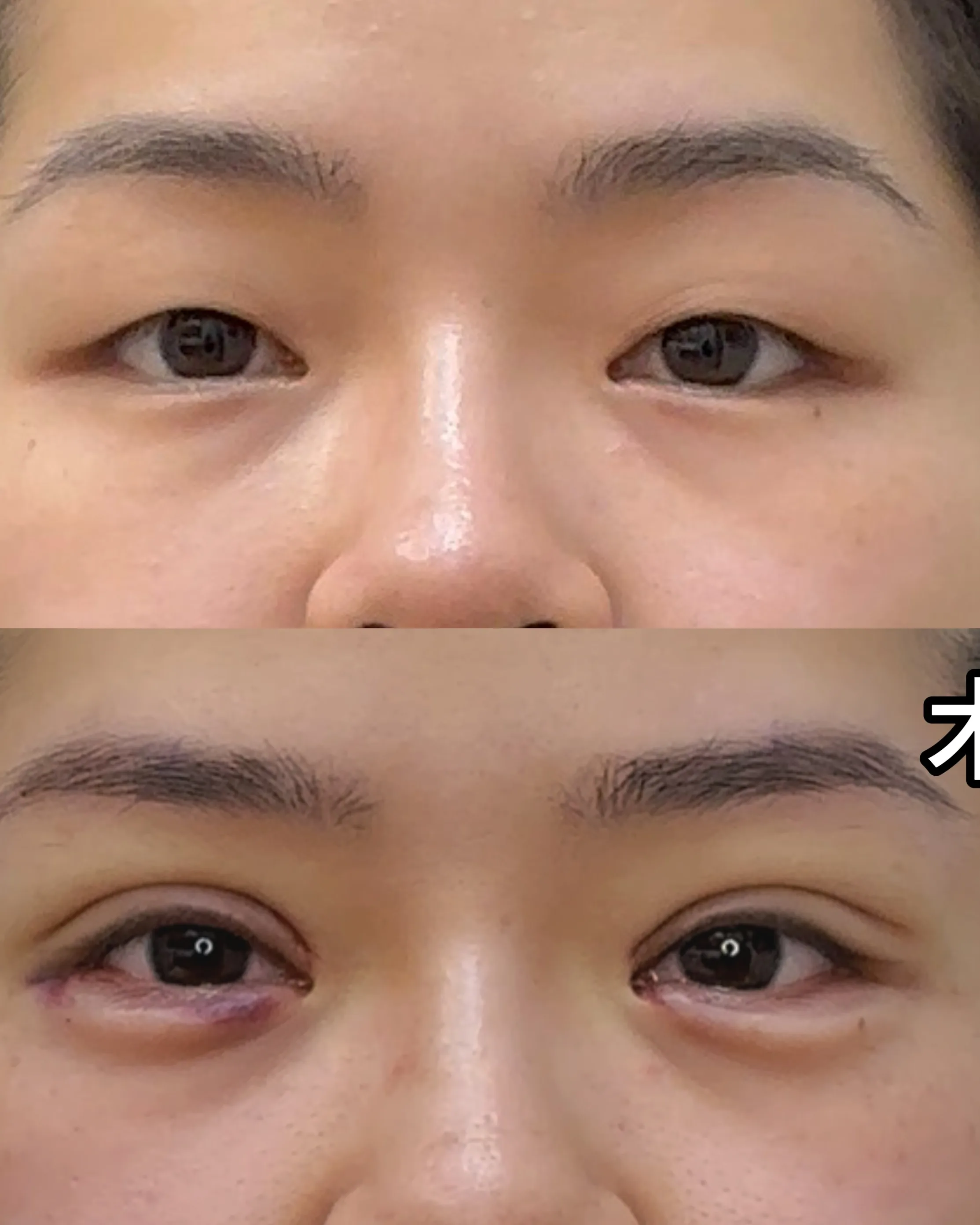
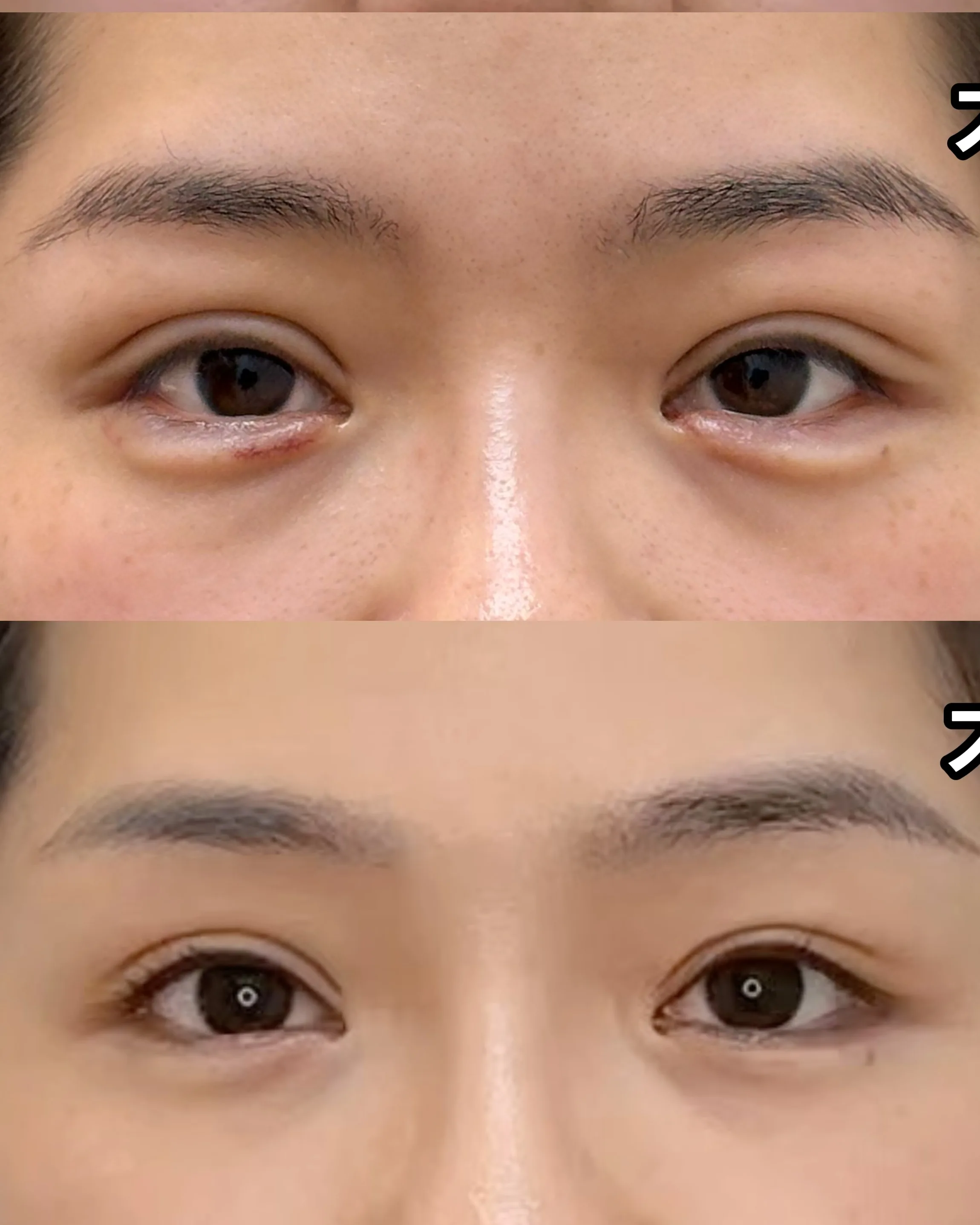
Case 8 · Upper Eyelid Ptosis — Real Patient Record
- Client Profile
- Asian Female · Fitzpatrick IV
- Concern
- Upper Eyelid Ptosis (Comprehensive Improvement with Multimodal Combination Protocol)
- Treatment plan
- PDO Thread lift + Botox® + HArmonyCa™ + collagen stimulators and 3 more treatments (multiple sessions within 3 months)
- Degree of improvement
- Significant improvement in upper eyelid ptosis · Overall result looks natural
- Post-inflammatory hyperpigmentation (PIH) risk
- No PIH
- Maintenance
- Routine sun protection + monthly home care + quarterly clinical assessment
Case 08: Upper Eyelid Ptosis — Before & After · Asian Female · Fitzpatrick IV · Multimodal combination protocol led by our physician at Luowei Medical Aesthetics Clinic, Nanjing
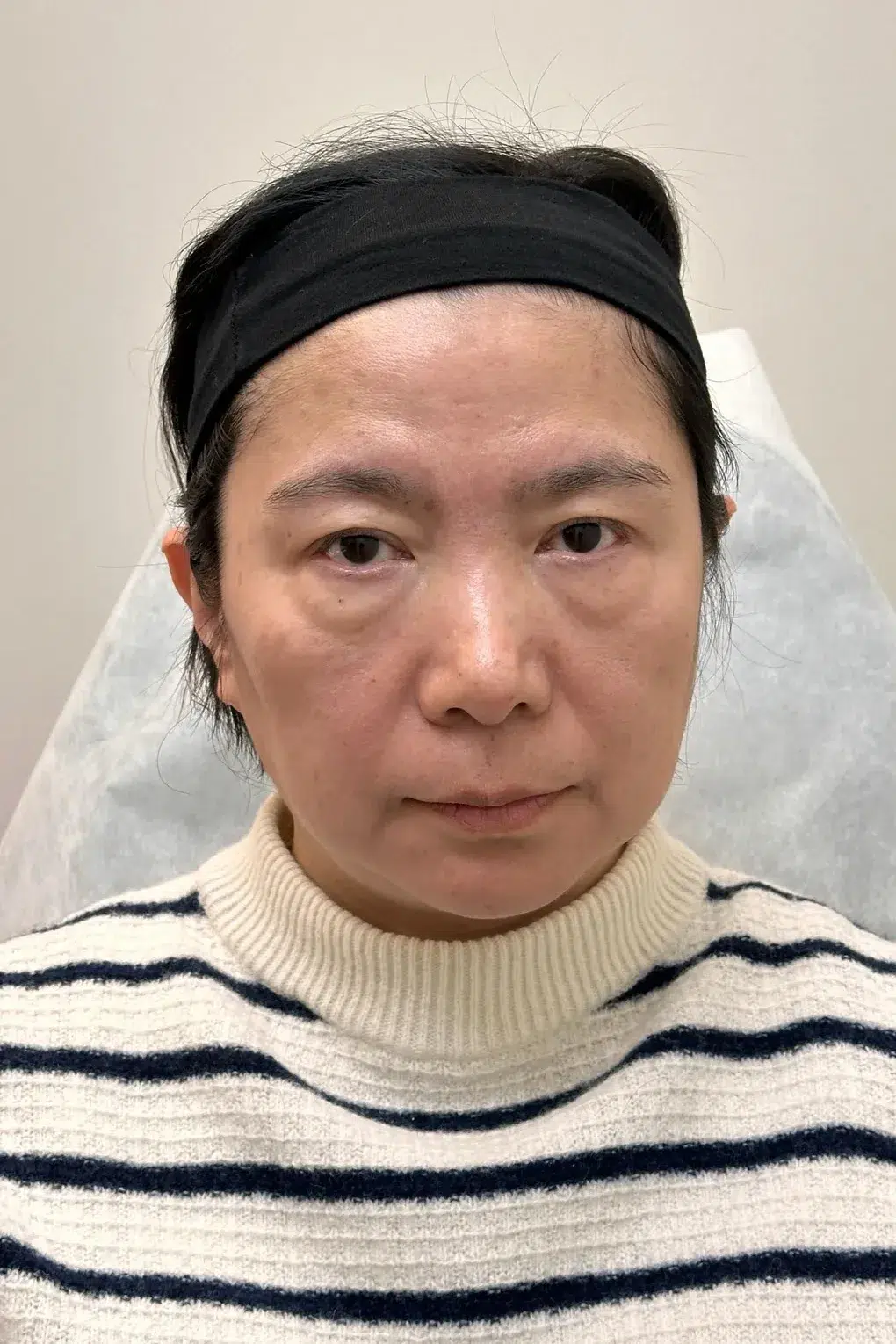
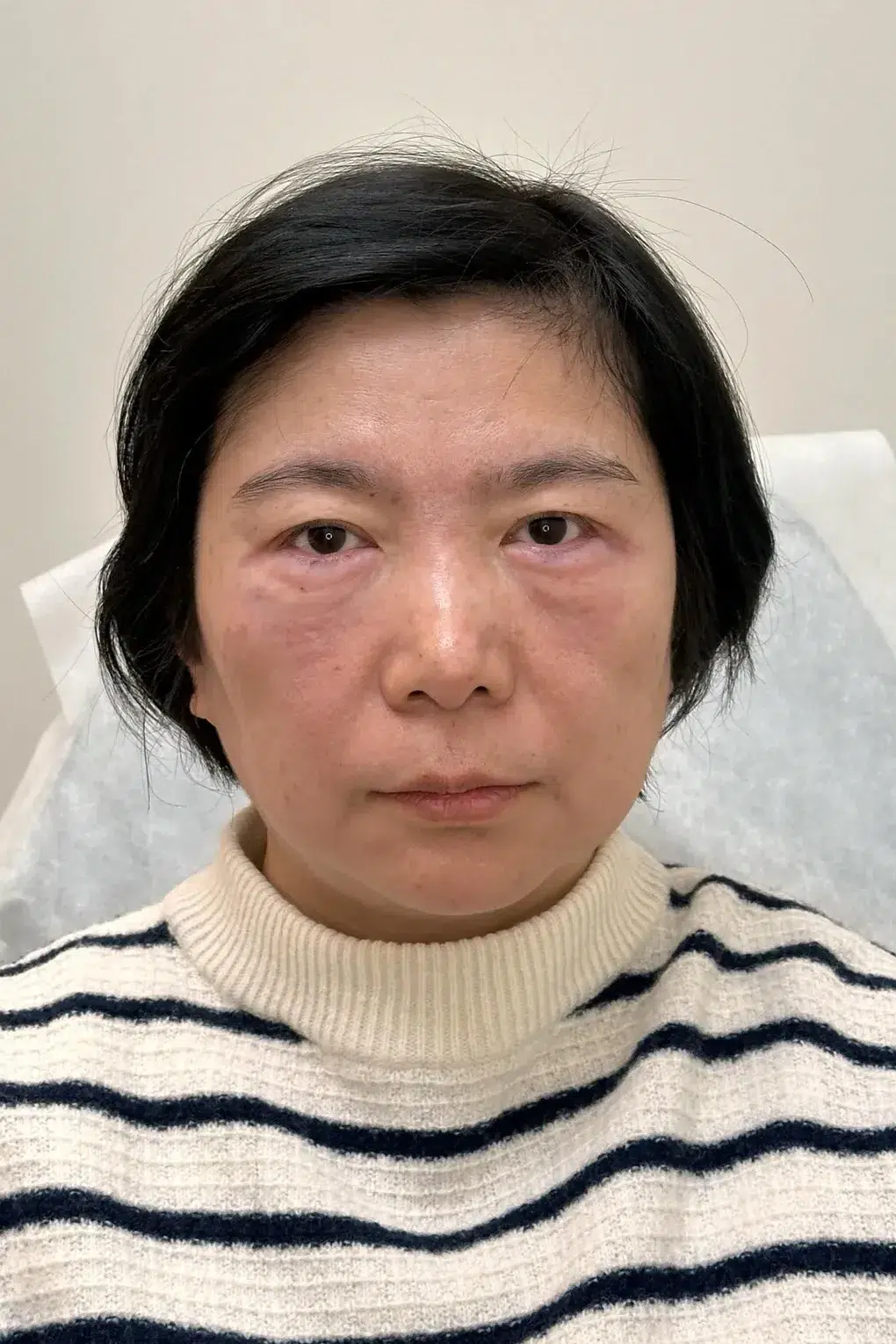
Case 1 · Upper Eyelid Ptosis — Real Patient Record
- Client Profile
- Asian female · Fitzpatrick I · Duration approx. 2–3 years
- Concern
- Upper Eyelid Ptosis (Comprehensive Improvement with Multimodal Combination Protocol)
- Treatment plan
- Dermal fillers + periorbital rejuvenation/brightening injections (multiple sessions within 3 months)
- Degree of improvement
- Significant improvement in upper eyelid ptosis · Overall result looks natural
- Post-inflammatory hyperpigmentation (PIH) risk
- No PIH
- Maintenance
- 6–12 month follow-up · repeat treatment as needed + at-home eye cream maintenance
Case 01: Upper eyelid ptosis — before & after · Asian female · Fitzpatrick I · Duration approx. 2–3 years · Multimodal combination protocol led by our physician at Luowei Medical Aesthetics Clinic, Nanjing
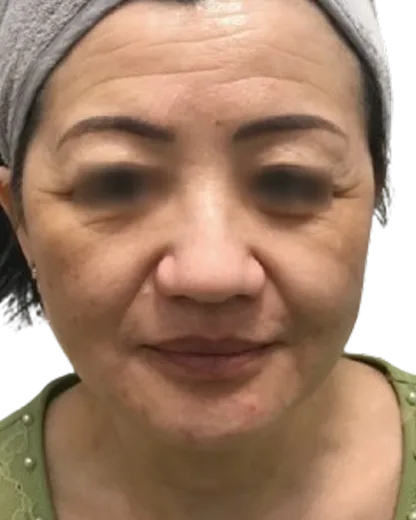
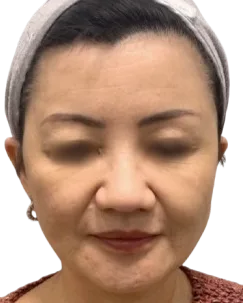
Case 1 · Upper Eyelid Ptosis — Real Patient Record
- Client Profile
- Asian Female · Fitzpatrick IV
- Concern
- Upper Eyelid Ptosis (Comprehensive Improvement with Multimodal Combination Protocol)
- Treatment plan
- PicoSure® + PicoSure Pro® + PicoWay® + Ultherapy® and 13 additional treatments (multiple sessions within 3 months)
- Degree of improvement
- Significant improvement in upper eyelid ptosis · Overall result looks natural
- Post-inflammatory hyperpigmentation (PIH) risk
- No PIH
- Maintenance
- 9-12 months later, repeat filler treatment
Case 01: Upper eyelid ptosis — before & after · Asian female · Fitzpatrick IV · Multimodal combination protocol led by our physician at Luowei Medical Aesthetics Clinic, Nanjing
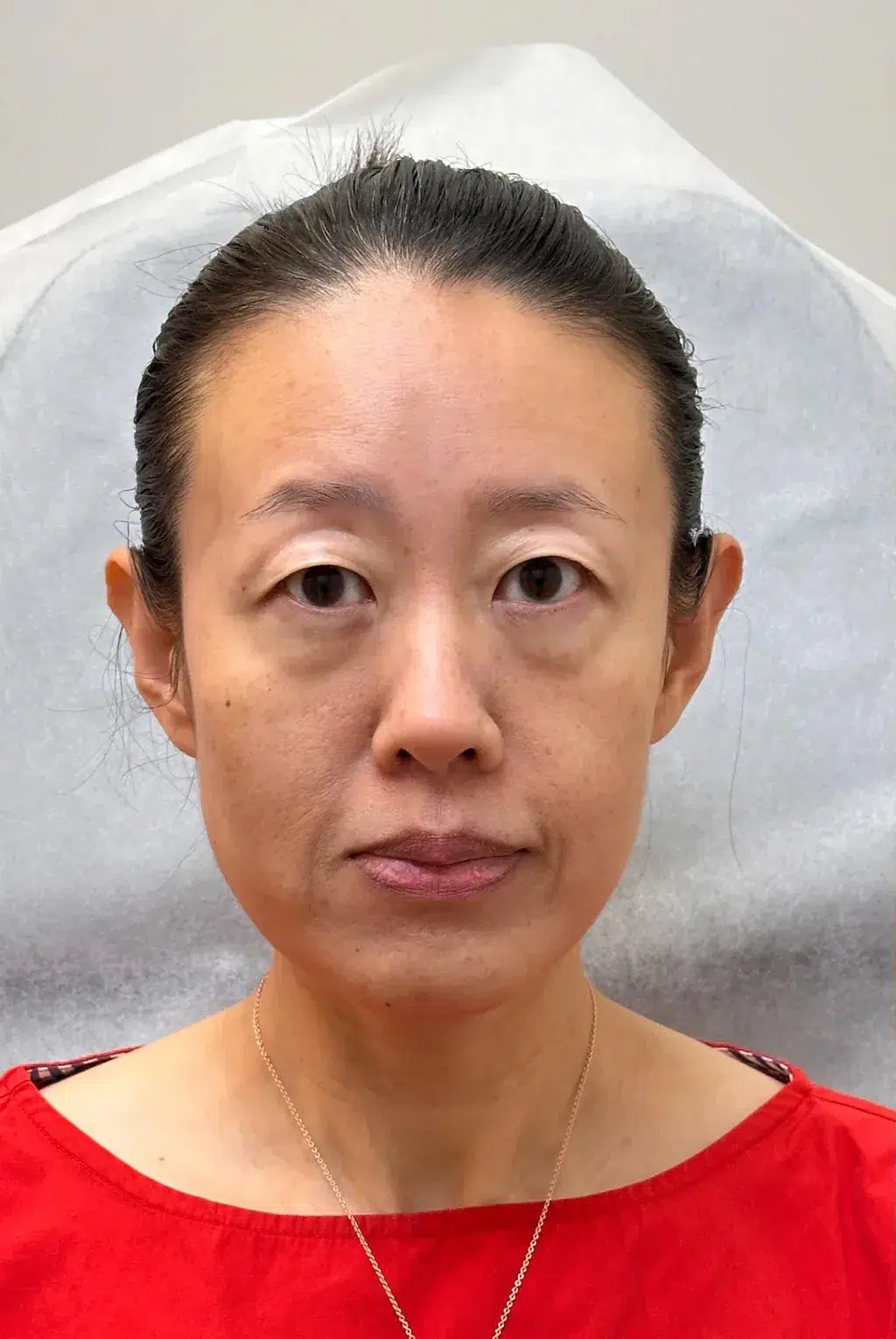

Case 2 · Ptosis (upper eyelid droop) — Real Patient Record
- Client Profile
- Asian Female · Fitzpatrick IV
- Concern
- Upper Eyelid Ptosis (Comprehensive Improvement with Multimodal Combination Protocol)
- Treatment plan
- Suture double eyelid + Botox® + wrinkle relaxers + dermal fillers and 11 more treatments (multiple sessions within 3 months)
- Degree of improvement
- Significant improvement in upper eyelid ptosis · Overall result looks natural
- Post-inflammatory hyperpigmentation (PIH) risk
- No PIH
- Maintenance
- Botox Low-dose maintenance every 4 months + hyaluronic acid lip line enhancement
Case 02: Upper Eyelid Ptosis — Before & After · Asian Female · Fitzpatrick IV · Multimodal combination protocol led by our physician at Luowei Medical Aesthetics Clinic, Nanjing
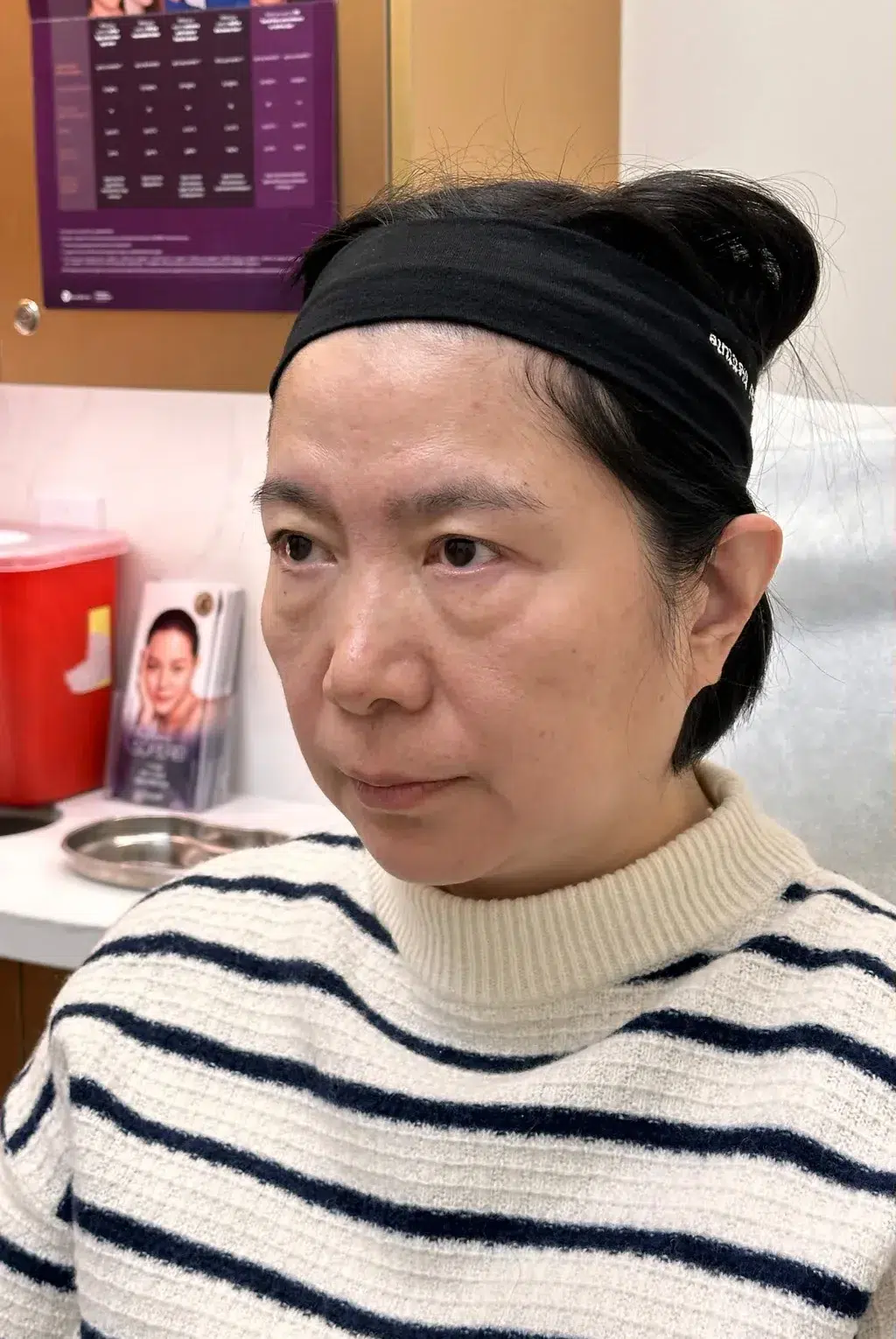

Case 2 · Ptosis (upper eyelid droop) — Real Patient Record
- Client Profile
- Asian female · Fitzpatrick I · Duration approx. 2–3 years
- Concern
- Upper Eyelid Ptosis (Comprehensive Improvement with Multimodal Combination Protocol)
- Treatment plan
- Dermal fillers + periorbital rejuvenation/brightening injections (multiple sessions within 3 months)
- Degree of improvement
- Significant improvement in upper eyelid ptosis · Overall result looks natural
- Post-inflammatory hyperpigmentation (PIH) risk
- No PIH
- Maintenance
- 6–12 month follow-up · repeat treatment as needed + at-home eye cream maintenance
Case 02: Upper Eyelid Ptosis — Before & After · Asian Female · Fitzpatrick I · Duration approx. 2–3 years · Multimodal combination protocol led by our physician at Luowei Medical Aesthetics Clinic, Nanjing
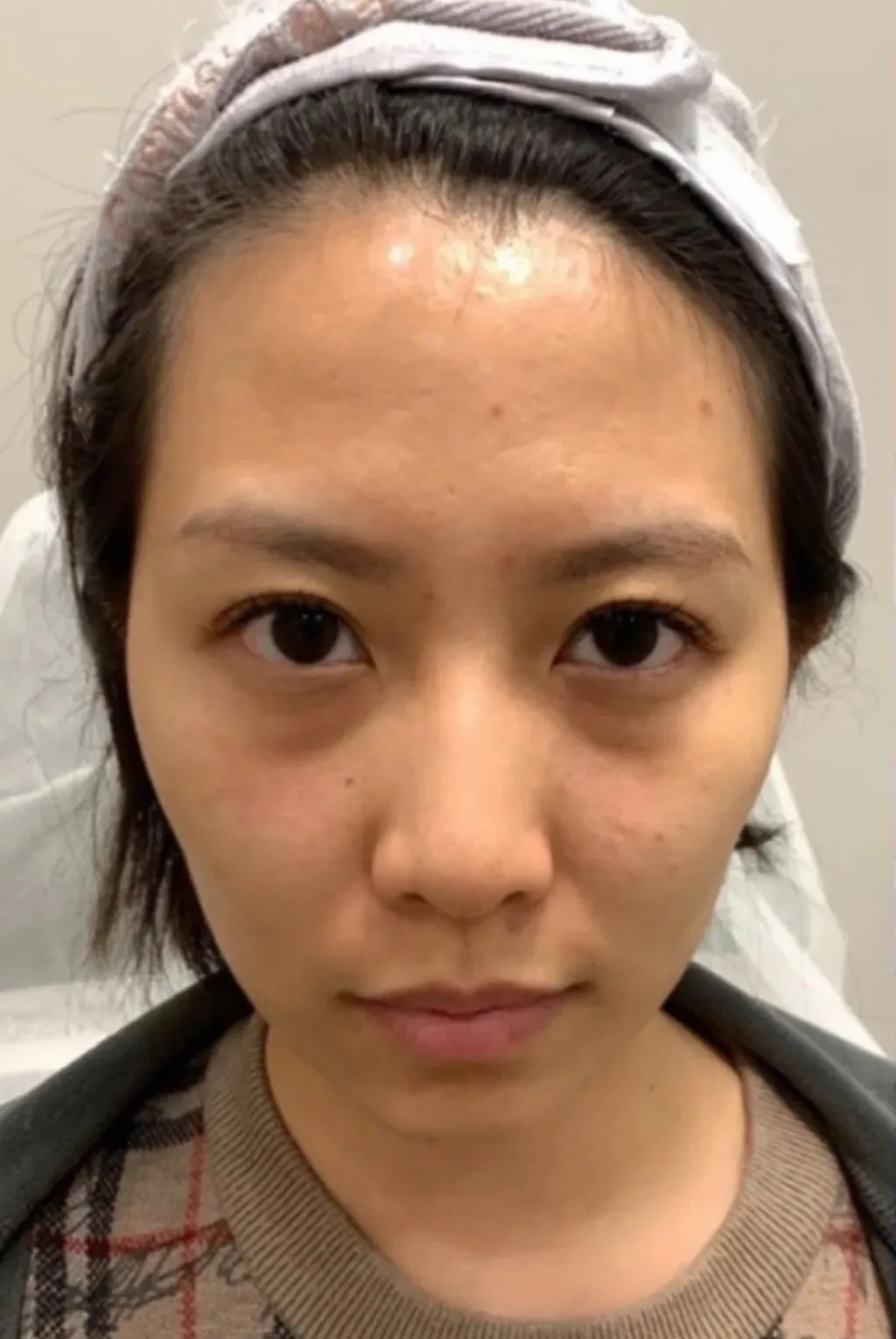
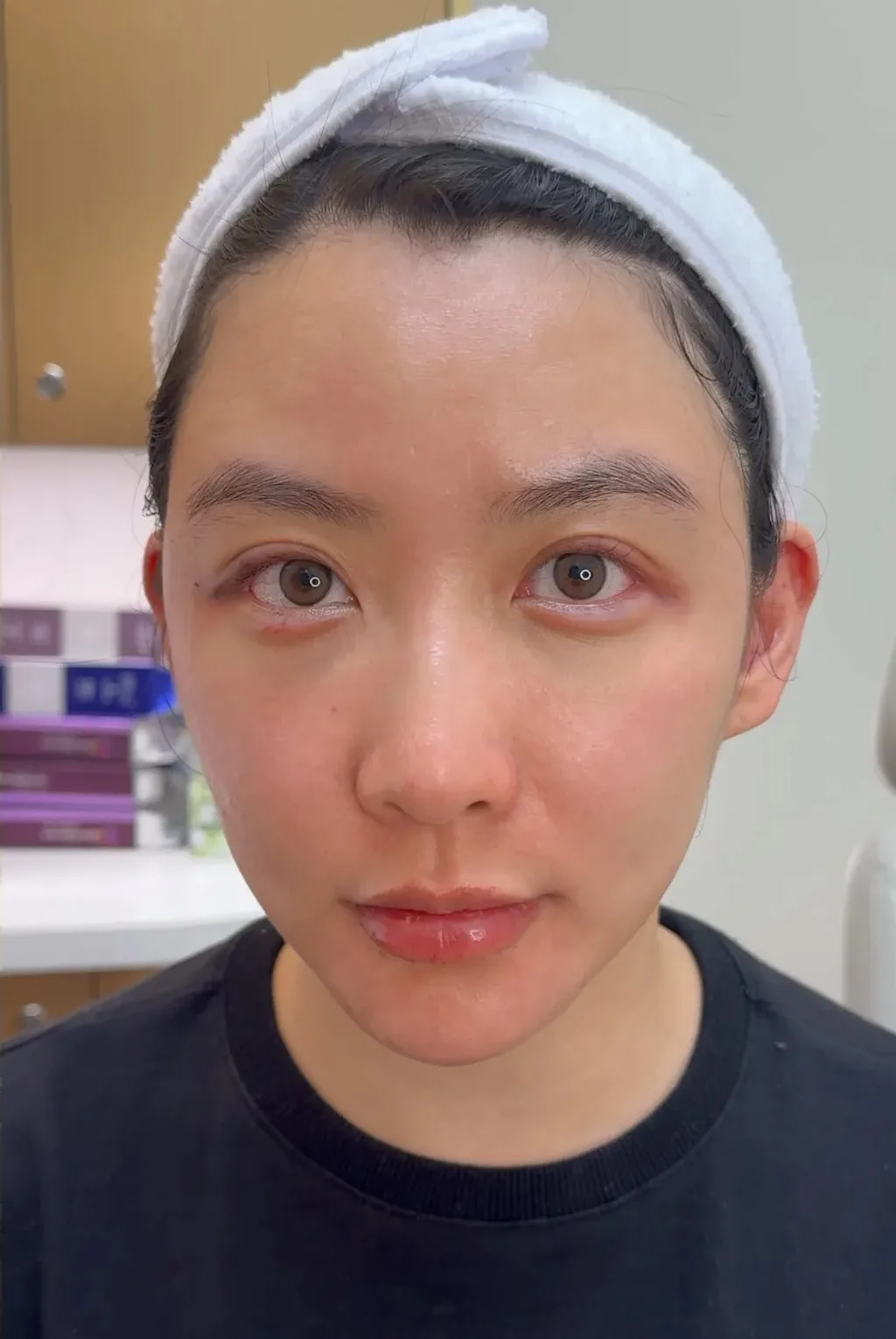
Case 4 · Real-world upper eyelid ptosis record
- Client Profile
- Asian female · Fitzpatrick I · Duration approx. 2–3 years
- Concern
- Upper Eyelid Ptosis (Comprehensive Improvement with Multimodal Combination Protocol)
- Treatment plan
- Dermal fillers + periorbital rejuvenation/brightening injections (multiple sessions within 3 months)
- Degree of improvement
- Significant improvement in upper eyelid ptosis · Overall result looks natural
- Post-inflammatory hyperpigmentation (PIH) risk
- No PIH
- Maintenance
- 6–12 month follow-up · repeat treatment as needed + at-home eye cream maintenance
Case 04: Ptosis (upper eyelid droop) before & after · Asian female · Fitzpatrick I · Present for approximately 2–3 years · Multimodal combination protocol led by our physician, at Luowei Medical Aesthetics Clinic, Nanjing
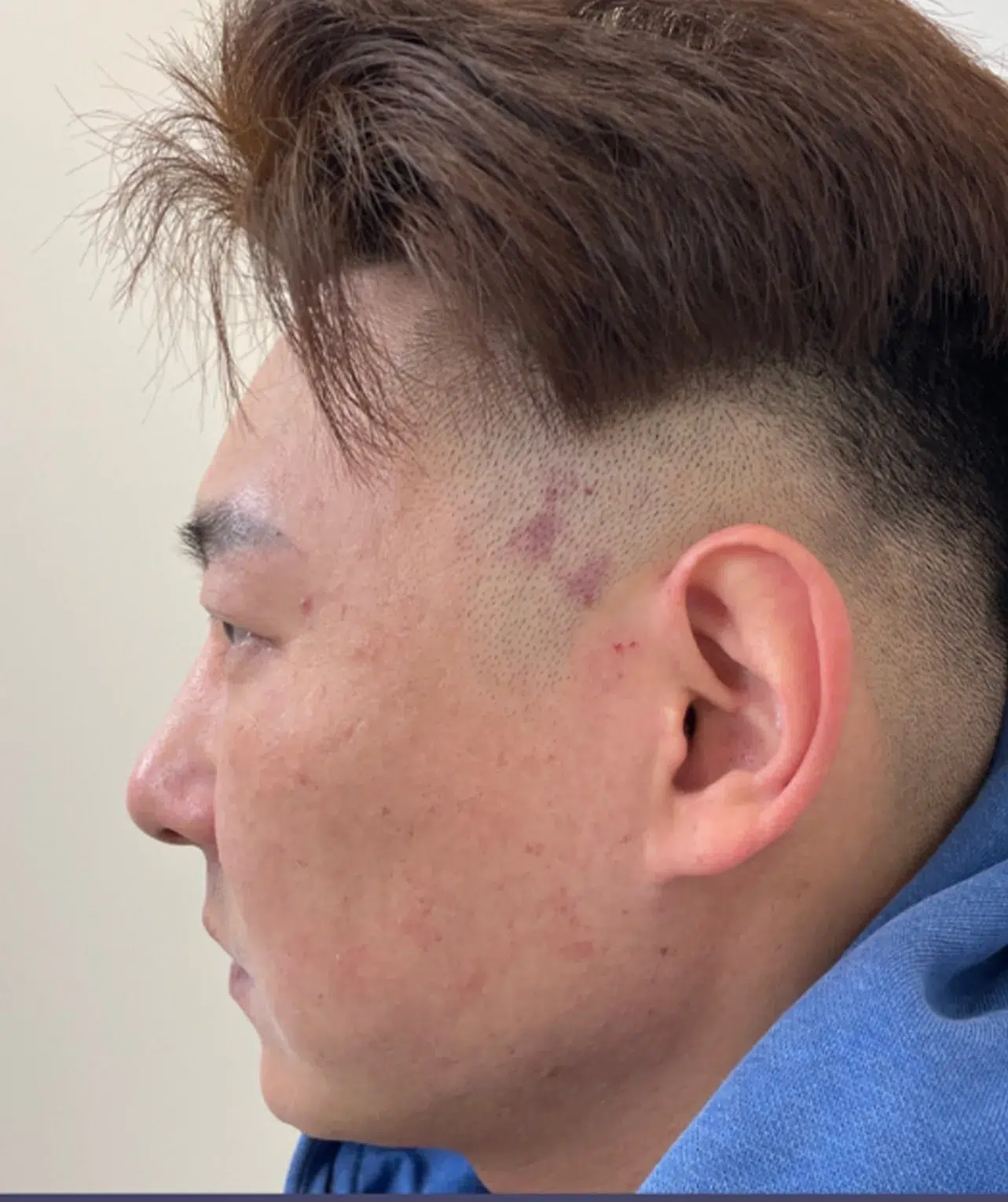
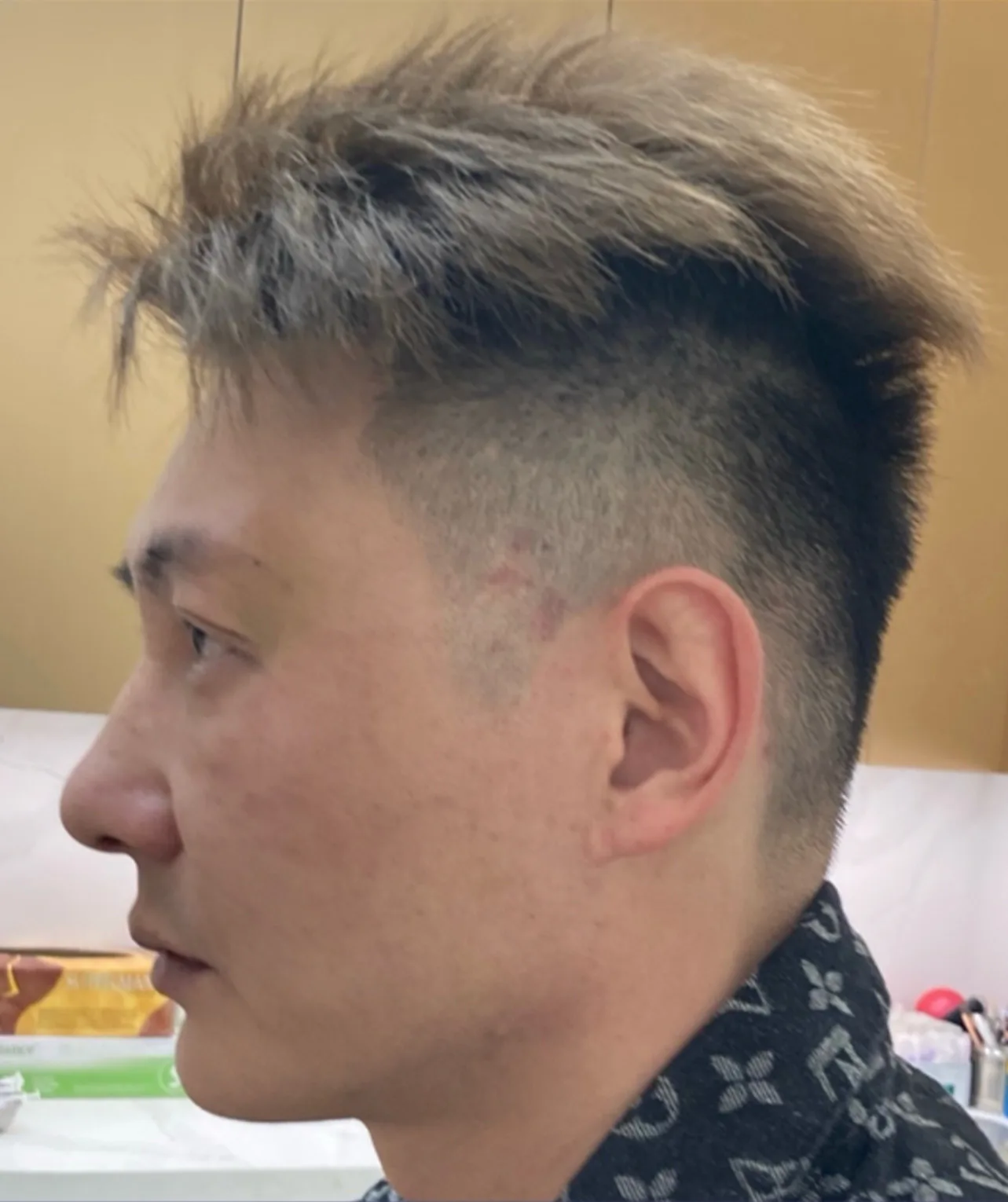
Case 4 · Real-world upper eyelid ptosis record
- Client Profile
- Asian male · Fitzpatrick I
- Concern
- Upper Eyelid Ptosis (Comprehensive Improvement with Multimodal Combination Protocol)
- Treatment plan
- Non-surgical double eyelid thread technique + chin filler + Filler Chin Augmentation + dermal fillers and 7 additional treatments (multiple sessions within 3 months)
- Degree of improvement
- Significant improvement in upper eyelid ptosis · Overall result looks natural
- Post-inflammatory hyperpigmentation (PIH) risk
- No PIH
- Maintenance
- Routine sun protection + monthly home care + quarterly clinical assessment
Case 04: Ptosis (upper eyelid droop) before & after · Asian male · Fitzpatrick I · Multimodal combination protocol led by our physician, at Luowei Medical Aesthetics Clinic, Nanjing
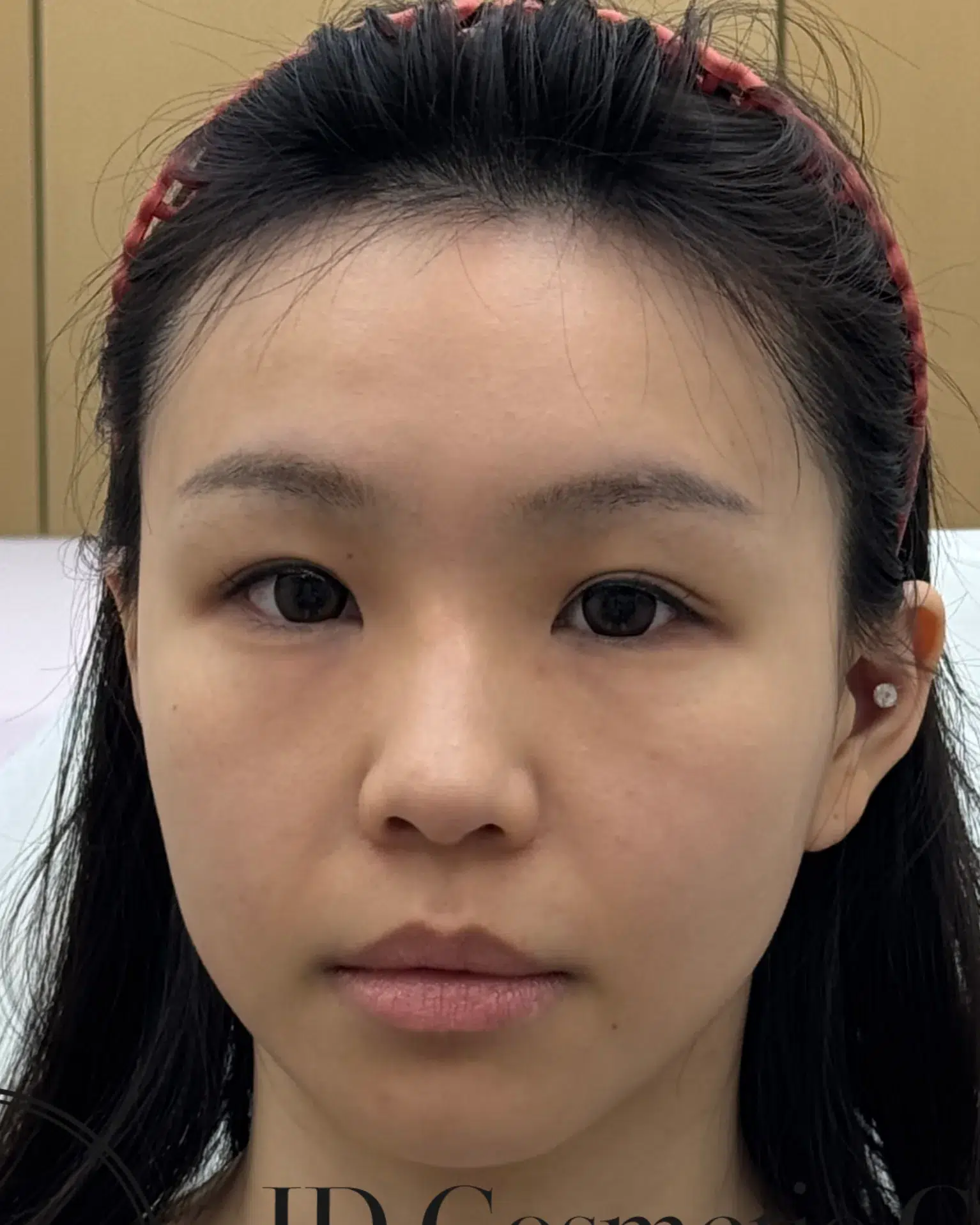
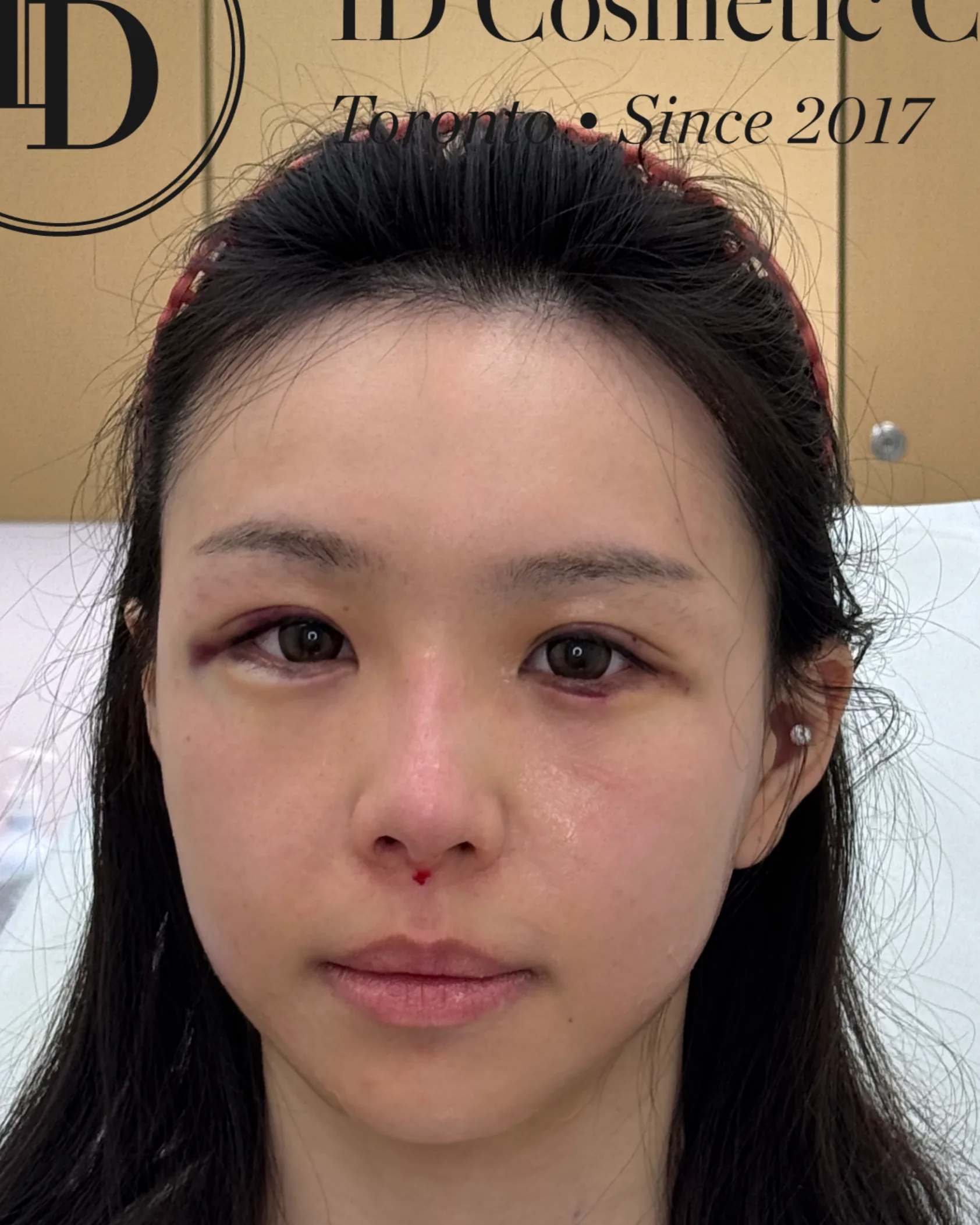
Case 5 · Upper Eyelid Ptosis — Real Patient Record
- Client Profile
- Asian Female · Fitzpatrick I
- Concern
- Upper Eyelid Ptosis (Comprehensive Improvement with Multimodal Combination Protocol)
- Treatment plan
- Non-surgical rhinoplasty with filler (multiple sessions within 3 months)
- Degree of improvement
- Significant improvement in upper eyelid ptosis · Overall result looks natural
- Post-inflammatory hyperpigmentation (PIH) risk
- No PIH
- Maintenance
- 12-18 months later, repeat filler treatment
Case 05: Upper eyelid ptosis — before & after · Asian female · Fitzpatrick I · Multimodal combination protocol led by our physician at Luowei Medical Aesthetics Clinic, Nanjing
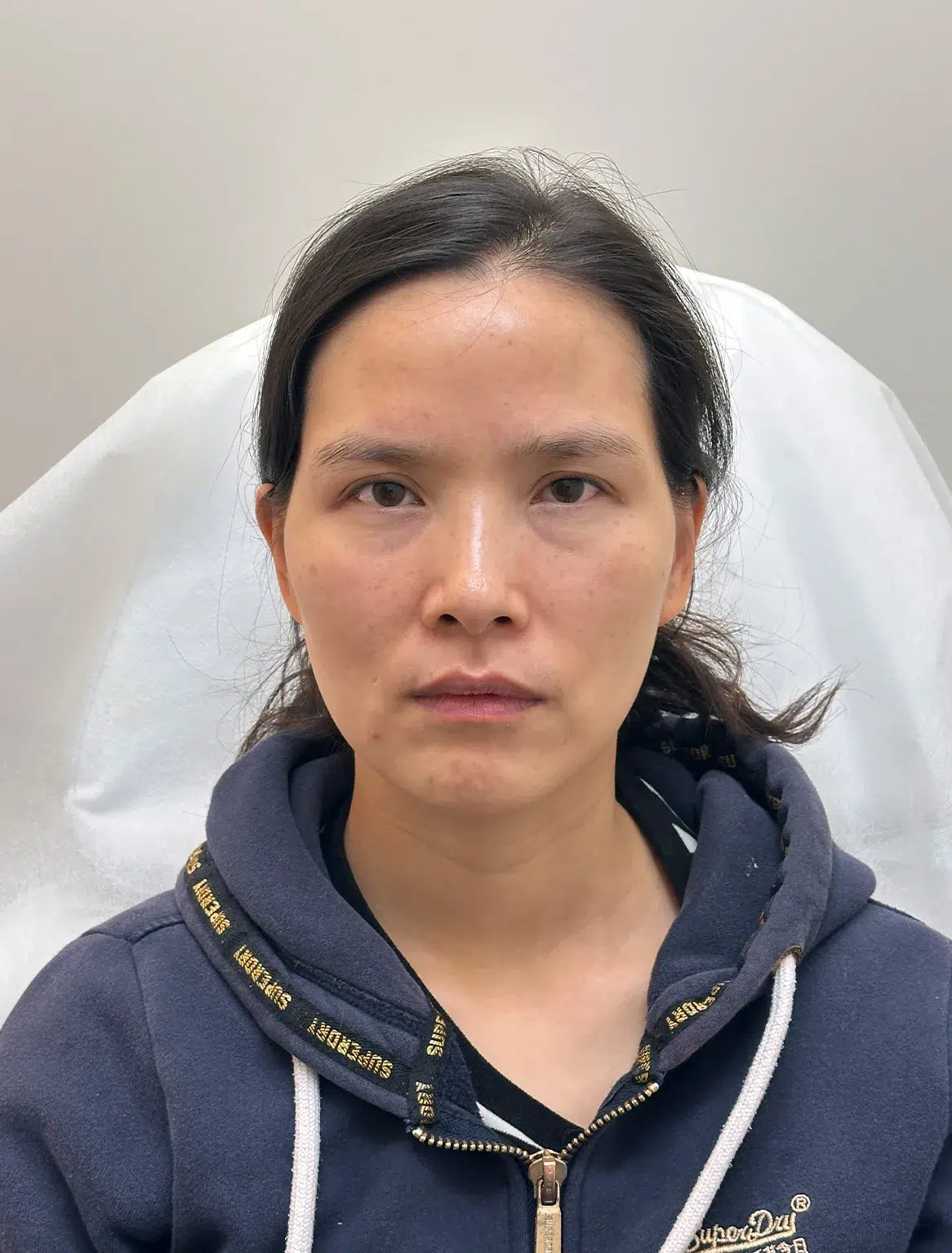
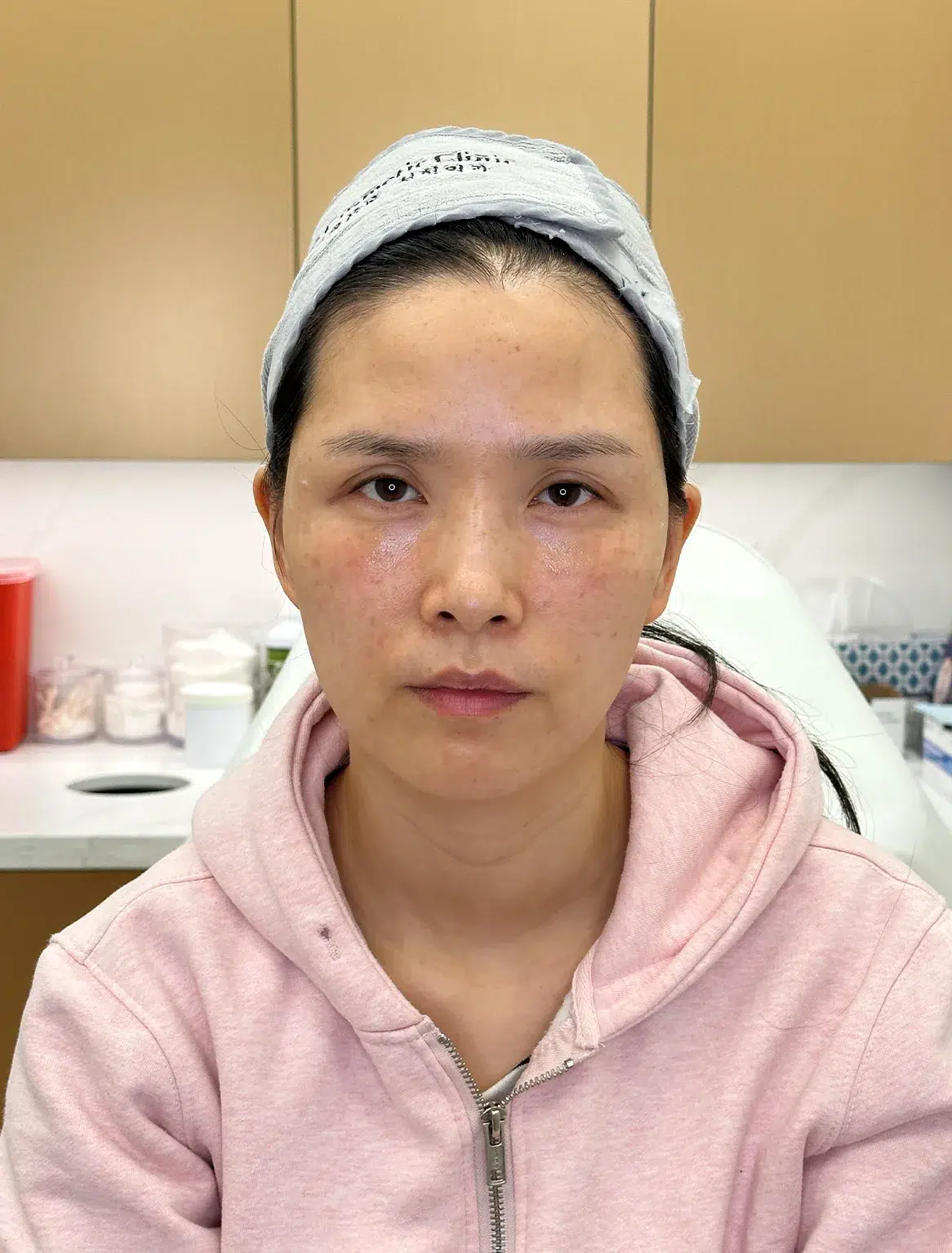
Case 7 · Real-world upper eyelid ptosis record
- Client Profile
- Asian female · Fitzpatrick I · Duration approx. 2–3 years
- Concern
- Upper Eyelid Ptosis (Comprehensive Improvement with Multimodal Combination Protocol)
- Treatment plan
- Dermal fillers + periorbital rejuvenation/brightening injections (multiple sessions within 3 months)
- Degree of improvement
- Significant improvement in upper eyelid ptosis · Overall result looks natural
- Post-inflammatory hyperpigmentation (PIH) risk
- No PIH
- Maintenance
- 6–12 month follow-up · repeat treatment as needed + at-home eye cream maintenance
Case 07: Upper eyelid ptosis — before & after · Asian female · Fitzpatrick I · Duration approx. 2–3 years · Multimodal combination protocol led by our physician at Luowei Medical Aesthetics Clinic, Nanjing
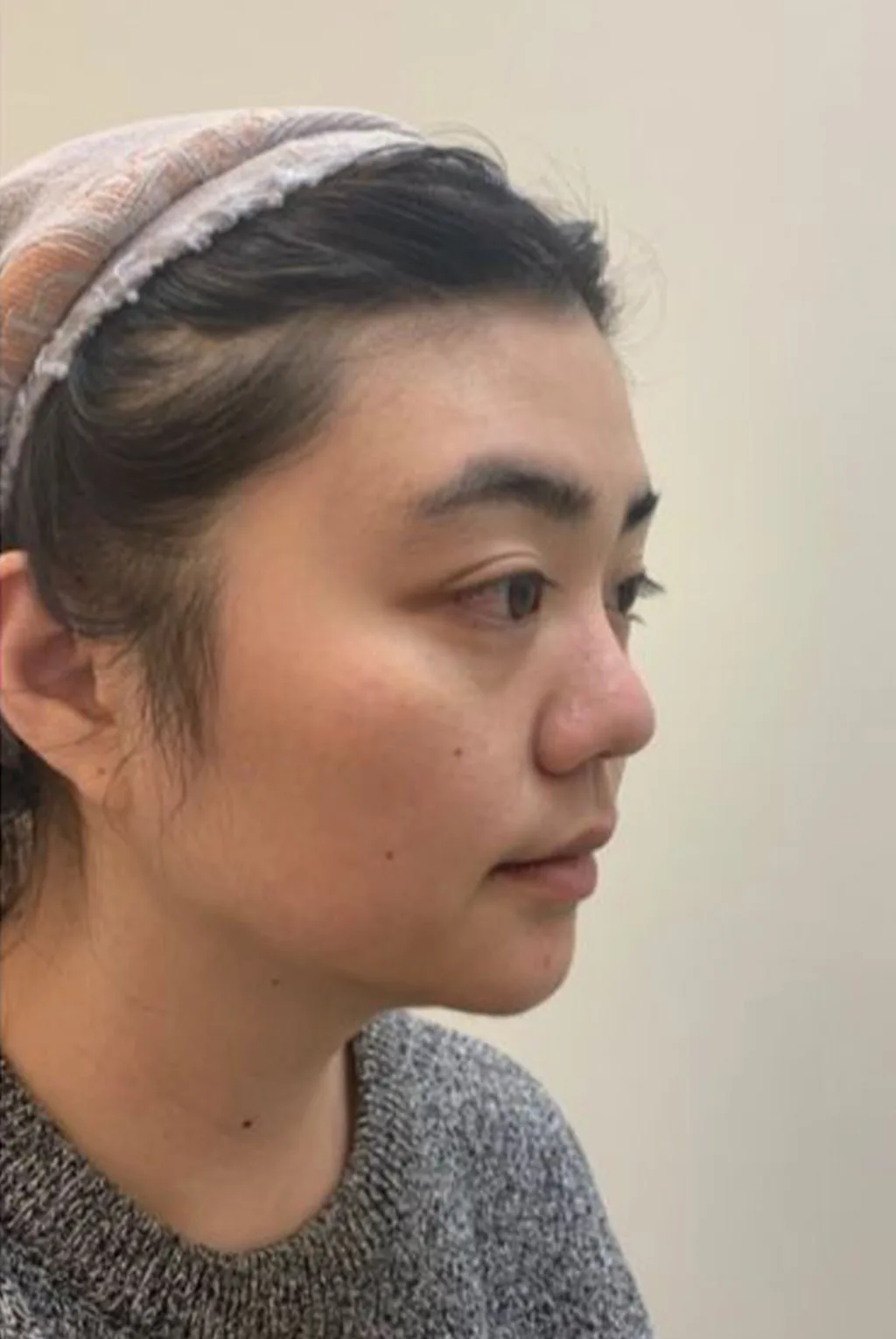
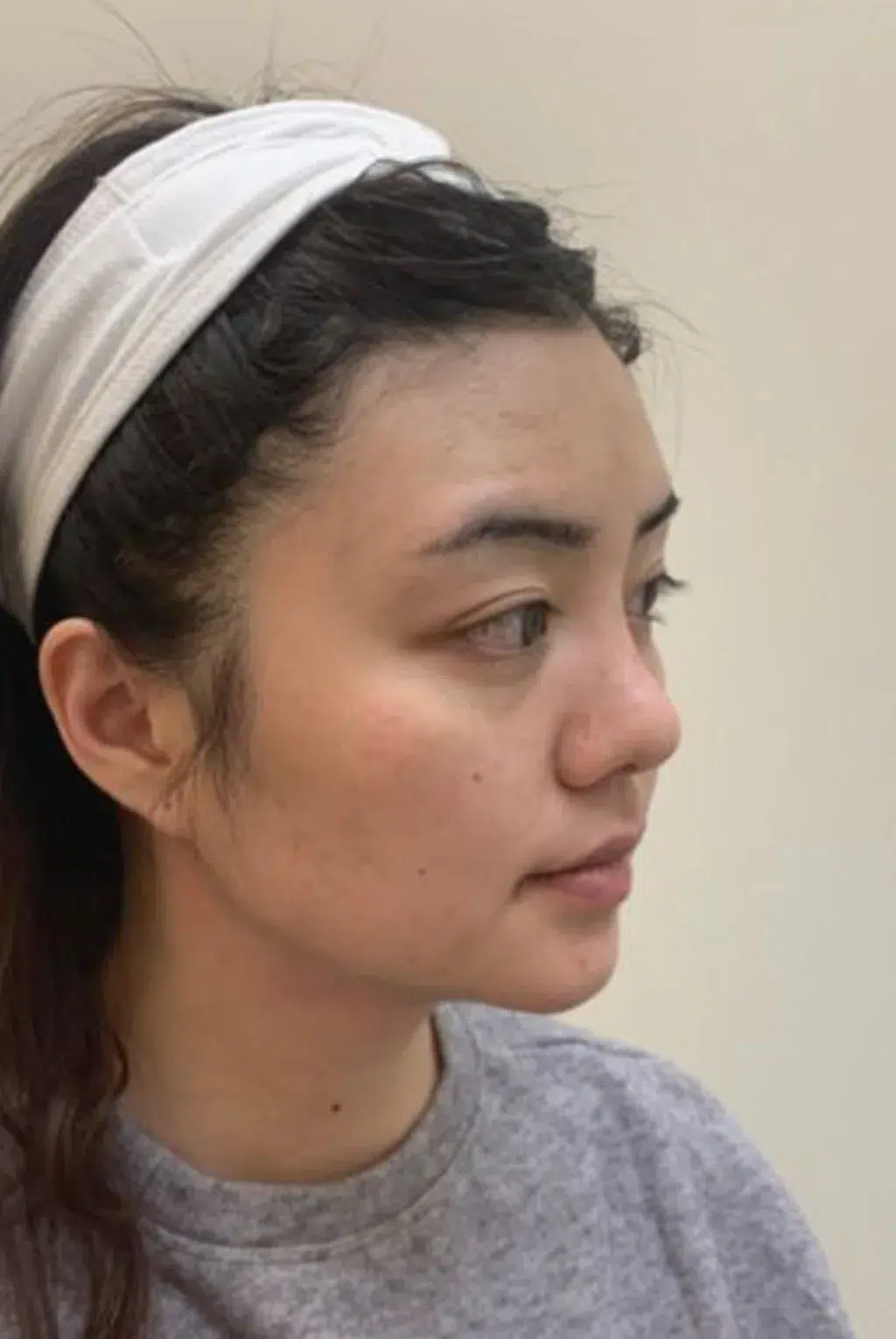
Case 7 · Real-world upper eyelid ptosis record
- Client Profile
- Asian Female · Fitzpatrick I
- Concern
- Upper Eyelid Ptosis (Comprehensive Improvement with Multimodal Combination Protocol)
- Treatment plan
- Chin augmentation with filler + dermal fillers + Juvéderm® + nose augmentation with filler and 7 more treatments (multiple sessions within 3 months)
- Degree of improvement
- Significant improvement in upper eyelid ptosis · Overall result looks natural
- Post-inflammatory hyperpigmentation (PIH) risk
- No PIH
- Maintenance
- Routine sun protection + monthly home care + quarterly clinical assessment
Case 07: Upper Eyelid Ptosis — Before & After · Asian Female · Fitzpatrick I · Multimodal combination protocol led by our physician at Luowei Medical Aesthetics Clinic, Nanjing
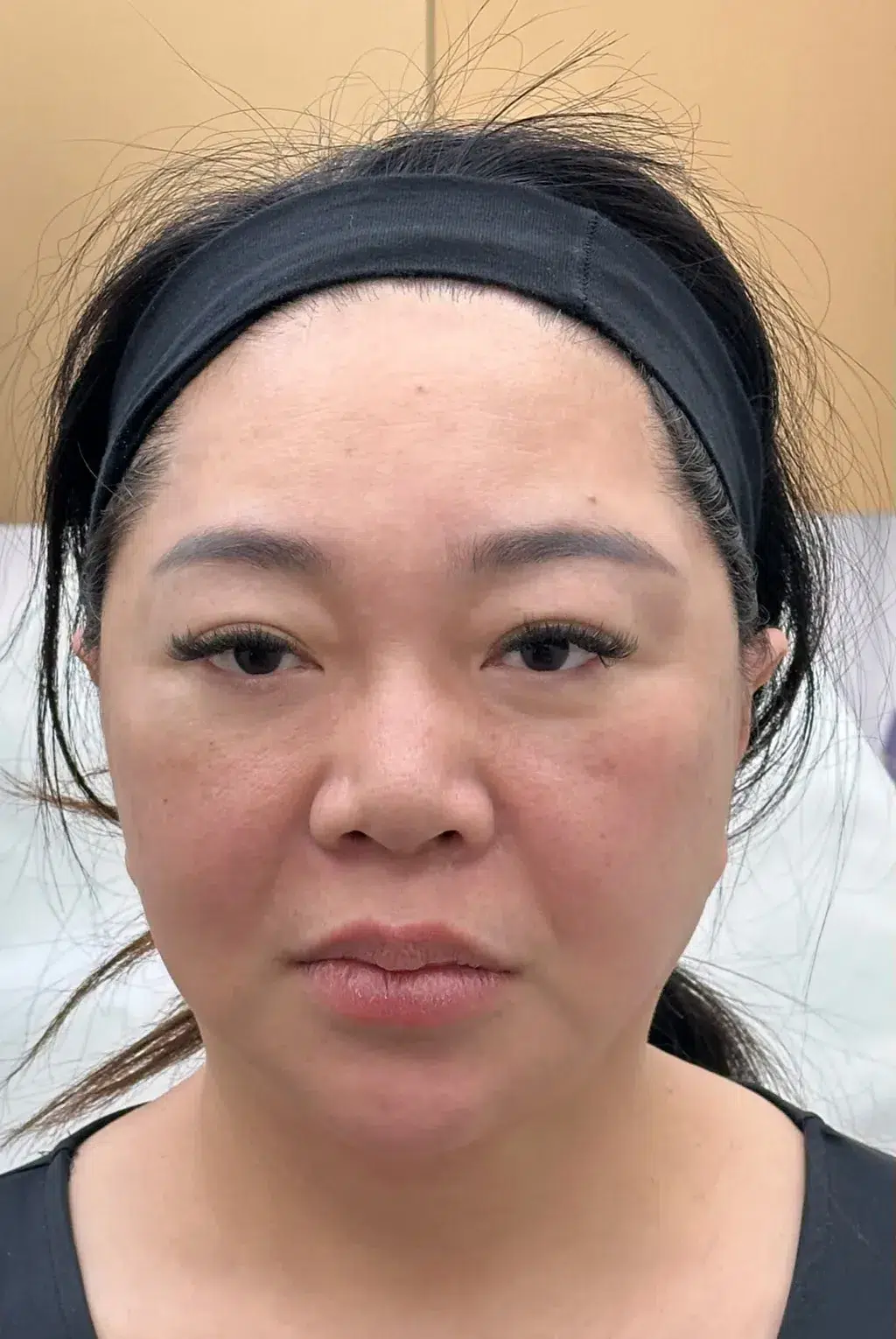
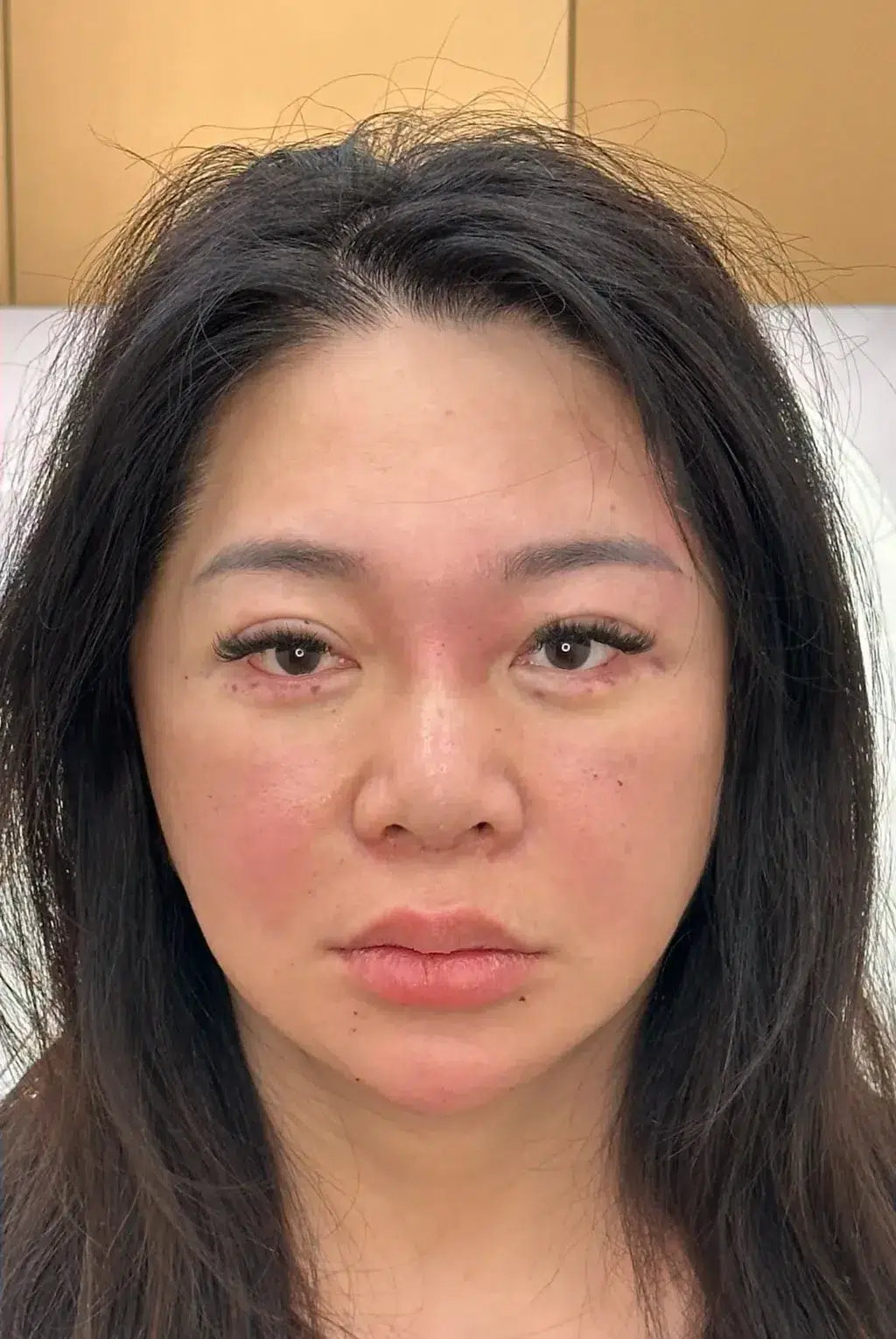
Case 8 · Upper Eyelid Ptosis — Real Patient Record
- Client Profile
- Asian female · Fitzpatrick I · Duration approx. 2–3 years
- Concern
- Upper Eyelid Ptosis (Comprehensive Improvement with Multimodal Combination Protocol)
- Treatment plan
- Dermal fillers + periorbital rejuvenation/brightening injections (multiple sessions within 3 months)
- Degree of improvement
- Significant improvement in upper eyelid ptosis · Overall result looks natural
- Post-inflammatory hyperpigmentation (PIH) risk
- No PIH
- Maintenance
- 6–12 month follow-up · repeat treatment as needed + at-home eye cream maintenance
Case 08: Upper Eyelid Ptosis — Before & After · Asian Female · Fitzpatrick I · Duration approx. 2–3 years · Multimodal combination protocol led by our physician at Luowei Medical Aesthetics Clinic, Nanjing
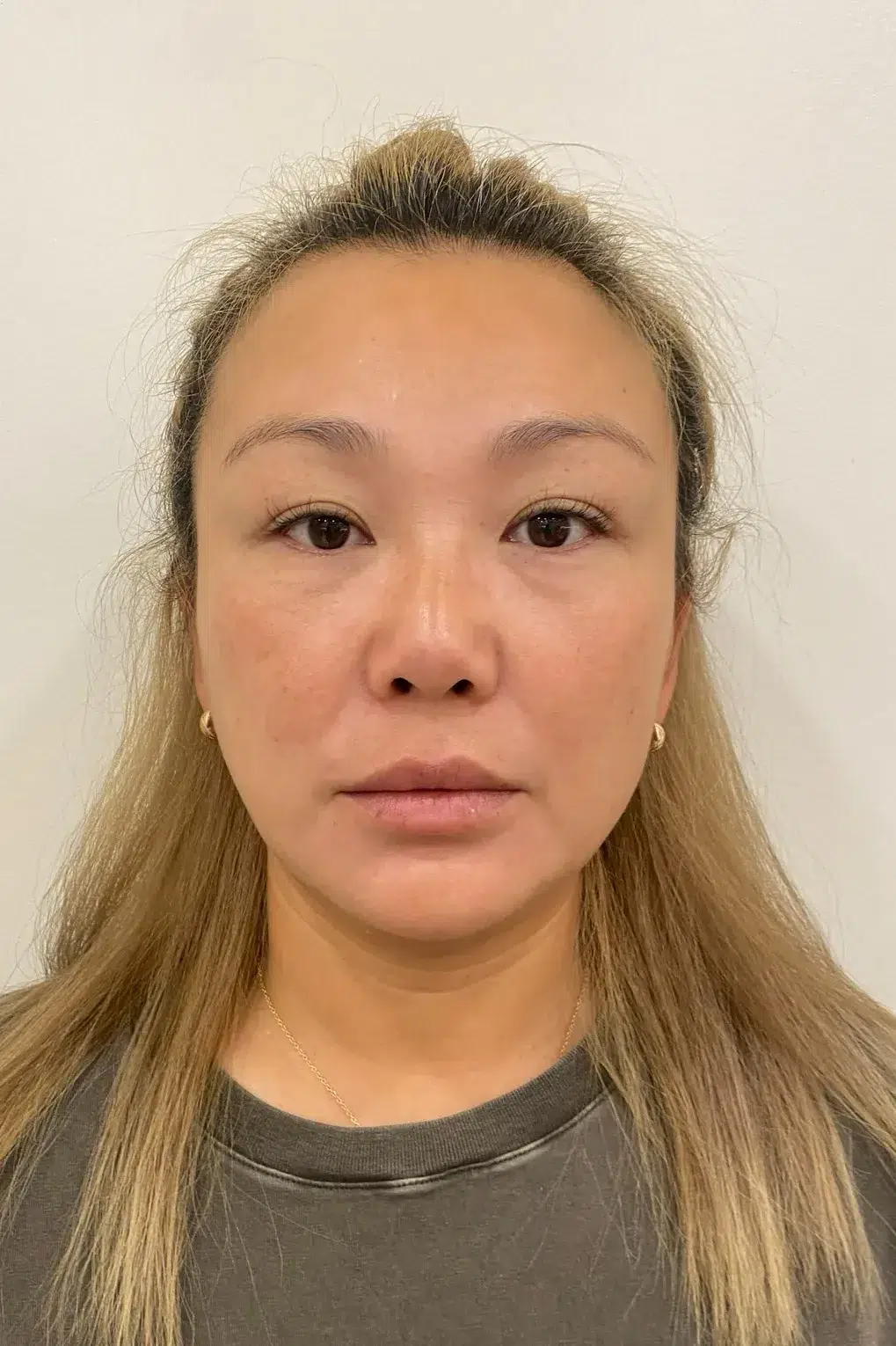
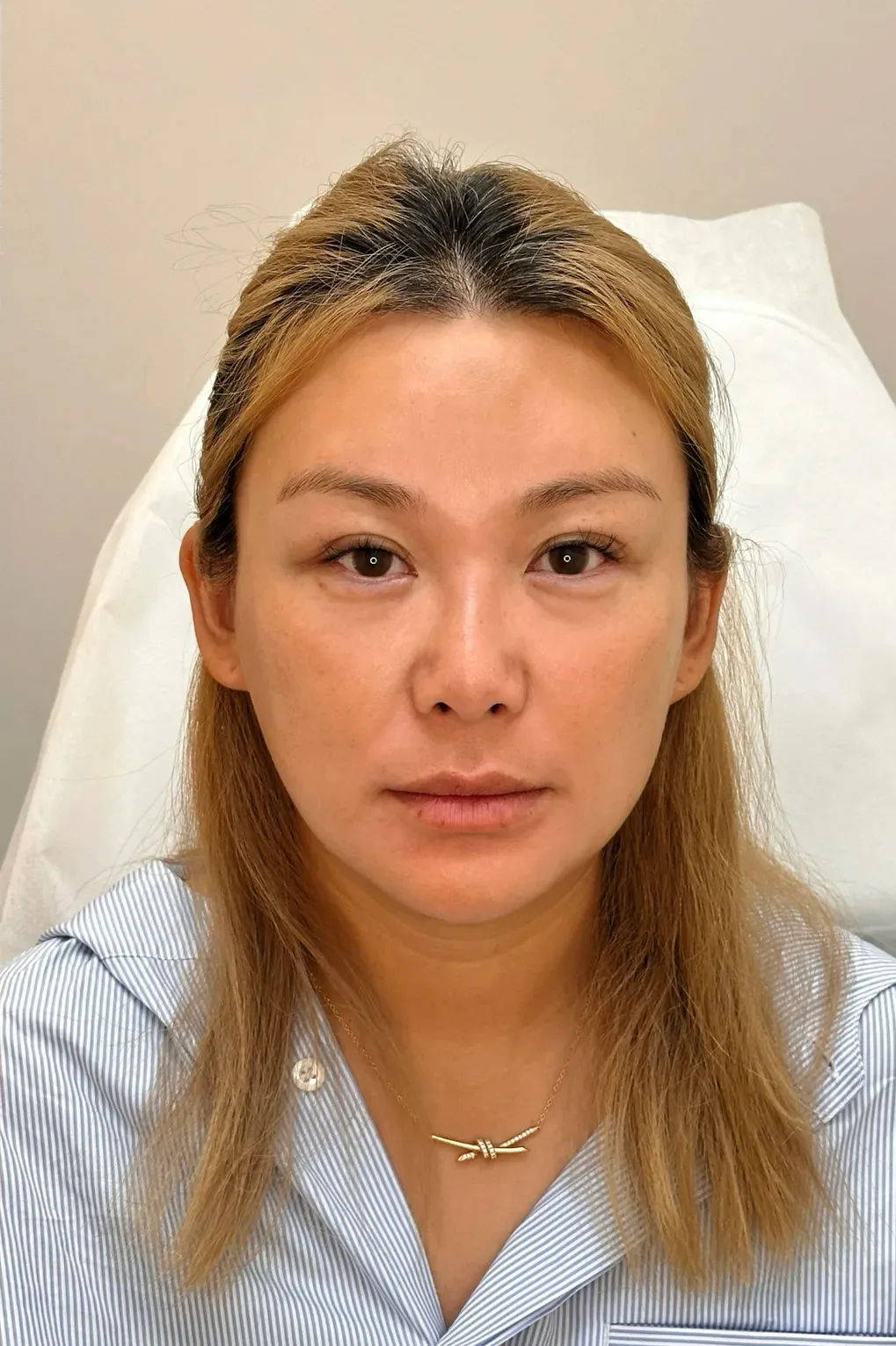
Case 8 · Upper Eyelid Ptosis — Real Patient Record
- Client Profile
- Asian female · Fitzpatrick I · Duration approx. 2–3 years
- Concern
- Upper Eyelid Ptosis (Comprehensive Improvement with Multimodal Combination Protocol)
- Treatment plan
- Dermal fillers + periorbital rejuvenation/brightening injections (multiple sessions within 3 months)
- Degree of improvement
- Significant improvement in upper eyelid ptosis · Overall result looks natural
- Post-inflammatory hyperpigmentation (PIH) risk
- No PIH
- Maintenance
- 6–12 month follow-up · repeat treatment as needed + at-home eye cream maintenance
Case 08: Upper Eyelid Ptosis — Before & After · Asian Female · Fitzpatrick I · Duration approx. 2–3 years · Multimodal combination protocol led by our physician at Luowei Medical Aesthetics Clinic, Nanjing
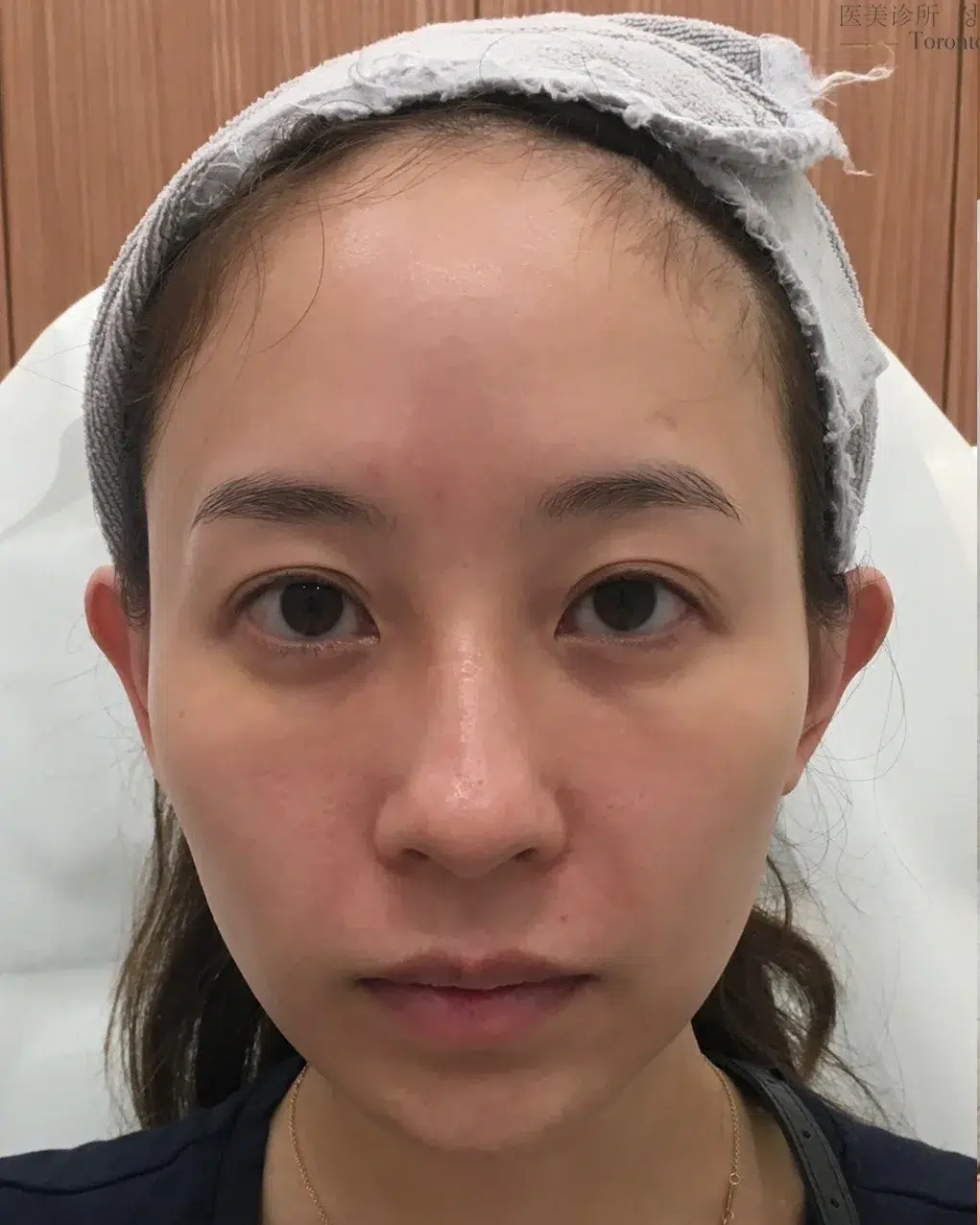
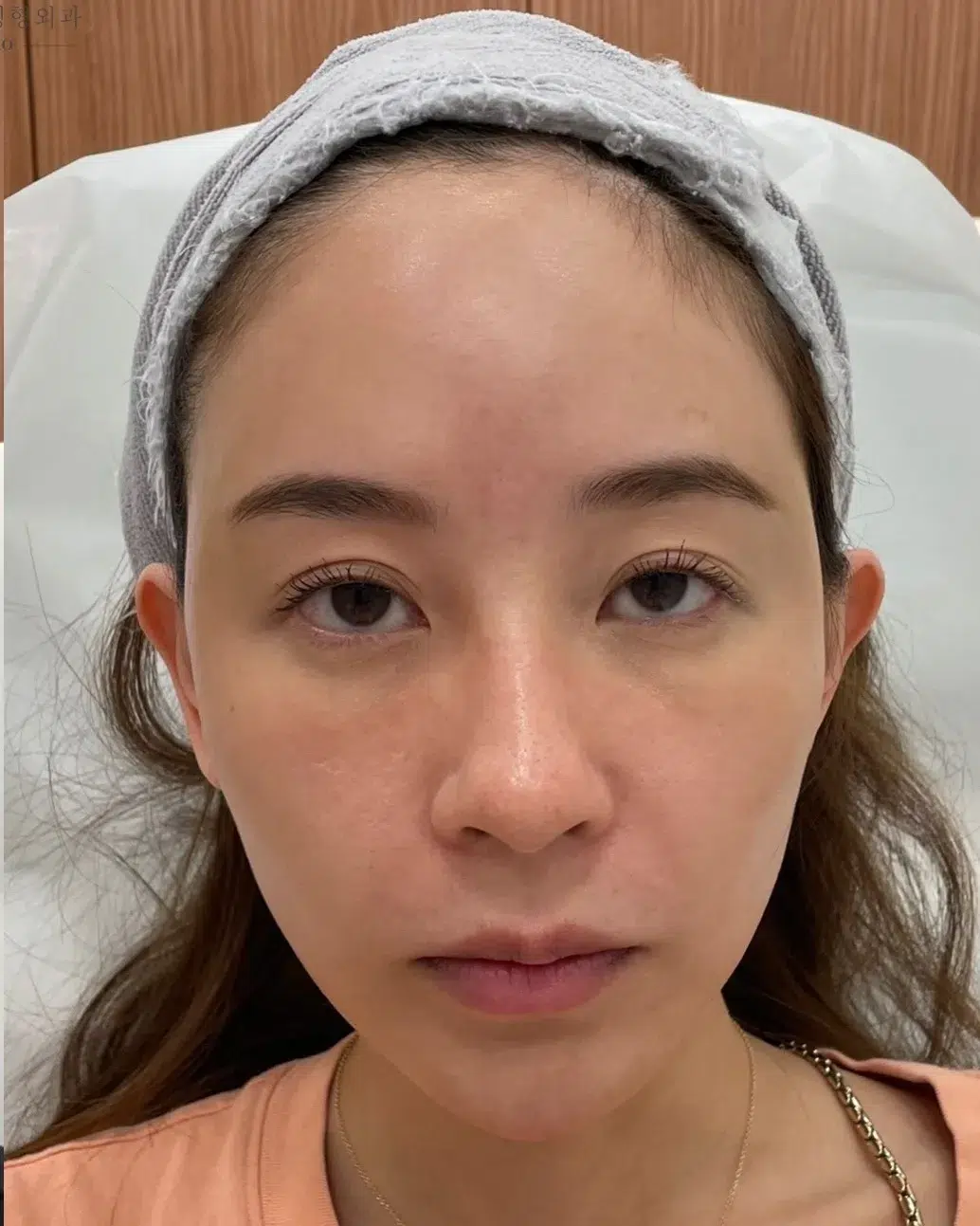
Case 8 · Upper Eyelid Ptosis — Real Patient Record
- Client Profile
- Asian Female · Fitzpatrick IV
- Concern
- Upper Eyelid Ptosis (Comprehensive Improvement with Multimodal Combination Protocol)
- Treatment plan
- Filler Chin Augmentation + Filler Temple Augmentation + Juvéderm® + Teosyal® fillers and 3 additional treatments (multiple sessions within 3 months)
- Degree of improvement
- Significant improvement in upper eyelid ptosis · Overall result looks natural
- Post-inflammatory hyperpigmentation (PIH) risk
- No PIH
- Maintenance
- Routine sun protection + monthly home care + quarterly clinical assessment
Case 08: Upper Eyelid Ptosis — Before & After · Asian Female · Fitzpatrick IV · Multimodal combination protocol led by our physician at Luowei Medical Aesthetics Clinic, Nanjing
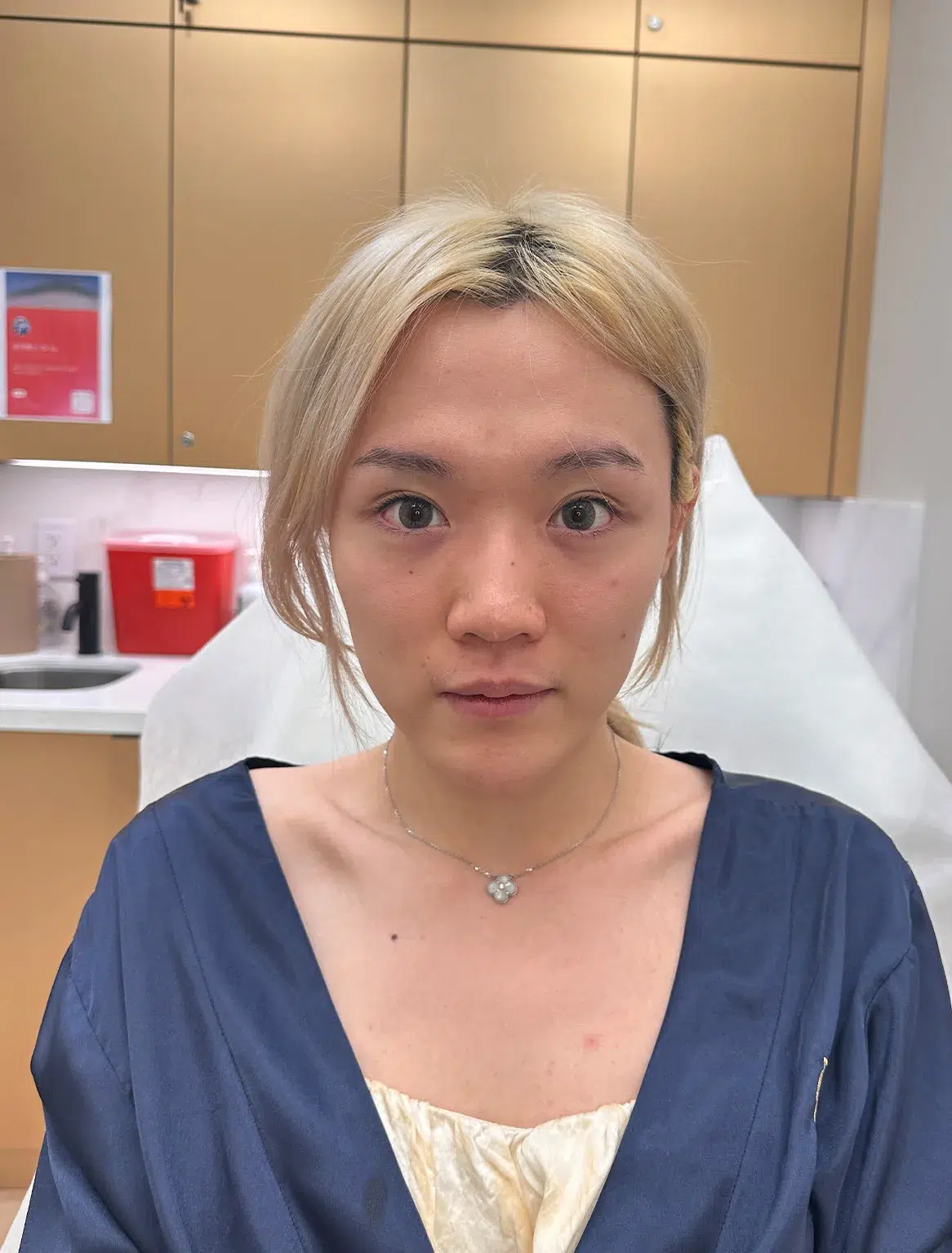
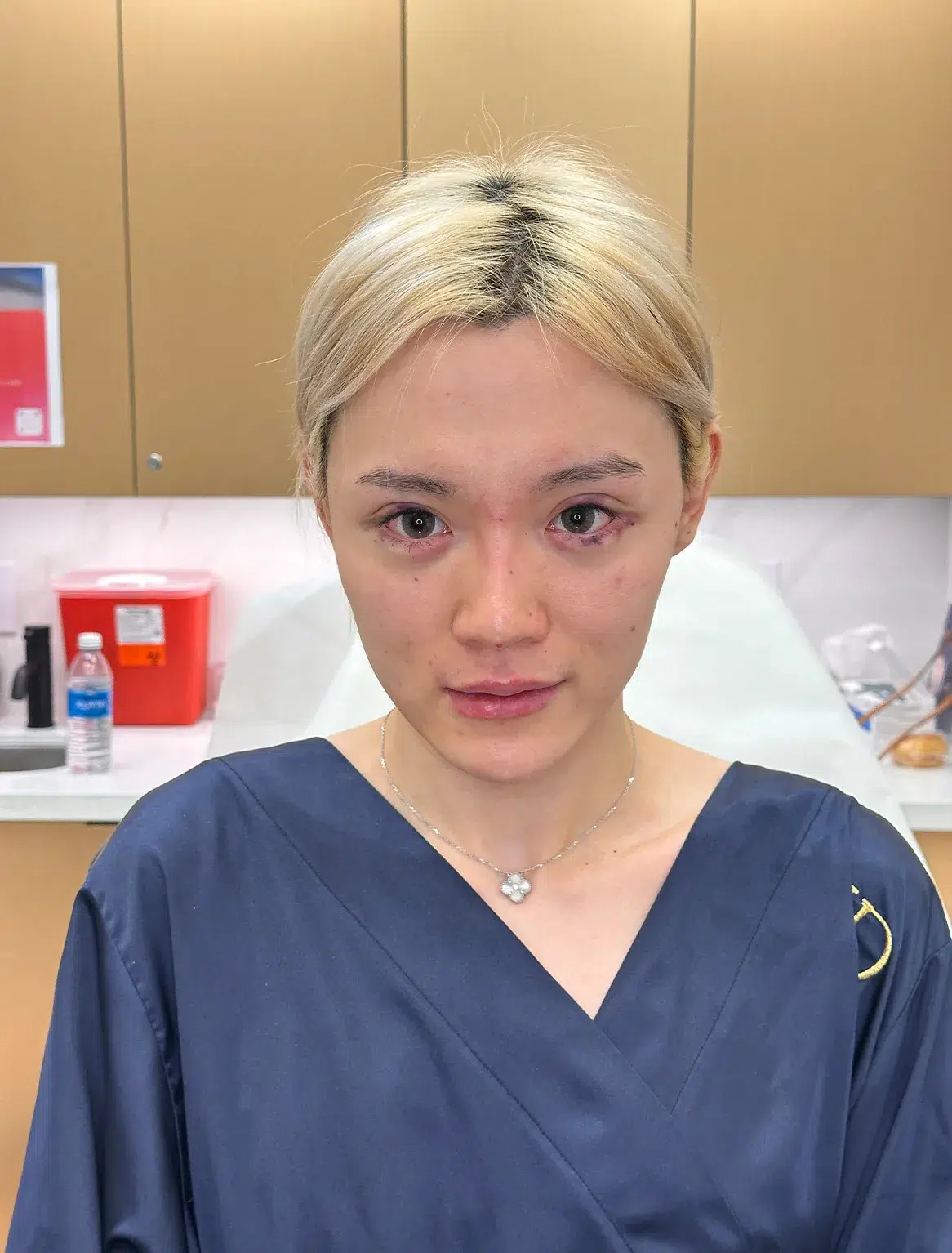
Case 9 · Ptosis (upper eyelid droop) — Real Patient Record
- Client Profile
- Asian Male · Fitzpatrick I · Duration approx. 2–3 years
- Concern
- Upper Eyelid Ptosis (Comprehensive Improvement with Multimodal Combination Protocol)
- Treatment plan
- Dermal fillers + periorbital rejuvenation/brightening injections (multiple sessions within 3 months)
- Degree of improvement
- Significant improvement in upper eyelid ptosis · Overall result looks natural
- Post-inflammatory hyperpigmentation (PIH) risk
- No PIH
- Maintenance
- 6–12 month follow-up · repeat treatment as needed + at-home eye cream maintenance
Case 09: Ptosis (upper eyelid droop) before & after · Asian male · Fitzpatrick I · Present for approximately 2–3 years · Multimodal combination protocol led by our physician, at Luowei Medical Aesthetics Clinic, Nanjing
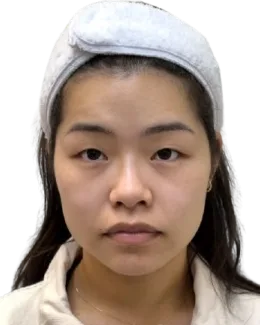
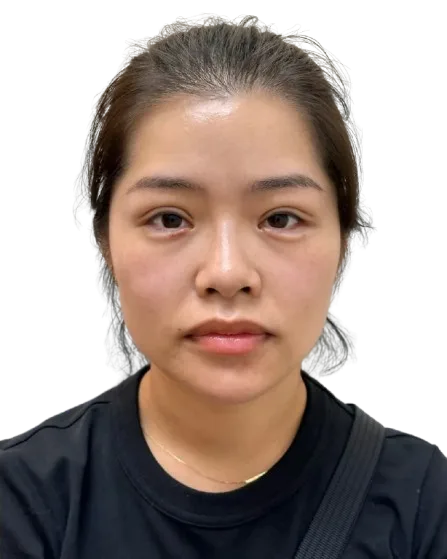
Case 13 · Upper Eyelid Ptosis — Real Patient Record
- Client Profile
- Asian Female · Fitzpatrick IV
- Concern
- Upper Eyelid Ptosis (Comprehensive Improvement with Multimodal Combination Protocol)
- Treatment plan
- Thread Double Eyelid + hyaluronic acid fillers + Teosyal® + collagen stimulators (multiple sessions within 3 months)
- Degree of improvement
- Significant improvement in upper eyelid ptosis · Overall result looks natural
- Post-inflammatory hyperpigmentation (PIH) risk
- No PIH
- Maintenance
- Routine sun protection + monthly home care + quarterly clinical assessment
Case 13: Ptosis (upper eyelid droop) before & after · Asian female · Fitzpatrick IV · Multimodal combination protocol led by our physician, at Luowei Medical Aesthetics Clinic, Nanjing
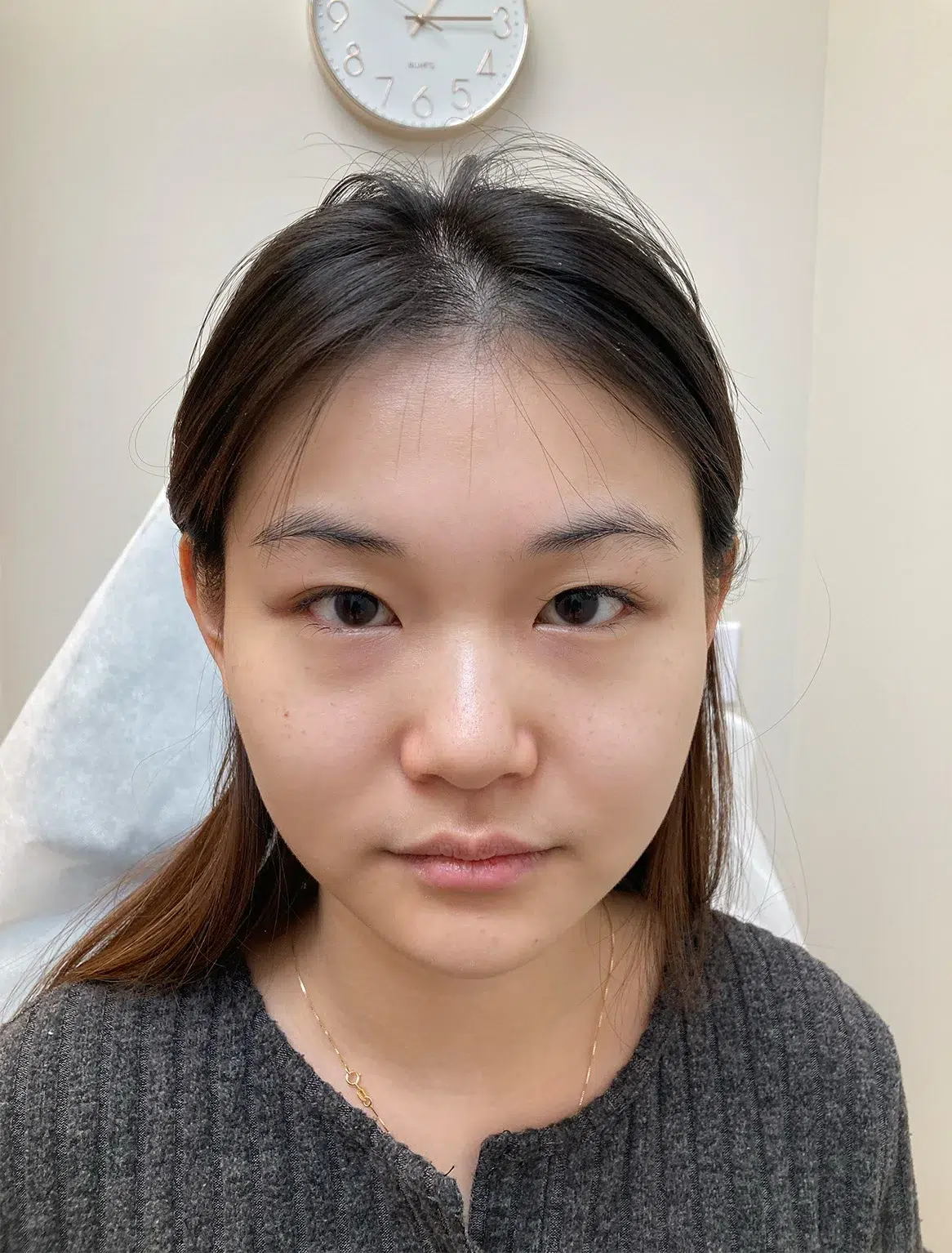
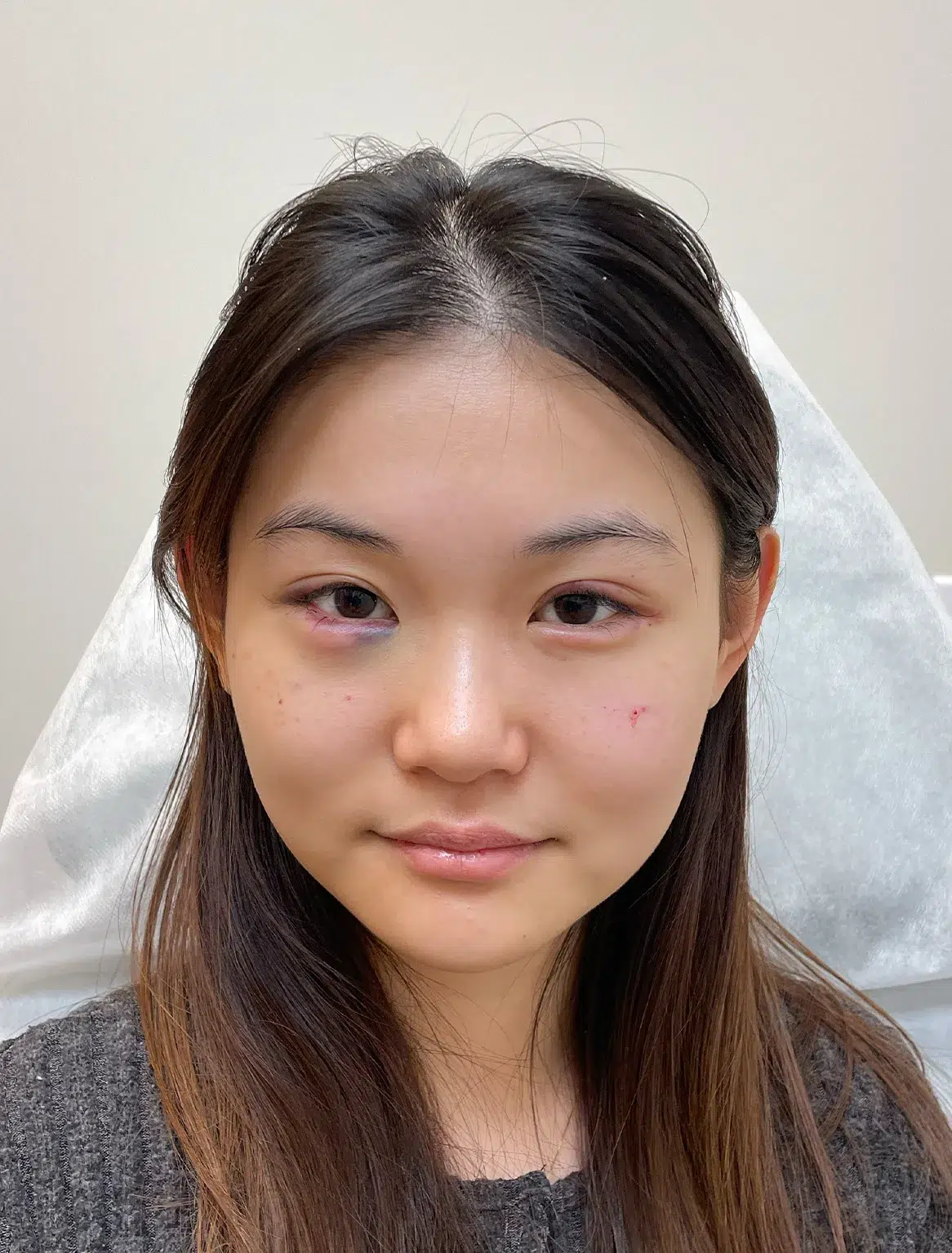
Case 13 · Upper Eyelid Ptosis — Real Patient Record
- Client Profile
- Asian female · Fitzpatrick I · Duration approx. 2–3 years
- Concern
- Upper Eyelid Ptosis (Comprehensive Improvement with Multimodal Combination Protocol)
- Treatment plan
- Dermal fillers + periorbital rejuvenation/brightening injections (multiple sessions within 3 months)
- Degree of improvement
- Significant improvement in upper eyelid ptosis · Overall result looks natural
- Post-inflammatory hyperpigmentation (PIH) risk
- No PIH
- Maintenance
- 6–12 month follow-up · repeat treatment as needed + at-home eye cream maintenance
Case 13: Upper eyelid ptosis — before & after · Asian female · Fitzpatrick I · Duration approx. 2–3 years · Multimodal combination protocol led by our physician at Luowei Medical Aesthetics Clinic, Nanjing
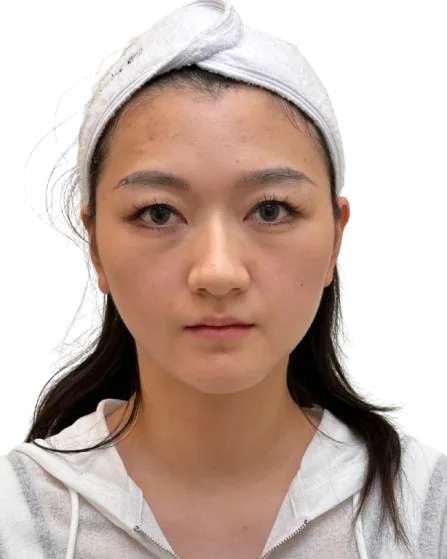
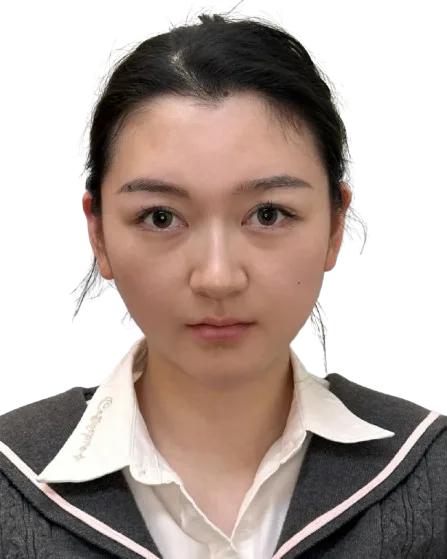
Case 14 · Ptosis (upper eyelid droop) — Real Patient Record
- Client Profile
- Asian Female · Fitzpatrick IV
- Concern
- Upper Eyelid Ptosis (Comprehensive Improvement with Multimodal Combination Protocol)
- Treatment plan
- Thread Double Eyelid + hyaluronic acid fillers including Juvéderm®, Stylage®, and 5 additional treatments (multiple sessions within 3 months)
- Degree of improvement
- Significant improvement in upper eyelid ptosis · Overall result looks natural
- Post-inflammatory hyperpigmentation (PIH) risk
- No PIH
- Maintenance
- Routine sun protection + monthly home care + quarterly clinical assessment
Case 14: Upper eyelid ptosis — before & after · Asian female · Fitzpatrick IV · Multimodal combination protocol led by our physician at Luowei Medical Aesthetics Clinic, Nanjing
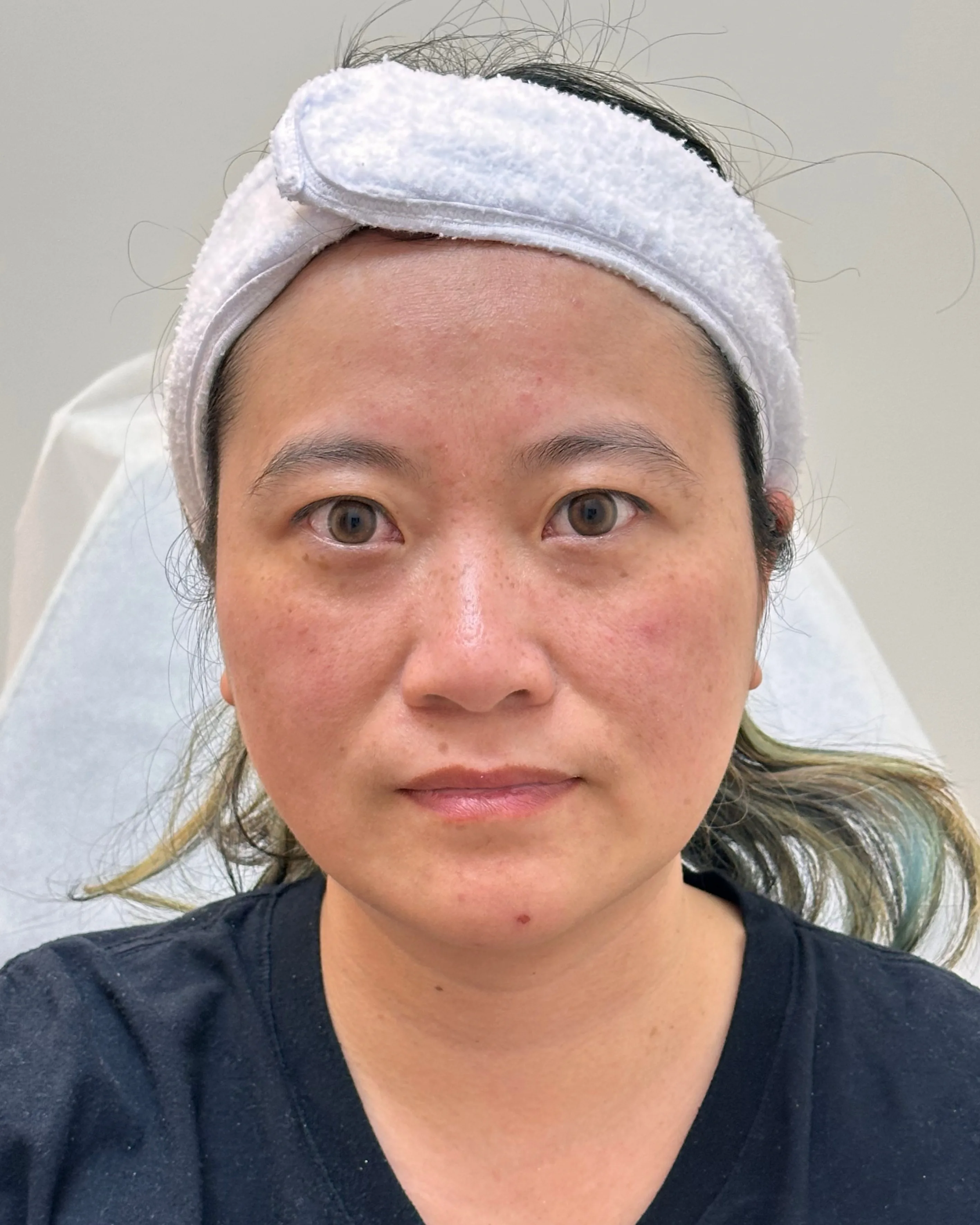
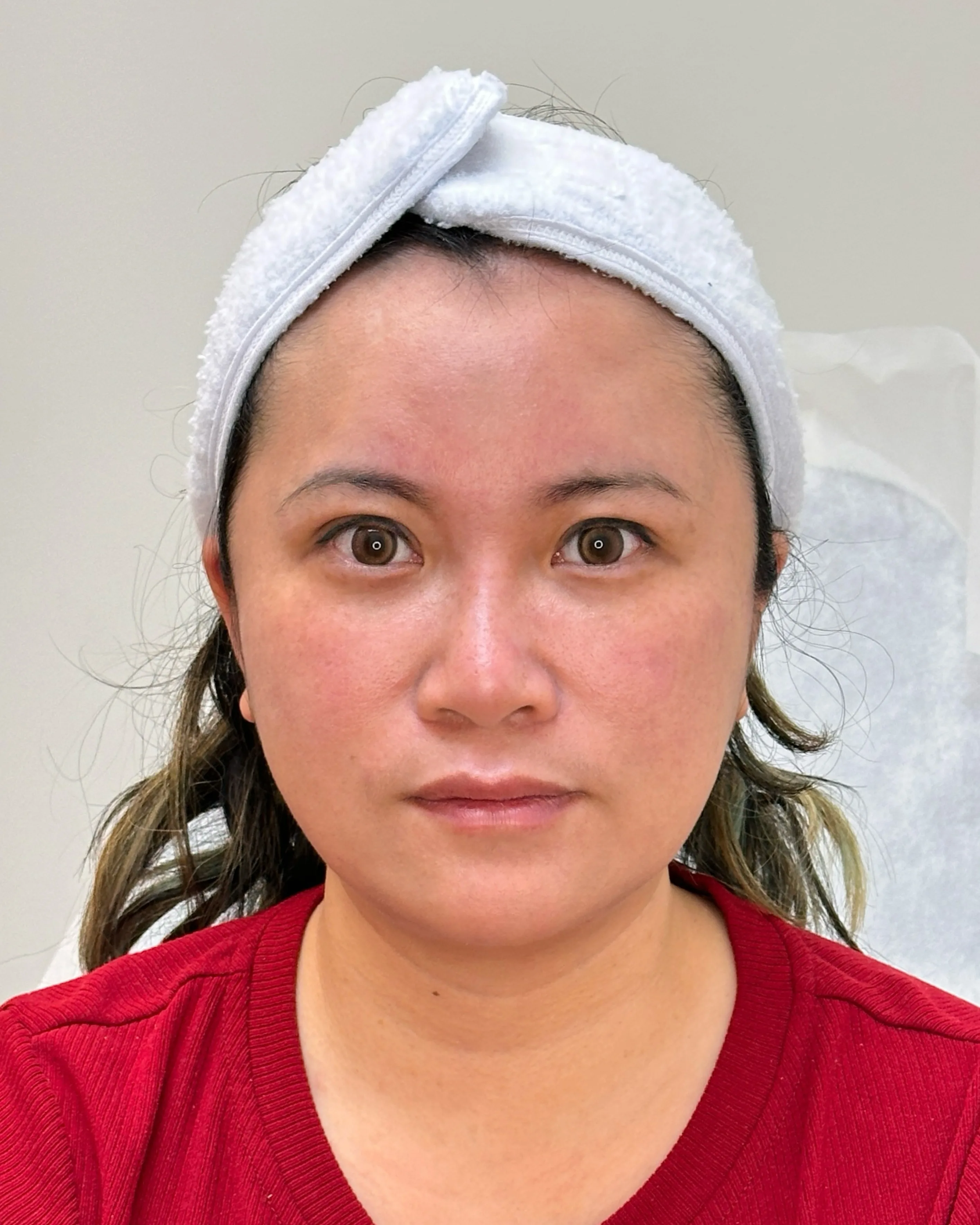
Case 14 · Ptosis (upper eyelid droop) — Real Patient Record
- Client Profile
- Asian Female · Fitzpatrick IV
- Concern
- Upper Eyelid Ptosis (Comprehensive Improvement with Multimodal Combination Protocol)
- Treatment plan
- PicoSure® + PicoSure Pro® + PicoWay® + Thread Double Eyelid, and 12 additional treatments (multiple sessions within 3 months)
- Degree of improvement
- Significant improvement in upper eyelid ptosis · Overall result looks natural
- Post-inflammatory hyperpigmentation (PIH) risk
- No PIH
- Maintenance
- Botox Low-dose maintenance every 4 months + hyaluronic acid lip line enhancement
Case 14: Upper eyelid ptosis — before & after · Asian female · Fitzpatrick IV · Multimodal combination protocol led by our physician at Luowei Medical Aesthetics Clinic, Nanjing
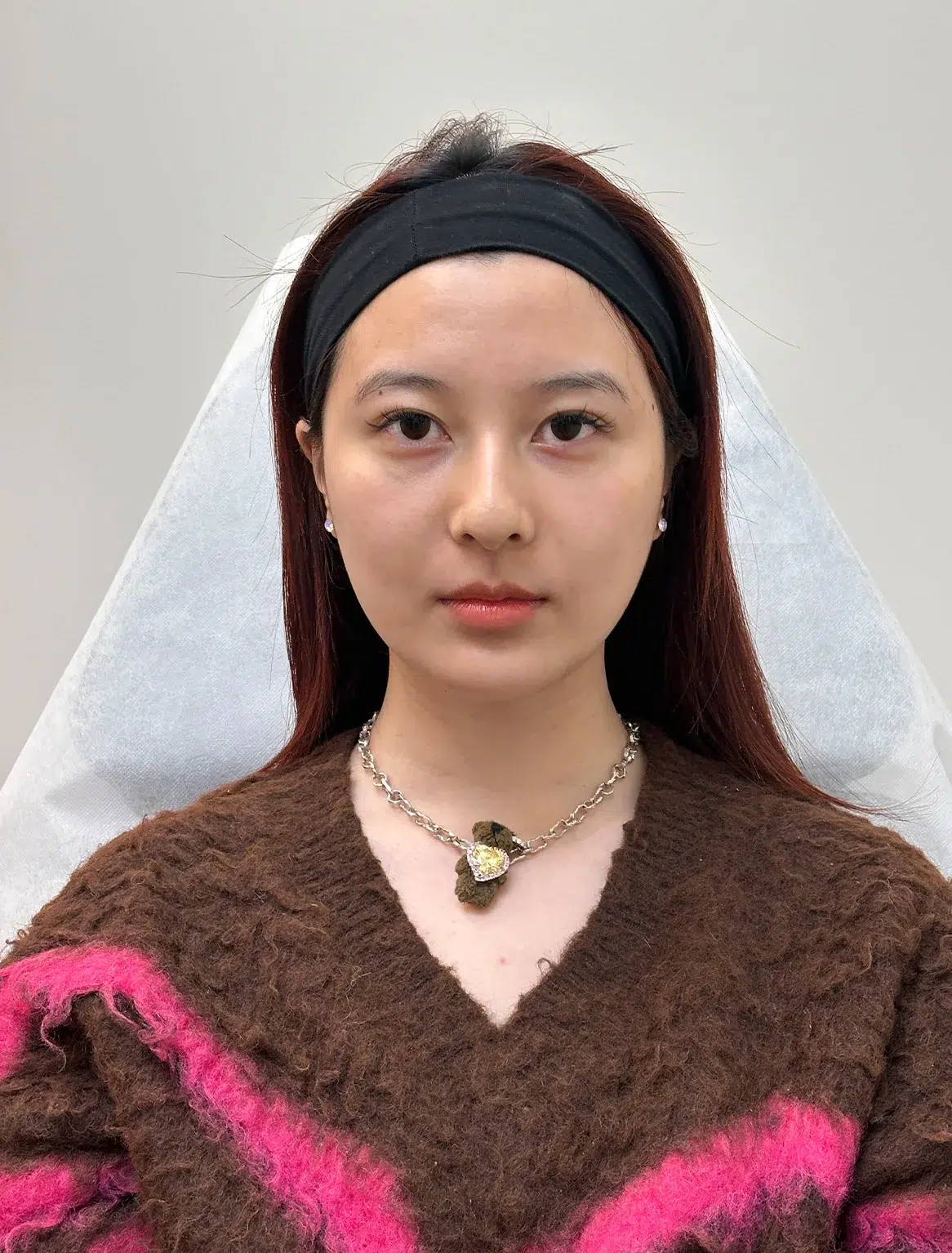

Case 14 · Ptosis (upper eyelid droop) — Real Patient Record
- Client Profile
- Asian female · Fitzpatrick I · Duration approx. 2–3 years
- Concern
- Upper Eyelid Ptosis (Comprehensive Improvement with Multimodal Combination Protocol)
- Treatment plan
- Dermal fillers + periorbital rejuvenation/brightening injections (multiple sessions within 3 months)
- Degree of improvement
- Significant improvement in upper eyelid ptosis · Overall result looks natural
- Post-inflammatory hyperpigmentation (PIH) risk
- No PIH
- Maintenance
- 6–12 month follow-up · repeat treatment as needed + at-home eye cream maintenance
Case 14: Upper Eyelid Ptosis — Before & After · Asian Female · Fitzpatrick I · Duration approx. 2–3 years · Multimodal combination protocol led by our physician at Luowei Medical Aesthetics Clinic, Nanjing
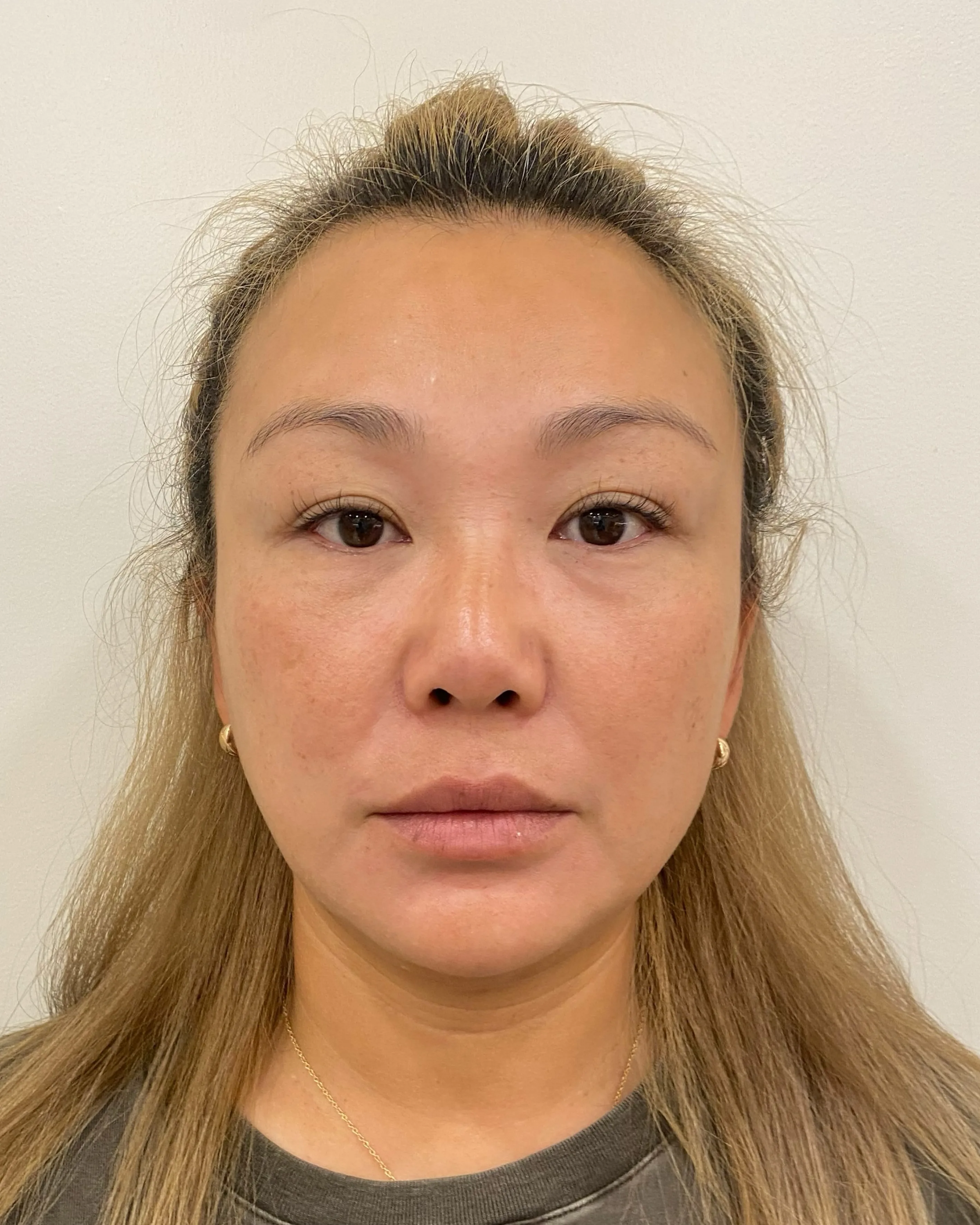
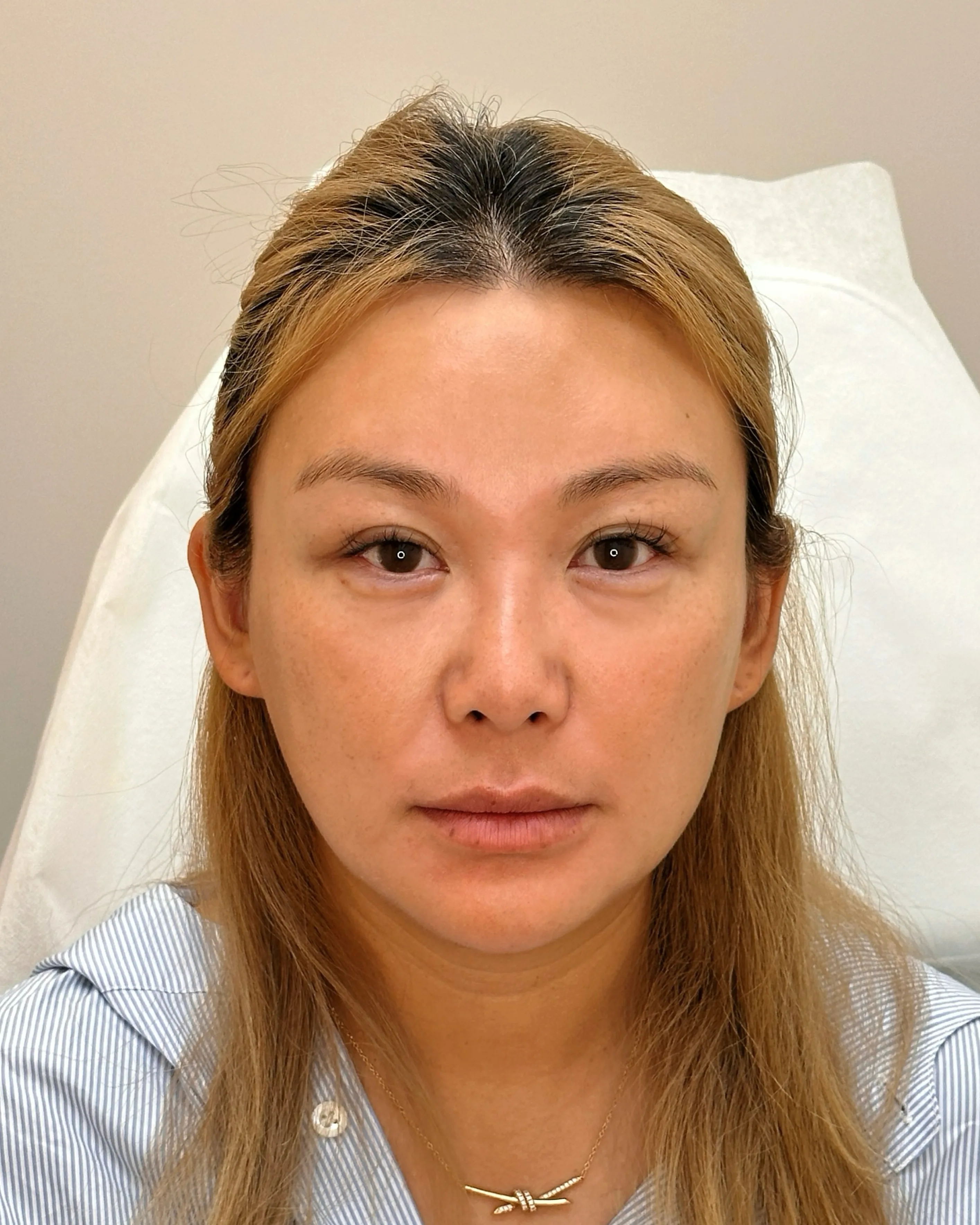
Case 15 · Real-world upper eyelid ptosis record
- Client Profile
- Asian Female · Fitzpatrick IV
- Concern
- Upper Eyelid Ptosis (Comprehensive Improvement with Multimodal Combination Protocol)
- Treatment plan
- Hyaluronic acid fillers including Juvéderm®, Stylage®, Teosyal®, and 5 additional treatments (multiple sessions within 3 months)
- Degree of improvement
- Significant improvement in upper eyelid ptosis · Overall result looks natural
- Post-inflammatory hyperpigmentation (PIH) risk
- No PIH
- Maintenance
- Botox Low-dose maintenance every 4 months + hyaluronic acid lip line enhancement
Case 15: Upper Eyelid Ptosis — Before & After · Asian Female · Fitzpatrick IV · Multimodal combination protocol led by our physician at Luowei Medical Aesthetics Clinic, Nanjing
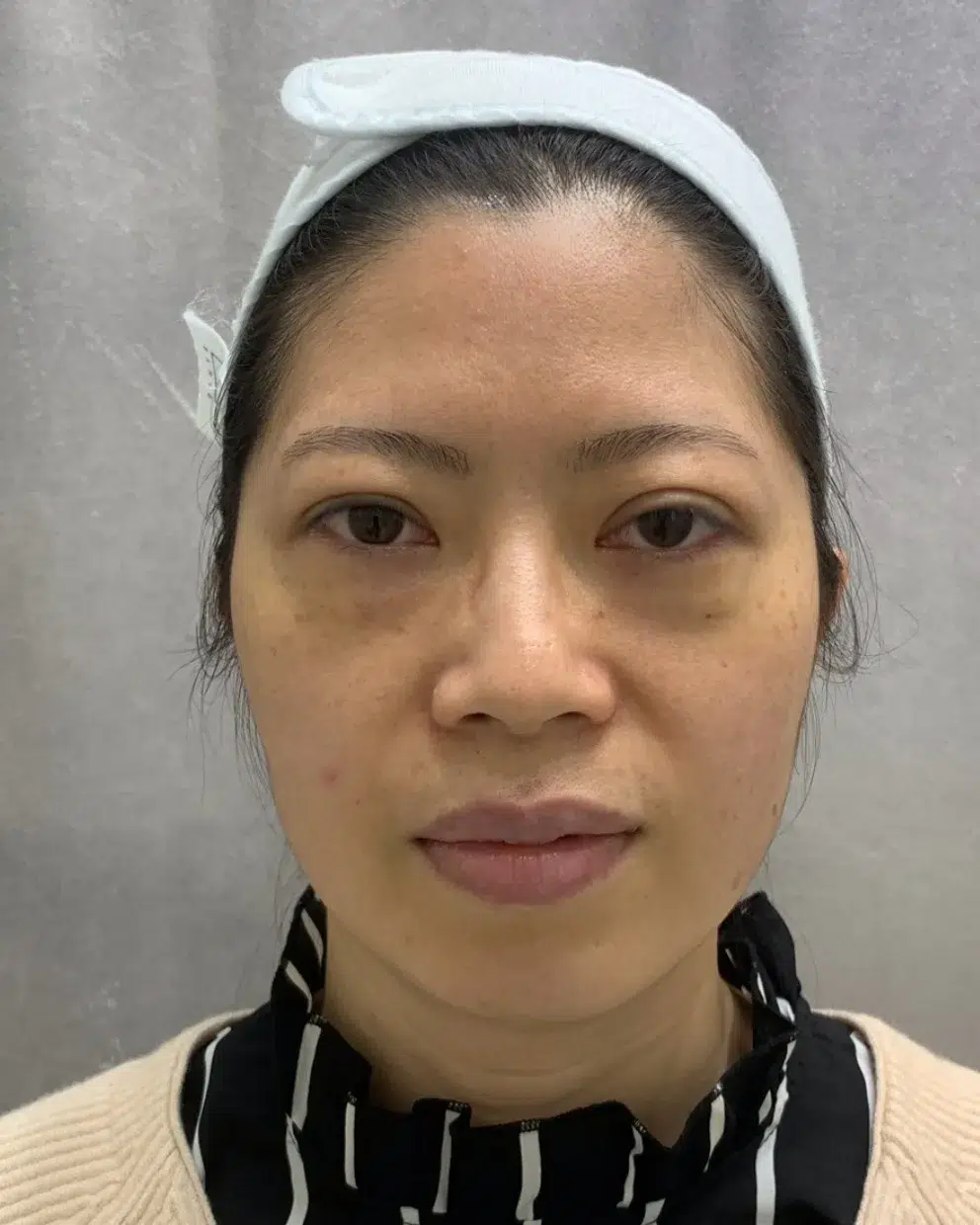
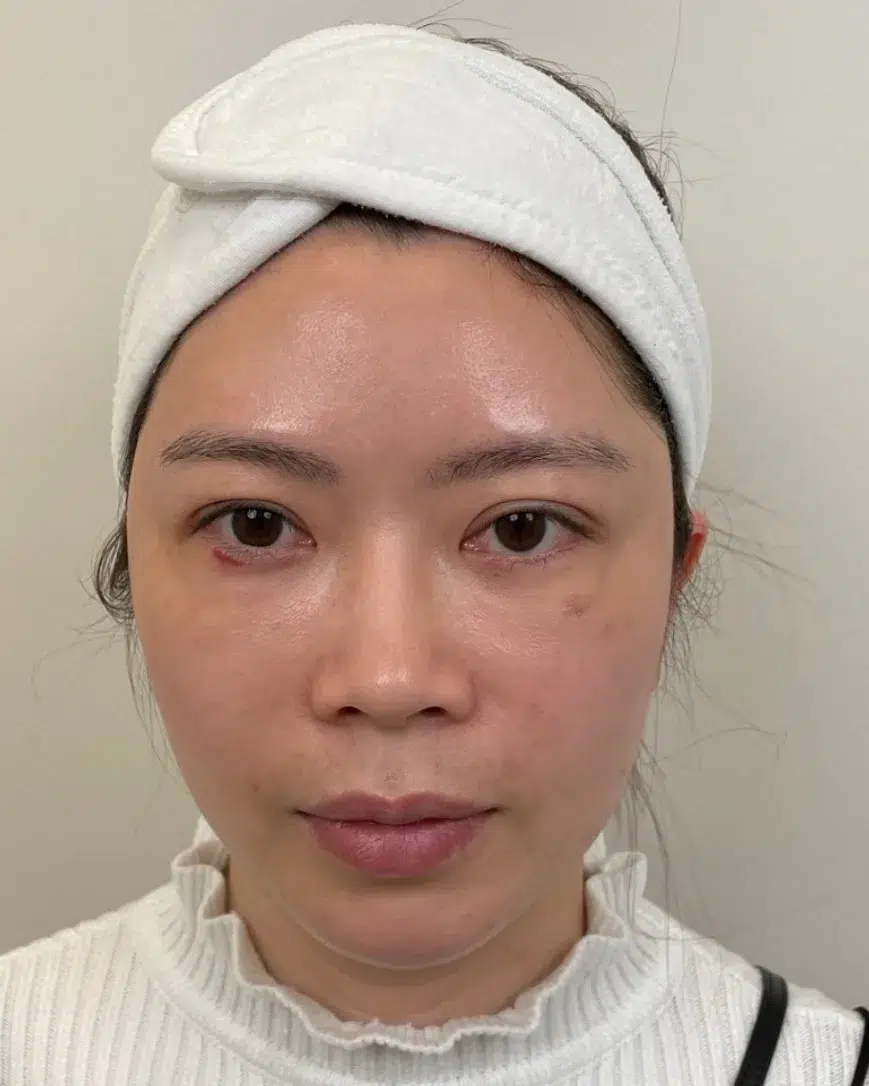
Case 16 · Upper Eyelid Ptosis — Real Patient Record
- Client Profile
- Asian female · Fitzpatrick IV · Symptomatic for approximately 1–2 years
- Concern
- Upper Eyelid Ptosis (Comprehensive Improvement with Multimodal Combination Protocol)
- Treatment plan
- Pico® Skin brightening & rejuvenation + PicoSure® + PicoSure Pro® + PicoWay® and 9 more treatments (multiple sessions within 3 months)
- Degree of improvement
- Significant improvement in upper eyelid ptosis · Overall result looks natural
- Post-inflammatory hyperpigmentation (PIH) risk
- No PIH
- Maintenance
- Routine sun protection + monthly home care + quarterly clinical assessment
Case 16: Ptosis (upper eyelid droop) before & after · Asian female · Fitzpatrick IV · Symptomatic for approximately 1–2 years · Multimodal combination protocol led by our physician, at Luowei Medical Aesthetics Clinic, Nanjing
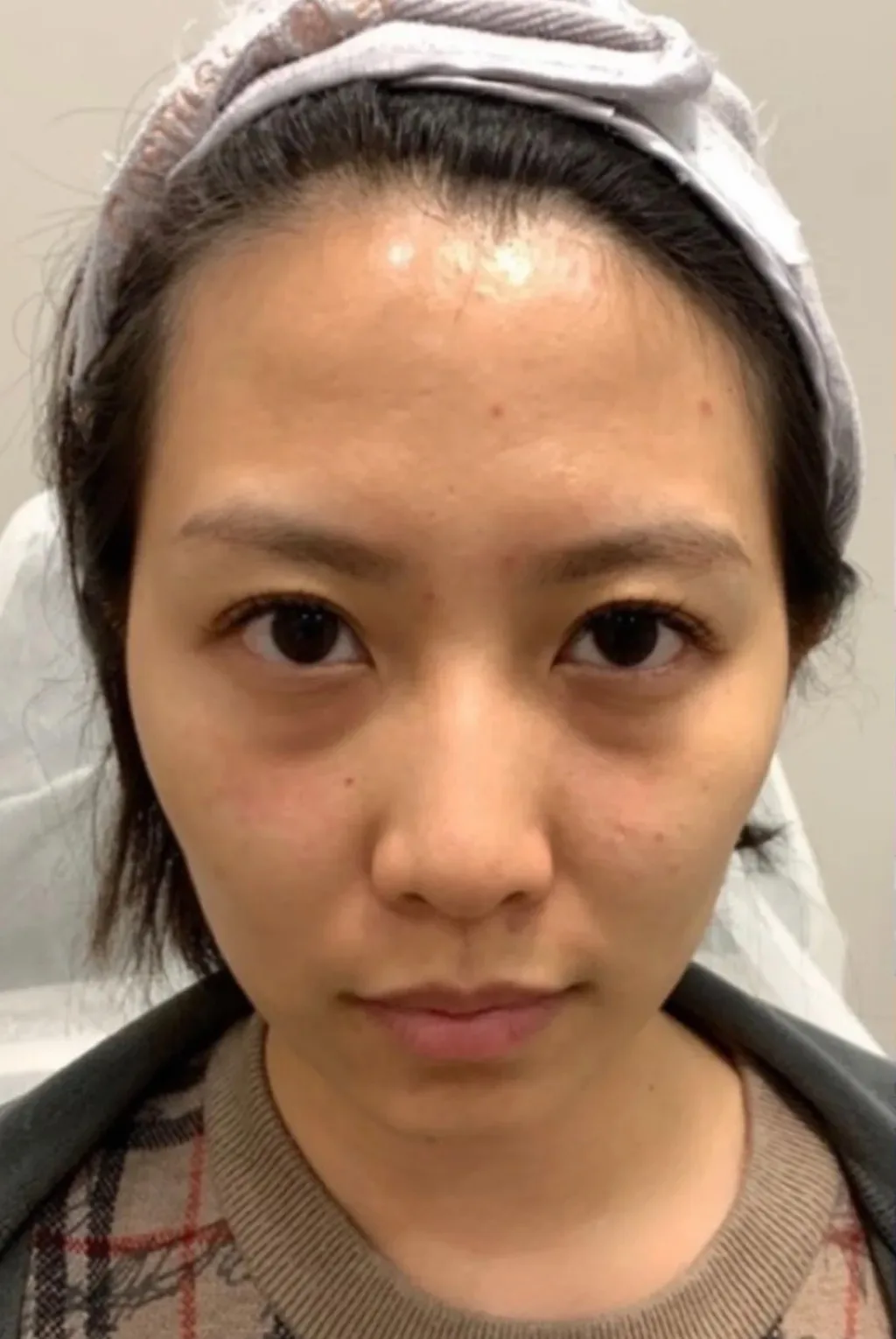
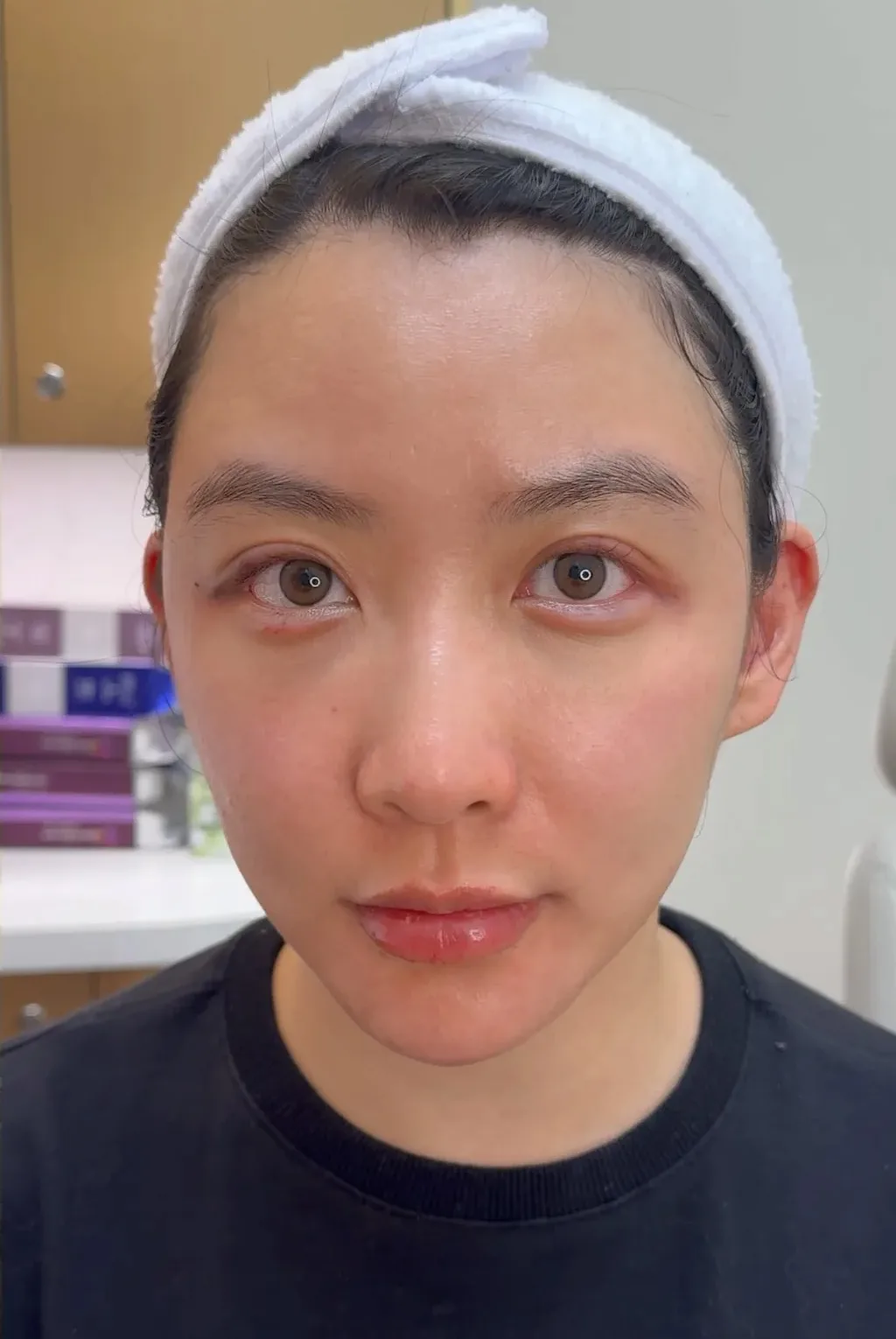
Case 108 · Real-world upper eyelid ptosis record
- Client Profile
- Asian female · Fitzpatrick I · Duration approx. 2–3 years
- Concern
- Upper Eyelid Ptosis (Comprehensive Improvement with Multimodal Combination Protocol)
- Treatment plan
- PicoSure® + M22® IPL Photofacial (multiple sessions within 3 months)
- Degree of improvement
- Significant improvement in upper eyelid ptosis · Overall result looks natural
- Post-inflammatory hyperpigmentation (PIH) risk
- No PIH
- Maintenance
- Routine sun protection + monthly home care + quarterly clinical assessment
Case 108: Upper eyelid ptosis — before & after · Asian female · Fitzpatrick I · Duration approx. 2–3 years · Multimodal combination protocol led by our physician at Luowei Medical Aesthetics Clinic, Nanjing
What is a narrow brow-to-eye distance / upper eyelid ptosis? Why is it different from simply looking tired?
A narrow brow-to-eye distance and upper eyelid ptosis frequently co-occur in Asian faces, presenting as Low brow position, upper eyelid covering the pupil, a tired or dull gaze, and involuntary compensatory forehead tension. This is not simply “loose skin,” nor something makeup can conceal. It involves multiple layers — muscle tone, levator aponeurosis function, brow bone anatomy, and skin laxity. Proper classification must come first, before deciding between non-surgical intervention, surgical referral, or a combination approach.
Why can’t we just get a Botox® brow lift without a proper assessment?
For true ptosis (aponeurotic or myogenic), Botox® is not only ineffective but may also Worsening ptosis. MRD1 measurement and the brow-elevation test must always be performed first to distinguish true from functional ptosis before any neuromodulator treatment is considered.
Why is this more prevalent in Asian faces?
Asian patients tend to have thicker supraorbital fat pads, thinner levator aponeuroses, and relatively flat brow bones — combined with a higher prevalence of monolid and inner double eyelid anatomy,Naturally narrower brow-to-eye distance, Becomes more pronounced with age.
Why are deep horizontal forehead lines a warning sign?
The frontalis muscle is the Primary compensatory muscle. When the upper eyelid droops or the brow sits low, the brain instinctively engages the frontalis muscle to compensate — which is why many people develop deep horizontal forehead lines they simply cannot relax.
Why is MRD1 measurement essential?
MRD1(Margin Reflex Distance)is the distance from the upper eyelid margin to the corneal light reflex,Normal ≥ 4mm. A reading below 2 mm generally warrants an ophthalmology referral to assess surgical candidacy; 2–3.5 mm typically represents the optimal window for non-surgical intervention.
Clinical note:Many clients who received Botox® brow-lift treatments elsewhere actually ended up with lower brows and smaller-looking eyes afterward. This is a classic mistake caused by failing to distinguish “overactive depressors (functional ptosis)” from “weak elevators (true ptosis)”. Our physician’s protocol The first step is always classification and assessment, rather than proceeding directly to injection.
Five Key Causes of a Narrow Brow-to-Eye Distance / Upper Eyelid Ptosis
Clinically, skin laxity alone is rarely the whole story. Brow-eye concerns in Asian faces are typically Multifactorial combination.
1. Congenital anatomical factors
Asian patients inherently tend to have low brow bones, thick supraorbital fat pads, and thin levator aponeuroses — resulting in a naturally shorter brow-to-eye distance < 20mm at a higher rate than in Caucasian populations. This subtype does not change with age on its own, but its appearance is amplified as other aging changes accumulate.
2. Overactive brow depressor muscles (functional subtype)
Chronic frowning, squinting in bright light, and prolonged screen use cause sustained contraction of the corrugator, procerus, and lateral orbicularis oculi — continuously depressing the brow. This subtype responds best to Botox® intervention.
3. Aponeurotic ptosis (age-related / history of contact lens wear)
Age-related stretching of the levator aponeurosis, or repeated traction from long-term rigid contact lens wear, causes a measurable decline in MRD1. This subtype The degree of improvement achievable with non-surgical options is limited, Ophthalmology referral required.
4. Age-related skin laxity (dermatochalasis)
Excess upper eyelid skin overhangs the lid margin, creating the appearance of ptosis. Mild-to-moderate cases can be partially improved with focused ultrasound or radiofrequency; severe cases require evaluation for upper blepharoplasty.
5. Neurogenic, myogenic, or systemic causes (must be ruled out)
Conditions such as Myasthenia Gravis, Horner syndrome, and third cranial nerve palsy can all present as upper eyelid ptosis. During consultation, our physician will perform Fluctuation, pupillary response, and bilateral symmetry Initial screening, with referral where clinically indicated.
4 Conditions commonly confused with upper eyelid ptosis — key differential diagnosis points
Misclassification leads to the wrong treatment. The table below outlines the 4 most common clinical distinctions our physician encounters.
True aponeurotic ptosis
Aponeurotic Ptosis
| Key Presentations | MRD1 < 3.5mm, High tarsal fold |
|---|---|
| Brow elevation test | Lid position remains low even after brow elevation |
| Symmetry | Often unilateral or asymmetric |
| Trigger factors | Aging / contact lens wear / history of eye surgery |
| First-line treatment | Ophthalmology referral for assessment; non-surgical improvement is limited |
Functional ptosis (overactive depressor muscles)
Pseudoptosis · Brow Depressor Overactivity
| Key Presentations | Low brow position, normal MRD1, narrow brow-to-eye distance |
|---|---|
| Brow elevation test | Lid position normalizes upon brow elevation, indicating the primary issue lies at the brow level |
| Symmetry | More commonly bilateral |
| Trigger factors | Chronic frowning / eye strain |
| First-line treatment | Botox Micro-dose brow-lifting protocol |
Upper eyelid skin laxity (functional subtype)
Dermatochalasis
| Key Presentations | Excess skin obscures the lid margin, while the lid margin itself is in a normal position |
|---|---|
| Brow elevation test | Normal lid margin exposure after skin elevation |
| Symmetry | Bilateral symmetry |
| Trigger factors | Age, UV exposure, collagen loss |
| First-line treatment | Ultherapy / Thermage / Sofwave, Blepharoplasty for severe cases |
Neurogenic/myogenic ptosis
Neurogenic / Myogenic Ptosis
| Key Presentations | Fluctuating ptosis, double vision, or pupil abnormalities |
|---|---|
| Brow elevation test | No measurable improvement |
| Symmetry | May be unilateral or progressive |
| Trigger factors | Myasthenia gravis / nerve injury / Horner syndrome |
| First-line treatment | Referral to neurology / ophthalmology, No aesthetic intervention |
⚠️ Warning:Clinically, approximately 20% of clients who present requesting a “Botox brow lift” are reclassified upon evaluation as having true ptosis or skin laxity as the primary cause — administering Botox® in these cases can further lower brow position and the lid margin. Accurate classification always comes before treatment decisions.
Why does the Asian brow-eye complex require an Asian-specific clinical protocol?
A common blind spot in mainstream North American clinics
Most Botox® brow-lift and Ultherapy® brow protocols in North America are based on Caucasian anatomy — high brow bones, deep-set eyes, and thin upper lids. Applying these protocols directly to Asian faces (flatter brow ridges, thicker orbital fat, hooded or monolid anatomy) can result in:
- ✗ Botox Excessive dosage— Complete frontalis paralysis causing the brow to drop lower
- ✗ Unnatural brow shape— The Caucasian “high arched lateral brow” does not suit the facial width of Asian patients
- ✗ Ultherapy® energy delivered too deeply— The upper eyelid skin in Asian patients is thinner and more susceptible to heat-induced post-inflammatory hyperpigmentation (PIH) or fat atrophy
Our physician’s specialized adjustment protocol for Asian eye anatomy
| Parameters | North American Standard | Asian-adapted approach |
|---|---|---|
| Frontalis Botox® | 10–16 U | 4–8 U Micro-dose, multi-point technique |
| Depressor injection points | 2–3 points | 5–7 Precise point-by-point placement |
| Ultherapy® brow region | 4.5mm primary | 3.0mm + 1.5mm Stratified / layered |
| Target brow apex | Elevated lateral one-third of the brow | Natural gentle lateral brow elevation |
| Assessment tools | Primarily visual assessment | MRD1 + Brow elevation test — mandatory |
Key differentiators:Our physician has spent 8 years at our Nanjing clinic focusing exclusively on Asian faces, with over 90% of the clientele being of Asian descent.
6 Non-Surgical Options for the Brow-Eye Zone — Matched to Your Classification
There is no universal brow lift solution. We combine the appropriate devices and therapies based on MRD1 classification, degree of skin laxity, and muscle function assessment.
Botox Micro-dose brow-lifting protocol
Targeting Functional ptosis / overactive depressor muscles The gold standard. By precisely targeting the corrugator, procerus, and lateral orbicularis oculi — the muscles that pull the brow down — this approach “releases” the frontalis so it can lift the brow naturally, typically by 1.5–2.5 mm. Our physician.
Ultherapy® (brow bone + temporal region)
Focused ultrasound energy reaching the SMAS layer delivers precise lifting above the brow bone and in the temporal region, making it Age-related brow descent + upper eyelid laxity the non-surgical gold standard.
Thermage FLX Thermage® FLX (periorbital tip)
Radiofrequency energy uniformly heats the dermis to improve Upper eyelid skin laxity + periorbital fine lines, Eye Tip This handpiece is the only NMPA-registered radiofrequency probe approved for use on the upper eyelid.
Sofwave Ultrasound lifting
Synchronous Ultrasound Parallel Beam (SUPERB) technology targets a precise depth of 1.5mm, ideal for Supra-brow zone + lateral canthal lifting, No significant downtime; well tolerated by Asian patients with thinner skin.
Silhouette InstaLift Absorbable thread lift
Featuring a bidirectional cone structure for targeted suspension of the lateral brow and temporal region. Suitable for Anatomically low brow position + lateral brow ptosis, Results last 18–24 months.
Hyaluronic acid filler / collagen stimulator (brow bone / temporal augmentation)
For Flat brow bone / temporal hollowing For appropriate candidates, precise filler placement can visually elevate the brow and increase the brow-to-eye distance — often combined with Botox® to form a “Brow Lift Combo.”
Our physician’s 6-Step Standard Brow & Eyelid Lifting Protocol
Consultation + MRD1 measurement + brow elevation test
30 minute free consultation, including MRD1 measurement, brow elevation test, levator function assessment, and VISIA skin analysis.No classification, no injection, no device activation. Referral to ophthalmology to rule out true ptosis when clinically indicated.
Subtype classification (functional / age-related / anatomical / mixed)
The optimal approach is assigned based on assessment findings. Functional ptosis → Botox®-led; age-related descent → Ultherapy®/Thermage® FLX-led; anatomical brow type → thread lift + filler-led; mixed presentation → combination protocol.
Active treatment phase (single or multiple sessions depending on protocol)
Botox completed in a single session with visible results within 2 weeks; Ultherapy® / Thermage® FLX / Sofwave™ are typically single-session treatments with optimal results at 90 days; thread lifting delivers immediate visible improvement in one session. All injectable treatments are performed personally by our physician.
2 Follow-up review and refinement at 2 weeks
Botox A follow-up at 2 weeks post-treatment for symmetry refinement — a step that is critical to achieving precision in the Asian brow-eye complex, yet frequently omitted by clinics in North America.
90 -day assessment (energy-based treatments)
Ultherapy® / Thermage® FLX / Sofwave™ reach their optimal lifting effect at 90 days post-treatment — this is the ideal time to photograph and quantify improvement.
Long-term maintenance schedule
Botox Every 3–4 months for Botox®; every 12–18 months for Ultherapy® / Thermage® FLX; thread lift reassessment every 18–24 months. A personalized annual plan — not ad-hoc treatment.
Treatment Timeline — How long until you see results?
| Classification / Protocol | Initial Results | Peak results | Duration of results | Retreatment frequency |
|---|---|---|---|---|
| Pseudo-ptosis · Botox® | 3–5 days | 2 weeks | 3–4 months | Every 3–4 months |
| Age-related · Ultherapy® | Immediate, subtle | 90 days | 12–18 months | Every 12–18 months |
| Skin laxity · Thermage® FLX | Immediate, subtle | 90–120 days | 12–24 months | Every 12–18 months |
| Anatomical brow type · Silhouette thread lift | Immediately visible | 30 days | 18–24 months | Every 18–24 months |
| Combination protocol | 2 Within weeks | 90 days | Varies by treatment protocol | Personalized annual treatment plan |
Clinical note:The brow and eye area is not a “one-and-done” treatment zone. Maintaining a consistent Botox® schedule every 3–4 months produces far more stable results and requires lower doses over time than treating only when you remember — a pattern our physician has consistently observed across our Nanjing patient base.
Are you a candidate for a brow and eye lift? 2-minute self-assessment
✅ appropriate to begin assessment
- ✓Low brow position, brow-to-eye distance < 20mm Appearing tired or looking stern
- ✓Chronic furrowing, deep horizontal forehead lines, and a constant sense of effortful eye-opening
- ✓Upper eyelid skin obscuring the double eyelid fold, but MRD1 remains ≥ 2mm
- ✓30 years of age and older, presenting with age-related brow descent
- ✓Difficult to conceal with makeup; desire a bright, refreshed look without makeup
- ✓Open to combination protocols and a long-term maintenance approach
❌ Requires assessment or referral first
- ✗MRD1 < 2mm or the pupil is obscured (ophthalmology referral required)
- ✗Fluctuating ptosis, double vision, or pupillary abnormalities (neurology referral required)
- ✗Pregnancy or breastfeeding (contraindication for Botox®)
- ✗Active facial infection / severe acne / eczema
- ✗Expecting permanent results from a single treatment (unrealistic expectation)
- ✗>Severe keloid tendency not assessed
Luowei Medical aesthetic brow-eye protocol vs. standard MedSpa
- ✗Skipping MRD1 measurement and brow elevation test and proceeding directly with Botox®
- ✗Applying a North American Caucasian dosing template to Asian brow anatomy
- ✗Injections are often performed independently by nurses, without a physician consultation
- ✗Treating all cases of droop identically without differentiating true from pseudo-ptosis
- ✗No 2-week reassessment or refinement protocol
- ✗One device treating all brow-eye concerns
- ✗Failing to assess for neurogenic or myogenic risk factors
- ✓MRD1 measurement + brow elevation test + levator function assessment are always required
- ✓All injections performed personally by our physician
- ✓True vs. functional ptosis classification and decision pathway
- ✓2 Mandatory 2-week reassessment + complimentary refinement
- ✓Botox + Ultherapy® + Thermage® FLX + Sofwave™ + thread lift combinations available
- ✓Neuromuscular screening + referral pathway
Why is Luowei Medical Aesthetics Clinic a trusted source for brow-eye care?
Experience
Expertise
Authoritativeness Authority
Published author · Advanced multi-device certification
Trustworthiness Credible
All cases on this page are authorized by signed Media Release Forms · Clinical data available upon request
Pricing for Brow & Eyelid Lifting Treatments
Pricing for brow and eye lifting varies widely between clinics — but the true cost driver is never the device. It comes down to who assesses you, who designs the plan, and how much clinical expertise is required. In the brow-eye zone, just 1–2 mm separates a “bright, lifted” look from a “tired, heavy” one. That means correctly classifying true versus functional ptosis using MRD1 measurement and the brow-elevation test before deciding whether Botox® is appropriate, whether Ultherapy® or Thermage® FLX is needed, or whether a thread-lift combination is the right call. This level of clinical judgment is a medical resource — not simply “a few injections.” Complex cases (mixed true/functional ptosis, unilateral asymmetry, revision after treatment elsewhere) are managed by our physician. When our physician is directly involved, the pricing reflects that level of physician time and expertise. For clients who are stable and simply need routine Botox maintenance, our trained clinical team can safely carry out the treatment under a physician-directed protocol — a more accessible option. All injectable treatments are performed by the physician to ensure symmetry and dosing precision. The right approach for you is determined by your brow and eyelid anatomy, not by price — specifics will be discussed at your consultation based on MRD1 classification and muscle function assessment.
- Payment is made at the clinic, after the consultation and before treatment begins
- Nothing is paid in advance, and no deposit is required to hold an appointment
- Cosmetic treatment is a self-pay item and is not covered by public medical insurance in China
- All new clients receive a complimentary 30-minute Complimentary Consultation & Assessment
Risks & Contraindications — What You Need to Know
What are the main risks?
1. Botox Failed brow lift / brow ptosis(caused by improper dosage or placement — rare under our physician’s protocol); 2. bruising or mild swelling at injection sites (common, resolves within 3–7 days); 3. transient asymmetry (correctable with a 2-week follow-up adjustment); 4. temporary redness or sensitivity following Ultherapy® or Thermage® FLX (1–3 days); 5. extremely rare worsening of ptosis (<1%, and typically resolves naturally within 8–12 weeks); 6. localized dimpling or palpable threads following thread lift (rare, softens within 1–2 months).
Who is absolutely not a candidate?
pregnancy, breastfeeding, neuromuscular disorders (myasthenia gravis / Lambert-Eaton syndrome), allergy to botulinum toxin or hyaluronic acid, active facial infection, severe keloid tendency not yet assessed, and true moderate-to-severe ptosis (MRD1 < 2mm, require ophthalmological surgical evaluation), or unrealistic expectations (believing one treatment produces permanent change) — in these situations our physician will recommend deferring treatment, referring to a specialist, or addressing other concerns first.
How are risks minimized during treatment?
5 core principles: (1) MRD1 measurement and brow-elevation test are always performed first for proper classification; (2) Botox® is started at the lower end of the dosage range and titrated up gradually; (3) all injections are performed personally by our physician; (4) a mandatory 2-week reassessment with complimentary fine-tuning is included; (5) blood-thinning agents (aspirin, fish oil, vitamin E) should be avoided for 1 week before treatment to minimize bruising.
What does the informed consent form include?
Every client is required to sign an informed consent form prior to their first treatment. The form covers the treatment mechanism, potential adverse reactions and their likelihood, alternative options, criteria for discontinuing treatment, follow-up scheduling, and an optional media release. All content is explained in person by our physician — never delegated to administrative staff.
Where the medical claims on this page come from
Everything above about Narrow brow-eye distance / upper eyelid ptosis rests on published evidence rather than on our own word. The sources below are the ones behind those statements: peer-reviewed papers indexed in PubMed, and guidance written for patients by dermatology academies and national health services. Read them before you decide — and bring any of them to your consultation.
- Peer-reviewedBotulinum toxin type A for facial wrinkles
- Peer-reviewedBotulinum Toxin Treatment for Mild to Moderate Platysma Bands: A Systematic Review of Efficacy, Safety, and Injection Technique
- Patient guidanceWrinkles
- Patient guidanceDermal fillers: Overview
- Patient guidanceBotulinum toxin: Overview
What these references can and cannot tell you. They describe what is known about the treatment itself — how well it tends to work, how long results last, and what can go wrong. They are not an assessment of this clinic, and no published study can tell you whether it suits your skin type, anatomy, or medical history. That judgement comes from the physician who examines you in person, and it may well be “not this one”.