Seborrheic dermatitis
What is seborrheic dermatitis? How is it different from ordinary sensitive skin?
Our physician’s Real Seborrheic Dermatitis Case Documentation
The following cases were personally treated by our physician at our Nanjing clinic and are shared with written Media Release Form authorization. Seborrheic dermatitis is a chronic, relapsing inflammatory condition; responses vary significantly depending on triggers and subtype. Actual outcomes are determined through individual consultation and assessment.
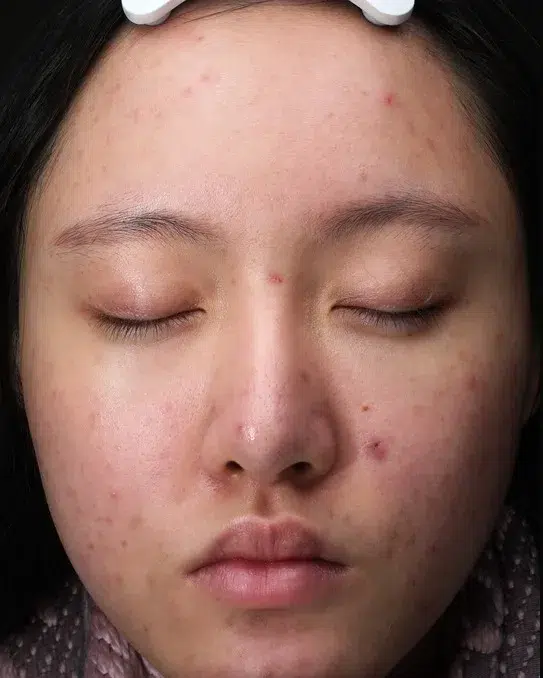
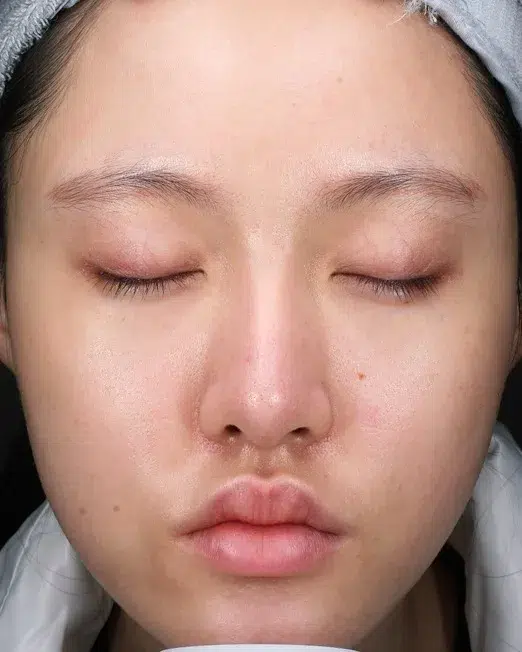
Case 2 · Seborrheic Dermatitis: Real Patient Documentation
- Client profile
- Asian Female · Fitzpatrick IV
- Areas of concern
- Seborrheic Dermatitis (Comprehensive Improvement via Multimodal Combination Protocol)
- Treatment plan
- Vbeam®Redness Reduction & Sensitive Skin Repair: Vbeam® + Genius™ + Infini™ second-generation RF microneedling and 7 additional modalities (multiple sessions within 3 months)
- Treatment results
- Significant improvement in seborrheic dermatitis · Overall results look natural
- PIH / post-treatment darkening
- No PIH
- Maintenance
- Routine sun protection + monthly at-home care + quarterly clinical assessment
Case 02: Seborrheic Dermatitis — Before & After · Asian Female · Fitzpatrick IV · Multimodal combination protocol led by our physician at Luowei Medical Aesthetics Clinic, Nanjing
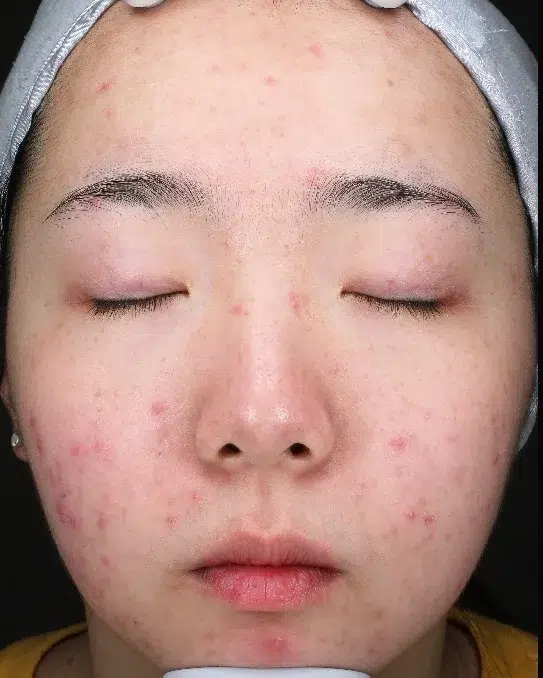
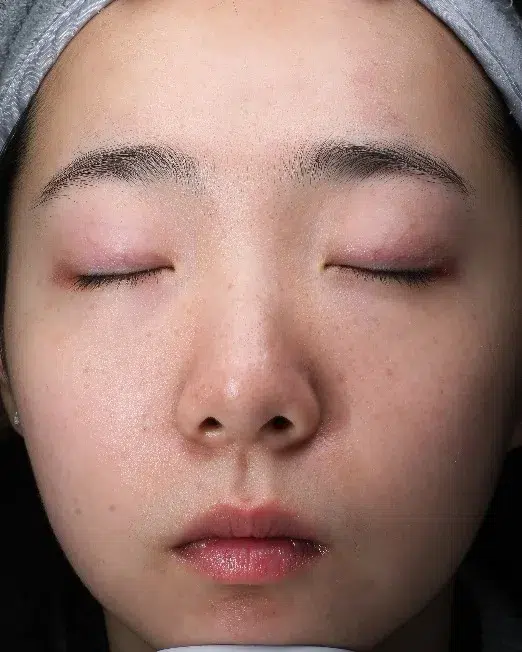
Case 3 · Seborrheic Dermatitis — Real Patient Documentation
- Client profile
- Asian Female · Fitzpatrick IV
- Areas of concern
- Seborrheic Dermatitis (Comprehensive Improvement via Multimodal Combination Protocol)
- Treatment plan
- Laser vascular clearance + pulsed dye laser Vbeam Perfecta + Vbeam® redness reduction + Vbeam® sensitive skin repair — 8 modalities (multiple sessions within 3 months)
- Treatment results
- Significant improvement in seborrheic dermatitis · Overall results look natural
- PIH / post-treatment darkening
- No PIH
- Maintenance
- Routine sun protection + monthly at-home care + quarterly clinical assessment
Case 03: Seborrheic Dermatitis Before & After · Asian Female · Fitzpatrick IV · Multimodal combination protocol led by our physician at Luowei Medical Aesthetics Clinic, Nanjing
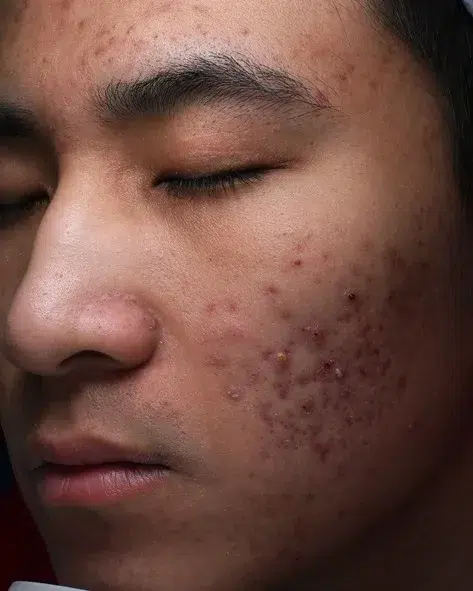
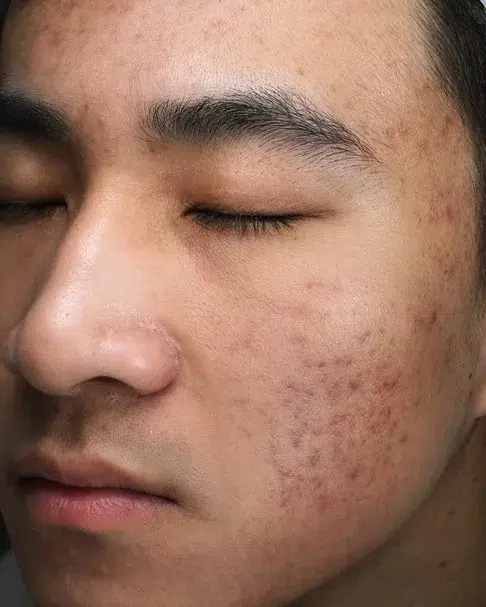
Case 4 · Seborrheic Dermatitis Real Patient Record
- Client profile
- Asian Female · Fitzpatrick IV
- Areas of concern
- Seborrheic Dermatitis (Comprehensive Improvement via Multimodal Combination Protocol)
- Treatment plan
- Laser vascular clearance + pulsed dye laser Vbeam Perfecta + Vbeam® redness reduction + Vbeam® sensitive skin repair — 8 modalities (multiple sessions within 3 months)
- Treatment results
- Significant improvement in seborrheic dermatitis · Overall results look natural
- PIH / post-treatment darkening
- No PIH
- Maintenance
- Routine sun protection + monthly at-home care + quarterly clinical assessment
Case 04: Seborrheic Dermatitis Before & After · Asian Female · Fitzpatrick IV · Multimodal Combination Protocol Led by our physician at Luowei Medical Aesthetics Clinic, Nanjing
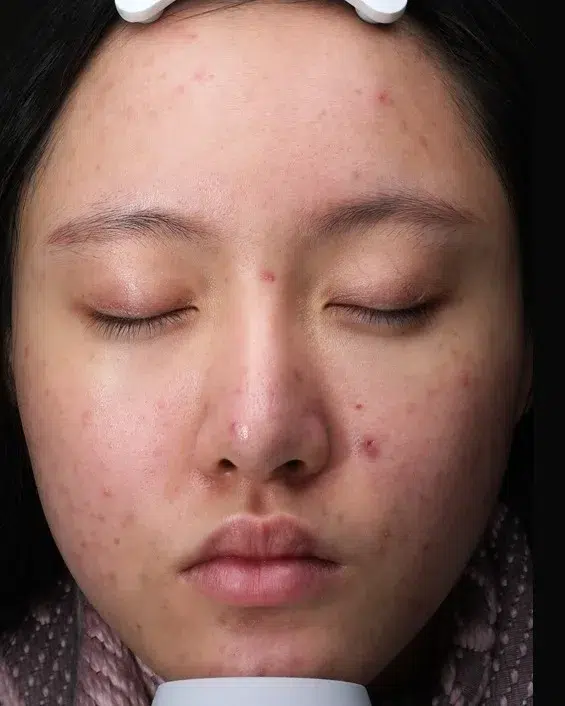
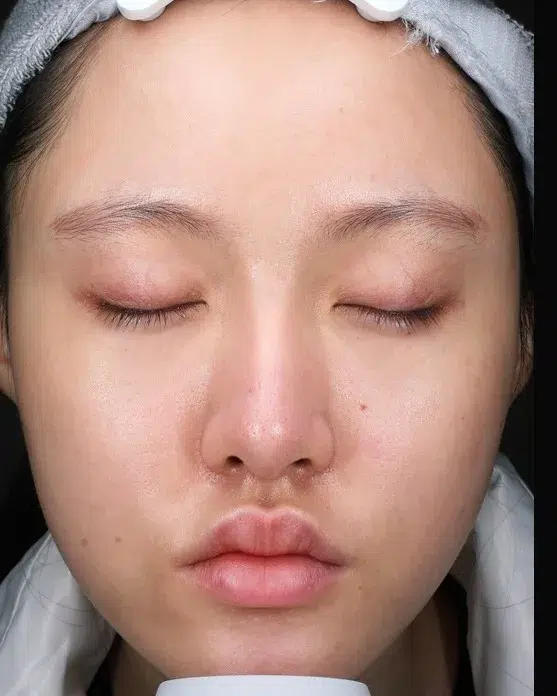
Case 5 · Seborrheic Dermatitis: Real Patient Documentation
- Client profile
- Asian Female · Fitzpatrick IV
- Areas of concern
- Seborrheic Dermatitis (Comprehensive Improvement via Multimodal Combination Protocol)
- Treatment plan
- Vbeam®Redness reduction + Vbeam® sensitive skin repair + Vbeam® vascular treatment + Genius™ RF microneedling — 7 modalities (multiple sessions within 3 months)
- Treatment results
- Significant improvement in seborrheic dermatitis · Overall results look natural
- PIH / post-treatment darkening
- No PIH
- Maintenance
- Routine sun protection + monthly at-home care + quarterly clinical assessment
Case 05: Seborrheic Dermatitis — Before & After · Asian Female · Fitzpatrick IV · Multimodal combination protocol led by our physician at Luowei Medical Aesthetics Clinic, Nanjing
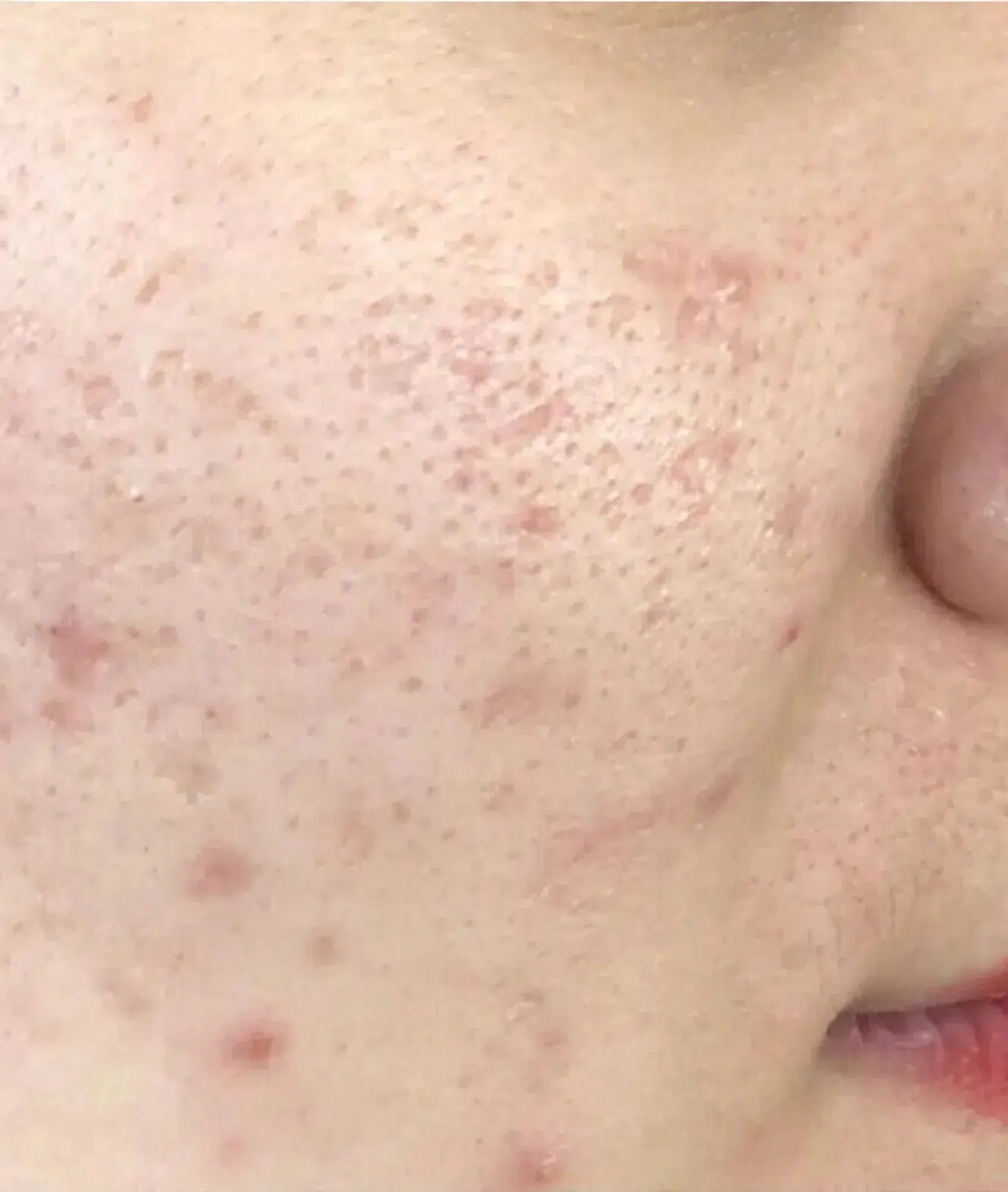
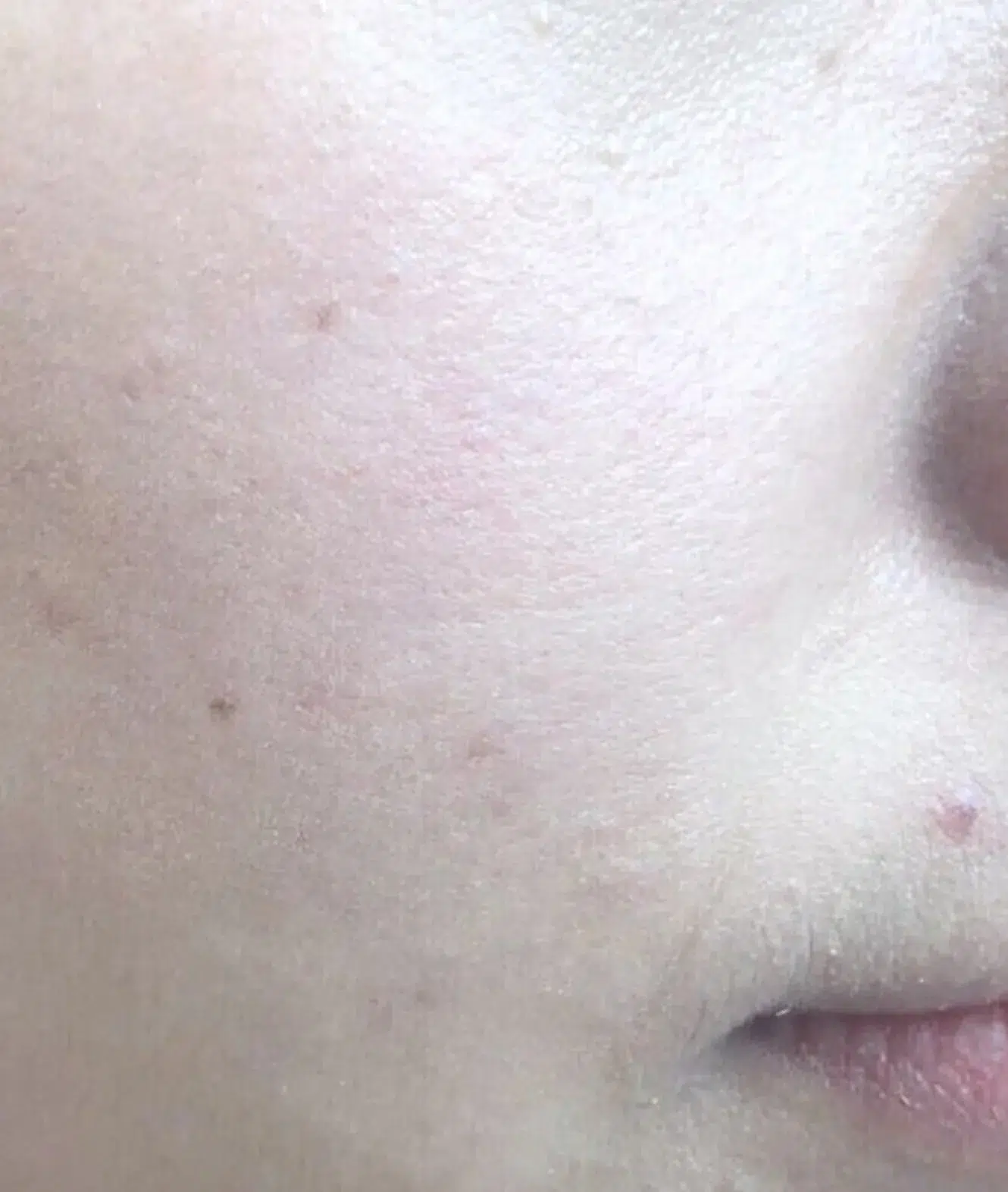
Case 5 · Seborrheic Dermatitis: Real Patient Documentation
- Client profile
- Asian Female · Fitzpatrick I
- Areas of concern
- Seborrheic Dermatitis (Comprehensive Improvement via Multimodal Combination Protocol)
- Treatment plan
- Acne Clarifying & Redness Reduction: AI BBL HEROIC™ + AI BBL HEROIC™ redness repair + LUMECCA IPL + M22® IPL and 19 additional modalities (multiple sessions within 3 months)
- Treatment results
- Significant improvement in seborrheic dermatitis · Overall results look natural
- PIH / post-treatment darkening
- No PIH
- Maintenance
- Hydrafacial/Monthly skin booster session × 1 + sunscreen
Case 05: Seborrheic Dermatitis Before & After · Asian Female · Fitzpatrick I · Multimodal Combination Protocol Led by our physician at Luowei Medical Aesthetics Clinic, Nanjing
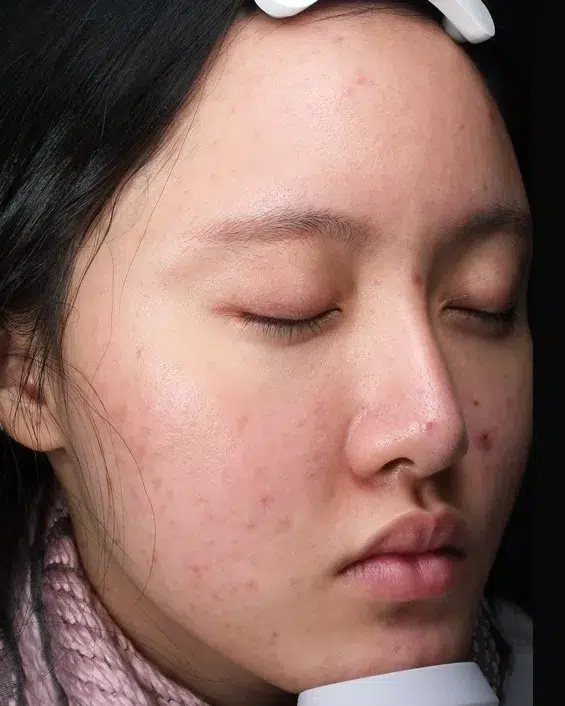
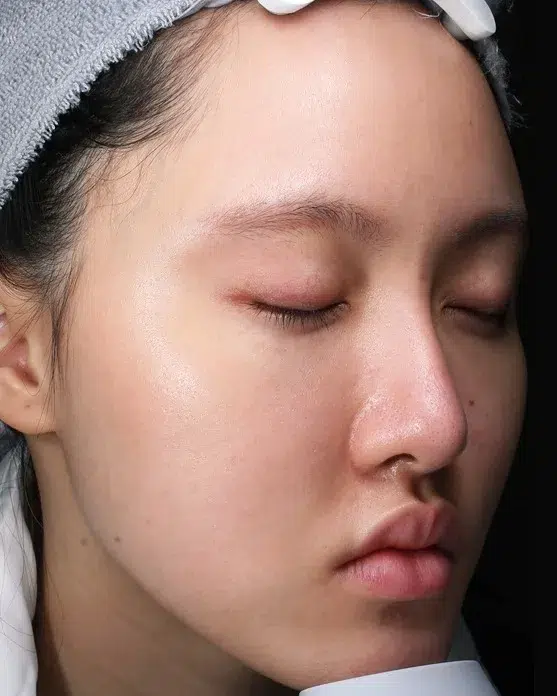
Case 6 · Seborrheic Dermatitis — Real Patient Documentation
- Client profile
- Asian Female · Fitzpatrick IV
- Areas of concern
- Seborrheic Dermatitis (Comprehensive Improvement via Multimodal Combination Protocol)
- Treatment plan
- Vbeam®Redness Reduction + Vbeam® Sensitive Skin Repair (multiple sessions within 3 months)
- Treatment results
- Significant improvement in seborrheic dermatitis · Overall results look natural
- PIH / post-treatment darkening
- No PIH
- Maintenance
- Routine sun protection + monthly at-home care + quarterly clinical assessment
Case 06: Seborrheic Dermatitis Before & After · Asian Female · Fitzpatrick IV · Multimodal combination protocol led by our physician at Luowei Medical Aesthetics Clinic, Nanjing
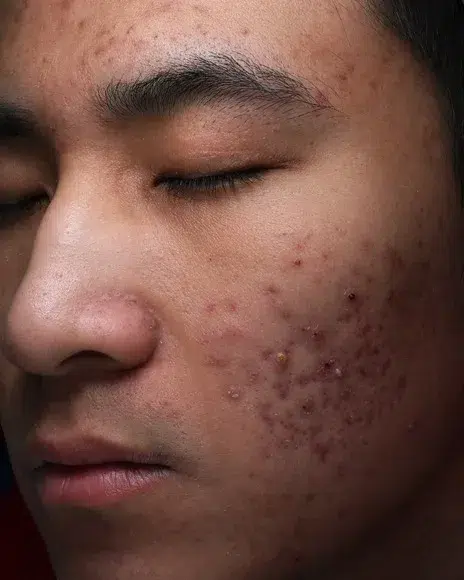
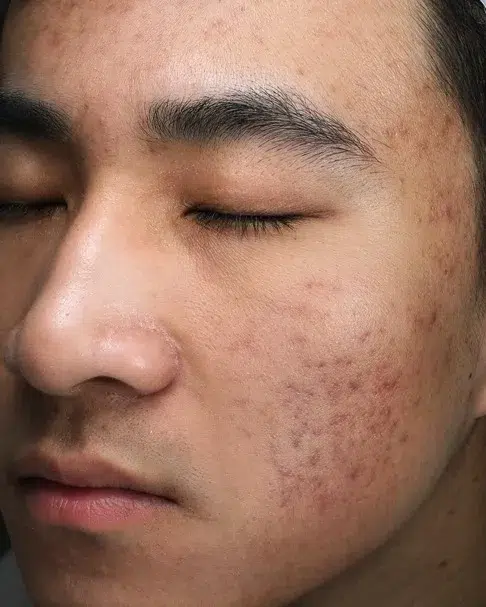
Case 55 · Seborrheic Dermatitis: Real Patient Documentation
- Client profile
- Asian Male · Fitzpatrick IV · Chronic, Recurring Flare-Ups Over Many Years
- Areas of concern
- Seborrheic Dermatitis (Comprehensive Improvement via Multimodal Combination Protocol)
- Treatment plan
- Vbeam®Redness reduction + Vbeam® sensitive skin repair + Lutronic Genius® RF microneedling + Lutronic INFINI® RF microneedling — 5 modalities (4–6 sessions)
- Treatment results
- Significant improvement in seborrheic dermatitis · Overall results look natural
- PIH / post-treatment darkening
- No PIH
- Maintenance
- Annual energy-based maintenance session + at-home retinoid therapy
Case 55: Seborrheic Dermatitis Before & After · Asian Male · Fitzpatrick IV · Chronic, Recurrent Flares Over Several Years · Multimodal Combination Protocol Led by our physician at Luowei Medical Aesthetics Clinic, Nanjing
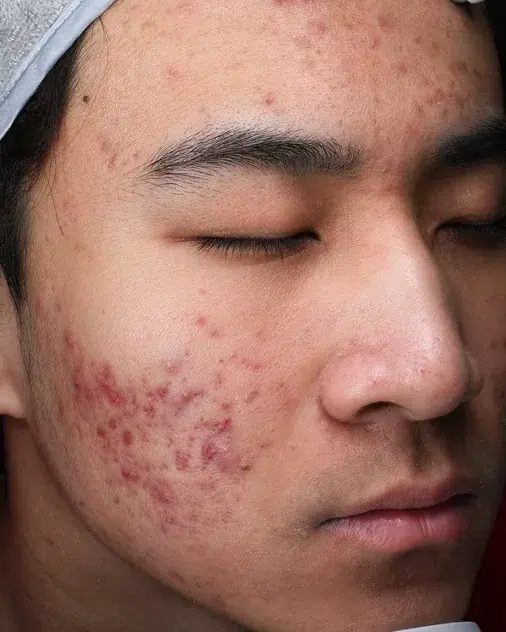
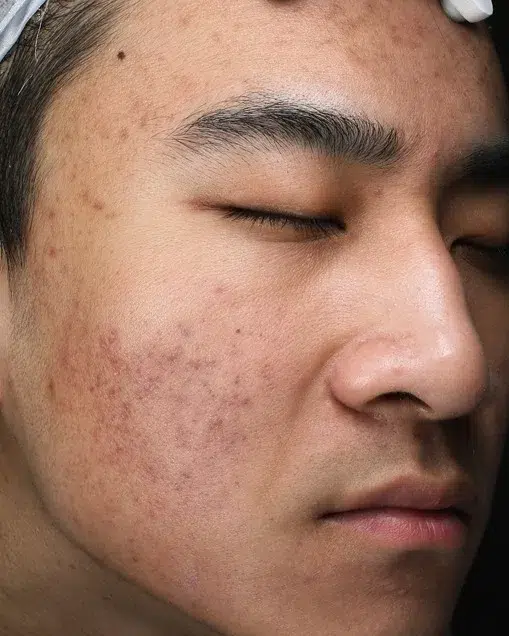
Case 56 · Seborrheic Dermatitis — Real Patient Documentation
- Client profile
- Asian Male · Fitzpatrick IV · Chronic, Recurring Flare-Ups Over Many Years
- Areas of concern
- Seborrheic Dermatitis (Comprehensive Improvement via Multimodal Combination Protocol)
- Treatment plan
- Vbeam®Redness reduction + Vbeam® sensitive skin repair + Lutronic Genius® RF microneedling + Lutronic INFINI® RF microneedling — 5 modalities (4–6 sessions)
- Treatment results
- Significant improvement in seborrheic dermatitis · Overall results look natural
- PIH / post-treatment darkening
- No PIH
- Maintenance
- Annual energy-based maintenance session + at-home retinoid therapy
Case 56: Seborrheic Dermatitis — Before & After · Asian Male · Fitzpatrick IV · Chronic, Recurrent Presentation over Multiple Years · Multimodal combination protocol led by our physician at Luowei Medical Aesthetics Clinic, Nanjing
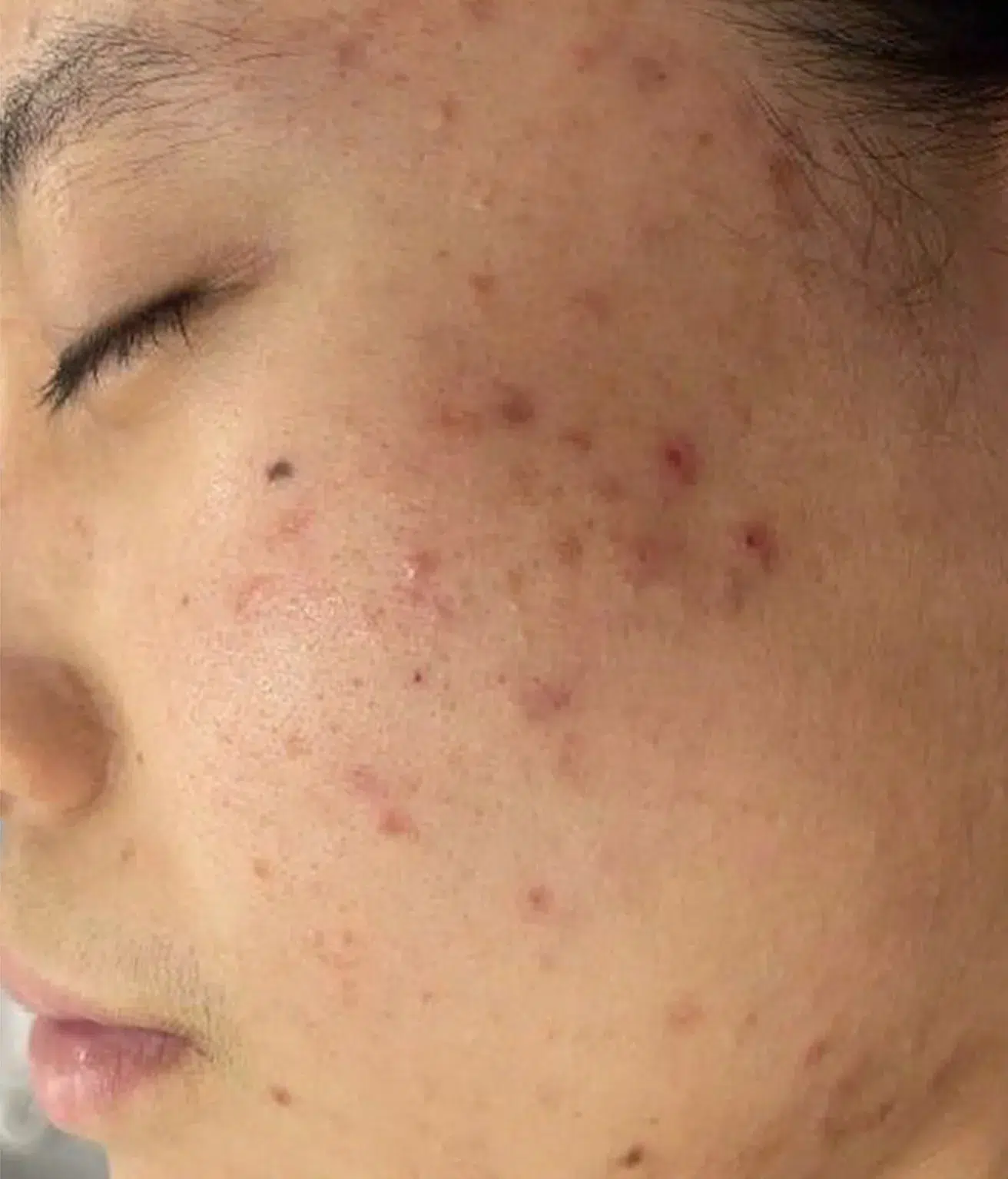
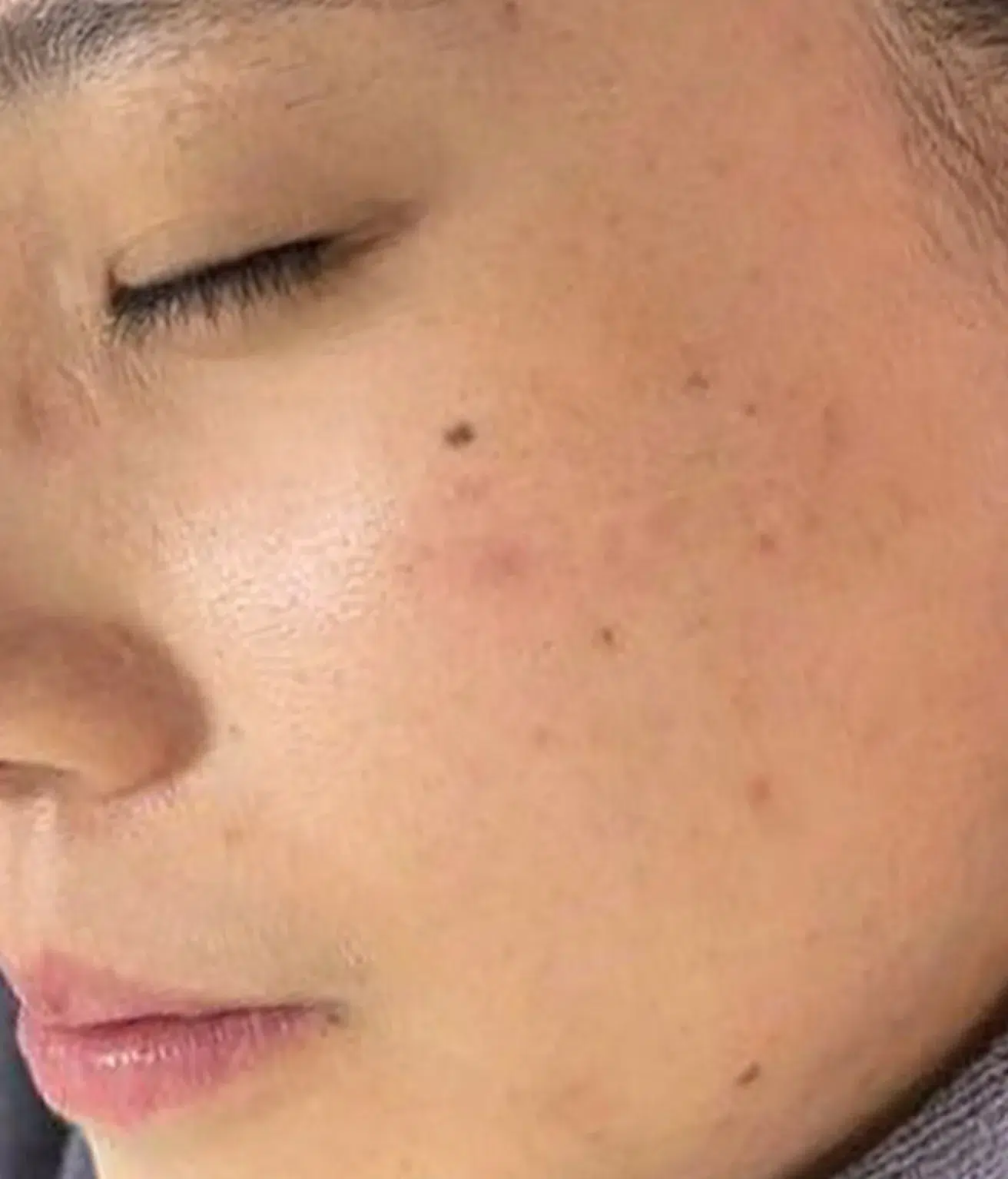
Case 57 · Seborrheic Dermatitis Real Patient Record
- Client profile
- Asian Female · Fitzpatrick I · Chronic, Recurring Flare-Ups Over Many Years
- Areas of concern
- Seborrheic Dermatitis (Comprehensive Improvement via Multimodal Combination Protocol)
- Treatment plan
- Ai BBL® HEROic™Photofacial + Acne Clearing · AI BBL HEROIC™ + AI BBL HEROIC™ Smart Photofacial + AI BBL HEROIC™ Redness Reduction, and 23 additional treatments (4–6 sessions)
- Treatment results
- Significant improvement in seborrheic dermatitis · Overall results look natural
- PIH / post-treatment darkening
- No PIH
- Maintenance
- Hydrafacial/Monthly skin booster session × 1 + sunscreen
Case 57: Seborrheic Dermatitis Before & After · Asian Female · Fitzpatrick I · Chronic, Recurring Flare-Ups Over Many Years · Multimodal combination protocol led by our physician at Luowei Medical Aesthetics Clinic, Nanjing
What is seborrheic dermatitis? How is it different from ordinary sensitive skin?
Seborrheic dermatitis (also known as seborrheic eczema) is a Chronic, recurring inflammatory skin condition, and / with Malassezia colonization + sebum production + individual immune response Three contributing factors are involved. It tends to occur in sebaceous gland-rich areas: the scalp, glabella, nasal alae, nasolabial folds, behind the ears, and the chest. It is neither simple “sensitivity” nor an “allergy” — it is a recognizable condition with an established treatment framework, yet Cannot be cured — only managed a chronic condition.
Why can’t seborrheic dermatitis be treated the same way as general sensitive skin?
The core issue in ordinary sensitive skin is Compromised skin barrier function, Hydration and repair alone can improve it. The core of seborrheic dermatitis is Fungal activity + inflammation, Light-based barrier repair alone is insufficient — Malassezia must be addressed concurrently.
Why is it more prevalent in Asian faces?
Asian skin tends to have a higher density of sebaceous glands in the T-zone. Combined with the cold, dry North American climate and prolonged exposure to air-conditioned environments, the skin barrier is repeatedly compromised — creating ideal conditions for Malassezia to thrive. Symptoms typically worsen in winter.
Why should high-powered lasers be avoided?
Seborrheic dermatitis itself is Inflammation + compromised skin barrier condition. High-intensity laser / IPL / chemical exfoliants / resurfacing treatments may trigger Acute flare, rather than improvement.
Why Do You Need a Physician Rather Than an Aesthetician?
Seborrheic dermatitis overlaps in presentation with rosacea, eczema, topical corticosteroid-dependent dermatitis, and psoriasis. Accurate differential diagnosis, prescription antifungal therapy, and a personalized treatment protocol are required — all of which fall outside the scope of aesthetician practice.
Clinical key points:Many clients have been told elsewhere that they simply have “sensitive skin” and just need hydrating mesotherapy — only to find that frequent mesotherapy or resurfacing treatments made their condition worse. This is a common consequence of misdiagnosing seborrheic dermatitis as ordinary sensitivity. Our physician’s protocol The first step is always accurate differential diagnosis, rather than proceeding directly with device treatment.
The Five Key Causes of Seborrheic Dermatitis — It Goes Beyond “Sensitive Skin”
Seborrheic dermatitis is never caused by a single factor — it is A multifactorial, self-perpetuating inflammatory cycle. Understanding the root causes is key to breaking the cycle effectively.
1. Malassezia overgrowth
Yeast naturally present on the skin surface overpopulates in sebum-rich environments, producing free fatty acids through metabolism that stimulate the immune system and trigger an inflammatory response. This is the Core biological mechanism.
2. Excess sebum production
Puberty, periods of stress, and elevated androgen levels all increase sebum production, providing fuel for Malassezia. This is why the T-zone, scalp, and other sebaceous gland-dense areas are most commonly affected.
3. Compromised skin barrier function
Over-cleansing, chemical exfoliation, inappropriate aesthetic treatments, and the cold, dry North American climate can all compromise the stratum corneum, making it easier for Malassezia to trigger an immune response. Symptom worsening in winter is strongly associated with this pattern.
4. Individual variation in immune response
With the same level of Malassezia colonization, some individuals remain completely asymptomatic while others experience repeated flares — this is related to Individual T-cell immune response This is related to individual sensitivity to fungal metabolites. Those who are immunocompromised — including patients with HIV, undergoing chemotherapy, or on long-term corticosteroids — have a significantly higher incidence.
5. Neuropsychiatric factors + stress
Anxiety, sleep deprivation, and chronic stress influence sebum production and immune regulation through the HPA axis. Clinical observation: flare-up peaks are commonly seen during exam periods, the postpartum period, and times of career transition.
4 Skin conditions commonly confused with seborrheic dermatitis — key differential diagnosis points
Misclassification leads to mistreatment. The table below outlines the 4 most common differential diagnoses encountered by our physician in clinical practice.
Rosacea
Rosacea · Erythema and telangiectasia
| Distribution | Primarily affecting both cheeks and the nose |
|---|---|
| Morphology | Persistent erythema, telangiectasia, papules and pustules |
| Flaking / desquamation | Typically no scaling present (a key differentiating feature) |
| Trigger factors | Temperature changes, spicy food, alcohol, and sun exposure |
| First-line treatment | Vbeam + Prescription anti-inflammatory therapy + strict sun protection |
Atopic / contact eczema
Atopic / Contact Dermatitis
| Distribution | Flexural surfaces of the limbs, diffuse facial involvement, non-sebaceous areas |
|---|---|
| Morphology | Dry flaking, lichenification, intense itching |
| Flaking / desquamation | Dry and thin (non-oily) |
| Trigger factors | Allergens and individual atopic constitution |
| First-line treatment | Topical anti-inflammatory therapy + barrier repair + allergen avoidance |
Psoriasis
Psoriasis · Psoriasis
| Distribution | Scalp, elbows, knees, and sacral area |
|---|---|
| Morphology | Thick, silvery-white scale with well-defined borders |
| Flaking / desquamation | Thick, mica-like scale (highly distinguishing feature) |
| Trigger factors | Genetic and immune factors, unrelated to fungal activity |
| First-line treatment | Systemic therapy and biologics required; specialist dermatology referral needed |
Topical corticosteroid-dependent dermatitis
Steroid-induced Dermatitis
| Distribution | Areas with a history of long-term topical corticosteroid use |
|---|---|
| Morphology | Diffuse redness, burning sensation, telangiectasia, skin atrophy |
| Flaking / desquamation | May or may not be present |
| Trigger factors | Discontinuation following prolonged use of topical corticosteroids |
| First-line treatment | Topical steroid withdrawal + barrier repair + ultra-low-energy device therapy |
⚠️ Warning:Clinically, 25% of patients who present seeking treatment for seborrheic dermatitis are reclassified after differential diagnosis as having rosacea, topical corticosteroid-dependent dermatitis, or an overlap of both. Inaccurate diagnosis leads to treatment failure, which leads to repeated clinic visits — this is the most significant frustration for Asian patients managing chronic inflammatory skin conditions.
Why does seborrheic dermatitis in Asian skin require a “Fitzpatrick III–V specialist protocol”?
Common blind spot among mainstream North American clinics
Most medical aesthetic clinics in North America base their energy device protocols on clinical data derived from Fitzpatrick I–II (lighter skin types). Applying these parameters directly to seborrheic dermatitis in Asian Fitzpatrick III–V skin creates a fundamental problem:
- ✗ Excessive energy settings may trigger post-inflammatory hyperpigmentation (PIH)— Skin during active inflammation is inherently fragile; standard energy levels are equivalent to secondary injury
- ✗ Inappropriate use of resurfacing or chemical exfoliants— North American protocols often emphasize exfoliation — but this can worsen symptoms in Asian skin during a compromised barrier phase
- ✗ Overlooking antifungal prescription therapy— Aesthetics-only approach addresses surface symptoms only, overlooking the underlying Malassezia component
- ✗ Worsened by cold, dry winter conditions without proper management— Chinese clients face a double barrier challenge: prolonged indoor heating and outdoor dry cold
Our physician’s Fitzpatrick III–V Specialist Adjustments
| Parameters | North American standard | Asian-specific adjustment |
|---|---|---|
| Vbeam Energy | 8–10 J/cm² | 5–7 J/cm² Low energy |
| LED Red light dosage | Standard / routine | Fractionated low-dose cumulative approach |
| Mesotherapy ingredients | Primarily hyaluronic acid-based | PDRN Rejuran® + ceramides |
| Topical adjunct care | Optional | Prescription ketoconazole or zinc pyrithione — essential components |
| Seasonal adjustment | none / not applicable | Increase moisturization frequency in winter + reduce energy device settings |
Key differentiating features:Our physician has been focused on Asian faces at the Nanjing clinic for over 8 years, with more than 90% of clients presenting with Fitzpatrick III–V skin.
6 Treatment Approaches for Seborrheic Dermatitis — Matched to Your Subtype
There is no single-device solution. We select and combine the following technologies based on severity, distribution, vascular involvement, and skin barrier status.
Vbeam Perfecta Vascular laser
595nm Pulsed dye laser precisely targets inflammatory erythema and dilated capillaries,Without compromising the skin barrier, is the gold standard for addressing the vascular component of seborrheic dermatitis. Our physician uses a low-energy, fractionated protocol that is safe for Fitzpatrick III–V skin types.
LED Red / yellow light photobiomodulation
633nm Red light combined with 590 nm yellow light at low-energy photobiomodulation settings — anti-inflammatory and repair-stimulating, with a completely non-thermal mechanism of action.Safe even during acute flare-ups, Can be performed concurrently with topical antifungal therapy.
Rejuran® PDRN barrier repair
PDRN(polydeoxyribonucleotide) injected into the superficial dermis, significantly accelerating barrier repair and reducing inflammatory cytokine levels.Not a conventional brightening mesotherapy, But rather a restorative injectable treatment.
OxyGeneo Ozone rejuvenation therapy
Non-ablative gentle cleansing combined with nutrient infusion — removing excess sebum without compromising the skin barrier.For use during the stable phase only, Not suitable during the acute inflammatory phase.
HydraFacial®
Multi-action gentle deep cleansing combined with antioxidant infusion — effective for managing T-zone sebum-excess seborrheic dermatitis during the stable phase.
Topical antifungal + anti-inflammatory prescription
Topical ketoconazole 2% / zinc pyrithione 1% / selenium sulfide, combined with short-term topical calcineurin inhibitors (tacrolimus / pimecrolimus) — targeting the underlying Malassezia infection.This is the fundamental difference between a physician-led clinic and a beauty salon.
Our physician’s 6-Step Standard Protocol for Seborrheic Dermatitis
Consultation + differential diagnosis
30 Minute free consultation, dermoscopy + Wood’s lamp examination in a darkened room to screen for widespread fungal involvement + VISIA quantitative analysis of redness and sebum distribution.Ruling out rosacea / psoriasis / topical steroid-dependent dermatitis Only then does the conversation move to treatment options.
4–8 weeks of barrier stabilization
Topical antifungals (ketoconazole / zinc pyrithione) + ceramide-based barrier repair moisturizer + strict physical SPF 50+ sun protection.No energy-based devices during acute inflammatory flares, Stabilize the skin first.
Test spot(test spot)
Once the skin is stable, a small-area test using Vbeam® or Healite II LED is performed on a less visible area, with a 7–10 day observation period to assess the response.This is an essential step for inflammatory Asian skin, Expand the treatment area once there is no risk of post-inflammatory hyperpigmentation (PIH).
Primary treatment phase (4–8 sessions, once every 2–4 weeks)
Vbeam Targeting erythema and vascular dilation + Healite II LED for anti-inflammatory repair + PDRN Rejuran® mesotherapy for barrier reconstruction. Cold compresses and barrier-repair skincare are applied after each session to minimize inflammatory accumulation.
Assessment phase (4 weeks after completing the primary treatment course)
VISIA Quantitative comparison and dermoscopic re-evaluation. We assess improvement across four dimensions — erythema, scaling, capillary dilation, and barrier integrity — to determine whether to transition to maintenance or proceed with additional treatment.
Maintenance phase (once every 8–12 weeks, ongoing)
Periodic use of antifungal wash + quarterly Healite II LED maintenance + seasonal energy adjustments (reduced energy and increased hydration in winter). Seborrheic dermatitis cannot be permanently cured, but it can be kept stable over the long term.
Treatment Timeline — How Long Before You See Results?
| Subtype | Primary treatment cycle | Initial results | Significant improvement | Maintenance cycle |
|---|---|---|---|---|
| Mild facial T-zone involvement | 3–4 session(s) | After session 1 | After the 3rd session | Every 8–12 weeks |
| Scalp + hairline | 3–4 session(s) | After the 2nd session | After the 3rd session | Every quarter |
| Vascular-dominant redness subtype | 4–6 session of Vbeam® | After the 2nd session | After session 4 | Every 8 weeks |
| Corticosteroid-dependency overlap | Stabilization phase 8 weeks + primary treatment 6–8 sessions | 2nd session after stabilization | After the 6th session | Ongoing maintenance every 6–8 weeks |
Clinical note:Recurrence in seborrheic dermatitis is normal — it is not a sign of treatment failure. Climate changes, stress, and hormonal fluctuations can all trigger flare-ups. Among our patients in Nanjing, those who maintained a structured management protocol with seasonal prevention for one year experienced a greater than 70% reduction in flare-up severity.
Are You a Candidate for Seborrheic Dermatitis Treatment? 2-Minute Self-Assessment
✅ Appropriate to begin assessment
- ✓Recurrent erythema and scaling on the nasal ala, glabellar area, nasolabial folds, or scalp lasting more than 3 months
- ✓Significantly worsened by seasonal changes, particularly in winter
- ✓Self-managed with antifungal wash or mild topical steroids with some improvement, but symptoms return after stopping
- ✓Previously diagnosed elsewhere but without a structured treatment protocol
- ✓Accompanied by telangiectasia / persistent erythema
- ✓Open to a structured 3–6 month protocol with ongoing long-term maintenance
❌ Treatment should be deferred or other issues addressed first
- ✗Active widespread acute flare (stabilize the skin barrier first)
- ✗Currently using potent topical corticosteroids without a withdrawal plan
- ✗Pregnancy or breastfeeding (certain topical medications are restricted)
- ✗Active sun damage or sunburn within the past 4 weeks, not yet resolved
- ✗Expecting a complete cure in 1–2 sessions — a common misconception
- ✗Unwillingness to adjust lifestyle or skincare habits
Luowei Medical Aesthetic Seborrheic Dermatitis Protocol vs. Standard MedSpa
- ✗Skin is categorized as “sensitive” at a glance, with no differential diagnosis performed
- ✗Directly selling hydration, resurfacing, or high-frequency cleansing packages
- ✗No prescribing authority → unable to provide antifungal prescriptions
- ✗Treatments carried out during acute flares, worsening inflammation
- ✗Treatments typically performed by an aesthetician, with no physician consultation
- ✗Failure to identify corticosteroid-dependent overlap or rosacea co-presentation
- ✗No maintenance plan — treatment ends with no follow-up
- ✓Mandatory diagnostic workup: dermoscopy + Wood’s lamp + VISIA — a three-tool differential assessment
- ✓Vbeam + LED + PDRN Combination therapy + multi-dimensional prescription management
- ✓A licensed physician can prescribe antifungal medications
- ✓Pause all energy-based treatments during acute flares — stabilize the skin barrier first
- ✓Our physician — personally consults and performs all treatments
- ✓Identifying overlapping diagnoses + topical steroid withdrawal management
- ✓6 Phased protocol includes a long-term seasonal maintenance plan
Why Is Luowei Medical Aesthetics Clinic’s Approach to Seborrheic Dermatitis Worth Trusting?
Experience
Expertise Areas of expertise
Authoritativeness Authority / expertise
Trustworthiness Reliable
All cases on this page are shared with written Media Release Form authorization · Clinical data available on request
About the Cost of Seborrheic Dermatitis Treatment
Pricing for seborrheic dermatitis treatment varies widely across clinics — but the real difference lies not in the devices used, but in who performs the assessment, who determines the treatment pace, and how deeply clinical expertise is involved. Seborrheic dermatitis frequently overlaps with rosacea, steroid-dependent dermatitis, and eczema, requiring coordinated differential diagnosis, prescription selection, and energy-device protocols. Cases of this complexity involve our physician’s direct, in-depth participation, and our pricing reflects that level of medical resource investment. For clients whose condition has stabilized and who simply need seasonal maintenance, our trained clinical team can safely deliver gentle barrier-repair treatments under our physician’s protocol. Accessible care, without compromise. The price difference in laser treatments reflects the clinical experience gap between physician-led and technician-led procedures; all injectable treatments at our clinic are performed exclusively by the physician. The right plan for you is determined by your condition, not your budget — specific recommendations will be discussed during your consultation based on differential diagnosis and skin barrier assessment.
- Payment is made at the clinic, after the consultation and before treatment begins
- Nothing is paid in advance, and no deposit is required to hold an appointment
- Cosmetic treatment is a self-pay item and is not covered by public medical insurance in China
- All new clients receive a 30-minute Free Consultation assessment
Risks & Contraindications — Full Transparency
What are the main risks?
1. Temporary increase in erythema following treatment(Common, resolves within 24–48 hours); 2. PIH Post-inflammatory hyperpigmentation (PIH)(Asian skin types (mild to moderate risk) — significantly reduced through low-energy settings and a test spot; 3. Temporary dryness and flaking (manageable with appropriate skincare); 4. Blistering or crusting in rare cases (uncommon when the protocol is appropriate); 5. Seborrheic dermatitis recurrence(Cannot be prevented, only managed; associated with seasonal changes, stress, and hormonal fluctuations).
Who should not receive treatment?
Active, widespread acute flare-ups that have not yet stabilized; ongoing use of potent topical corticosteroids without a withdrawal plan; pregnancy or breastfeeding (certain topical prescriptions are restricted); oral isotretinoin within the past 6 months; unresolved sunburn within the past 4 weeks; photosensitive conditions; unrealistic expectations (believing 1–2 sessions can permanently cure the condition) — in any of these circumstances, our physician will recommend postponing treatment or addressing the underlying issue first.
How is the risk of post-inflammatory hyperpigmentation (PIH) minimized during treatment?
5 Essential Safety Protocols: (1) Always perform a test spot first; (2) Start at the lower end of the energy range and increase gradually; (3) Do not perform any laser or energy-based treatment during the acute inflammatory phase — stabilize the skin barrier for 4–8 weeks first; (4) Use strict physical SPF 50+ sunscreen (containing iron oxide) for 4 weeks before and after treatment; (5) Apply cold compresses immediately after treatment and follow with ceramide-based barrier repair skincare — if redness persists beyond 7 days, schedule a follow-up appointment promptly.
What does the informed consent form include?
Every client is required to sign an informed consent form prior to their first treatment. The form covers: the treatment mechanism, possible adverse reactions and their likelihood, alternative options, criteria for discontinuing treatment, follow-up arrangements, and an optional media release. All content is explained in person by our physician — not delegated to administrative staff.
Where the medical claims on this page come from
Everything above about Seborrheic dermatitis rests on published evidence rather than on our own word. The sources below are the ones behind those statements: peer-reviewed papers indexed in PubMed, and guidance written for patients by dermatology academies and national health services. Read them before you decide — and bring any of them to your consultation.
- Peer-reviewedGuidelines of care for the management of acne vulgaris
- Peer-reviewedPostinflammatory hyperpigmentation: A comprehensive overview: Epidemiology, pathogenesis, clinical presentation, and noninvasive assessment technique
- Peer-reviewedMelasma Treatment: An Evidence-Based Review
- Peer-reviewedChemical peels for darker skin types
- Patient guidanceAcne: Tips for managing
- Patient guidanceMelasma: Treatment
What these references can and cannot tell you. They describe what is known about the treatment itself — how well it tends to work, how long results last, and what can go wrong. They are not an assessment of this clinic, and no published study can tell you whether it suits your skin type, anatomy, or medical history. That judgement comes from the physician who examines you in person, and it may well be “not this one”.